THE CONCORDANCE
Light / Sunlight
34 records across 30 traditions carry this current.
Africa & the Middle East · 8
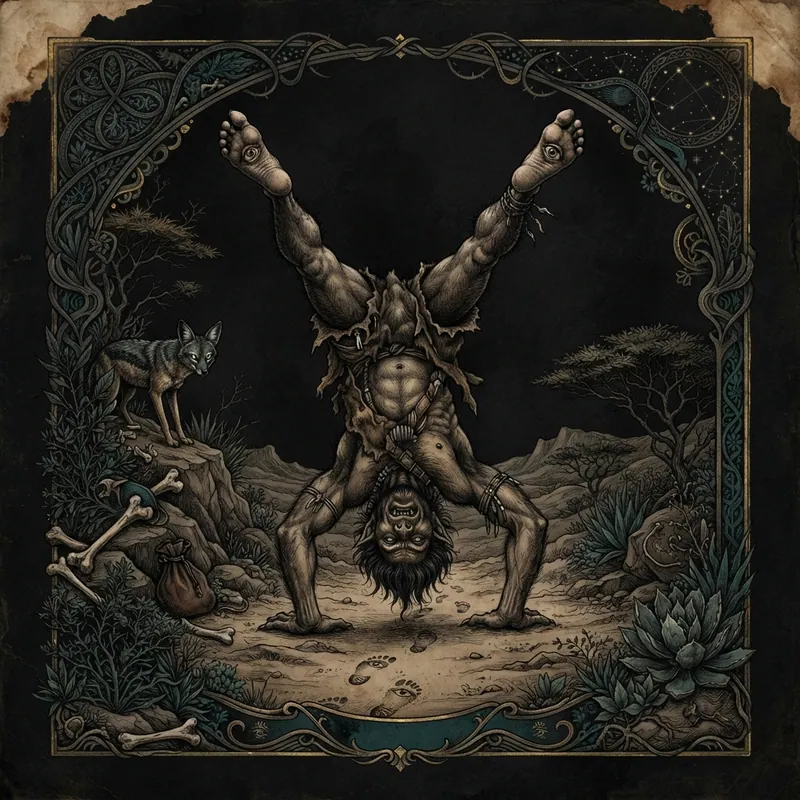
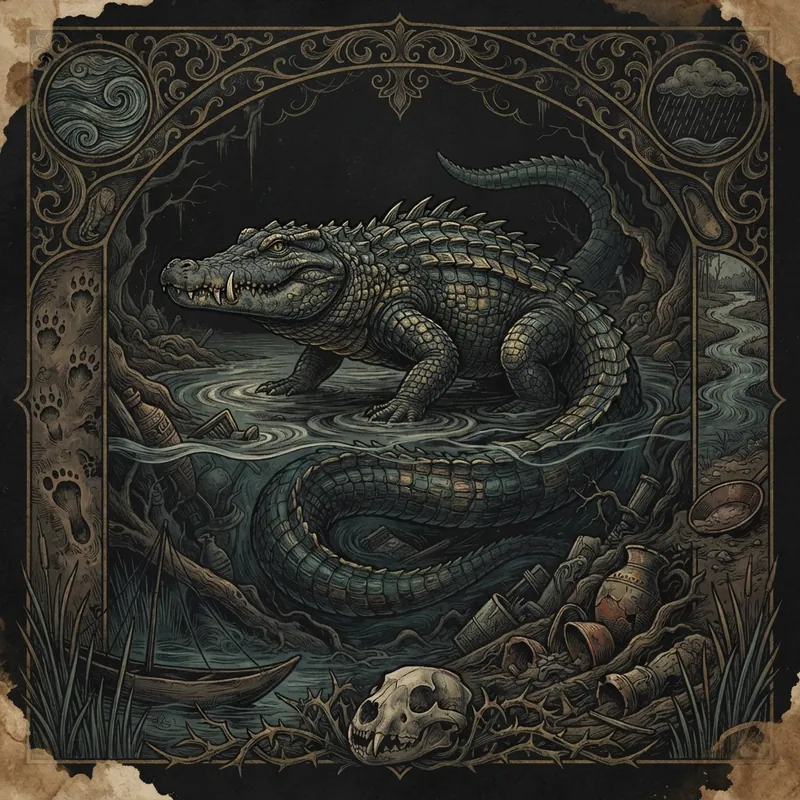
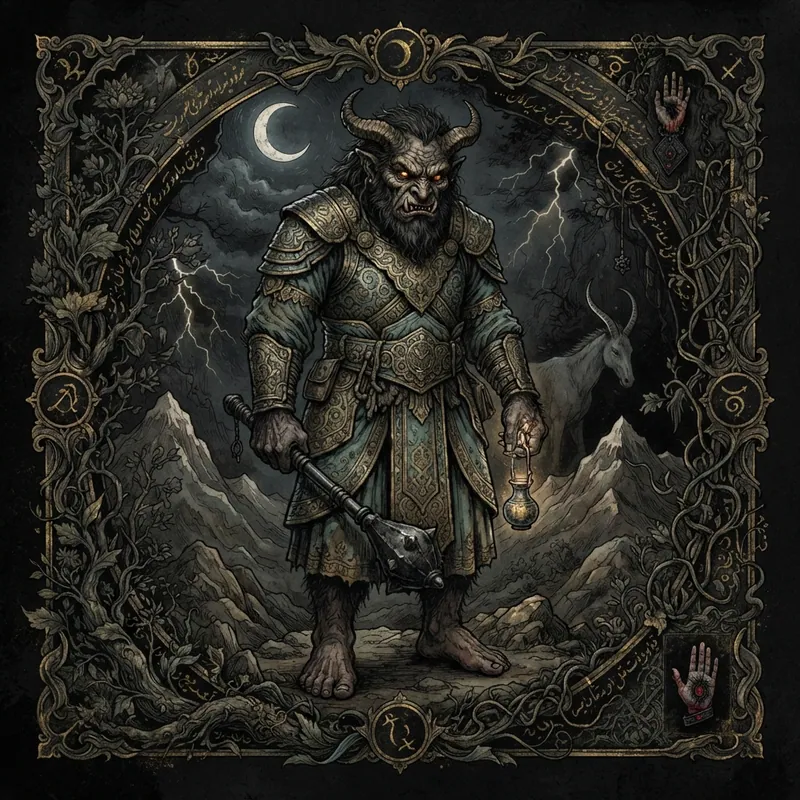
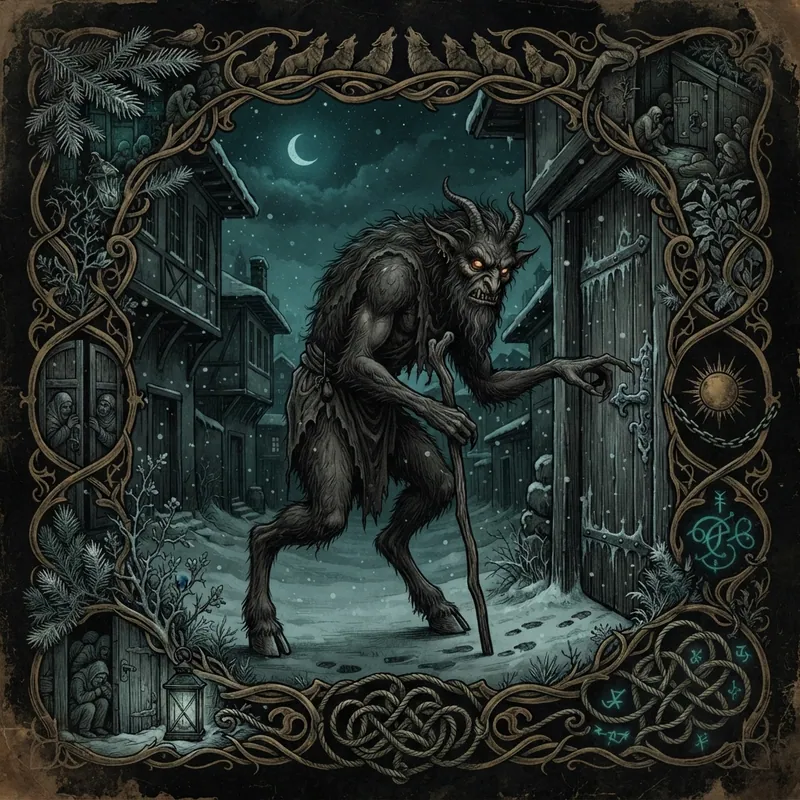
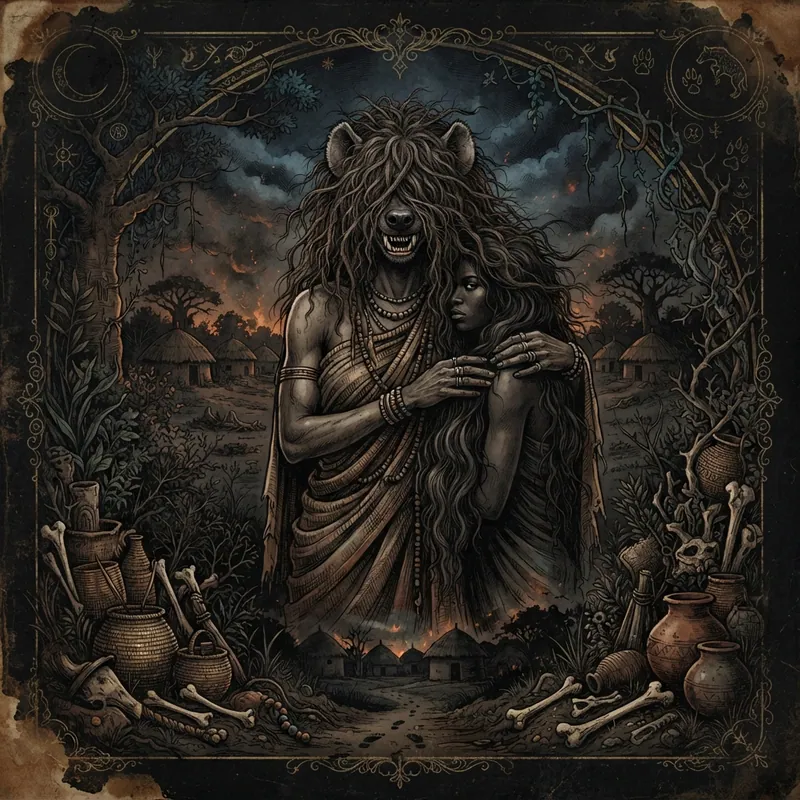
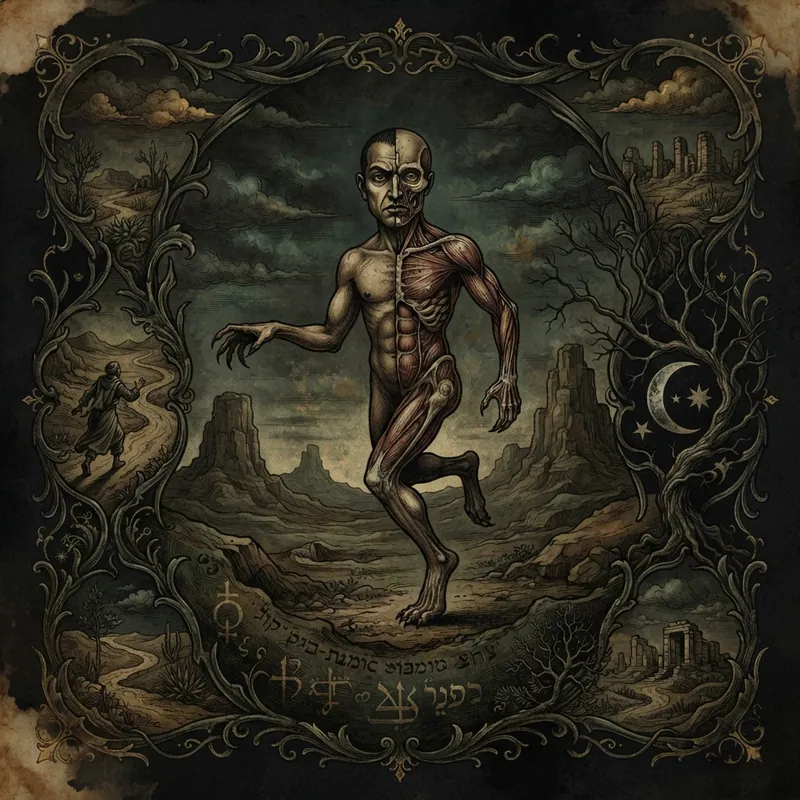
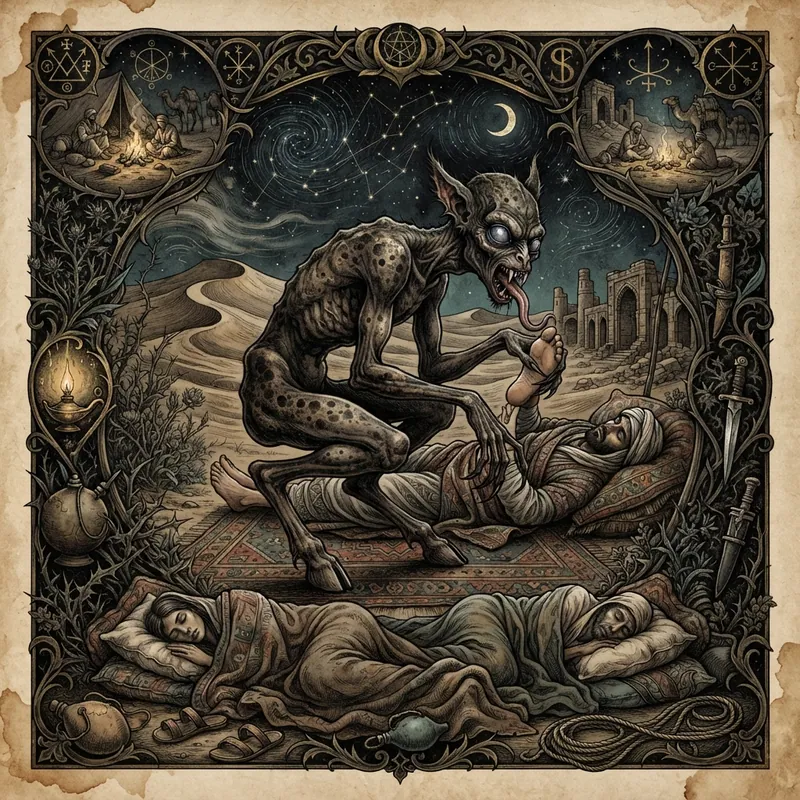
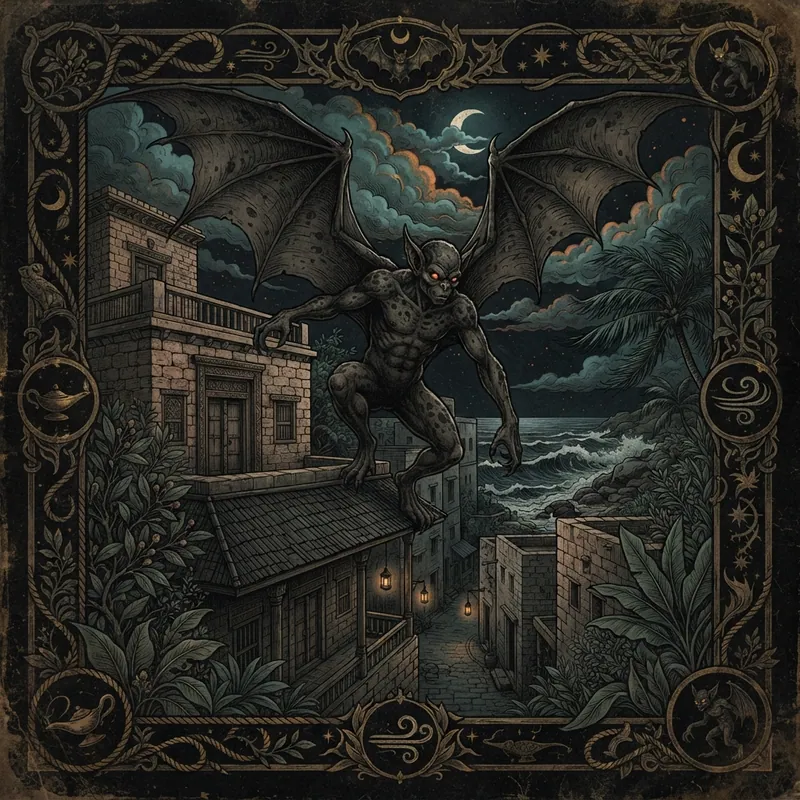
AigamuxaIn Khoekhoe (Khoikhoi) storytelling of Namibia and the northern Cape, the Aigamuxa or Aigamuchab is a man-eating ogre with eyes on the soles of its feet. To see prey it must invert itself; tales collected by Schultze-Jena pair it with the wily jackal.DingonekA scaled, fanged river being reported from western Kenya’s Maggori and Mara drainages into Lake Victoria. English print memory begins with John Alfred Jordan’s 1907 encounter, while C. W. Hobley set it beside older lakeside talk of the Lukwata.DīvThe Persian dīv (dev, dēw) is the demon, ogre, and fiend of Iranian epic and folktale, descended from Avestan daeva. In the Shahnameh they rule a mythical Mazandaran; in oral tales they sleep in sunlight, hide an external soul, and go mad the language itself—dīvānegī.KarakoncolosKarakoncolos (Turkish kara concolos; Balkan karakondzho, karakondžula; Greek kallikantzaros) names a cluster of hairy winter spirits who walk during the coldest, liminal nights. They harass households, pose impossible questions, and vanish when the sun’s order returns.KishiIn Ambundu storytelling recorded in Ki-Mbundu, a kishi (plural makishi) is a man-eating being who courts, abducts, and feeds. Later popular retellings add a human face hiding a hyena’s jaws; Chatelain’s 1894 texts emphasise tangled hair, hunger, and dangerous intimacy.NasnasIn Arabic wonder-literature the nasnās is a monopod half-human: half a head, half a body, one arm, one leg, hopping with great agility. Lane recorded that portrait from Nights scholarship; Shia exegesis sometimes places nisānīs on earth before Adam. Not a generic jinn.PalisA desert predator of Persian travel literature and later folkloristic compilations, the palis or pā-līs (“foot-licker”) drains sleeping travellers by licking the soles of the feet. Sources do not agree on a body; they agree on the habit and on a famous muleteers’ trick.PopobawaA feared shetani of Zanzibar and the Swahili coast, named for the bat-wing shadow of its night visits rather than any single body. Accounts describe a shapeshifter that enters houses, attacks sleepers, and binds victims by forcing the story to be told.
 ☾
☾ ◒
◒ ⛧
⛧ ☾
☾ ◎
◎ ⌬
⌬ ☾
☾ ◎
◎Asia & the Isles · 5
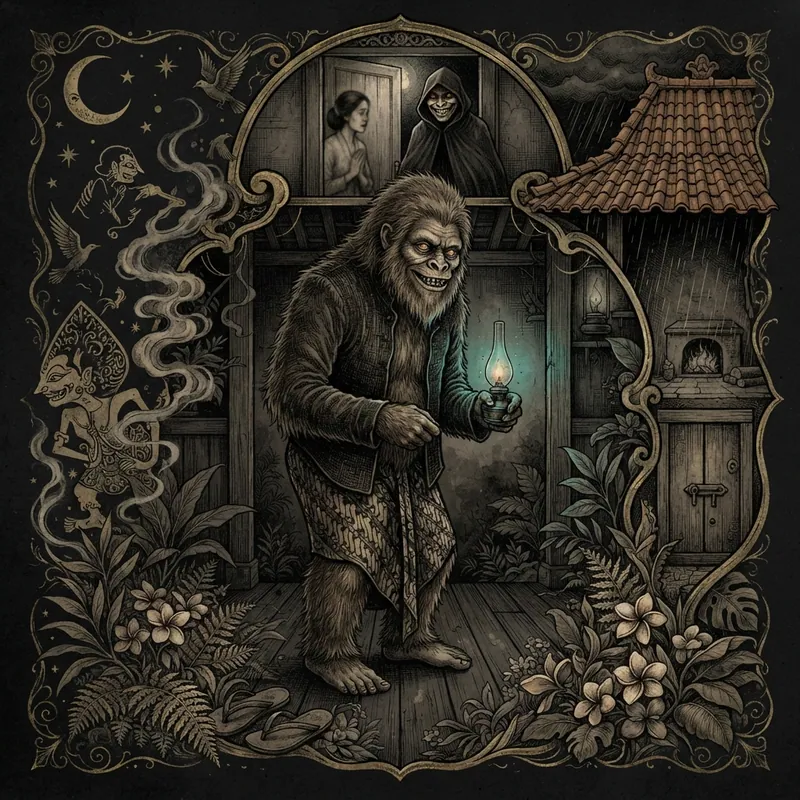
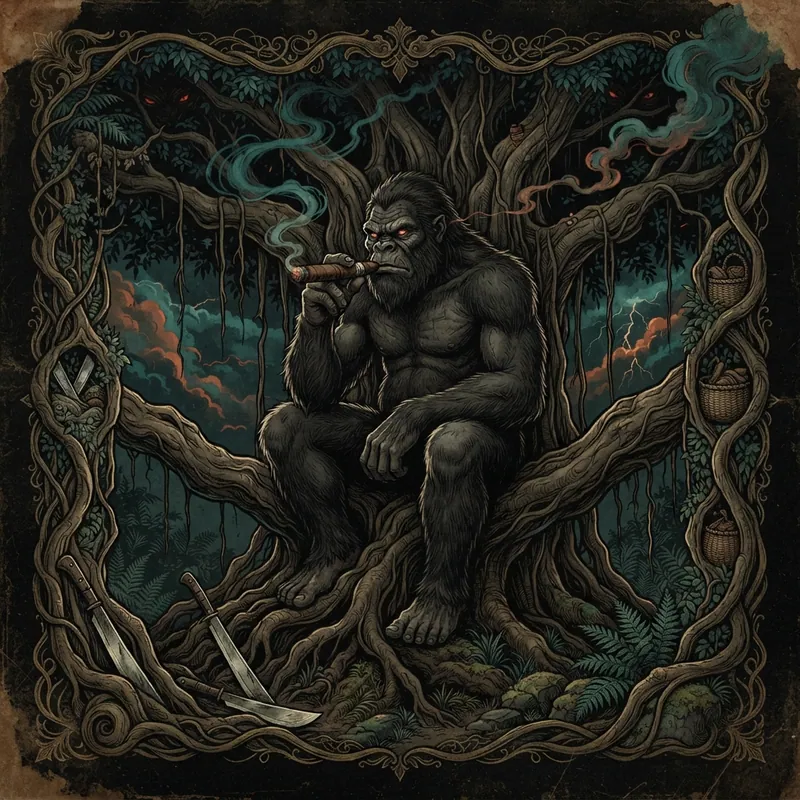
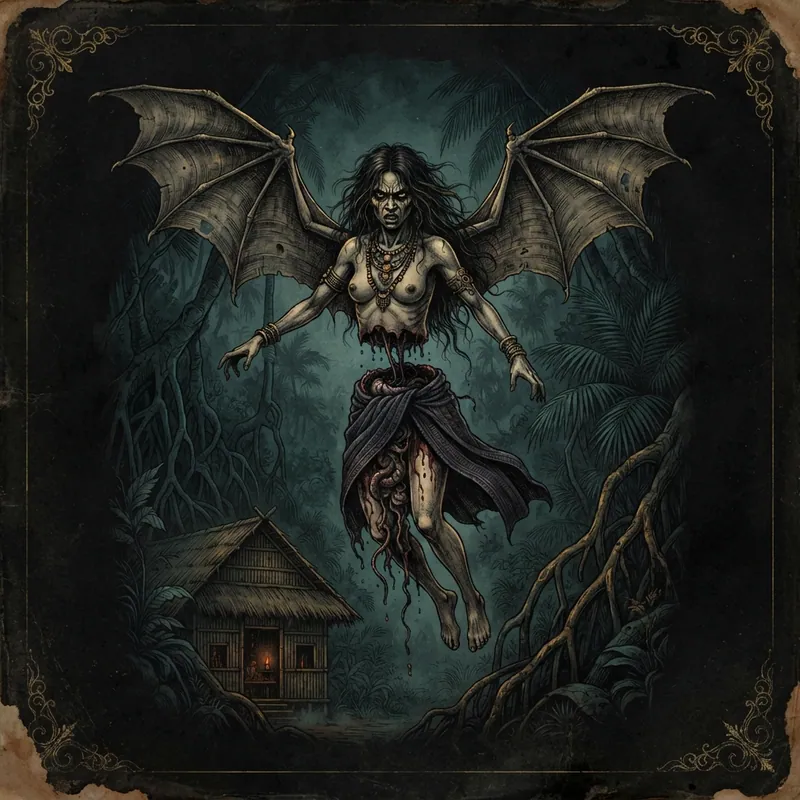
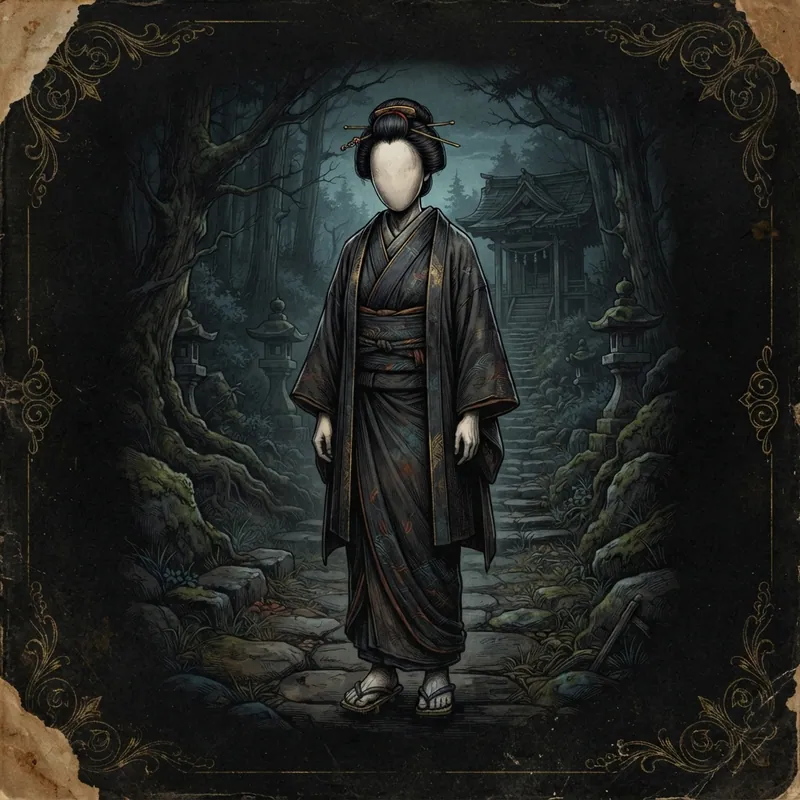
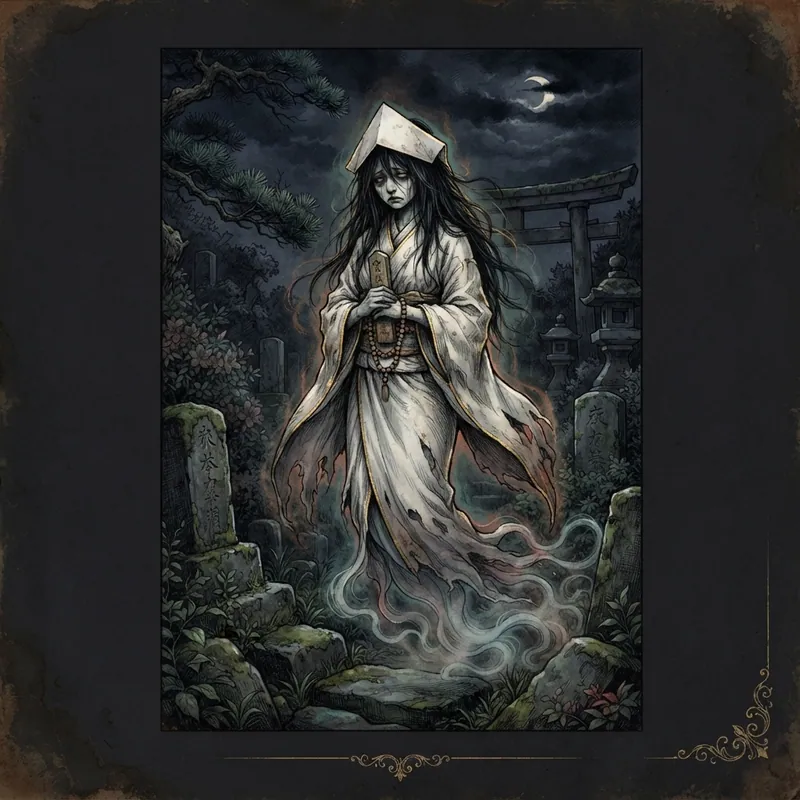
GenderuwoA Javanese hairy, ape-like spirit of the memedi class. Clifford Geertz recorded it as more prankster than murderer; other tellings warn it wears a loved face to tempt.KapreA tall, dark, hairy tree-dweller of Philippine folklore, often seen smoking in acacia, mango, bamboo, or balete. Mischief more than murder, unless the tree is cut.ManananggalA nocturnal, flying figure in Philippine folklore, often described in regional stories as separating from its lower body to hunt at night.Noppera-bōThe faceless ghost of Japanese urban and roadside lore, often appearing first as an ordinary person before revealing a smooth, featureless face—a jolt more than a long chase.YūreiSpirits of the dead that linger for unresolved reasons — often bound to places, objects, or grudges — until the matter that holds them is finally settled.
 ☾
☾ ♧
♧ ◎
◎ ◎
◎ ◌
◌Eastern Europe · 2
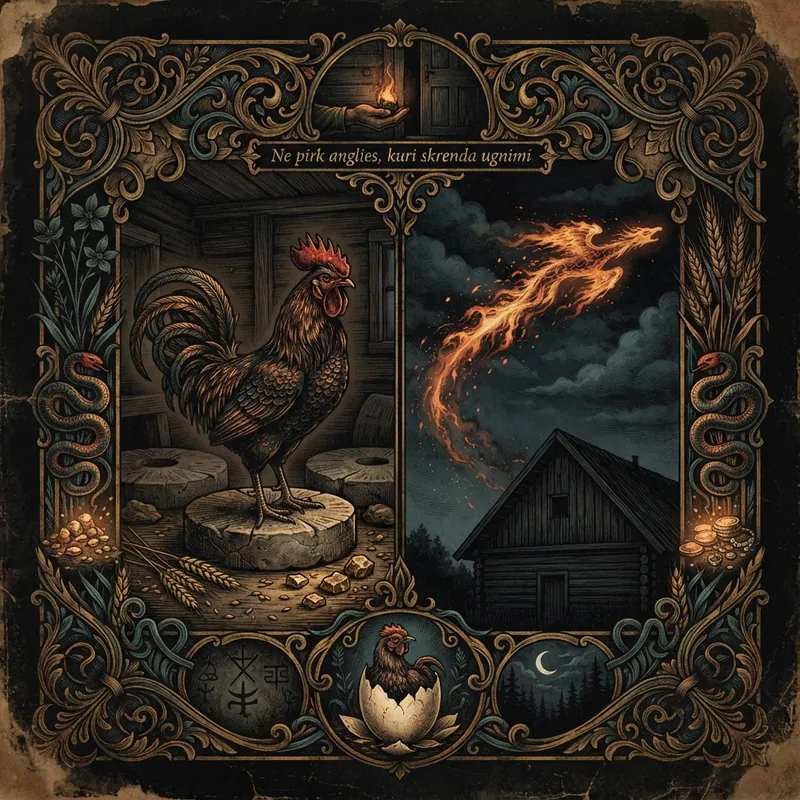
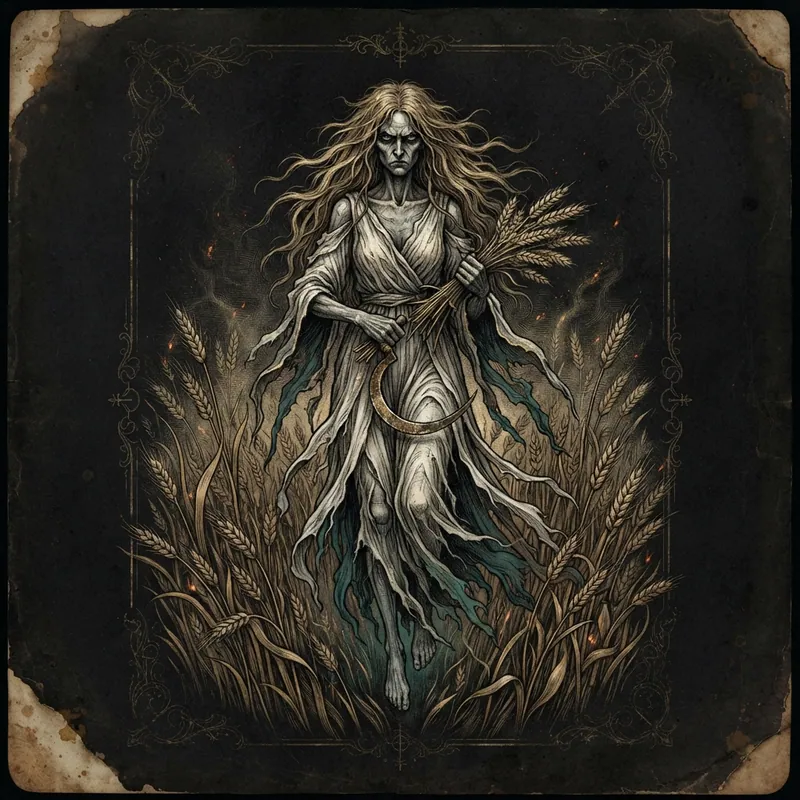
AitvarasA Lithuanian household spirit that appears as a rooster indoors and a flying fiery serpent outdoors, bringing grain and gold taken from neighbours. Kindred to the Estonian kratt, but hatched rather than built.PołudnicaThe noon-lady or Lady Midday of Slavic agricultural folklore, said to appear in the fields at the hottest hour and punish or bewilder those who work through the dangerous heat.
 ⌂
⌂ ✧
✧Europe & the North · 6
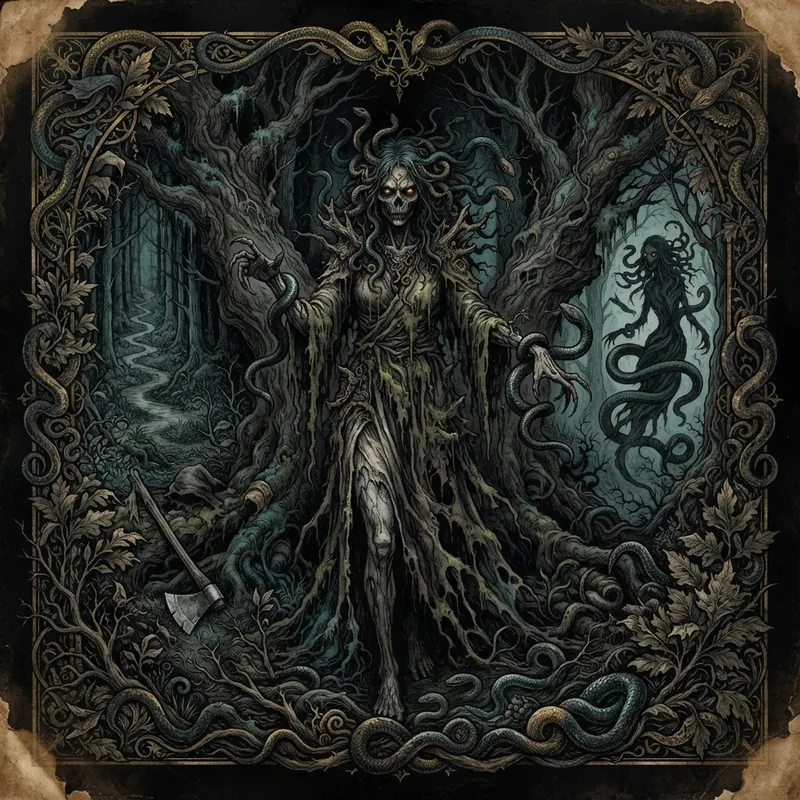
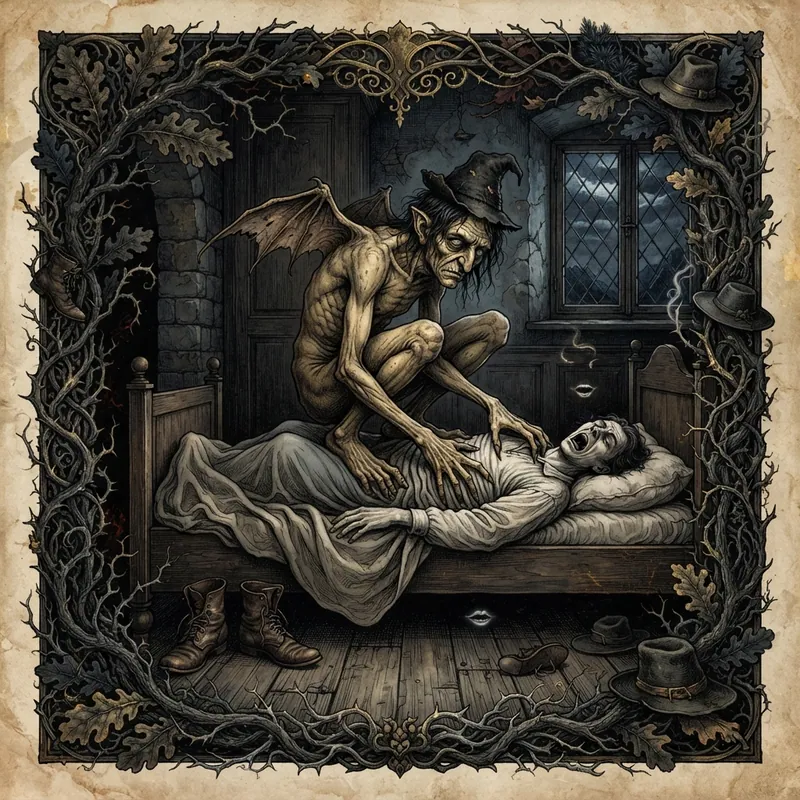
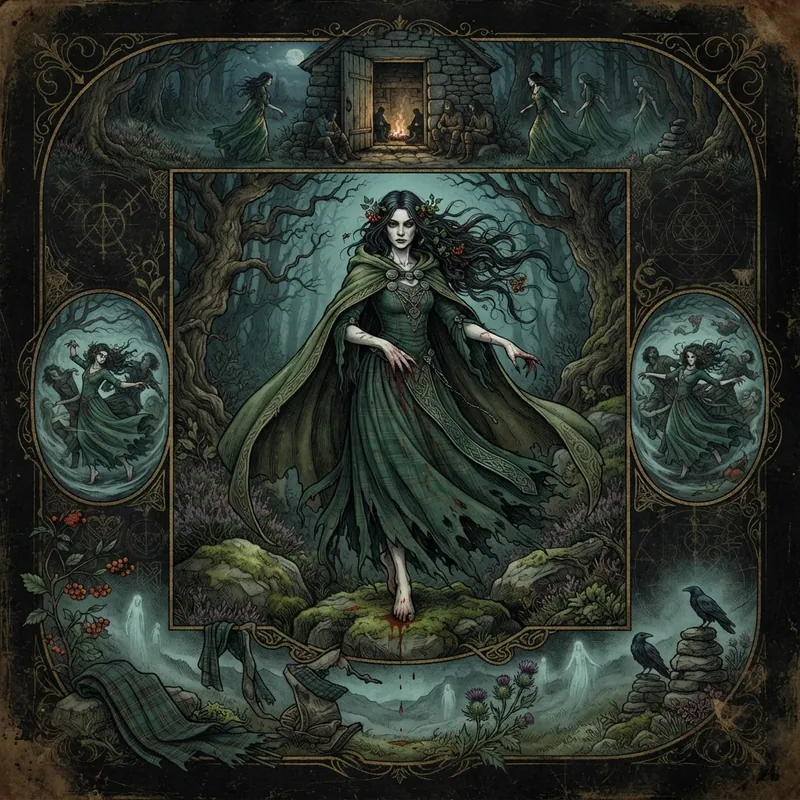
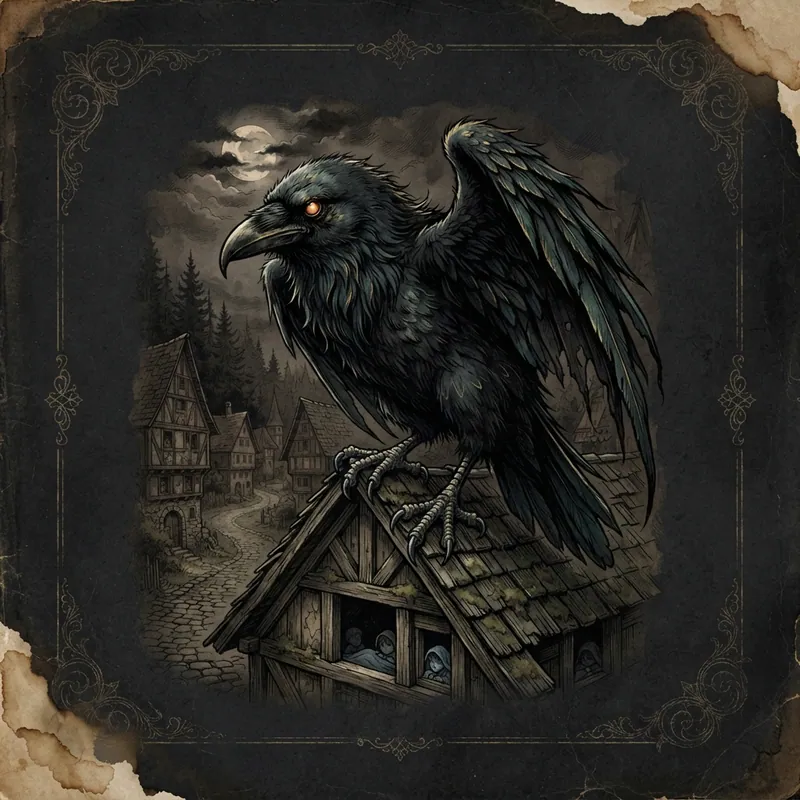
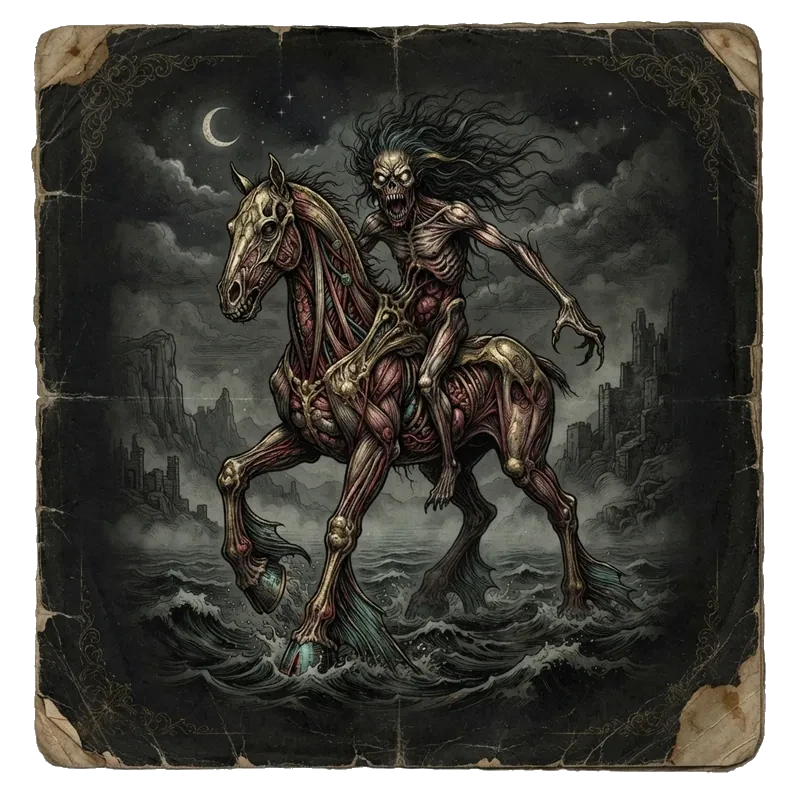
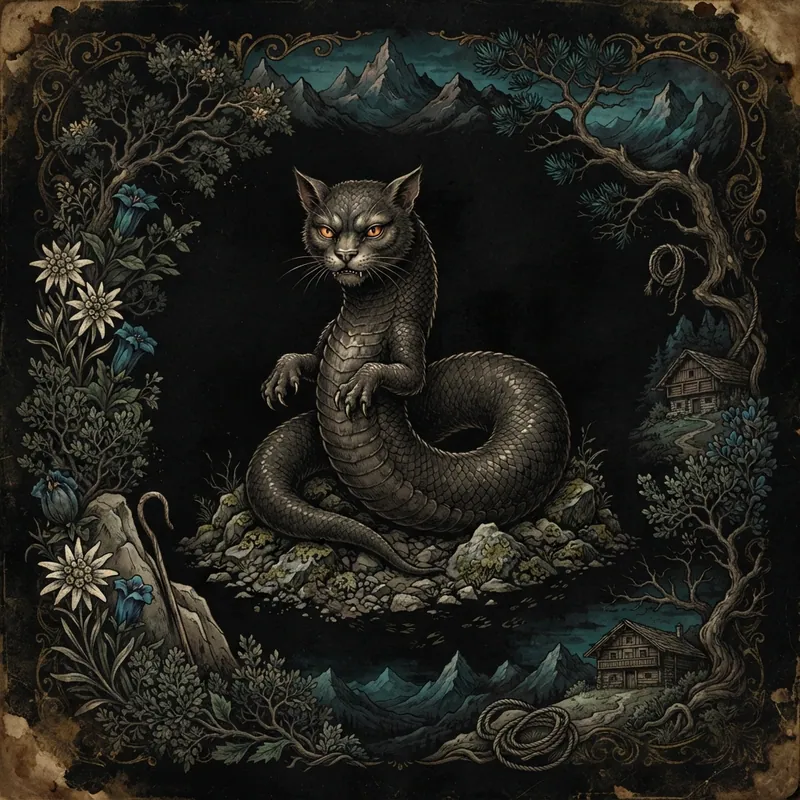
AjatarA Finnish female forest spirit, Ajattara in the older spelling, who leads woodsmen astray. Christfried Ganander recorded her in 1789 as a terrifying wraith of the trees, not as a Christian demon invented for a bestiary.AlpIn German folklore an alp is a typically male night-presser, kin to the elf, that sits on sleepers and sends Alpdruck. Distinct from the mara, though both explain the same crushed waking.Baobhan SìthFemale Highland fairies who appear as beautiful dancers and drain the blood of hunters. They belong to Gaelic sìth tradition, not to the Irish banshee and not to literary vampires.NachtkrappA night-raven bogey of German-language folklore used to frighten children into staying in bed. Part of a wider European family of night-bird warnings.NuckelaveeA terrifying, skinless horse-and-rider figure in Orcadian folklore, remembered in stories as a force of disease and devastation.TatzelwurmAn Alpine lizard-dragon of Austrian, Bavarian, and Swiss lore: cat-faced, often two-legged, wingless, living in high rock. A regional cryptid of pastures and caves, not a generic mountain demon.
 ♧
♧ ☾
☾ ❋
❋ ☾
☾ ☾
☾ ◒
◒Oceania & the Pacific · 3
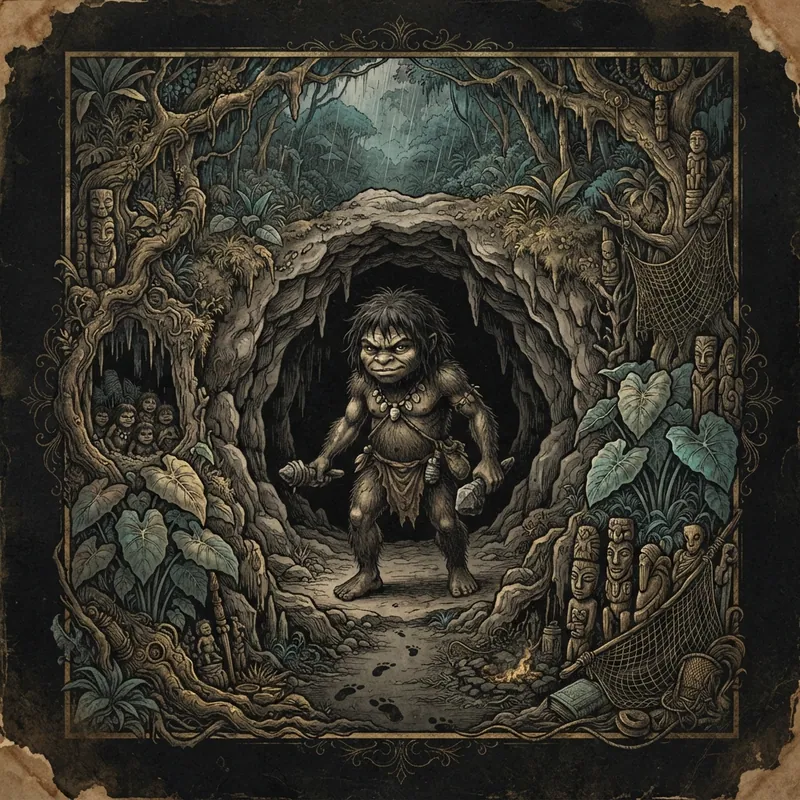
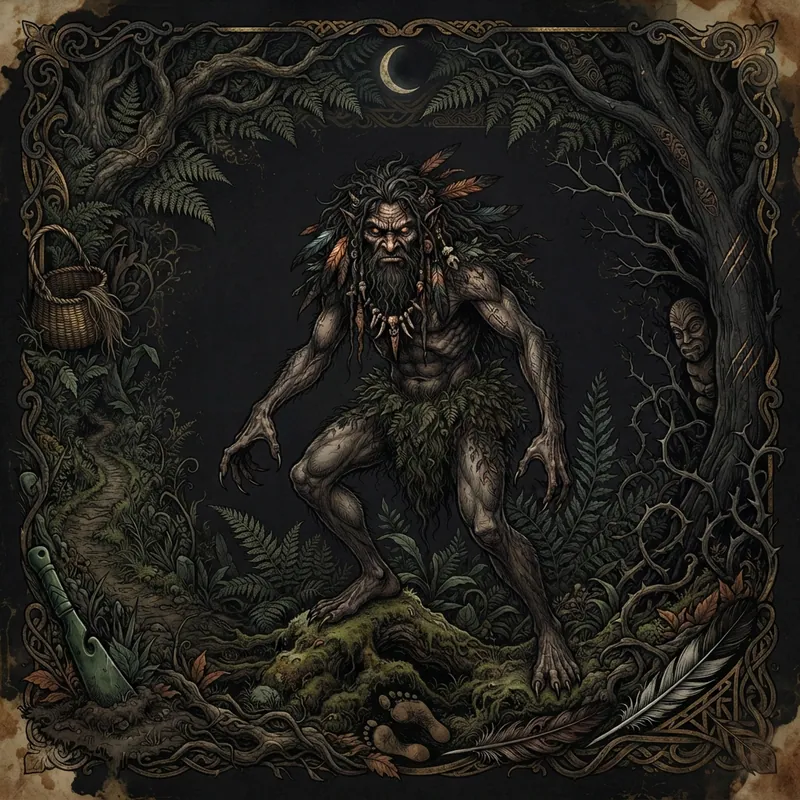
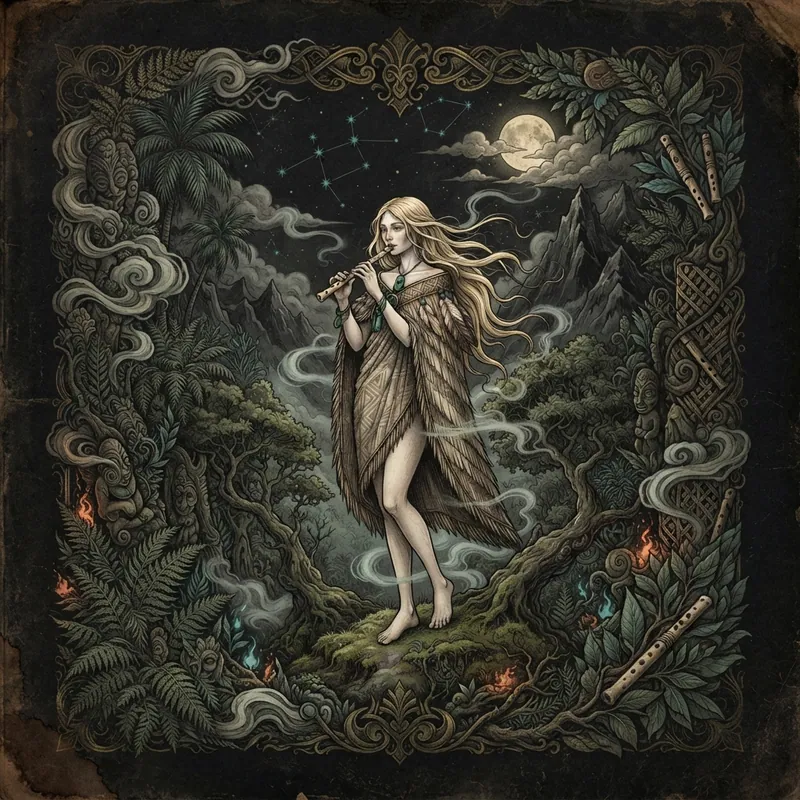
KakamoraIn Solomon Islands folklore, especially on Makira, kakamora are small, hairy, cave-dwelling people of the bush — original inhabitants in many tellings, mischievous, strong, and not to be cornered. This is local kastom, not a film pirate.MaeroIn Māori tradition, maero (North Island) and māeroero (South Island) are wild supernatural people of forest and mountain, feared in many kōrero as predators of travellers. Living tribal knowledge, not a trophy ogre.PatupaiareheIn Māori tradition, patupaiarehe are supernatural people of forest and misty peaks — he iwi atua — fair-skinned in many accounts, averse to cooked food, fire, and sun. A living knowledge, not a trophy fairy.
 ♧
♧ ♧
♧ ❋
❋South Asia · 5
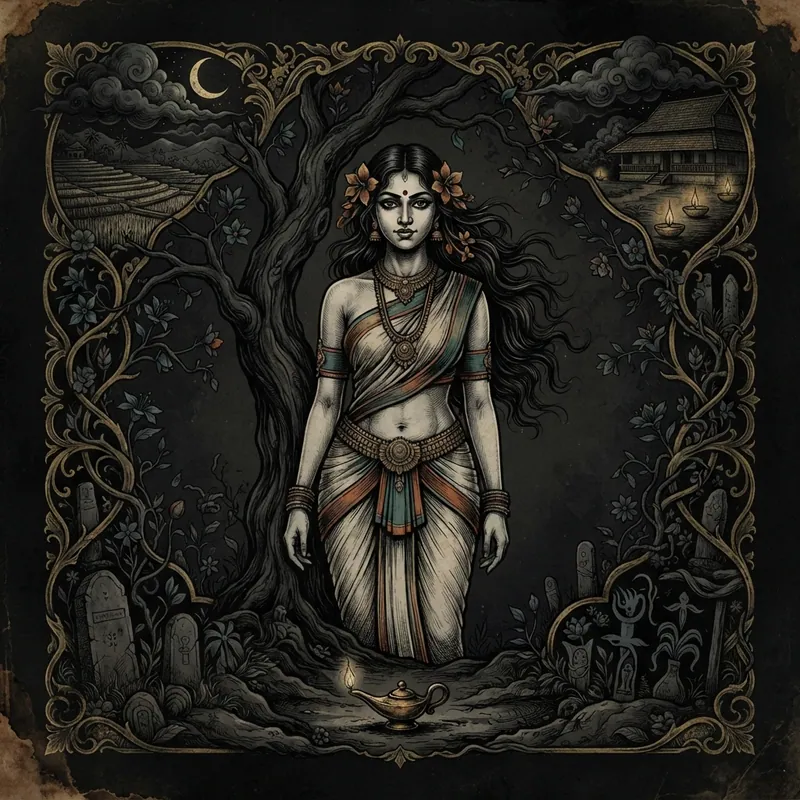
AleyaBengali marsh lights of the Sundarbans and wetland Bengal, often held to be the unquiet glow of drowned fishermen. An omen and a map of deadly water, akin to will-o'-the-wisp, not a beast.MohiniIn Tamil folklore, Mohini names a seductive pey who possesses young men. This is not the Hindu goddess Mohini, Vishnu's enchanting avatar; the shared name is a common noun of delusion applied to a restless female dead.PiśāchaFlesh-eating night beings of Hindu and South Asian religious storytelling, associated with cremation grounds, violent death, shapeshifting, and possession that can unseat the mind.RakshasaPowerful beings of Hindu epic and storytelling—capable of illusion, night roaming, and both antagonism and complexity (not every rakshasa is simply ‘evil’). Read through the text tradition, not only monster lists.YakshiIn Kerala nocturnal folklore, a yakshi may appear as a beautiful woman of the night road who lures travellers; this is not the same figure as the auspicious yakṣī of temple sculpture, nor as yaksha beings more broadly.
 ✧
✧ ◎
◎ ☾
☾ ◎
◎ ◎
◎The Americas · 5
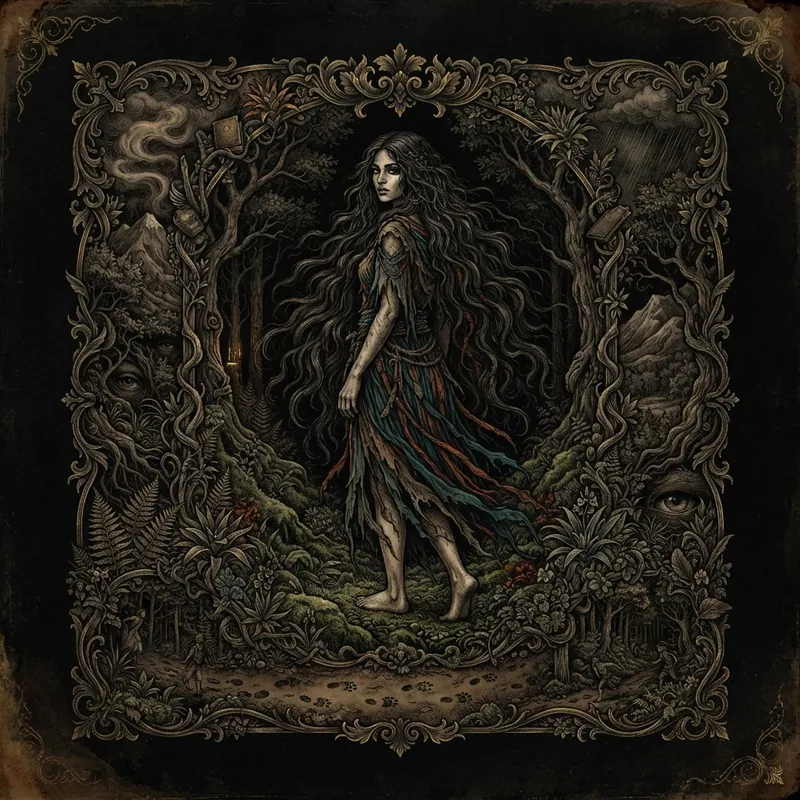
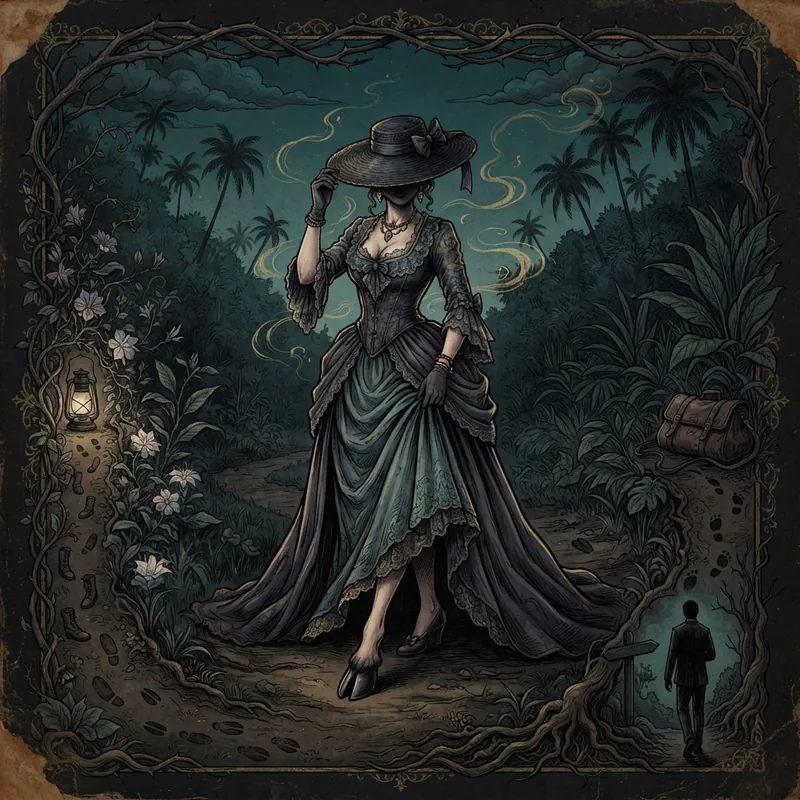
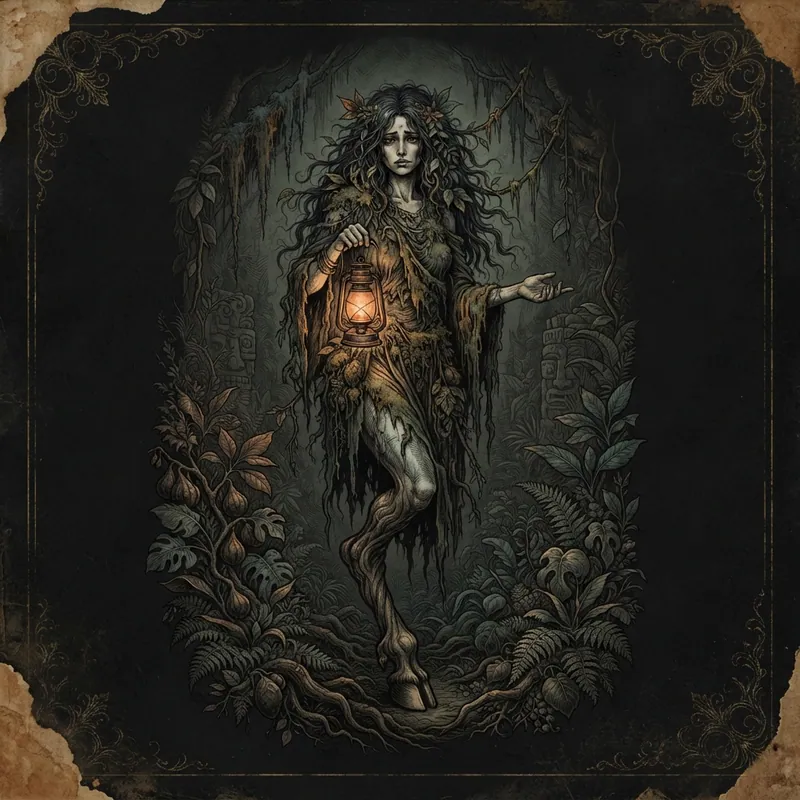
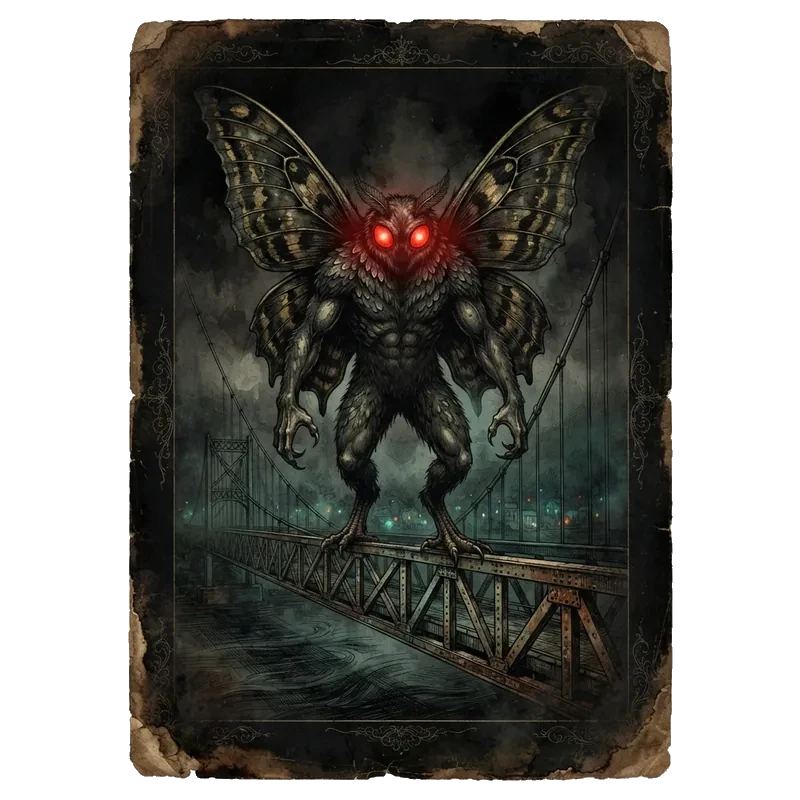
CiguapaA Dominican mountain being, often a long-haired woman with backward-facing feet, whose tracks mislead pursuers. Tellings run from shy forest presence to dangerous lure; she is not simply La Llorona in another country.La DiablesseA Creole temptress of Trinidad, Martinique, and neighbouring islands: poise and perfume from the front, one cow’s hoof under the long dress, a face the hat keeps back. She leads the unwary off the path. Not a generic succubus; keep the French-Creole and African-Caribbean setting.La PatasolaA one-legged forest seducer of Colombian lore who lures men into the wilderness. Often read as a warning about the jungle’s dangers and gendered violence in oral tradition.La SiguanabaA Central American spectre — Siguanaba, Sihuanaba, Cigua, Cegua — beautiful from behind, horse-faced or skull-faced up close. Related to La Llorona as a weeping or water woman in popular talk, but not the same being: she punishes lust and infidelity, and in Salvadoran cycles seeks her son Cipitío.MothmanA modern legend associated with Point Pleasant, West Virginia, and a cluster of 1960s sightings, rumours, and later retellings.
 ♧
♧ ⛤
⛤ ♧
♧ ◌
◌ ◒
◒