THE CONCORDANCE
Dawn
28 records across 27 traditions carry this current.
Africa & the Middle East · 2
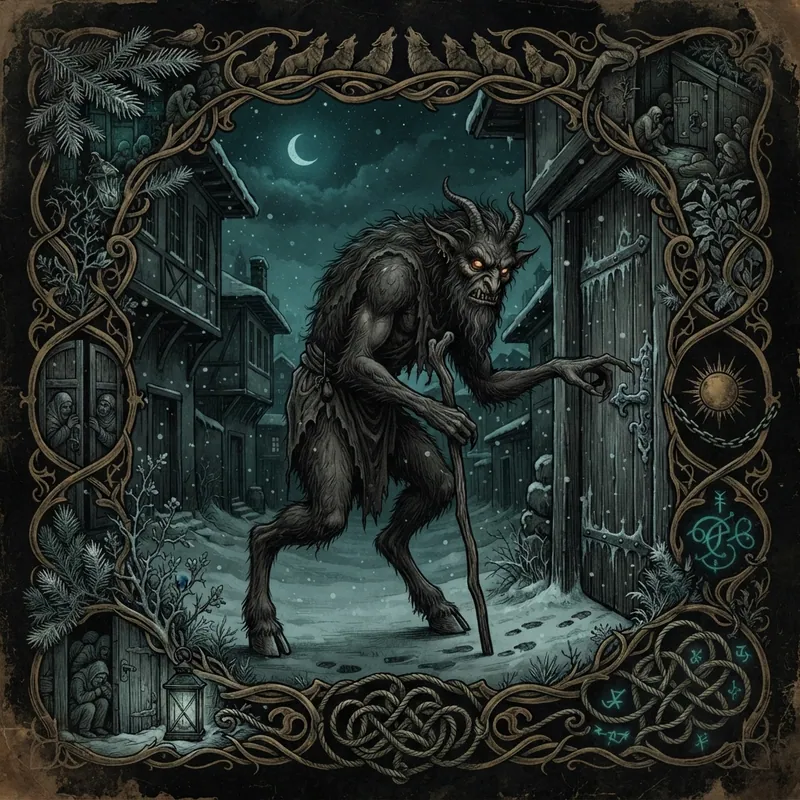
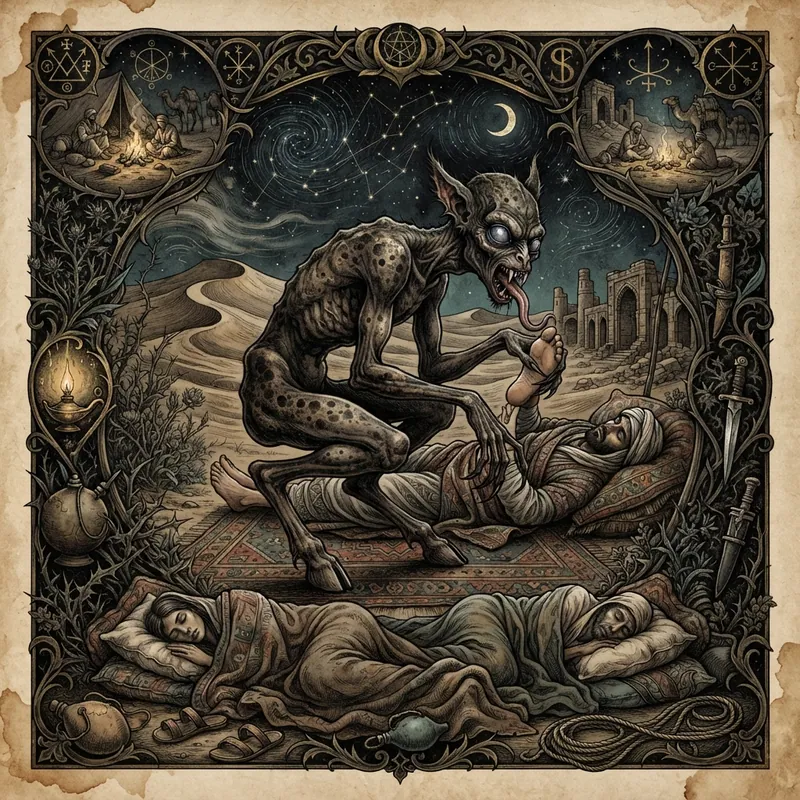
KarakoncolosKarakoncolos (Turkish kara concolos; Balkan karakondzho, karakondžula; Greek kallikantzaros) names a cluster of hairy winter spirits who walk during the coldest, liminal nights. They harass households, pose impossible questions, and vanish when the sun’s order returns.PalisA desert predator of Persian travel literature and later folkloristic compilations, the palis or pā-līs (“foot-licker”) drains sleeping travellers by licking the soles of the feet. Sources do not agree on a body; they agree on the habit and on a famous muleteers’ trick.
 ☾
☾ ☾
☾Asia & the Isles · 3
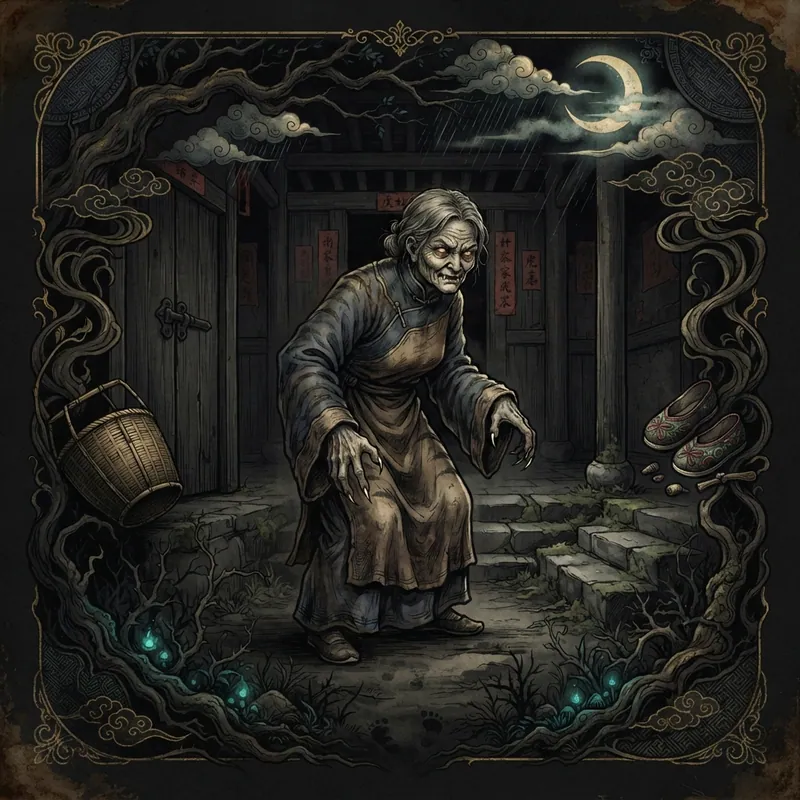
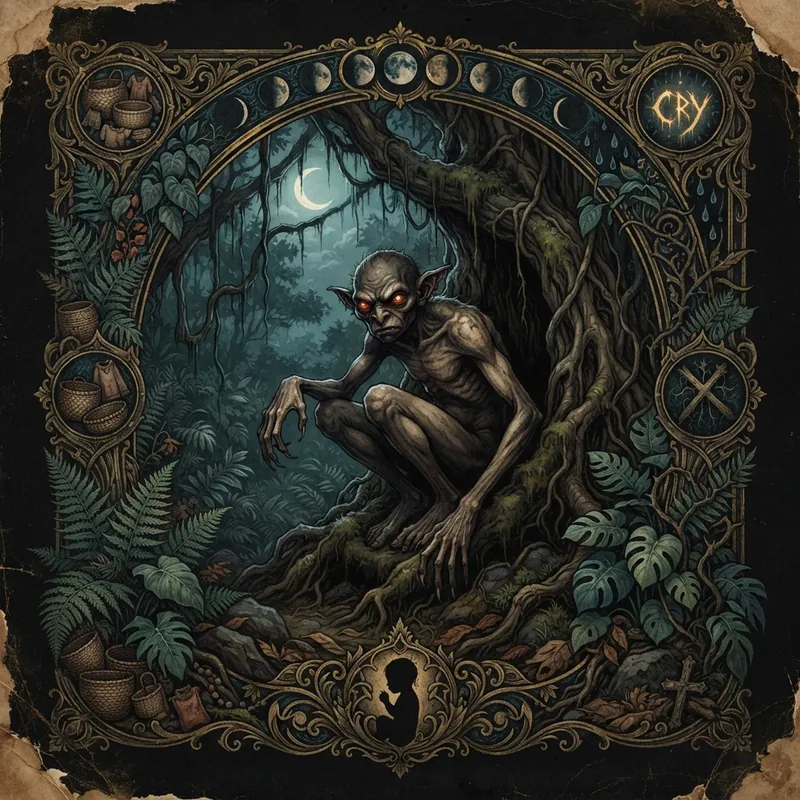
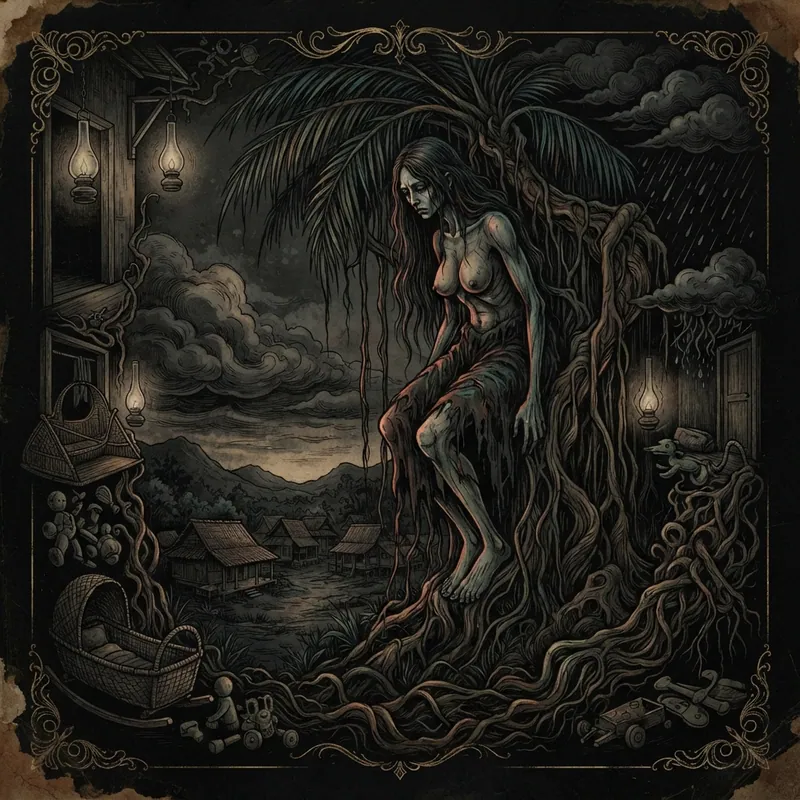
Hú Gū PóHú Gū Pó, Grandaunt Tiger: a Hakka and Taiwanese ogress-tale of a tiger who becomes an old woman to eat children. A cautionary bedtime story, not a hunting manual.TiyanakA Philippine being that mimics an infant’s cry to lure passers-by. Related in name to Malay childbirth spirits, but here the child, not the mother, is the hunter. Origins and forms vary by ethnolinguistic group.Wewe GombelA Javanese female spirit who kidnaps children. Folklore also says she keeps neglected children kindly until their parents change. Fright and shelter occupy the same figure.
 ◎
◎ ☾
☾ ☾
☾Eastern Europe · 3
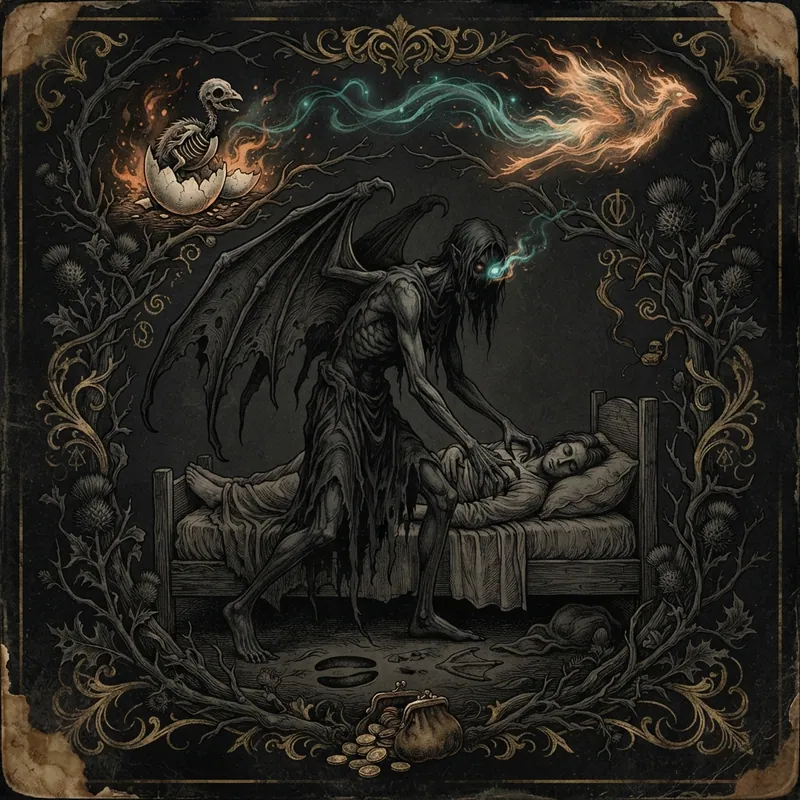
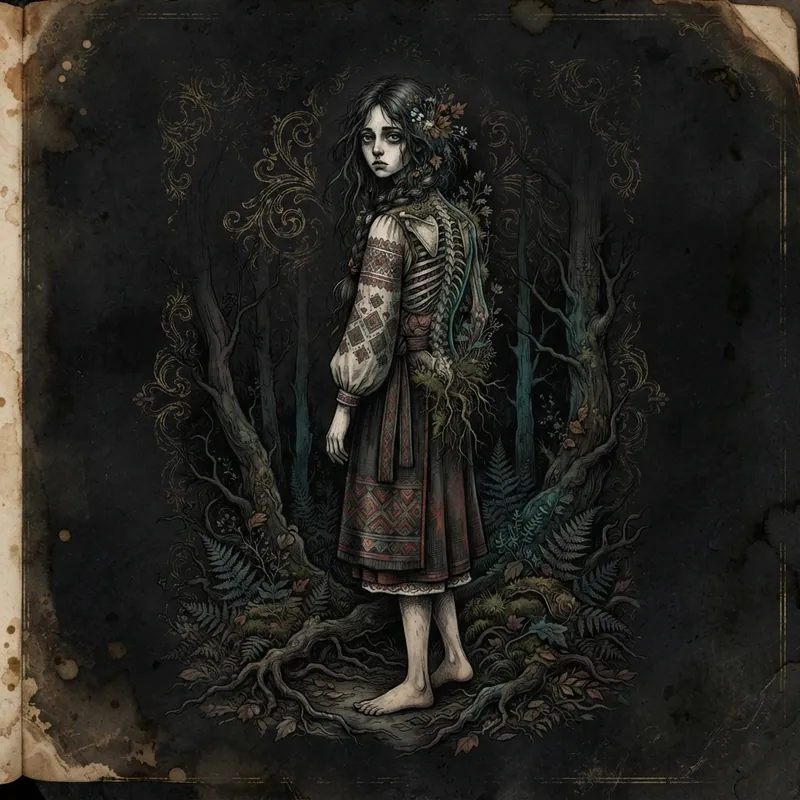
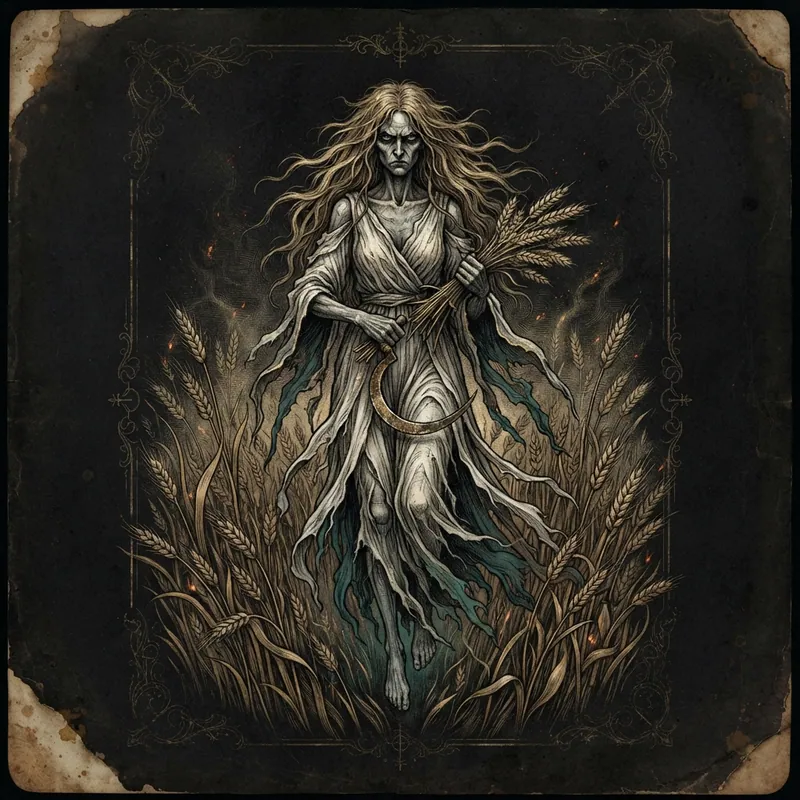
LidércA Hungarian night visitor that may be hatched as a miracle chicken, fly as a fiery light, or press the sleeper as an incubus. Wealth and longing arrive together; the keeper seldom keeps both life and gold.MavkaA forest spirit in Ukrainian tradition, often connected with young women who died before their time. Closely related in some tellings to rusalka lore, but rooted in woodland rather than only water.PołudnicaThe noon-lady or Lady Midday of Slavic agricultural folklore, said to appear in the fields at the hottest hour and punish or bewilder those who work through the dangerous heat.
 ☾
☾ ♧
♧ ✧
✧Europe & the North · 5
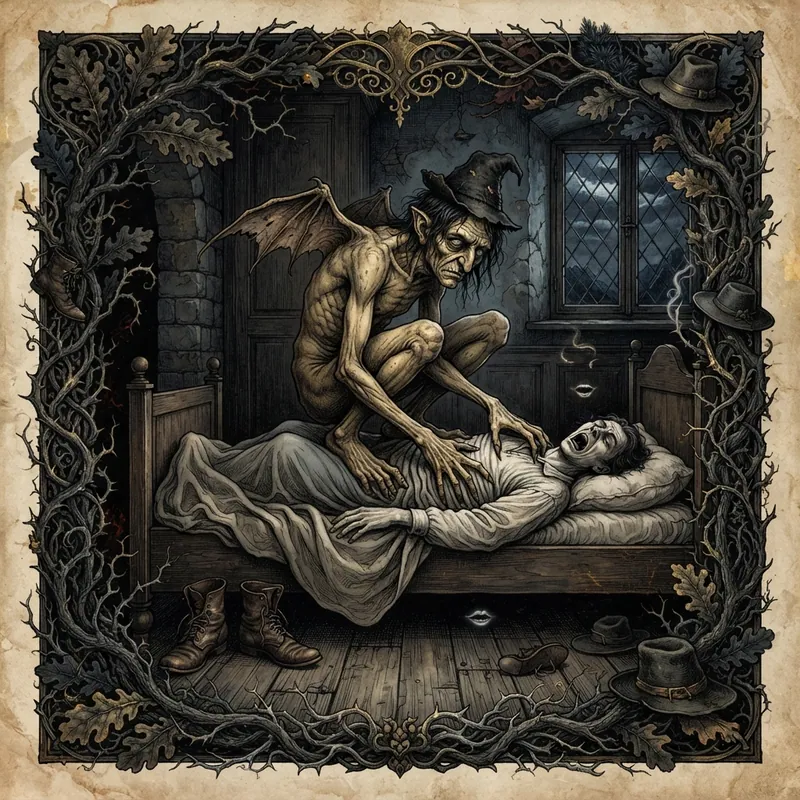
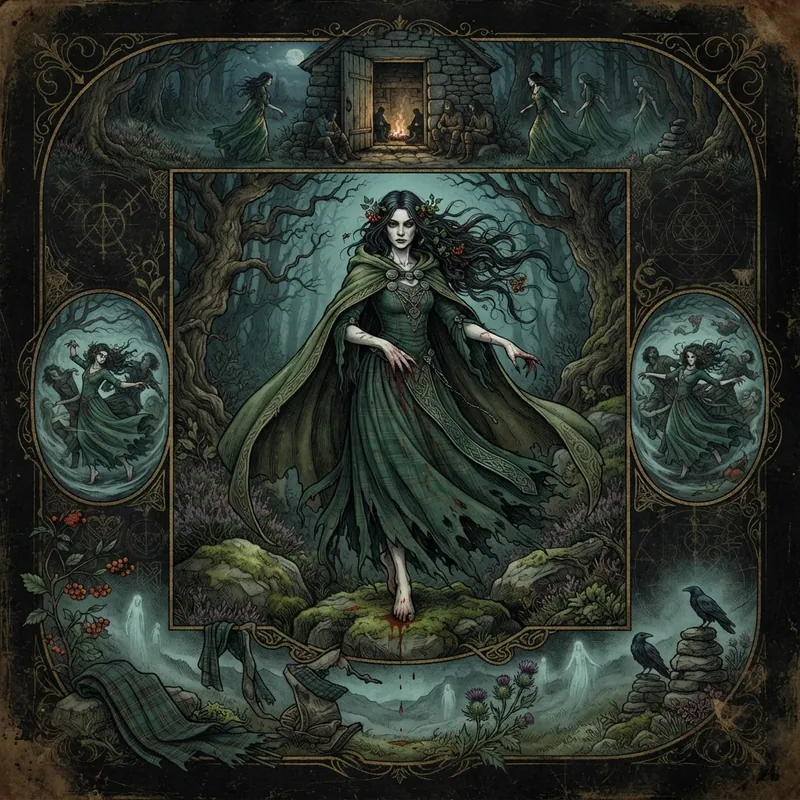
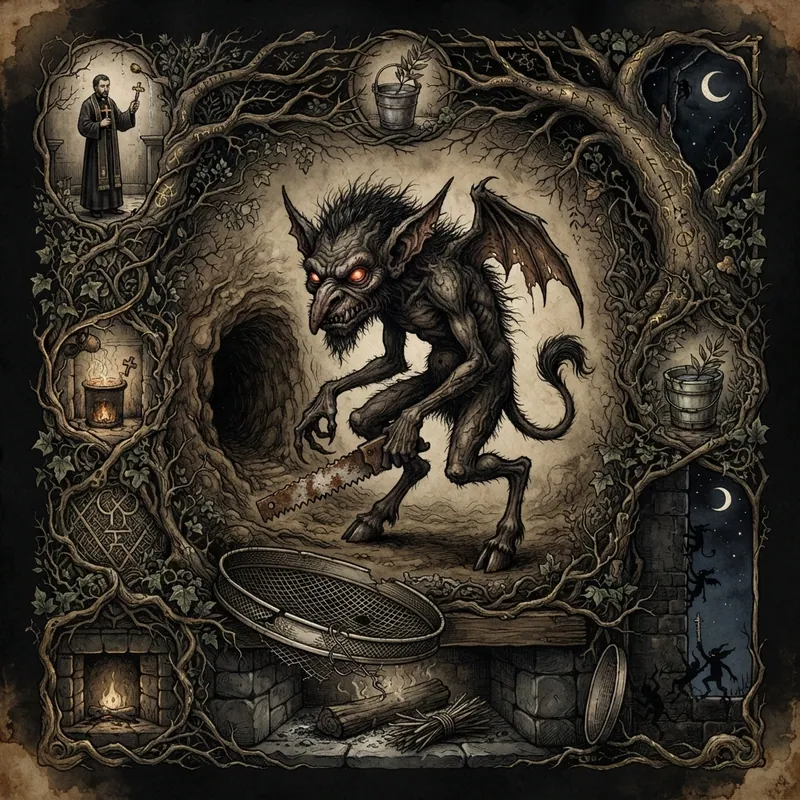
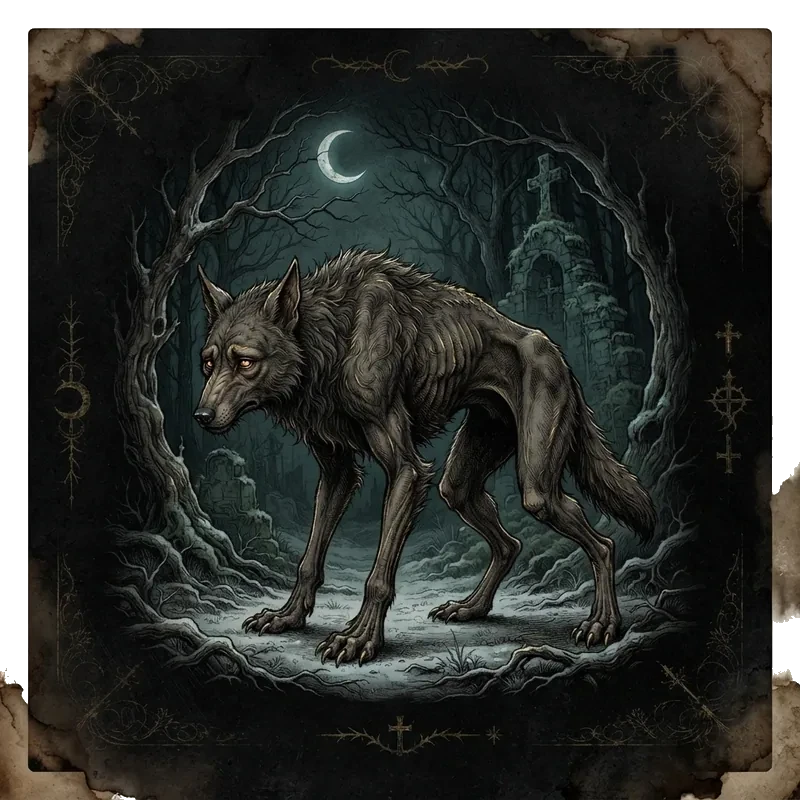
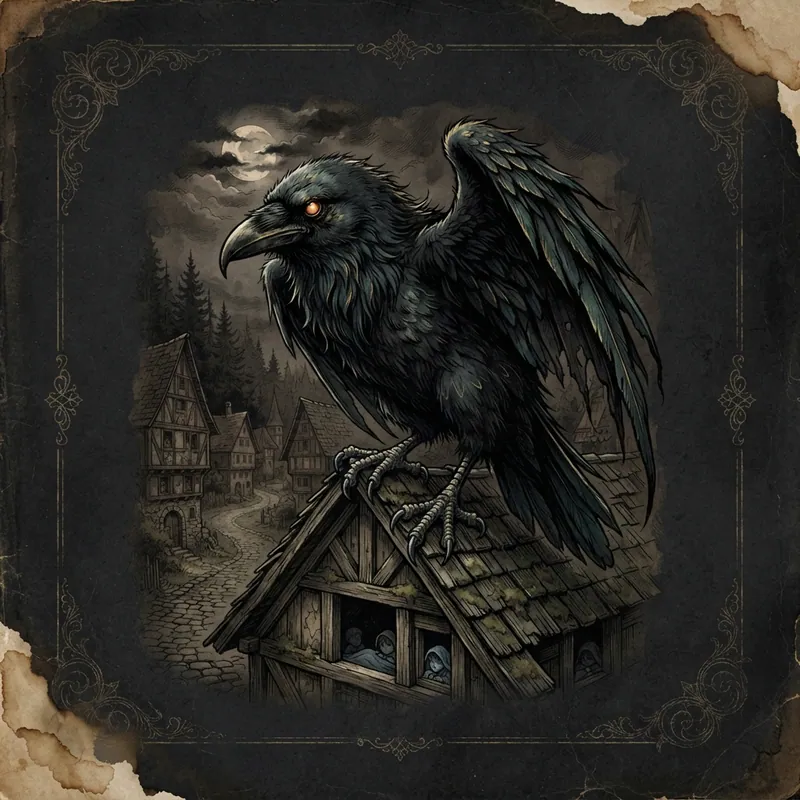
AlpIn German folklore an alp is a typically male night-presser, kin to the elf, that sits on sleepers and sends Alpdruck. Distinct from the mara, though both explain the same crushed waking.Baobhan SìthFemale Highland fairies who appear as beautiful dancers and drain the blood of hunters. They belong to Gaelic sìth tradition, not to the Irish banshee and not to literary vampires.KallikantzarosGreek and Anatolian Christmas goblins who spend the year sawing the world-tree underground and climb out only for the Twelve Days. Epiphany water and a kept fire send them home.Loup-garouThe French werewolf tradition, including New World Francophone variants. Sometimes framed as punishment or unfulfilled penance rather than a bite-transmitted Hollywood curse.NachtkrappA night-raven bogey of German-language folklore used to frighten children into staying in bed. Part of a wider European family of night-bird warnings.
 ☾
☾ ❋
❋ ☾
☾ ◎
◎ ☾
☾Oceania & the Pacific · 3
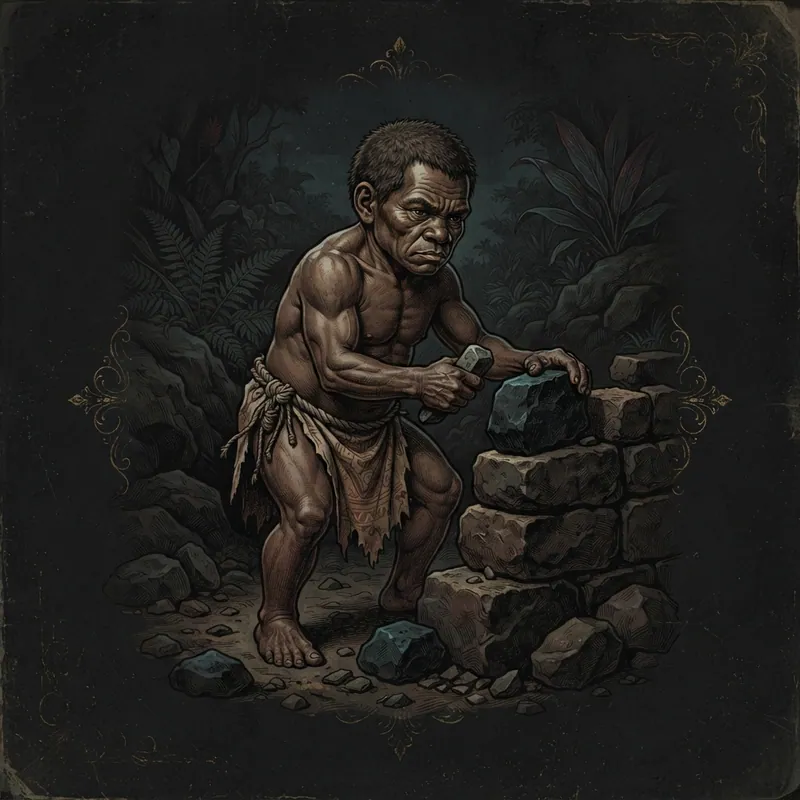
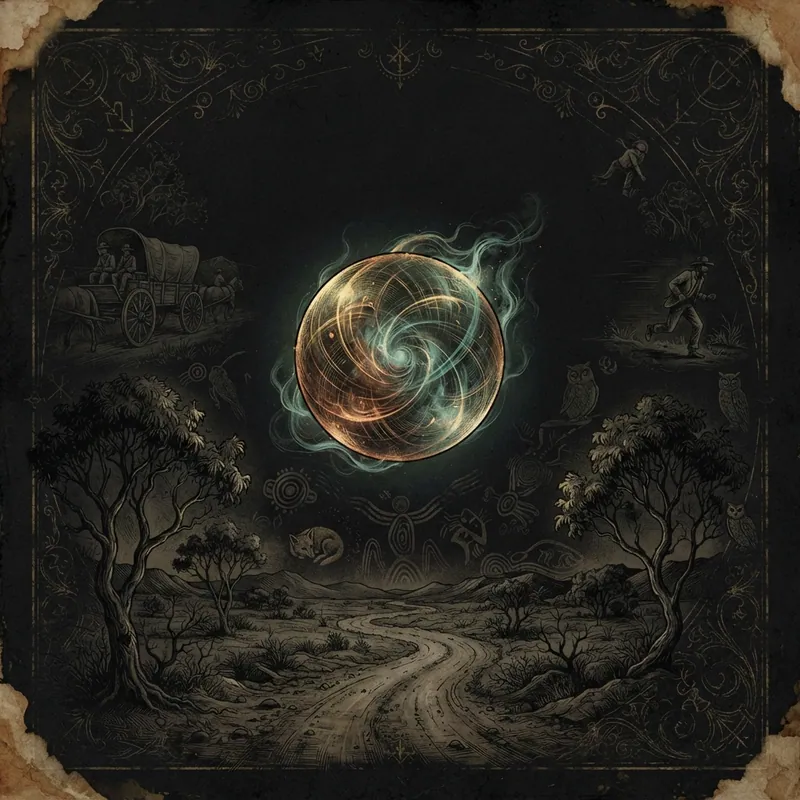
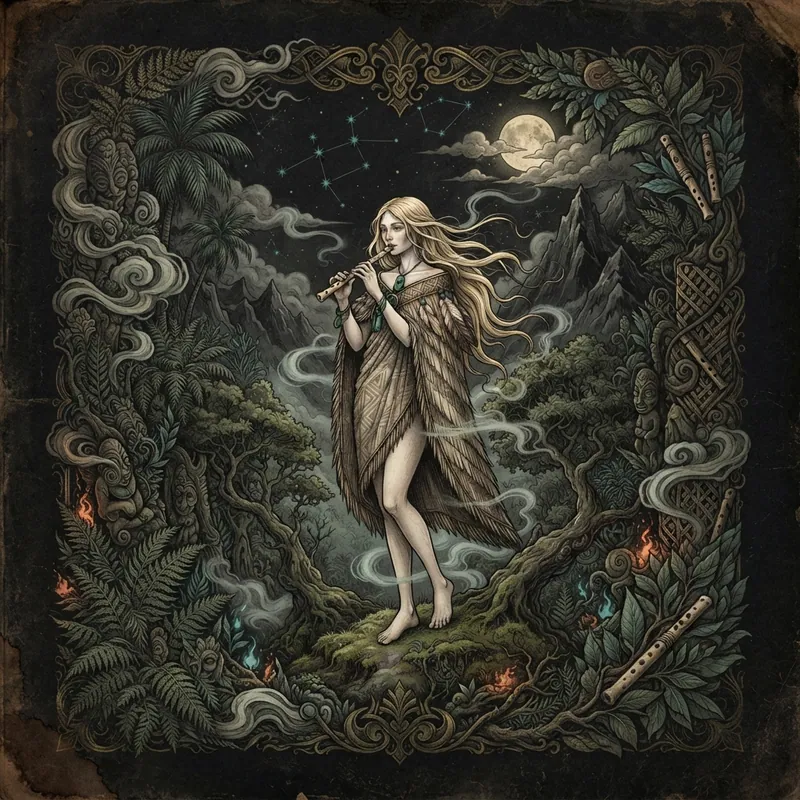
MenehuneSmall night-working people in Hawaiian storytelling credited with prodigious stone construction. Interpretations range from legendary craftspeople to encodings of earlier populations—handle with cultural care.Min Min lightsMysterious glowing orbs of the Australian outback, named in settler talk from Min Min in western Queensland. Indigenous stories of night lights as elders' spirits or warnings predate and outlast the tourist name.PatupaiareheIn Māori tradition, patupaiarehe are supernatural people of forest and misty peaks — he iwi atua — fair-skinned in many accounts, averse to cooked food, fire, and sun. A living knowledge, not a trophy fairy.
 ⌂
⌂ ✧
✧ ❋
❋South Asia · 3
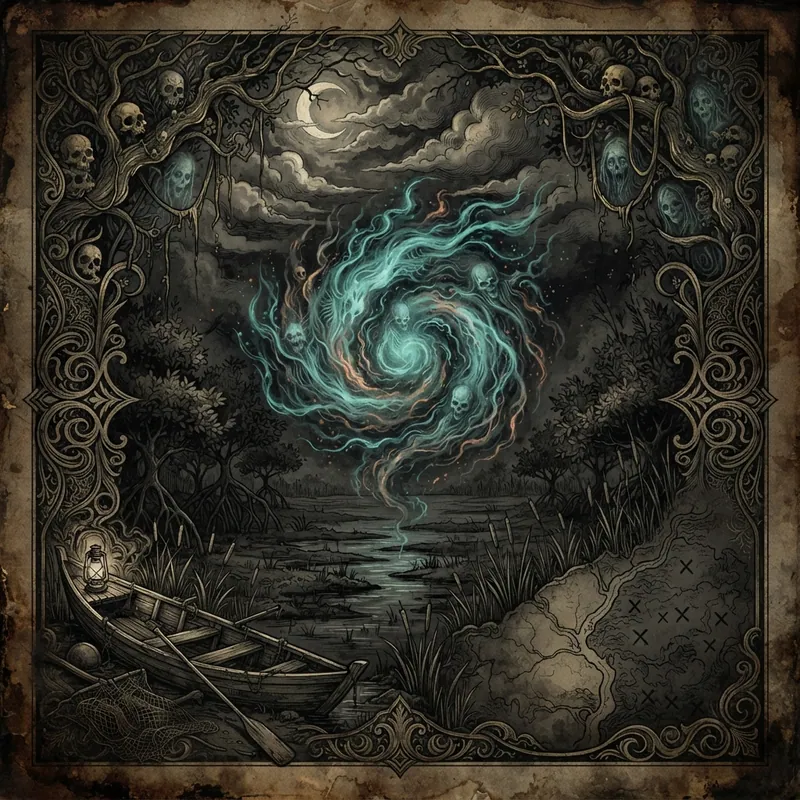
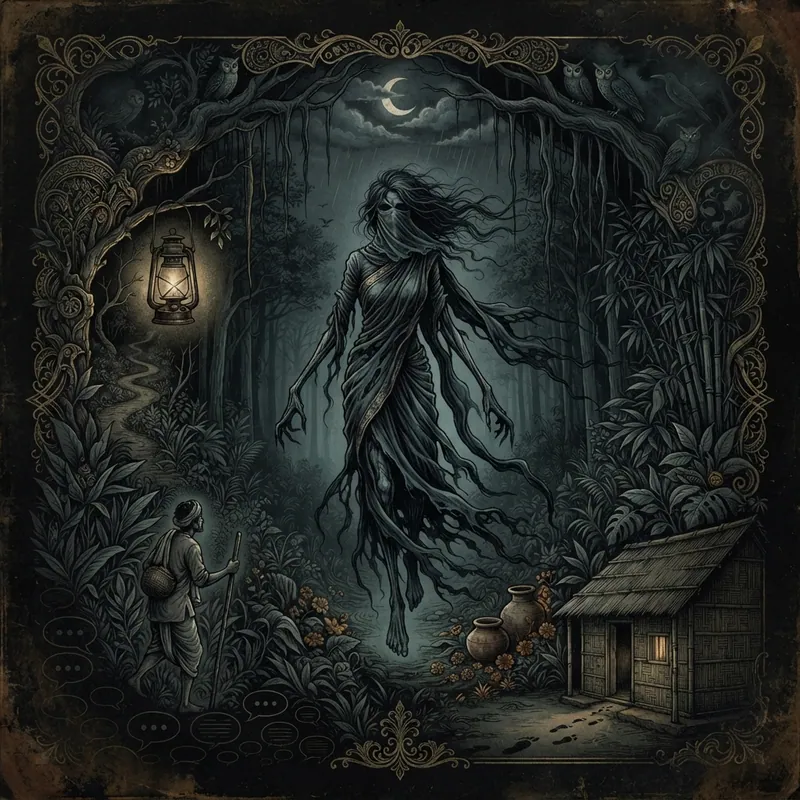
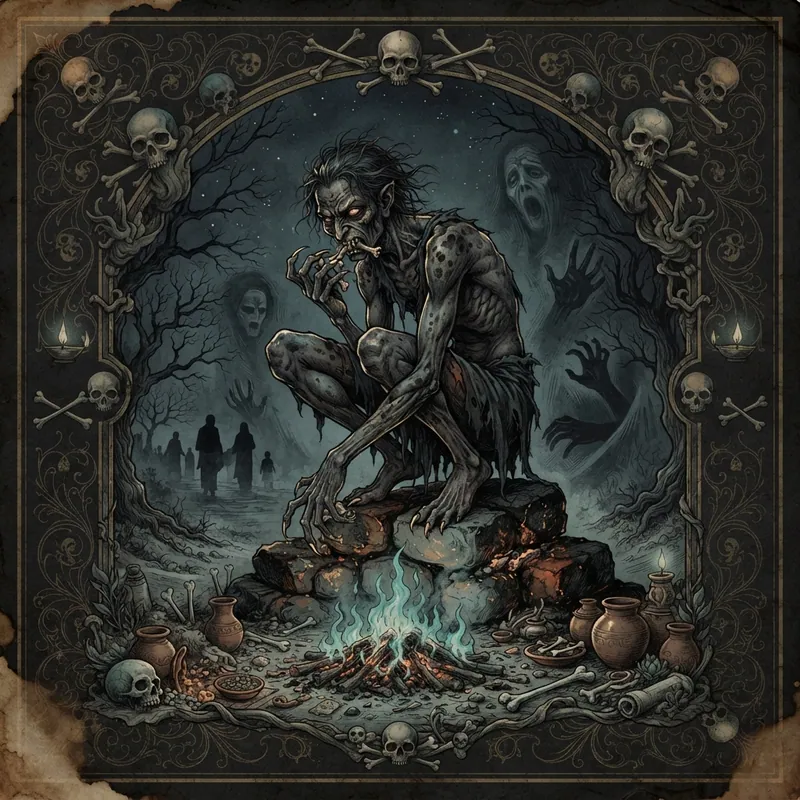
AleyaBengali marsh lights of the Sundarbans and wetland Bengal, often held to be the unquiet glow of drowned fishermen. An omen and a map of deadly water, akin to will-o'-the-wisp, not a beast.NishiA Bengali night-calling spirit that imitates a loved one's voice to lure the isolated outdoors. Tradition holds that Nishi calls only twice; a third call is safe to answer.PiśāchaFlesh-eating night beings of Hindu and South Asian religious storytelling, associated with cremation grounds, violent death, shapeshifting, and possession that can unseat the mind.
 ✧
✧ ◌
◌ ☾
☾The Americas · 9
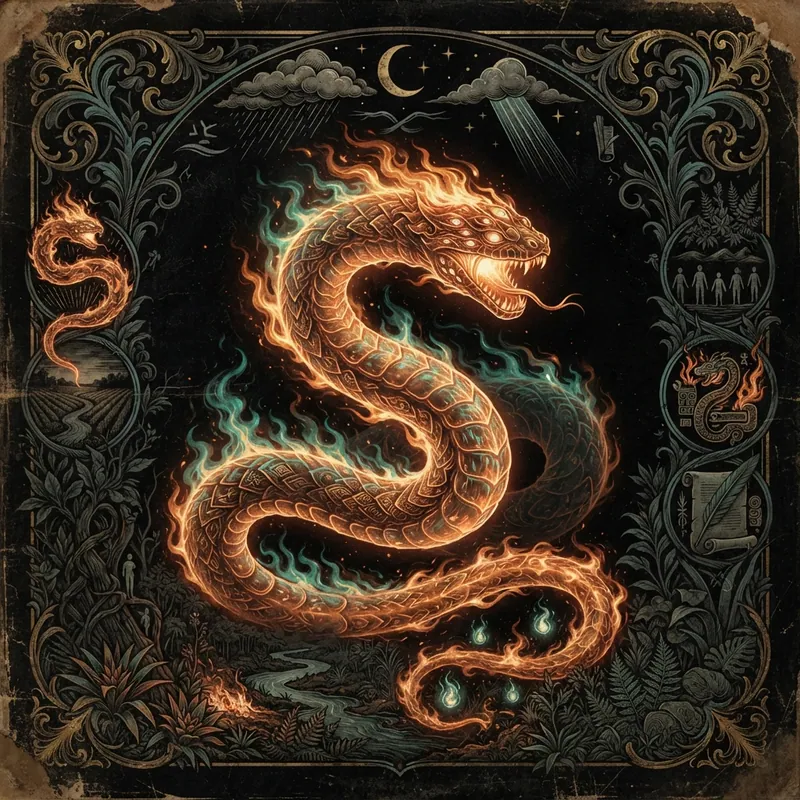
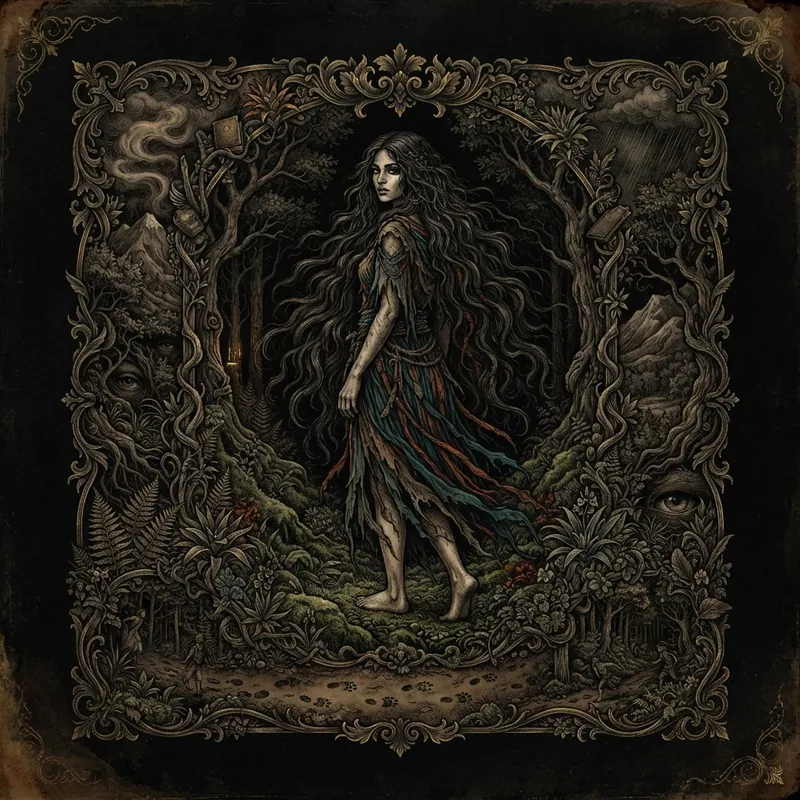
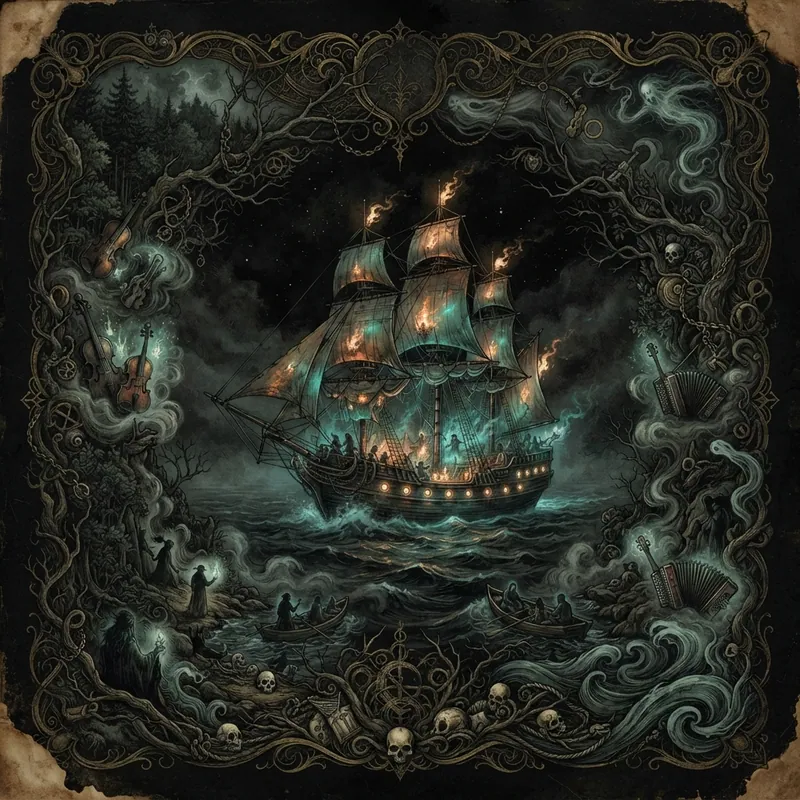
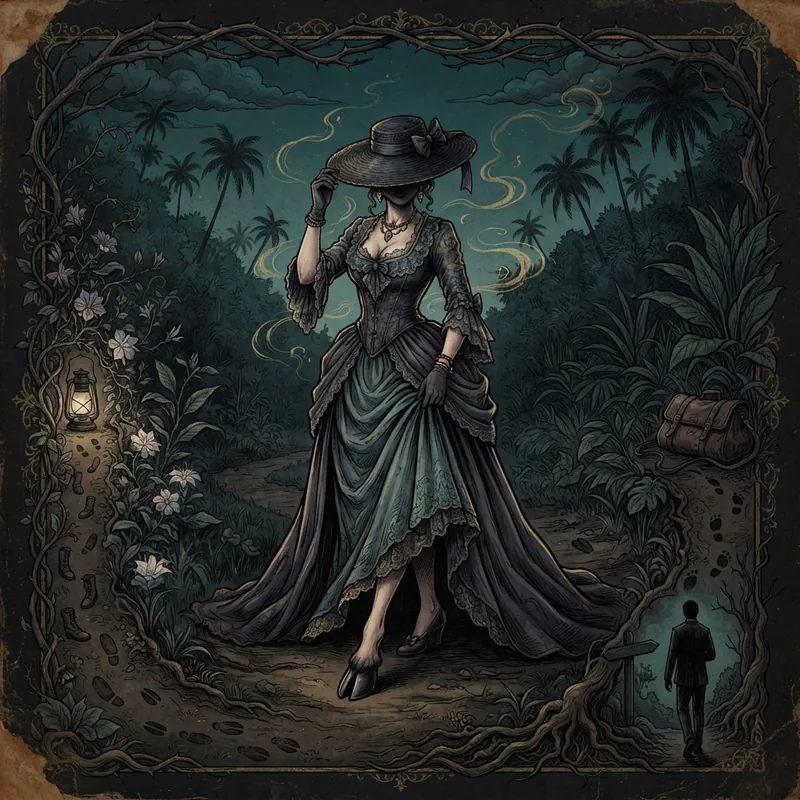
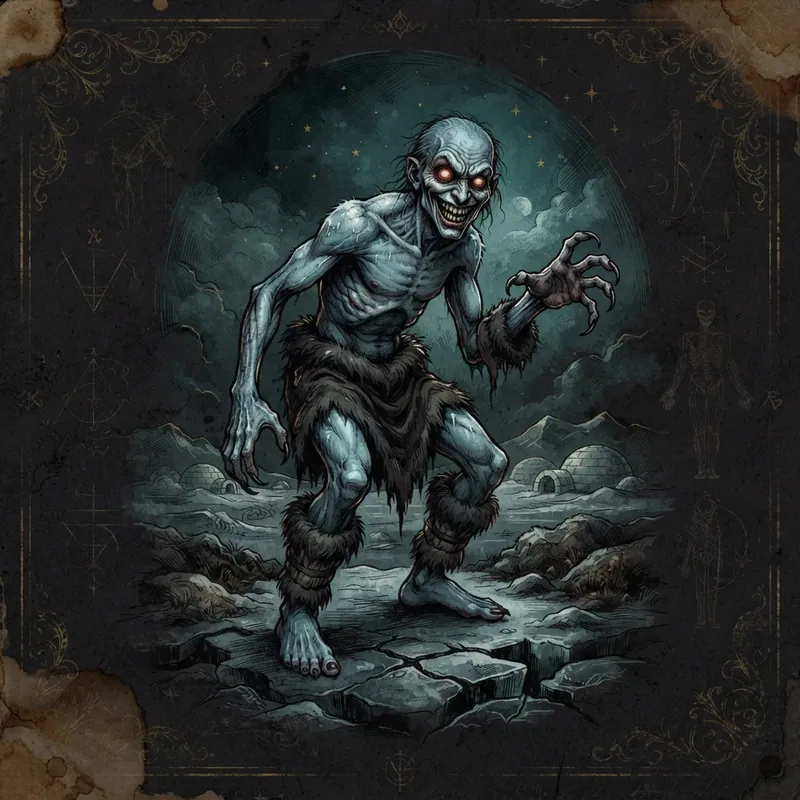
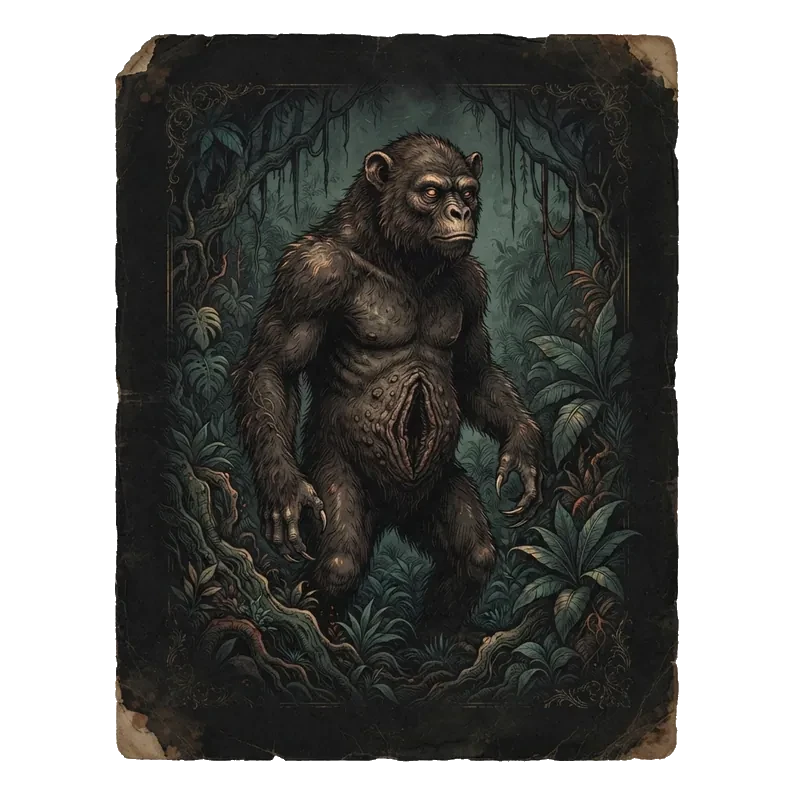
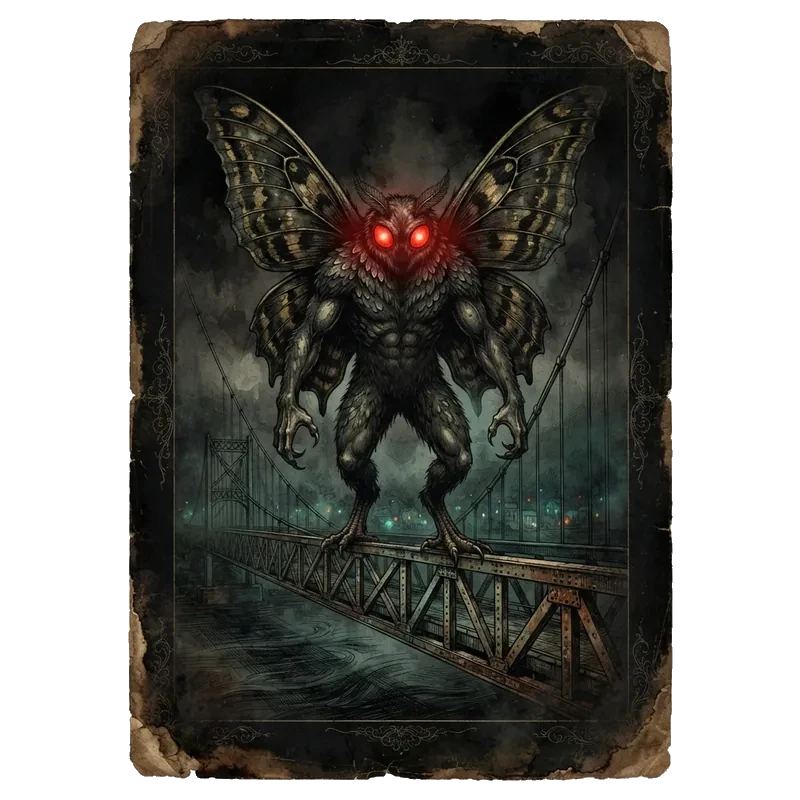
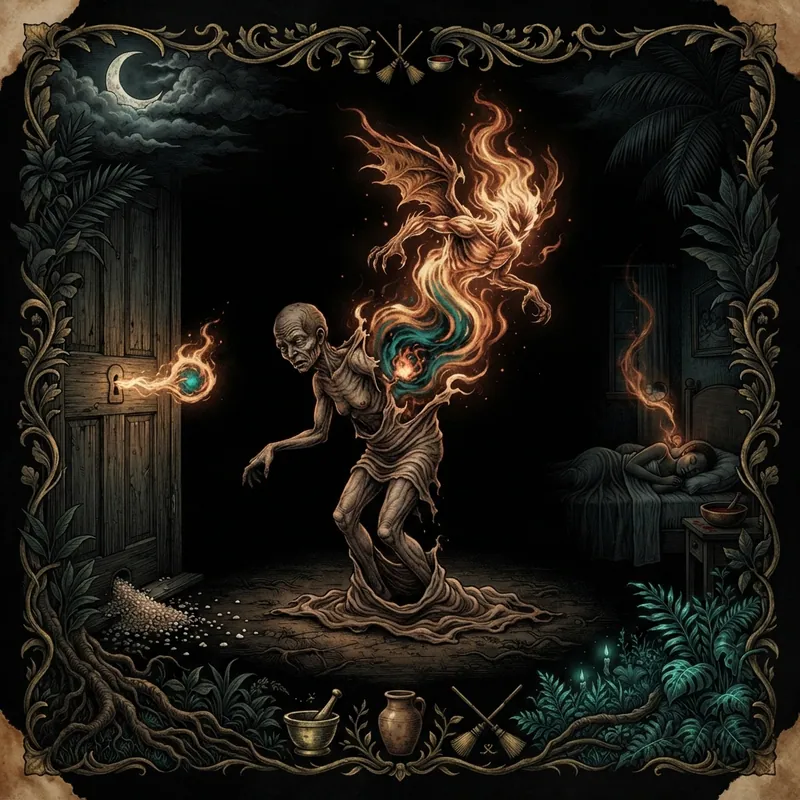
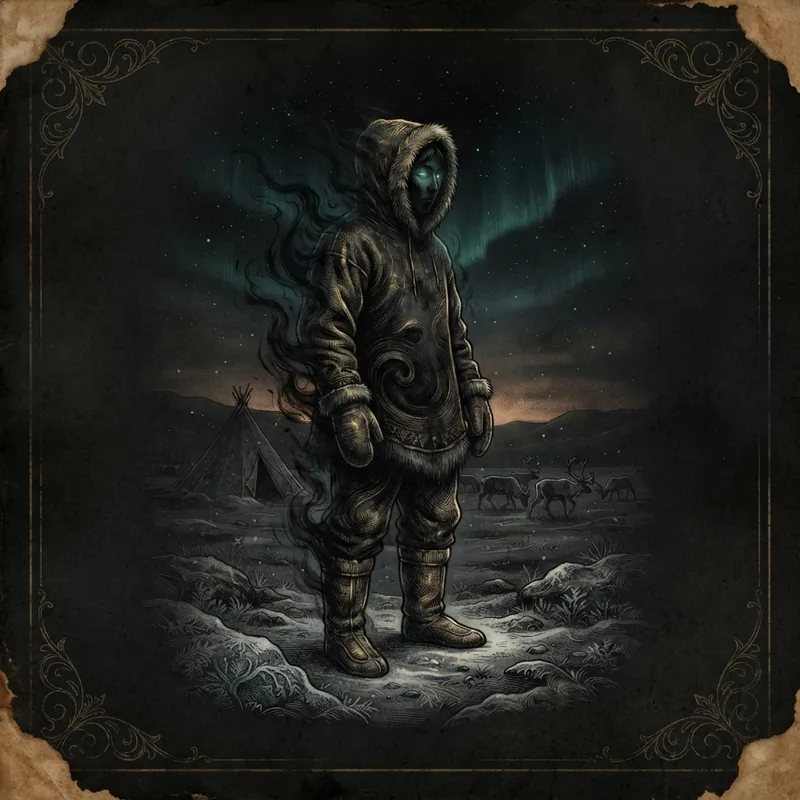
BoitatáA Brazilian fire-omen: Boitatá, from Tupi mbaê-tata, fiery thing, later heard as mbói-tatá, fire snake. Guardian of fields against arson, recorded by José de Anchieta in 1560 as baetatá. Regional forms include bull and will-o’-the-wisp.CiguapaA Dominican mountain being, often a long-haired woman with backward-facing feet, whose tracks mislead pursuers. Tellings run from shy forest presence to dangerous lure; she is not simply La Llorona in another country.El CaleucheThe ghost ship of Chiloé — Buque de Arte, Barcoiche, ship of fire — a night brig of lights and music that sails the channels, even underwater, carrying brujos and the drowned. Island lore, not a generic Flying Dutchman with Spanish names.La DiablesseA Creole temptress of Trinidad, Martinique, and neighbouring islands: poise and perfume from the front, one cow’s hoof under the long dress, a face the hat keeps back. She leads the unwary off the path. Not a generic succubus; keep the French-Creole and African-Caribbean setting.MahahaA cold-weather being in Inuit art and story, often barefoot and long-nailed, said to tickle victims to death while grinning. Also known in some tellings as qungalukkakkiit.MapinguariA formidable creature from Amazonian stories and later cryptid retellings, linked to the dense forest and the boundaries of the known.MothmanA modern legend associated with Point Pleasant, West Virginia, and a cluster of 1960s sightings, rumours, and later retellings.SoucouyantA Creole and African-diaspora night figure of Trinidad and the wider Caribbean: by day an ordinary neighbour, by night a skin-shedder who travels as fire and takes blood. Not a generic European vampire; salt, rice-counting, and dawn belong to this tradition’s own logic.TariaksuqShadow-people beings in some Inuit tellings, glimpsed sideways rather than confronted. Related in discussion to ijirait but not identical; elders’ knowledge should lead any serious reading.
 ✧
✧ ♧
♧ ≈
≈ ⛤
⛤ ☾
☾ ◒
◒ ◒
◒ ◎
◎ ◎
◎