THE CONCORDANCE
Threshold wards
38 records across 29 traditions carry this current.
Africa & the Middle East · 7
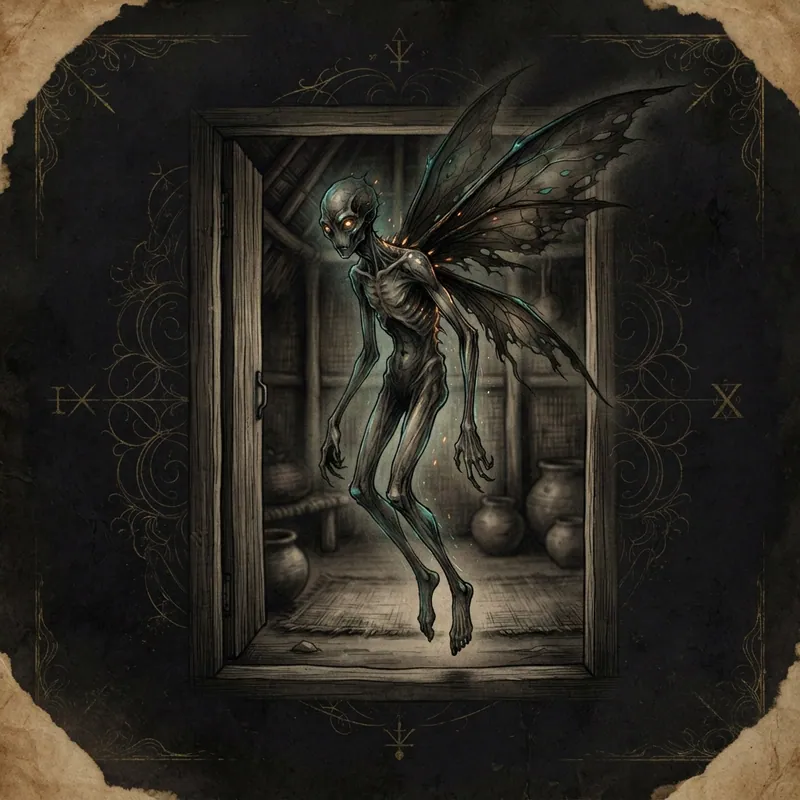
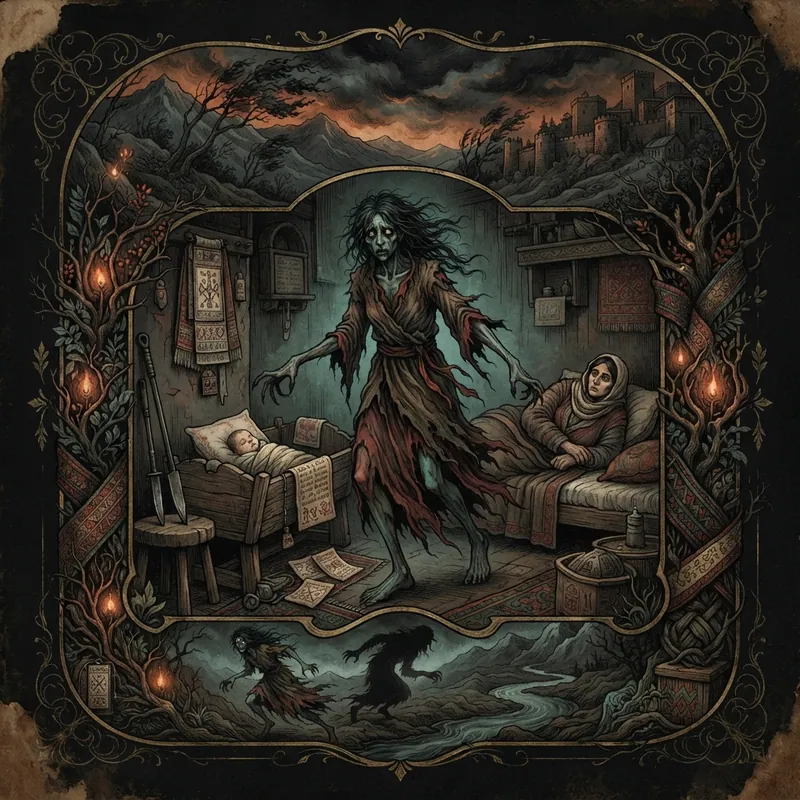
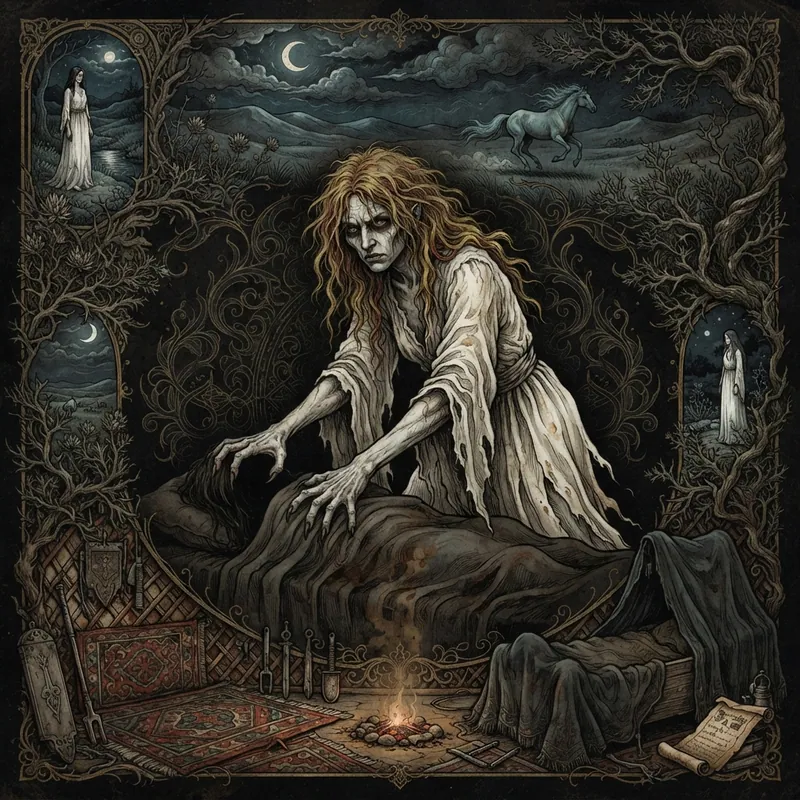
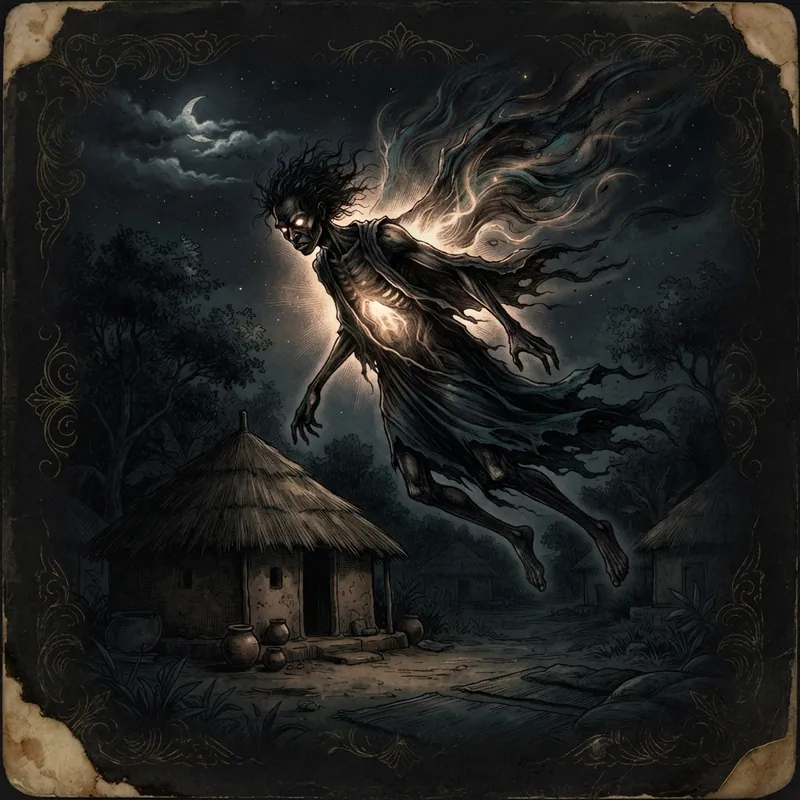
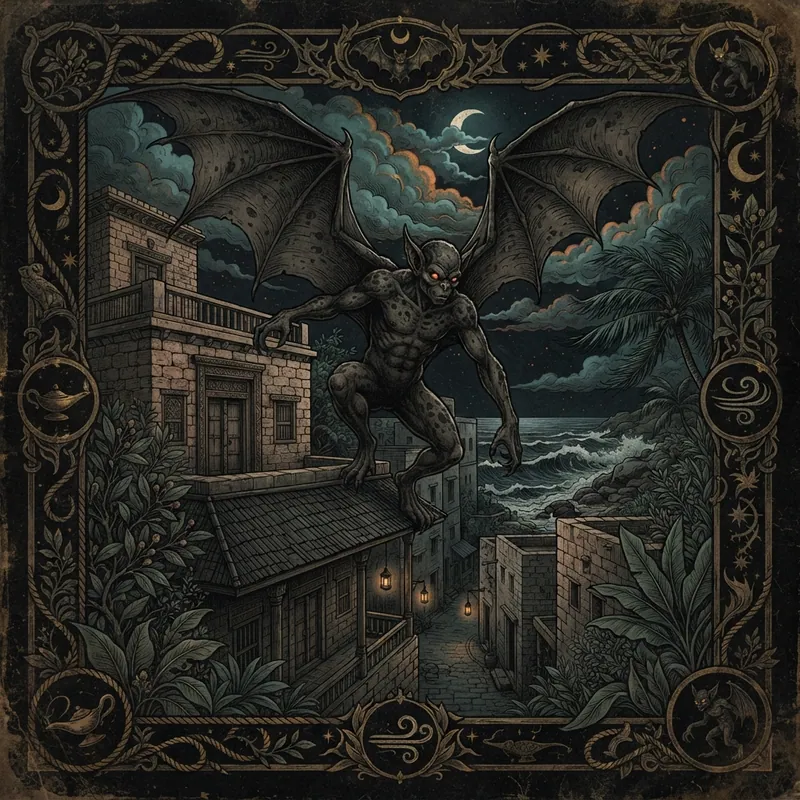
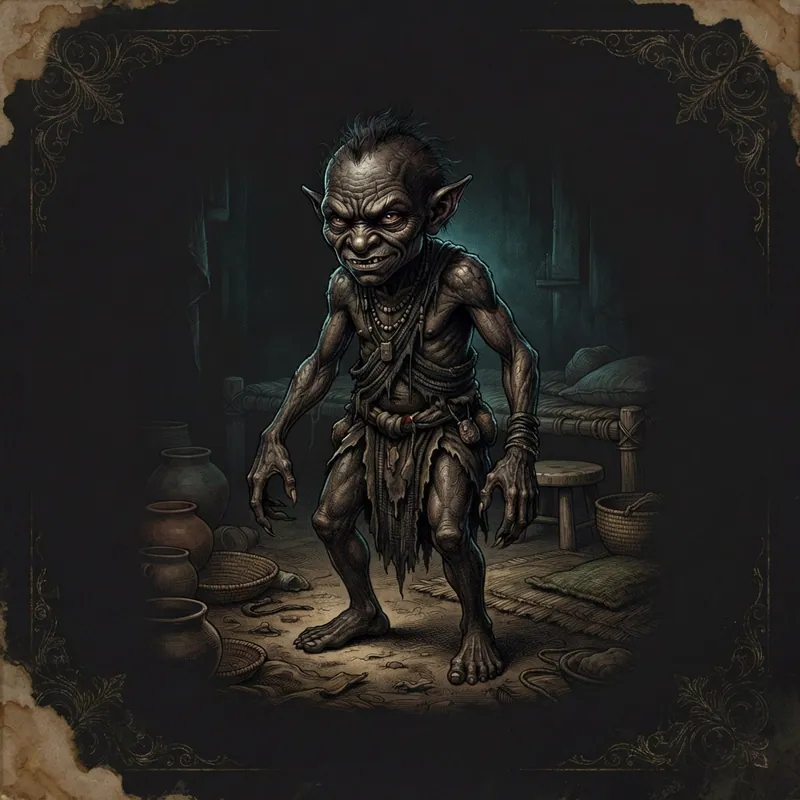
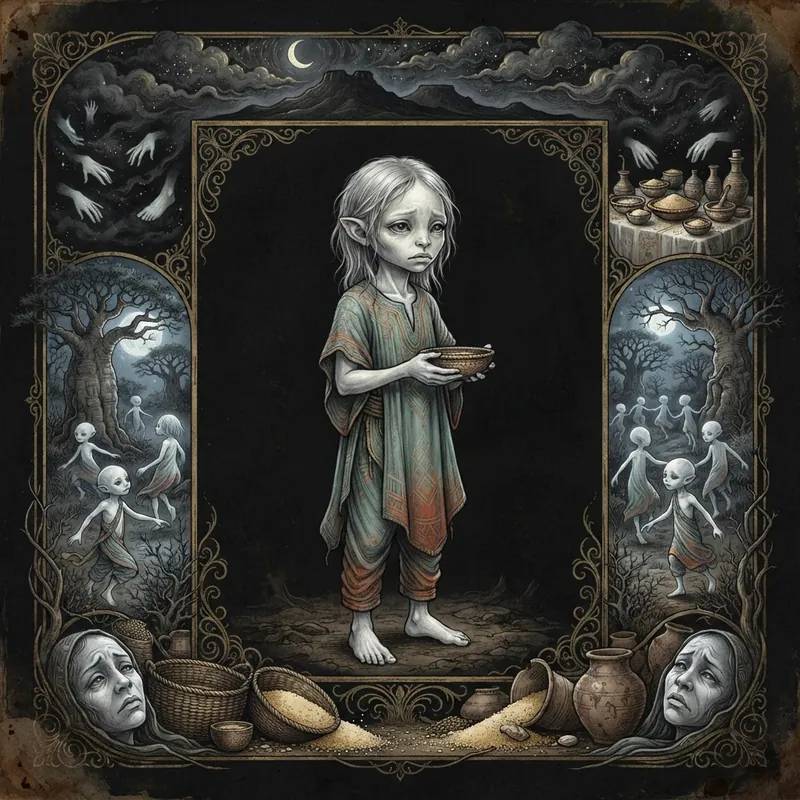
AdzeA being of Ewe folklore sometimes described as taking the form of a firefly, and in some accounts troubling a household after it has been let inside.ĀlThe āl (Armenian ալ, Persian آل) is a being of childbed across Iran, Armenia, and the Caucasus, often said to personify puerperal fever. Traditions disagree on shape; they agree that a new mother must not be left unguarded, and that iron and prayer belong at the threshold.AlbastiAlbasty (Albastı, Albasly, Albarsty and many local forms) is a female being known across Turkic Central Asia, the Volga, the Caucasus, and Anatolia. On the steppe she is foremost a childbed demon; in some regions a disease-presser or, in older layers, a guardian of birth later recast as harmful.ObayifoA witchcraft being in Akan belief, sometimes described as leaving the body as a glowing light to harm others at night. Treat as part of living cosmologies of harm and protection, not a cartoon vampire.PopobawaA feared shetani of Zanzibar and the Swahili coast, named for the bat-wing shadow of its night visits rather than any single body. Accounts describe a shapeshifter that enters houses, attacks sleepers, and binds victims by forcing the story to be told.TokolosheA figure appearing in several Southern African stories and contemporary cultural conversations, with meanings that vary across communities, languages, and tellers.YumboesYumboes, also called Bakhna Rakhna (“Good People”), are small pearly-white beings of Wolof and Lebou lore around Gorée. The principal written account is Thomas Keightley’s, taken from a woman who heard it from a Wolof maid: they feast under the Paps, steal couscous, and lament the families they attach themselves to.
 ☾
☾ ☾
☾ ☾
☾ ☾
☾ ◎
◎ ☾
☾ ❋
❋Asia & the Isles · 3
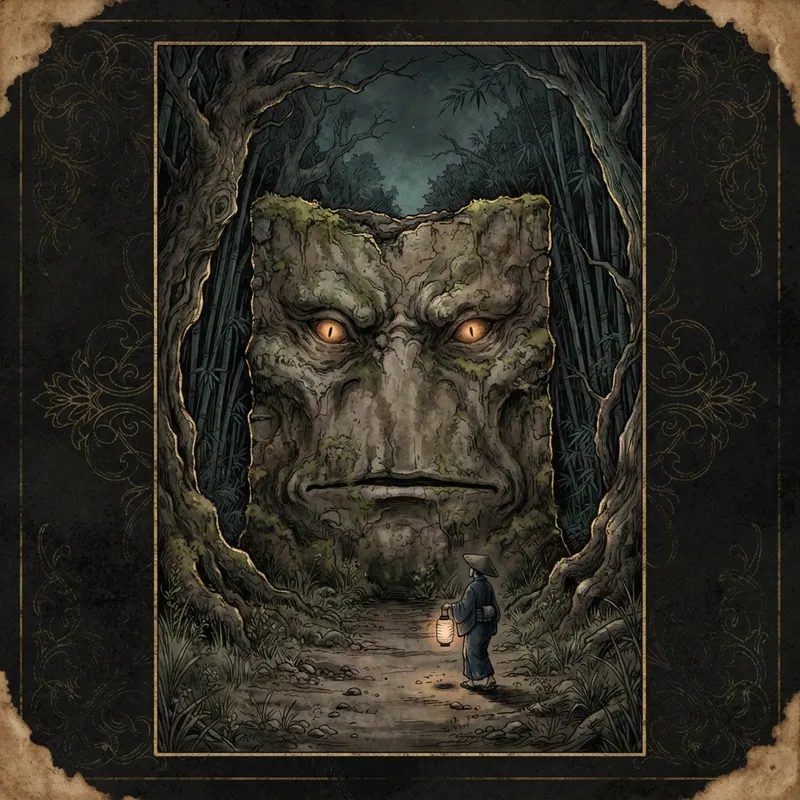
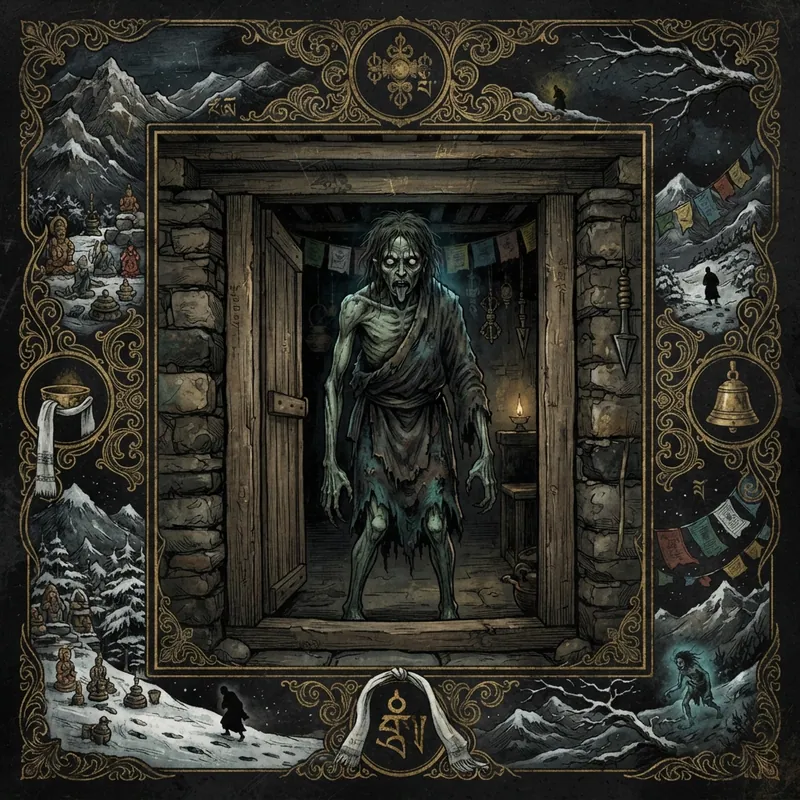
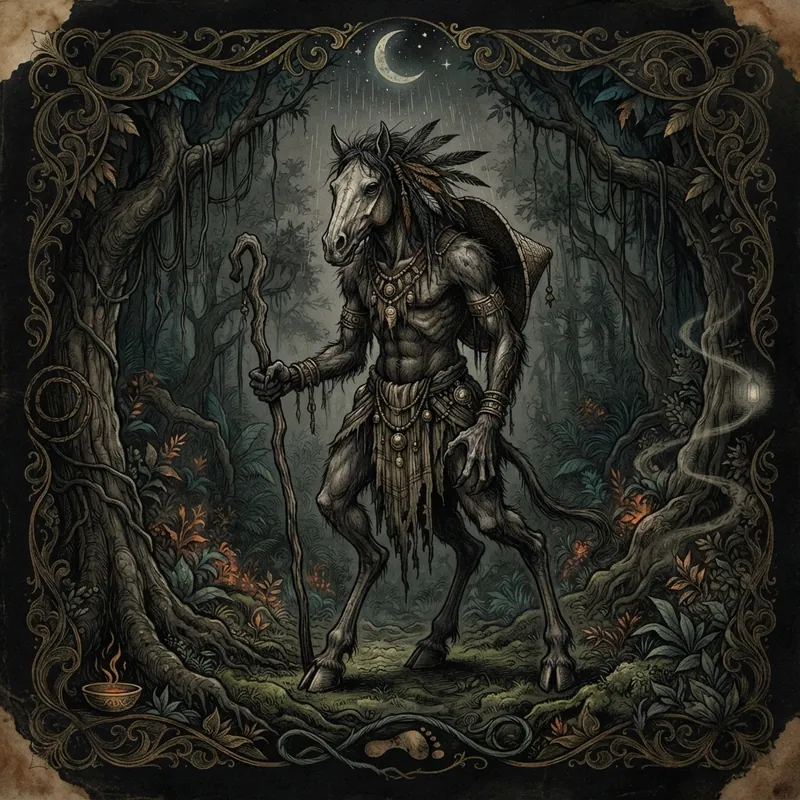
NurikabeA yōkai that appears as an invisible or plaster-like wall, blocking travellers at night. Folklore remedies include tapping the base; the joke and the dread share the same obstacle.Ro-langsTibetan ro-langs, ‘risen corpse’: a revenant of folklore and Buddhist narrative, often tied to gdon spirits or illicit ritual. Stiff joints and low lintels belong to this world, not to generic zombie cinema.TikbalangA Philippine forest being, now usually pictured as a tall, bony horse-headed humanoid, that misleads travellers. Early Spanish records call it a mountain phantom; the werehorse face arrived after horses did.
 ☾
☾ ☠
☠ ♧
♧Eastern Europe · 13
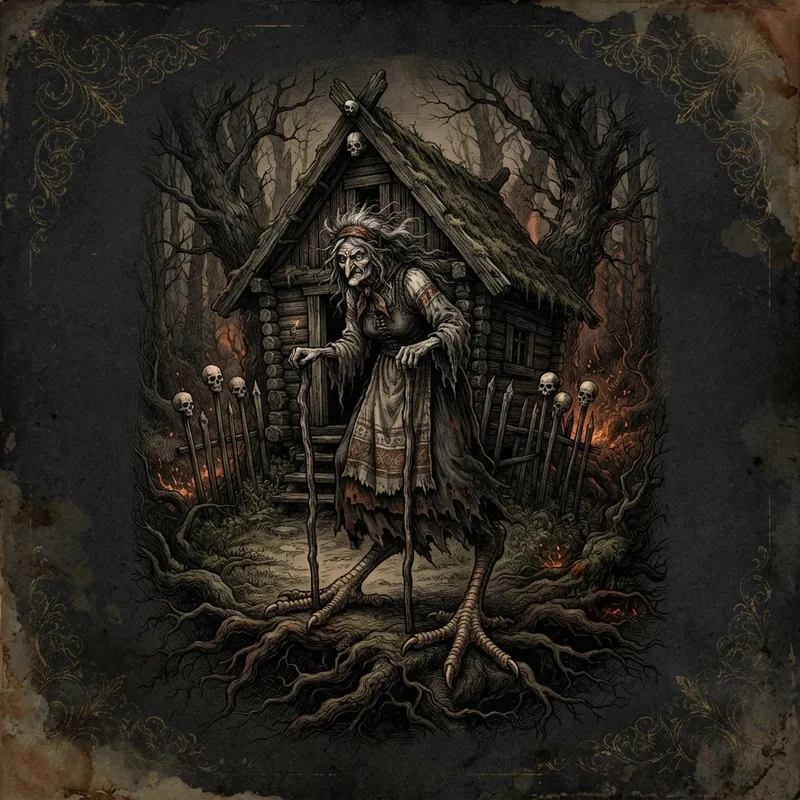
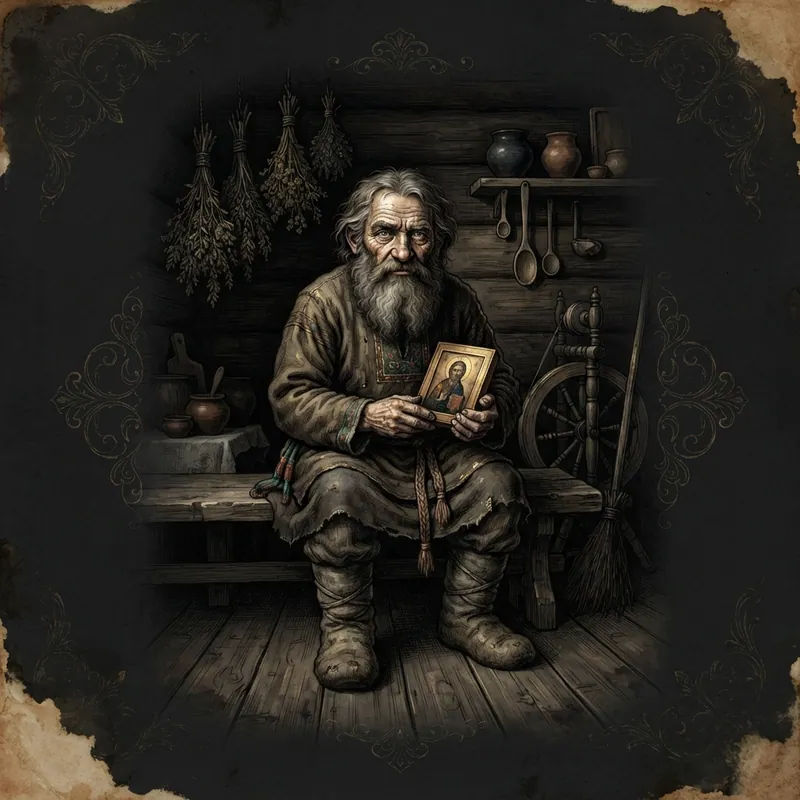
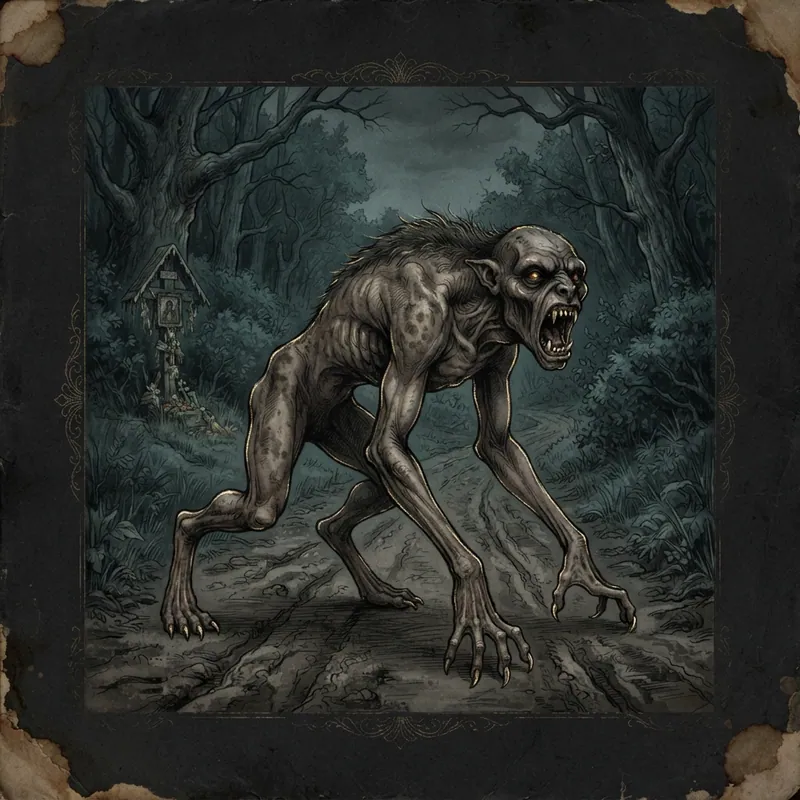
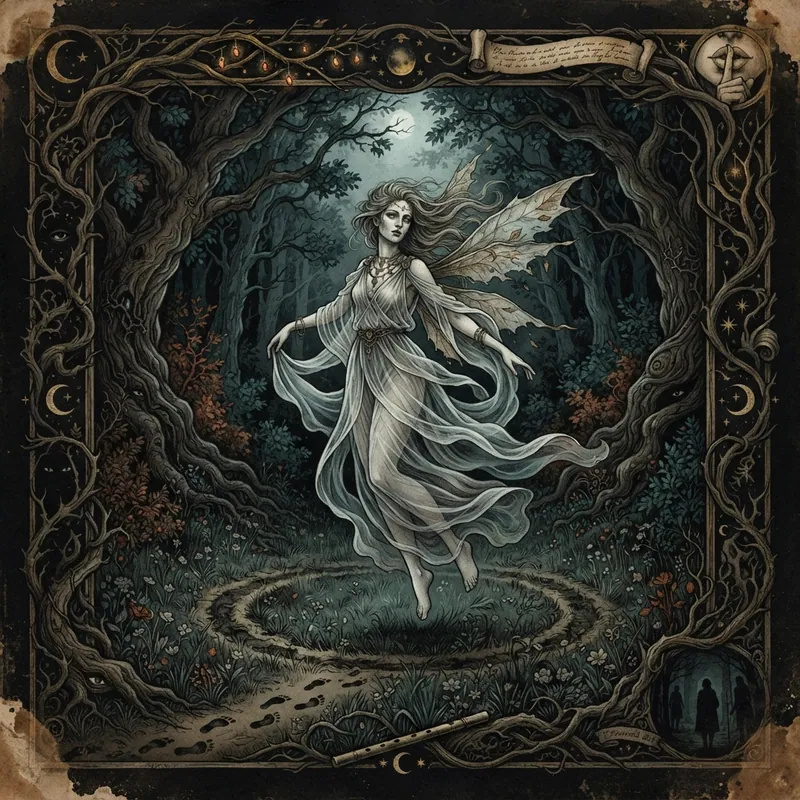
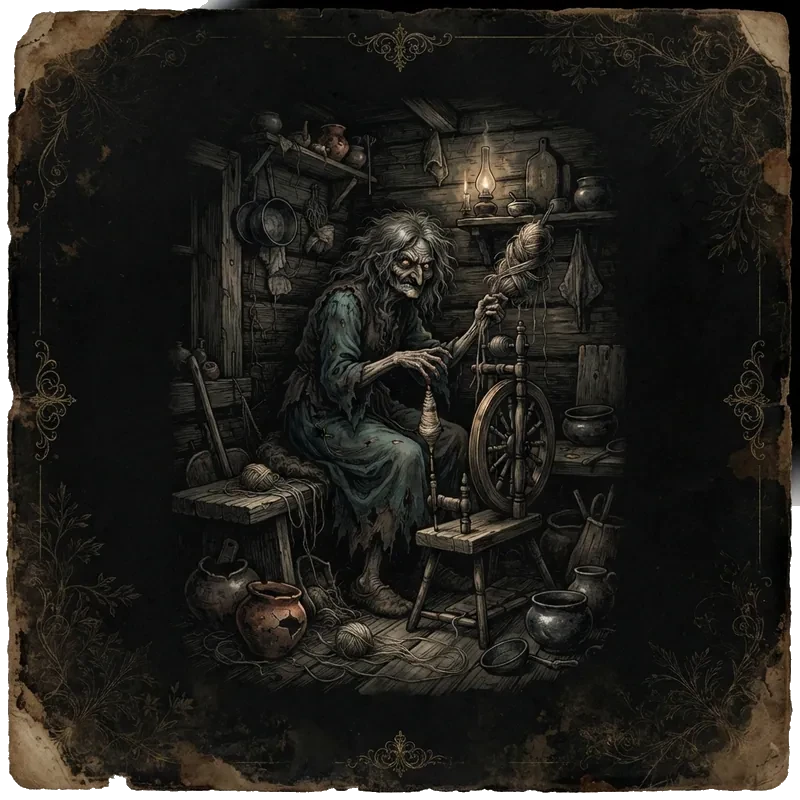
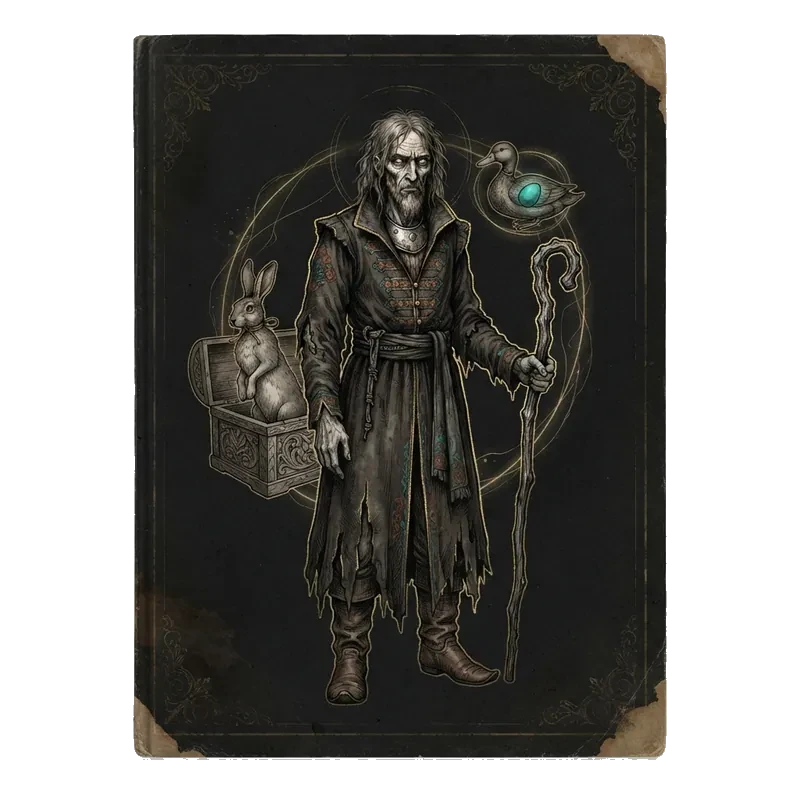
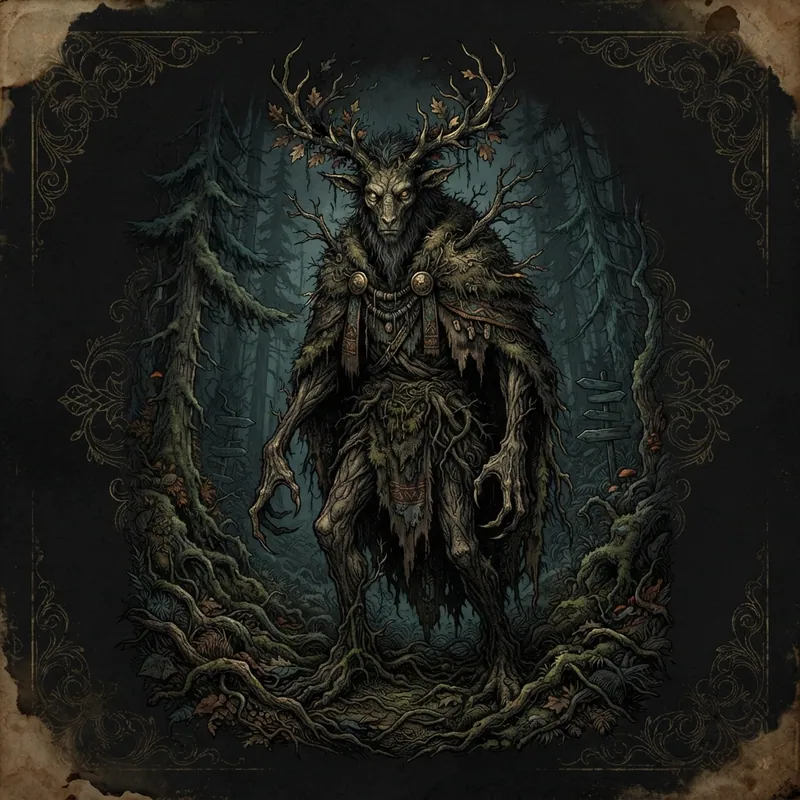
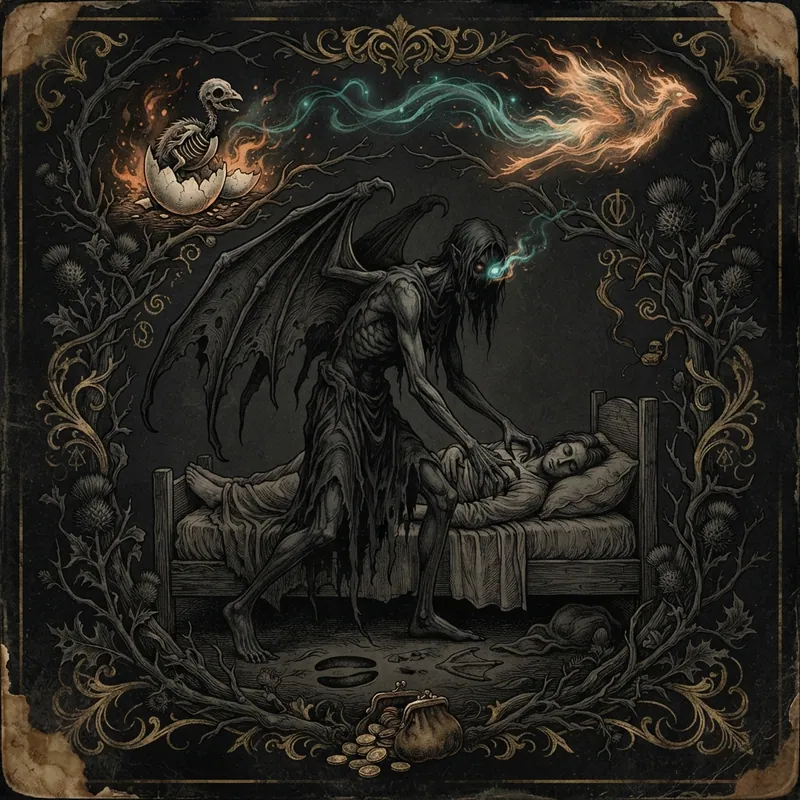
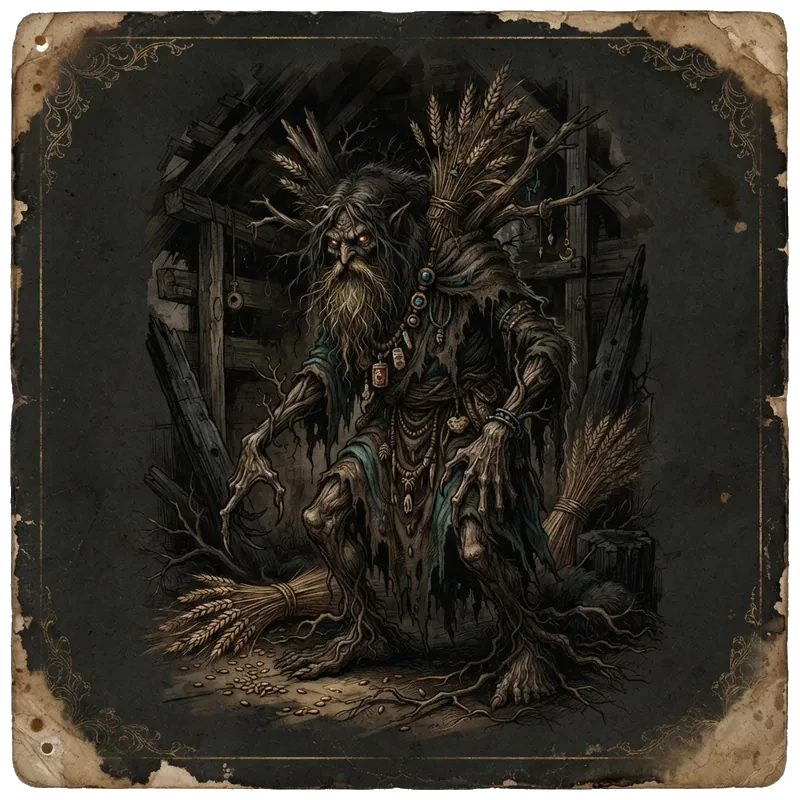
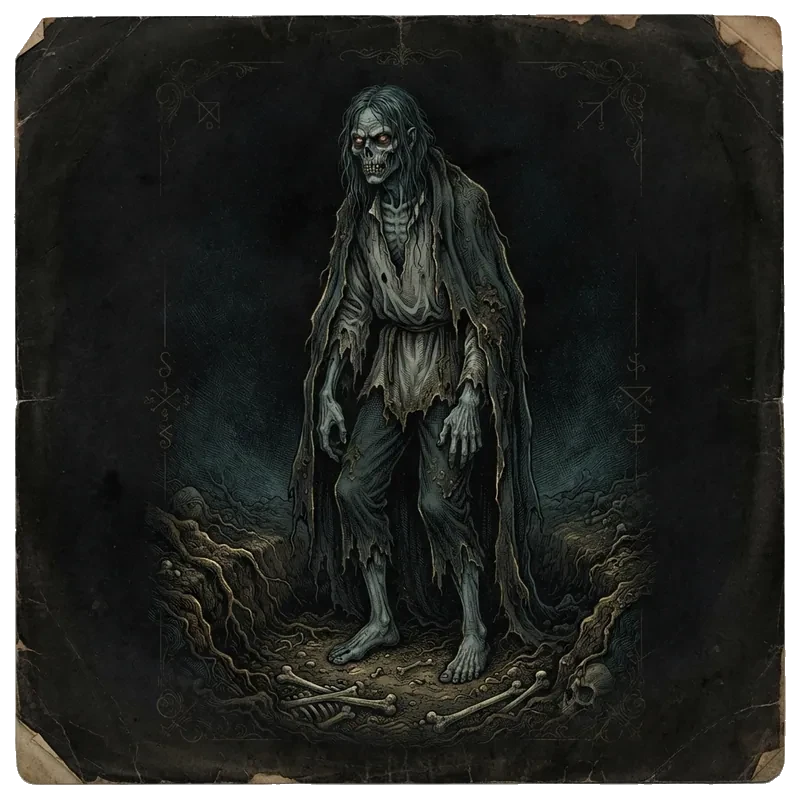
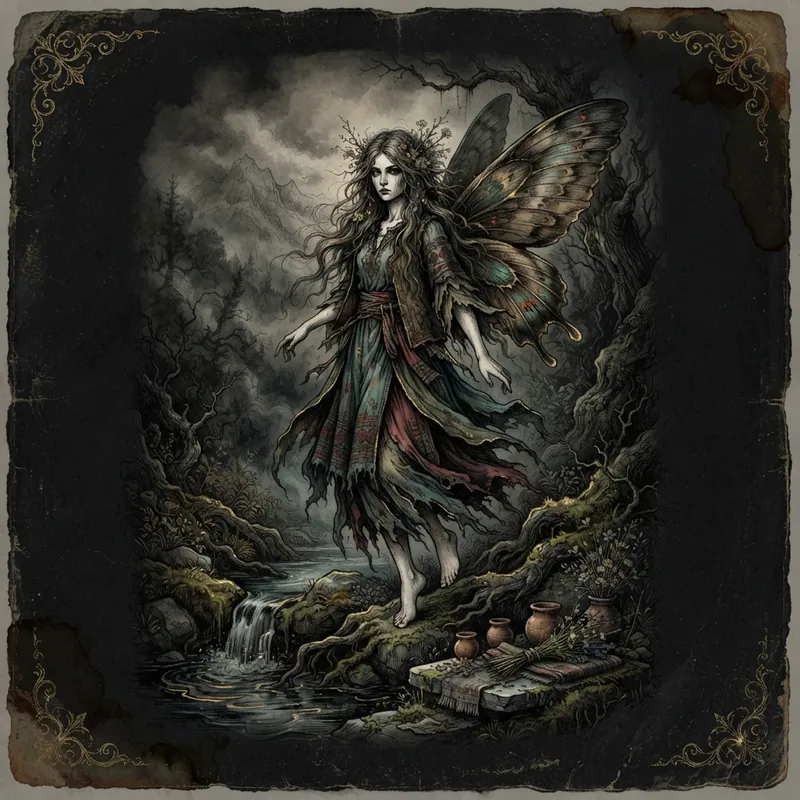
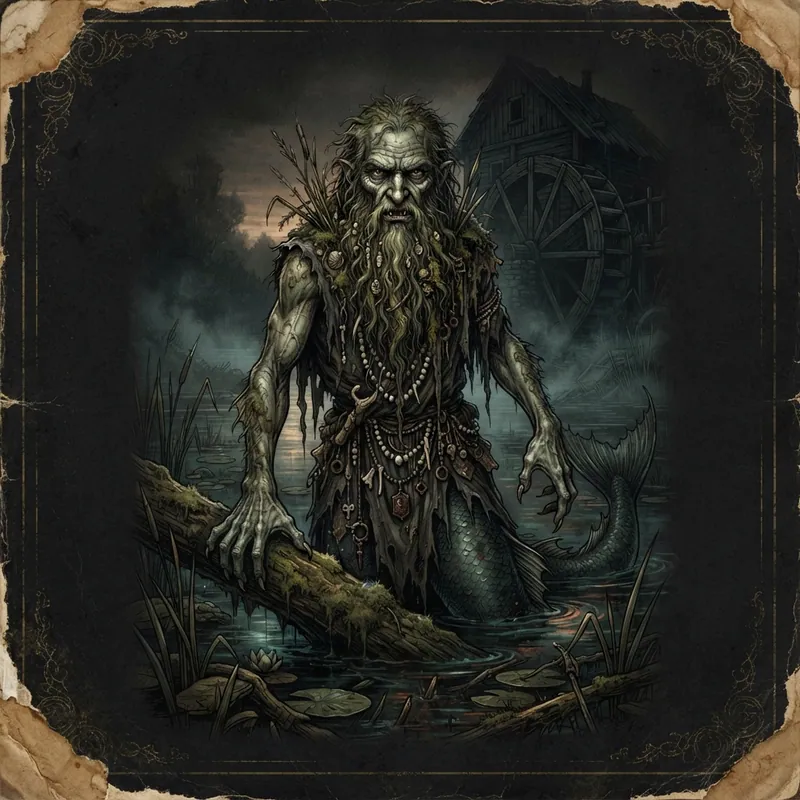
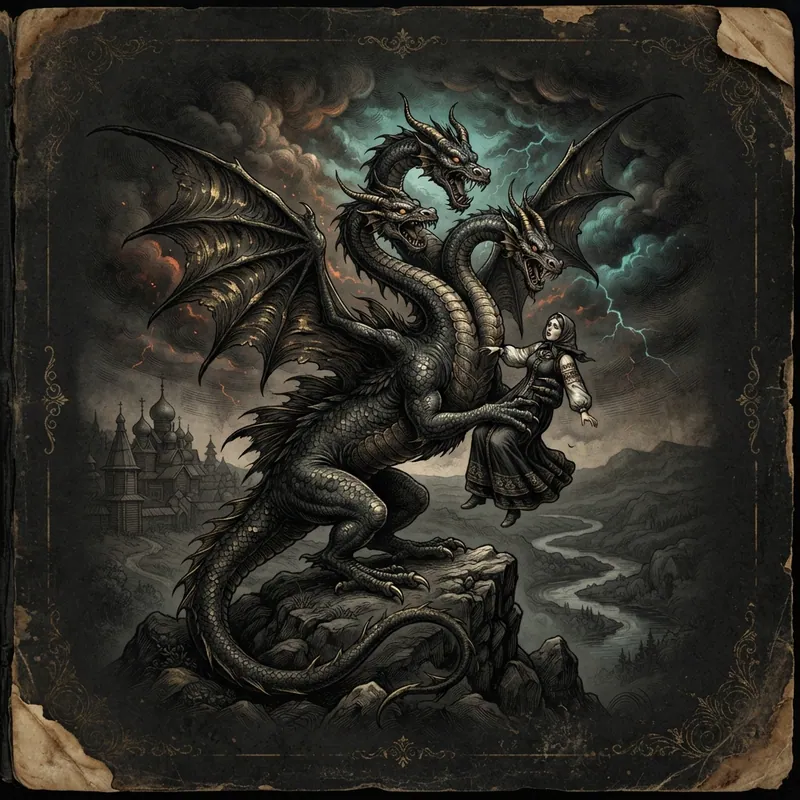
Baba YagaA formidable old woman of Slavic folktales whose hut stands on chicken legs. She can threaten, test, or aid a traveller; no single telling contains her.DomovoiA household spirit in Slavic folklore, connected with the wellbeing of the home and the obligations of those who live there.DrekavacA South Slavic night-being often linked with the souls of unbaptised or improperly buried dead. Its cry is the warning; descriptions of its body shift from village to village.IeleFeminine night dancers of Romanian folklore, known by many polite names, whose hora in woods, meadows, and watersides can bless or ruin those who watch. Related to South Slavic vila, but not the same being.KikimoraA domestic spirit in Slavic folklore, sometimes linked with unfinished household work, night noises, and unease inside the home. Tellings differ on whether she is merely mischievous or actively harmful.Koschei the DeathlessA recurring antagonist of East Slavic wonder tales whose life is hidden outside his body—often in nested objects—so he cannot be killed by ordinary means. A story figure more than a village belief.LeshyA forest being in Slavic tradition, variously imagined as guardian, trickster, or shapeshifter whose domain confuses the unwary.LidércA Hungarian night visitor that may be hatched as a miracle chicken, fly as a fiery light, or press the sleeper as an incubus. Wealth and longing arrive together; the keeper seldom keeps both life and gold.OvinnikA spirit associated with the ovin (grain-drying barn) in East Slavic rural lore, capable of protecting the harvest or setting it ablaze if offended.UpyrA Slavic term for a dangerous returning dead figure, often associated with improper burial or an unclean death. Later vampire fiction borrows the word but should not overwrite older regional meanings.VilaBeautiful, often winged mountain or cloud spirits in South Slavic lore (vila, samovila, samodiva), capable of aid or harm. Offerings at springs and trees belong to living memory of the cult in some communities.VodyanoyA male water spirit of Slavic lore (vodník, wodnik, and related names elsewhere), often imagined as an old, slime-slick master of ponds and rivers who drowns the bold or bargains with millers.ZmeyA dragon or serpent figure across Slavic storytelling (zmey, zmaj, smok), sometimes a storm-bringer, sometimes a shapeshifting abductor of maidens, sometimes a guardian. Local names and morals diverge widely.
 ♧
♧ ⌂
⌂ ✦
✦ ❋
❋ ⌂
⌂ ☾
☾ ♧
♧ ☾
☾ ⌂
⌂ ✦
✦ ♧
♧ ≈
≈ ◎
◎Europe & the North · 7
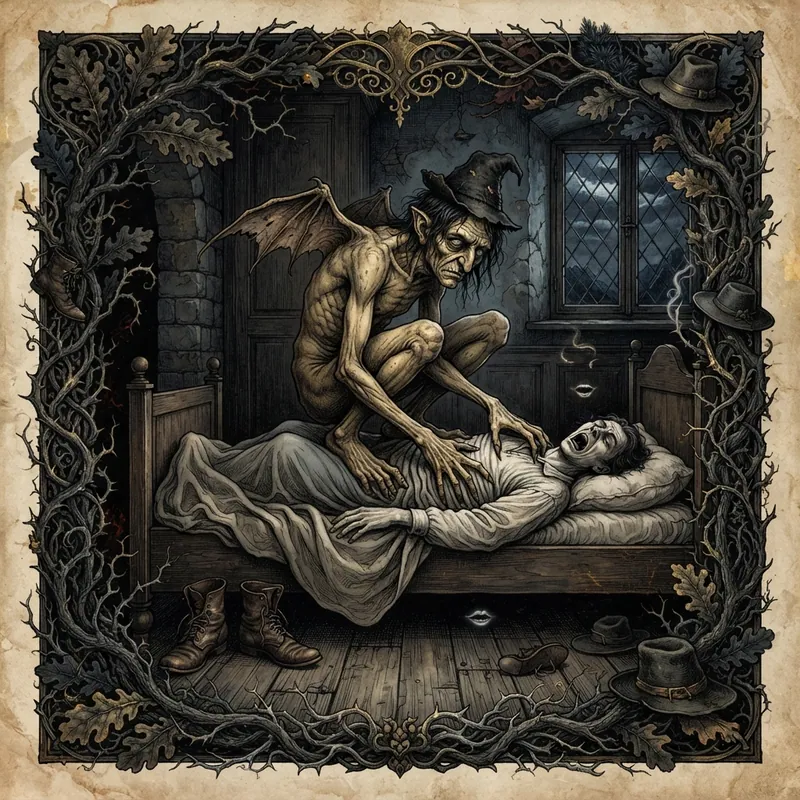
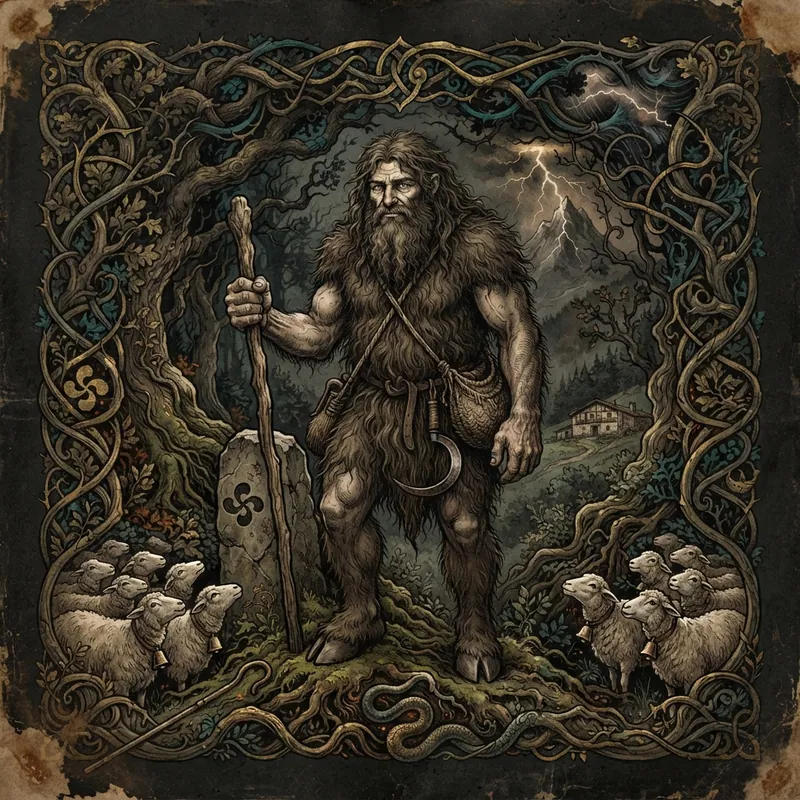
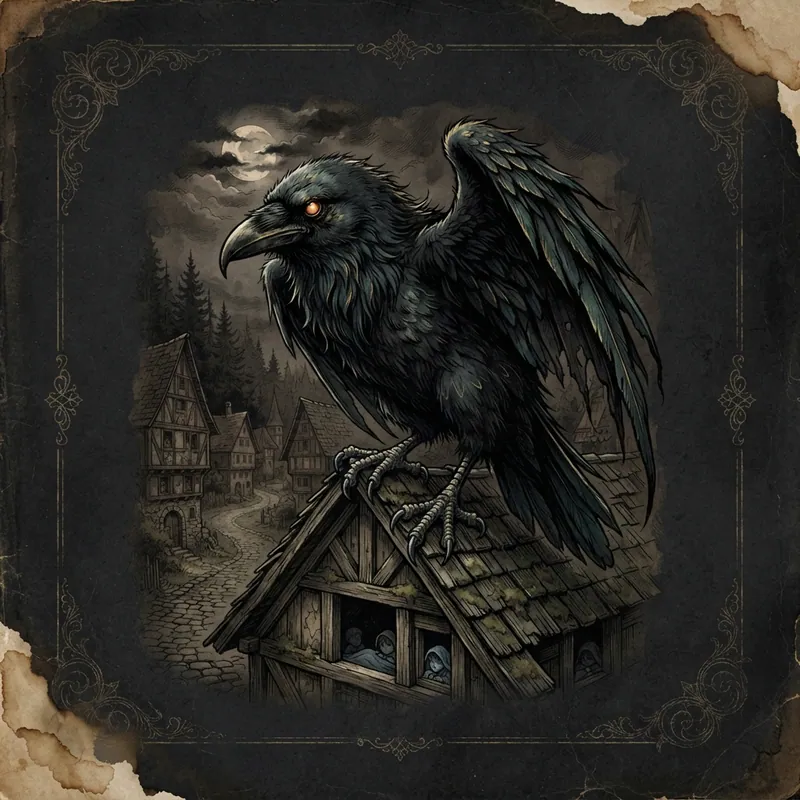
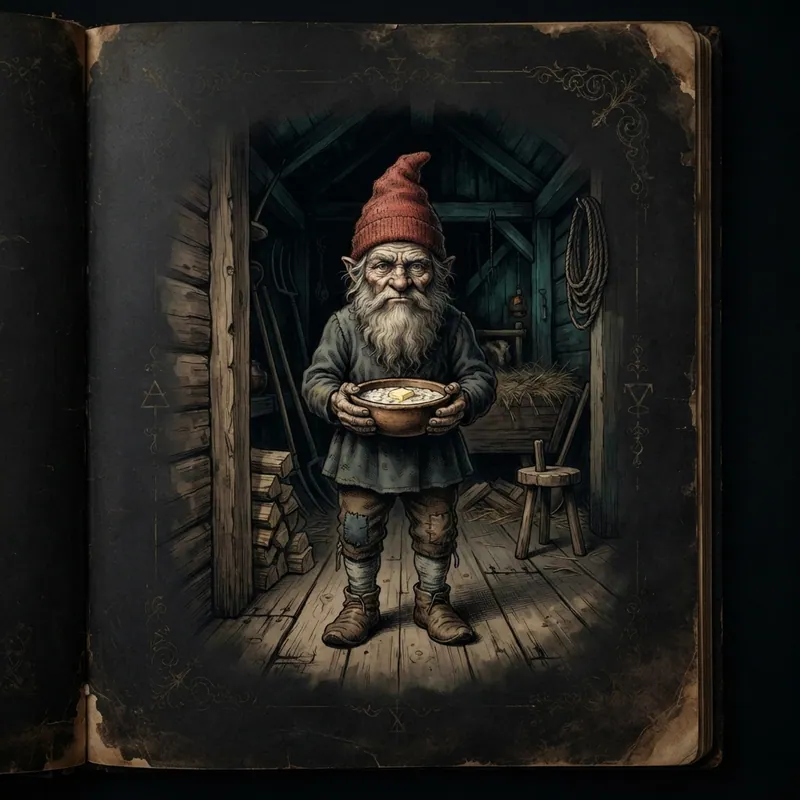
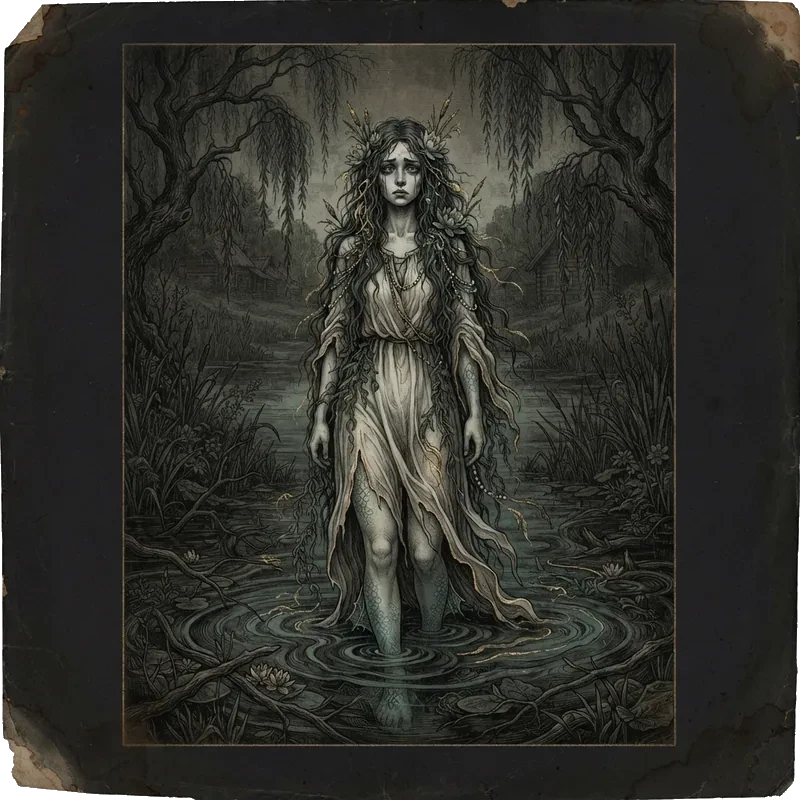
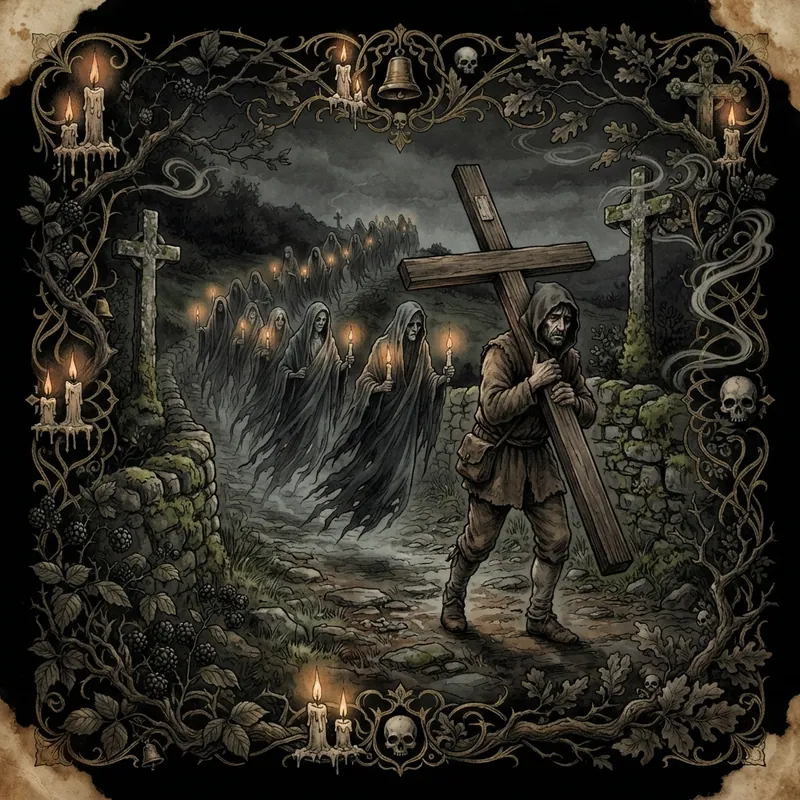
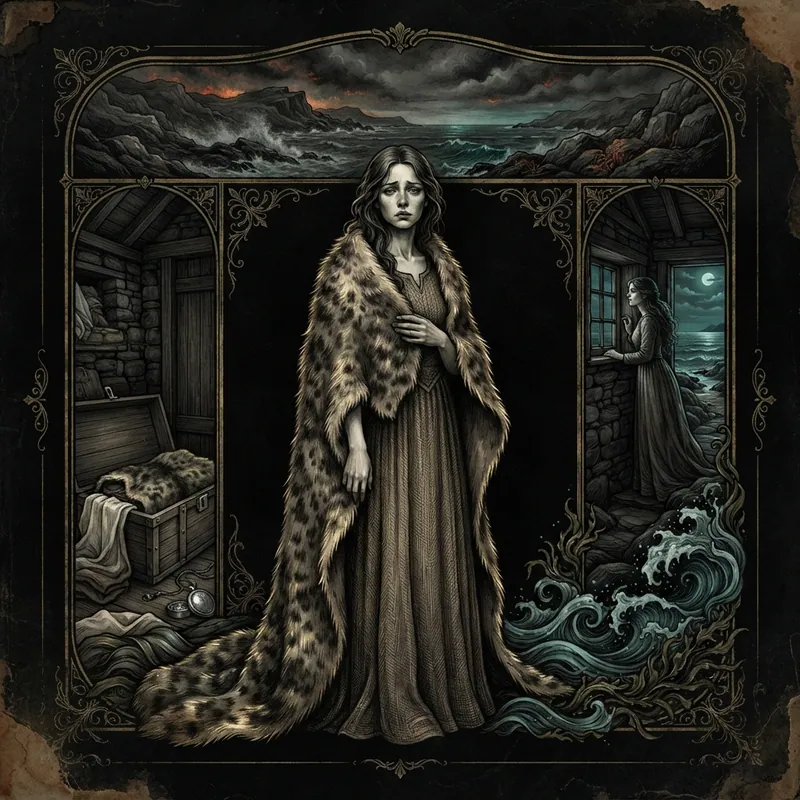
AlpIn German folklore an alp is a typically male night-presser, kin to the elf, that sits on sleepers and sends Alpdruck. Distinct from the mara, though both explain the same crushed waking.BasajaunBasajaun, Lord of the Forest in Basque, is a great hairy woodland being who often guards flocks and once kept the secrets of sowing and smithing. A figure of living Basque culture, not a monster to be cleared from the hills.NachtkrappA night-raven bogey of German-language folklore used to frighten children into staying in bed. Part of a wider European family of night-bird warnings.NisseA farm guardian spirit (nisse/tomte) of Nordic tradition who protects the homestead if treated with respect—especially a bowl of porridge at Christmas—and sabotages it if insulted.RusalkaA Slavic water spirit, in many tellings the restless soul of a young woman who drowned or died unwed, dwelling in rivers and lakes and drawing the living to the water.Santa CompañaIn Galician tradition the Santa Compaña is a nocturnal procession of the dead along parish paths, often led by a living person with a cross or holy water. For some it remains a living folk belief, not a discarded ghost story.SelkieSeal-folk of Orkney, Shetland, and neighbouring Scottish coasts who become human by shedding a skin. Stories of stolen skins and captive spouses are the heart of the tradition, not a monster hunt.
 ☾
☾ ♧
♧ ☾
☾ ⌂
⌂ ≈
≈ ✧
✧ ◎
◎Oceania & the Pacific · 2
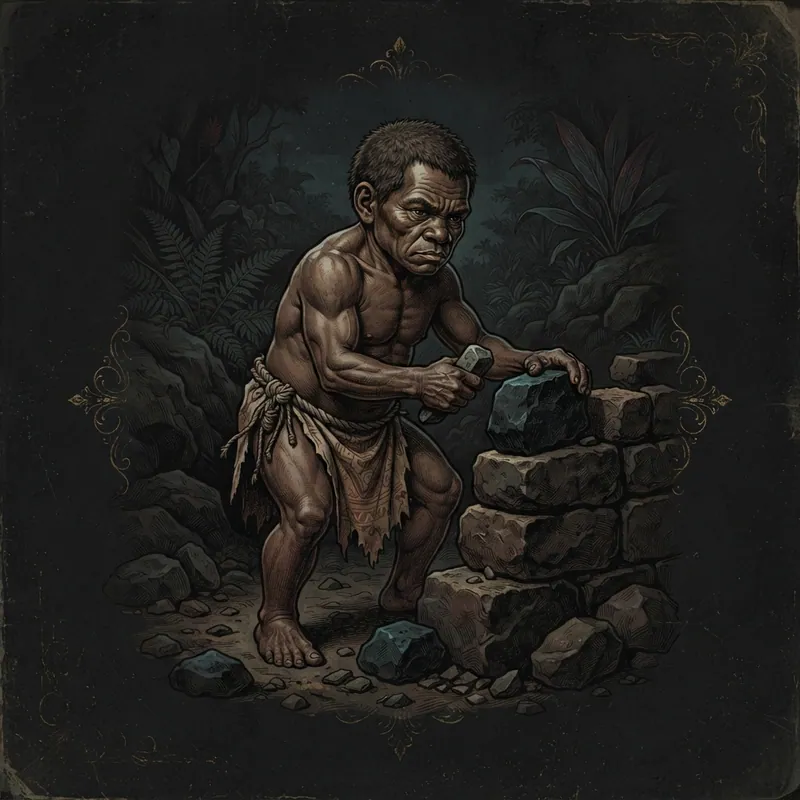
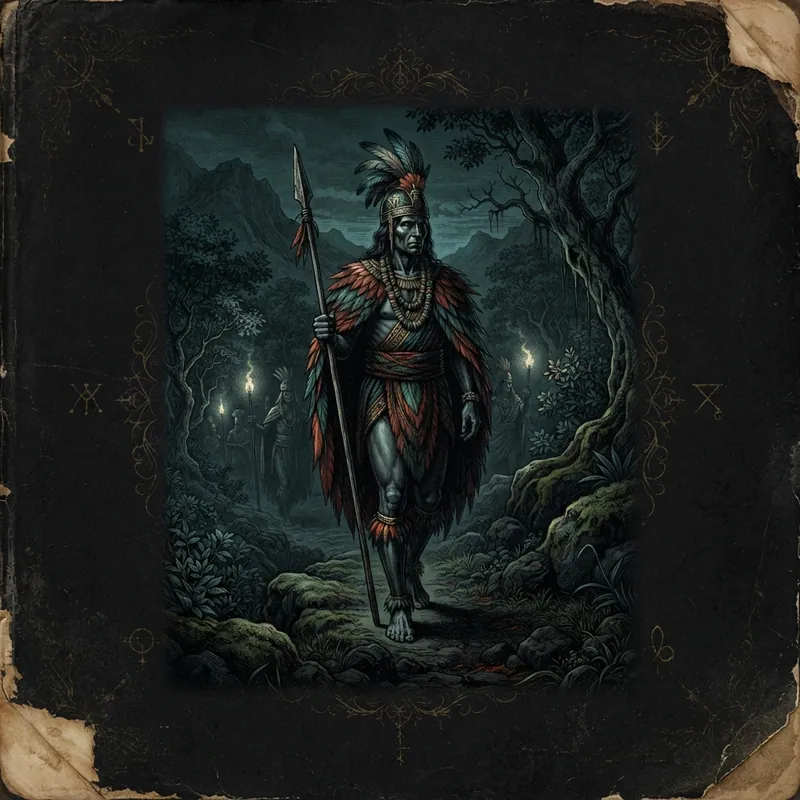
MenehuneSmall night-working people in Hawaiian storytelling credited with prodigious stone construction. Interpretations range from legendary craftspeople to encodings of earlier populations—handle with cultural care.Night MarchersA supernatural procession in Hawaiian storytelling, often treated with serious respect. This entry points outward rather than pretending a living sacred tradition is simply a scare story.
 ⌂
⌂ ☾
☾South Asia · 3
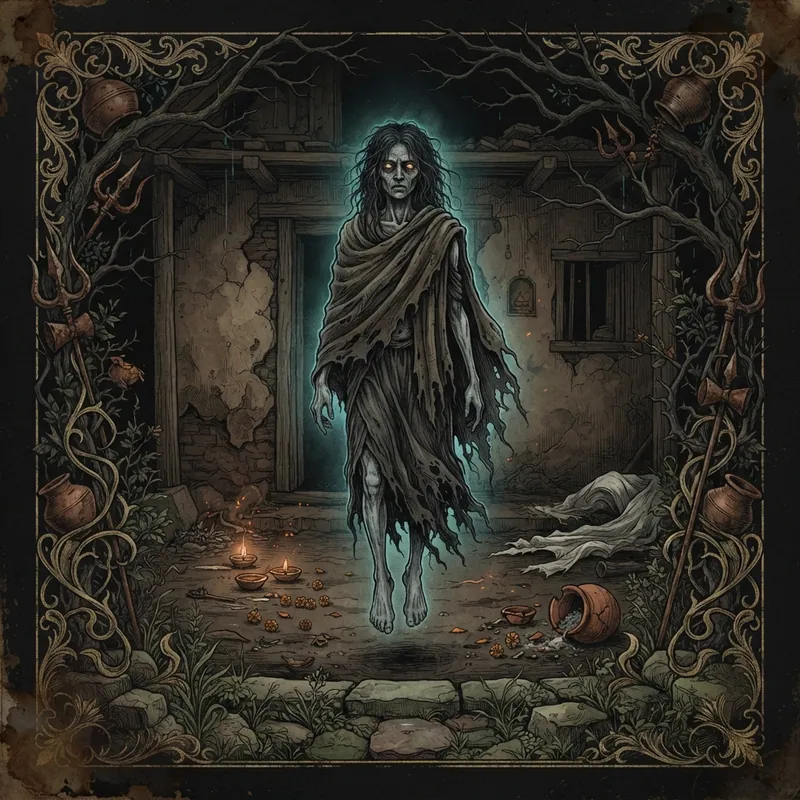
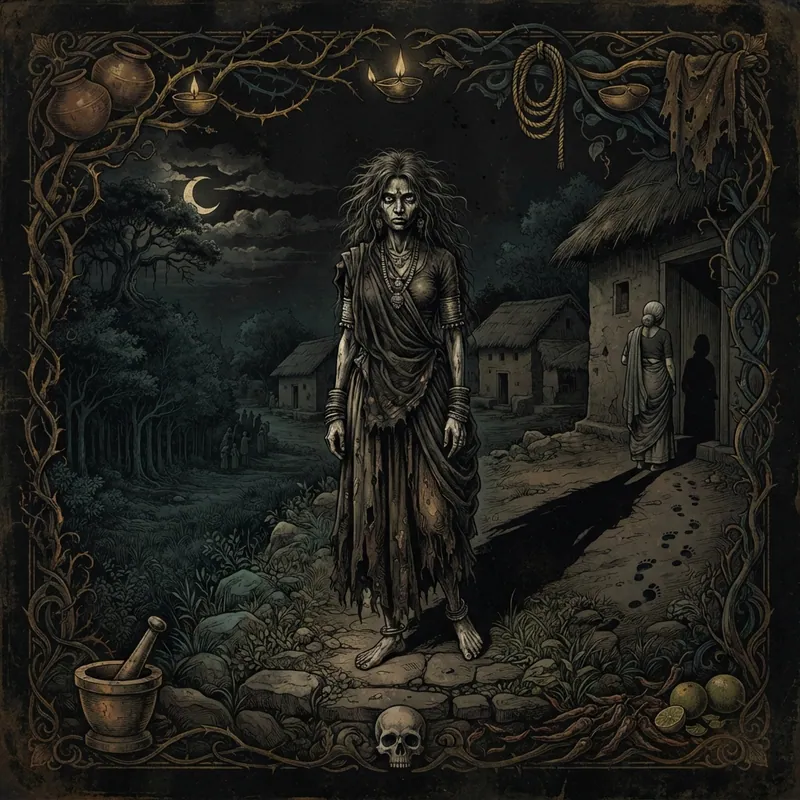
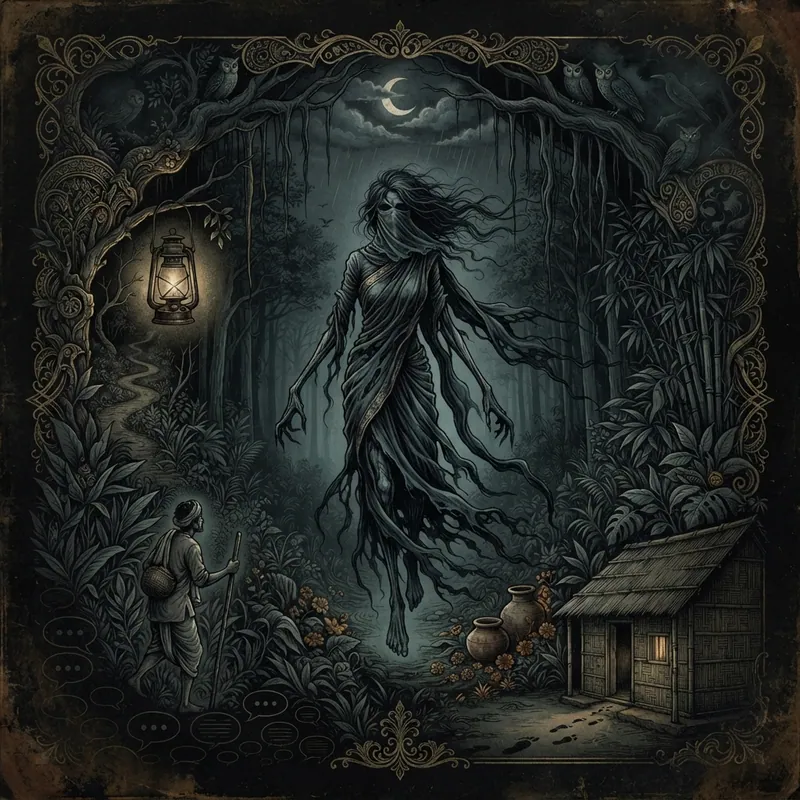
BhūtaA broad South Asian name for a disembodied spirit or restless dead, often linked to violent death or incomplete funeral rites, yet also, in some regions, to honoured local deities and household guardians.DaayanIn North Indian folklore, a daayan (ḍāin) is a malevolent female spirit or witch-figure, often linked to dakini traditions. The same name has been used in accusations against living women; this record holds both the tale and that social history without offering a hunt.NishiA Bengali night-calling spirit that imitates a loved one's voice to lure the isolated outdoors. Tradition holds that Nishi calls only twice; a third call is safe to answer.
 ◌
◌ ✴
✴ ◌
◌The Americas · 3
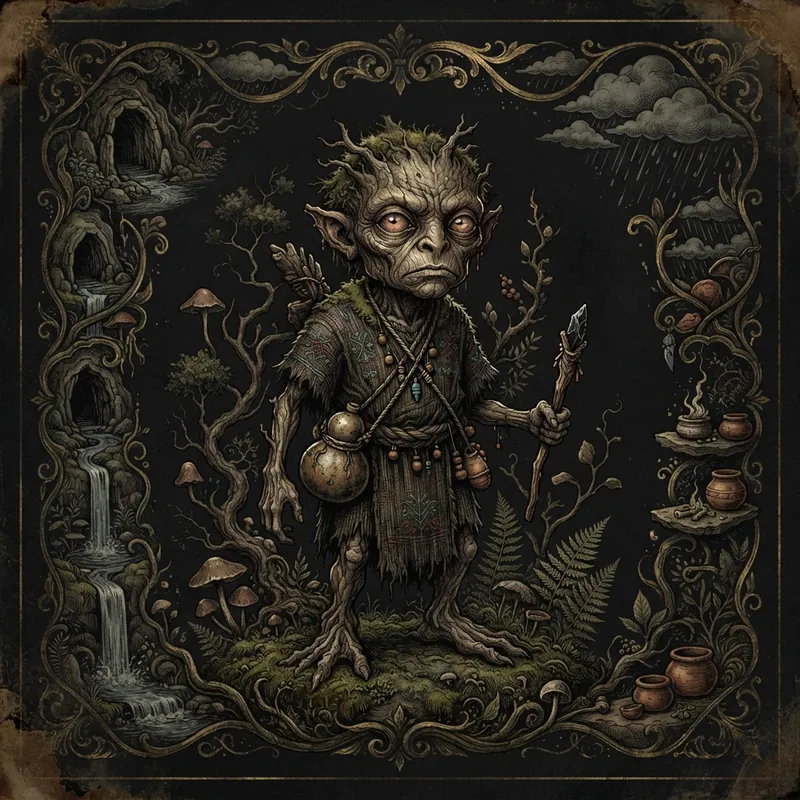
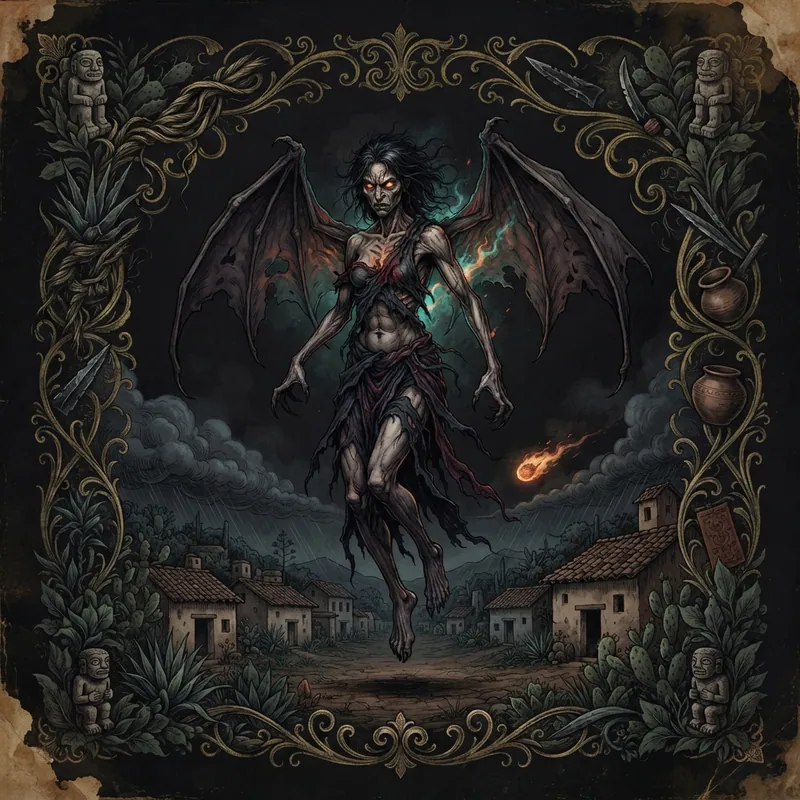
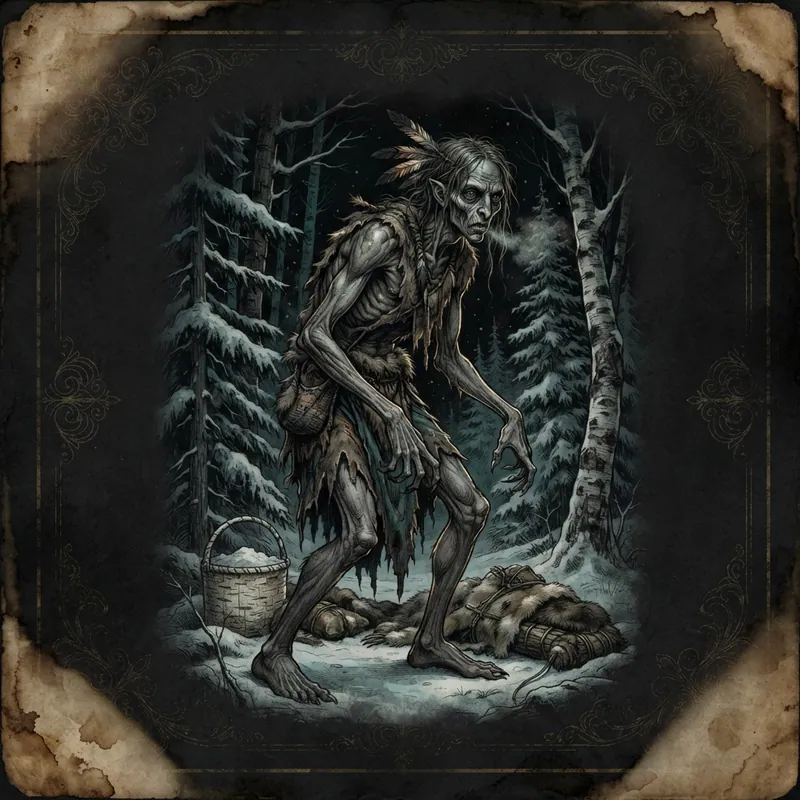
ChanequeNahua and Mexican forest householders — chanehqueh, owners of the place — small guardians of woods, water, and caves. Related in role to Maya aluxob but Mexican in language and cosmology. Living belief in several regions, not a vanished Aztec mascot.TlahuelpuchiA Tlaxcalan blood-witch complex: a person, usually a woman, born to a hunger that takes animal or fireball form at night. Living, sensitive Nahua-Mexican belief documented by Nutini and Roberts. Not a how-to, not a Halloween vampire.WendigoA gaunt, insatiable being of Algonquian tradition, associated with deep winter, starvation, and the dread of a hunger that consumes the self.
 ♧
♧ ◎
◎ ♧
♧