THE CONCORDANCE
Prayer / sacred words
93 records across 71 traditions carry this current.
Africa & the Middle East · 19
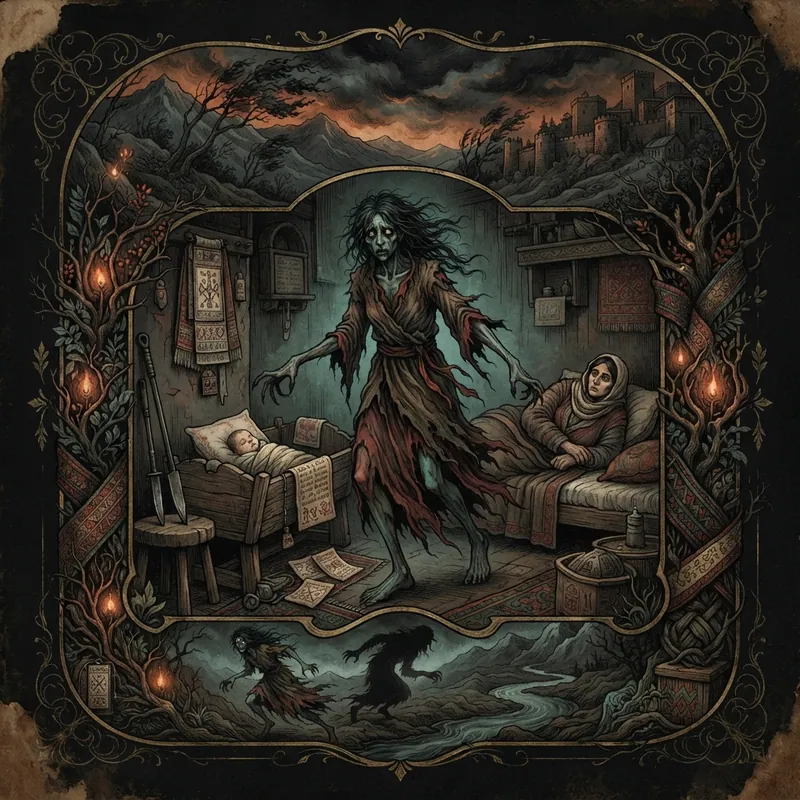
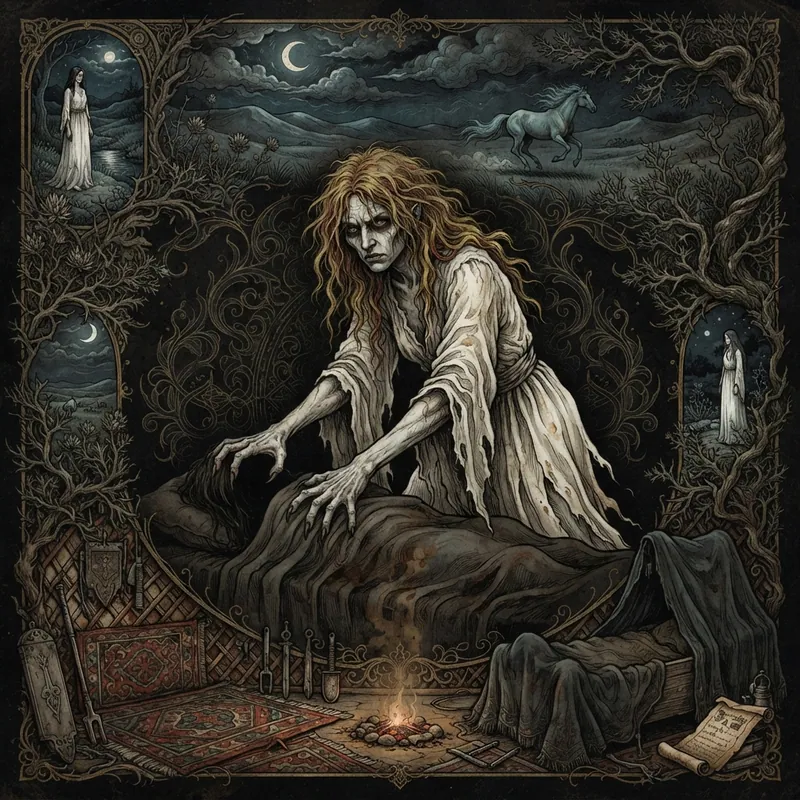
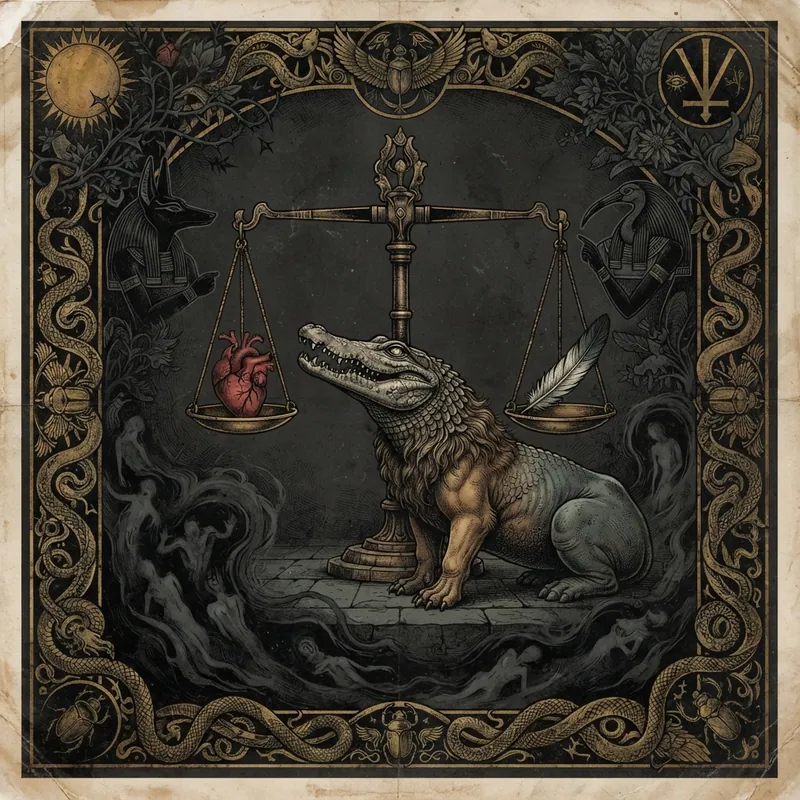
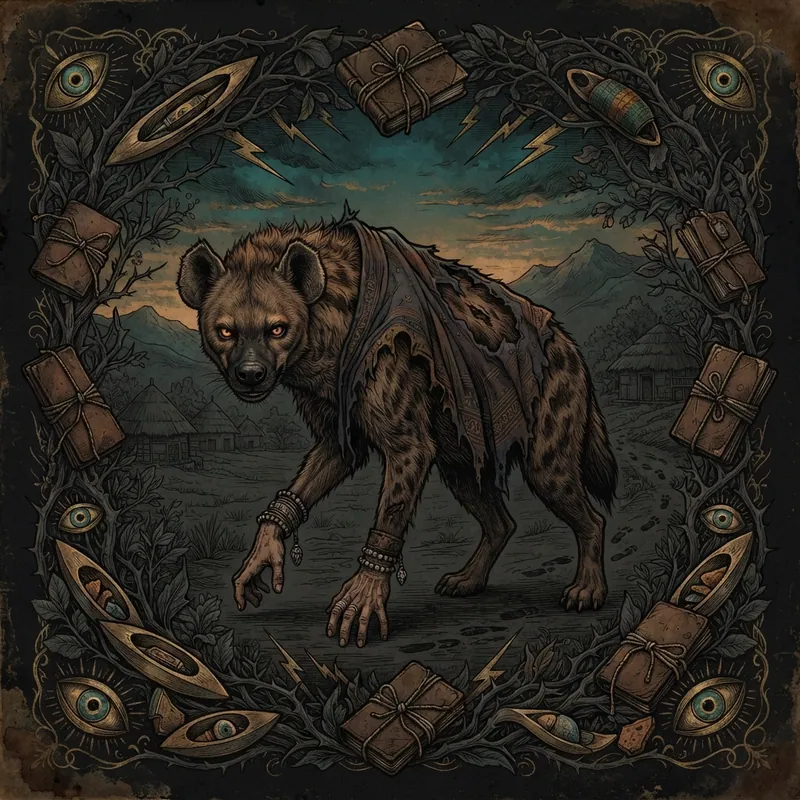
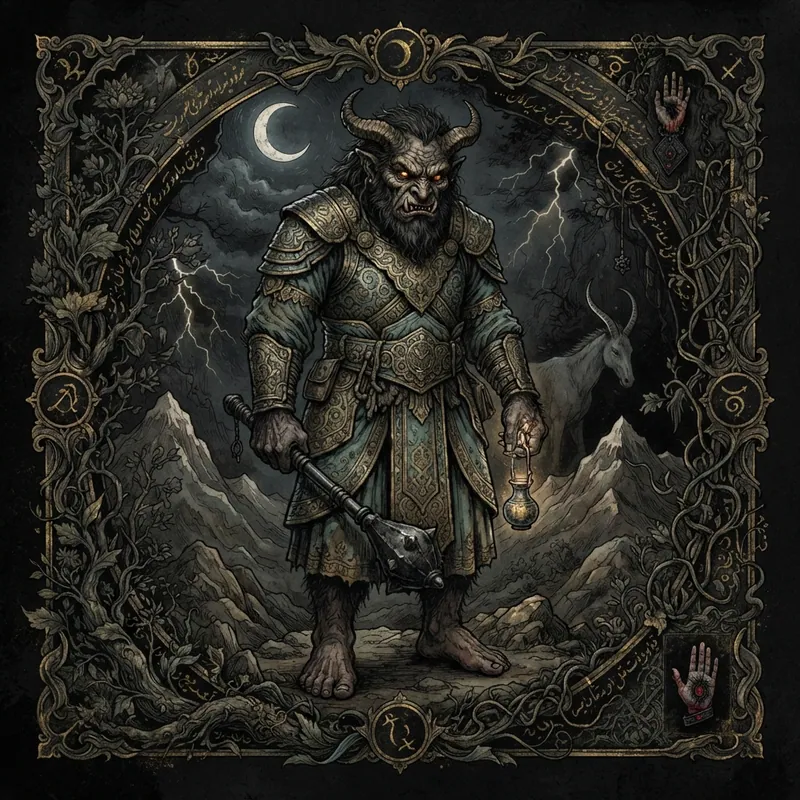
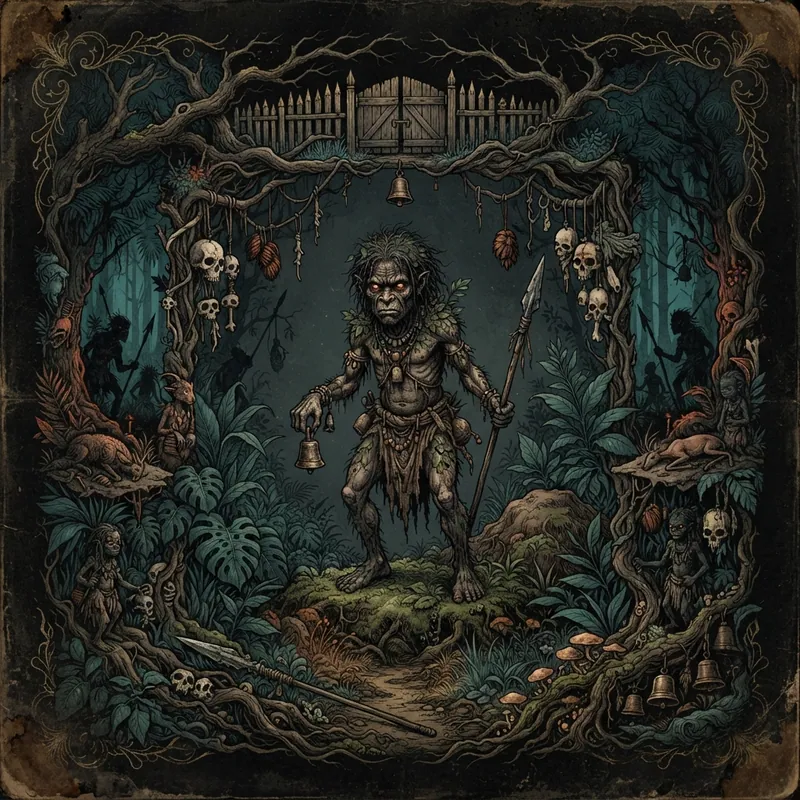
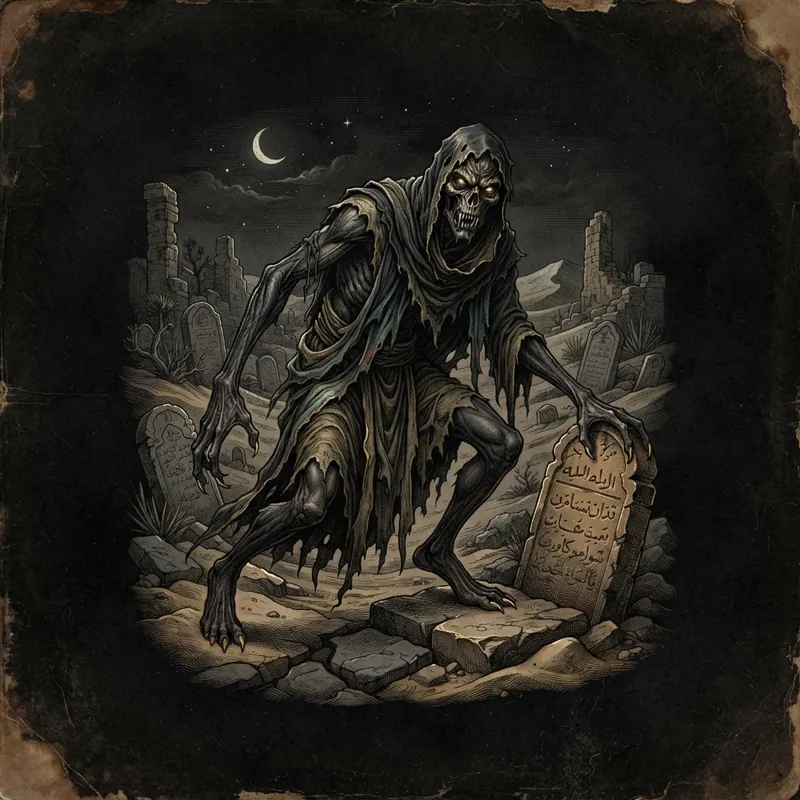
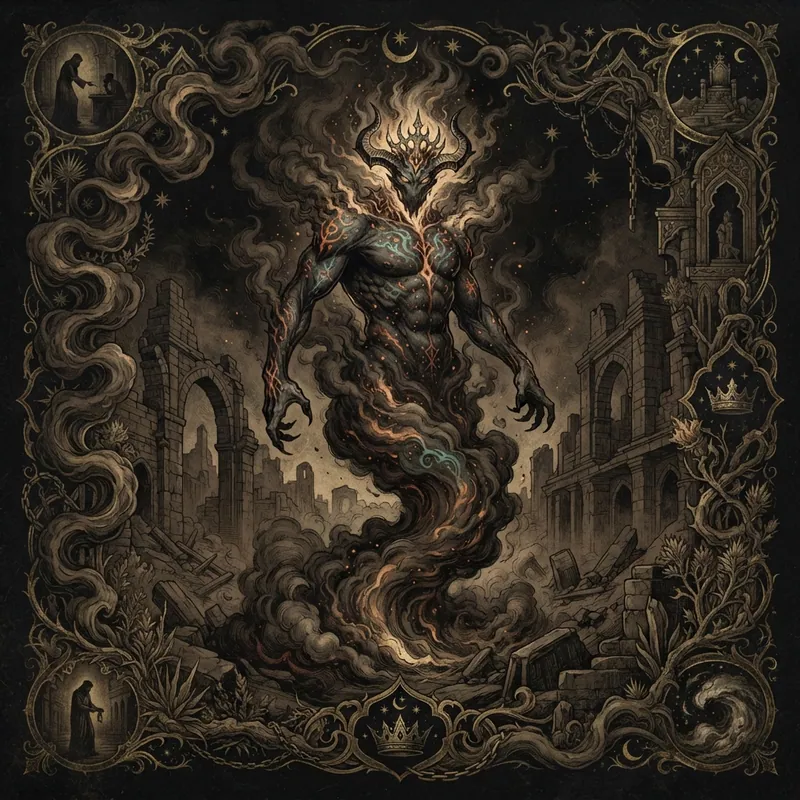
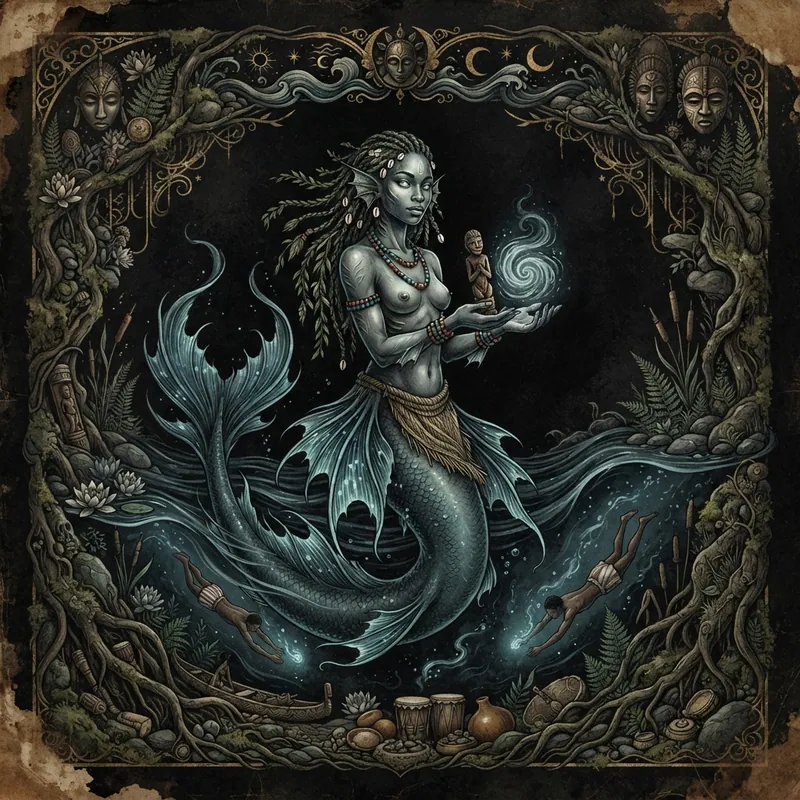
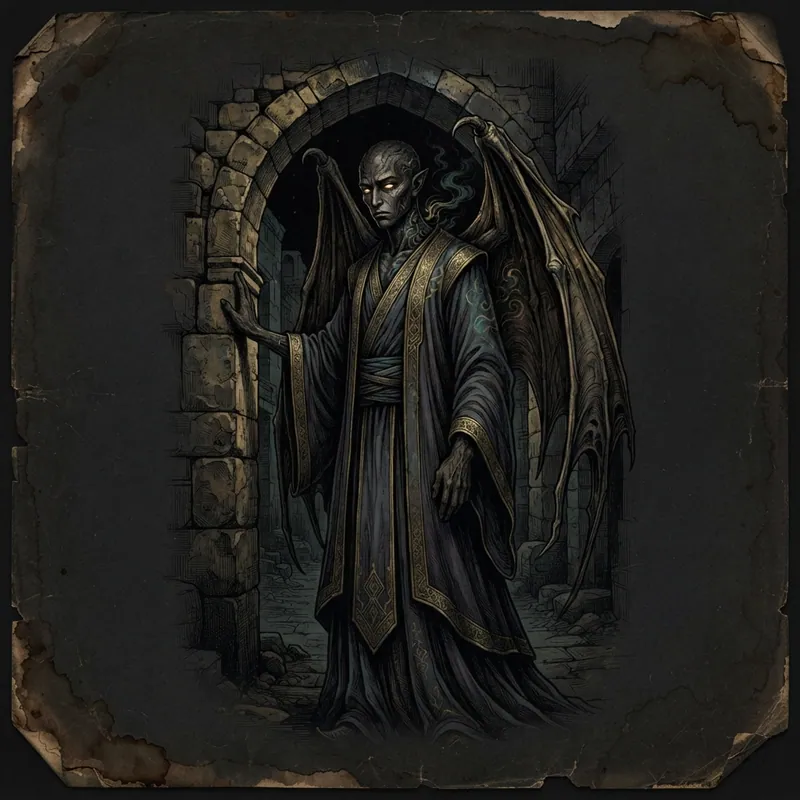
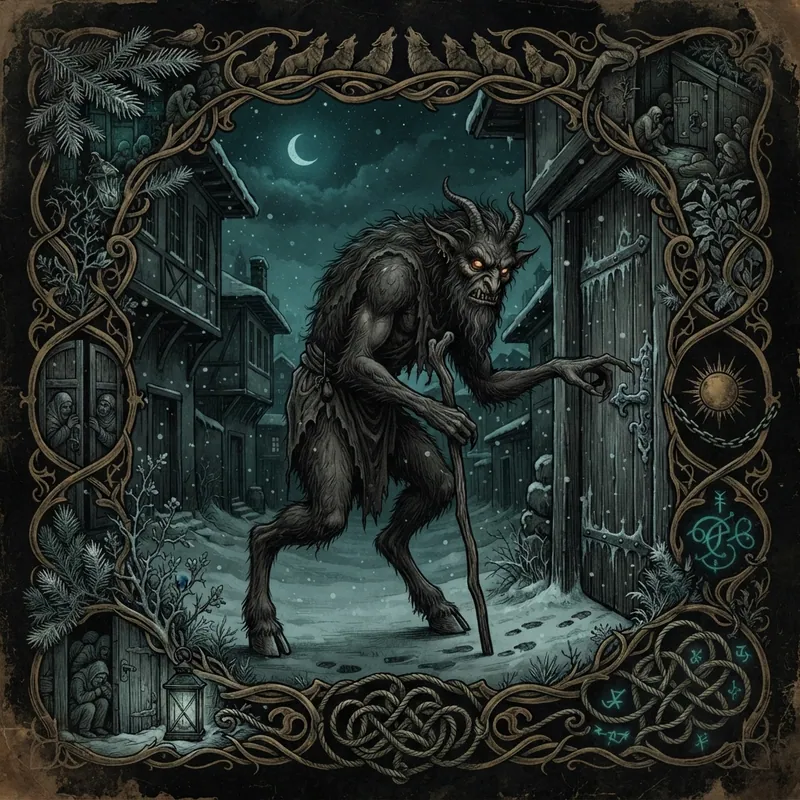
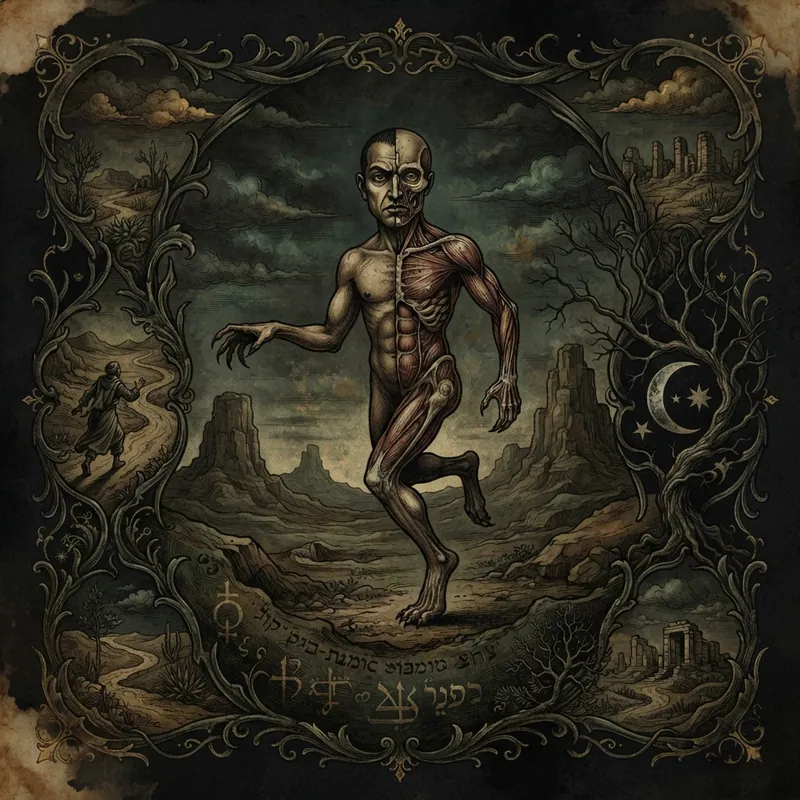
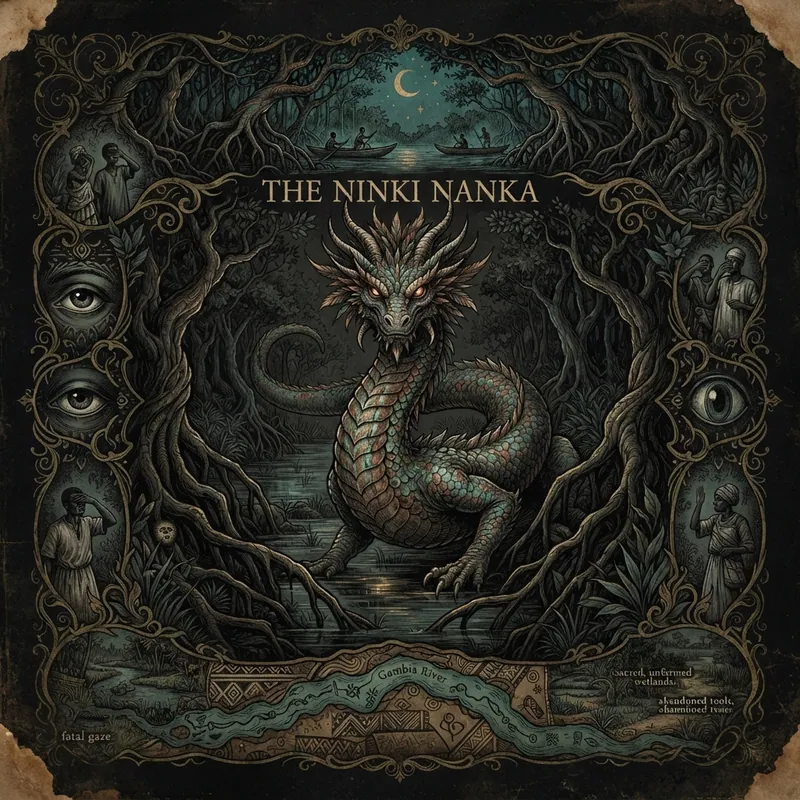
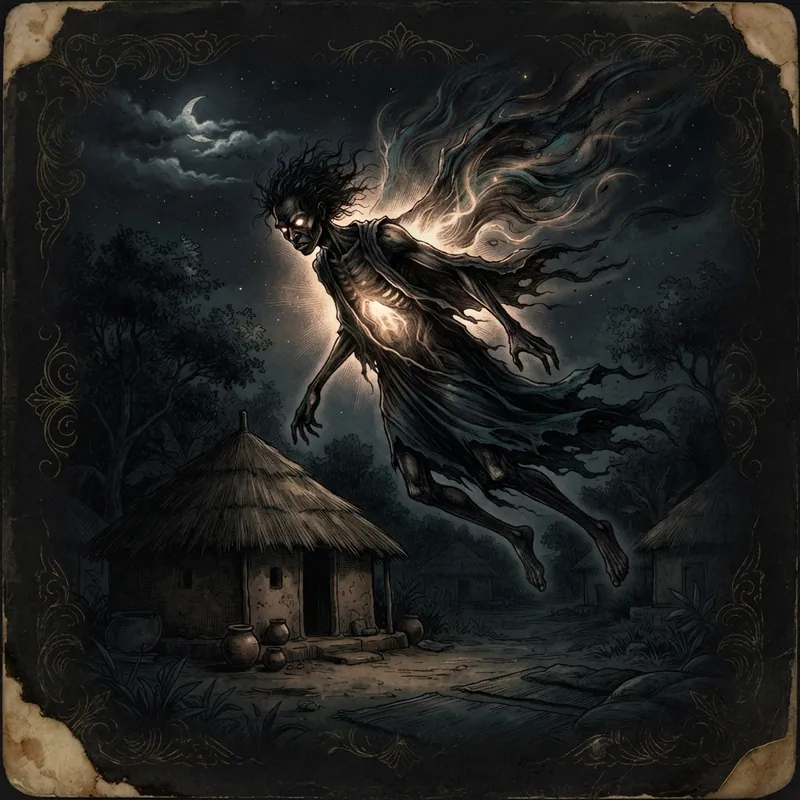
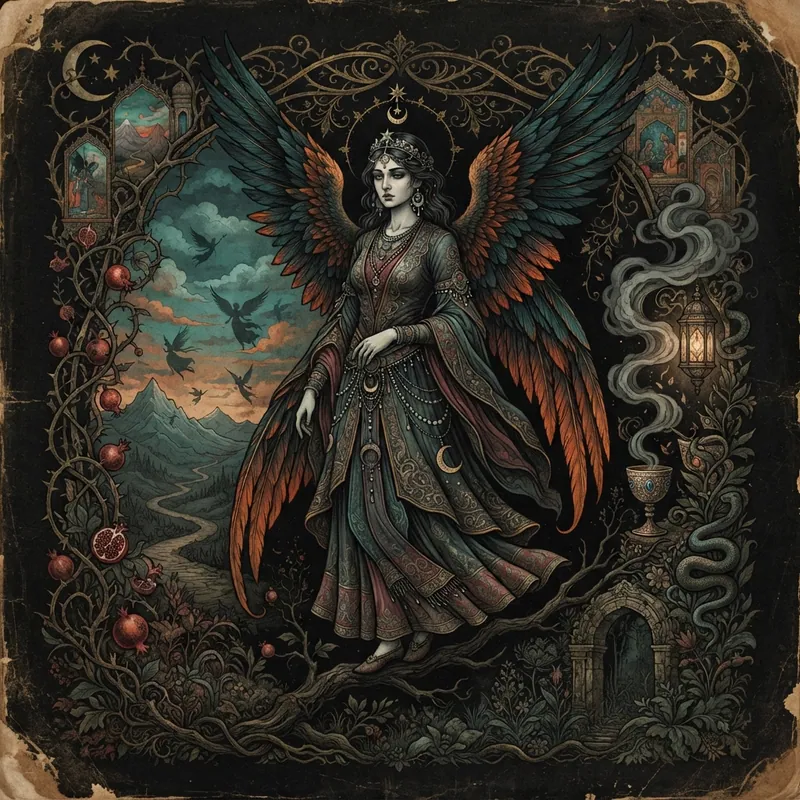
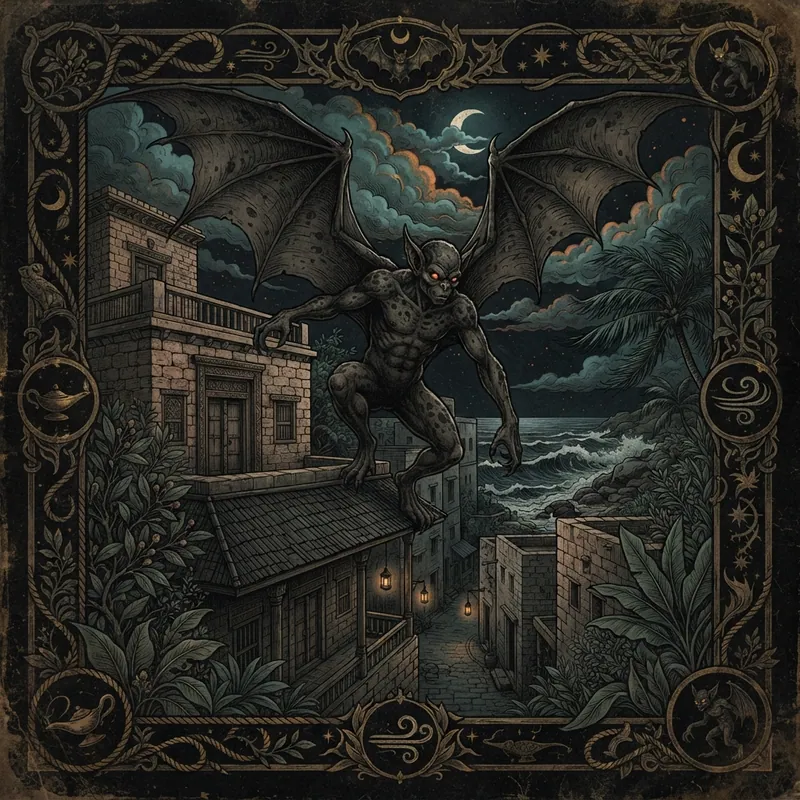
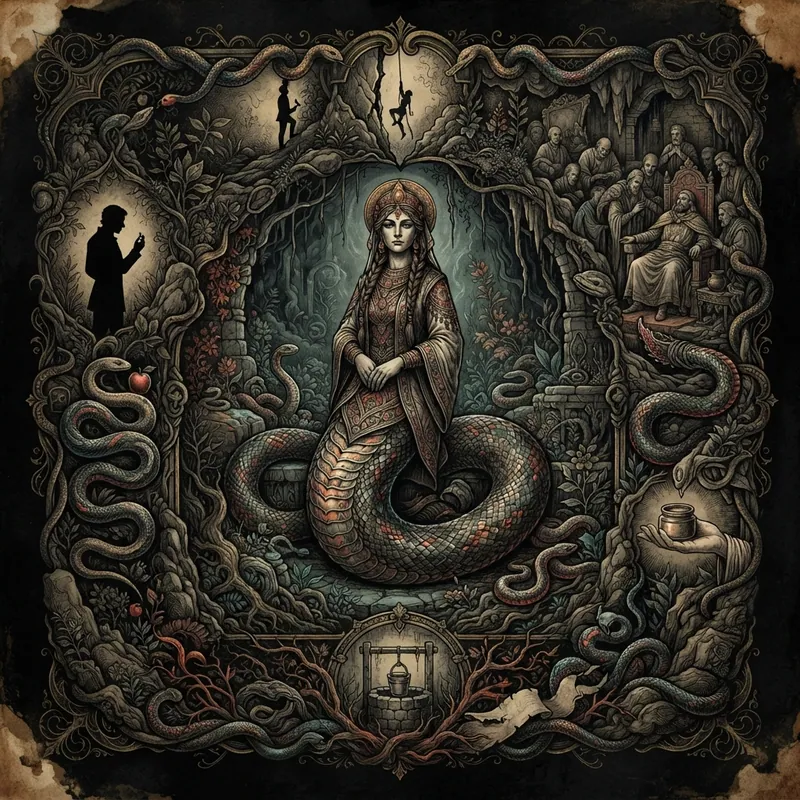
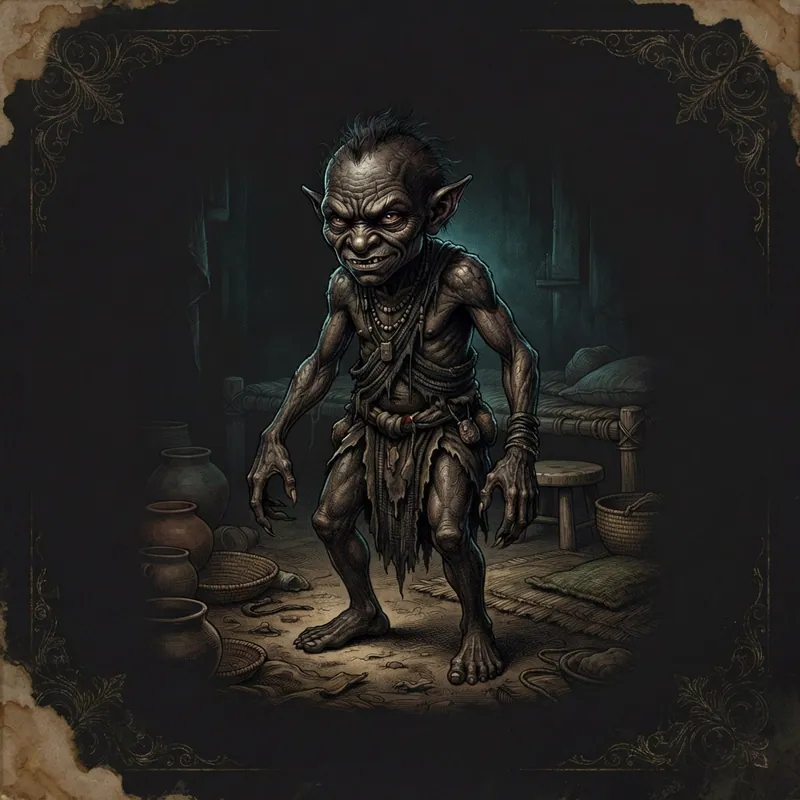
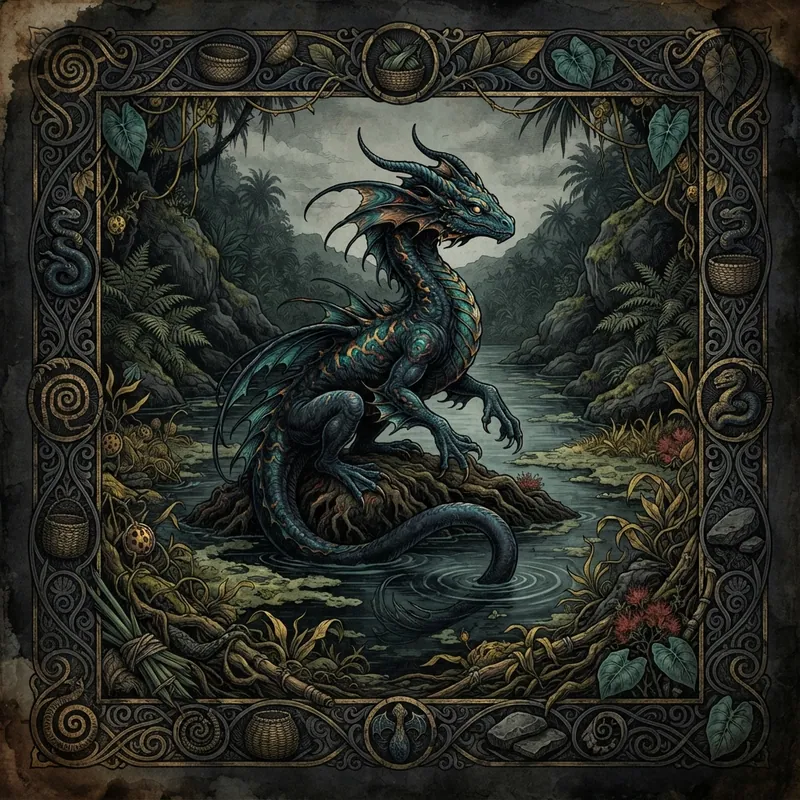
ĀlThe āl (Armenian ալ, Persian آل) is a being of childbed across Iran, Armenia, and the Caucasus, often said to personify puerperal fever. Traditions disagree on shape; they agree that a new mother must not be left unguarded, and that iron and prayer belong at the threshold.AlbastiAlbasty (Albastı, Albasly, Albarsty and many local forms) is a female being known across Turkic Central Asia, the Volga, the Caucasus, and Anatolia. On the steppe she is foremost a childbed demon; in some regions a disease-presser or, in older layers, a guardian of birth later recast as harmful.AmmitAmmit (Ammut), “devourer of the dead,” waits beside the scales in the ancient Egyptian judgement of the heart. Composite of crocodile, lion, and hippopotamus, she is not a temple goddess and not a roaming cryptid: she is the omen of oblivion for a life that failed Maat.BudaIn Ethiopian and Eritrean speech, buda names the evil eye and the power, often inherited, to harm by looking and to become a hyena. It is a living social-religious complex bound to artisanship and outsider status, not a werewolf dossier and not a licence to accuse.DīvThe Persian dīv (dev, dēw) is the demon, ogre, and fiend of Iranian epic and folktale, descended from Avestan daeva. In the Shahnameh they rule a mythical Mazandaran; in oral tales they sleep in sunlight, hide an external soul, and go mad the language itself—dīvānegī.ElokoAmong the Mongo-Nkundo of the Congo basin, an eloko (plural biloko) is a small, fierce forest being, often spoken of as an ancestral spirit that guards game and fruit and hunts the living. Tales warn of a little bell that casts a spell on anyone who answers it.GhūlA shape-changing, dangerous figure of Arabic folklore, often associated in translated accounts with wilderness, graveyards, and deception.IfritIn Islamic scripture the word ʿifrīt appears once, as “an ifrit of the jinn,” an epithet of a powerful, rebellious being. Later folklore turned ifrit into a class of formidable jinn, often of smoke and ruin, morally capable of belief or unbelief. Distinct from the wider category already archived as Jinn.JenguAmong the Sawa peoples of coastal Cameroon, a jengu (plural miengu; Bakweri liengu) is a water spirit of river, estuary, and sea. Living cults honour miengu as healers, fortune-bringers, and intermediaries with the ancestors, especially in the Duala Ngondo rites on the Wouri.JinnJinn are beings in Arabic and Islamic traditions with wide-ranging depictions, moral qualities, and religious meanings; this record avoids treating a living tradition as a generic monster catalogue.KarakoncolosKarakoncolos (Turkish kara concolos; Balkan karakondzho, karakondžula; Greek kallikantzaros) names a cluster of hairy winter spirits who walk during the coldest, liminal nights. They harass households, pose impossible questions, and vanish when the sun’s order returns.NasnasIn Arabic wonder-literature the nasnās is a monopod half-human: half a head, half a body, one arm, one leg, hopping with great agility. Lane recorded that portrait from Nights scholarship; Shia exegesis sometimes places nisānīs on earth before Adam. Not a generic jinn.Ninki NankaA dragon-like swamp being of Mandinka, Fula, Wolof and other West African tellings, especially along the lower Gambia. Descriptions vary; what the traditions share is that seeing it, above all its eyes or crown, is an omen of death, and that some wetlands are left unfarmed for its sake.ObayifoA witchcraft being in Akan belief, sometimes described as leaving the body as a glowing light to harm others at night. Treat as part of living cosmologies of harm and protection, not a cartoon vampire.PeriThe Persian parī (peri) descends from Avestan pairikā, female demonic beings of the old religion, and in later folklore becomes a winged, often beautiful people of tales—ambivalent, organised like humans, and not the same as jinn even when the words blur.PopobawaA feared shetani of Zanzibar and the Swahili coast, named for the bat-wing shadow of its night visits rather than any single body. Accounts describe a shapeshifter that enters houses, attacks sleepers, and binds victims by forcing the story to be told.QareenA qareen (qarīn) is, in Islamic tradition, the constant companion assigned to a human—often a jinn who whispers toward evil, though some authorities also name an angelic counterpart. Folklore sometimes makes it a jealous double. Distinct from the wider class archived as Jinn.ShahmaranShahmaran (Şahmeran, Şamaran), “sovereign of the snakes,” is a woman-serpent of Persian, Kurdish, Arabic, and Anatolian story. She teaches medicine in an underground garden; a broken promise delivers her to a sick king. Images still hang in Tarsus and Mardin homes.TokolosheA figure appearing in several Southern African stories and contemporary cultural conversations, with meanings that vary across communities, languages, and tellers.
 ☾
☾ ☾
☾ ◉
◉ ◎
◎ ⛧
⛧ ♧
♧ ☾
☾ ⛧
⛧ ≈
≈ ☾
☾ ☾
☾ ⌬
⌬ ◒
◒ ☾
☾ ❋
❋ ◎
◎ ❖
❖ ≈
≈ ☾
☾Asia & the Isles · 19
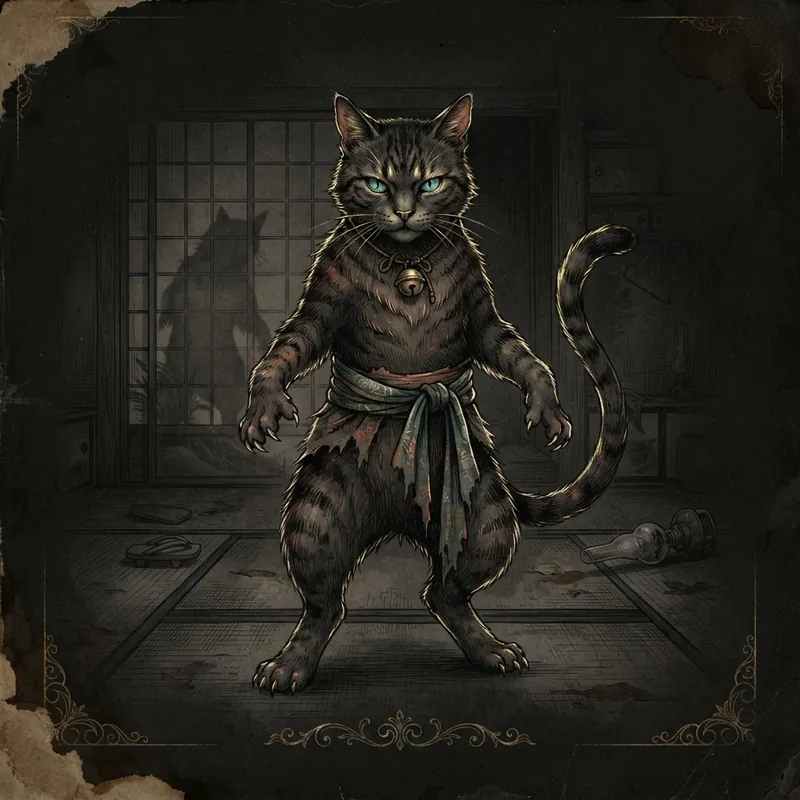
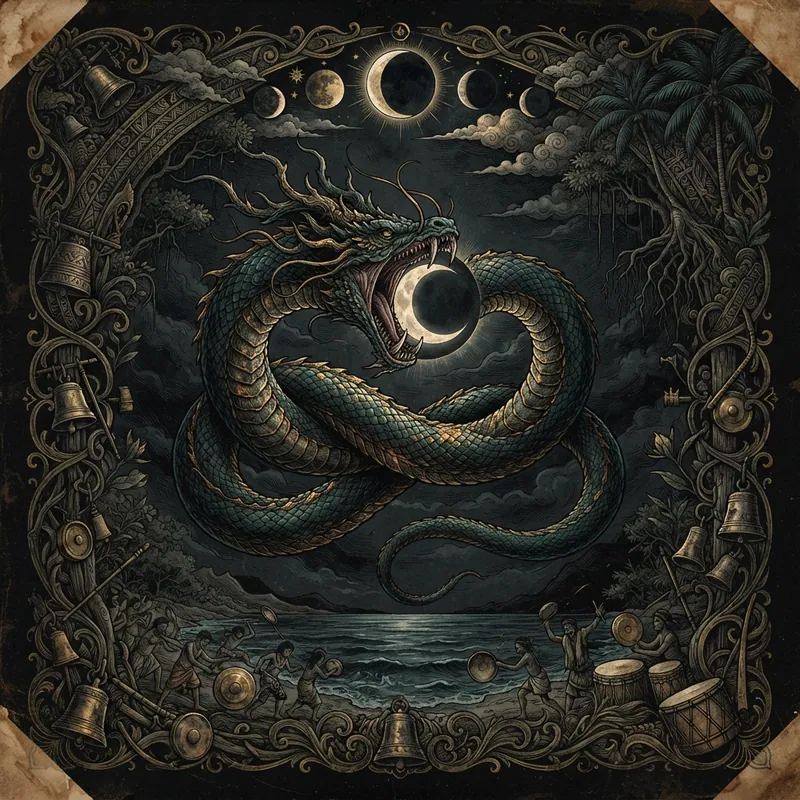
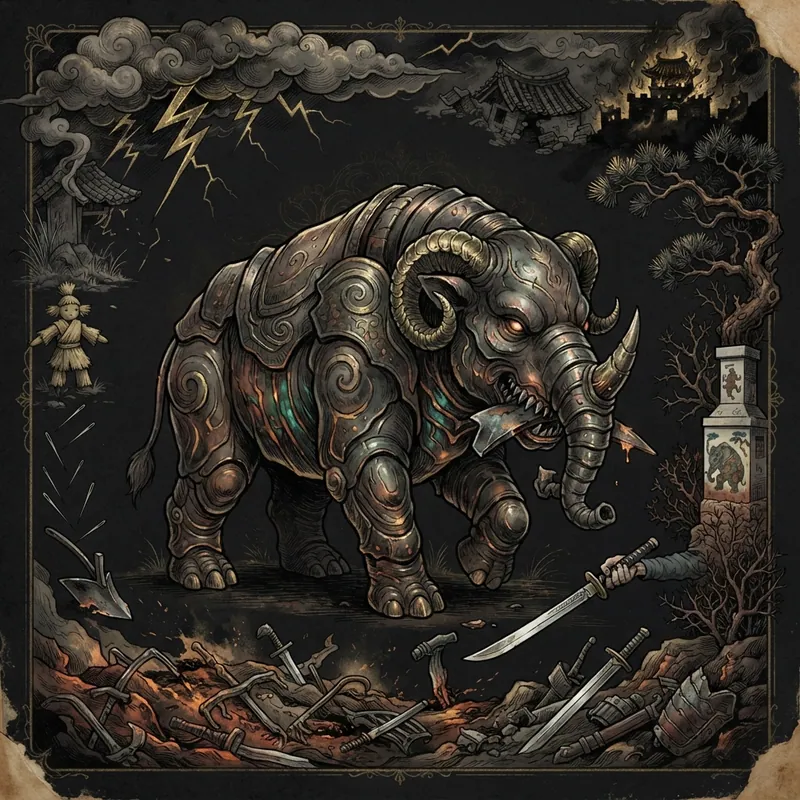
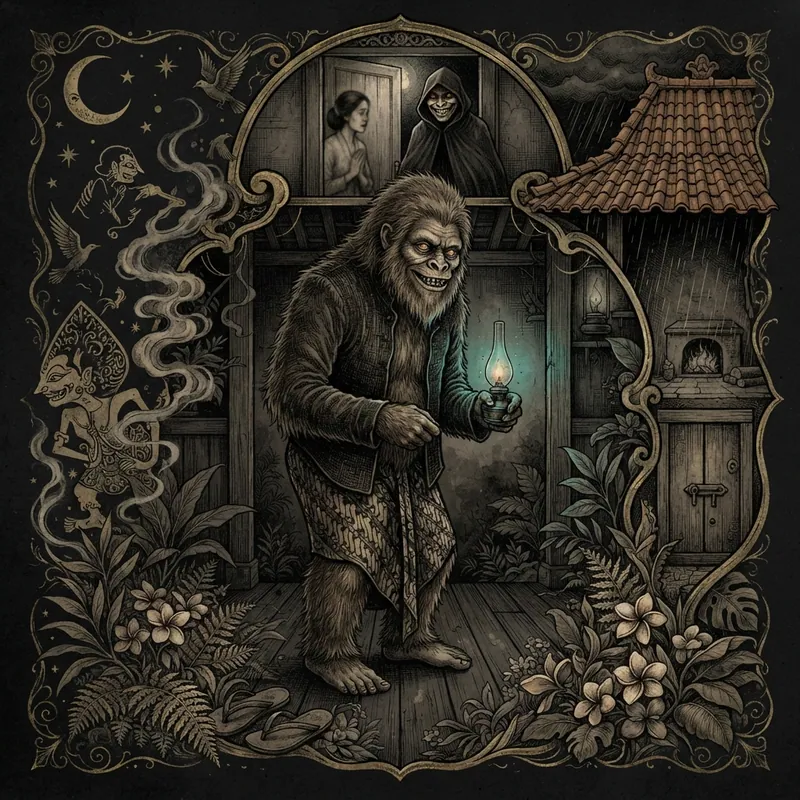
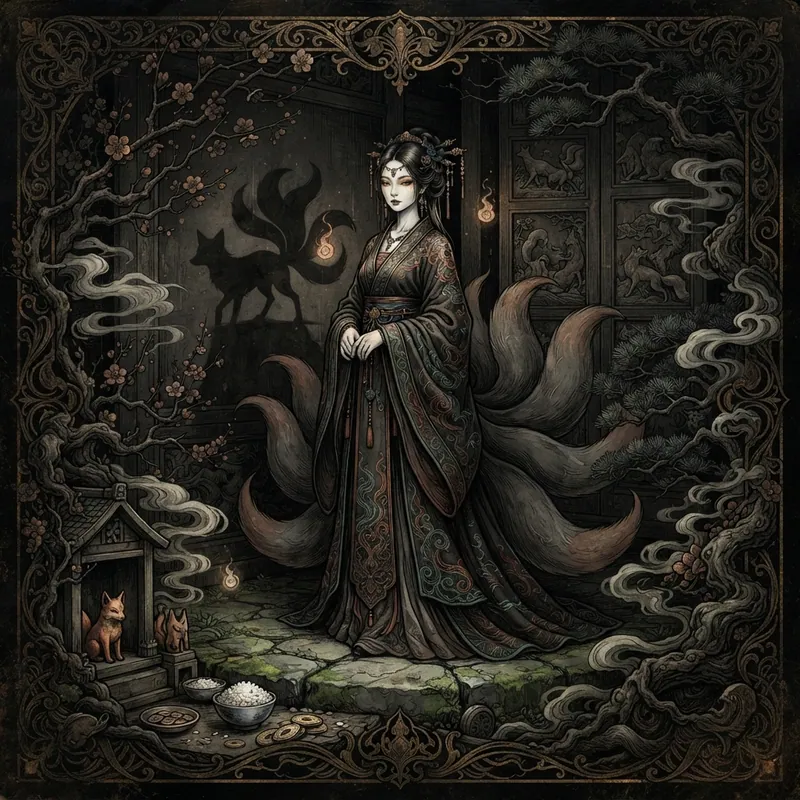
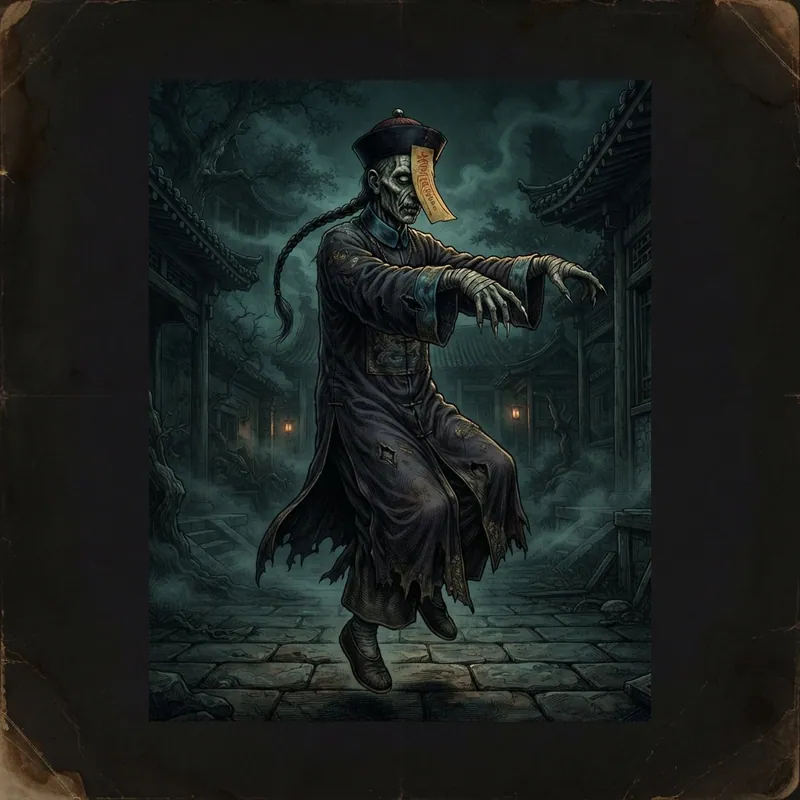
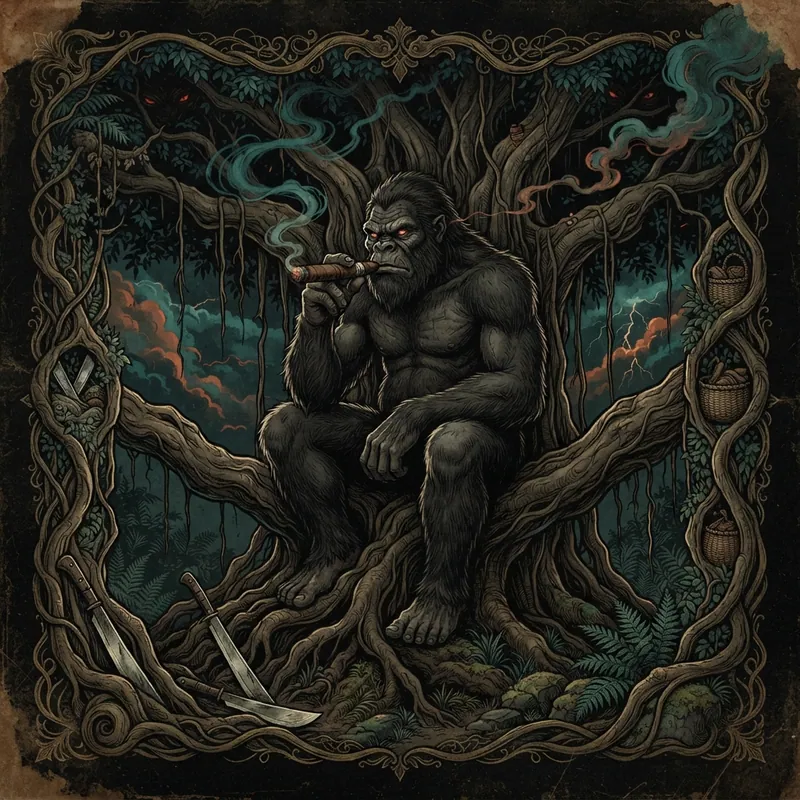
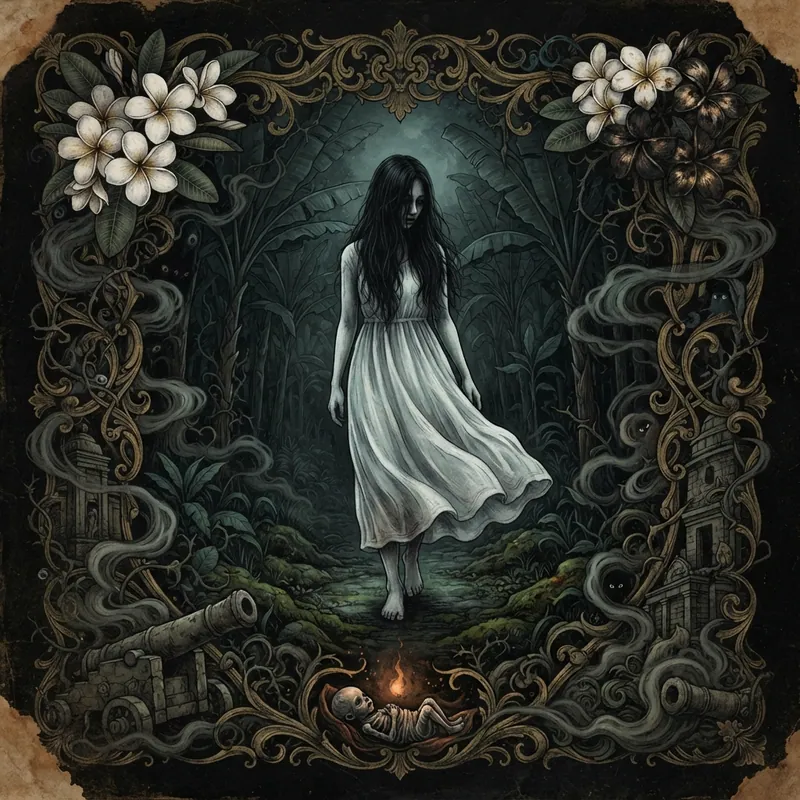
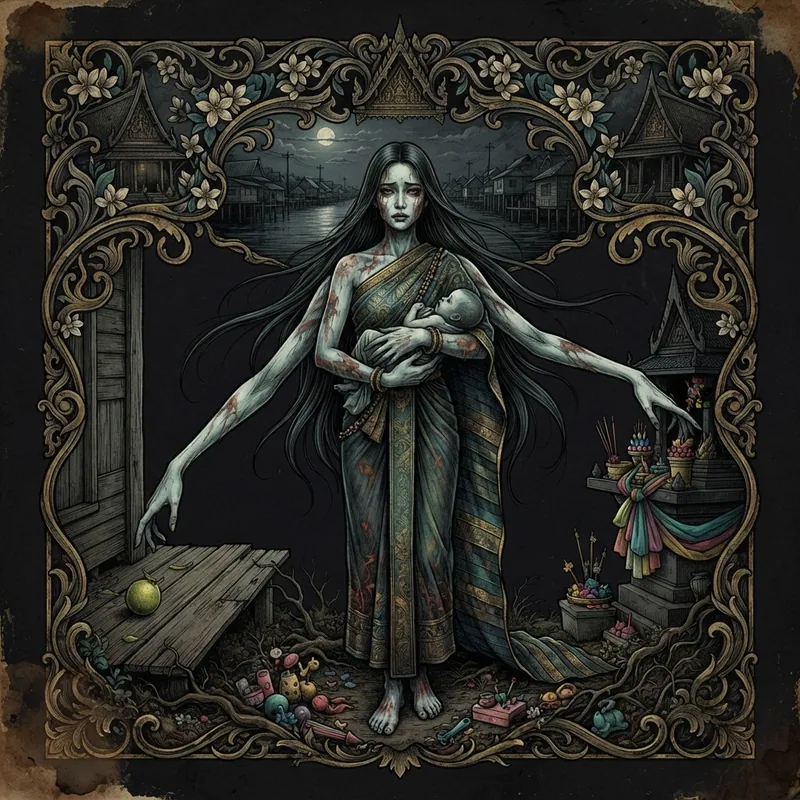
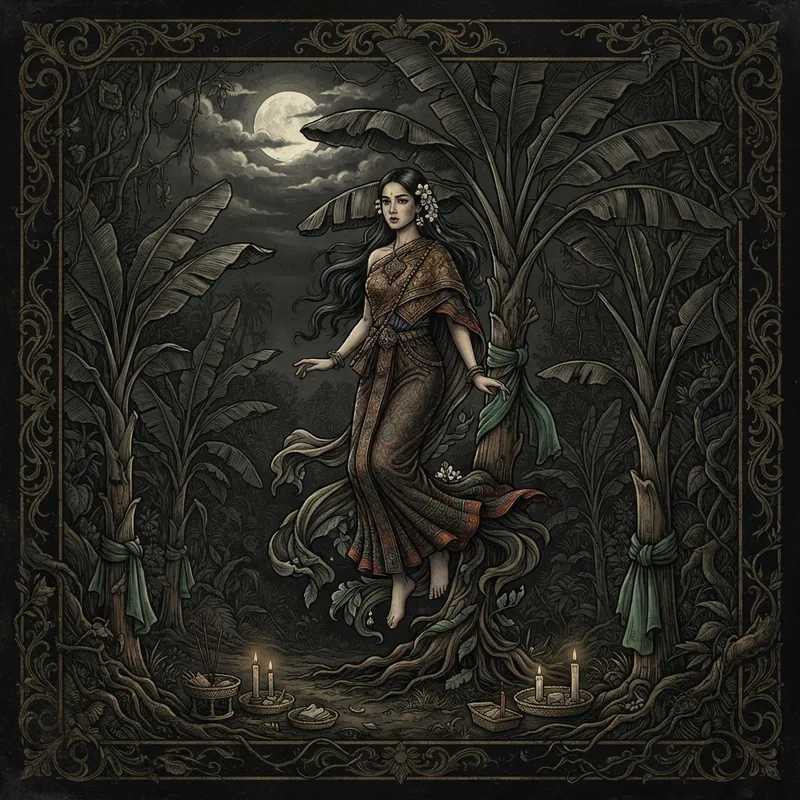
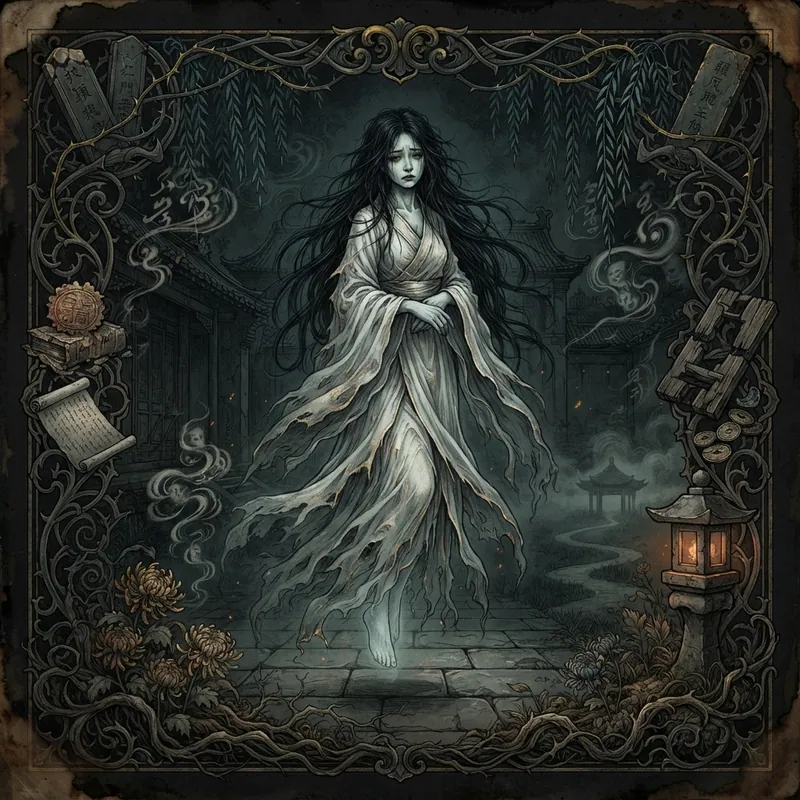
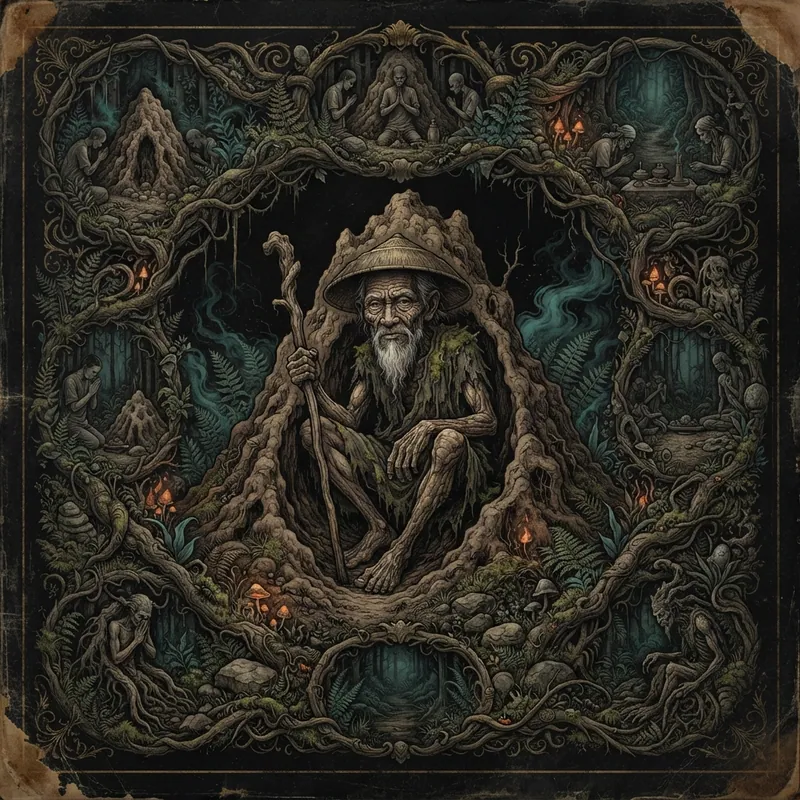
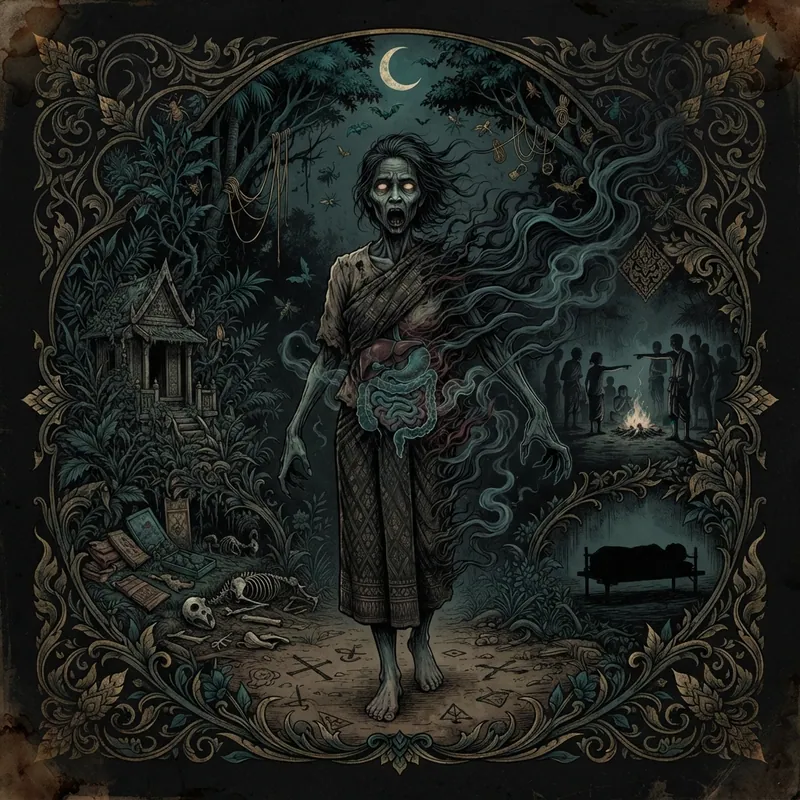
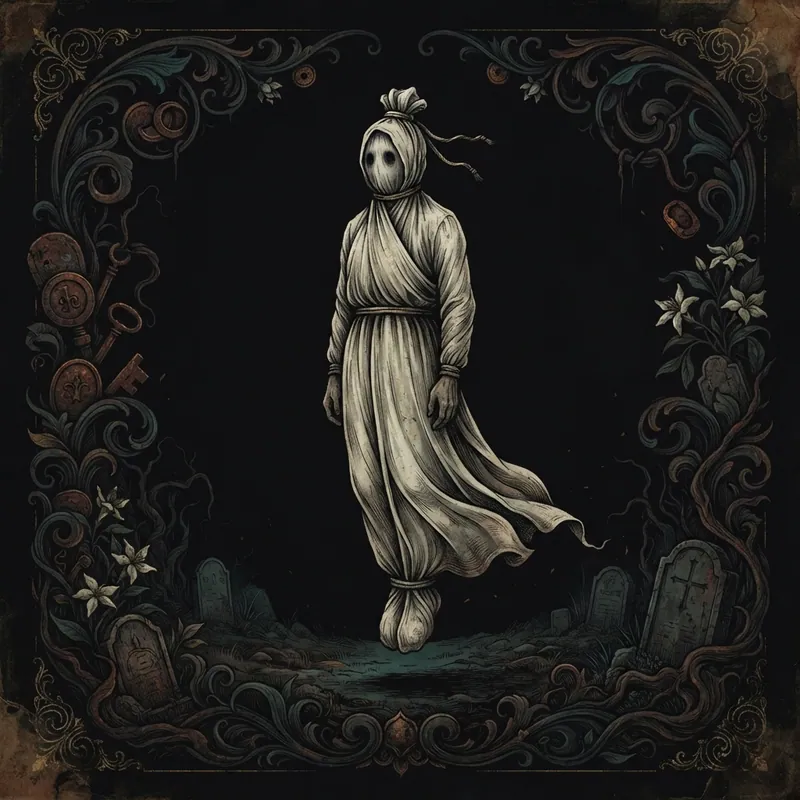
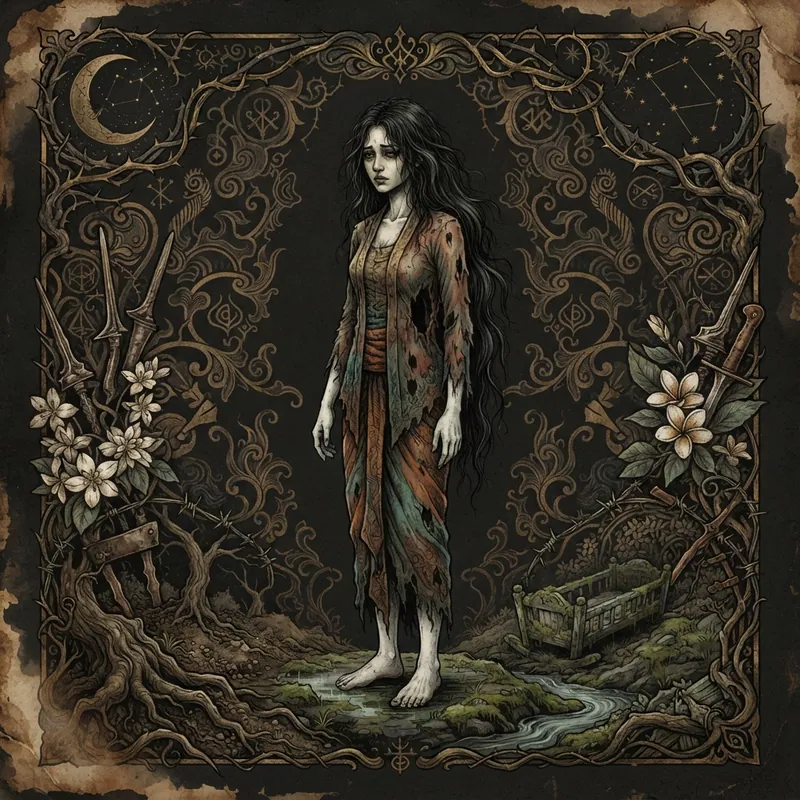
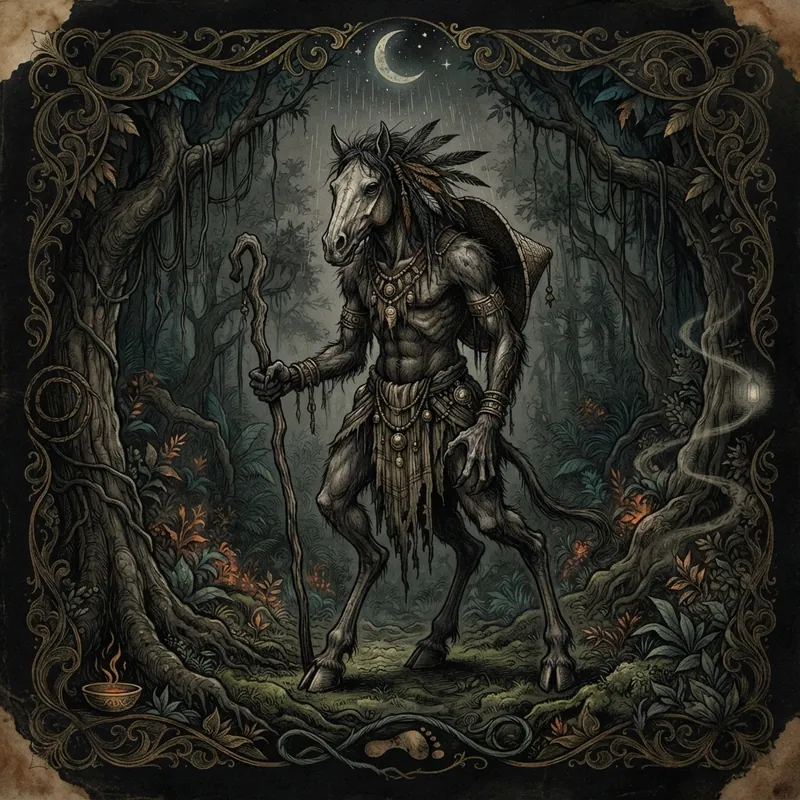
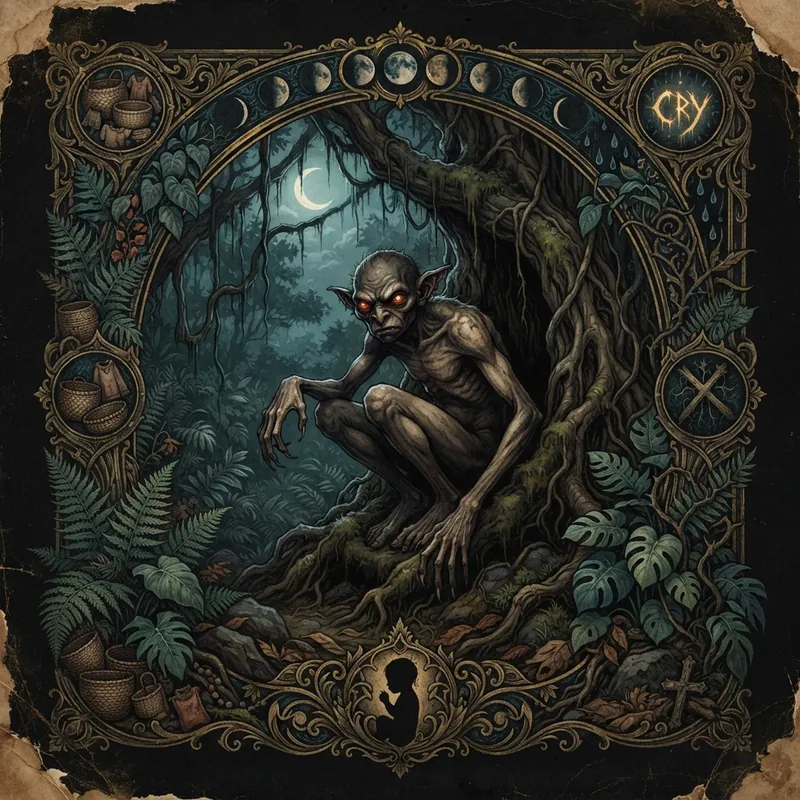
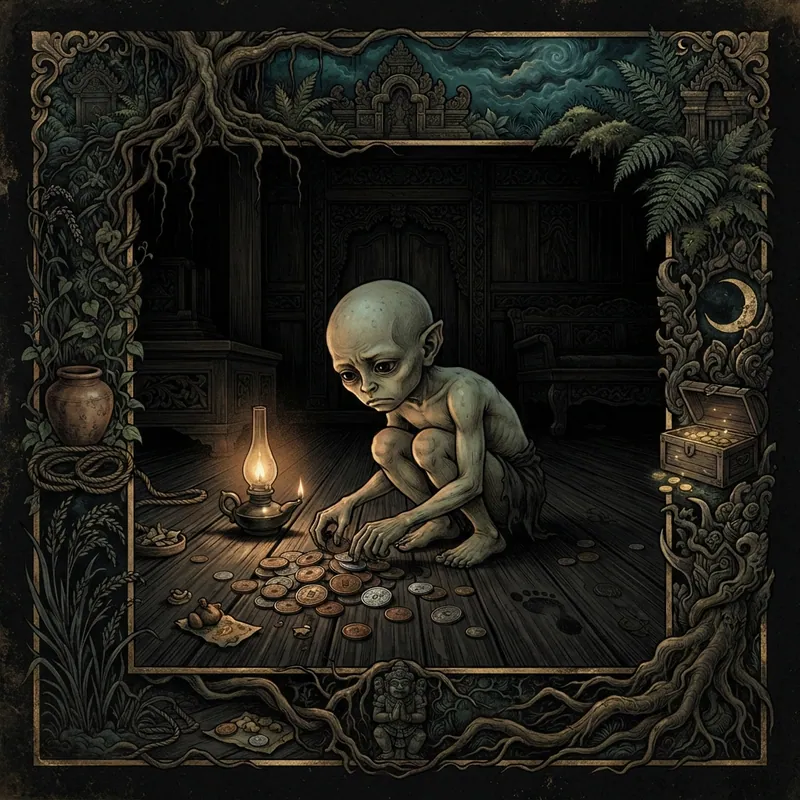
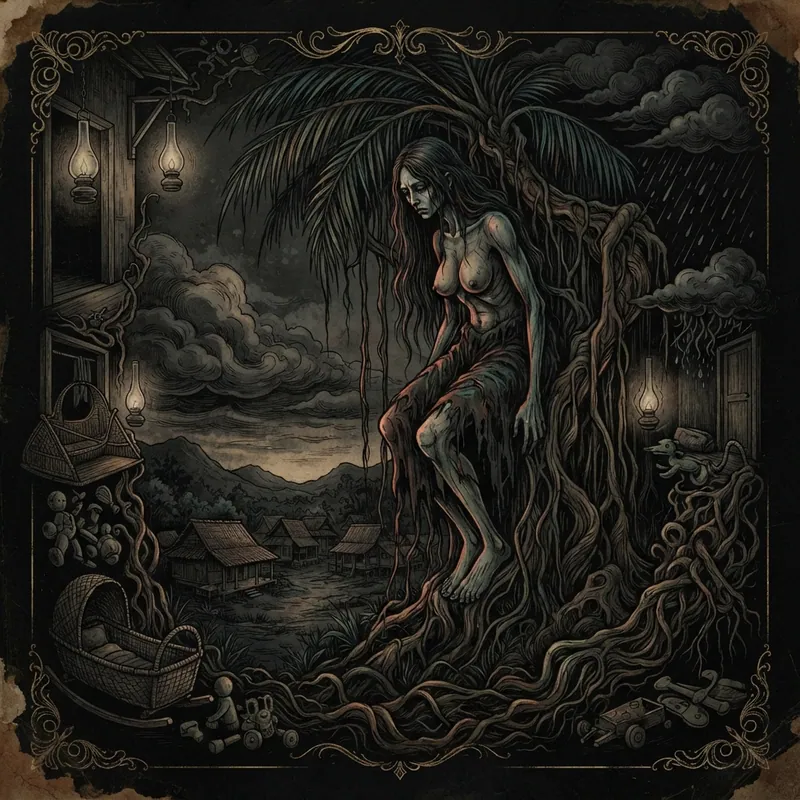
BakenekoA transformed cat of Japanese folklore, sometimes linked with age, mistreatment, or revenge. Related to, but not identical with, the split-tailed nekomata.BakunawaA Visayan and Bicol moon-eating serpent-dragon blamed for eclipses, quakes, and weather. People still remember rushing outdoors to clang metal until the sky’s light is given back.BulgasariA Korean legendary iron-eater whose name means, in one reading, the one that cannot be killed. Folktales make it a catastrophe of late Goryeo; folk craft also paints it on chimneys as a ward against nightmare and fire.GenderuwoA Javanese hairy, ape-like spirit of the memedi class. Clifford Geertz recorded it as more prankster than murderer; other tellings warn it wears a loved face to tempt.Huli JingA Chinese fox spirit that cultivates essence until it can take human form. Distinct from Japanese kitsune and Korean kumiho, though all three share an East Asian vulpine lineage.JiangshiA hopping revenant of Chinese folklore and later popular culture, usually tied to a body animated by disrupted death rites or vital force.KapreA tall, dark, hairy tree-dweller of Philippine folklore, often seen smoking in acacia, mango, bamboo, or balete. Mischief more than murder, unless the tree is cut.KuntilanakThe Indonesian cousin of the Malay pontianak: a female revenant of pregnancy or childbirth death. Names are often used interchangeably; tellings and the city of Pontianak’s founding legend keep them entangled rather than identical.Mae NakMae Nak of Phra Khanong: a specific Thai revenant of a woman who died in childbirth and waited for her husband. Her shrine at Wat Mahabut remains a place of living offerings.Nang TaniA Thai lady of the wood who inhabits clumps of wild kluai tani banana. Related to, but not the same as, Malay pontianak banana-grove motifs. Offerings and cloth on the trunk keep her favour.Nü GuiA Chinese category of female ghost, often the returning spirit of a woman who died under injustice. Not one named monster, but a recurring figure of grievance, mourning dress, and unfinished memory.Nuno sa PunsoThe ‘old one of the mound’: a Philippine ancestral earth spirit dwelling in anthills and termite mounds. People ask leave before passing. Disturbance brings illness; respect keeps the ground quiet.Phi PopA ravenous possessing spirit of ethnic Lao belief in Laos, Isan, and nearby regions. It uses a human host to eat internal organs. Communities may exile the accused; some Lao villages specialise in receiving them.PocongAn Indonesian ghost in the Islamic burial shroud. Folk belief holds that if the kain kafan’s ties are not undone in the grave, the dead may rise still wrapped. Hopping is a film sign; many accounts say a true pocong floats.Sundel BolongA Javanese and Indonesian female revenant: a woman who died pregnant or in childbirth, often after sexual violence, leaving a hole in her back. Distinct from kuntilanak though films blur them.TikbalangA Philippine forest being, now usually pictured as a tall, bony horse-headed humanoid, that misleads travellers. Early Spanish records call it a mountain phantom; the werehorse face arrived after horses did.TiyanakA Philippine being that mimics an infant’s cry to lure passers-by. Related in name to Malay childbirth spirits, but here the child, not the mother, is the hunter. Origins and forms vary by ethnolinguistic group.TuyulA child-shaped spirit of Indonesian and Malay folklore, spoken of as a familiar that steals wealth for a keeper. Often imagined in connection with the unsettled dead of infancy. This entry is a warning about greed, not a recipe.Wewe GombelA Javanese female spirit who kidnaps children. Folklore also says she keeps neglected children kindly until their parents change. Fright and shelter occupy the same figure.
 ◎
◎ ≋
≋ ⌬
⌬ ☾
☾ ◎
◎ ✦
✦ ♧
♧ ✦
✦ ✦
✦ ♧
♧ ◌
◌ ⌂
⌂ ❖
❖ ✦
✦ ✦
✦ ♧
♧ ☾
☾ ⌂
⌂ ☾
☾Eastern Europe · 9
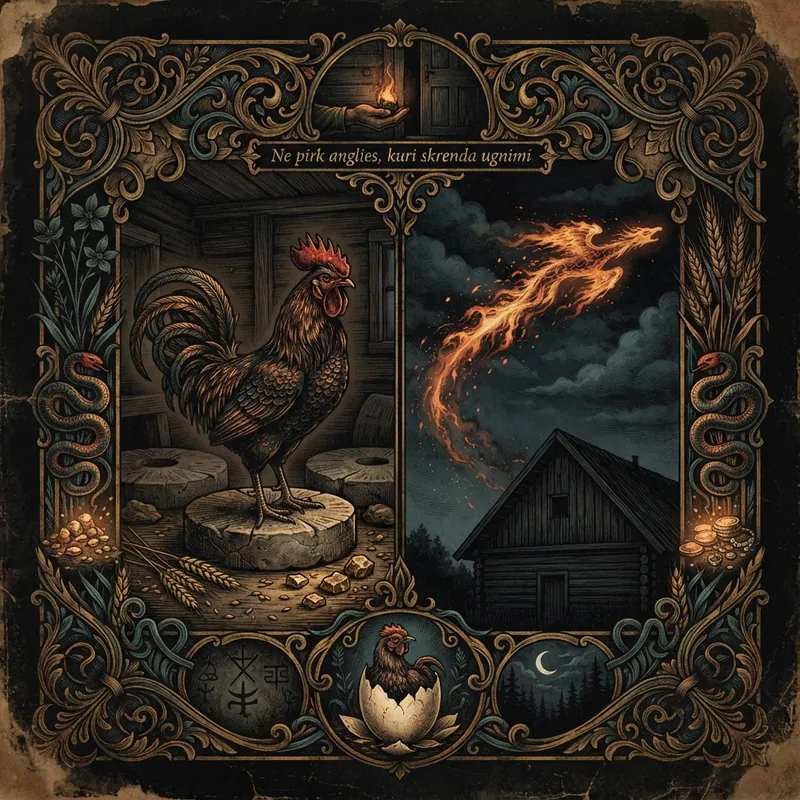
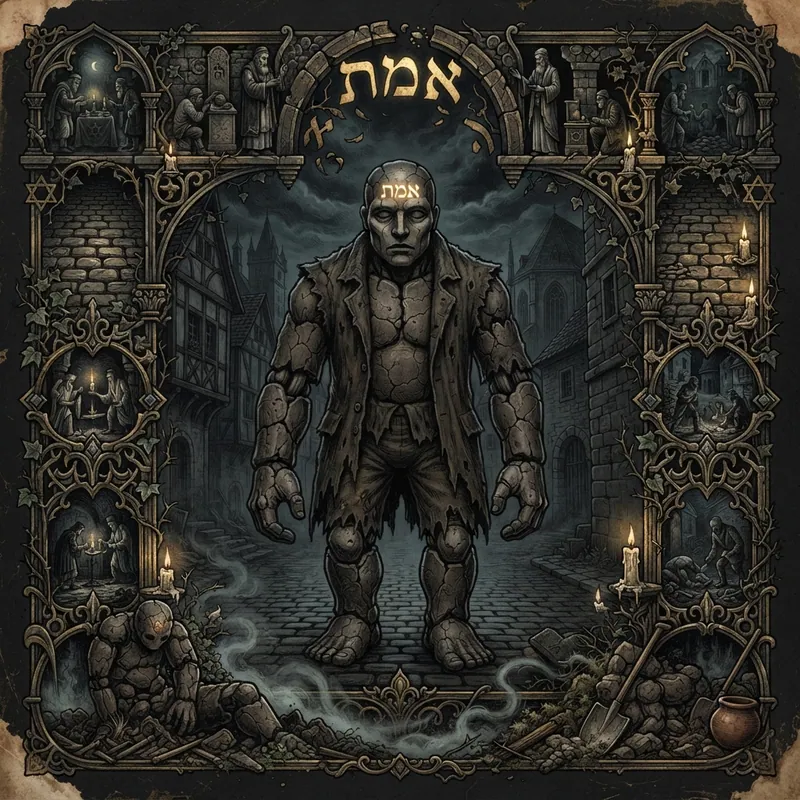
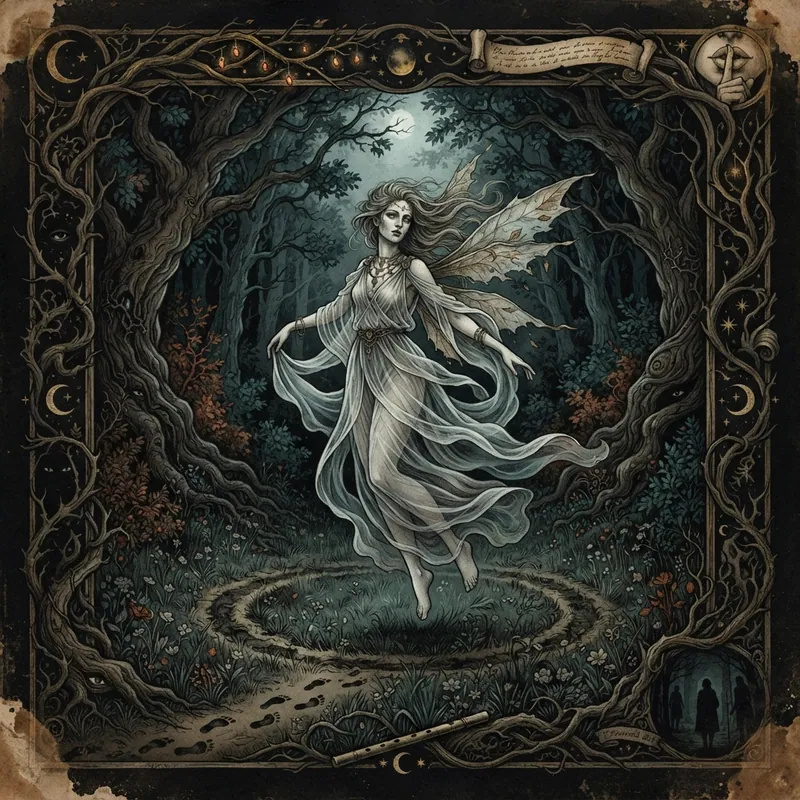
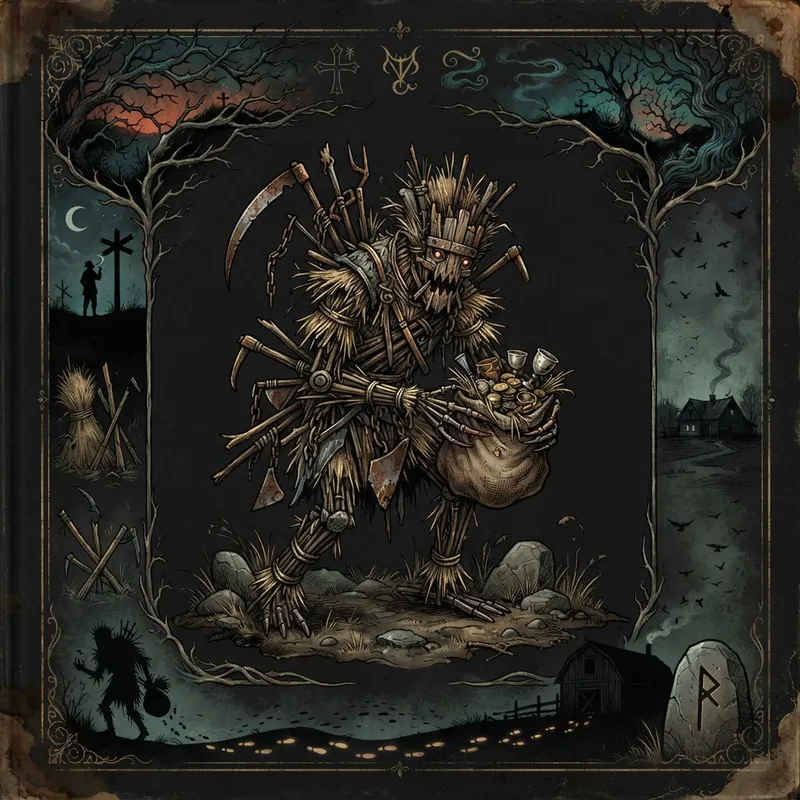
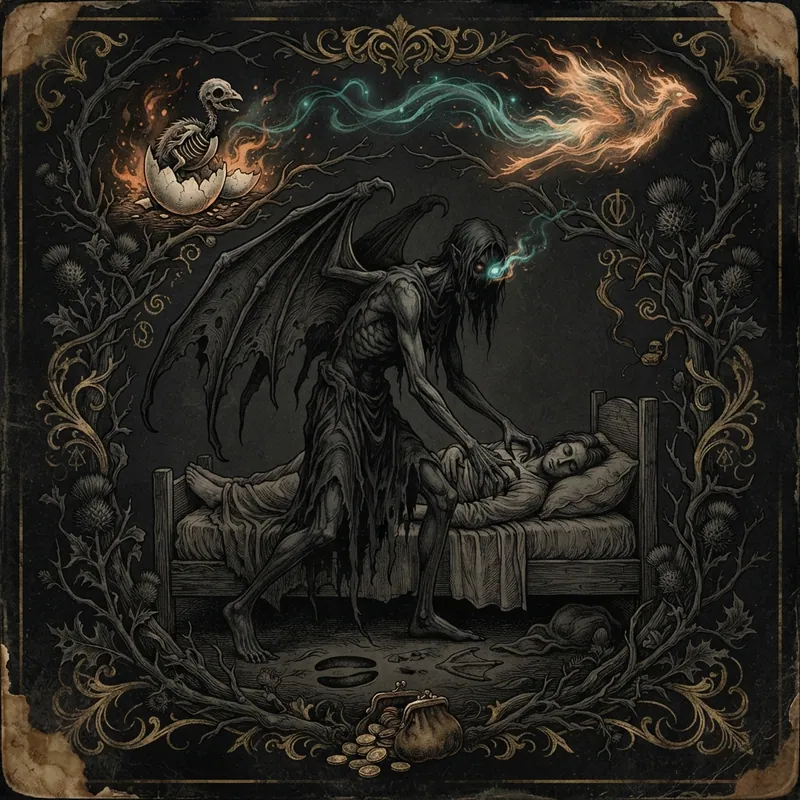
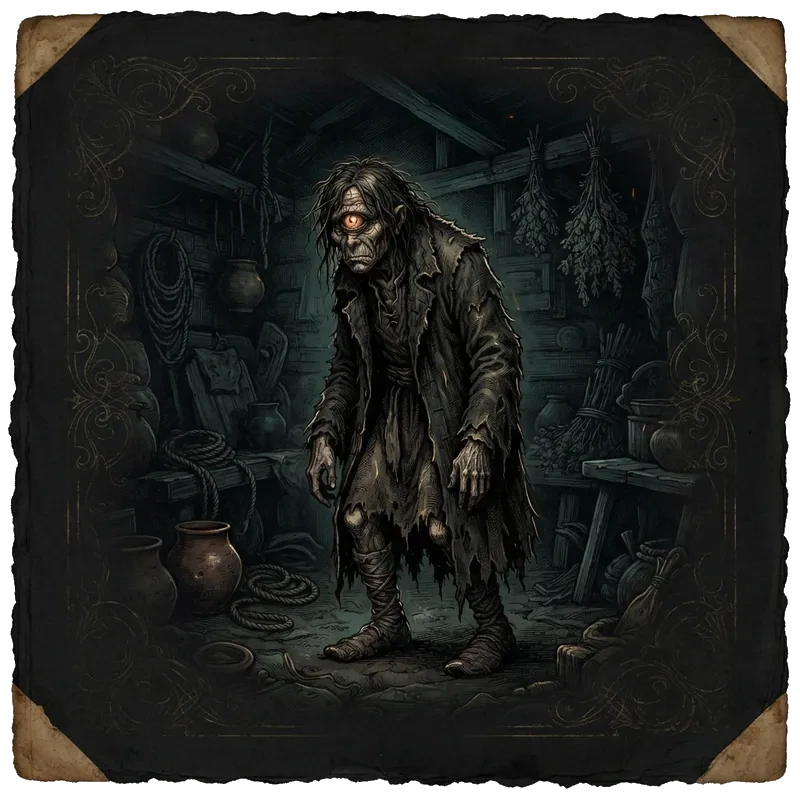
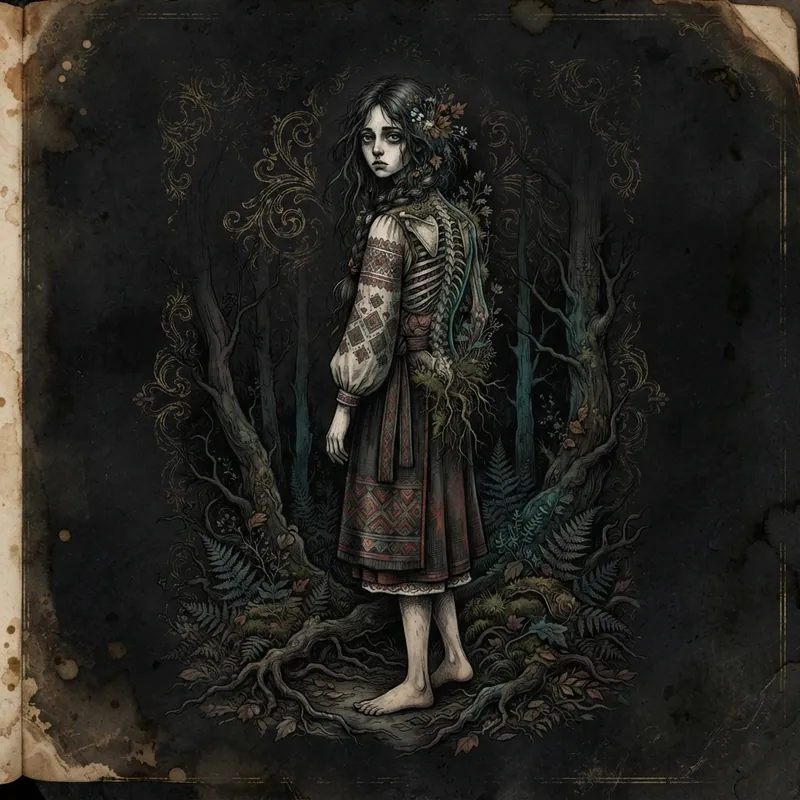
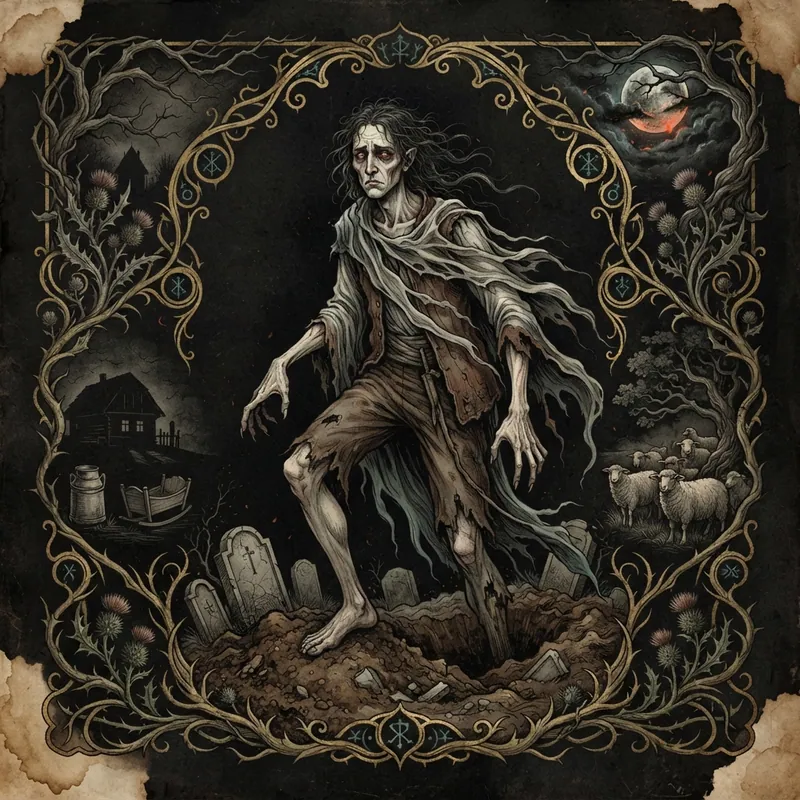
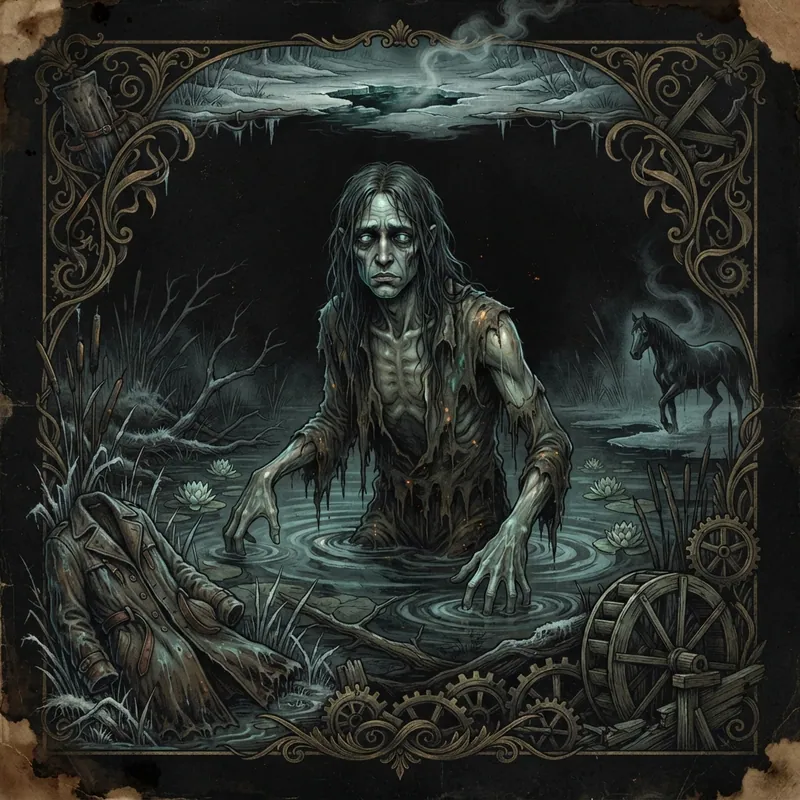
AitvarasA Lithuanian household spirit that appears as a rooster indoors and a flying fiery serpent outdoors, bringing grain and gold taken from neighbours. Kindred to the Estonian kratt, but hatched rather than built.GolemIn Jewish tradition a golem is unformed matter, later an artificial human animated by holy language. The famous Prague tale of the Maharal is a later legend attached to a historical rabbi, not a proven event.IeleFeminine night dancers of Romanian folklore, known by many polite names, whose hora in woods, meadows, and watersides can bless or ruin those who watch. Related to South Slavic vila, but not the same being.KrattAn Estonian treasure-bearer assembled from hay or old farm implements and animated by a bargain with the Devil, usually three drops of the maker's blood. It steals for the farm until it is left without work.LidércA Hungarian night visitor that may be hatched as a miracle chicken, fly as a fiery light, or press the sleeper as an incubus. Wealth and longing arrive together; the keeper seldom keeps both life and gold.LikhoPersonified misfortune in East Slavic tradition, sometimes imagined as a one-eyed being that attaches itself to a household or traveller. Related to ideas of fate and doom rather than a single fixed monster.MavkaA forest spirit in Ukrainian tradition, often connected with young women who died before their time. Closely related in some tellings to rusalka lore, but rooted in woodland rather than only water.StrigoiIn Romanian folklore a strigoi may be a living person whose soul wanders at night, or a dead revenant who returns to trouble family and herd. Distinct from the Polish strzyga and from literary Dracula.TopielecIn Polish folklore a topielec or utopiec is often the restless soul of someone who drowned, waiting in river, pond, or swamp to pull others under. Overlaps with wodnik, but is not identical to the rusalka of neighbouring lands.
 ⌂
⌂ ⌬
⌬ ❋
❋ ⌂
⌂ ☾
☾ ✧
✧ ♧
♧ ☠
☠ ✦
✦Europe & the North · 10
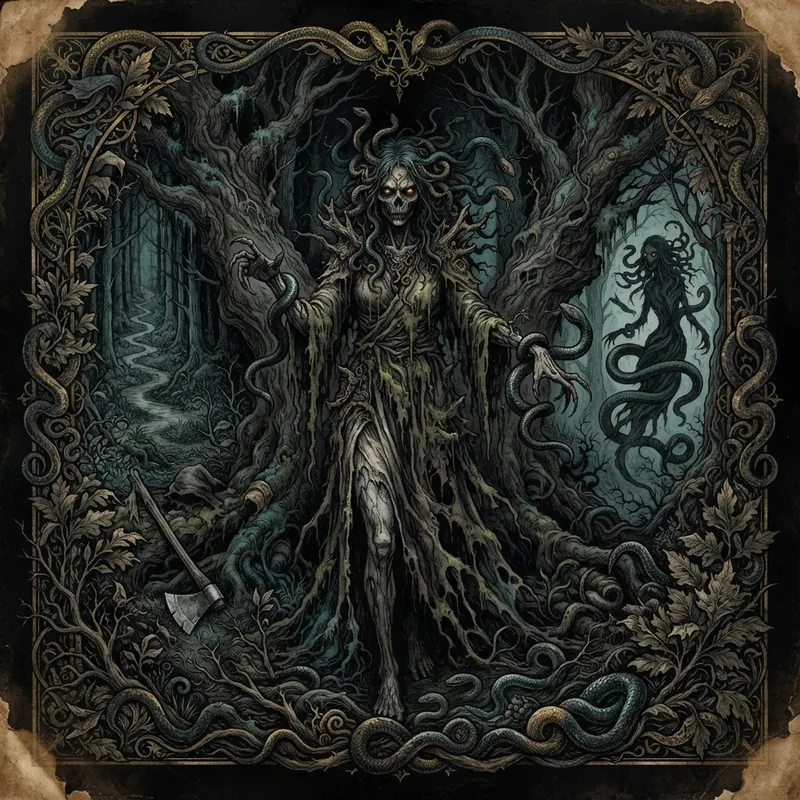
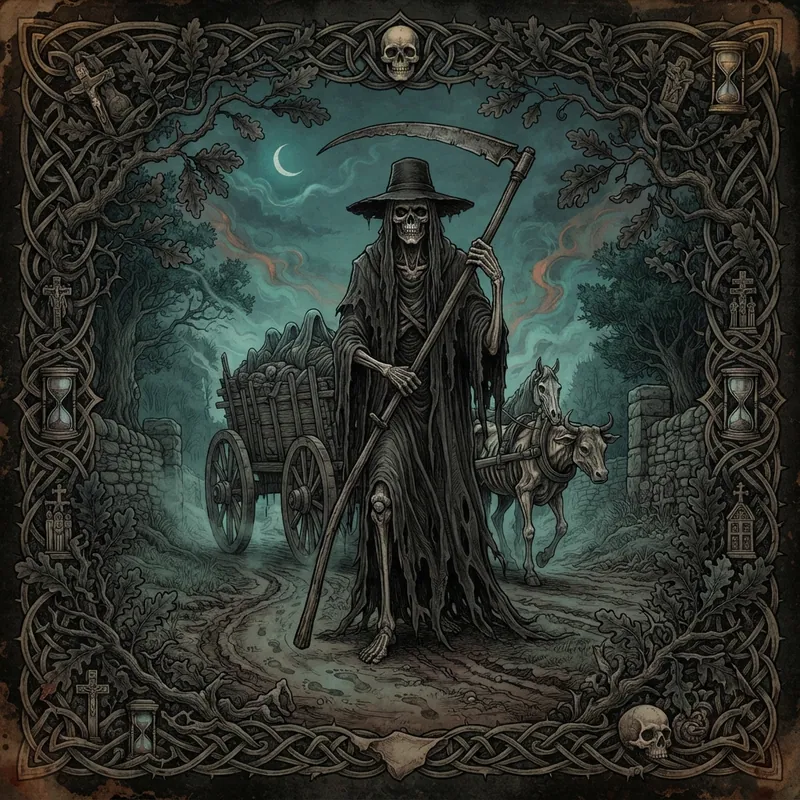
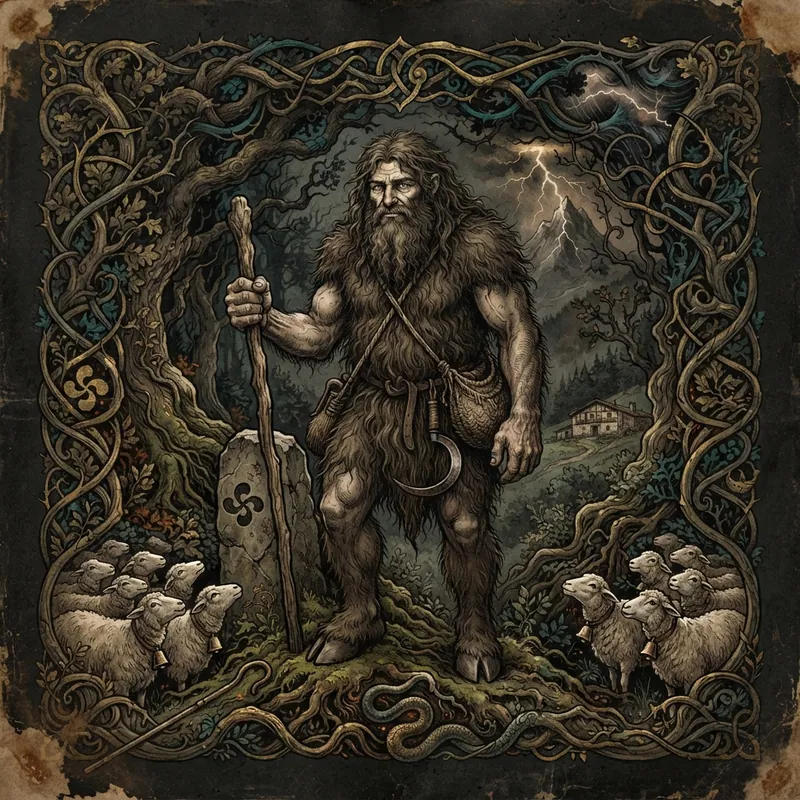
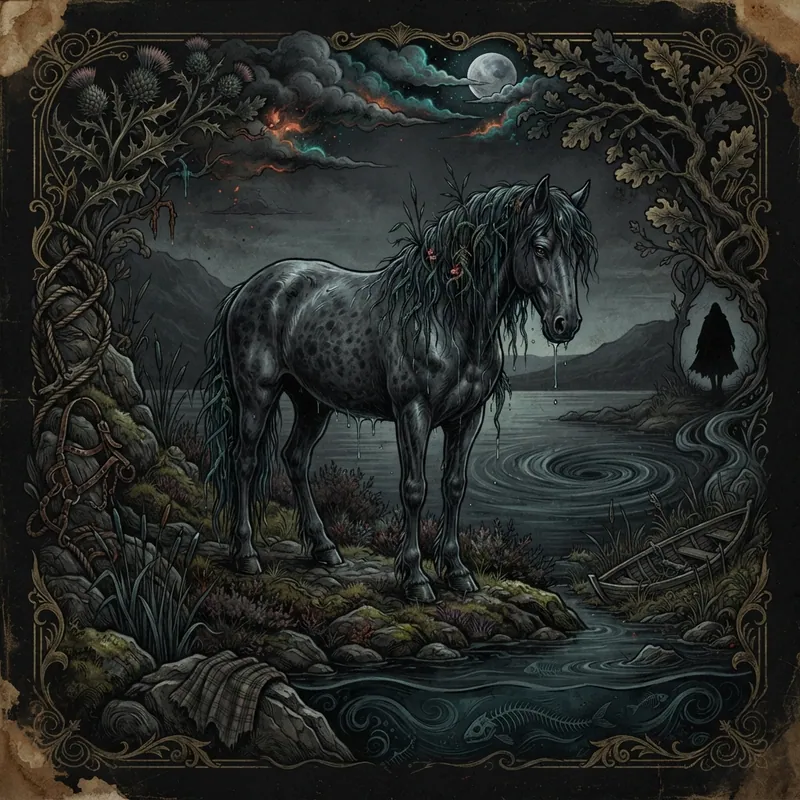
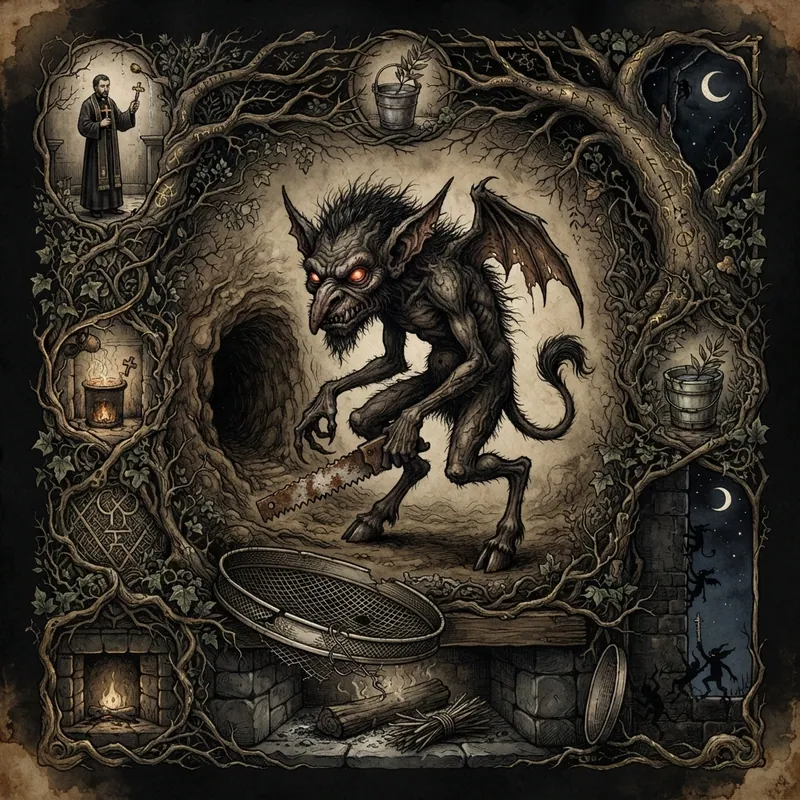
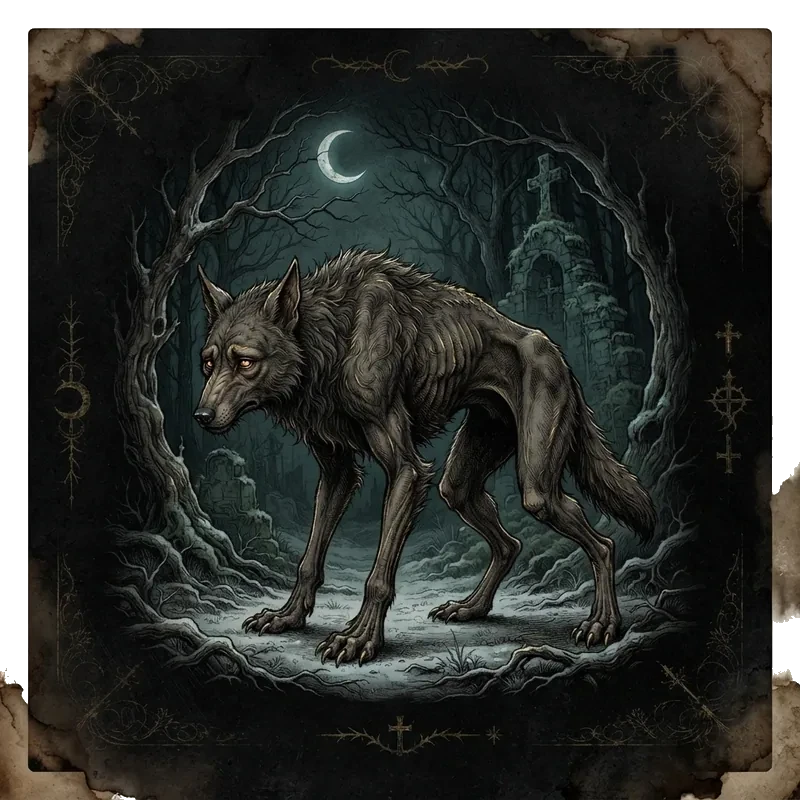
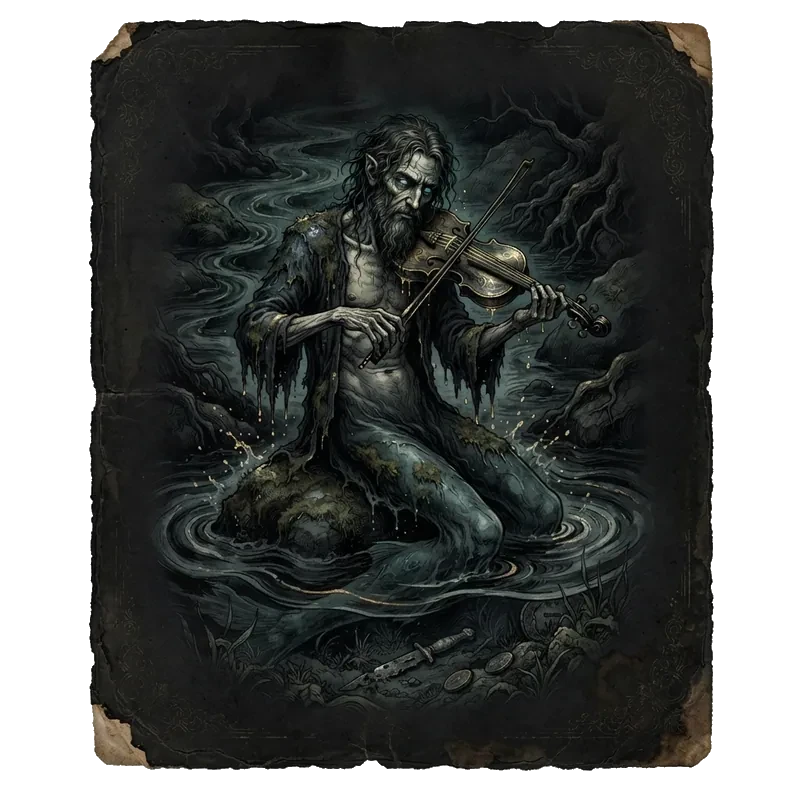
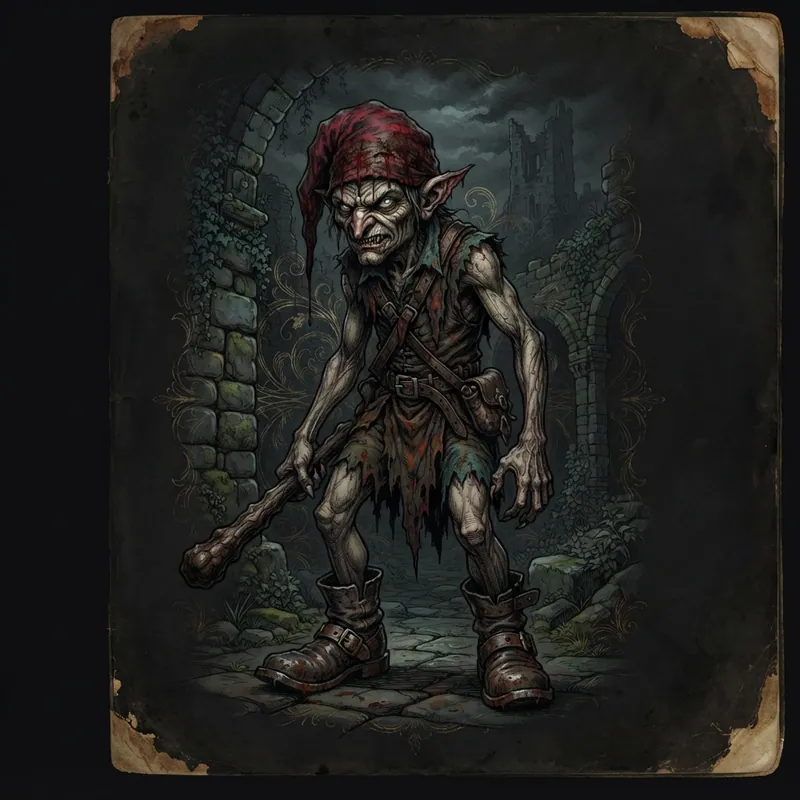
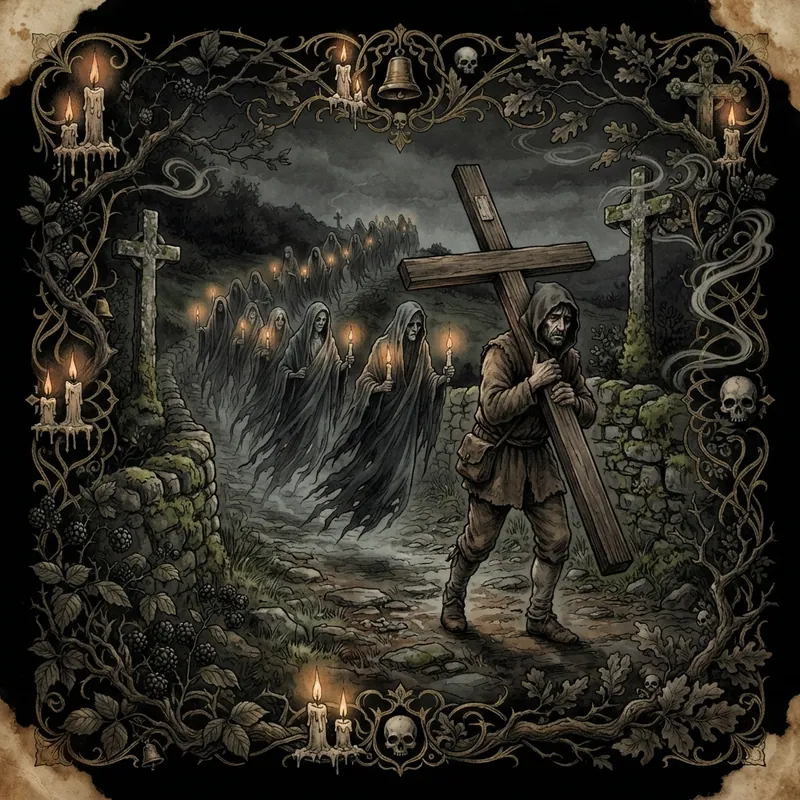
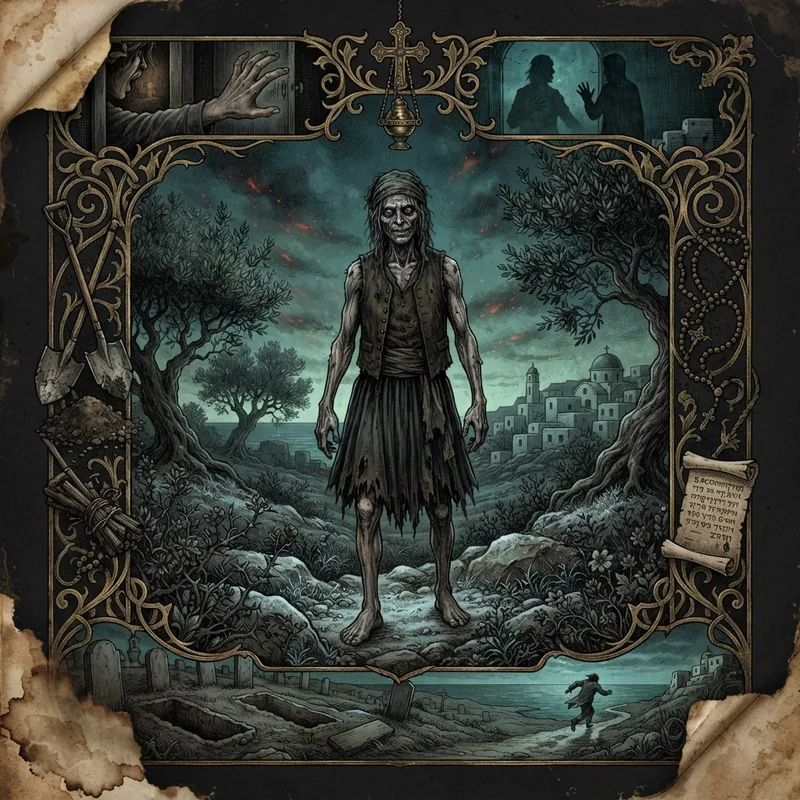
AjatarA Finnish female forest spirit, Ajattara in the older spelling, who leads woodsmen astray. Christfried Ganander recorded her in 1789 as a terrifying wraith of the trees, not as a Christian demon invented for a bestiary.AnkouIn Breton tradition the Ankou is death's worker for a parish, often the last person who died that year, heard in a creaking cart. A herald and companion of the dead, not a murderer for sport.BasajaunBasajaun, Lord of the Forest in Basque, is a great hairy woodland being who often guards flocks and once kept the secrets of sowing and smithing. A figure of living Basque culture, not a monster to be cleared from the hills.Each-uisgeThe Gaelic water-horse of Highland lochs, shape-changing and devouring. John Gregorson Campbell insisted it is not the kelpie of streams and torrents, though English retellings often merge the two.KallikantzarosGreek and Anatolian Christmas goblins who spend the year sawing the world-tree underground and climb out only for the Twelve Days. Epiphany water and a kept fire send them home.Loup-garouThe French werewolf tradition, including New World Francophone variants. Sometimes framed as punishment or unfulfilled penance rather than a bite-transmitted Hollywood curse.NäckenA water spirit (näck, nøkk, nix) who plays enchanting music to lure listeners into deep water. Offerings and steel are among the traditional counters in some regions.RedcapA murderous goblin of Anglo-Scottish border castles, said to dye his cap in blood. Associated with ruined strongholds and violent histories rather than gentle household brownie lore.Santa CompañaIn Galician tradition the Santa Compaña is a nocturnal procession of the dead along parish paths, often led by a living person with a cross or holy water. For some it remains a living folk belief, not a discarded ghost story.VrykolakasA Greek Orthodox revenant: a corpse that remains whole and walks because of sin, excommunication, or broken funeral order. The word is Slavic in origin; the being is not Dracula and not a Slavic vampire copy.
 ♧
♧ ✧
✧ ♧
♧ ≈
≈ ☾
☾ ◎
◎ ≈
≈ ☾
☾ ✧
✧ ☠
☠Oceania & the Pacific · 3
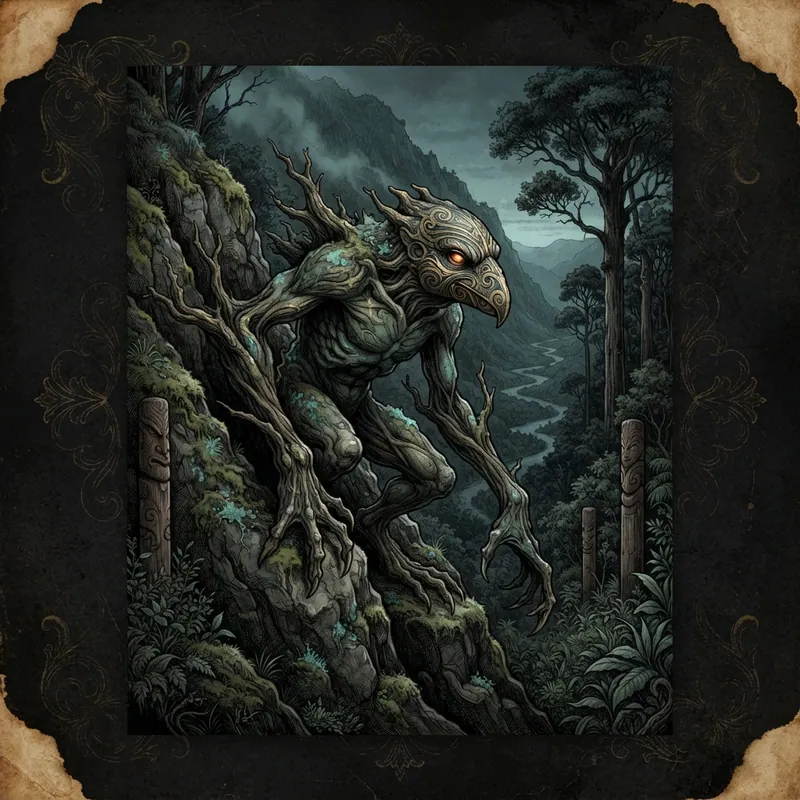
MoʻoHawaiian moʻo are shapeshifting freshwater guardian beings — akua and sometimes ʻaumākua — who embody the life-giving and death-dealing nature of water. Living tradition, not a reptile trophy.Night MarchersA supernatural procession in Hawaiian storytelling, often treated with serious respect. This entry points outward rather than pretending a living sacred tradition is simply a scare story.TipuaIn Māori tradition, tipua can be supernatural beings or uncanny animated objects and places. Meanings are specific to whakapapa and locale; treat as knowledge, not a catch-all cryptid.
 ≈
≈ ☾
☾ ◎
◎South Asia · 18
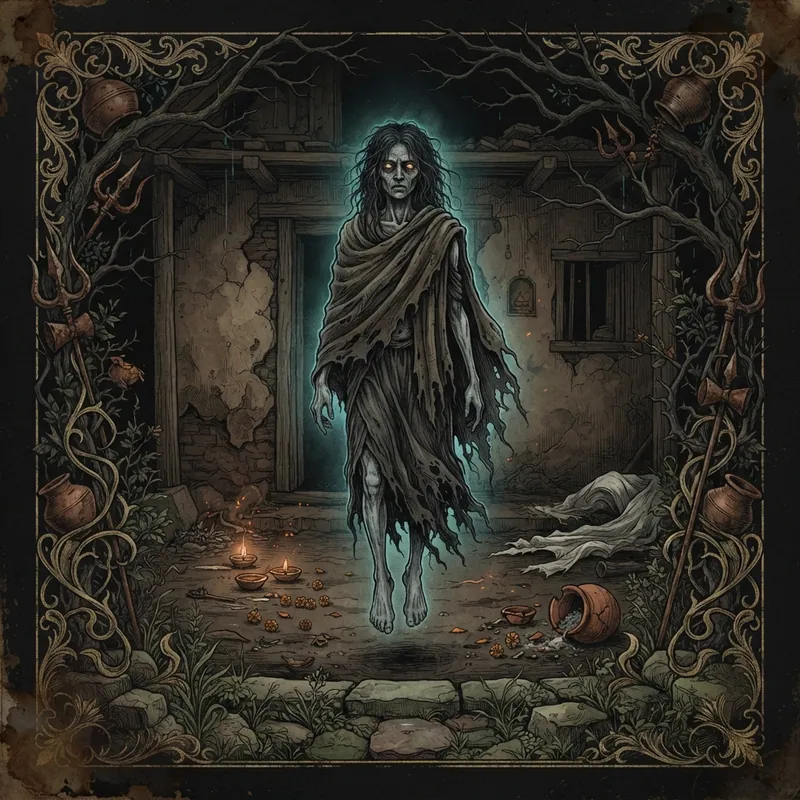
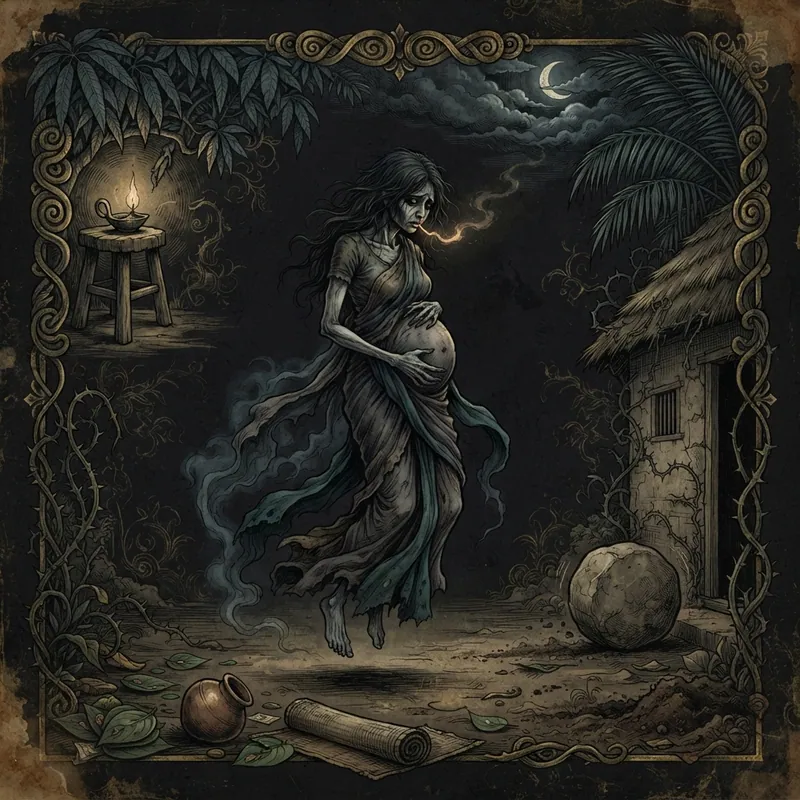
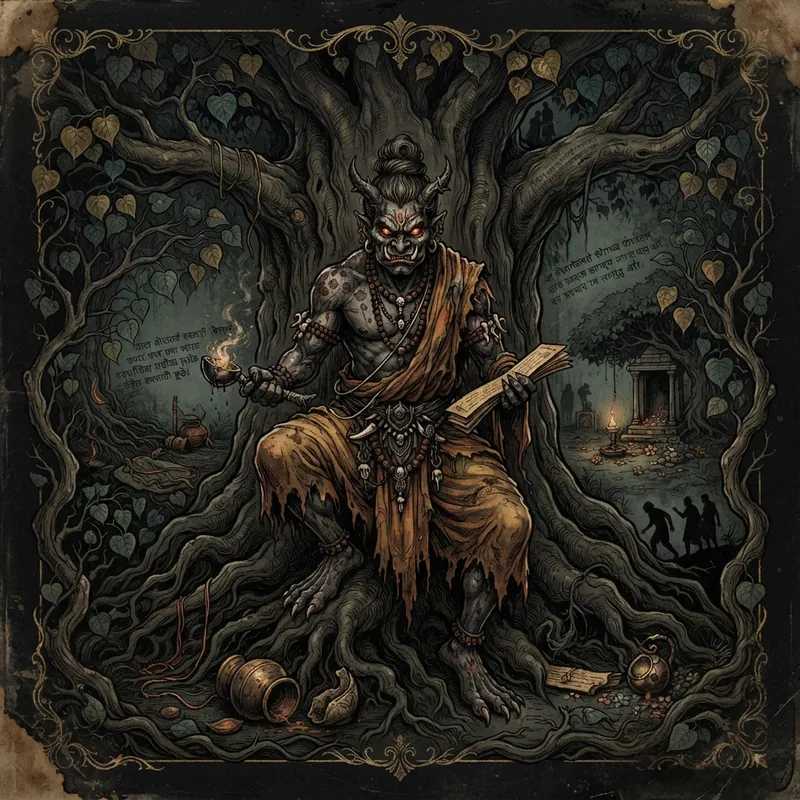
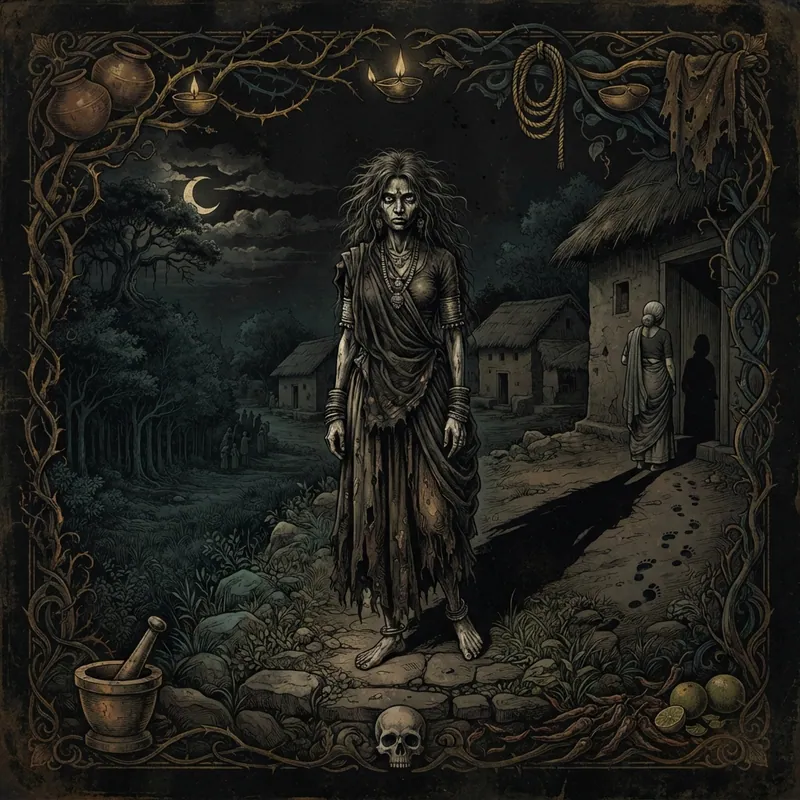
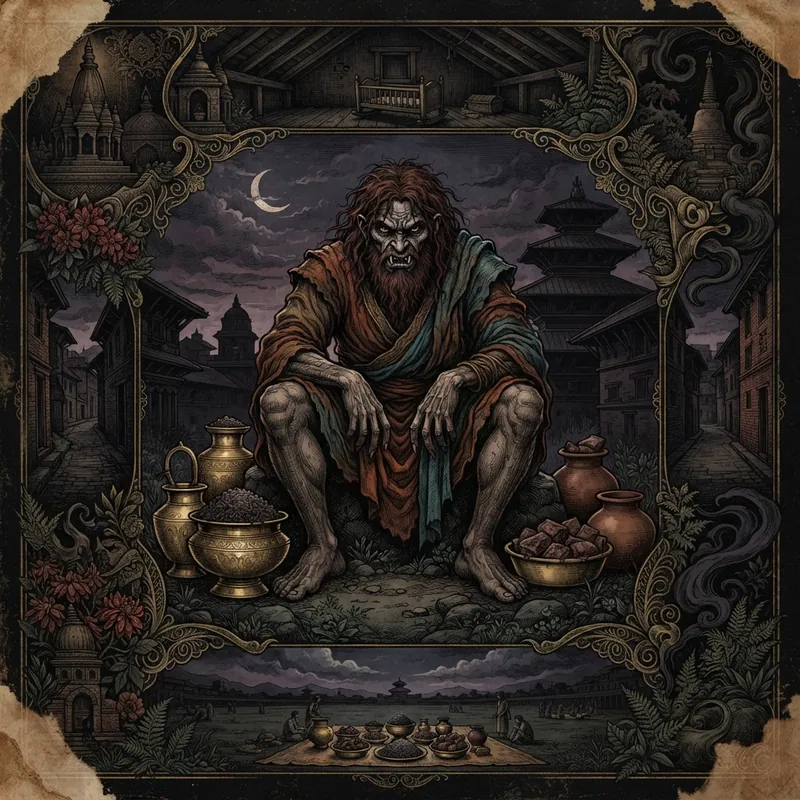
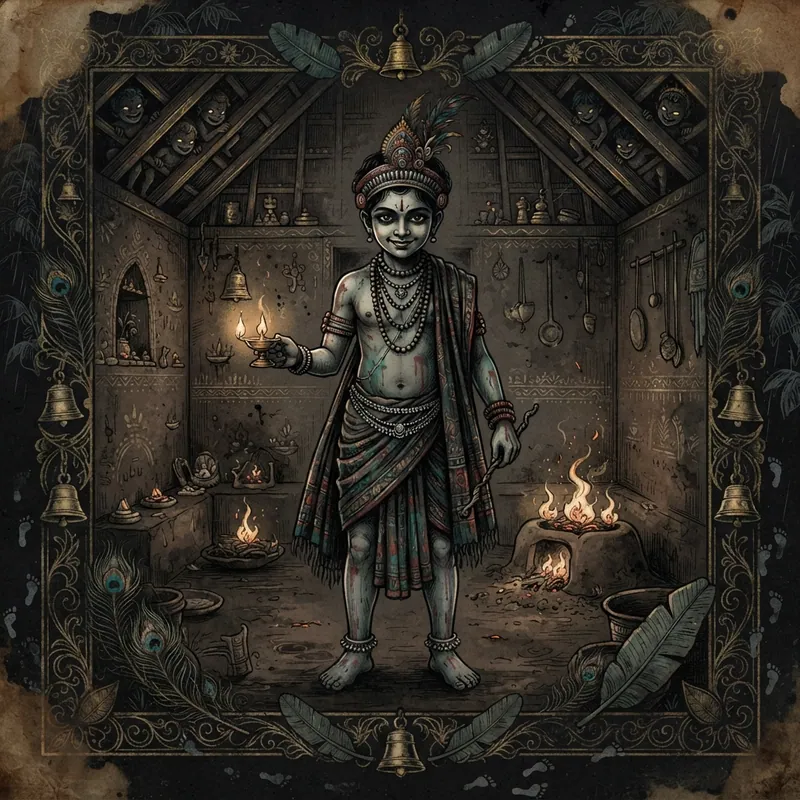
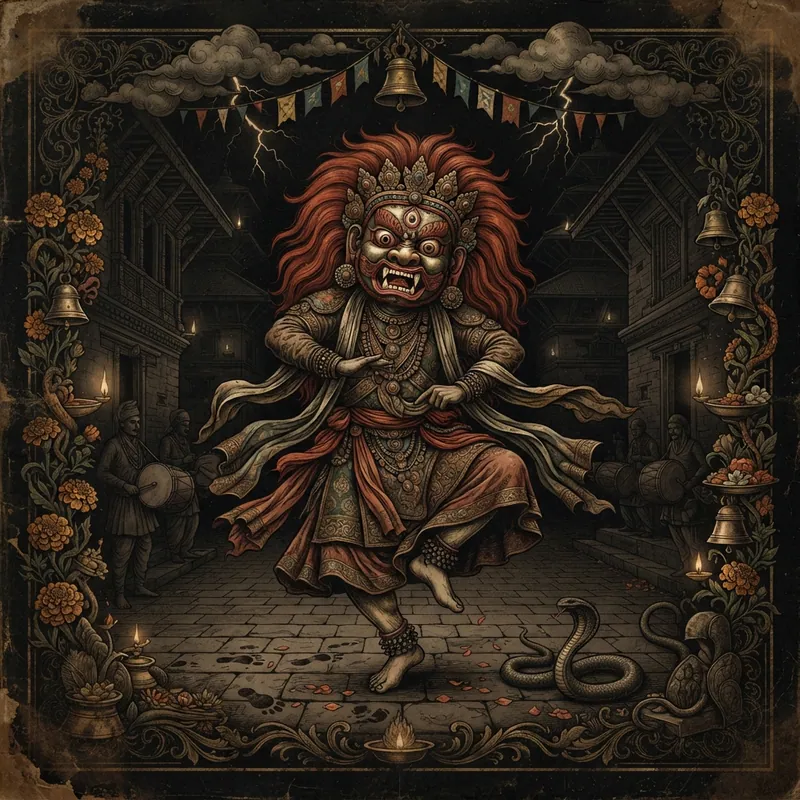
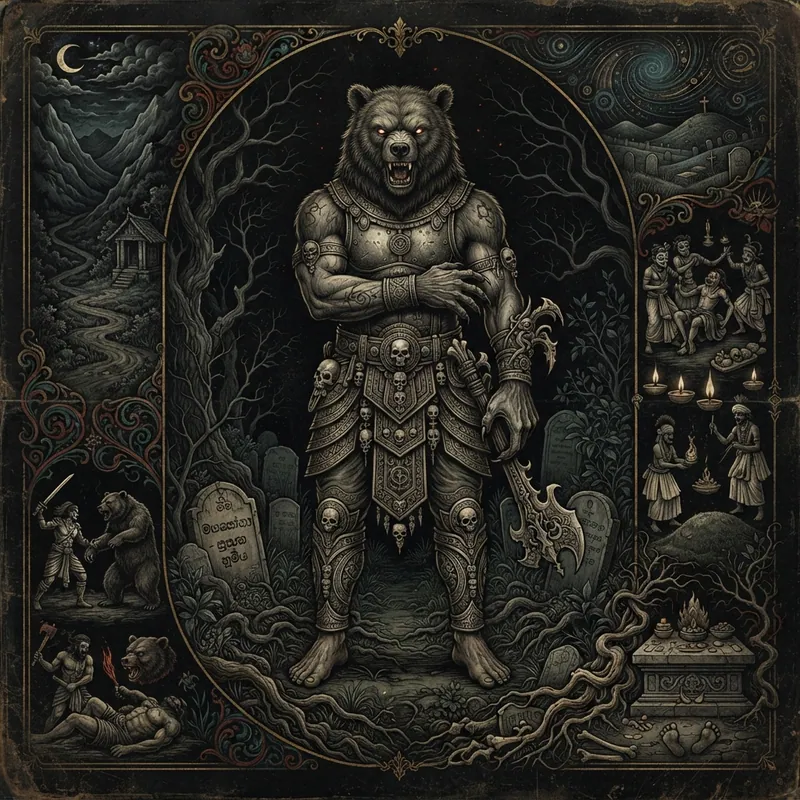
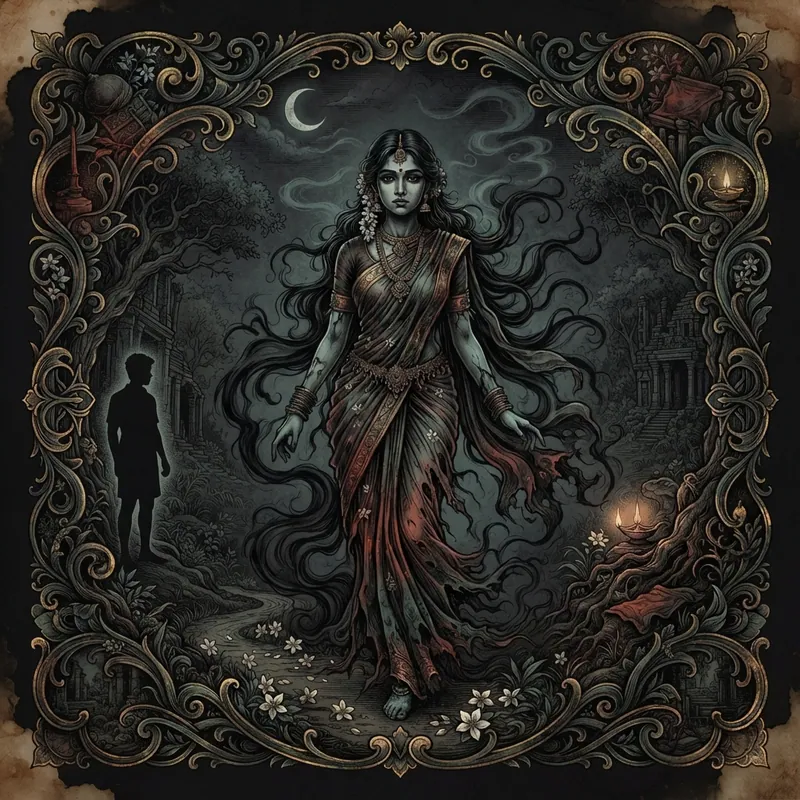
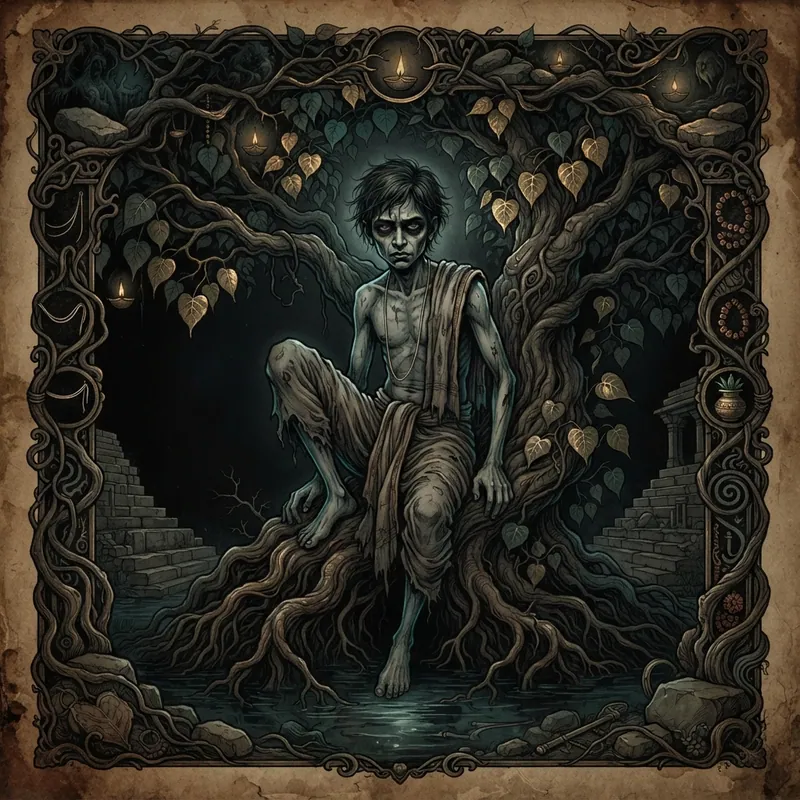
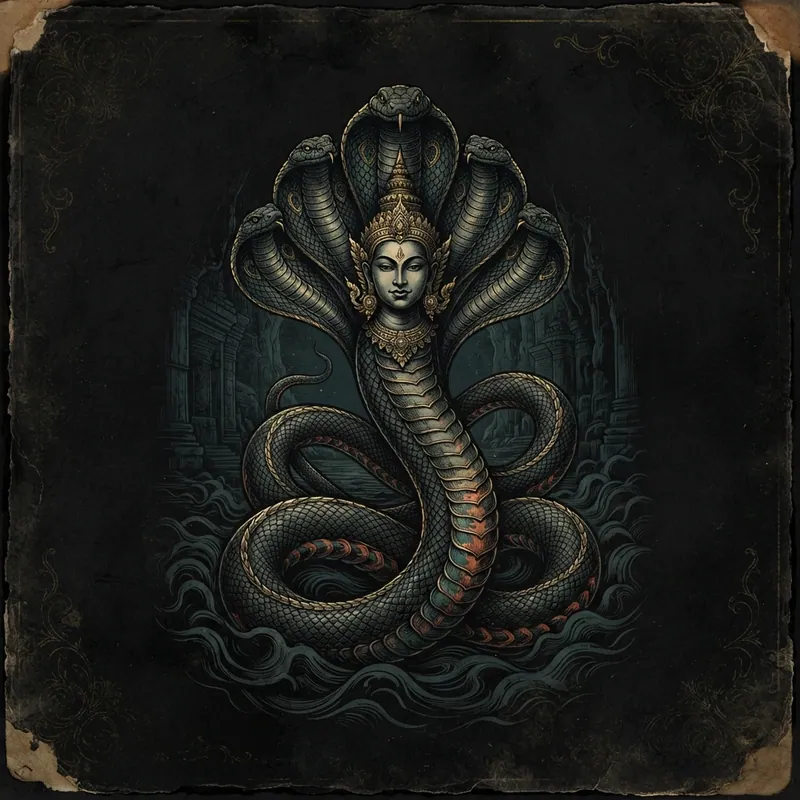
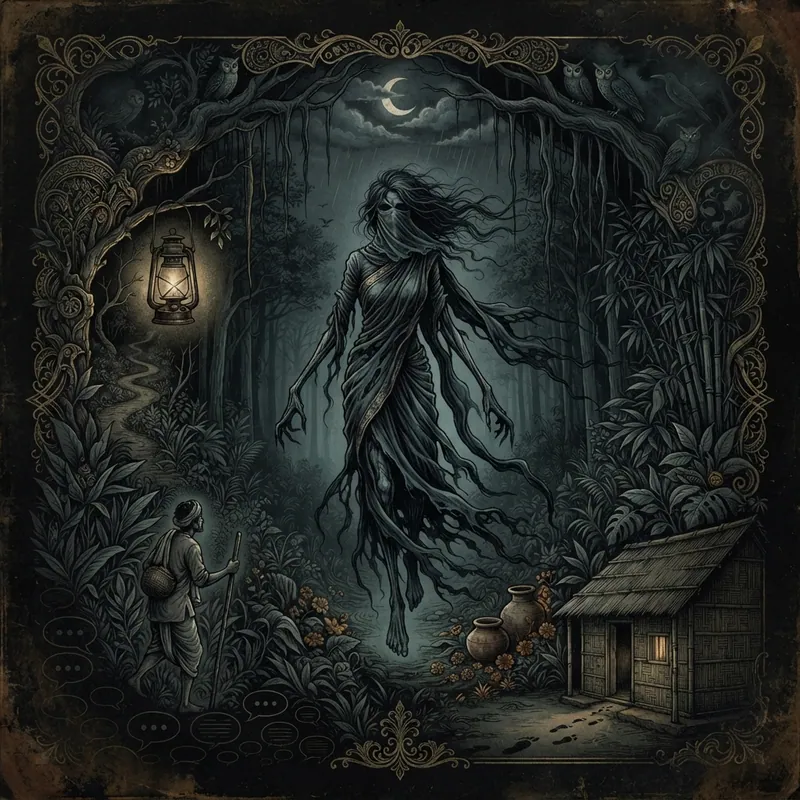
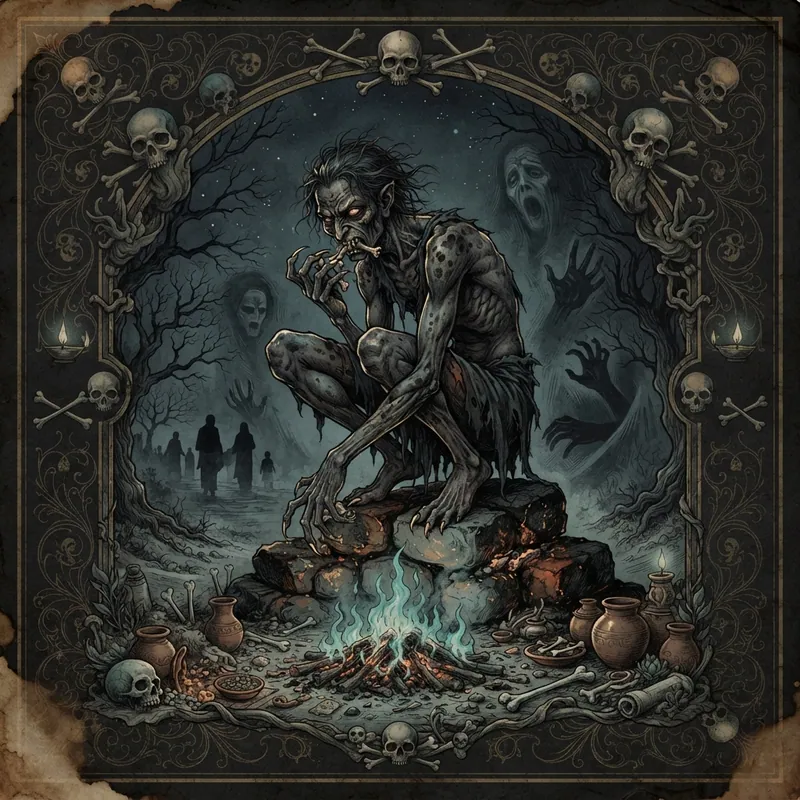
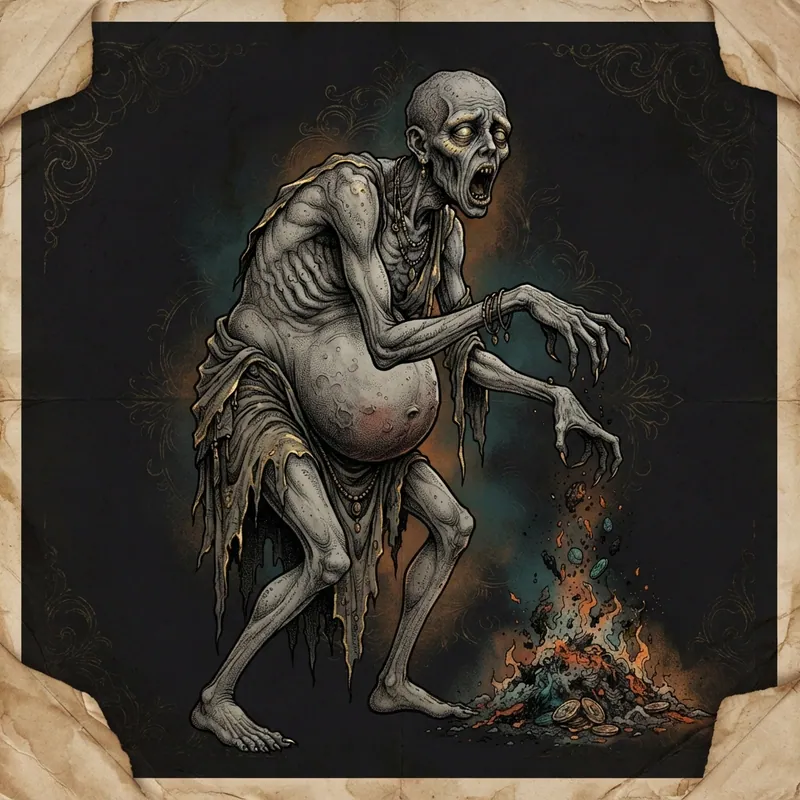
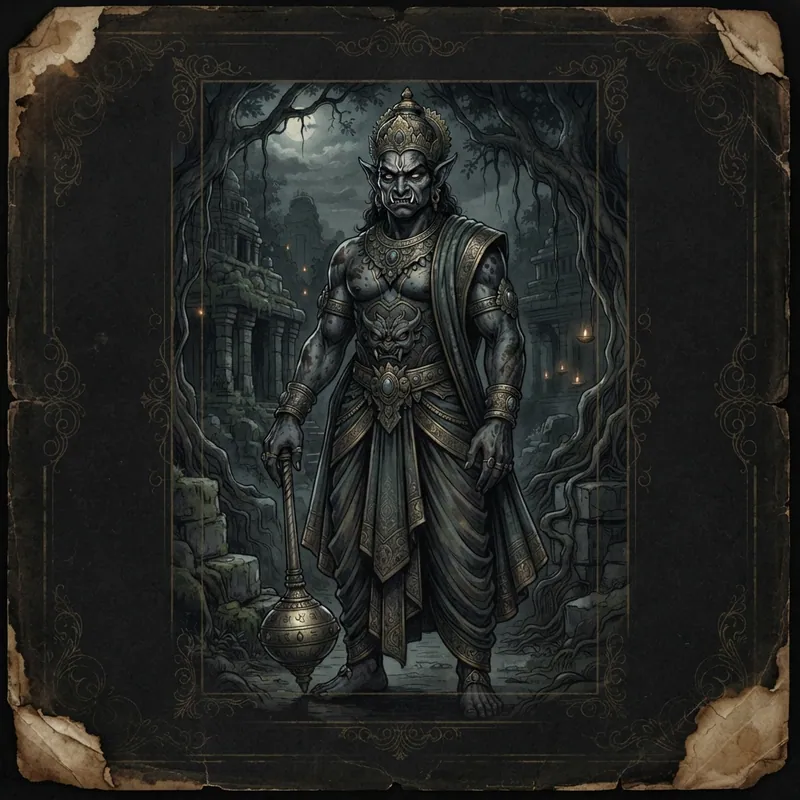
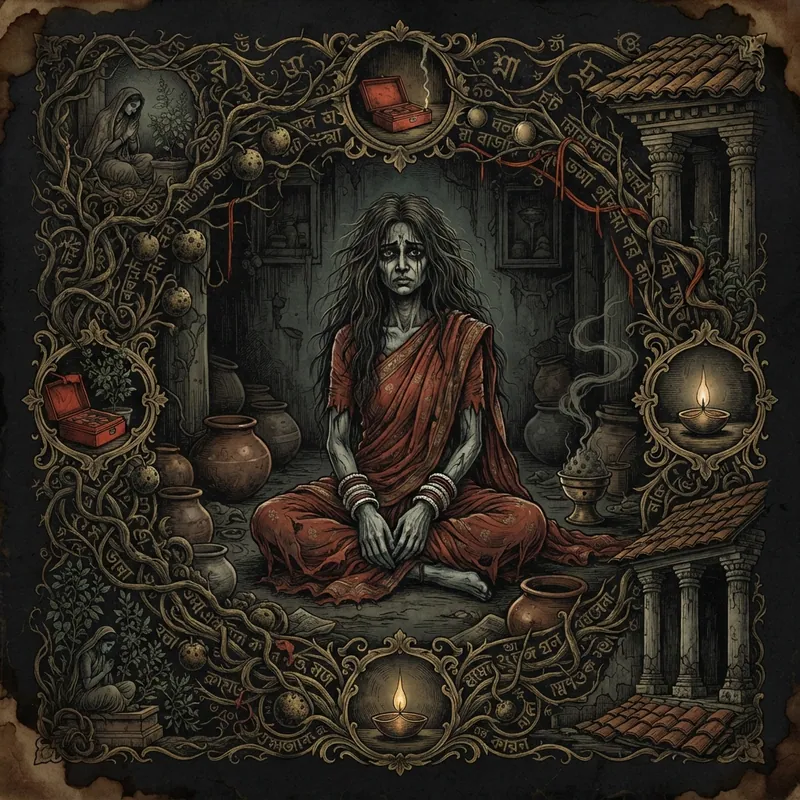
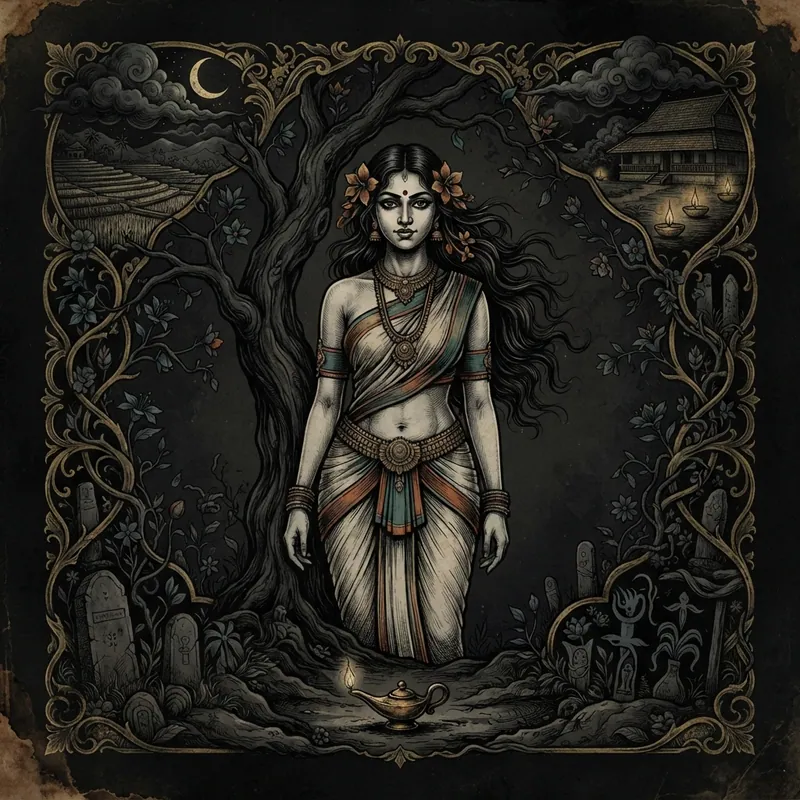
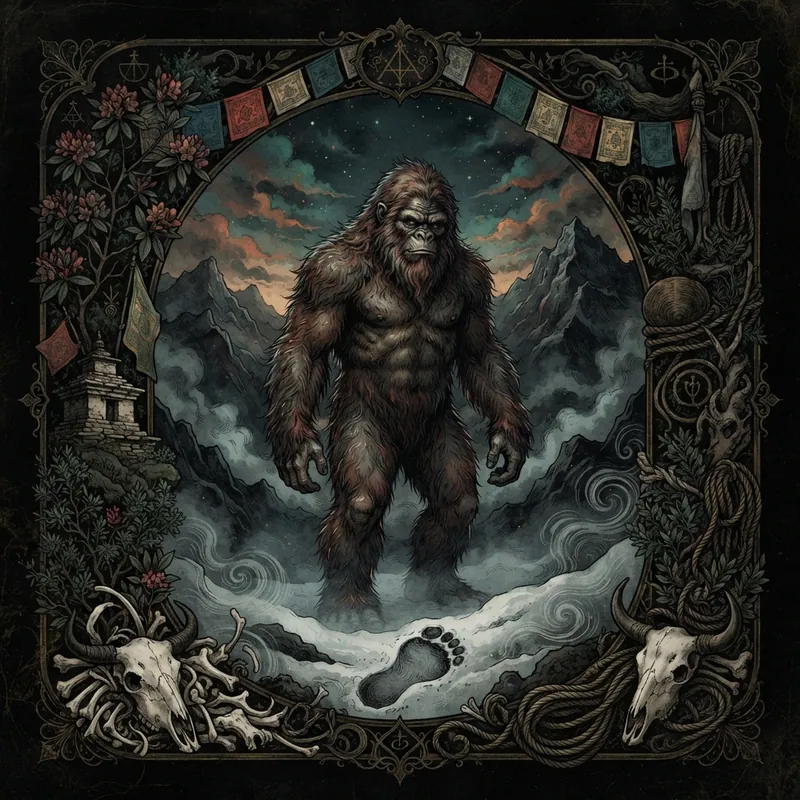
BhūtaA broad South Asian name for a disembodied spirit or restless dead, often linked to violent death or incomplete funeral rites, yet also, in some regions, to honoured local deities and household guardians.BodilimaIn Sinhalese folklore, the spirit of a woman who died in childbirth and was buried with the child still within her. A household and night wailer, related in kind to other South Asian childbirth revenants but locally named bodirima or bodilima.BrahmarākshasaIn Hindu folklore, the vengeful spirit of a Brahmin who lived unrighteously, retaining priestly learning in a rakshasa form. Often tied to peepal trees, disrupted rites, and the cost of knowledge without dharma.DaayanIn North Indian folklore, a daayan (ḍāin) is a malevolent female spirit or witch-figure, often linked to dakini traditions. The same name has been used in accusations against living women; this record holds both the tale and that social history without offering a hunt.GurumapaA man-eating giant of Newar legend associated with Itum Bahal in Kathmandu, persuaded to live on Tundikhel in return for an annual feast of rice and buffalo meat.KuttichathanA guardian trickster of Malabar Hindu folklore, often shown as a boy — Kuttichathan or Sasthappan — honoured in Theyyam and in Vishnumaya worship. Maya, mischief, and protection travel together; he is not a cartoon imp.LakheyA ferocious being of Newar folklore in Nepal's Kathmandu Valley, known above all through living masked dance. Majipa Lakhey is worshipped as a protector during Indra Jatra; the mask tradition is not a generic demon dossier.MahasonaThe great cemetery demon of Sinhalese folklore, Maha Sohona or Mahasona, a yakka of graveyard, hill, and crossroads, met in healing rites as well as in origin legends of a warrior given a bear's head.MohiniIn Tamil folklore, Mohini names a seductive pey who possesses young men. This is not the Hindu goddess Mohini, Vishnu's enchanting avatar; the shared name is a common noun of delusion applied to a restless female dead.MunjyaIn Maharashtrian and Konkan folklore, the restless spirit of a young Brahmin who dies after the munja (upanayana) but before sod-munja and marriage, often said to dwell in peepal trees or near wells.NāgaSerpent beings spanning South and Southeast Asian sacred storytelling—guardians, kings of underwater realms, and figures of both danger and blessing. Living religious meanings outrank fantasy rankings.NishiA Bengali night-calling spirit that imitates a loved one's voice to lure the isolated outdoors. Tradition holds that Nishi calls only twice; a third call is safe to answer.PiśāchaFlesh-eating night beings of Hindu and South Asian religious storytelling, associated with cremation grounds, violent death, shapeshifting, and possession that can unseat the mind.PretaHungry ghosts in South Asian religious cosmologies, beings of intense craving and thin satisfaction. Theological and ethical contexts matter more than horror costume.RakshasaPowerful beings of Hindu epic and storytelling—capable of illusion, night roaming, and both antagonism and complexity (not every rakshasa is simply ‘evil’). Read through the text tradition, not only monster lists.ShakchunniIn Bengali folklore, the spirit of a married Hindu woman who died while her husband still lived, retaining shankha bangles and a fierce attachment to household life. Related to, but not identical with, petni and churel.YakshiIn Kerala nocturnal folklore, a yakshi may appear as a beautiful woman of the night road who lures travellers; this is not the same figure as the auspicious yakṣī of temple sculpture, nor as yaksha beings more broadly.YetiA wild-man and mountain being of Himalayan folklore — Tibetan mi rgod, Sherpa and Nepali yeti — encountered first as local religious and herding knowledge, not as a Western cryptozoological prize.
 ◌
◌ ◌
◌ ⛧
⛧ ✴
✴ ☾
☾ ☿
☿ ♧
♧ ☾
☾ ◎
◎ ✦
✦ ≈
≈ ◌
◌ ☾
☾ ✦
✦ ◎
◎ ✦
✦ ◎
◎ ◒
◒The Americas · 15
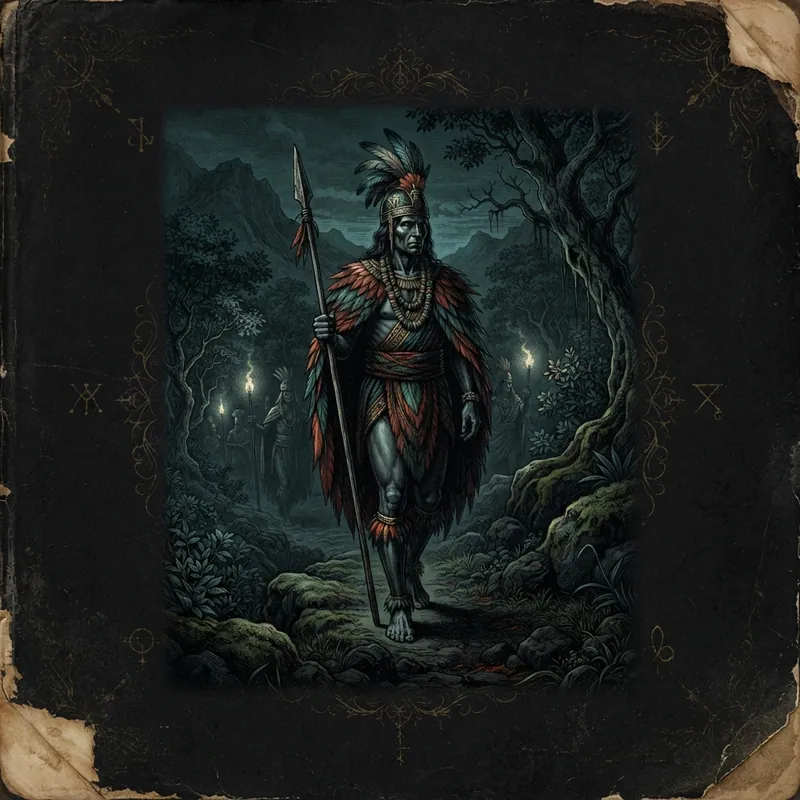
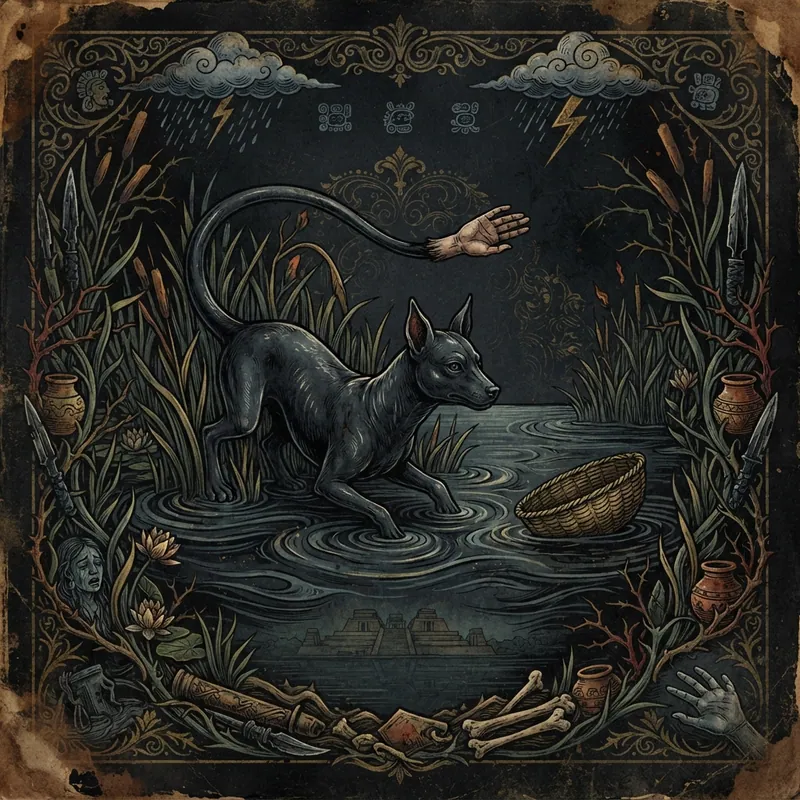
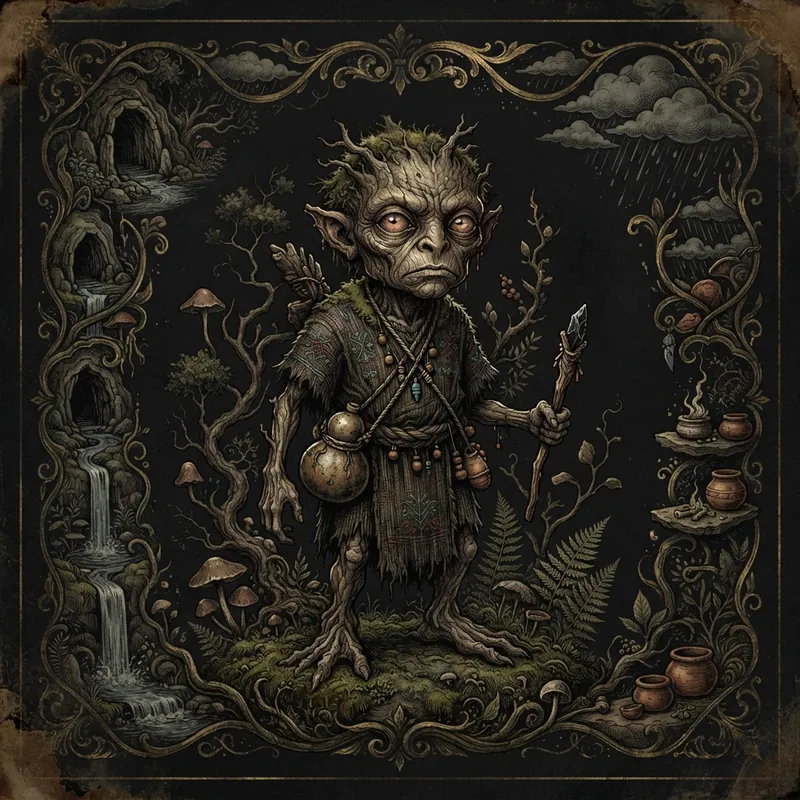
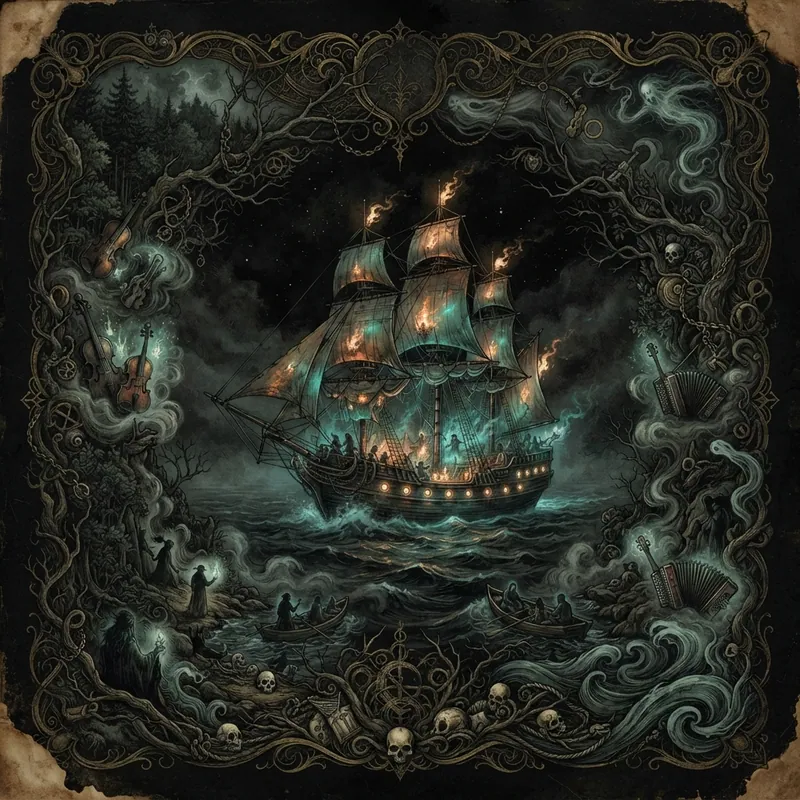
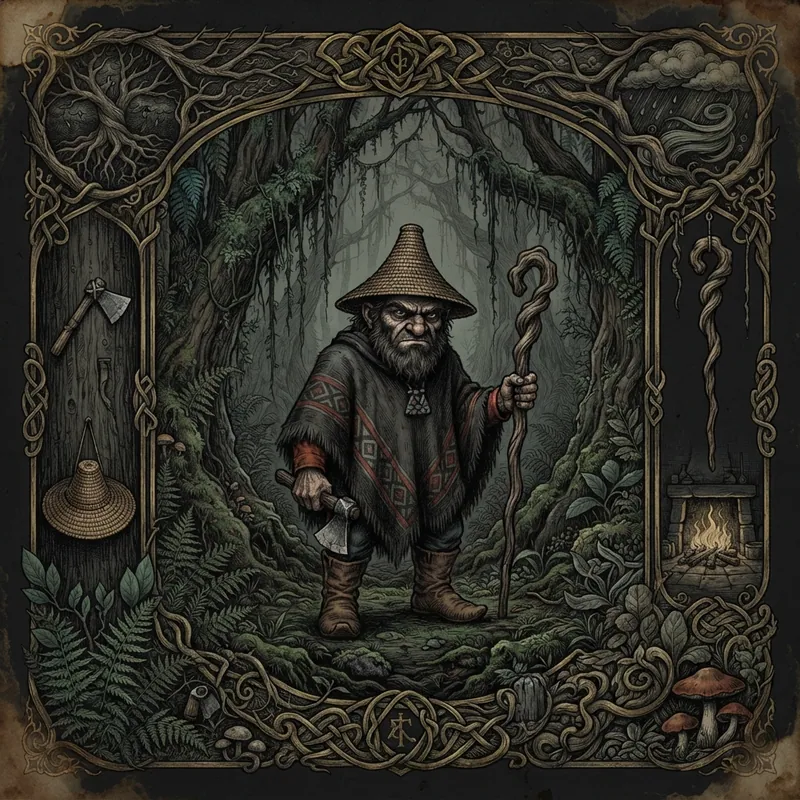
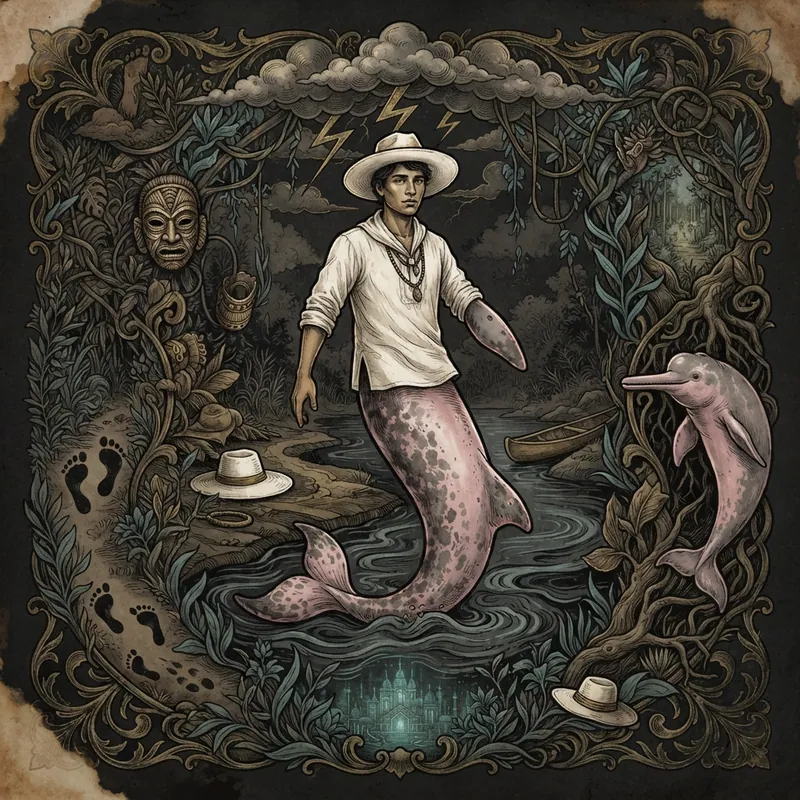
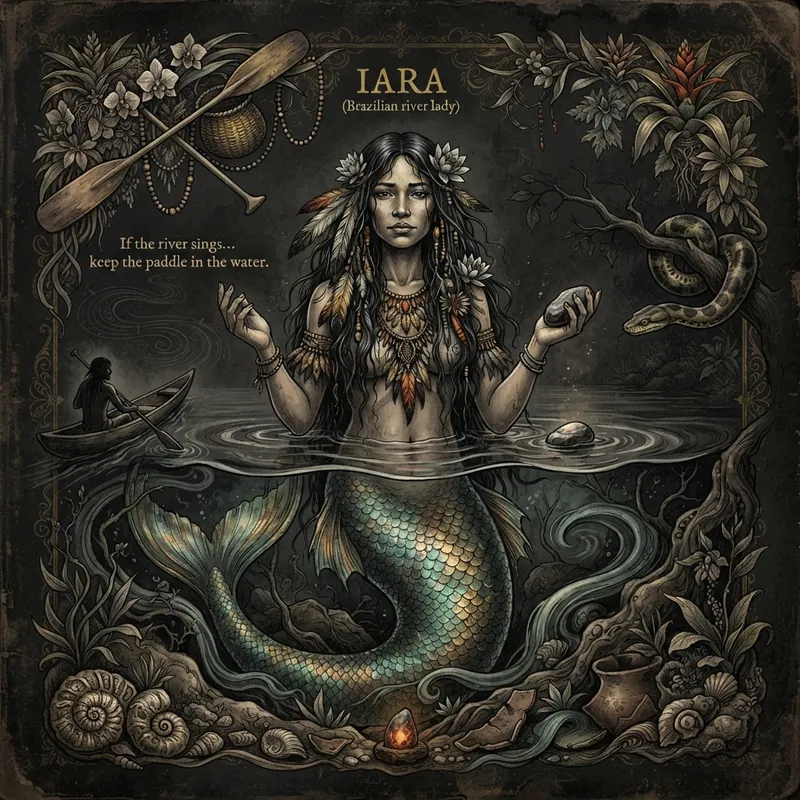
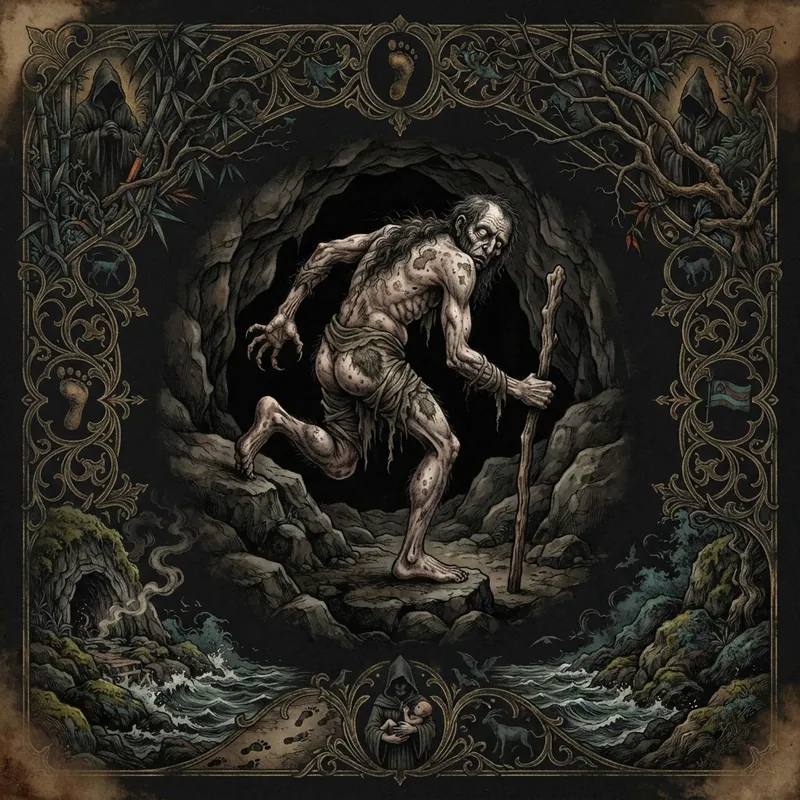
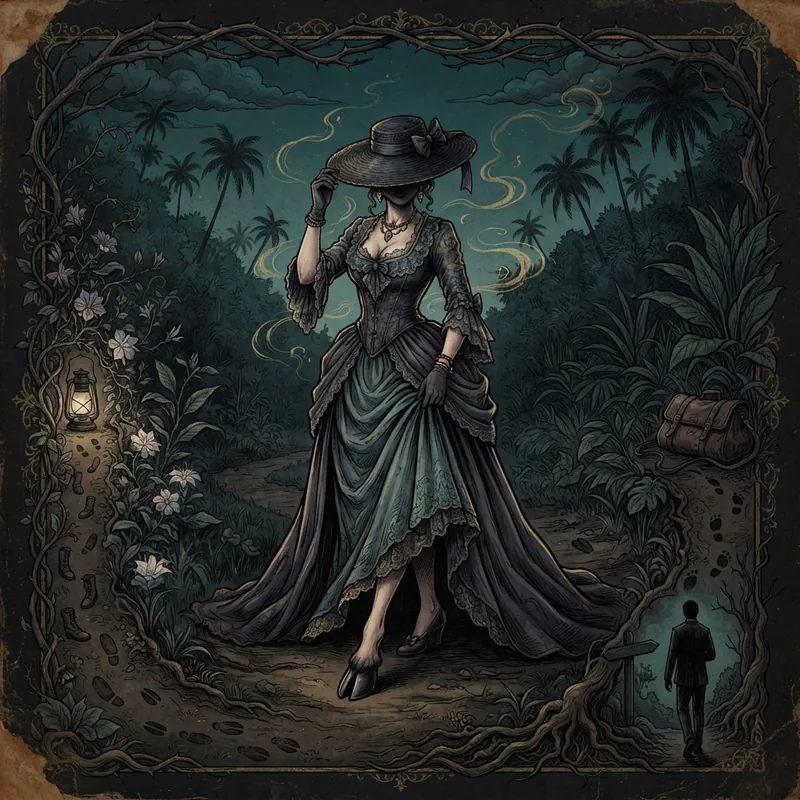
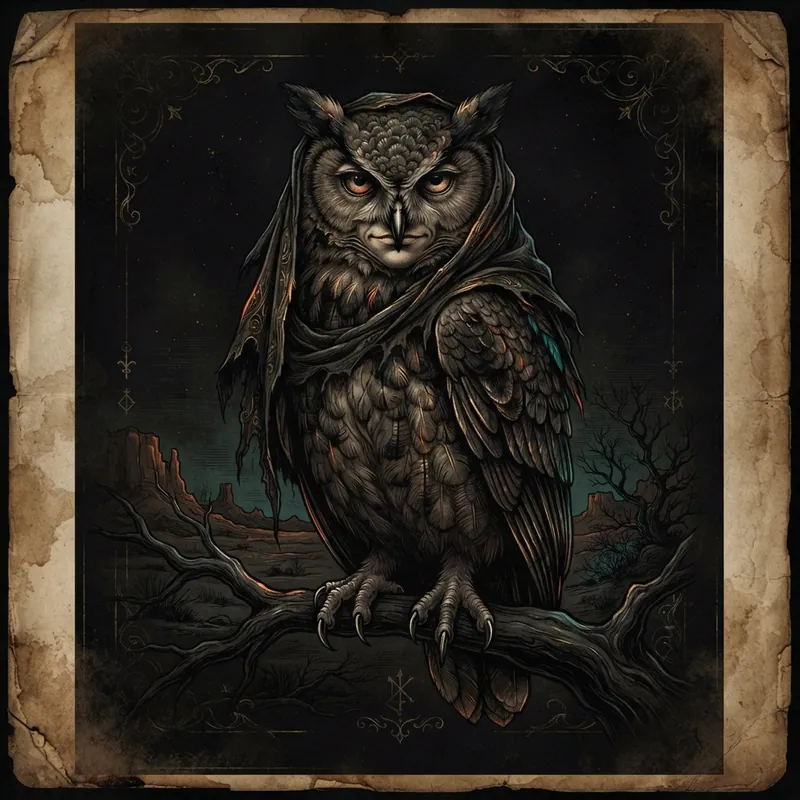
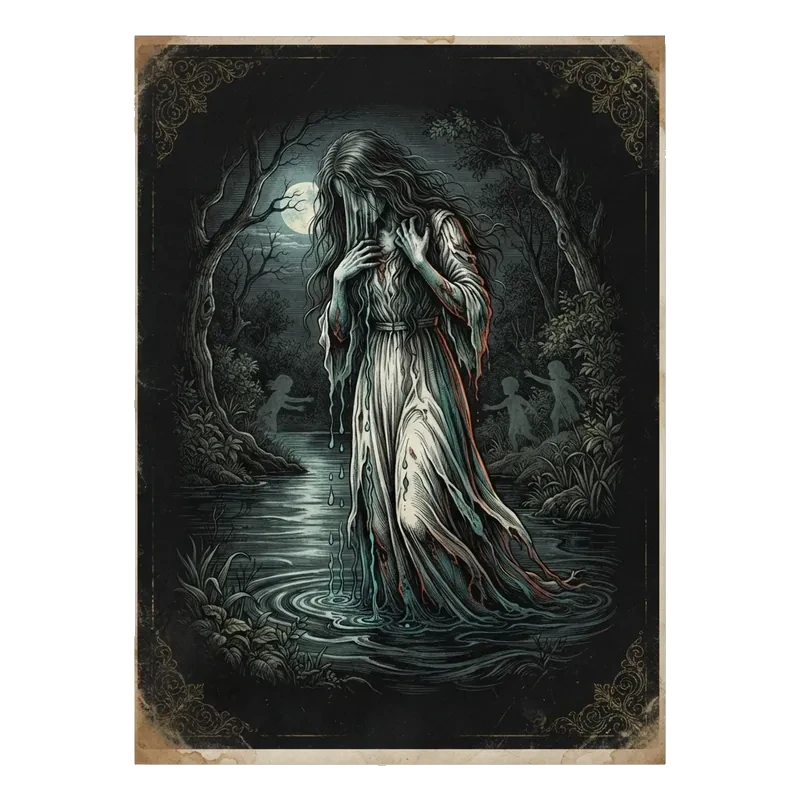
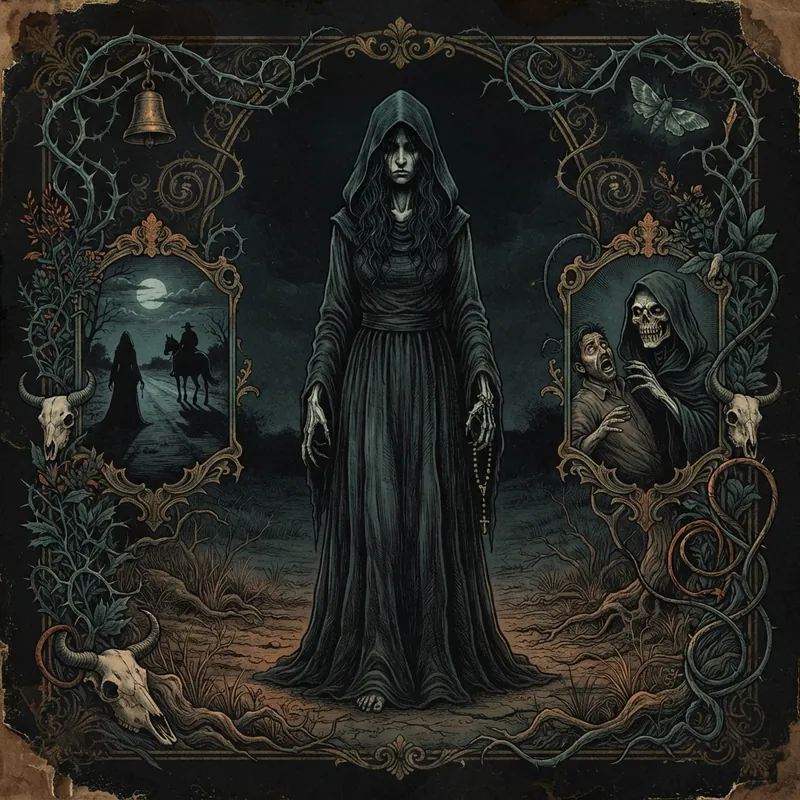
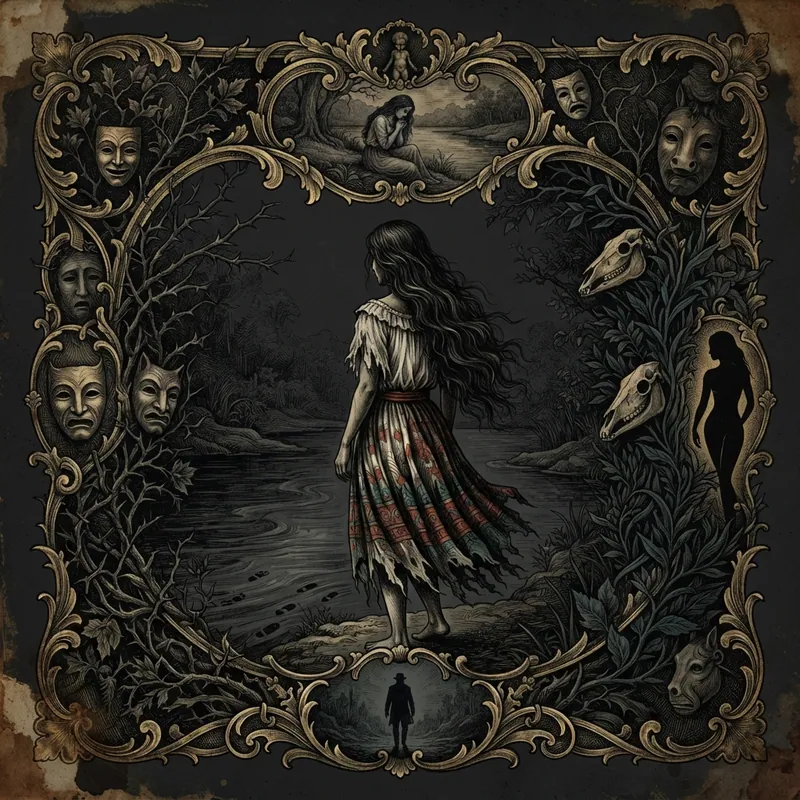
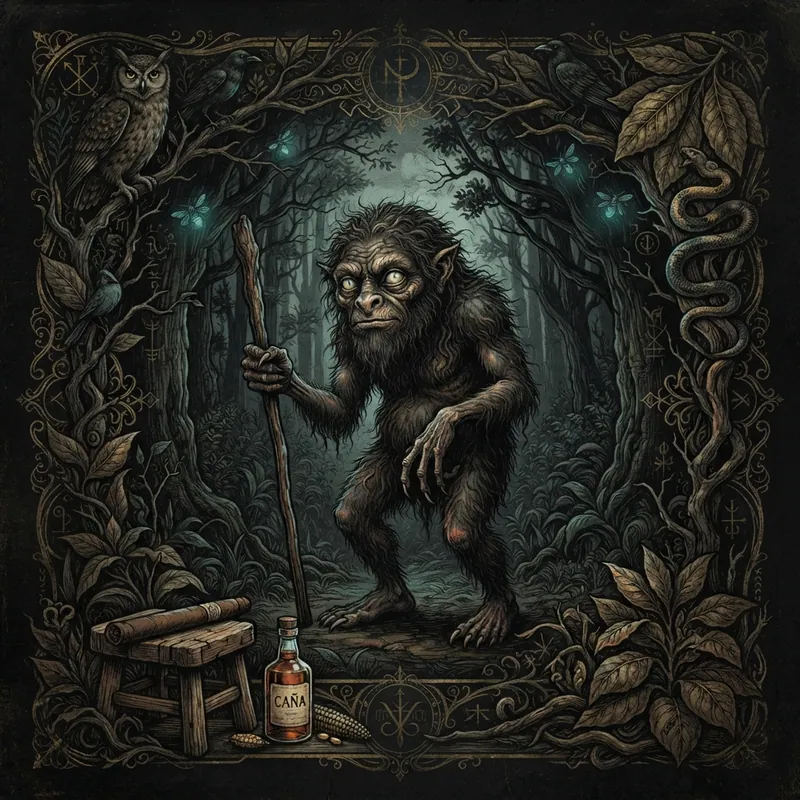
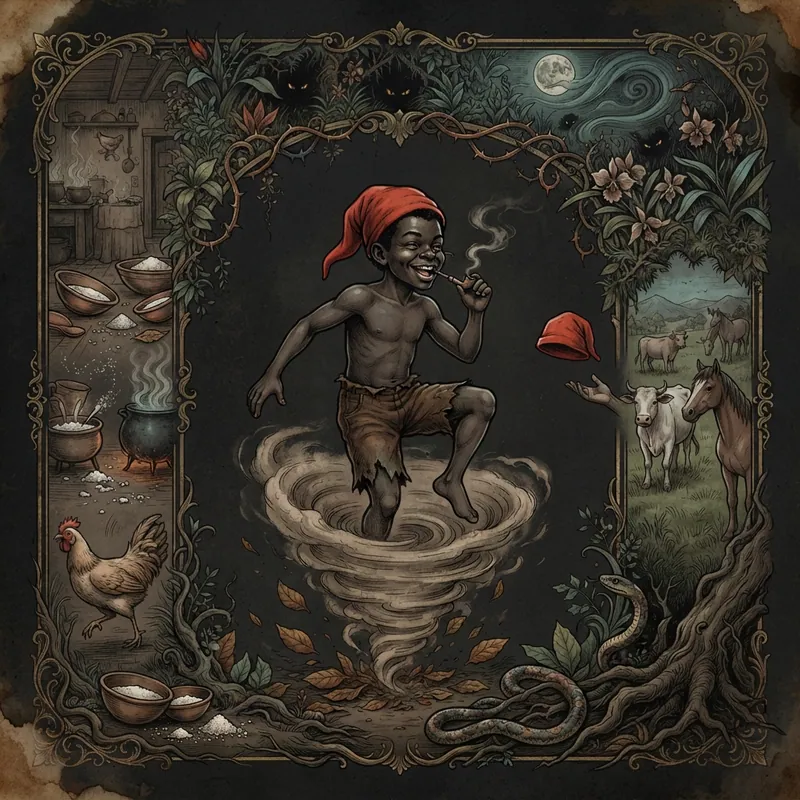
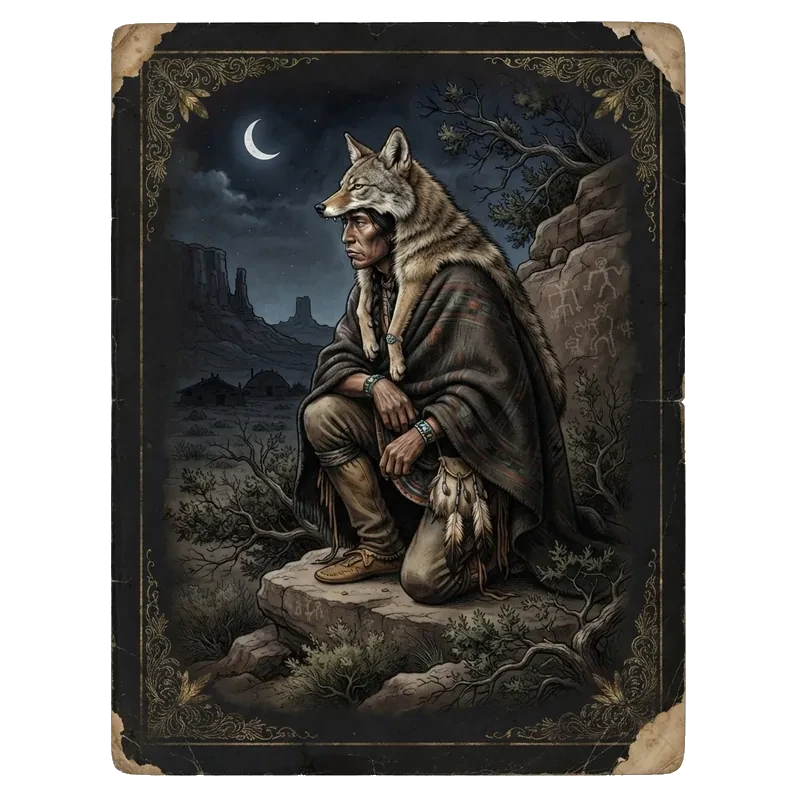
AhuizotlA Mexica water being of the Florentine Codex: dog-small, black and slippery, with a human hand at the tail’s tip, said to drown people at lakes and springs around Tenochtitlan. Historical-cultural, not a video-game beast.ChanequeNahua and Mexican forest householders — chanehqueh, owners of the place — small guardians of woods, water, and caves. Related in role to Maya aluxob but Mexican in language and cosmology. Living belief in several regions, not a vanished Aztec mascot.El CaleucheThe ghost ship of Chiloé — Buque de Arte, Barcoiche, ship of fire — a night brig of lights and music that sails the channels, even underwater, carrying brujos and the drowned. Island lore, not a generic Flying Dutchman with Spanish names.El TraucoA small, deformed forest being of Chiloé who carries a stone axe and a twisted staff, the pahueldún. His gaze and breath are said to overwhelm women and injure men. Island lore, not a generic Latin American incubus.EncantadoAmazonian encantados: river dolphins, especially the pink boto, who take human form, dance at festivals, seduce, and carry people to the Encante, a city under the water. Living Amazon tradition of Brazil and neighbouring Peru, not a generic mermaid and not the same as Iara.IaraBrazil’s river lady: Iara or Uiara, from nheengatu y + iara, mistress of the waters. A nineteenth-century Amazonian synthesis of Indigenous water-owner, European mermaid, and later Iemanjá talk — not a colonial-era mermaid already sitting in every Tupi village.InvuncheIn Chiloé lore, the imbunche or invunche is a stolen or sold first-born, reshaped by island brujos into the mute, twisted porter of the witches’ cave. Distinctly Chilote — tied to the Recta Provincia and caves such as Quicaví — not a mainland ghost.La DiablesseA Creole temptress of Trinidad, Martinique, and neighbouring islands: poise and perfume from the front, one cow’s hoof under the long dress, a face the hat keeps back. She leads the unwary off the path. Not a generic succubus; keep the French-Creole and African-Caribbean setting.La LechuzaA witch-owl figure of Mexican and borderlands storytelling, often a shapeshifting woman who takes owl form to hunt or curse at night. Versions differ between family and region.La LloronaA weeping figure whose story travels through Mexico, Latin America, and Spanish-speaking communities in the United States. Her appearance, origin, and meaning differ sharply from place to place.La SayonaA vengeful revenant of the Venezuelan Llanos who hunts unfaithful and roving men. Named for the sayal, her long tunic, or from sayón, the punisher. Related in the plains to El Silbón; not La Llorona.La SiguanabaA Central American spectre — Siguanaba, Sihuanaba, Cigua, Cegua — beautiful from behind, horse-faced or skull-faced up close. Related to La Llorona as a weeping or water woman in popular talk, but not the same being: she punishes lust and infidelity, and in Salvadoran cycles seeks her son Cipitío.PomberoA short, hairy, often invisible night being of Guaraní Paraguay and neighbouring Brazil: Karai Pyhare, lord of the night, also called Pomberito. Guardian of birds and forest, trickster of barns and paths. Keep the Guaraní names; he is not a generic Latin American duende.Saci-pererêBrazil’s one-legged trickster: a Black boy in a red cap, pipe in mouth, riding dust-devils, switching salt and sugar, freeing livestock. A syncretic Tupi, African, and Portuguese figure, not a single Indigenous demon and not a cute mascot only.Skin-walker (yee naaldlooshii)Among the Diné, stories of skin-walkers belong to a living, sensitive witchcraft complex. Outsiders’ horror media often appropriates and flattens them. This archive points to respect and community authority rather than a monster dossier.
 ≈
≈ ♧
♧ ≈
≈ ♧
♧ ◎
◎ ≈
≈ ❖
❖ ⛤
⛤ ◎
◎ ✦
✦ ✦
✦ ◌
◌ ♧
♧ ☿
☿ ◎
◎