THE CONCORDANCE
Memorial rites
53 records across 32 traditions carry this current.
Africa & the Middle East · 1
 ◉
◉Asia & the Isles · 25
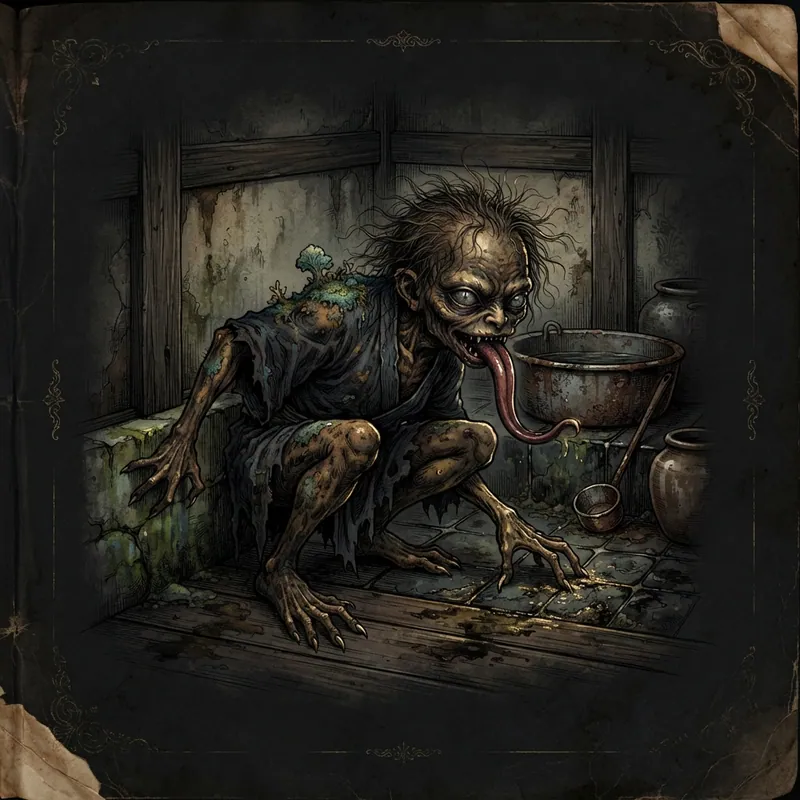
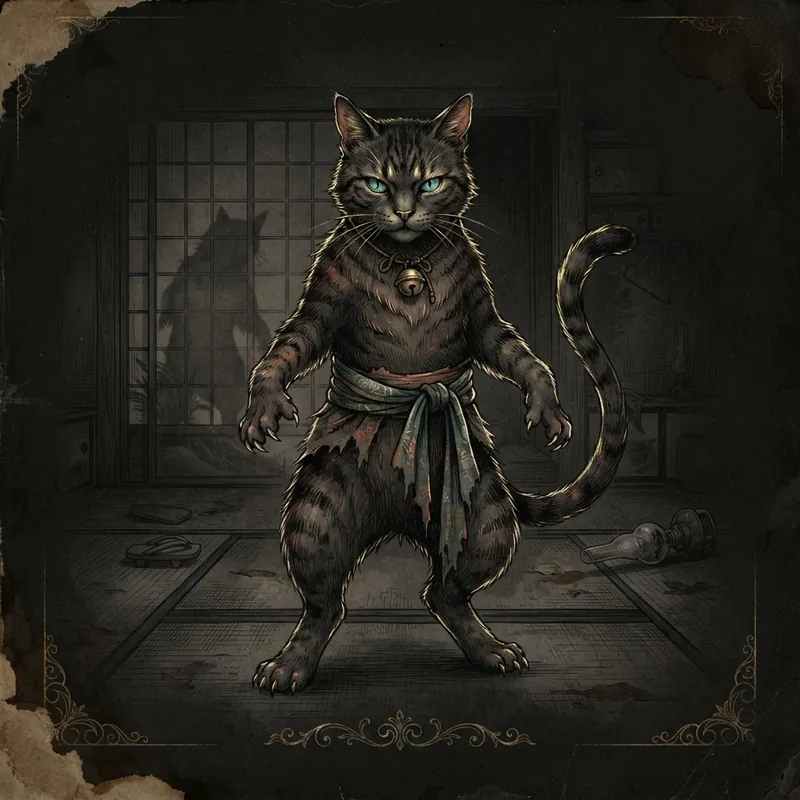
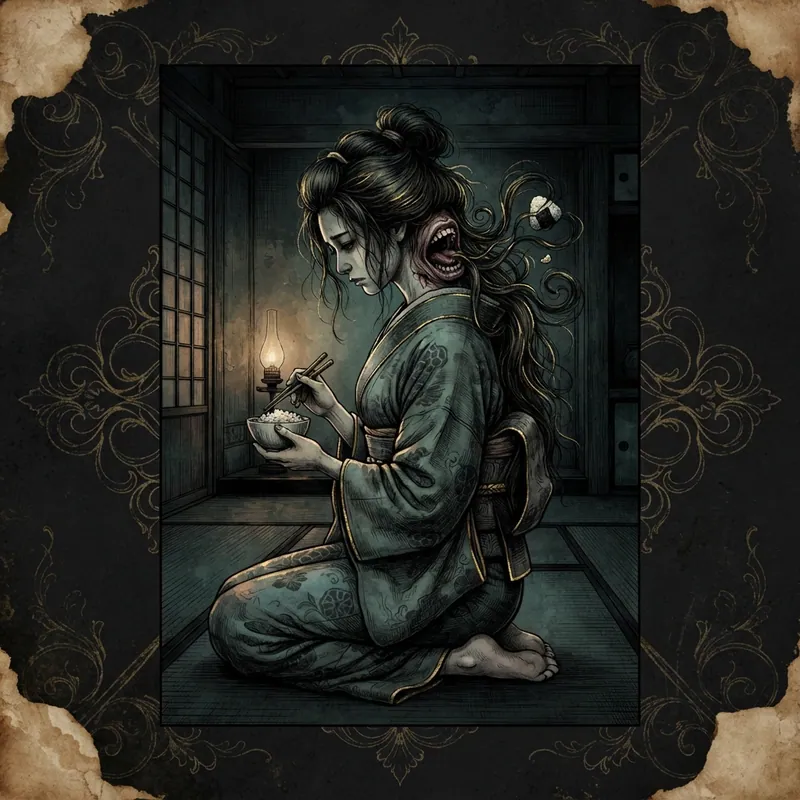
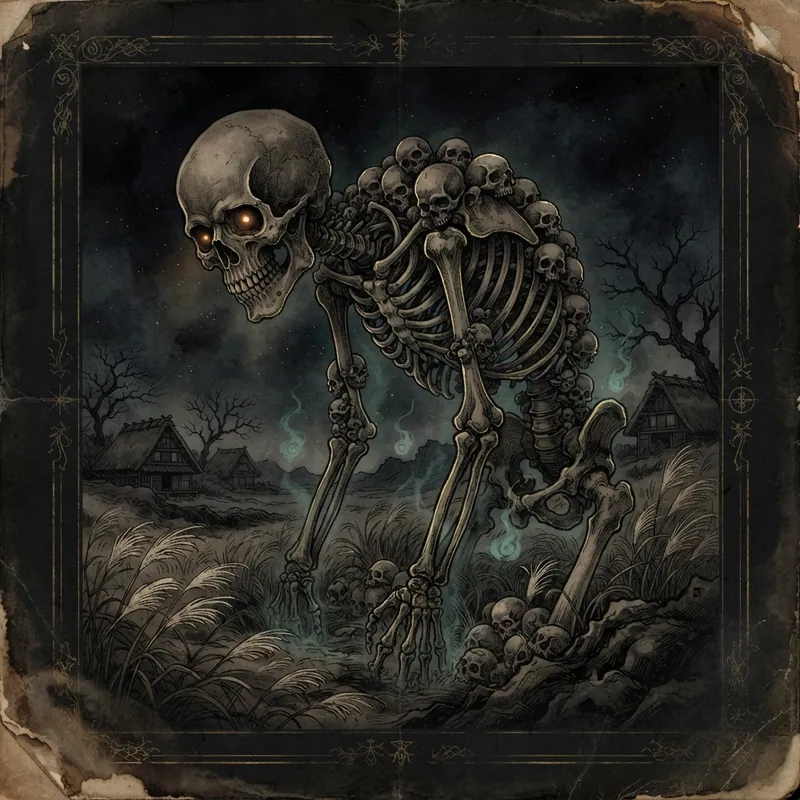
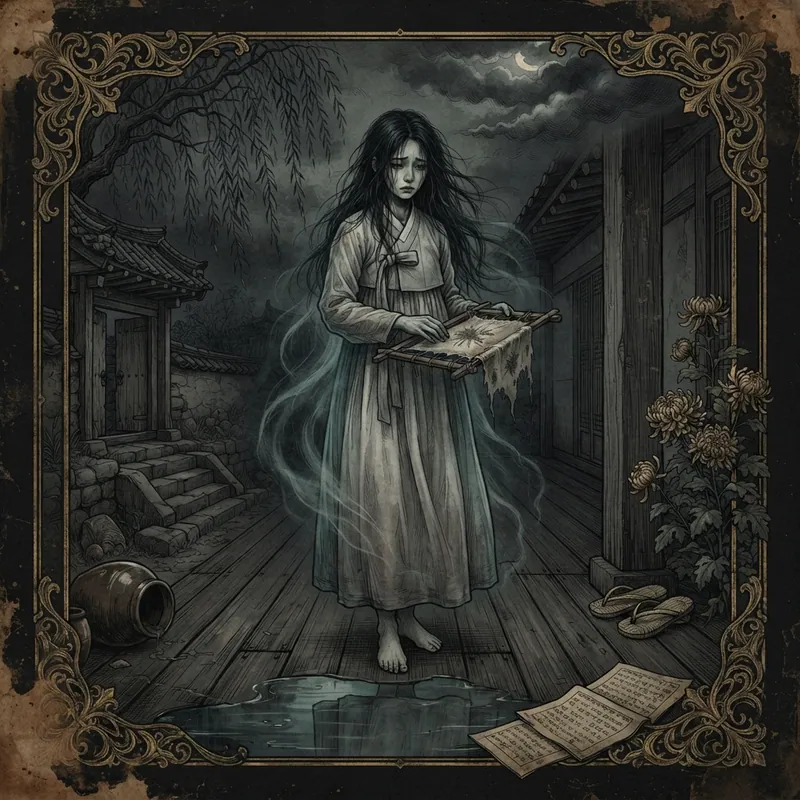
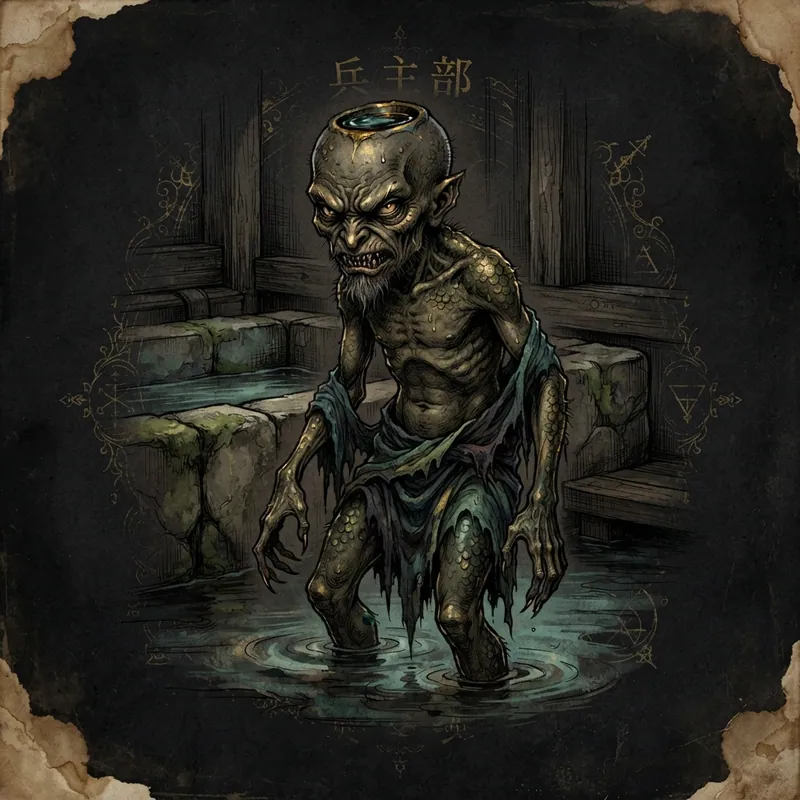
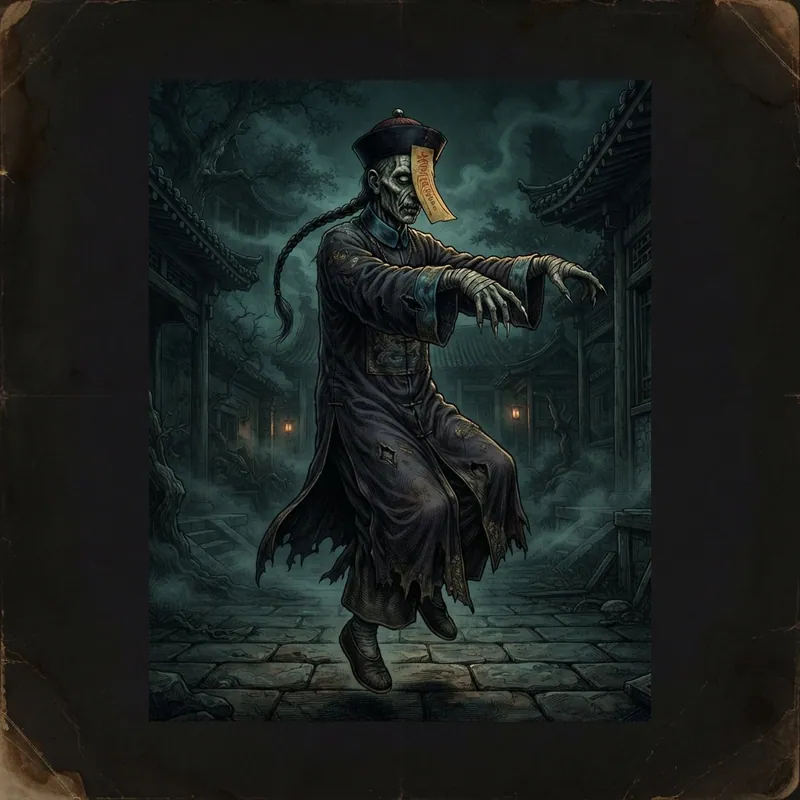
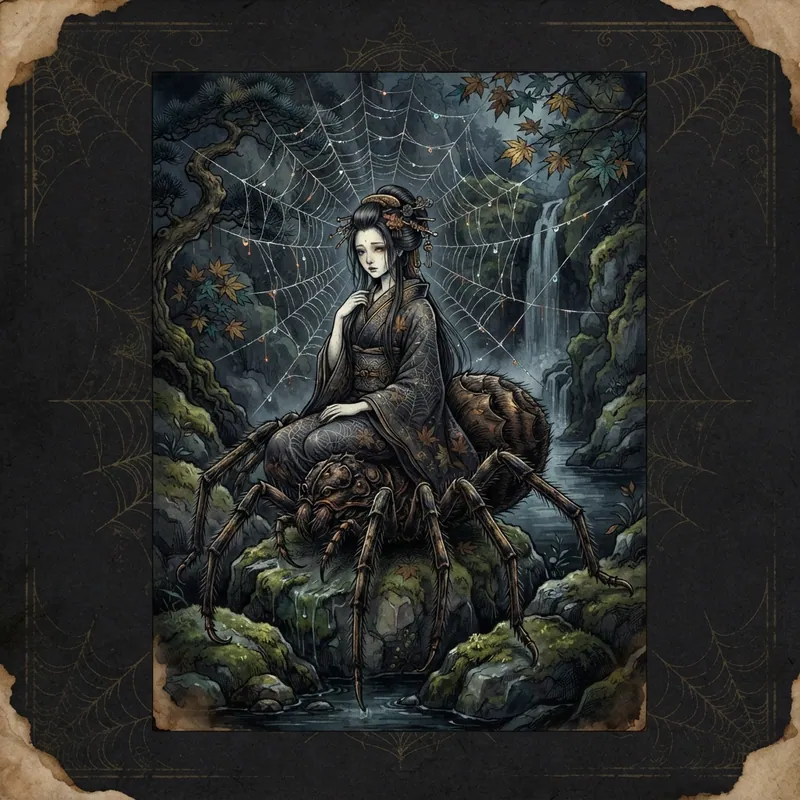
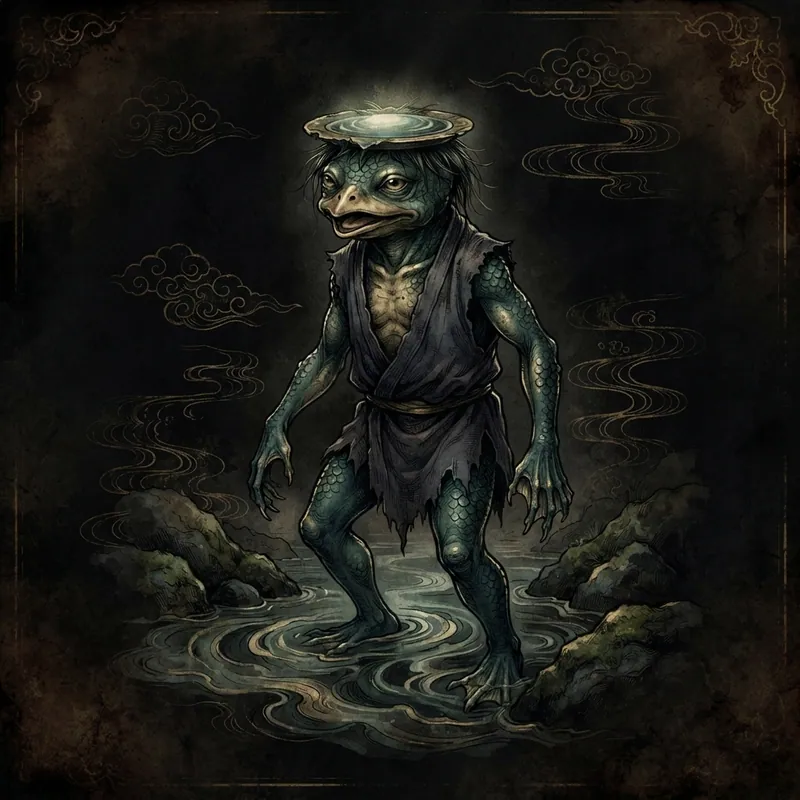
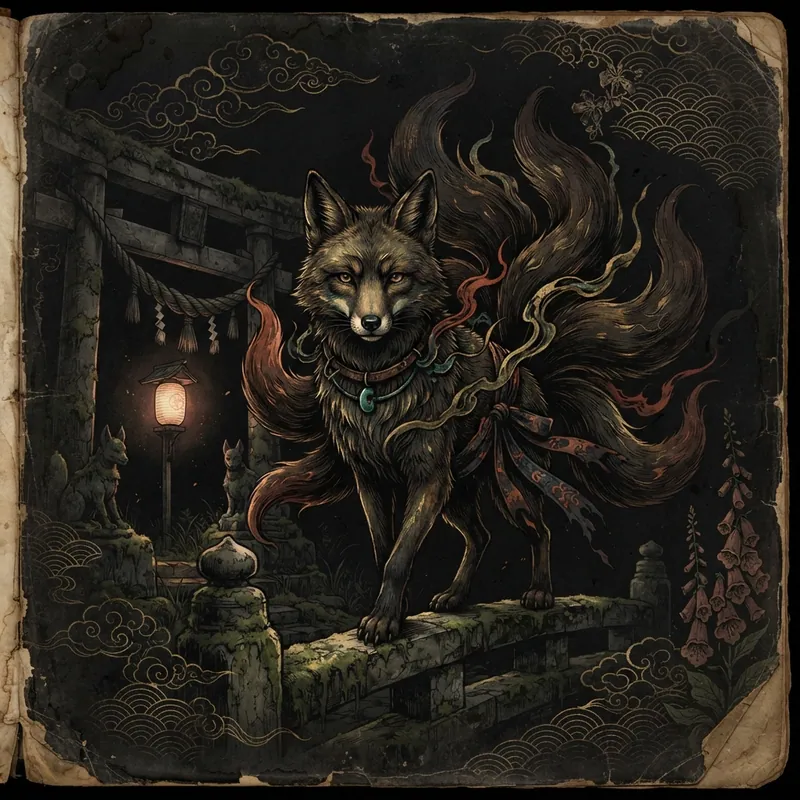
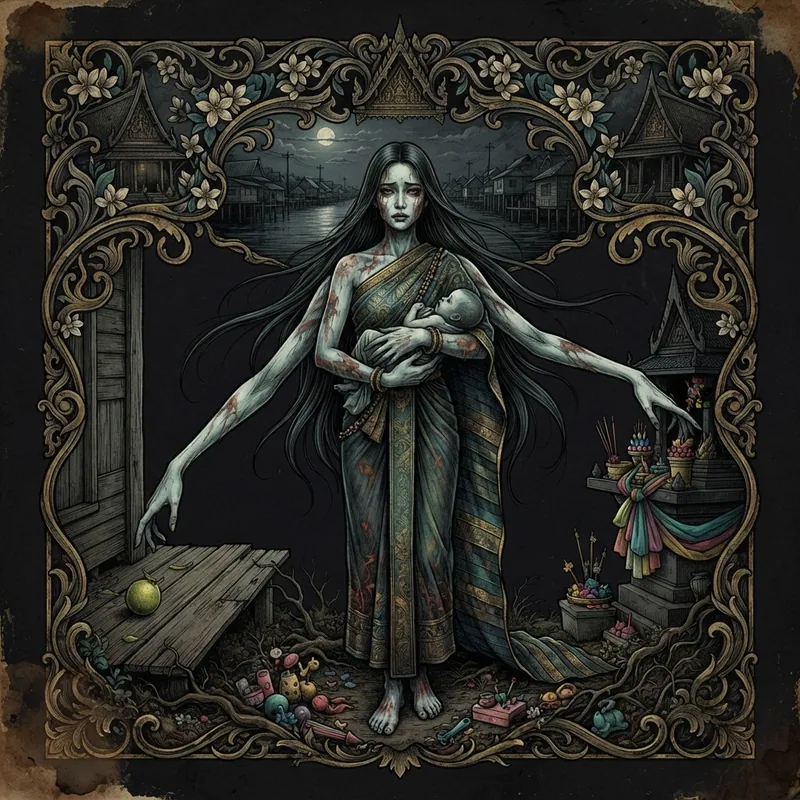
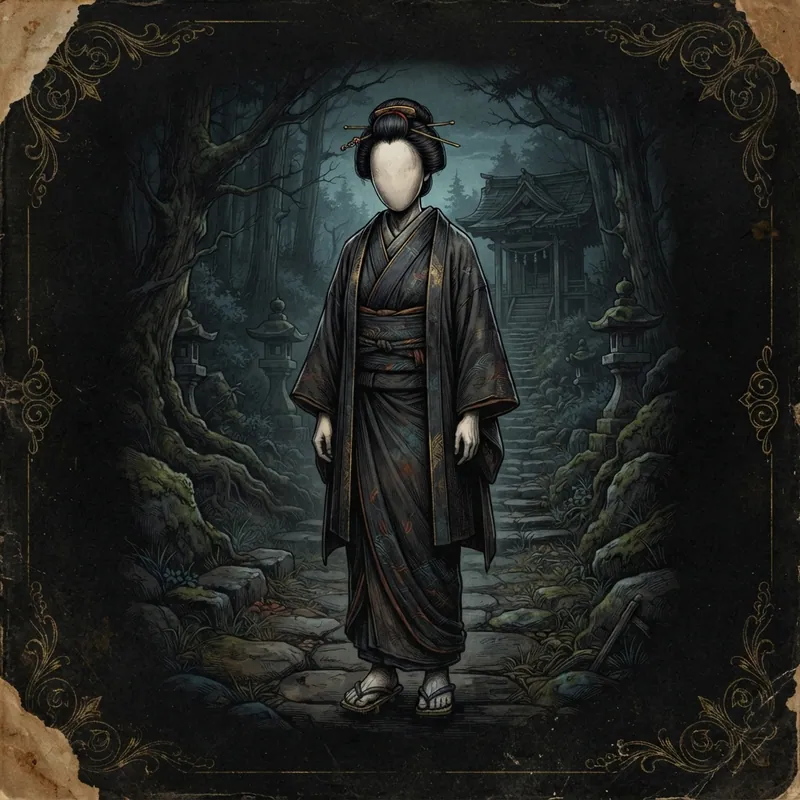
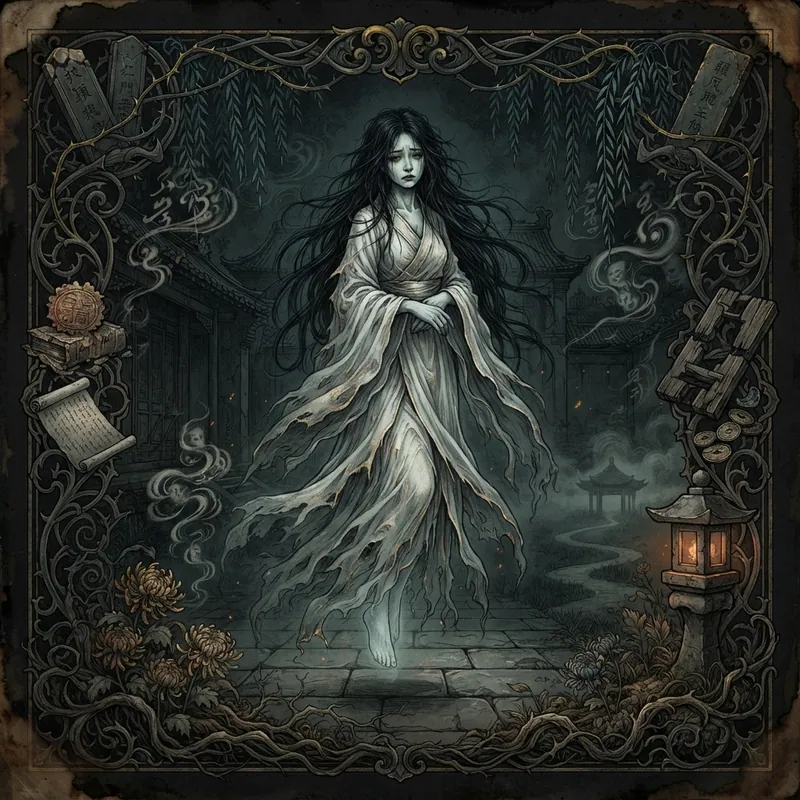
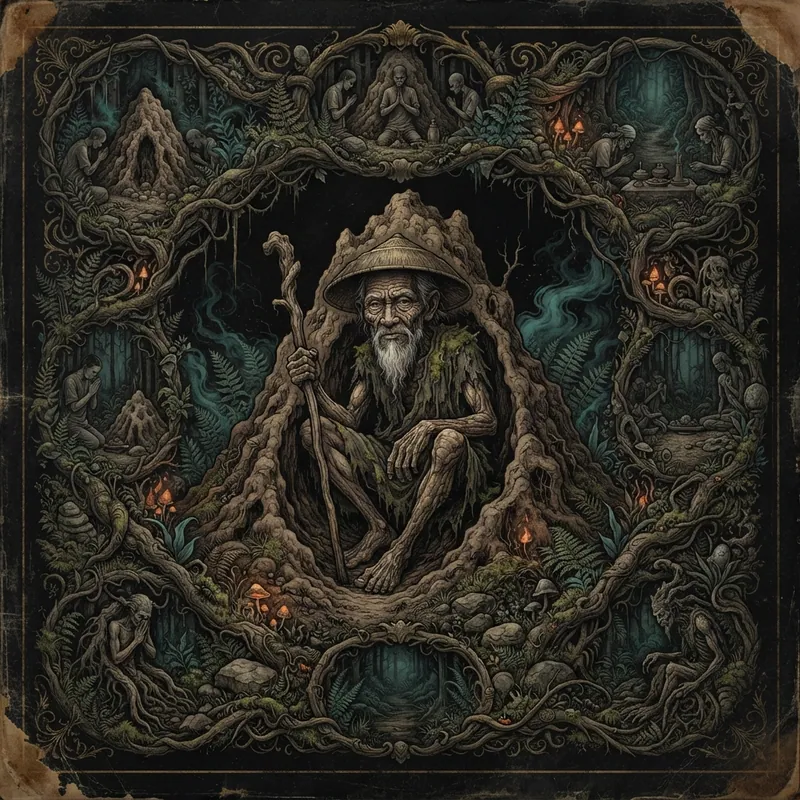
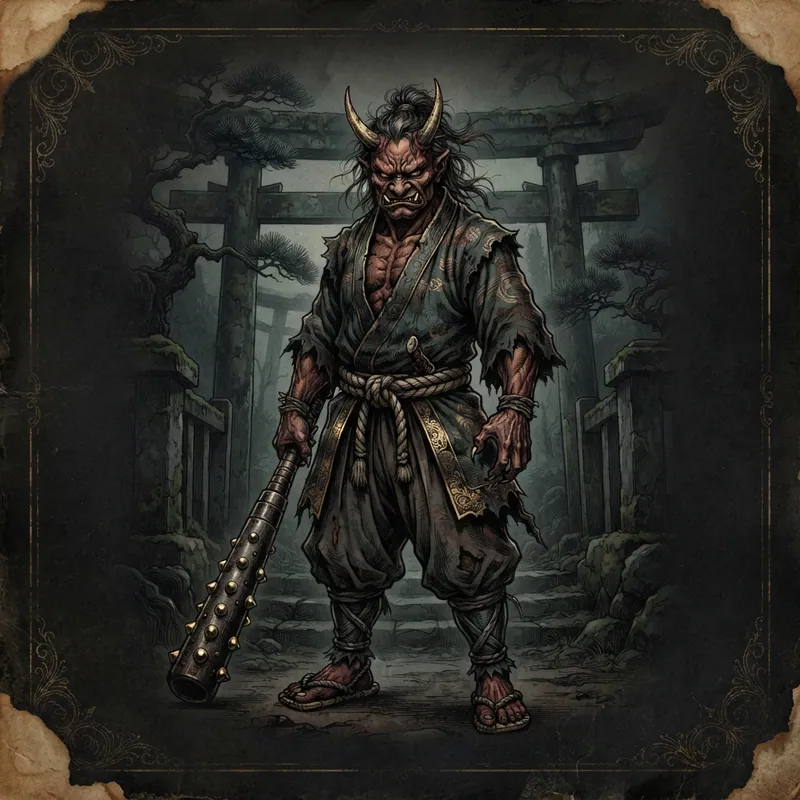
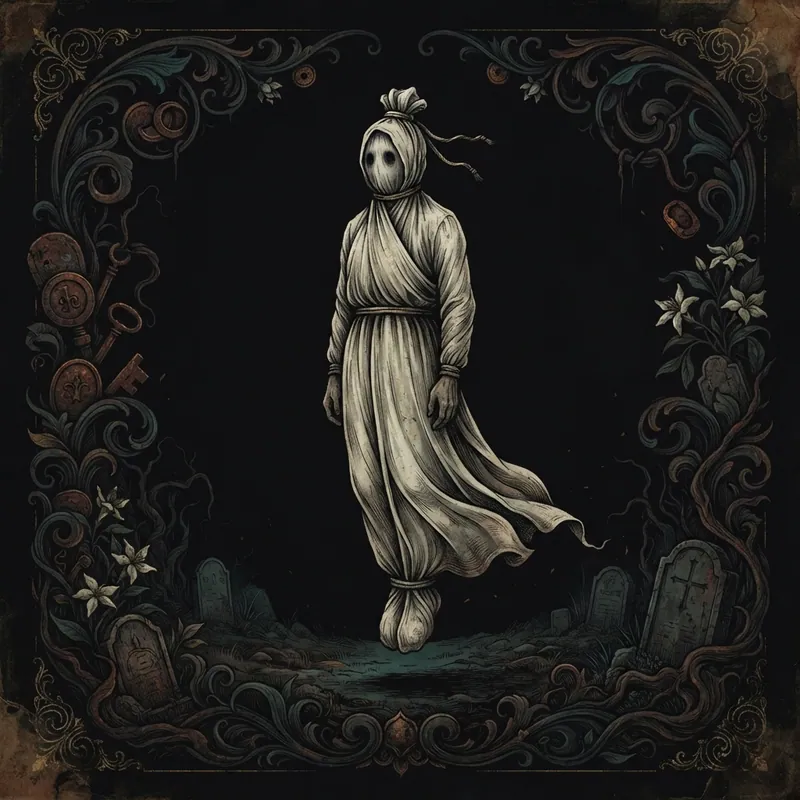
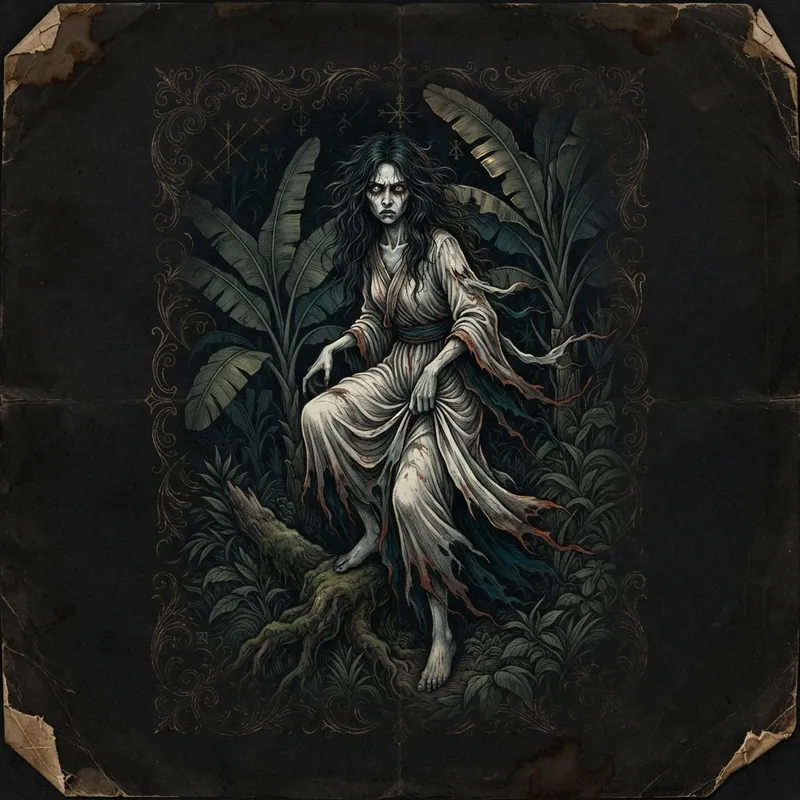
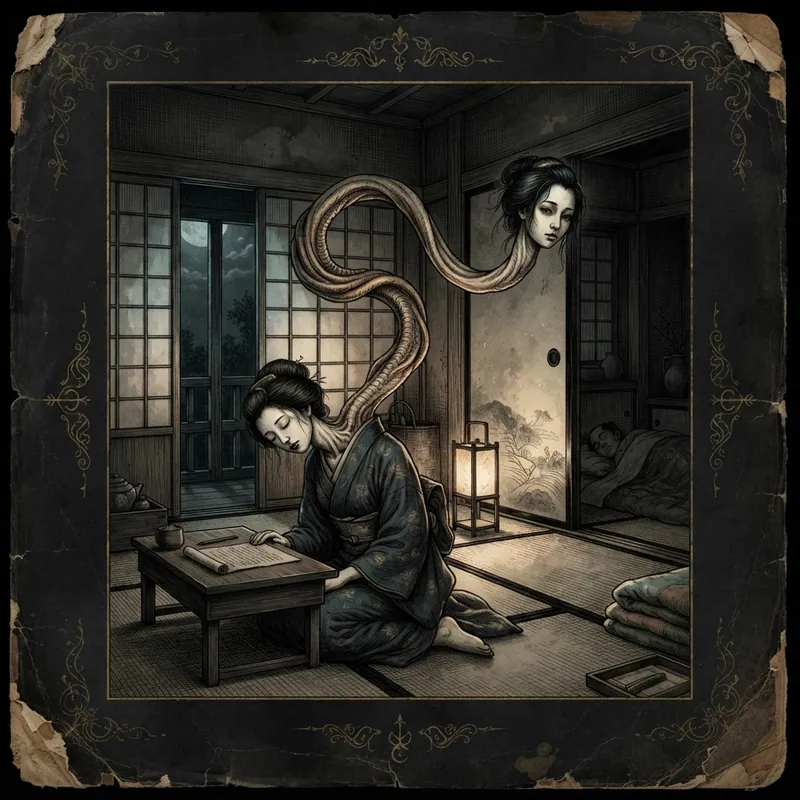
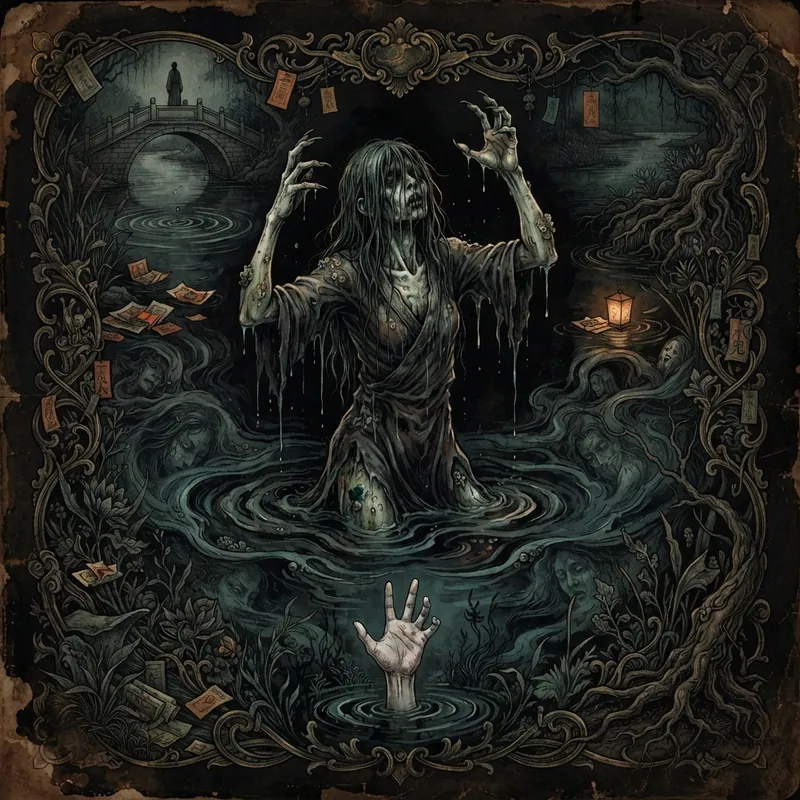
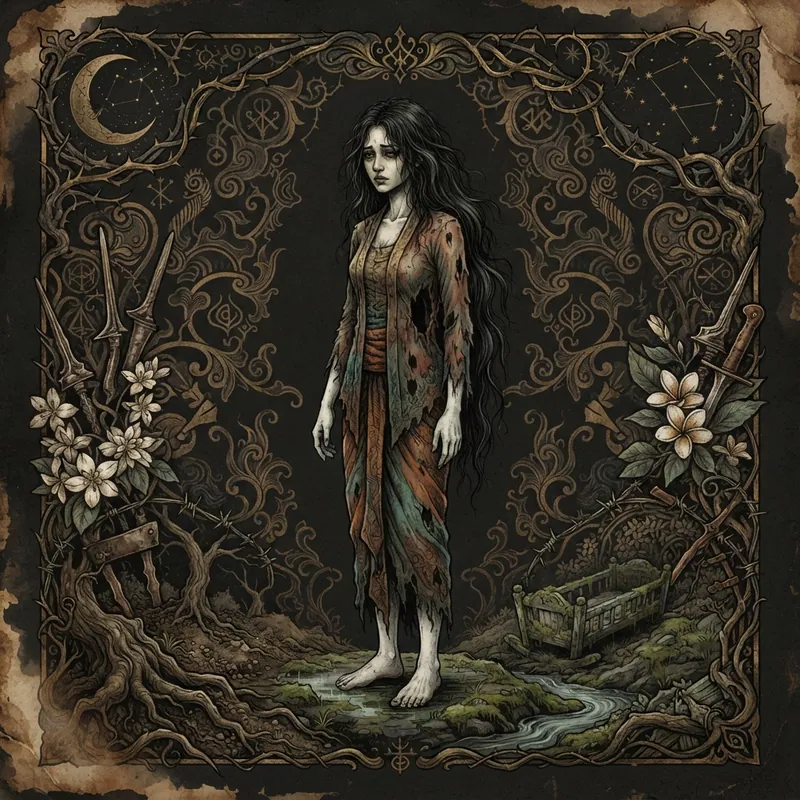
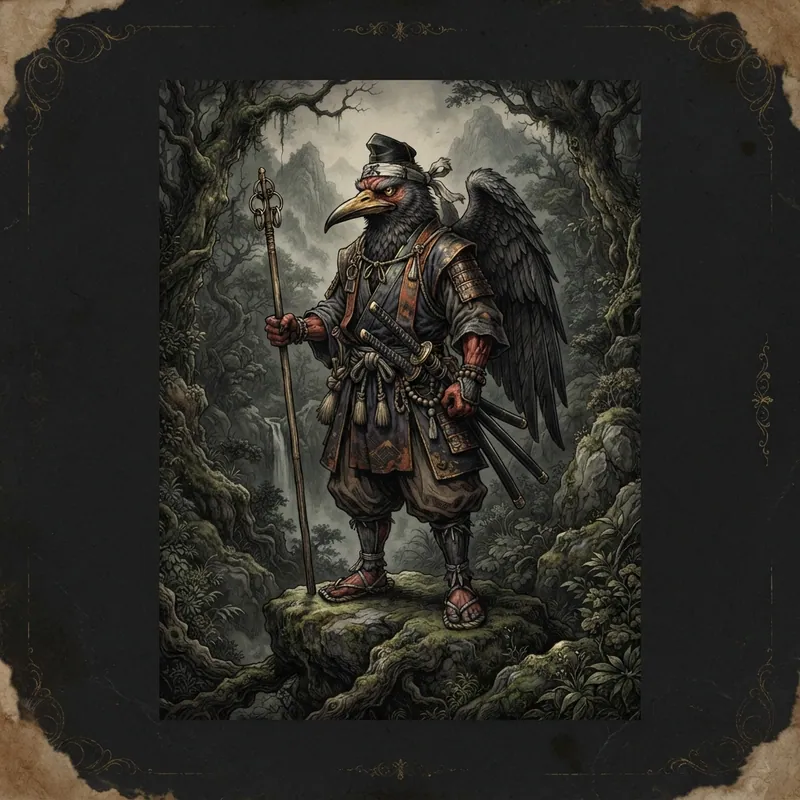
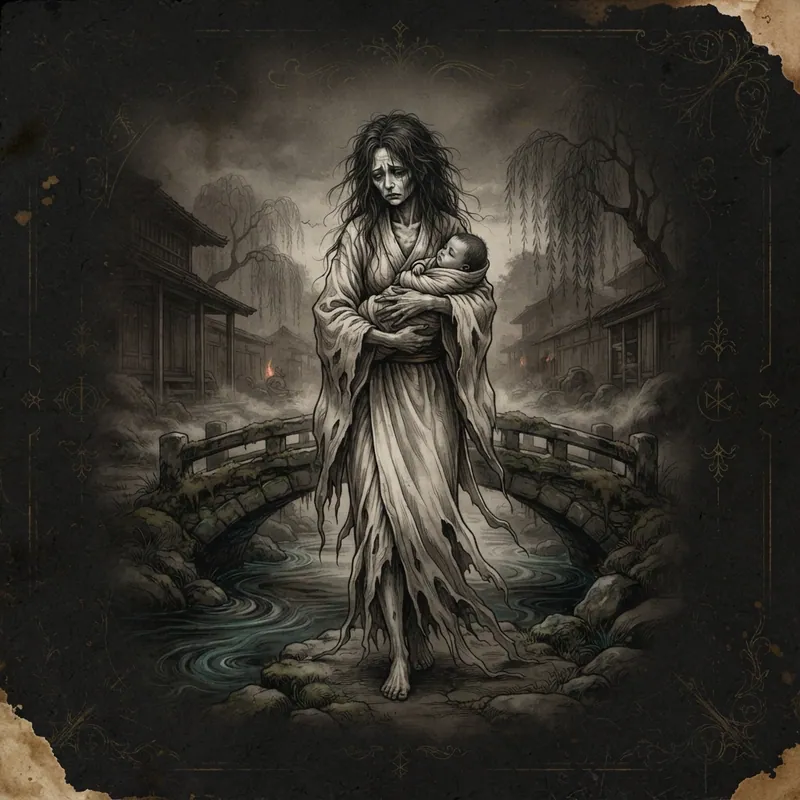
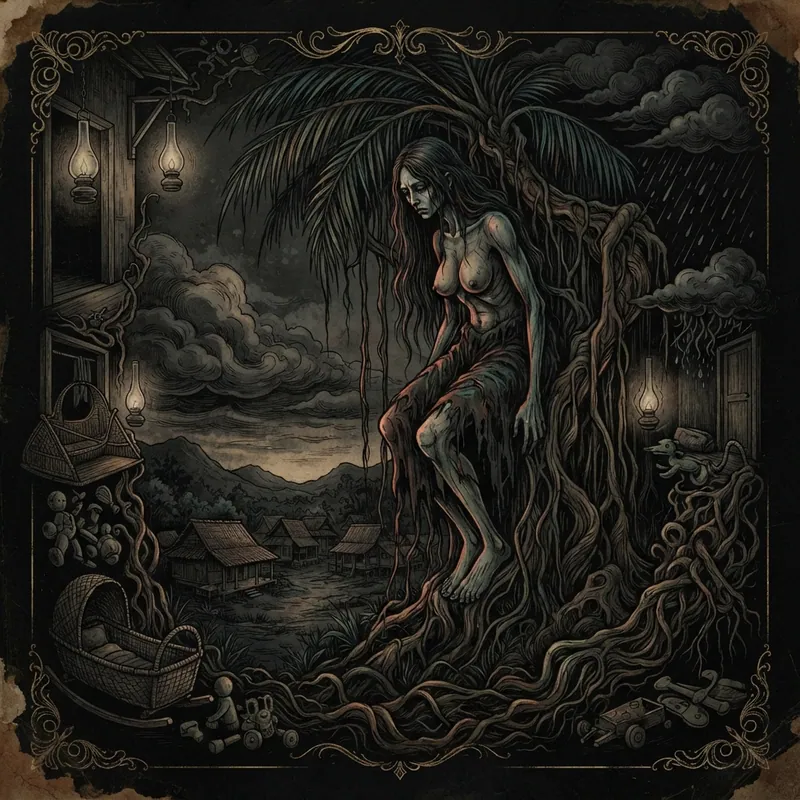
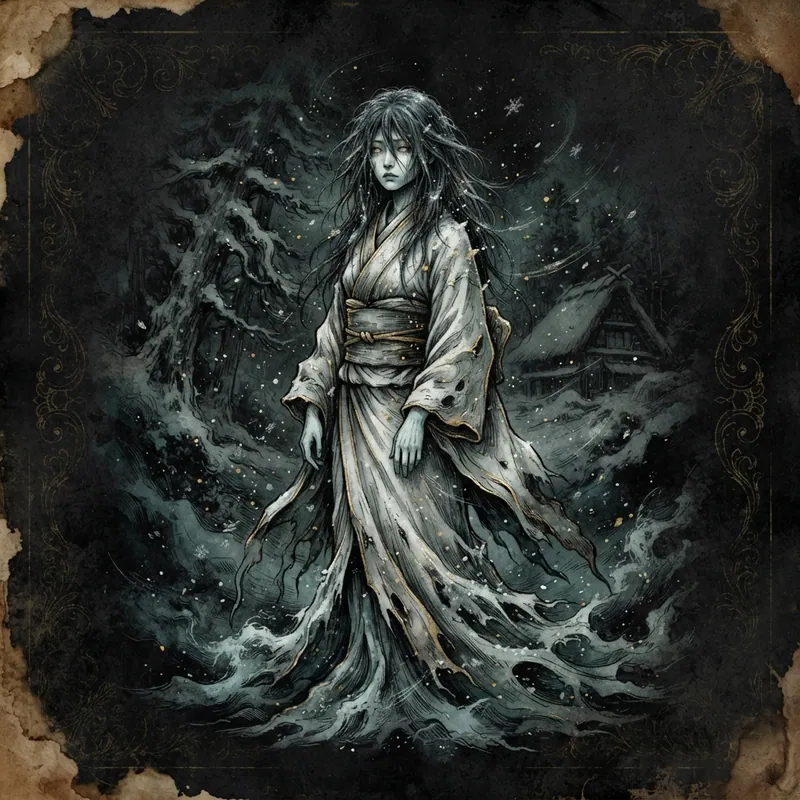
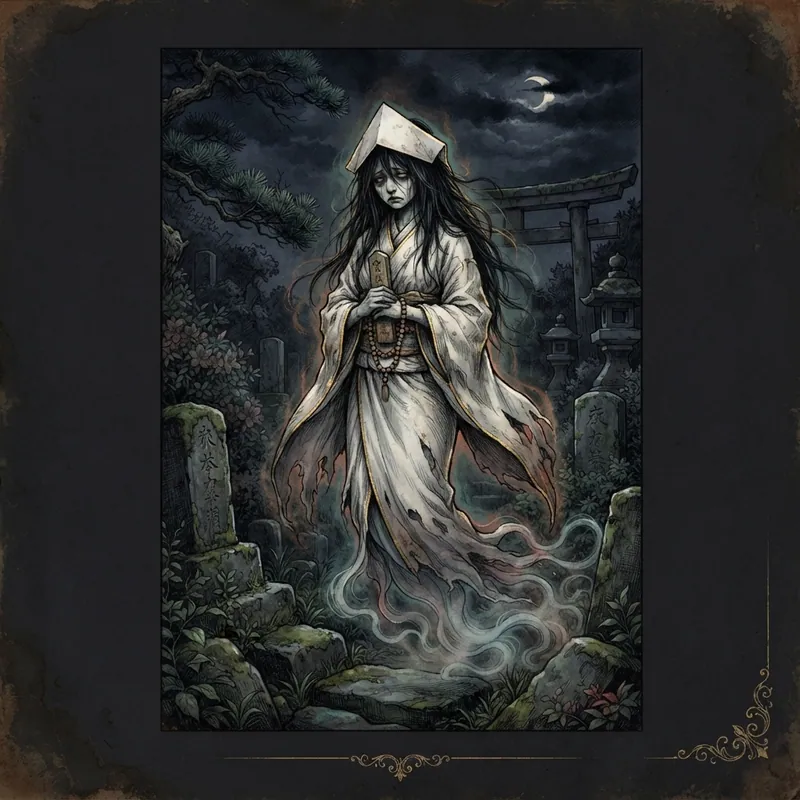
AkanameA yōkai associated with dirty bathrooms and neglected washing places, said to lick up the grime. A domestic warning dressed as a grotesque visitor.BakenekoA transformed cat of Japanese folklore, sometimes linked with age, mistreatment, or revenge. Related to, but not identical with, the split-tailed nekomata.Futakuchi-onnaA woman with a second mouth hidden in the back of her head, fed by writhing hair—often framed as a tale of neglected hunger, cruelty, or household injustice.GashadokuroA gigantic skeletal yōkai said to form from the bones of people who died of starvation or in battle without proper rites. Its approach is announced by a rattling, grinding sound.GwisinA Korean term for ghost, spirit, or divinity. Unlike the dokkaebi, gwisin in folk usage are often the human dead who remain because of unfinished ties. Distinct from the kumiho, which is a fox, not a ghost.HyōsubeA kappa-like child of rivers and baths in Kyushu lore, known for invading bathhouses and leaving sickness or mischief behind. Local and kappa traditions overlap without being identical.JiangshiA hopping revenant of Chinese folklore and later popular culture, usually tied to a body animated by disrupted death rites or vital force.JorōgumoA spider yōkai in Japanese tradition, often imagined as able to take the form of a woman and lure travellers.KappaA water-dwelling yōkai in Japanese folklore, famous for mischief and for stories where manners, bargains, and rivers matter.KitsuneFox spirits in Japanese tradition, ranging from messengers of Inari to tricksters and lovers in disguise. Age and number of tails mark power; not every kitsune story is malevolent.Mae NakMae Nak of Phra Khanong: a specific Thai revenant of a woman who died in childbirth and waited for her husband. Her shrine at Wat Mahabut remains a place of living offerings.Noppera-bōThe faceless ghost of Japanese urban and roadside lore, often appearing first as an ordinary person before revealing a smooth, featureless face—a jolt more than a long chase.Nü GuiA Chinese category of female ghost, often the returning spirit of a woman who died under injustice. Not one named monster, but a recurring figure of grievance, mourning dress, and unfinished memory.Nuno sa PunsoThe ‘old one of the mound’: a Philippine ancestral earth spirit dwelling in anthills and termite mounds. People ask leave before passing. Disturbance brings illness; respect keeps the ground quiet.OniOgre-like beings in Japanese storytelling and festival imagery, associated with punishment, otherworldly strength, and the driving-out of misfortune (as in Setsubun). Many local and literary variants exist.PocongAn Indonesian ghost in the Islamic burial shroud. Folk belief holds that if the kain kafan’s ties are not undone in the grave, the dead may rise still wrapped. Hopping is a film sign; many accounts say a true pocong floats.PontianakA female ghost figure found in Malay-language folklore, with local versions and names that shift across the region.RokurokubiA yōkai whose neck stretches enormously at night while the body sleeps or sits still. Some tellings treat the person as unaware; others as knowing and predatory.Shui GuiThe water ghost of Chinese folk belief: the spirit of someone who drowned, lingering at that place and, in many accounts, seeking a living substitute so it may leave the water.Sundel BolongA Javanese and Indonesian female revenant: a woman who died pregnant or in childbirth, often after sexual violence, leaving a hole in her back. Distinct from kuntilanak though films blur them.TenguMountain beings of Japanese folklore, once feared as demons of pride and disruption, later also imagined as martial teachers and protectors of sacred peaks. Crow and human-like forms both appear.UbumeA spirit associated with women who died in childbirth in Japanese lore, often appearing near water or bridges and testing the living with a baby that becomes impossibly heavy.Wewe GombelA Javanese female spirit who kidnaps children. Folklore also says she keeps neglected children kindly until their parents change. Fright and shelter occupy the same figure.Yuki-onnaThe snow woman of Japanese folklore, appearing in mountain storms as a beautiful, deadly figure of cold. Motives range from predation to strange mercy depending on the tale.YūreiSpirits of the dead that linger for unresolved reasons — often bound to places, objects, or grudges — until the matter that holds them is finally settled.
 ⌂
⌂ ◎
◎ ☾
☾ ✦
✦ ◌
◌ ≈
≈ ✦
✦ ◎
◎ ≈
≈ ◎
◎ ✦
✦ ◎
◎ ◌
◌ ⌂
⌂ ☾
☾ ✦
✦ ✦
✦ ☾
☾ ✦
✦ ✦
✦ ♧
♧ ✦
✦ ☾
☾ ☾
☾ ◌
◌Eastern Europe · 7
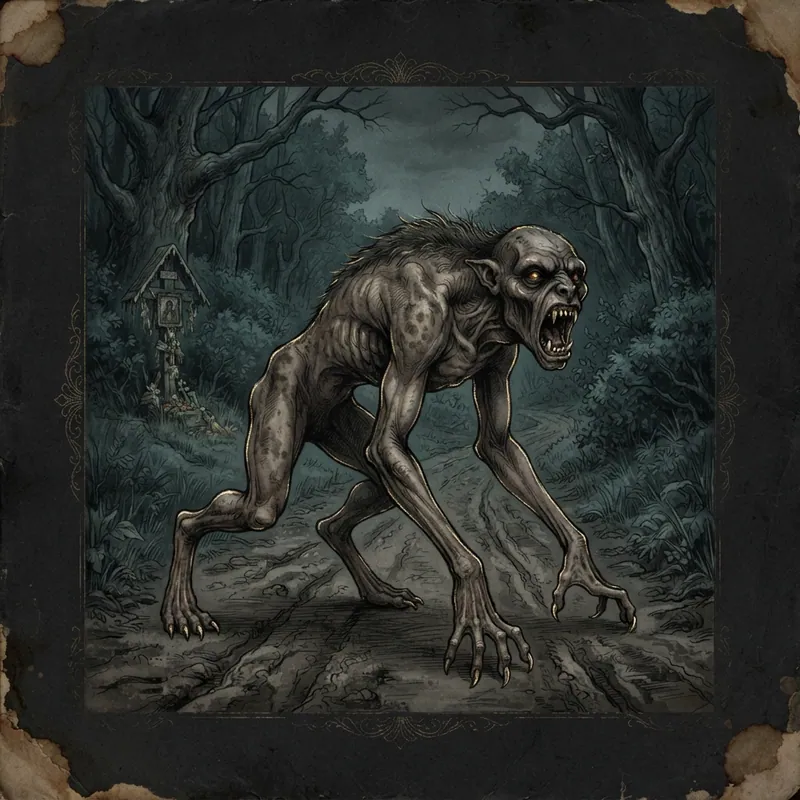
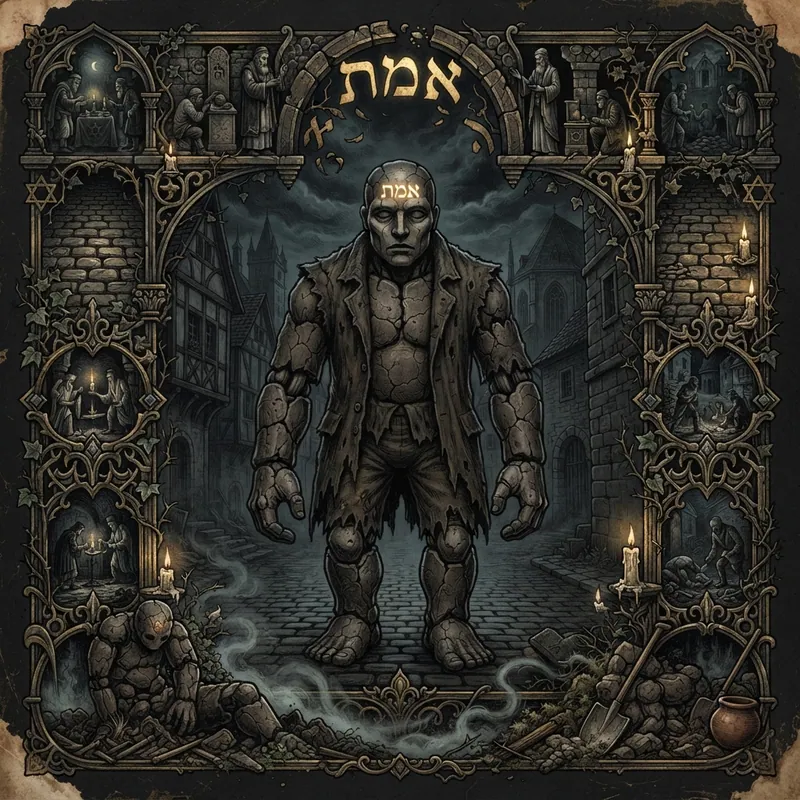
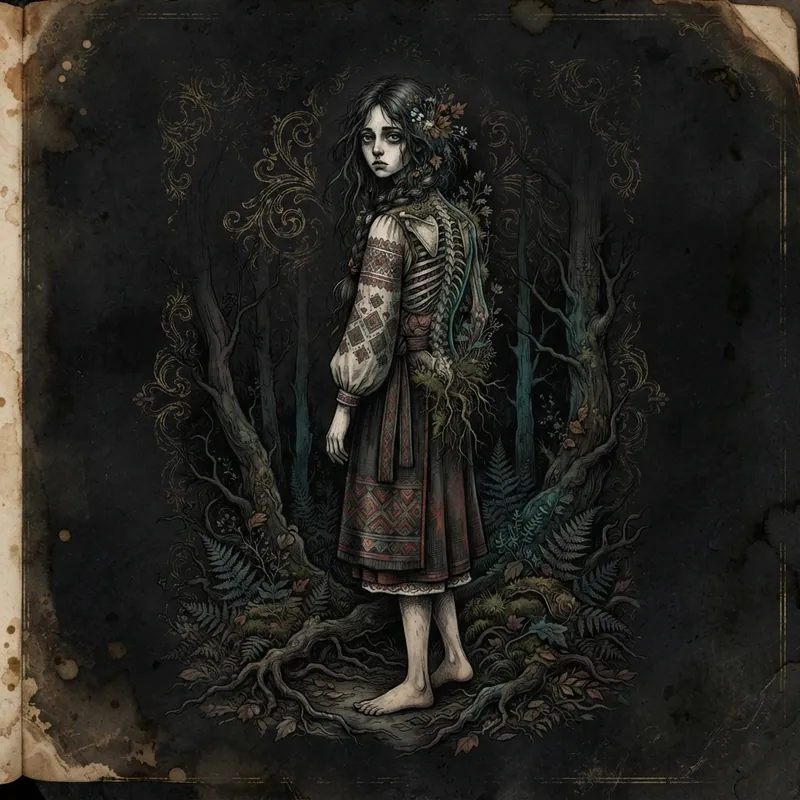
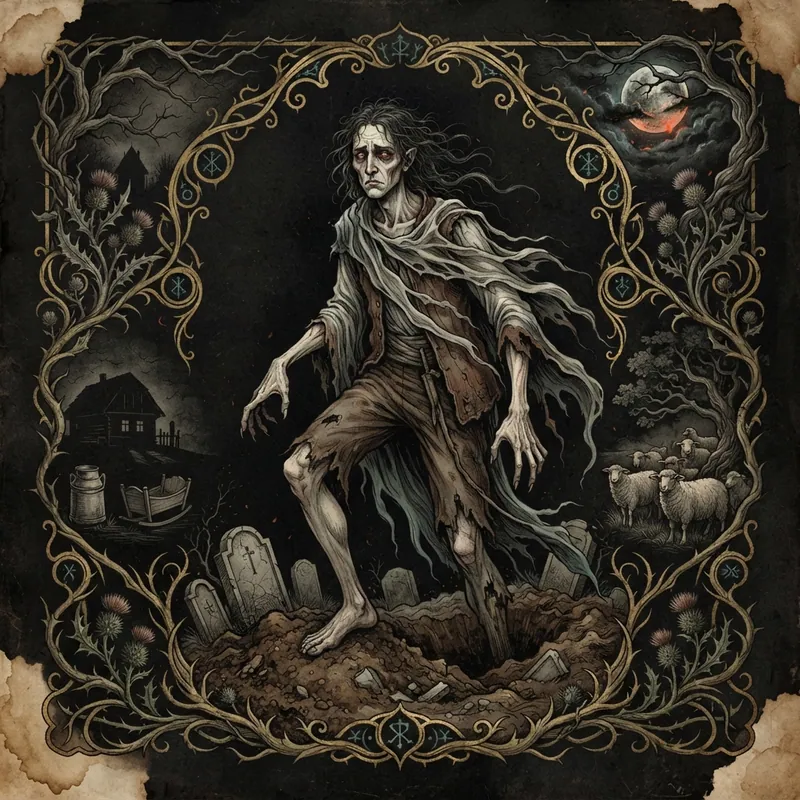
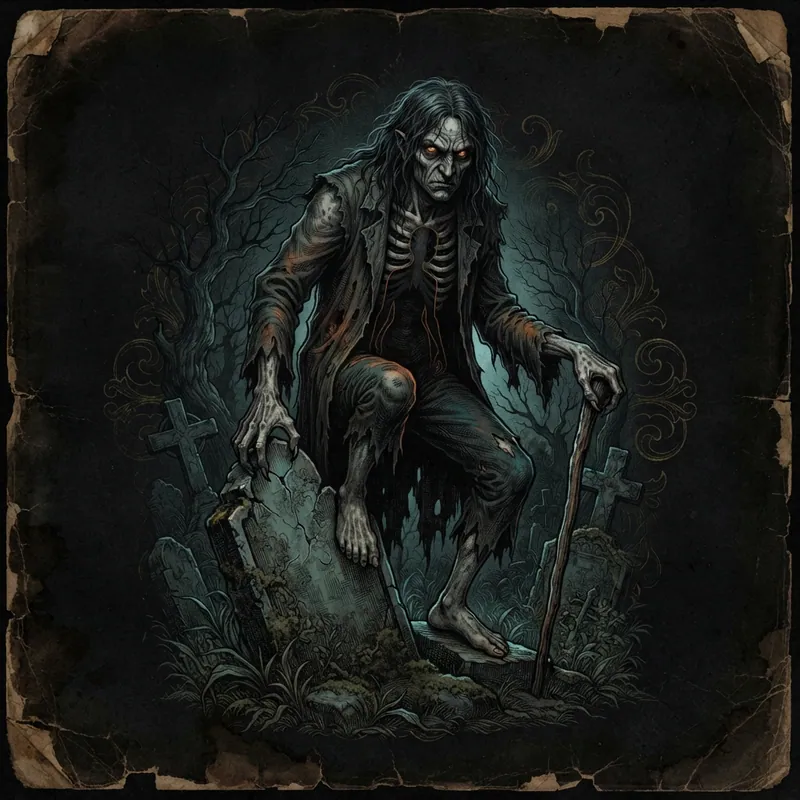
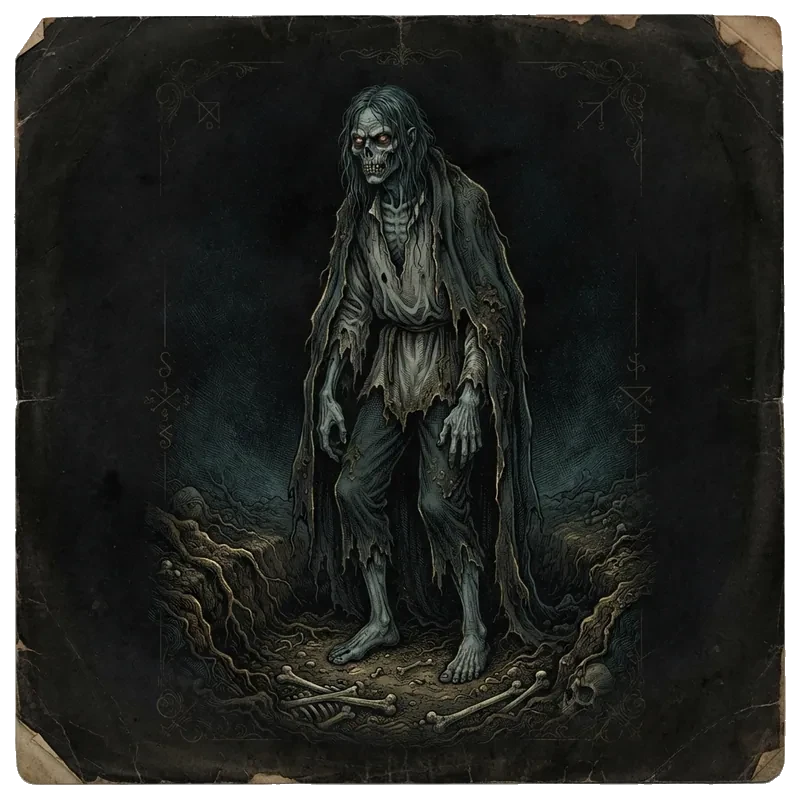
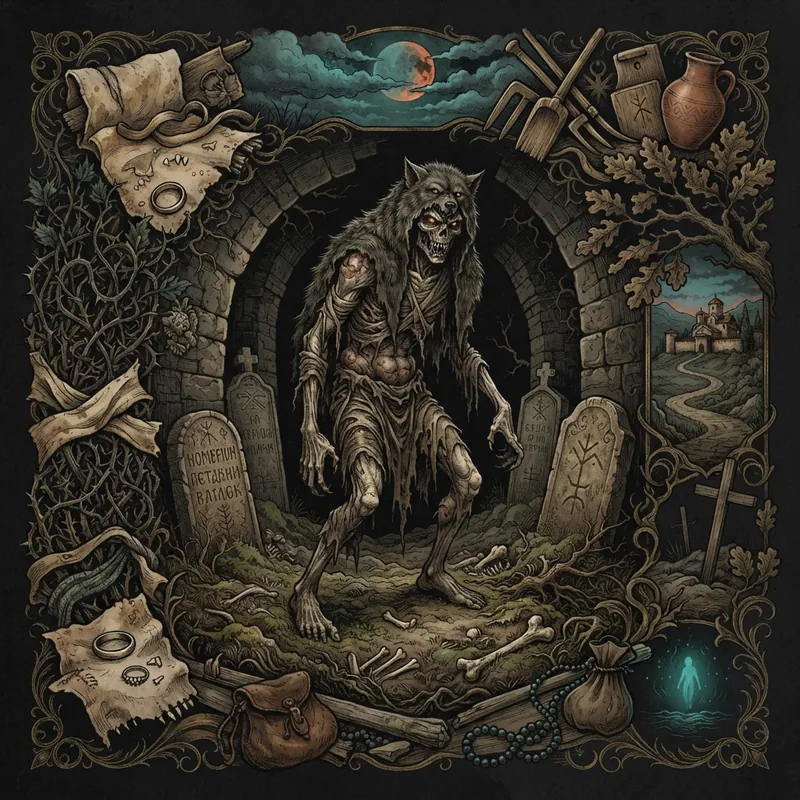
DrekavacA South Slavic night-being often linked with the souls of unbaptised or improperly buried dead. Its cry is the warning; descriptions of its body shift from village to village.GolemIn Jewish tradition a golem is unformed matter, later an artificial human animated by holy language. The famous Prague tale of the Maharal is a later legend attached to a historical rabbi, not a proven event.MavkaA forest spirit in Ukrainian tradition, often connected with young women who died before their time. Closely related in some tellings to rusalka lore, but rooted in woodland rather than only water.StrigoiIn Romanian folklore a strigoi may be a living person whose soul wanders at night, or a dead revenant who returns to trouble family and herd. Distinct from the Polish strzyga and from literary Dracula.StrzygaIn Polish and related lore, a strzyga (or striga) is often a person born with two souls or two hearts who becomes a predatory undead after death. Folklore and later fiction should not be collapsed into one rule.UpyrA Slavic term for a dangerous returning dead figure, often associated with improper burial or an unclean death. Later vampire fiction borrows the word but should not overwrite older regional meanings.VukodlakA South Slavic wolf-skinned being whose name means wolf-hair. In Serbia, Bosnia, and neighbouring lands the word often names a revenant that drinks blood, not the literary werewolf of Western Europe.
 ✦
✦ ⌬
⌬ ♧
♧ ☠
☠ ✦
✦ ✦
✦ ☽
☽Europe & the North · 5
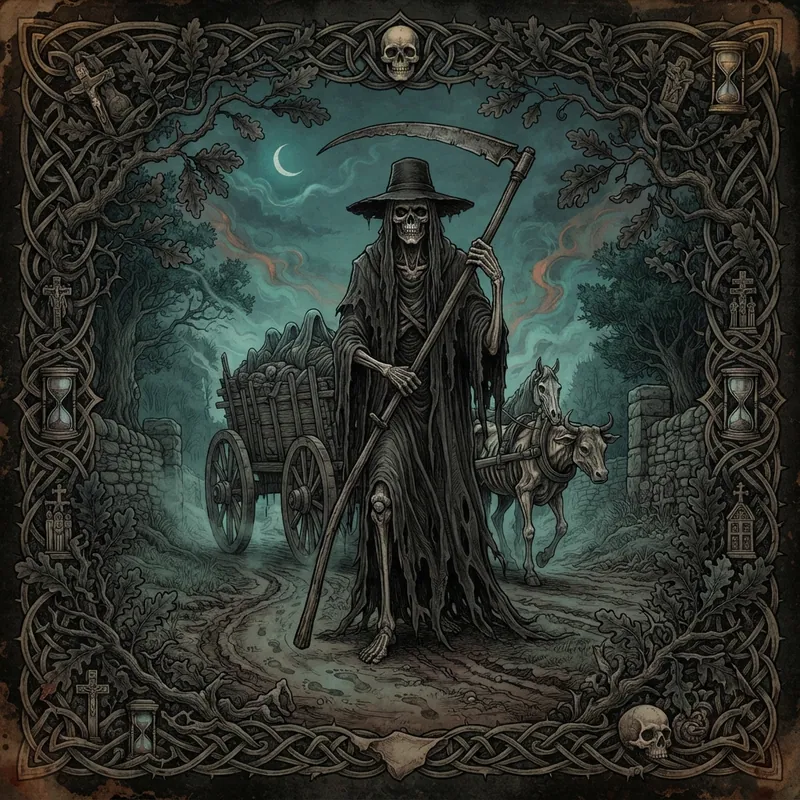
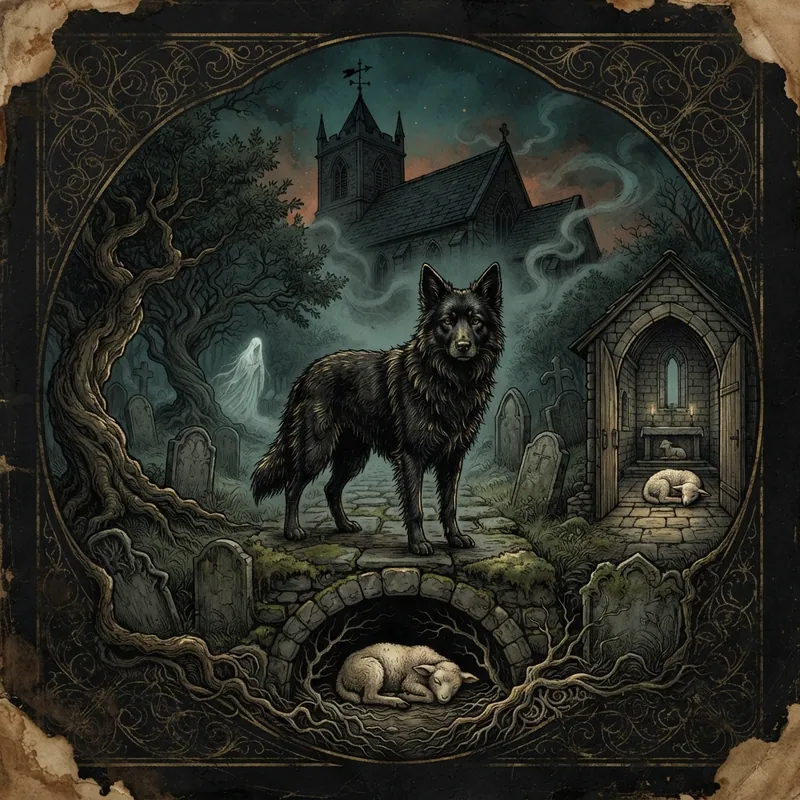
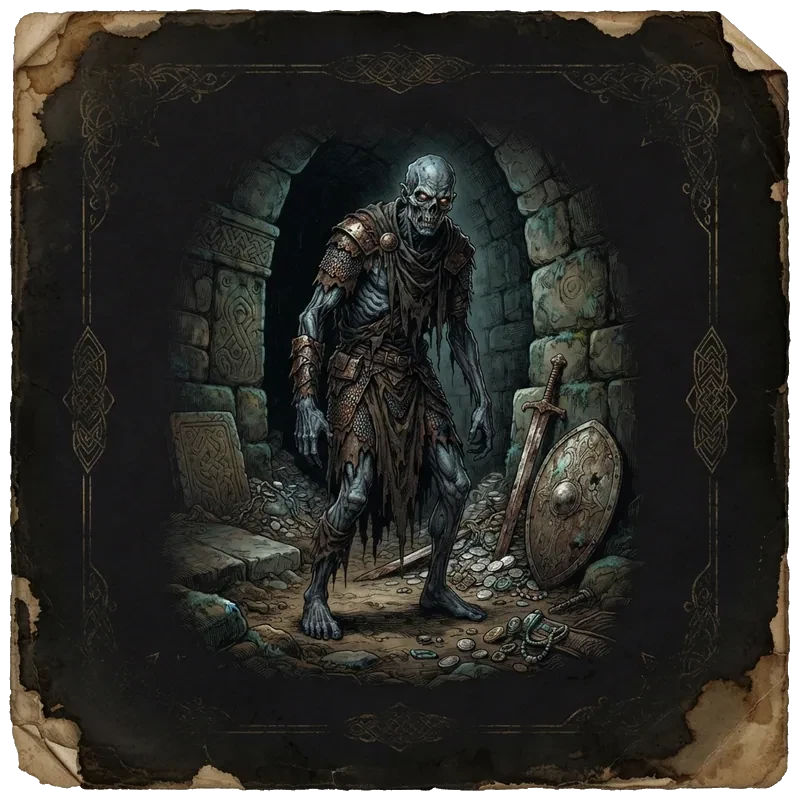
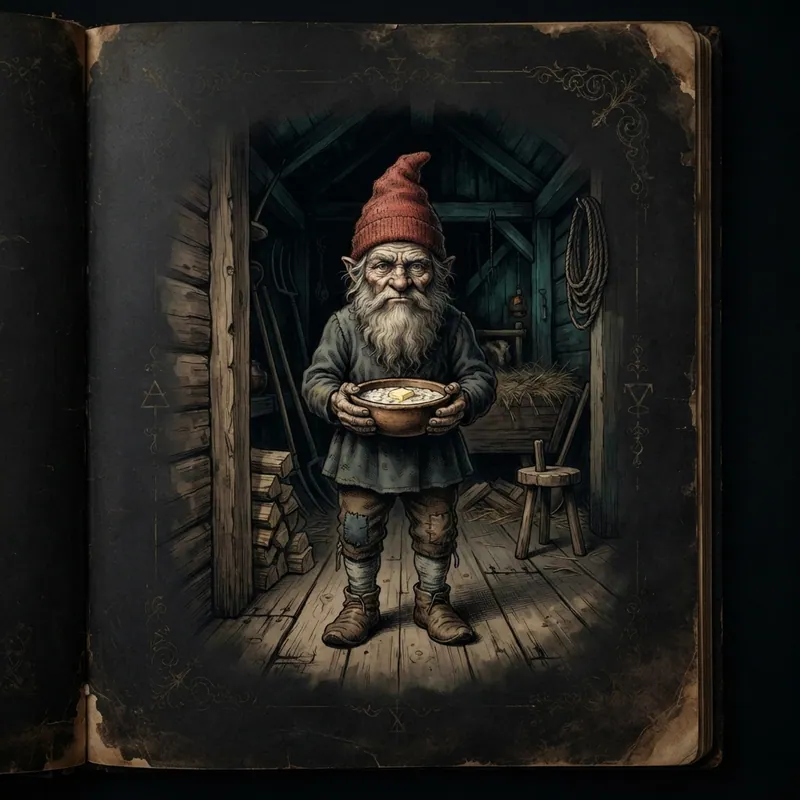
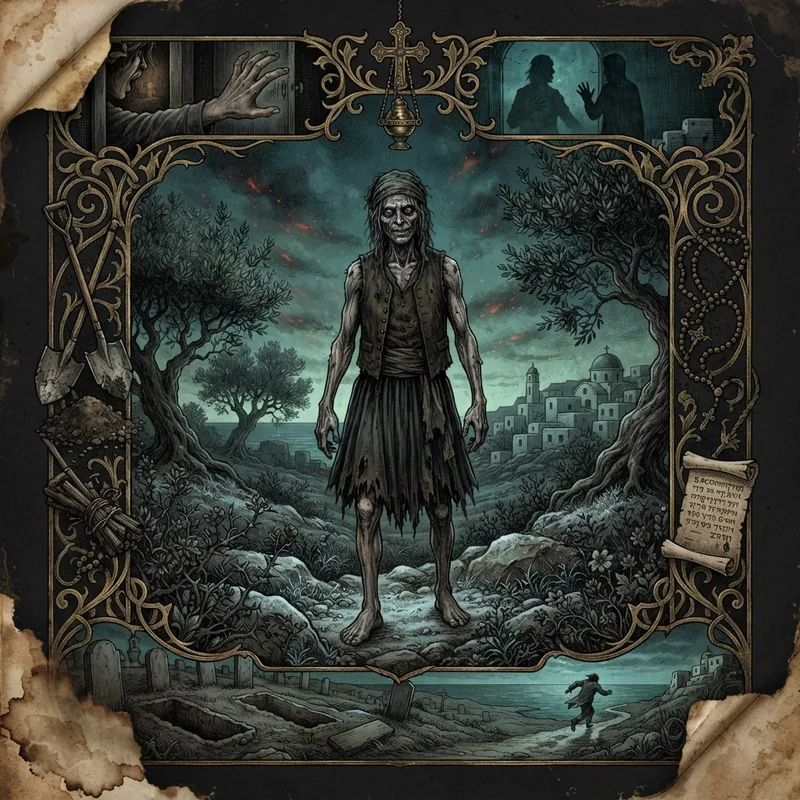
AnkouIn Breton tradition the Ankou is death's worker for a parish, often the last person who died that year, heard in a creaking cart. A herald and companion of the dead, not a murderer for sport.Church grimGuardian spirit of a church and churchyard in English and Scandinavian folklore, often a black dog, sometimes a church-lamb. Protector of consecrated ground, easily confused with omen-dogs such as Black Shuck.DraugrAn animated dead figure of Norse and Icelandic saga tradition, often guarding treasure in a mound and possessing terrible strength. Distinct from later generic zombie imagery.NisseA farm guardian spirit (nisse/tomte) of Nordic tradition who protects the homestead if treated with respect—especially a bowl of porridge at Christmas—and sabotages it if insulted.VrykolakasA Greek Orthodox revenant: a corpse that remains whole and walks because of sin, excommunication, or broken funeral order. The word is Slavic in origin; the being is not Dracula and not a Slavic vampire copy.
 ✧
✧ ⌂
⌂ ✦
✦ ⌂
⌂ ☠
☠Oceania & the Pacific · 4
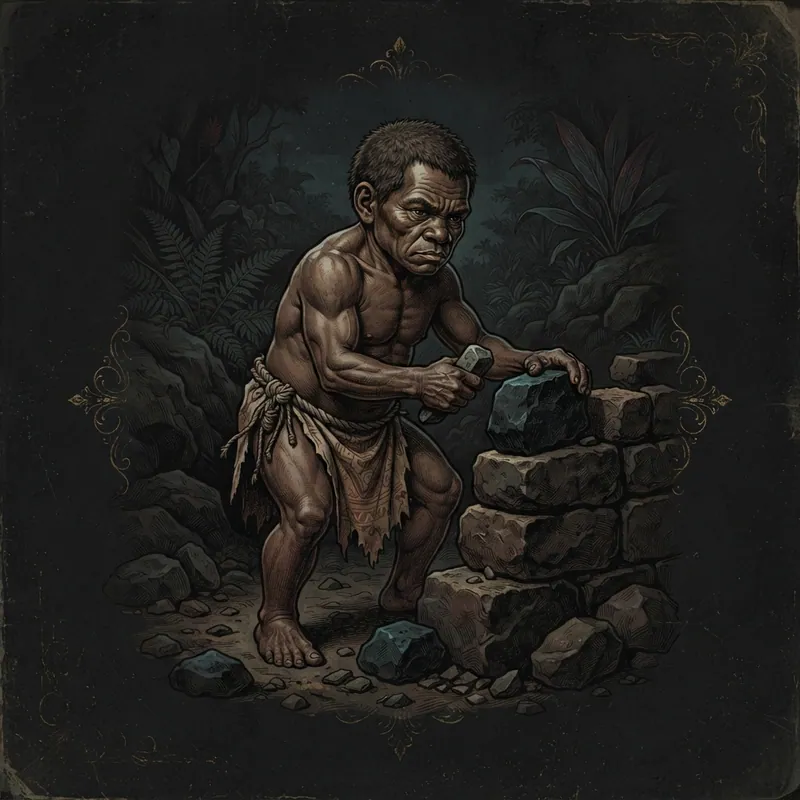
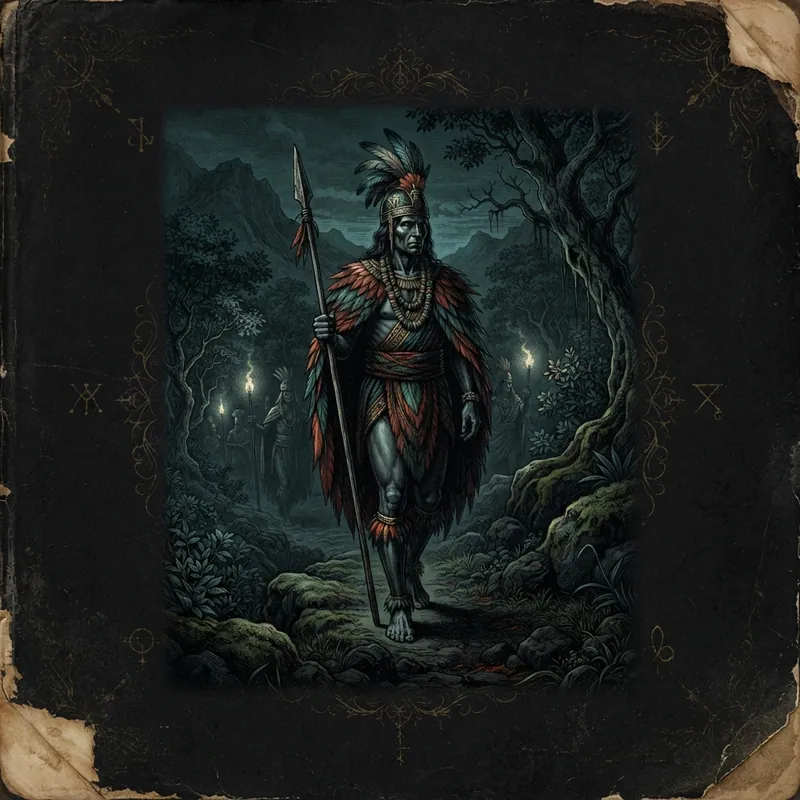
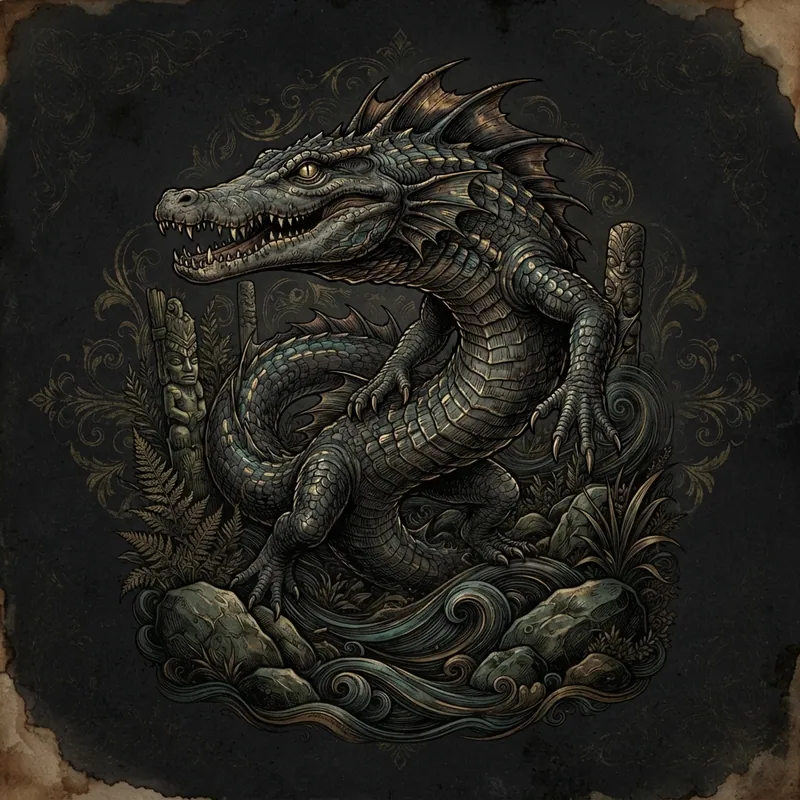
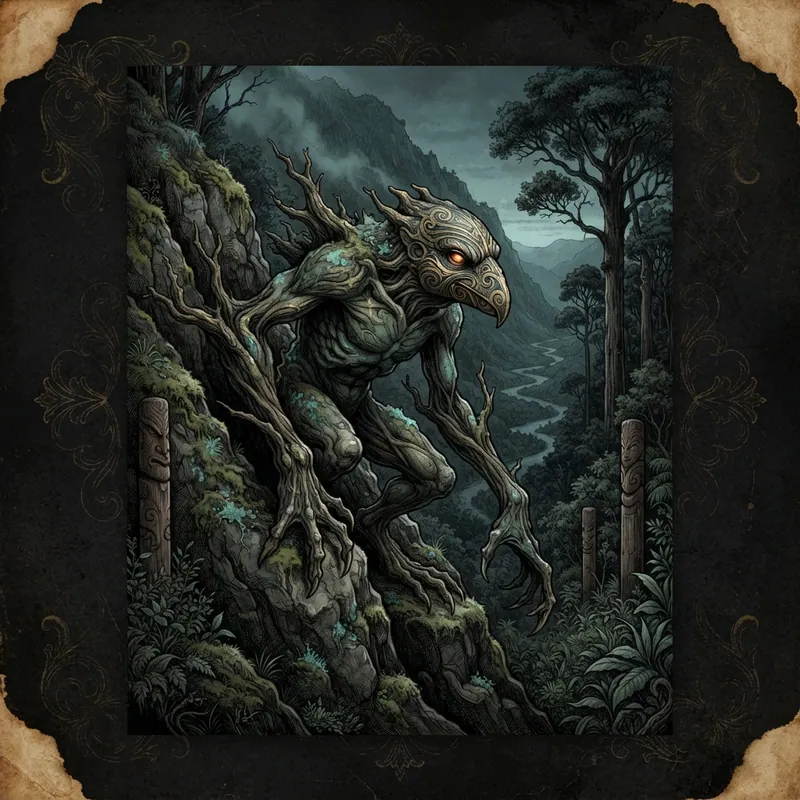
MenehuneSmall night-working people in Hawaiian storytelling credited with prodigious stone construction. Interpretations range from legendary craftspeople to encodings of earlier populations—handle with cultural care.Night MarchersA supernatural procession in Hawaiian storytelling, often treated with serious respect. This entry points outward rather than pretending a living sacred tradition is simply a scare story.TaniwhaTaniwha are powerful beings in Māori traditions, associated with specific places and whakapapa. They may protect, warn, or threaten depending on the story and relationship.TipuaIn Māori tradition, tipua can be supernatural beings or uncanny animated objects and places. Meanings are specific to whakapapa and locale; treat as knowledge, not a catch-all cryptid.
 ⌂
⌂ ☾
☾ ≈
≈ ◎
◎South Asia · 9
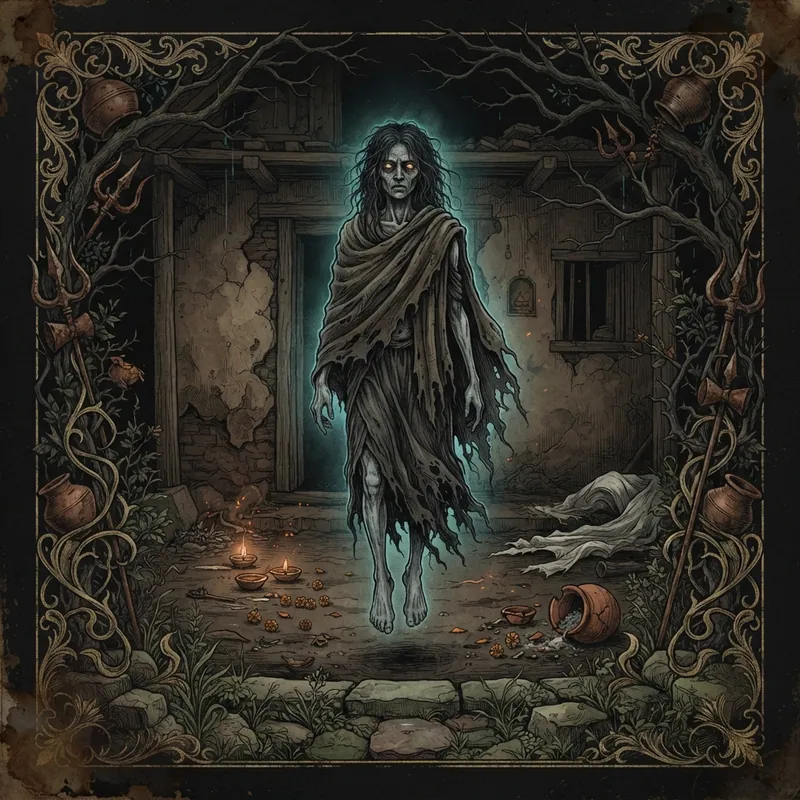
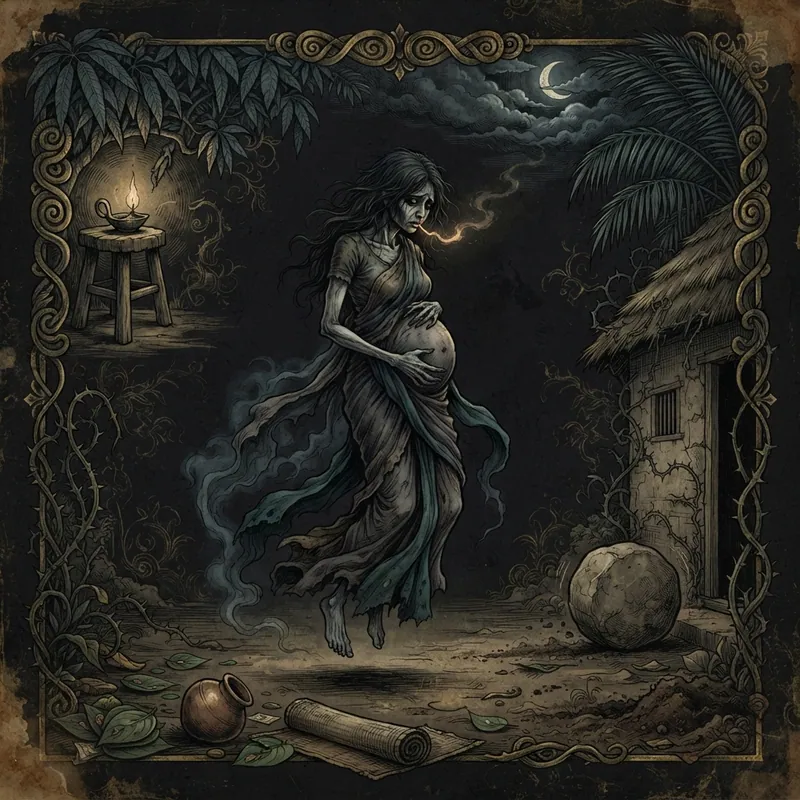
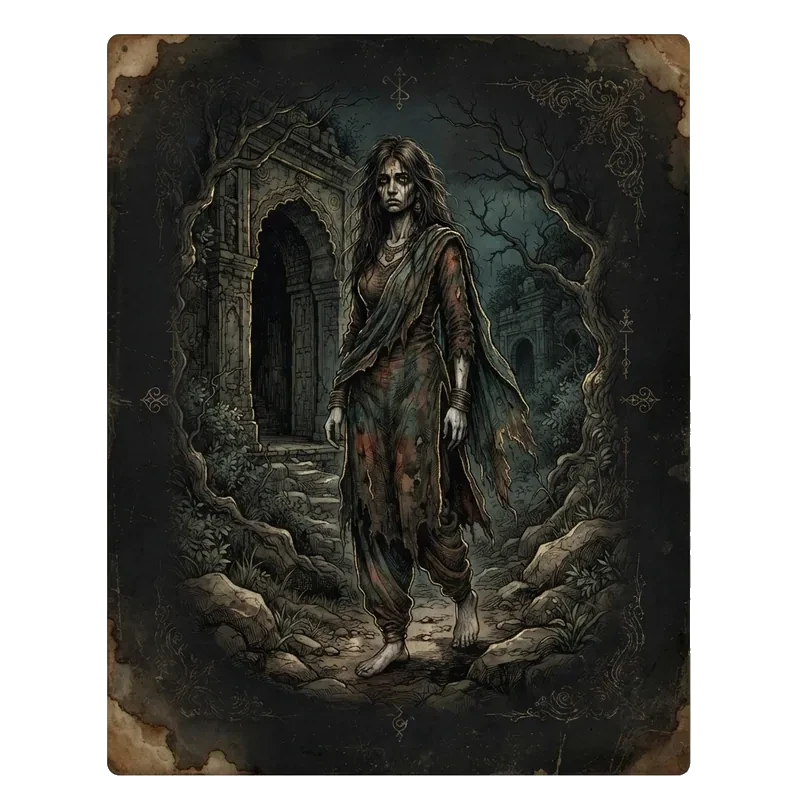
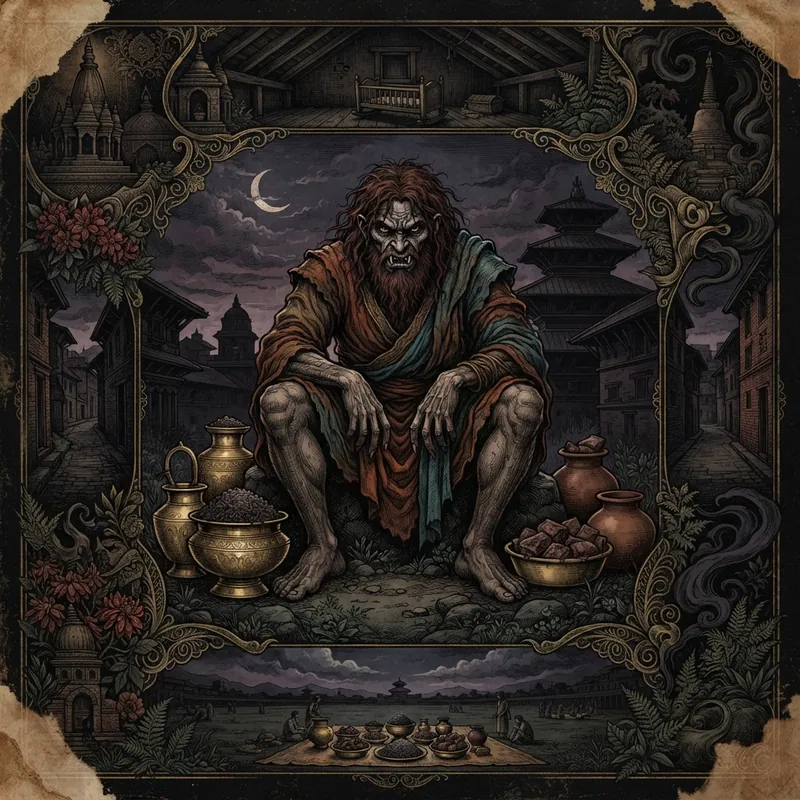
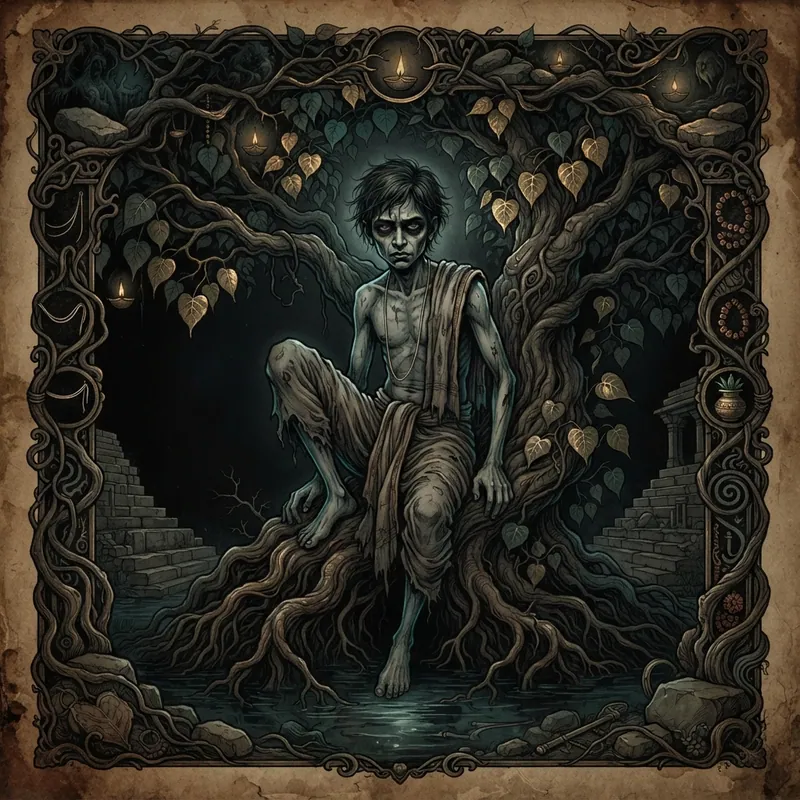
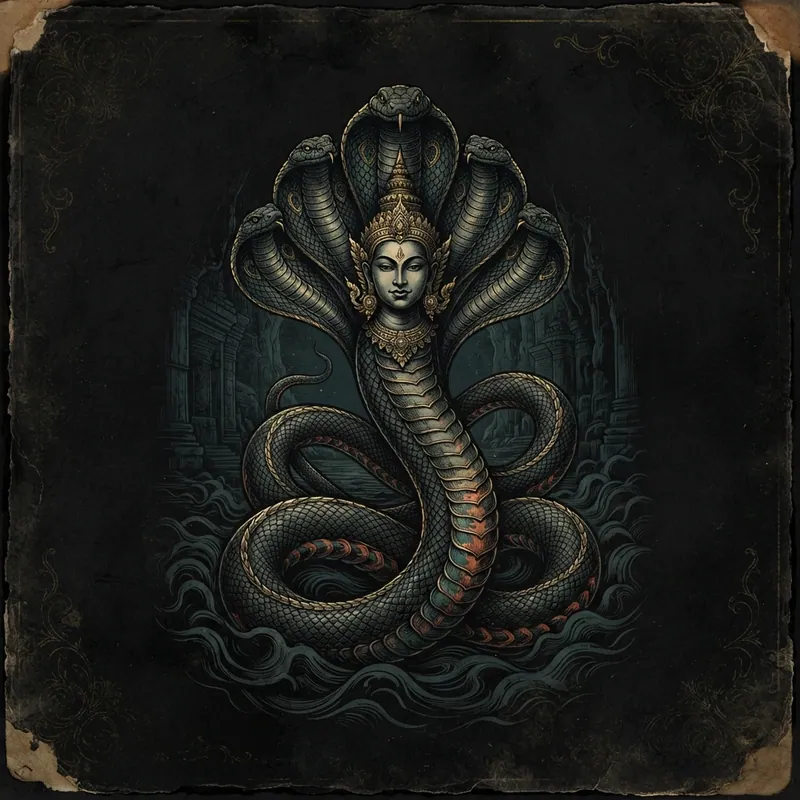
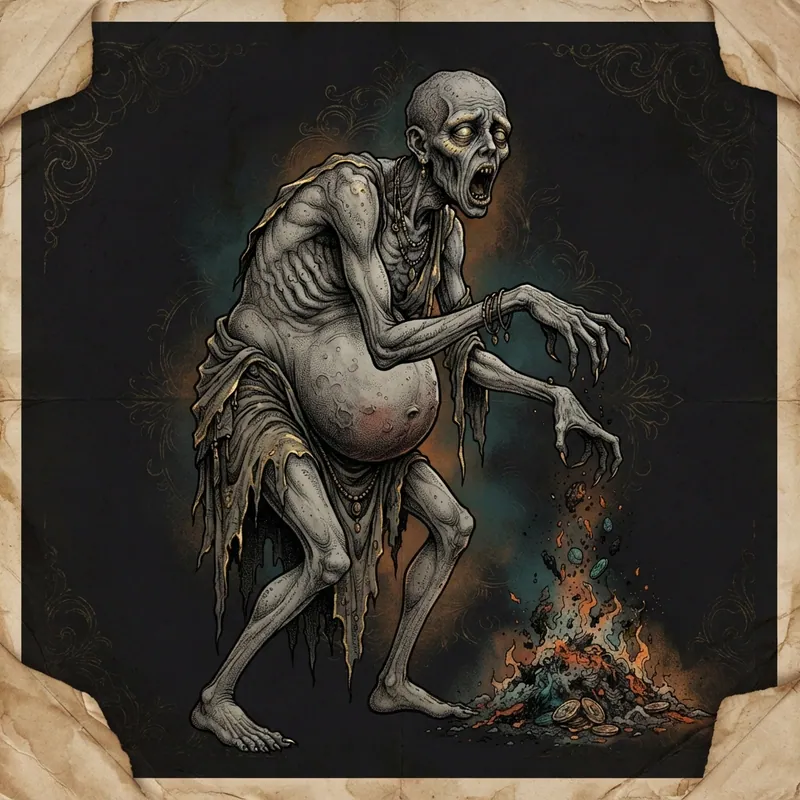
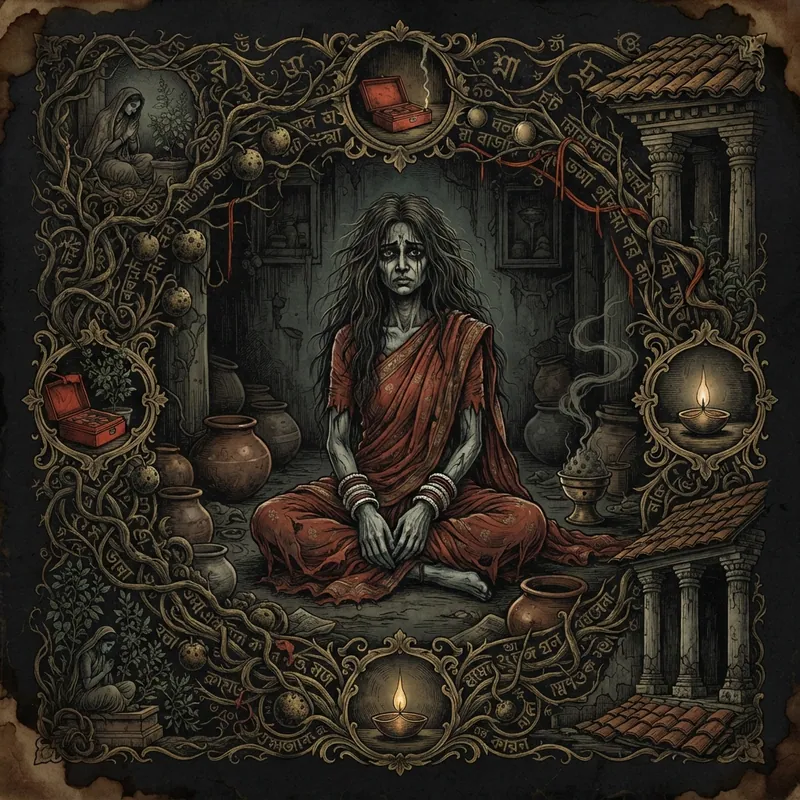
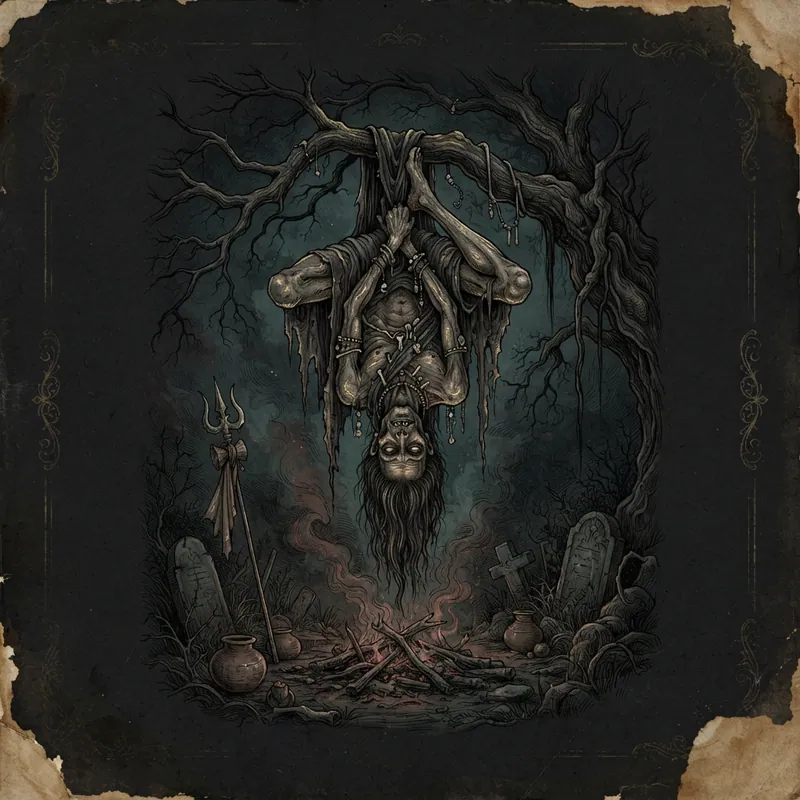
BhūtaA broad South Asian name for a disembodied spirit or restless dead, often linked to violent death or incomplete funeral rites, yet also, in some regions, to honoured local deities and household guardians.BodilimaIn Sinhalese folklore, the spirit of a woman who died in childbirth and was buried with the child still within her. A household and night wailer, related in kind to other South Asian childbirth revenants but locally named bodirima or bodilima.ChurelA female revenant figure in varied South Asian traditions, often linked in stories to injury, injustice, or a death outside the expected order.GurumapaA man-eating giant of Newar legend associated with Itum Bahal in Kathmandu, persuaded to live on Tundikhel in return for an annual feast of rice and buffalo meat.MunjyaIn Maharashtrian and Konkan folklore, the restless spirit of a young Brahmin who dies after the munja (upanayana) but before sod-munja and marriage, often said to dwell in peepal trees or near wells.NāgaSerpent beings spanning South and Southeast Asian sacred storytelling—guardians, kings of underwater realms, and figures of both danger and blessing. Living religious meanings outrank fantasy rankings.PretaHungry ghosts in South Asian religious cosmologies, beings of intense craving and thin satisfaction. Theological and ethical contexts matter more than horror costume.ShakchunniIn Bengali folklore, the spirit of a married Hindu woman who died while her husband still lived, retaining shankha bangles and a fierce attachment to household life. Related to, but not identical with, petni and churel.VetālaA spirit associated with corpses and cremation grounds in Sanskrit and regional storytelling traditions, notably in tales built around riddles and moral dilemmas.
 ◌
◌ ◌
◌ ✦
✦ ☾
☾ ✦
✦ ≈
≈ ✦
✦ ✦
✦ ✦
✦The Americas · 2
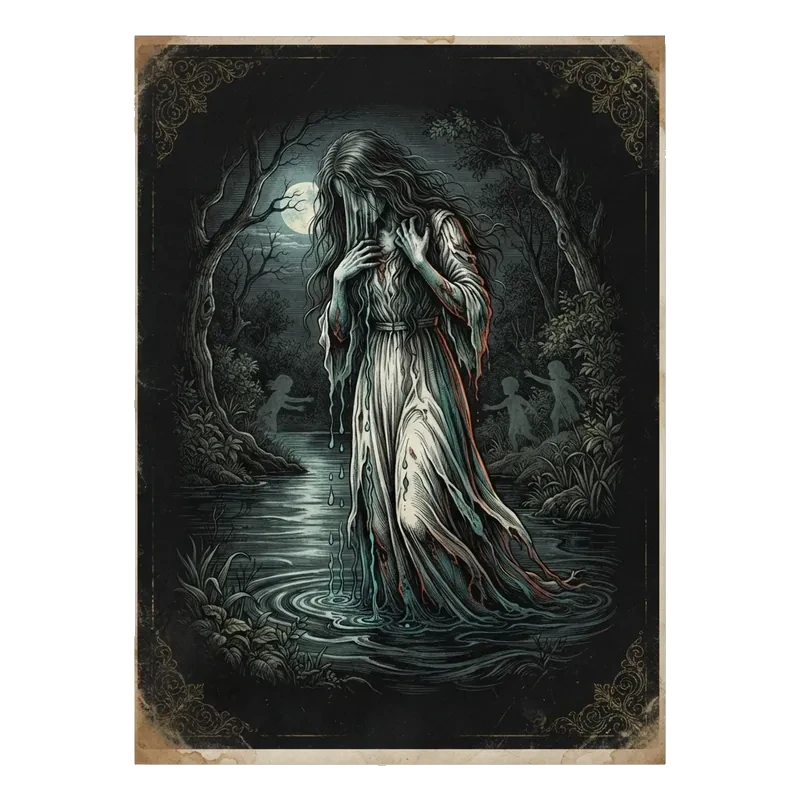
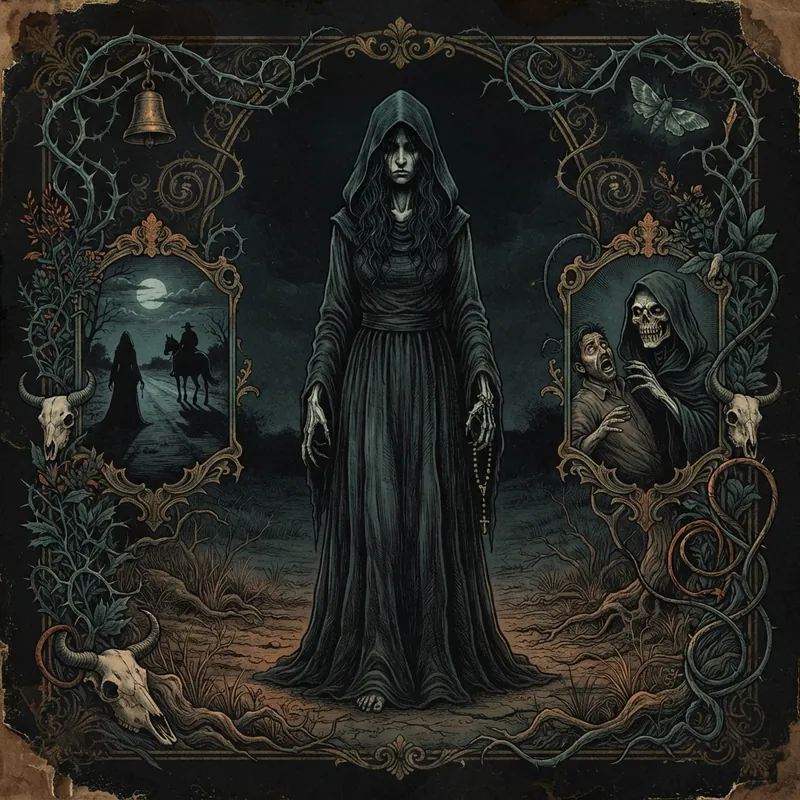
La LloronaA weeping figure whose story travels through Mexico, Latin America, and Spanish-speaking communities in the United States. Her appearance, origin, and meaning differ sharply from place to place.La SayonaA vengeful revenant of the Venezuelan Llanos who hunts unfaithful and roving men. Named for the sayal, her long tunic, or from sayón, the punisher. Related in the plains to El Silbón; not La Llorona.
 ✦
✦ ✦
✦