THE CONCORDANCE
Blessed objects
26 records across 25 traditions carry this current.
Africa & the Middle East · 7
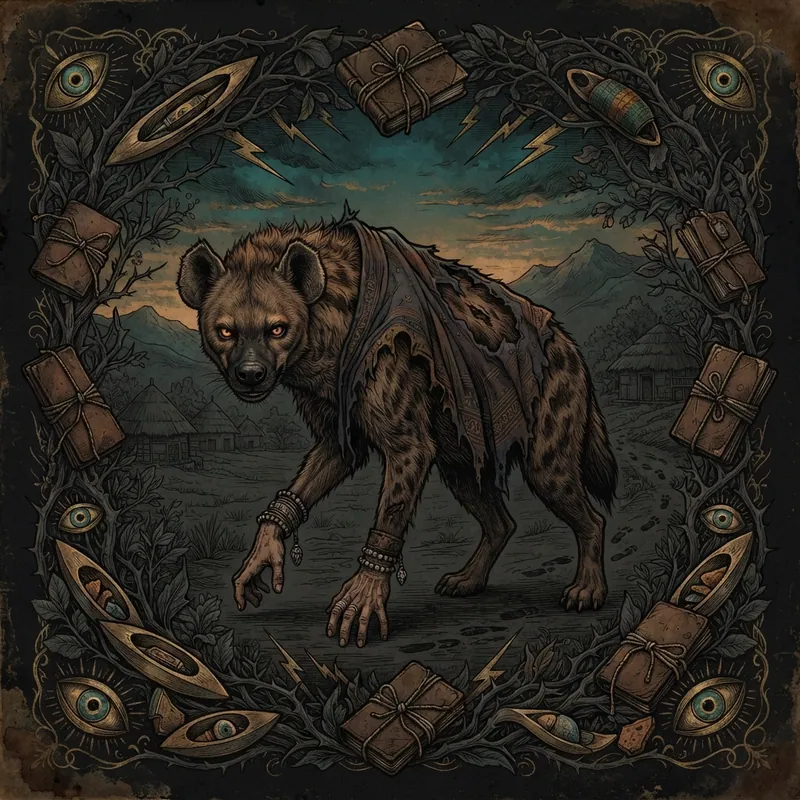
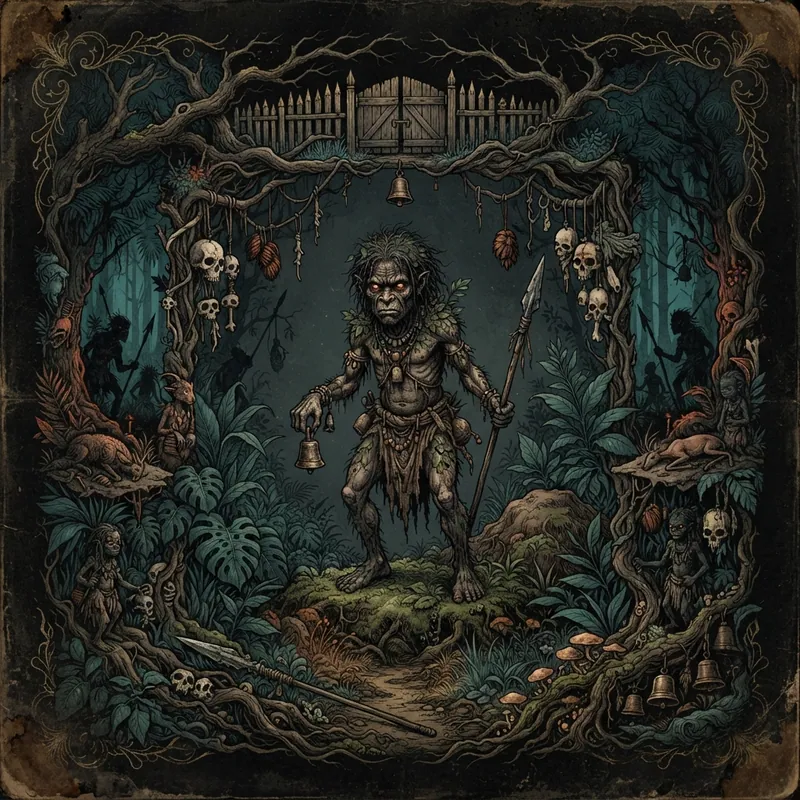
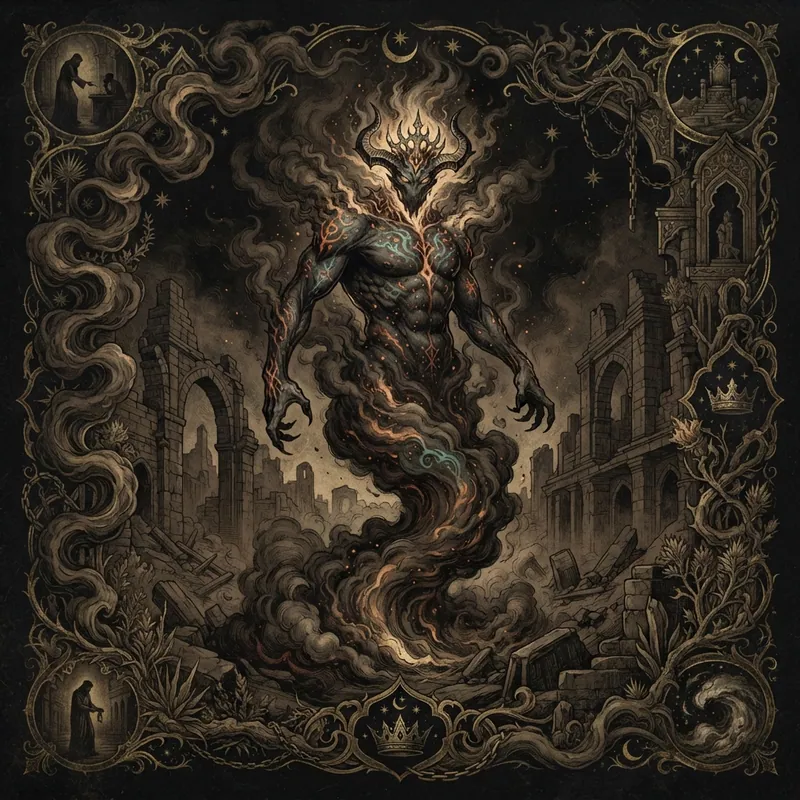
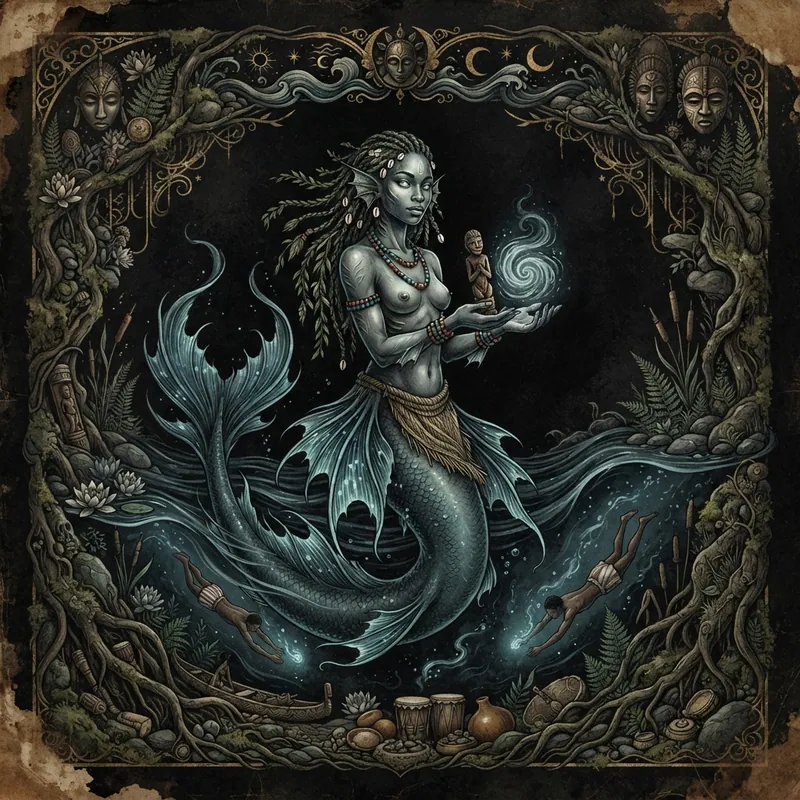
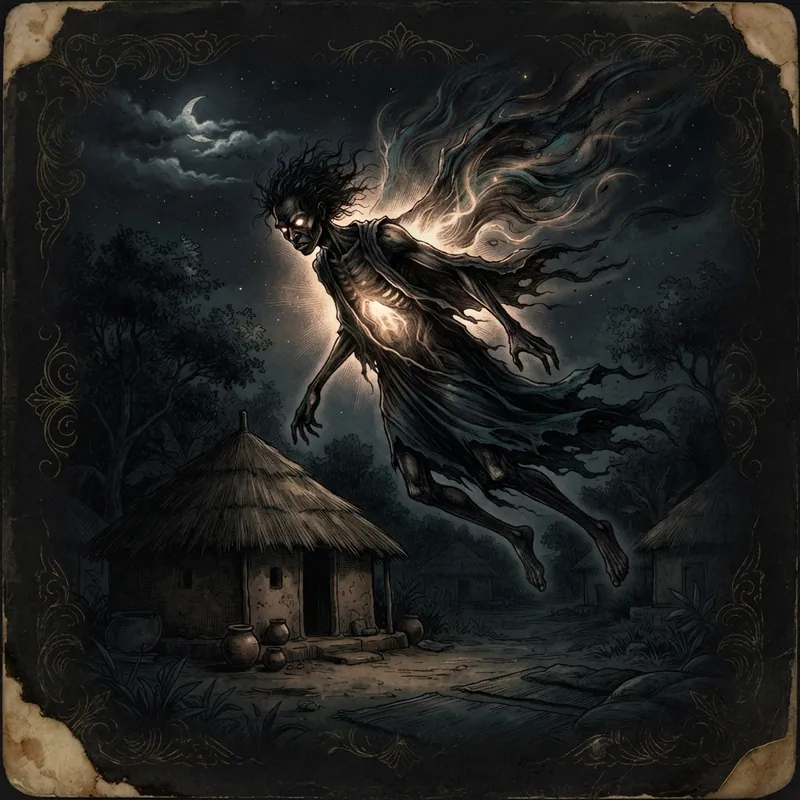
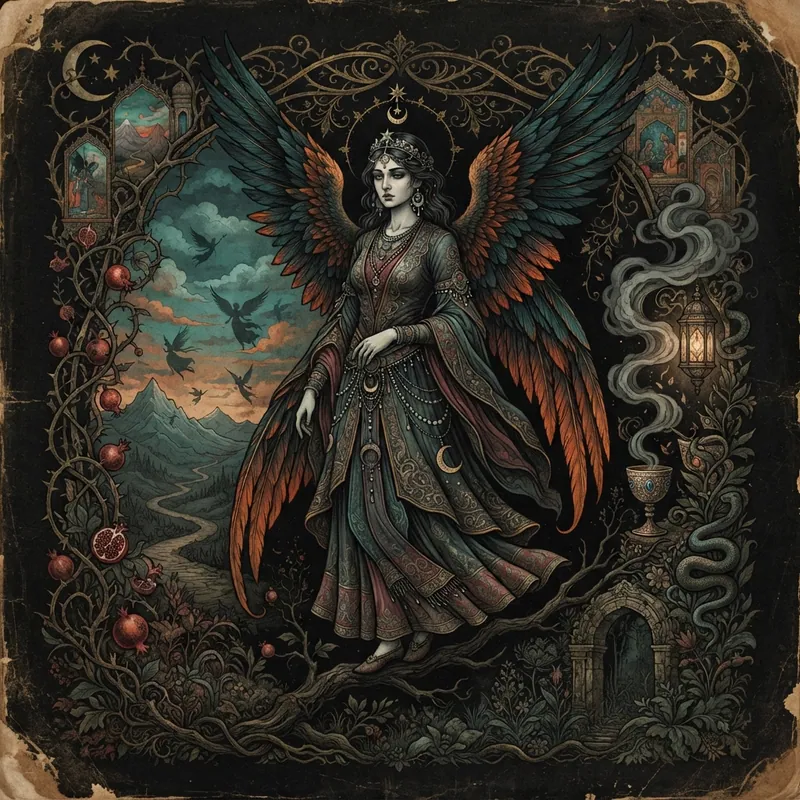
BudaIn Ethiopian and Eritrean speech, buda names the evil eye and the power, often inherited, to harm by looking and to become a hyena. It is a living social-religious complex bound to artisanship and outsider status, not a werewolf dossier and not a licence to accuse.ElokoAmong the Mongo-Nkundo of the Congo basin, an eloko (plural biloko) is a small, fierce forest being, often spoken of as an ancestral spirit that guards game and fruit and hunts the living. Tales warn of a little bell that casts a spell on anyone who answers it.IfritIn Islamic scripture the word ʿifrīt appears once, as “an ifrit of the jinn,” an epithet of a powerful, rebellious being. Later folklore turned ifrit into a class of formidable jinn, often of smoke and ruin, morally capable of belief or unbelief. Distinct from the wider category already archived as Jinn.JenguAmong the Sawa peoples of coastal Cameroon, a jengu (plural miengu; Bakweri liengu) is a water spirit of river, estuary, and sea. Living cults honour miengu as healers, fortune-bringers, and intermediaries with the ancestors, especially in the Duala Ngondo rites on the Wouri.ObayifoA witchcraft being in Akan belief, sometimes described as leaving the body as a glowing light to harm others at night. Treat as part of living cosmologies of harm and protection, not a cartoon vampire.PeriThe Persian parī (peri) descends from Avestan pairikā, female demonic beings of the old religion, and in later folklore becomes a winged, often beautiful people of tales—ambivalent, organised like humans, and not the same as jinn even when the words blur.QareenA qareen (qarīn) is, in Islamic tradition, the constant companion assigned to a human—often a jinn who whispers toward evil, though some authorities also name an angelic counterpart. Folklore sometimes makes it a jealous double. Distinct from the wider class archived as Jinn.
 ◎
◎ ♧
♧ ⛧
⛧ ≈
≈ ☾
☾ ❋
❋ ❖
❖Asia & the Isles · 5
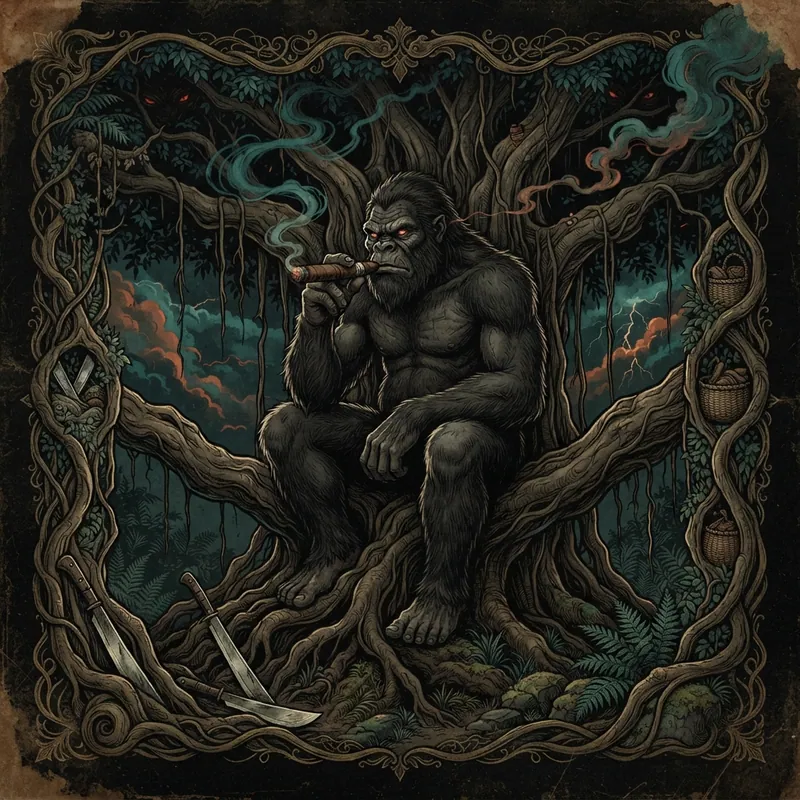
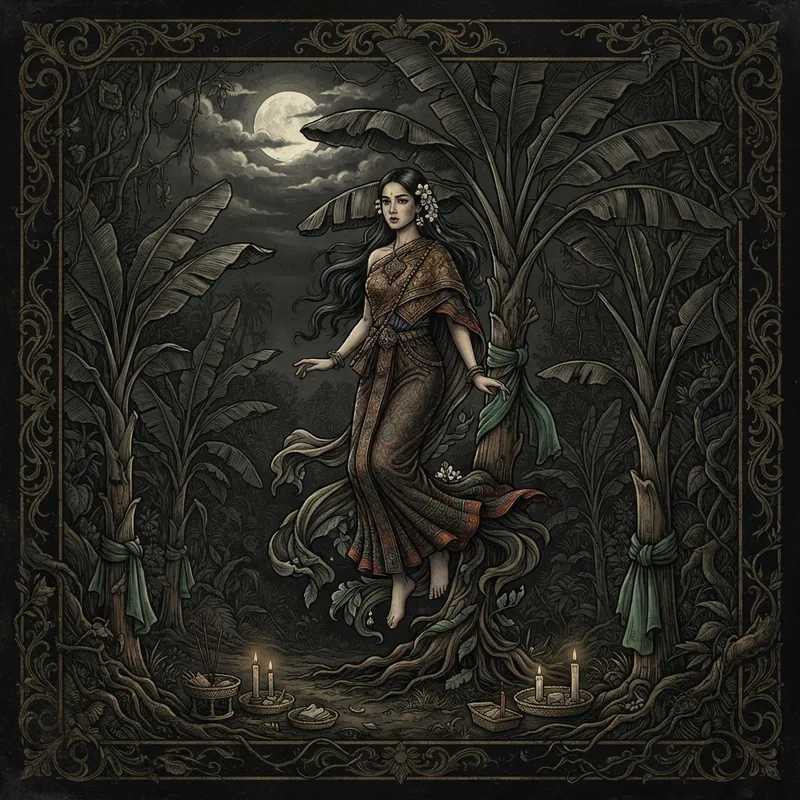
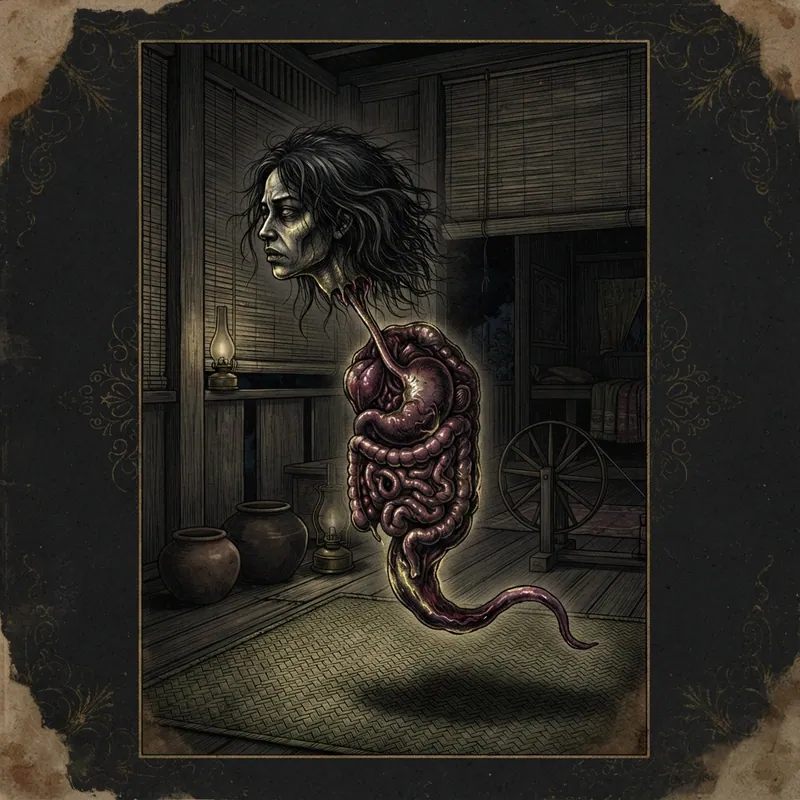
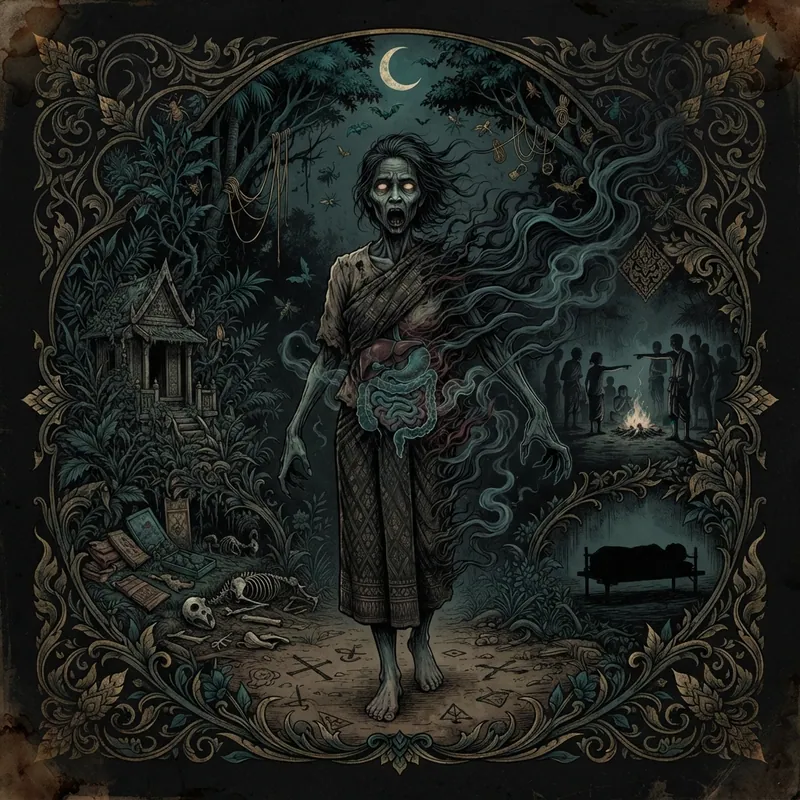
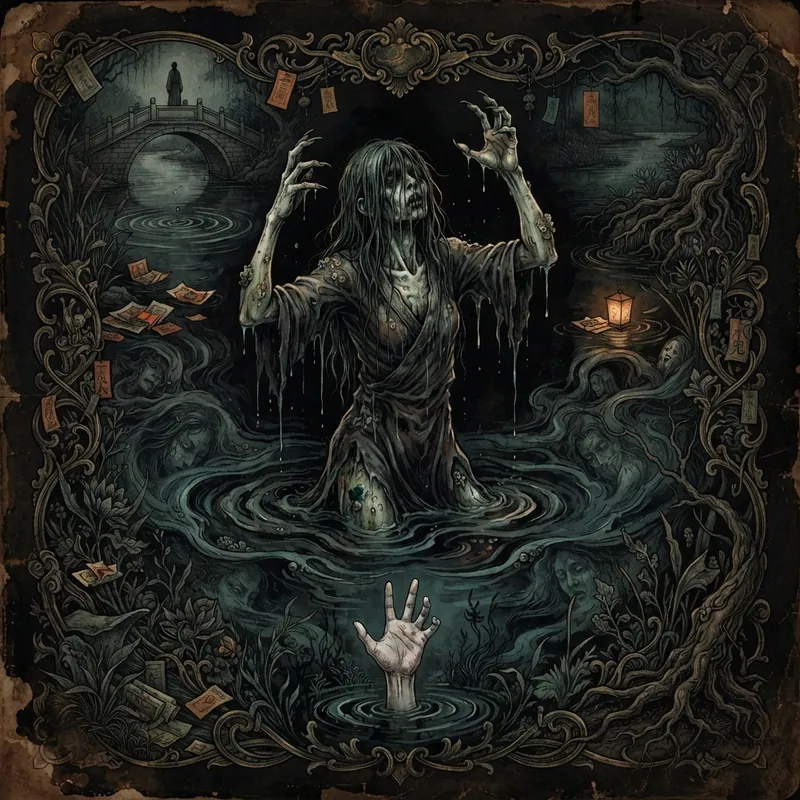
KapreA tall, dark, hairy tree-dweller of Philippine folklore, often seen smoking in acacia, mango, bamboo, or balete. Mischief more than murder, unless the tree is cut.Nang TaniA Thai lady of the wood who inhabits clumps of wild kluai tani banana. Related to, but not the same as, Malay pontianak banana-grove motifs. Offerings and cloth on the trunk keep her favour.PenanggalanA Malay nocturnal being, often a midwife or woman practicing dark arts, whose head and entrails detach to hunt. Related to but distinct from the Philippine manananggal.Phi PopA ravenous possessing spirit of ethnic Lao belief in Laos, Isan, and nearby regions. It uses a human host to eat internal organs. Communities may exile the accused; some Lao villages specialise in receiving them.Shui GuiThe water ghost of Chinese folk belief: the spirit of someone who drowned, lingering at that place and, in many accounts, seeking a living substitute so it may leave the water.
 ♧
♧ ♧
♧ ☾
☾ ❖
❖ ✦
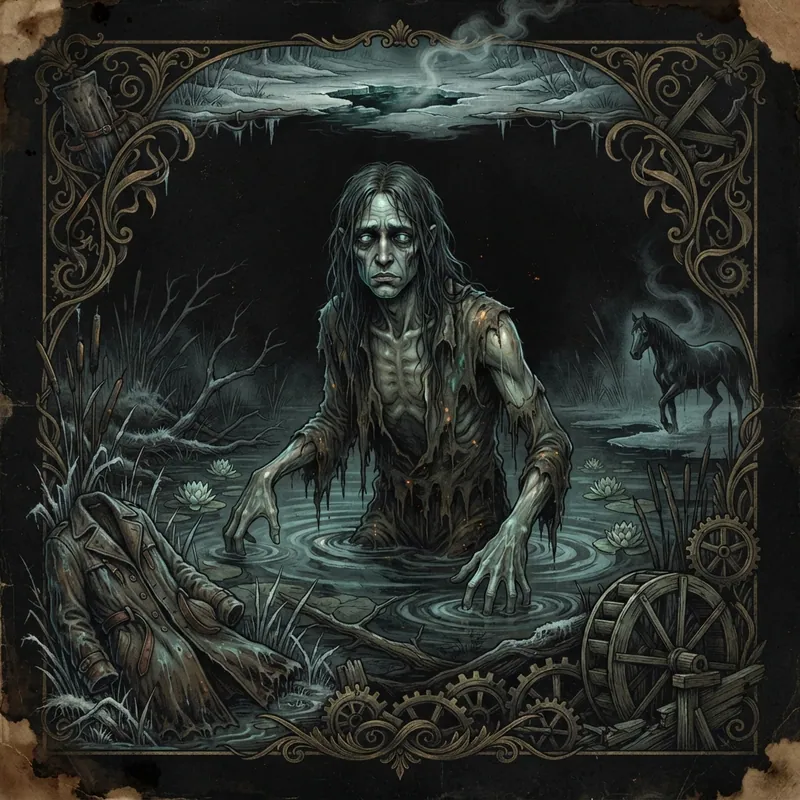
✦Eastern Europe · 1
 ✦
✦Europe & the North · 2
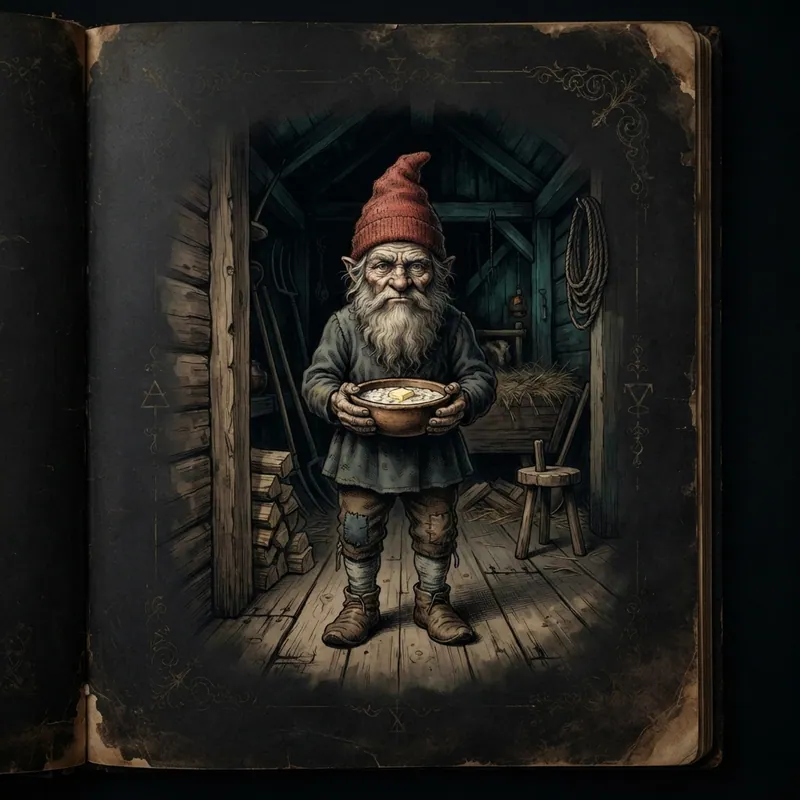
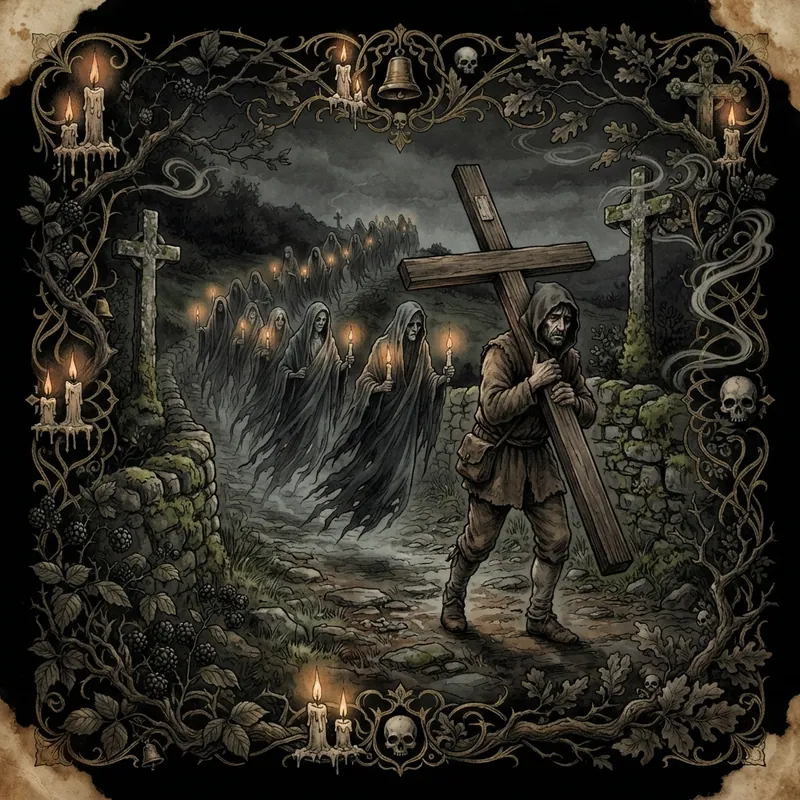
NisseA farm guardian spirit (nisse/tomte) of Nordic tradition who protects the homestead if treated with respect—especially a bowl of porridge at Christmas—and sabotages it if insulted.Santa CompañaIn Galician tradition the Santa Compaña is a nocturnal procession of the dead along parish paths, often led by a living person with a cross or holy water. For some it remains a living folk belief, not a discarded ghost story.
 ⌂
⌂ ✧
✧South Asia · 6
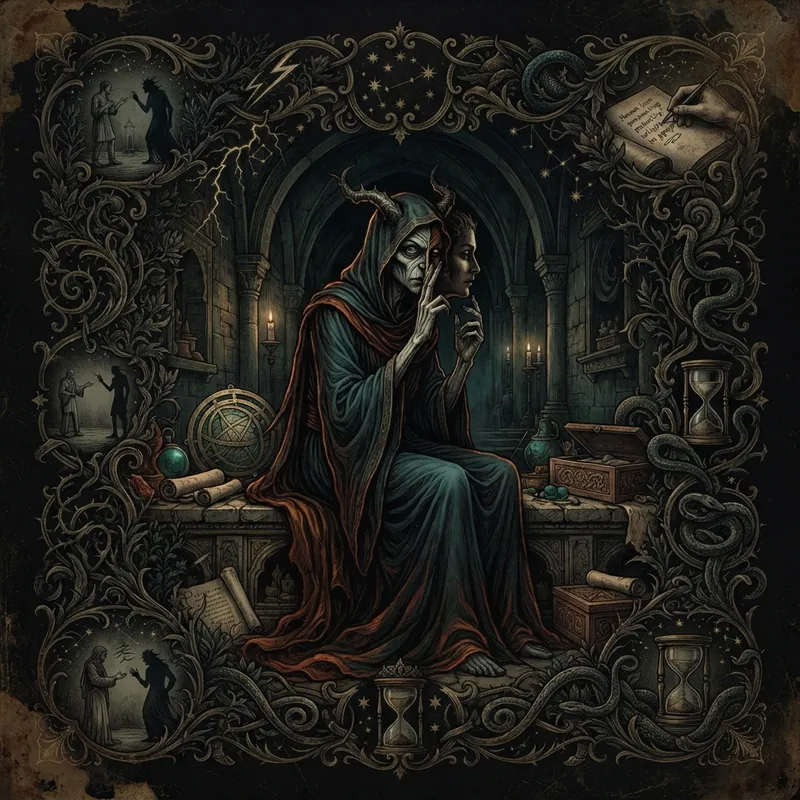
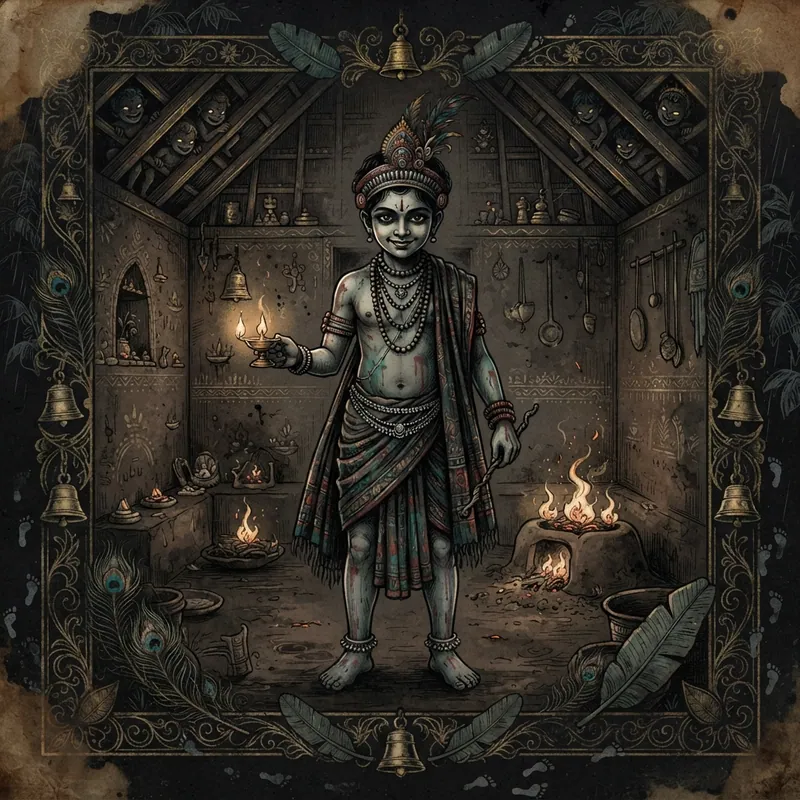
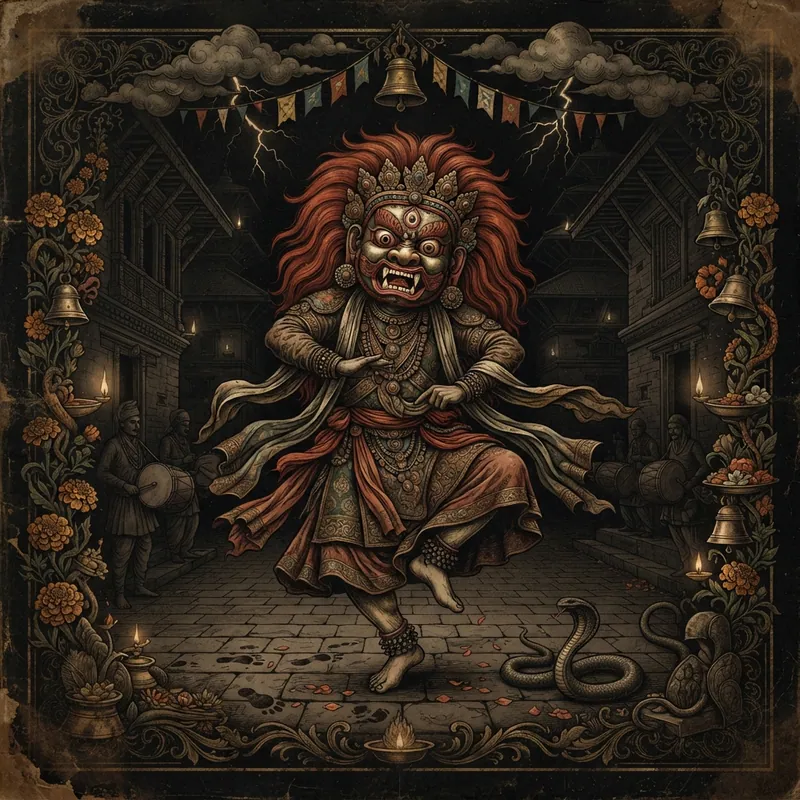
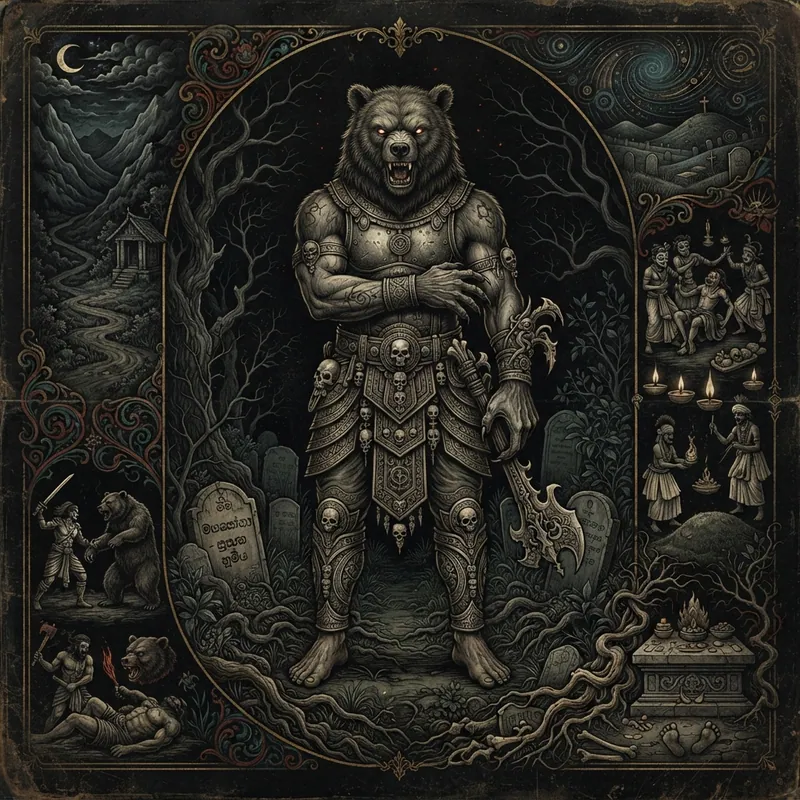
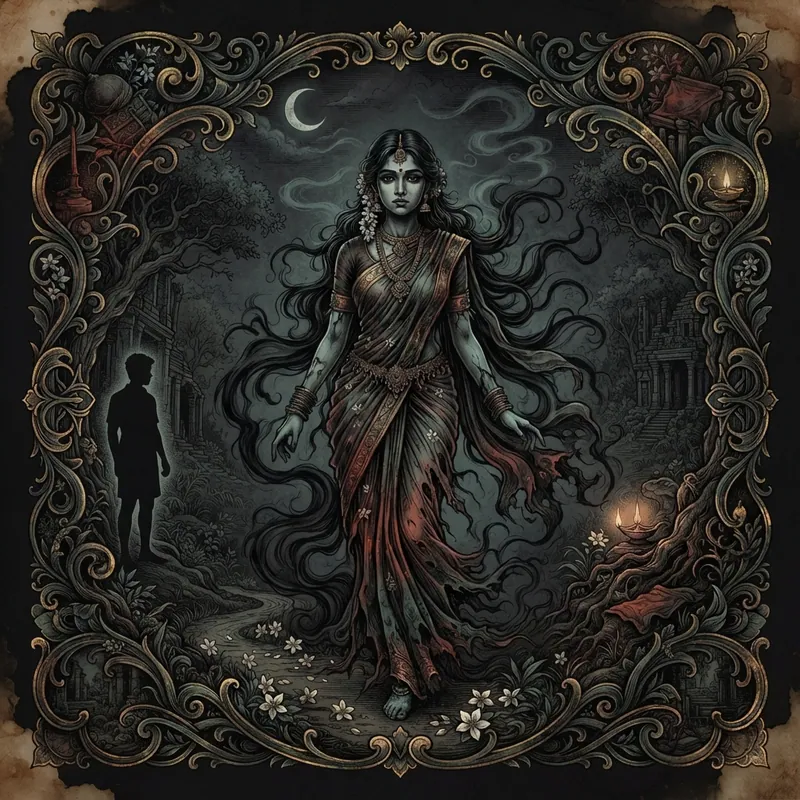
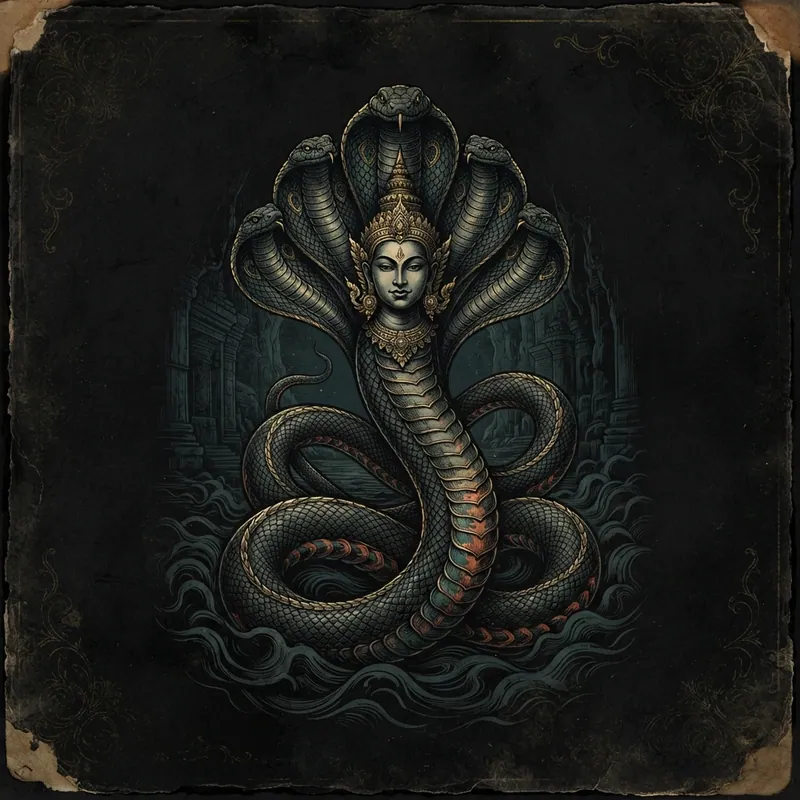
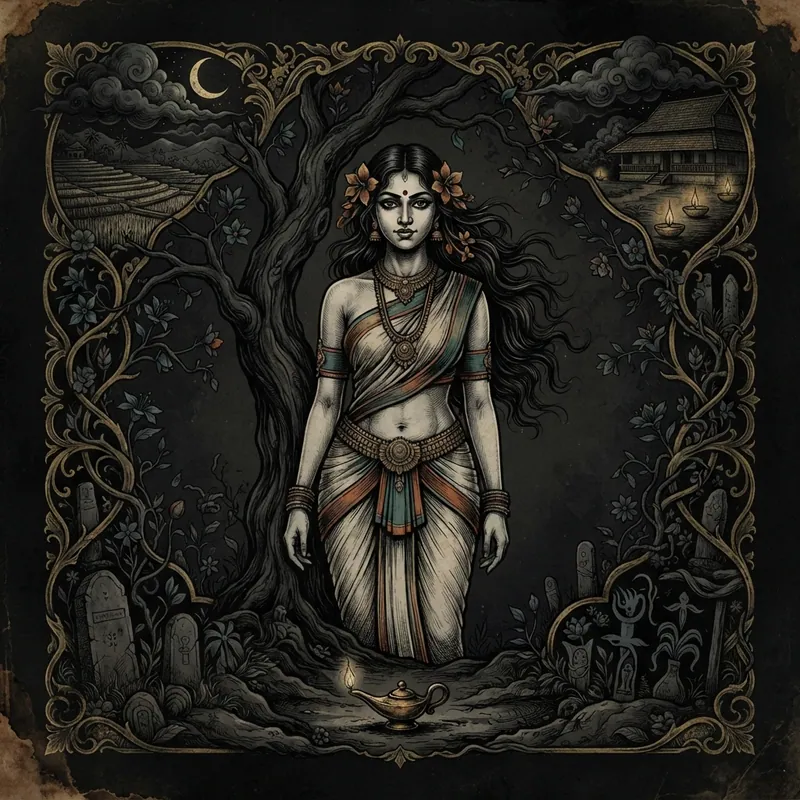
KuttichathanA guardian trickster of Malabar Hindu folklore, often shown as a boy — Kuttichathan or Sasthappan — honoured in Theyyam and in Vishnumaya worship. Maya, mischief, and protection travel together; he is not a cartoon imp.LakheyA ferocious being of Newar folklore in Nepal's Kathmandu Valley, known above all through living masked dance. Majipa Lakhey is worshipped as a protector during Indra Jatra; the mask tradition is not a generic demon dossier.MahasonaThe great cemetery demon of Sinhalese folklore, Maha Sohona or Mahasona, a yakka of graveyard, hill, and crossroads, met in healing rites as well as in origin legends of a warrior given a bear's head.MohiniIn Tamil folklore, Mohini names a seductive pey who possesses young men. This is not the Hindu goddess Mohini, Vishnu's enchanting avatar; the shared name is a common noun of delusion applied to a restless female dead.NāgaSerpent beings spanning South and Southeast Asian sacred storytelling—guardians, kings of underwater realms, and figures of both danger and blessing. Living religious meanings outrank fantasy rankings.YakshiIn Kerala nocturnal folklore, a yakshi may appear as a beautiful woman of the night road who lures travellers; this is not the same figure as the auspicious yakṣī of temple sculpture, nor as yaksha beings more broadly.
 ☿
☿ ♧
♧ ☾
☾ ◎
◎ ≈
≈ ◎
◎The Americas · 5
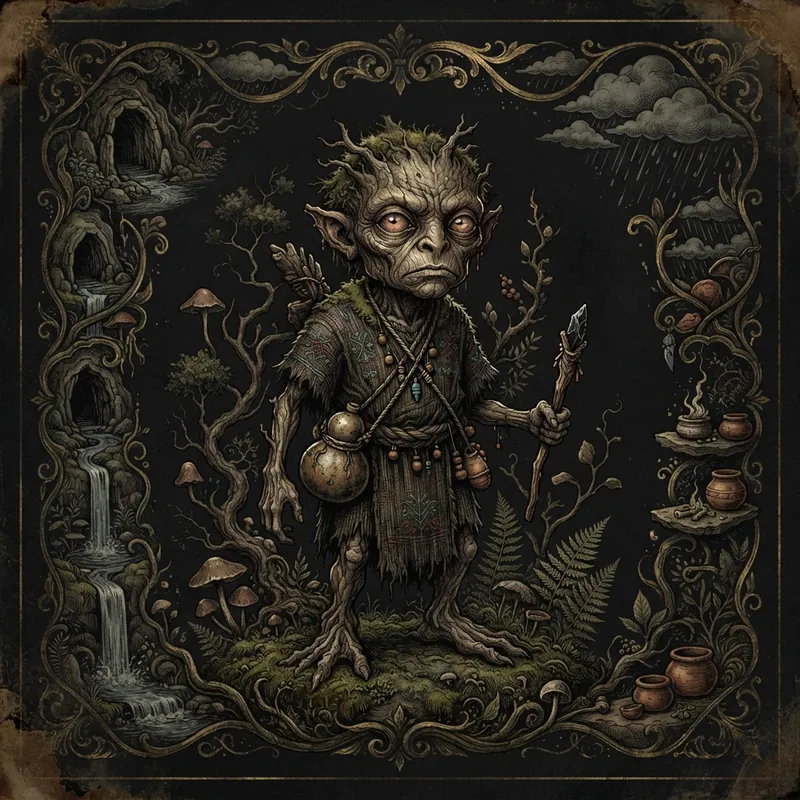
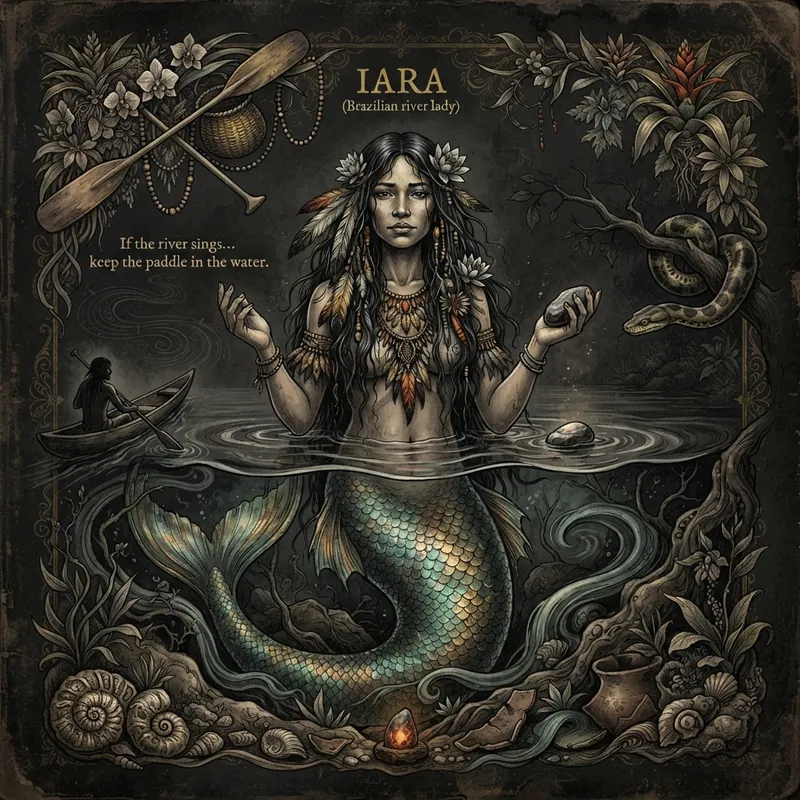
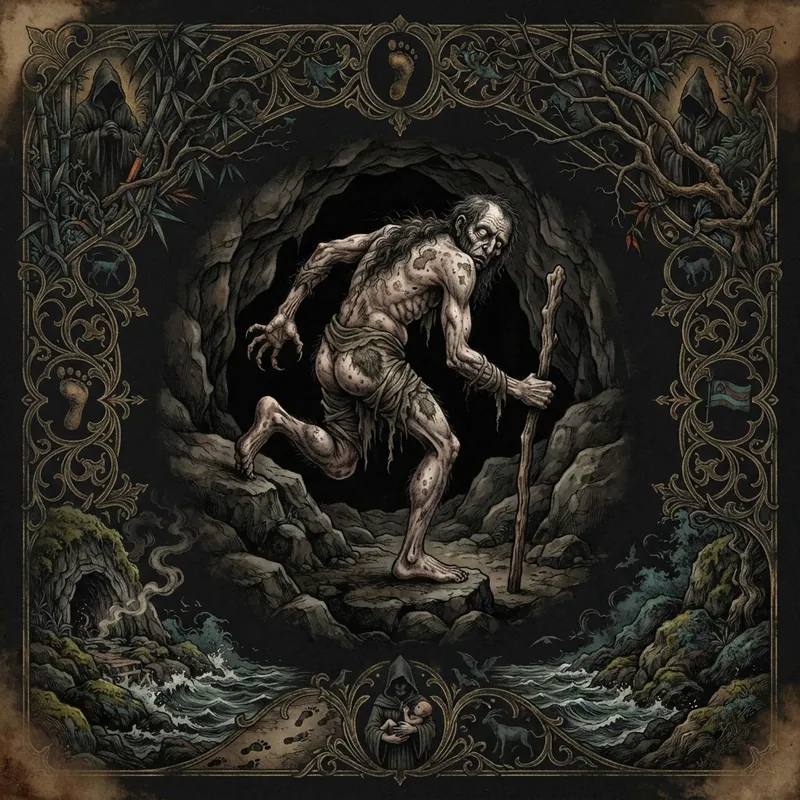
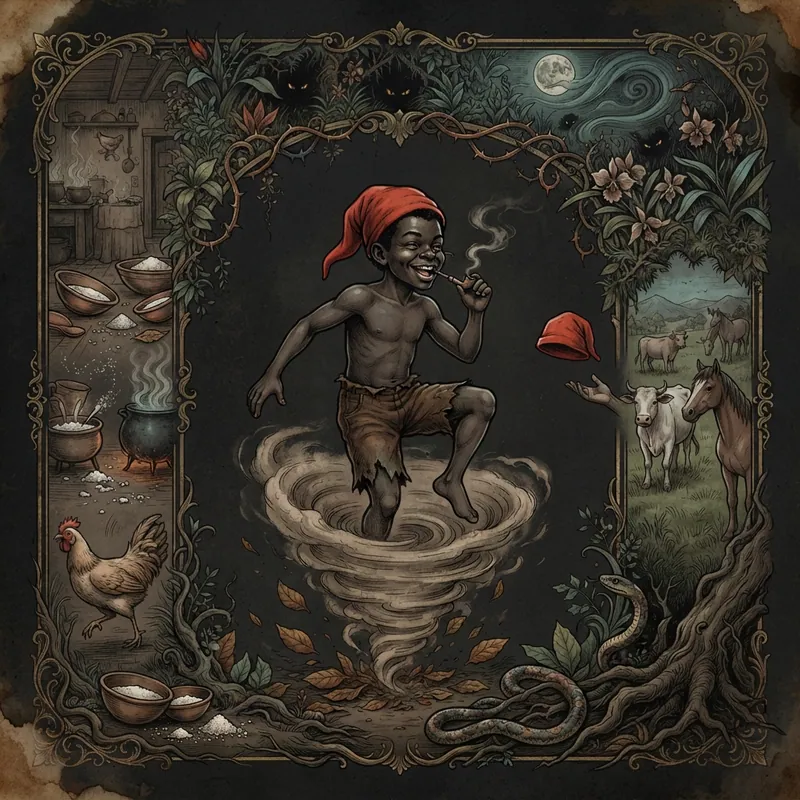
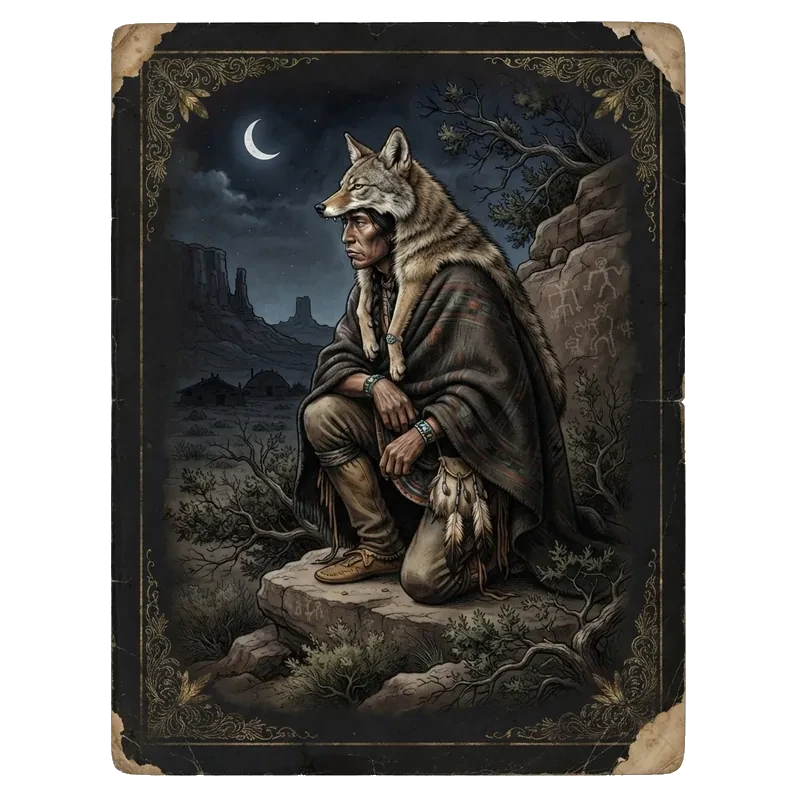
ChanequeNahua and Mexican forest householders — chanehqueh, owners of the place — small guardians of woods, water, and caves. Related in role to Maya aluxob but Mexican in language and cosmology. Living belief in several regions, not a vanished Aztec mascot.IaraBrazil’s river lady: Iara or Uiara, from nheengatu y + iara, mistress of the waters. A nineteenth-century Amazonian synthesis of Indigenous water-owner, European mermaid, and later Iemanjá talk — not a colonial-era mermaid already sitting in every Tupi village.InvuncheIn Chiloé lore, the imbunche or invunche is a stolen or sold first-born, reshaped by island brujos into the mute, twisted porter of the witches’ cave. Distinctly Chilote — tied to the Recta Provincia and caves such as Quicaví — not a mainland ghost.Saci-pererêBrazil’s one-legged trickster: a Black boy in a red cap, pipe in mouth, riding dust-devils, switching salt and sugar, freeing livestock. A syncretic Tupi, African, and Portuguese figure, not a single Indigenous demon and not a cute mascot only.Skin-walker (yee naaldlooshii)Among the Diné, stories of skin-walkers belong to a living, sensitive witchcraft complex. Outsiders’ horror media often appropriates and flattens them. This archive points to respect and community authority rather than a monster dossier.
 ♧
♧ ≈
≈ ❖
❖ ☿
☿ ◎
◎