THE CONCORDANCE
Whispering woods
Forest that swallows sound and travellers.
Africa & the Middle East · 10
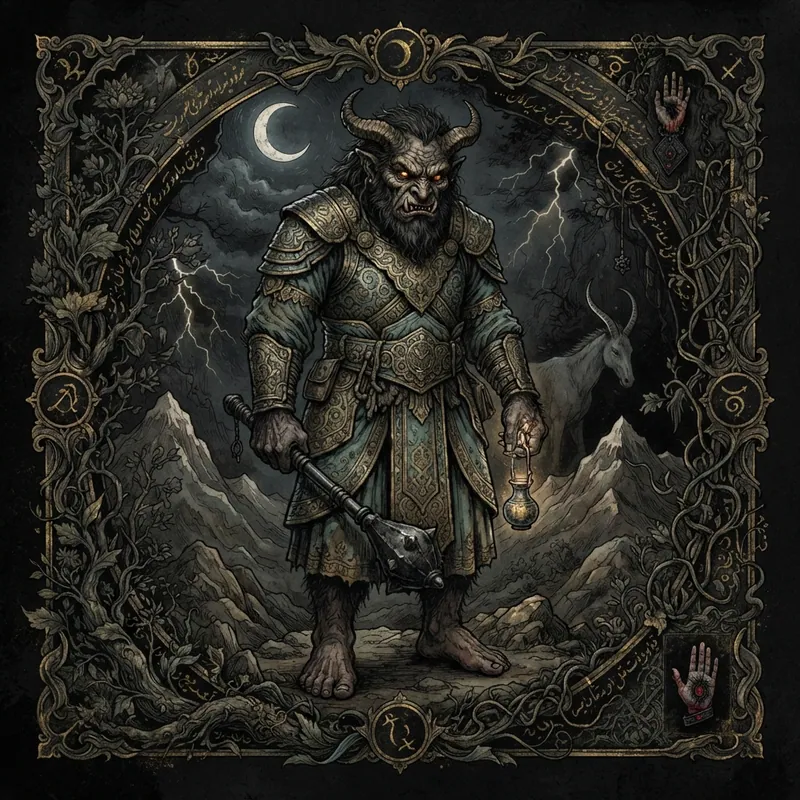
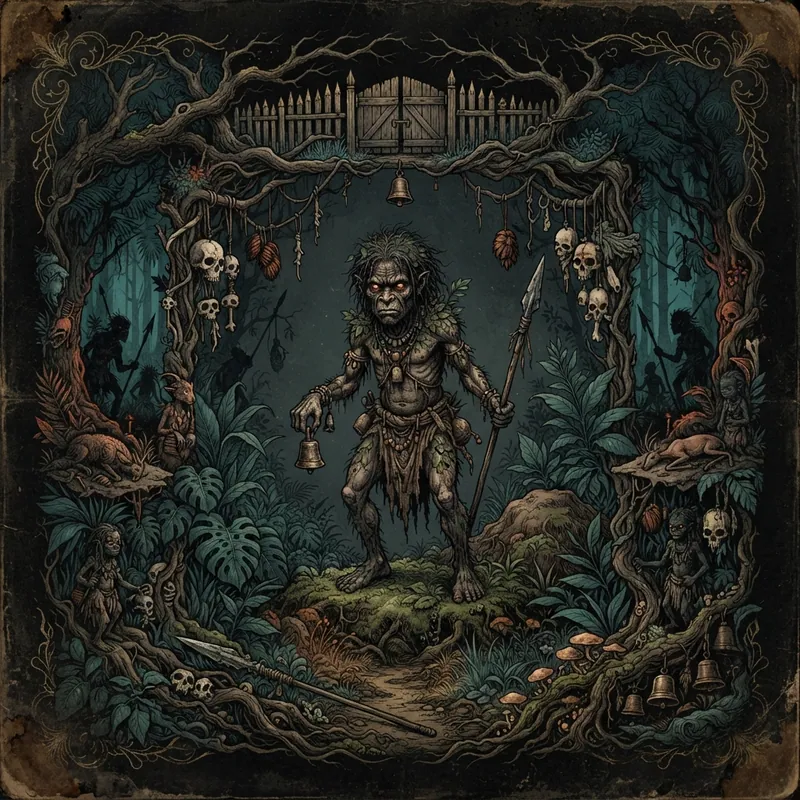
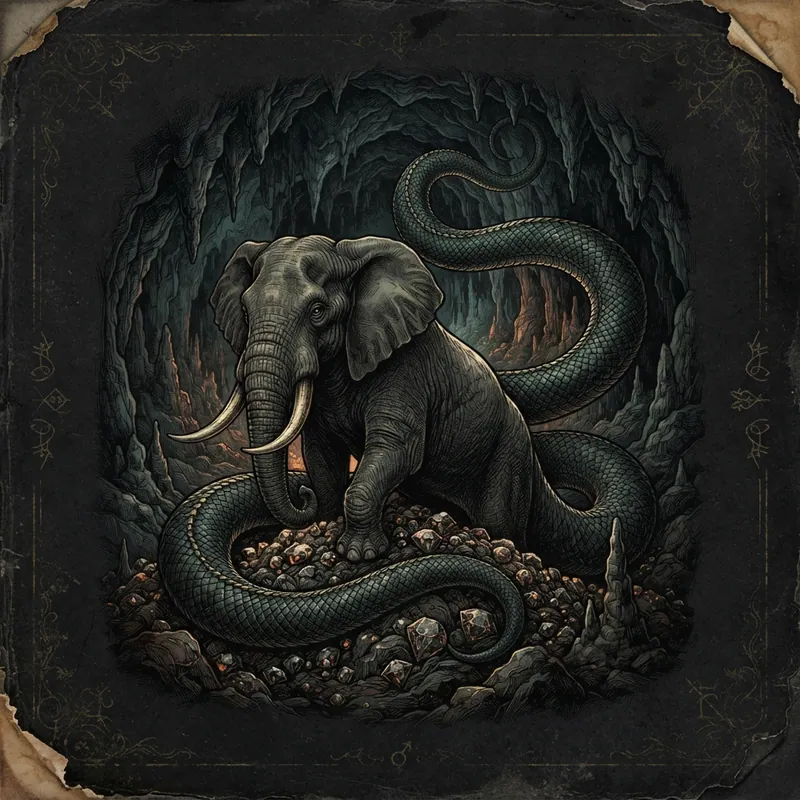
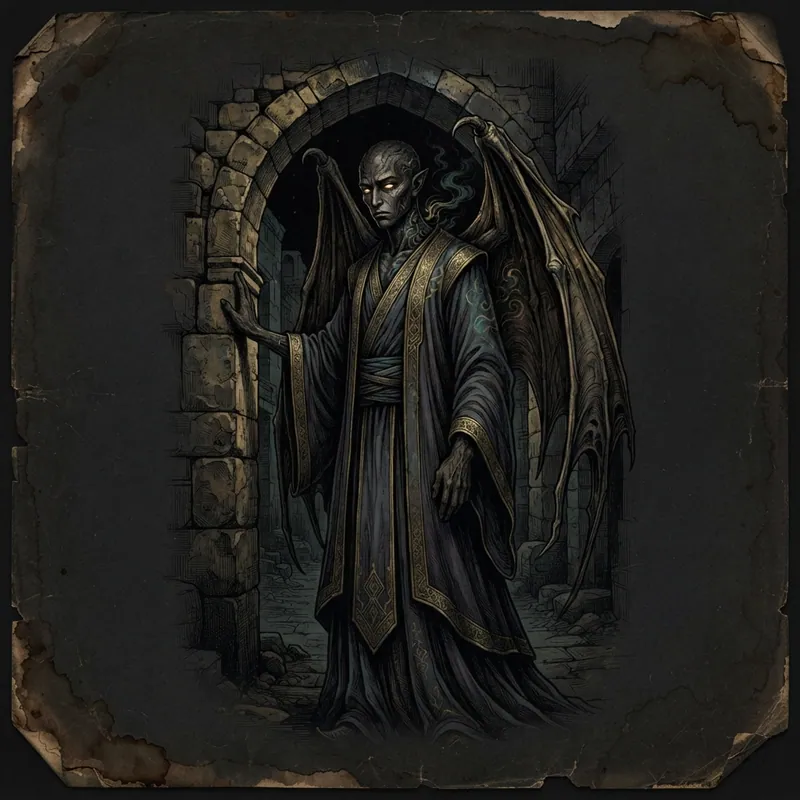
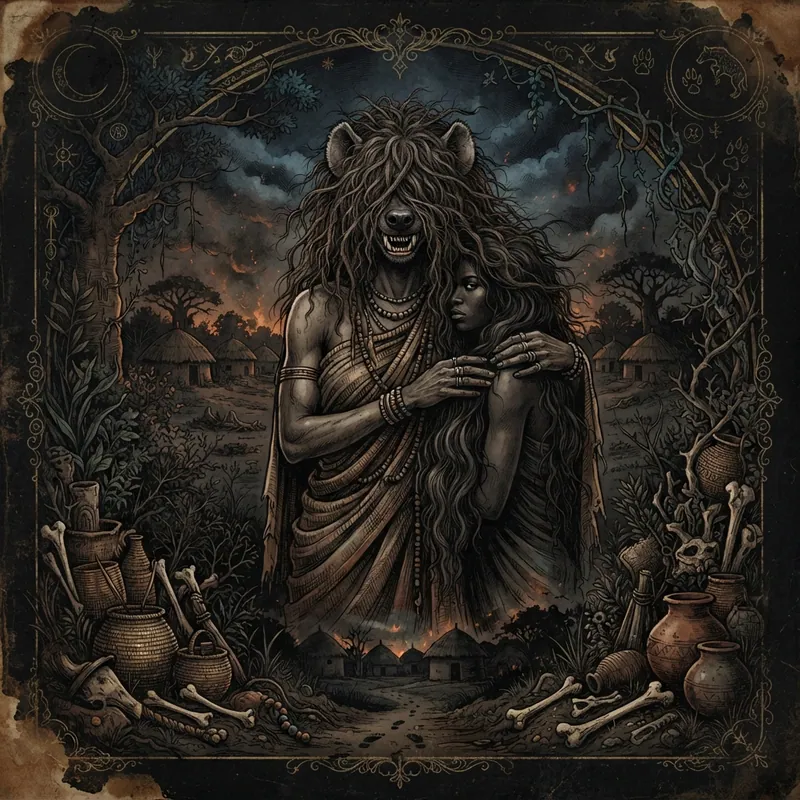
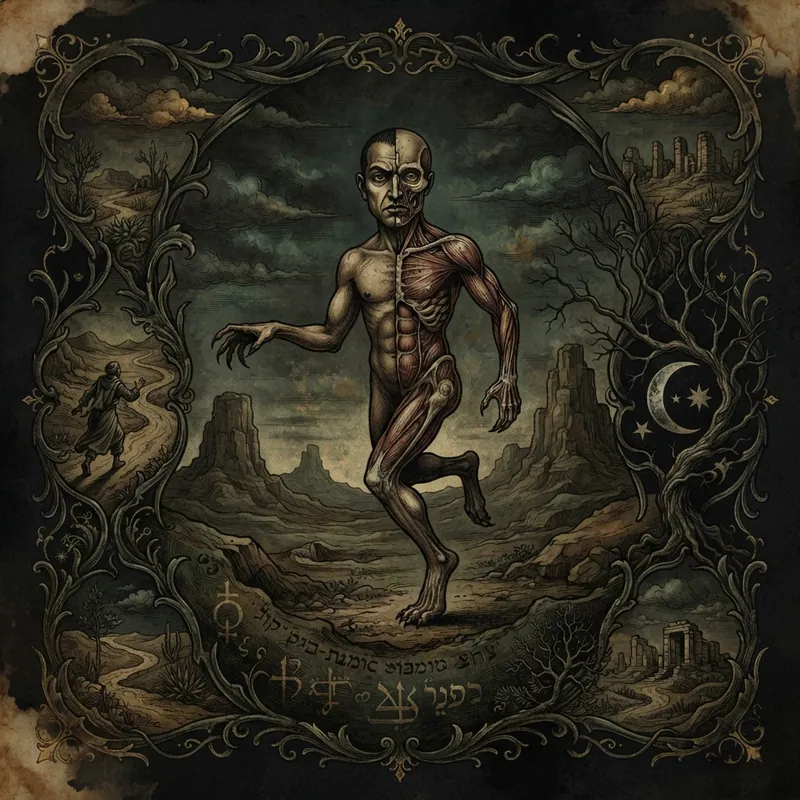
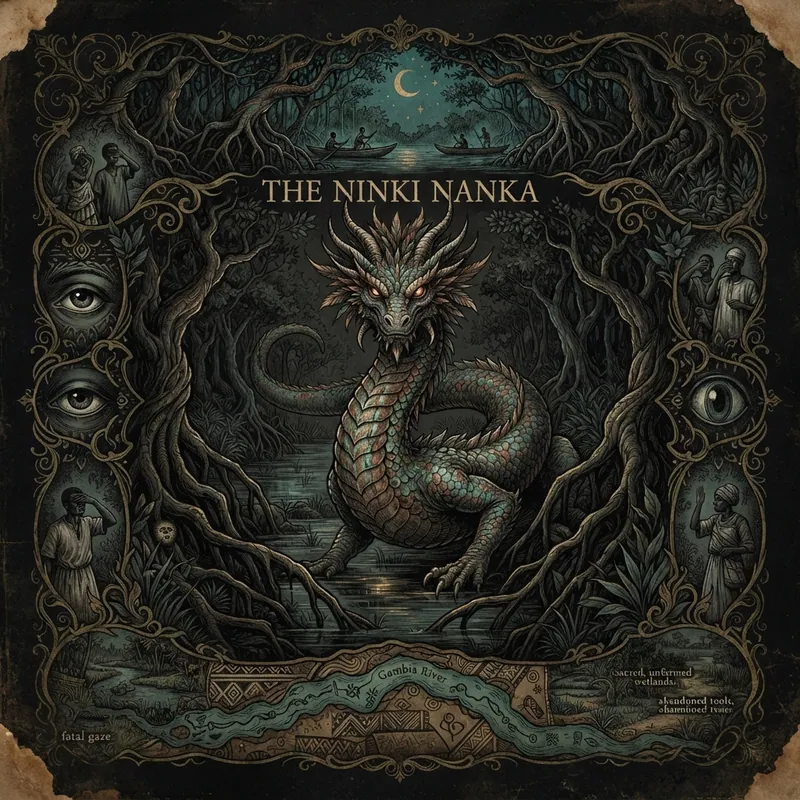
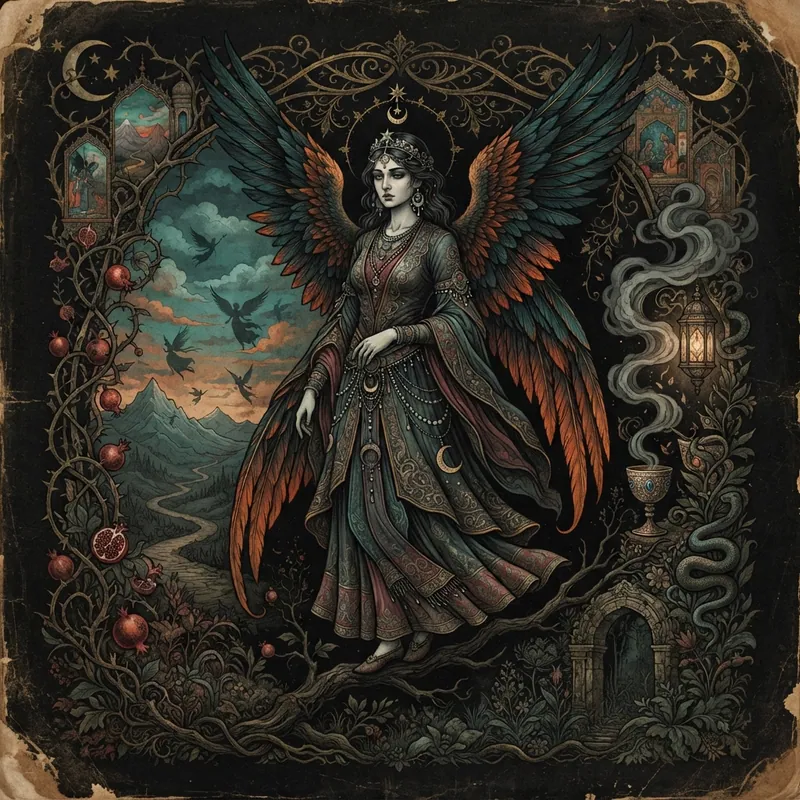
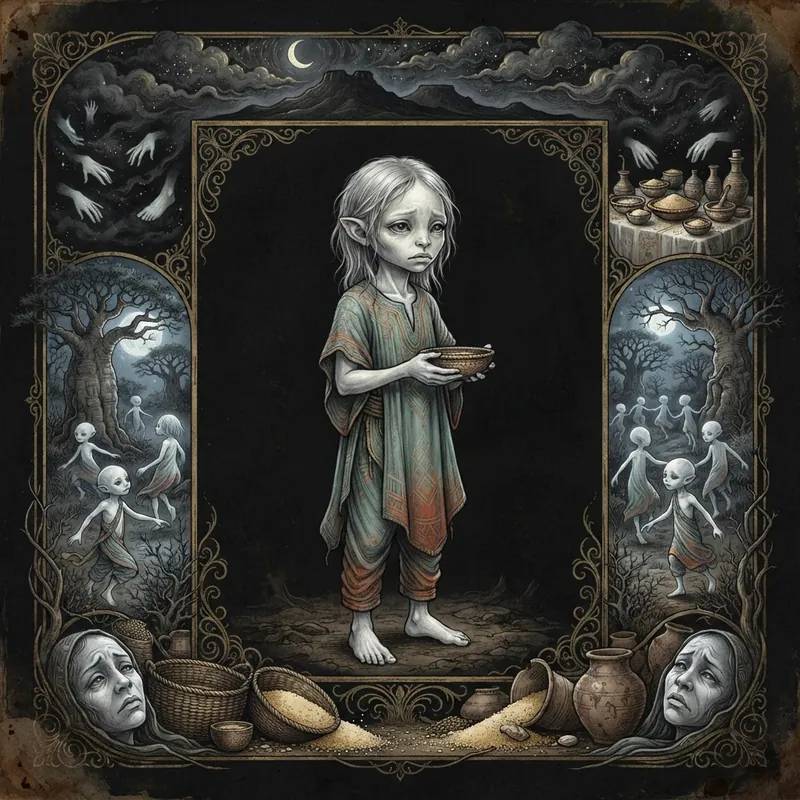
DīvThe Persian dīv (dev, dēw) is the demon, ogre, and fiend of Iranian epic and folktale, descended from Avestan daeva. In the Shahnameh they rule a mythical Mazandaran; in oral tales they sleep in sunlight, hide an external soul, and go mad the language itself—dīvānegī.ElokoAmong the Mongo-Nkundo of the Congo basin, an eloko (plural biloko) is a small, fierce forest being, often spoken of as an ancestral spirit that guards game and fruit and hunts the living. Tales warn of a little bell that casts a spell on anyone who answers it.GrootslangA hybrid elephant-serpent of South African storytelling associated with deep caves and treasure. Blends indigenous landscape awe with later colonial adventure retellings.JinnJinn are beings in Arabic and Islamic traditions with wide-ranging depictions, moral qualities, and religious meanings; this record avoids treating a living tradition as a generic monster catalogue.KishiIn Ambundu storytelling recorded in Ki-Mbundu, a kishi (plural makishi) is a man-eating being who courts, abducts, and feeds. Later popular retellings add a human face hiding a hyena’s jaws; Chatelain’s 1894 texts emphasise tangled hair, hunger, and dangerous intimacy.NasnasIn Arabic wonder-literature the nasnās is a monopod half-human: half a head, half a body, one arm, one leg, hopping with great agility. Lane recorded that portrait from Nights scholarship; Shia exegesis sometimes places nisānīs on earth before Adam. Not a generic jinn.Ninki NankaA dragon-like swamp being of Mandinka, Fula, Wolof and other West African tellings, especially along the lower Gambia. Descriptions vary; what the traditions share is that seeing it, above all its eyes or crown, is an omen of death, and that some wetlands are left unfarmed for its sake.PeriThe Persian parī (peri) descends from Avestan pairikā, female demonic beings of the old religion, and in later folklore becomes a winged, often beautiful people of tales—ambivalent, organised like humans, and not the same as jinn even when the words blur.SasabonsamA forest being in Akan lore, often described with iron teeth and a taste for those who enter the deep woods carelessly. Part of a wider West African forest-warning tradition.YumboesYumboes, also called Bakhna Rakhna (“Good People”), are small pearly-white beings of Wolof and Lebou lore around Gorée. The principal written account is Thomas Keightley’s, taken from a woman who heard it from a Wolof maid: they feast under the Paps, steal couscous, and lament the families they attach themselves to.
 ⛧
⛧ ♧
♧ ◒
◒ ☾
☾ ◎
◎ ⌬
⌬ ◒
◒ ❋
❋ ♧
♧ ❋
❋Asia & the Isles · 11
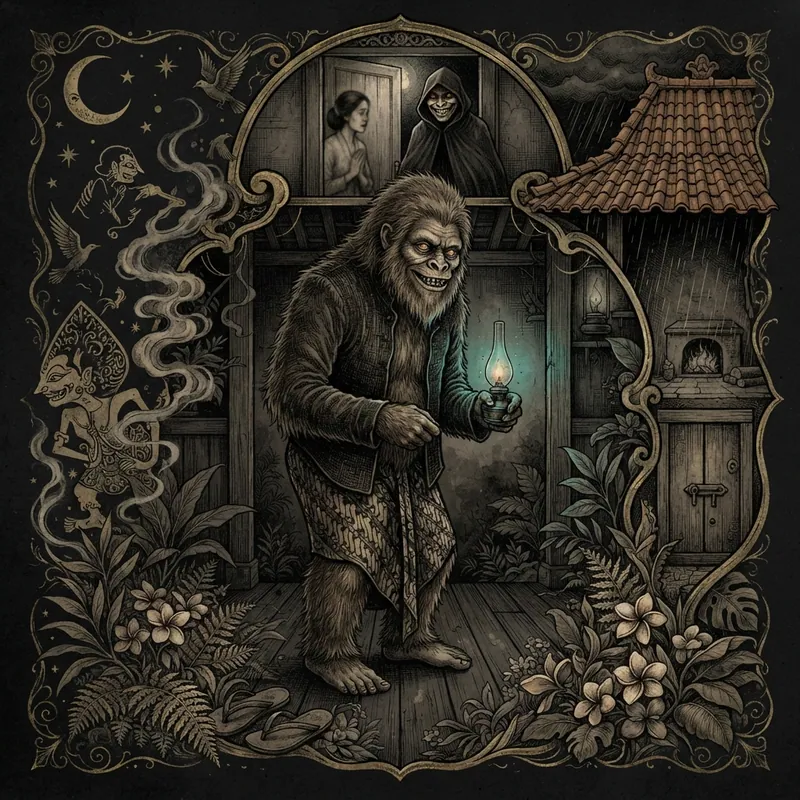
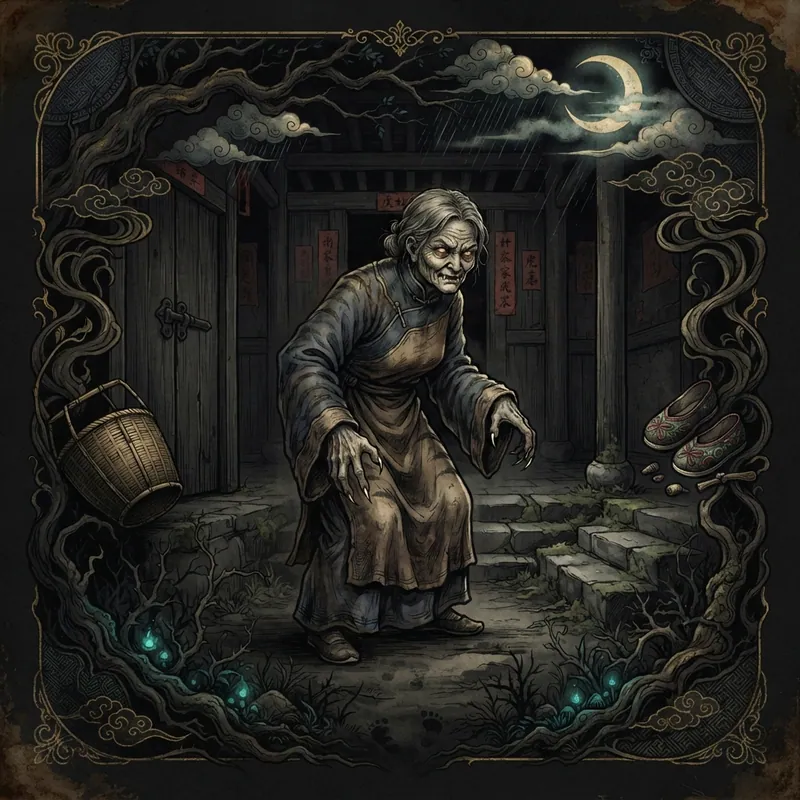
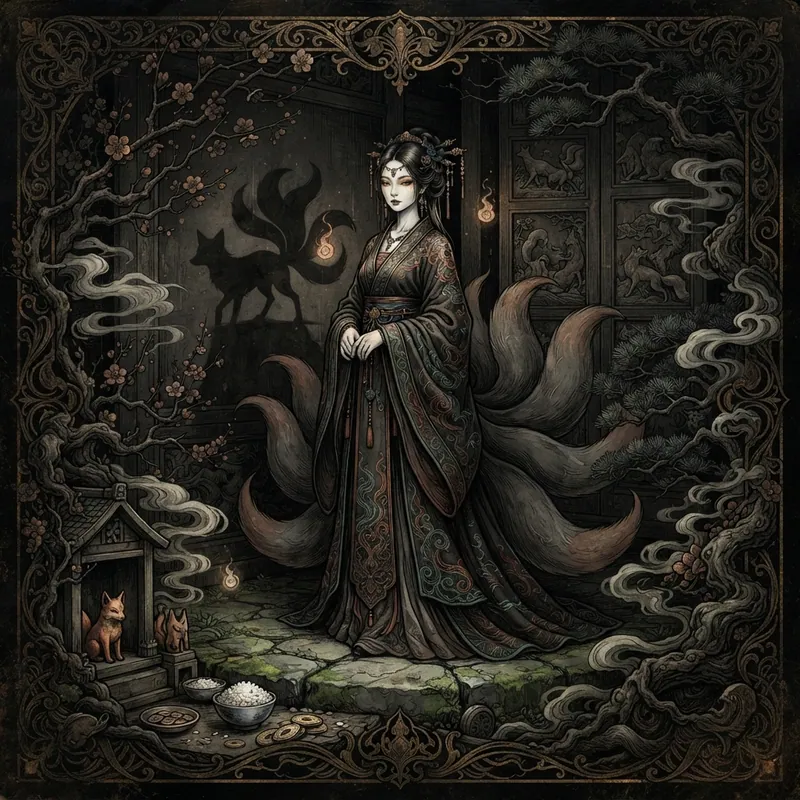
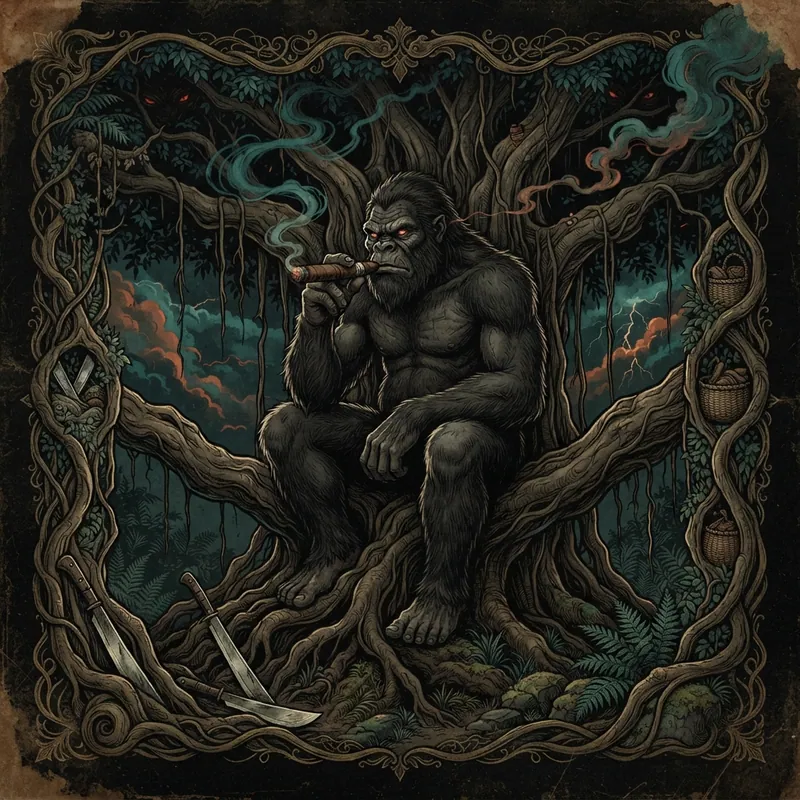
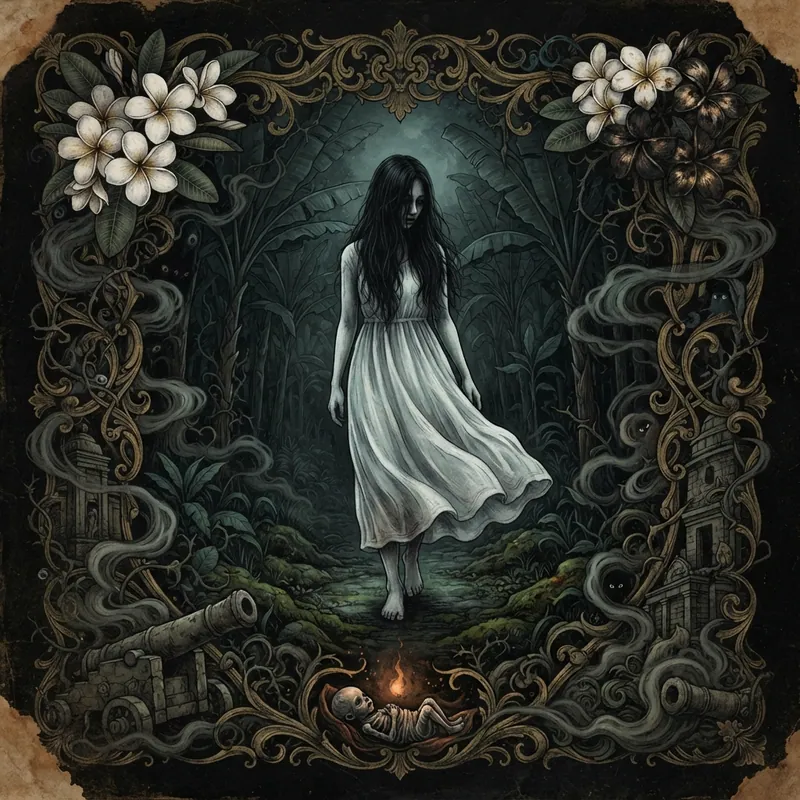
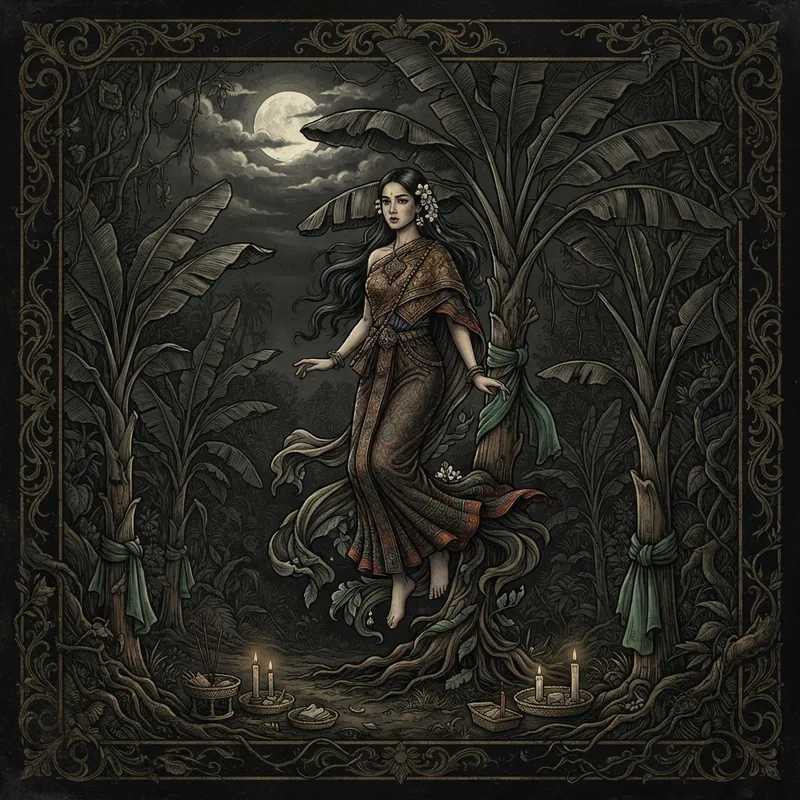
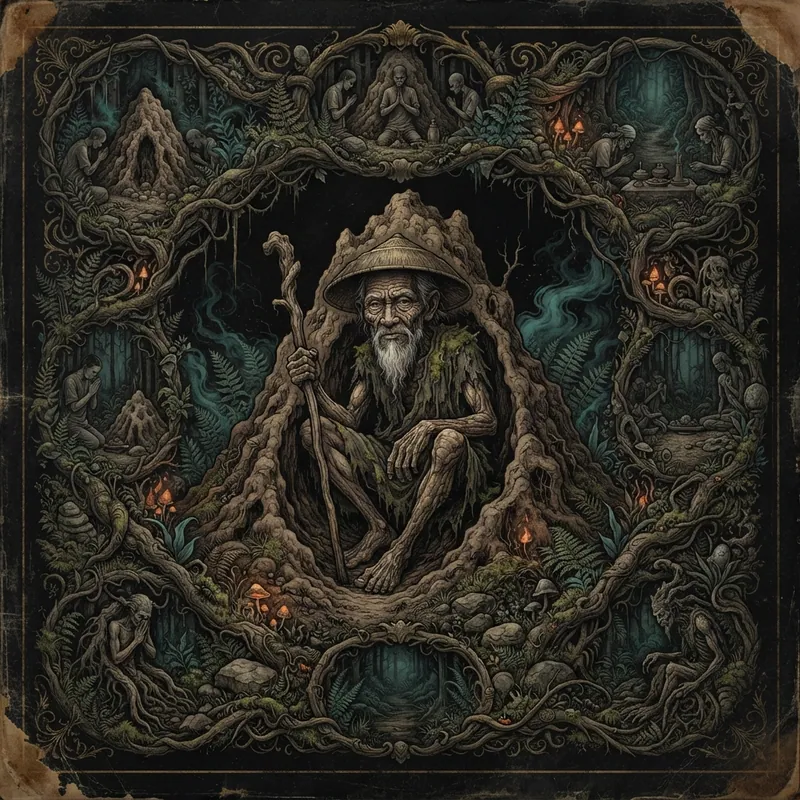
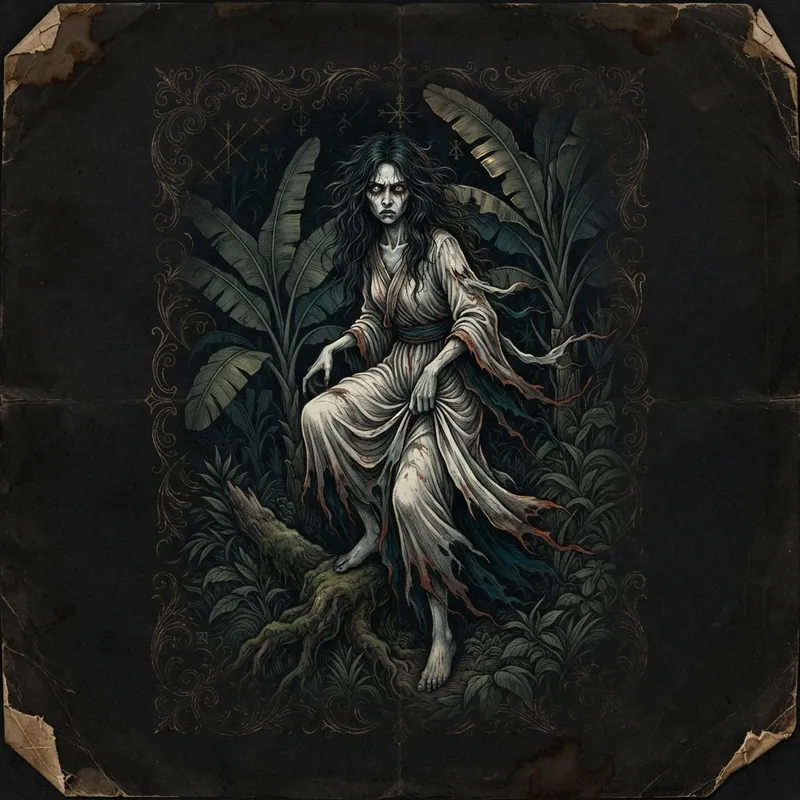
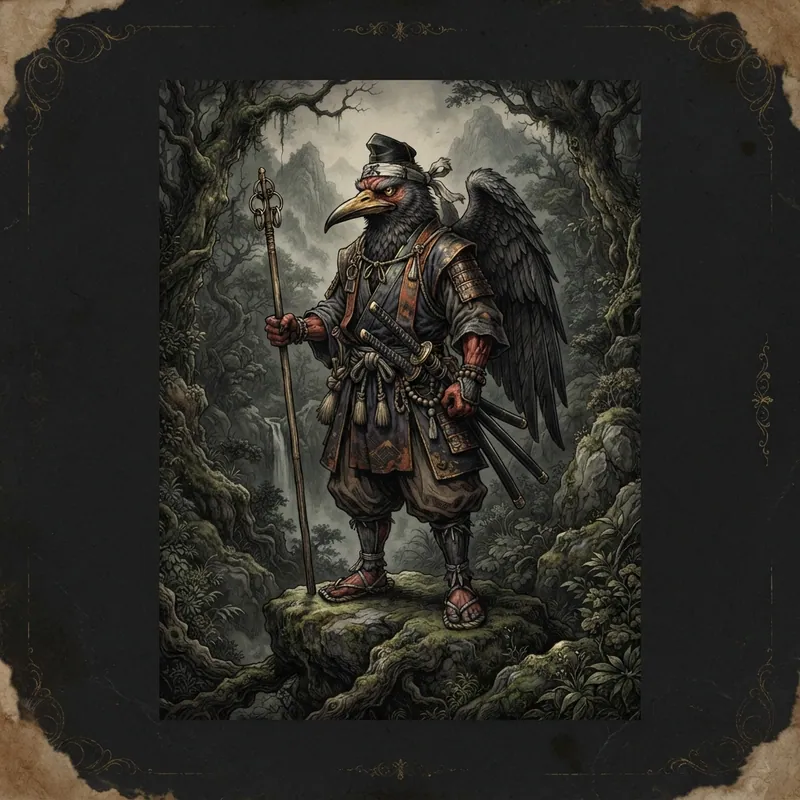
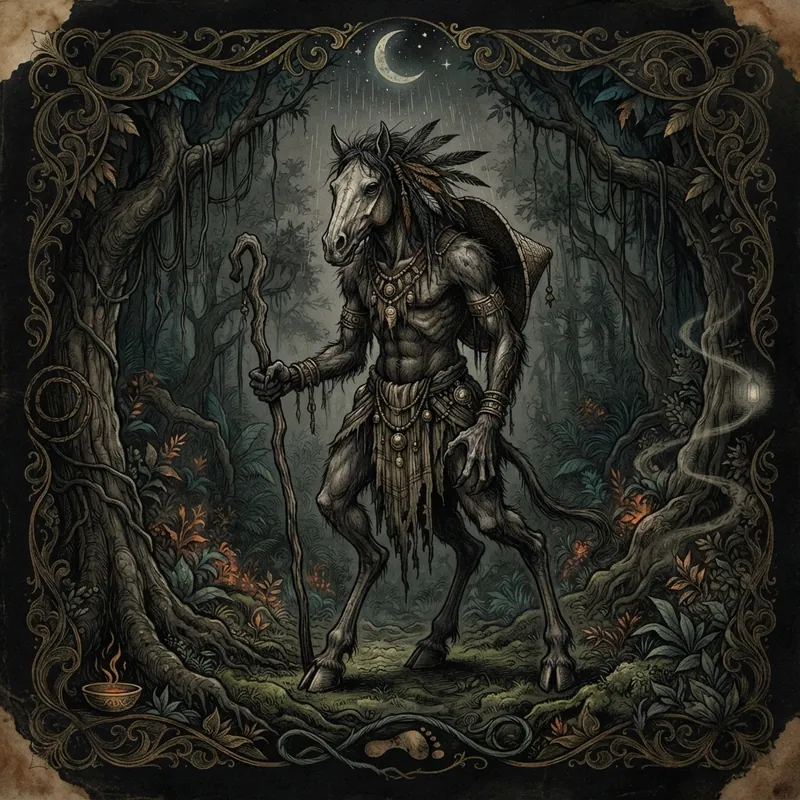
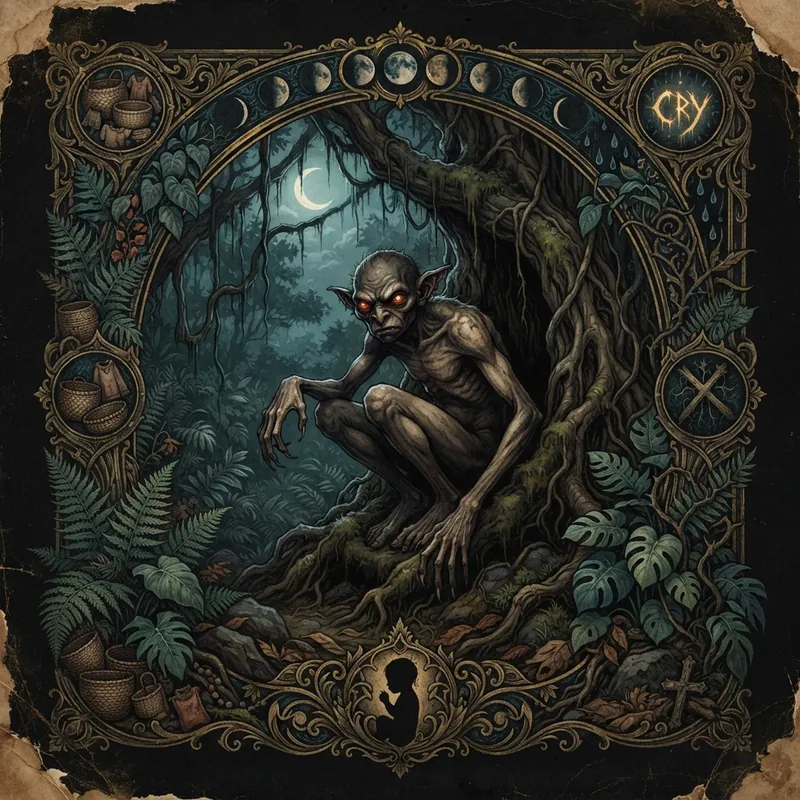
GenderuwoA Javanese hairy, ape-like spirit of the memedi class. Clifford Geertz recorded it as more prankster than murderer; other tellings warn it wears a loved face to tempt.Hú Gū PóHú Gū Pó, Grandaunt Tiger: a Hakka and Taiwanese ogress-tale of a tiger who becomes an old woman to eat children. A cautionary bedtime story, not a hunting manual.Huli JingA Chinese fox spirit that cultivates essence until it can take human form. Distinct from Japanese kitsune and Korean kumiho, though all three share an East Asian vulpine lineage.KapreA tall, dark, hairy tree-dweller of Philippine folklore, often seen smoking in acacia, mango, bamboo, or balete. Mischief more than murder, unless the tree is cut.KuntilanakThe Indonesian cousin of the Malay pontianak: a female revenant of pregnancy or childbirth death. Names are often used interchangeably; tellings and the city of Pontianak’s founding legend keep them entangled rather than identical.Nang TaniA Thai lady of the wood who inhabits clumps of wild kluai tani banana. Related to, but not the same as, Malay pontianak banana-grove motifs. Offerings and cloth on the trunk keep her favour.Nuno sa PunsoThe ‘old one of the mound’: a Philippine ancestral earth spirit dwelling in anthills and termite mounds. People ask leave before passing. Disturbance brings illness; respect keeps the ground quiet.PontianakA female ghost figure found in Malay-language folklore, with local versions and names that shift across the region.TenguMountain beings of Japanese folklore, once feared as demons of pride and disruption, later also imagined as martial teachers and protectors of sacred peaks. Crow and human-like forms both appear.TikbalangA Philippine forest being, now usually pictured as a tall, bony horse-headed humanoid, that misleads travellers. Early Spanish records call it a mountain phantom; the werehorse face arrived after horses did.TiyanakA Philippine being that mimics an infant’s cry to lure passers-by. Related in name to Malay childbirth spirits, but here the child, not the mother, is the hunter. Origins and forms vary by ethnolinguistic group.
 ☾
☾ ◎
◎ ◎
◎ ♧
♧ ✦
✦ ♧
♧ ⌂
⌂ ✦
✦ ♧
♧ ♧
♧ ☾
☾Eastern Europe · 8
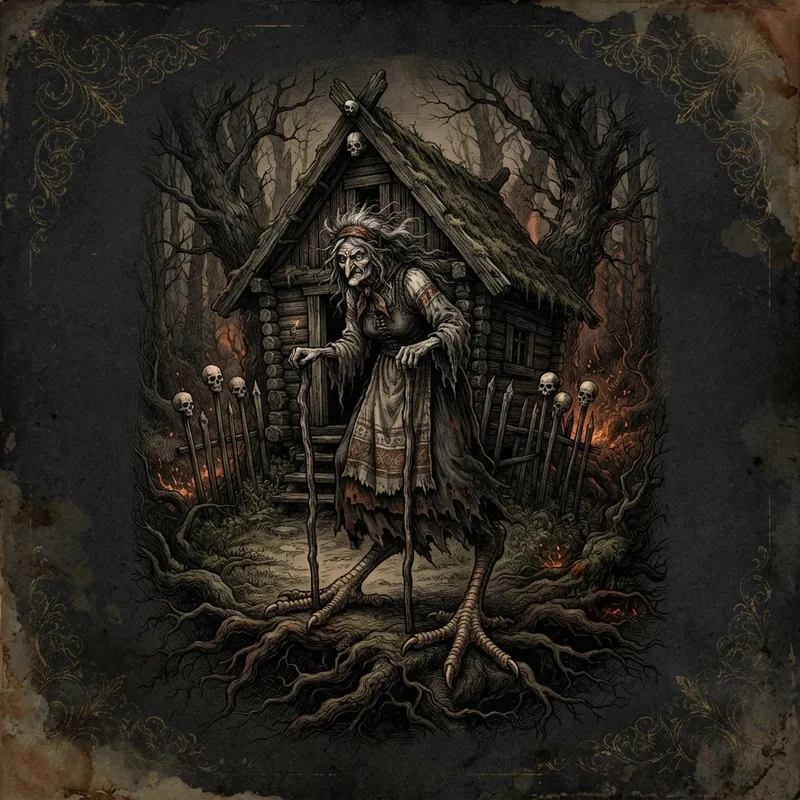
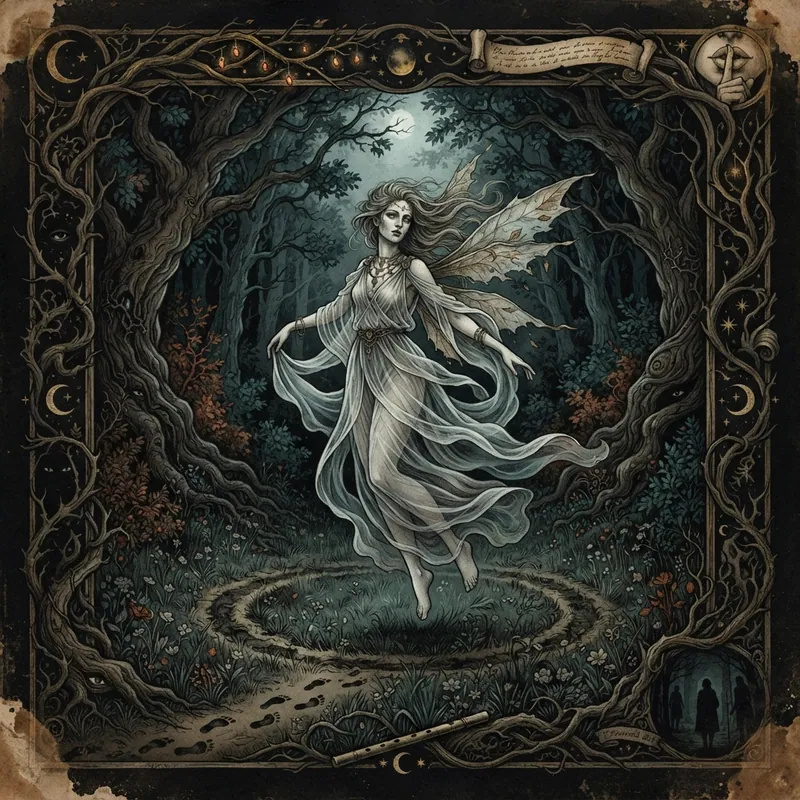
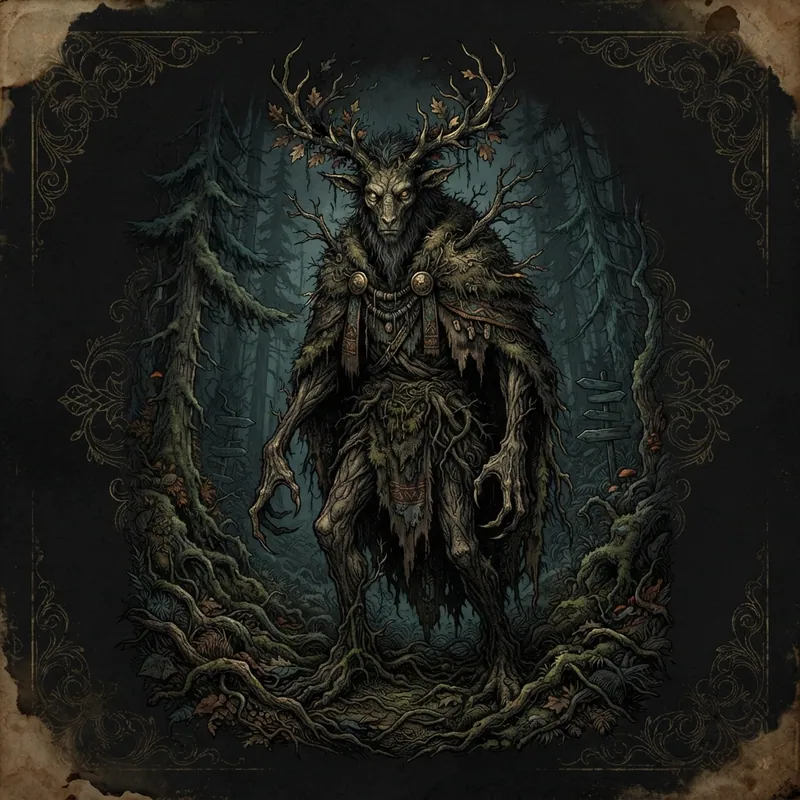
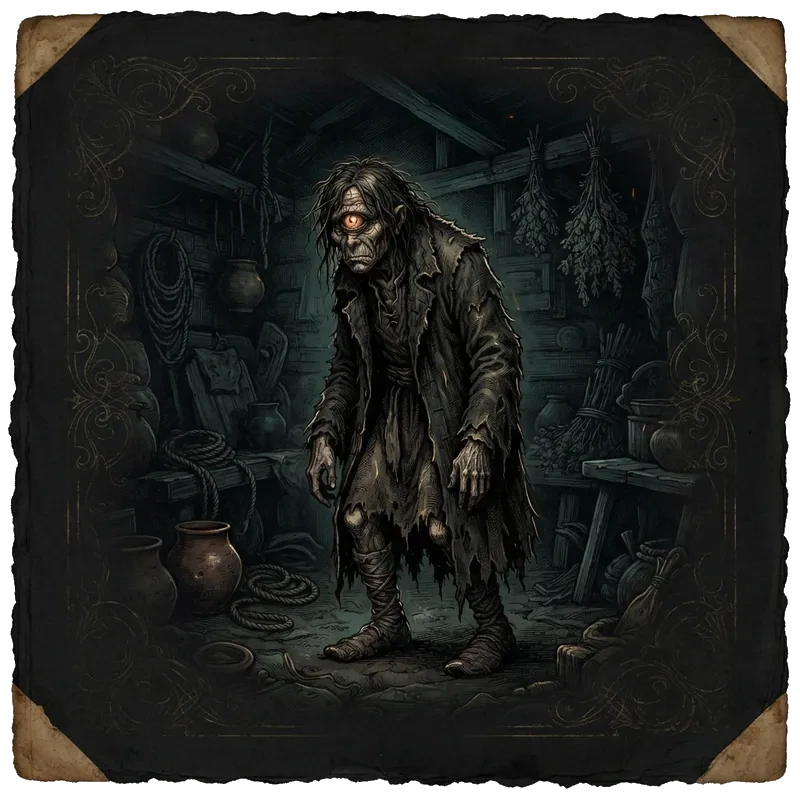
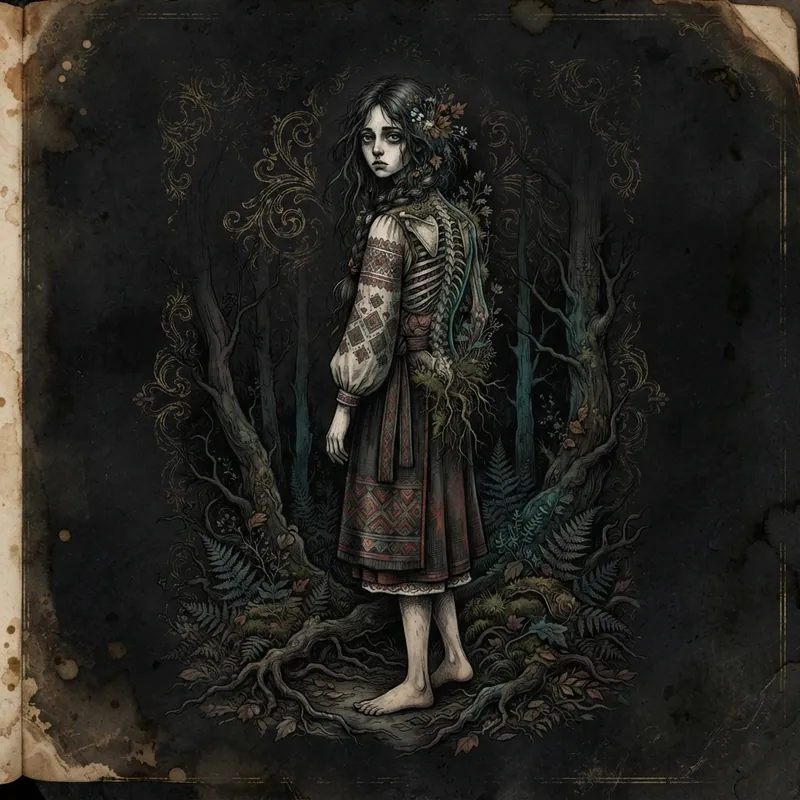
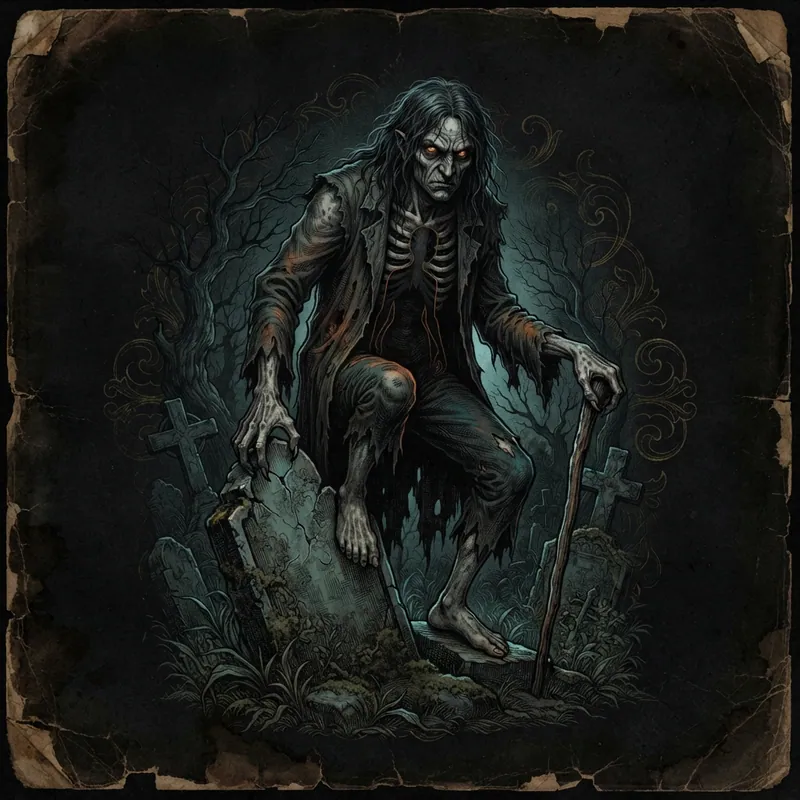
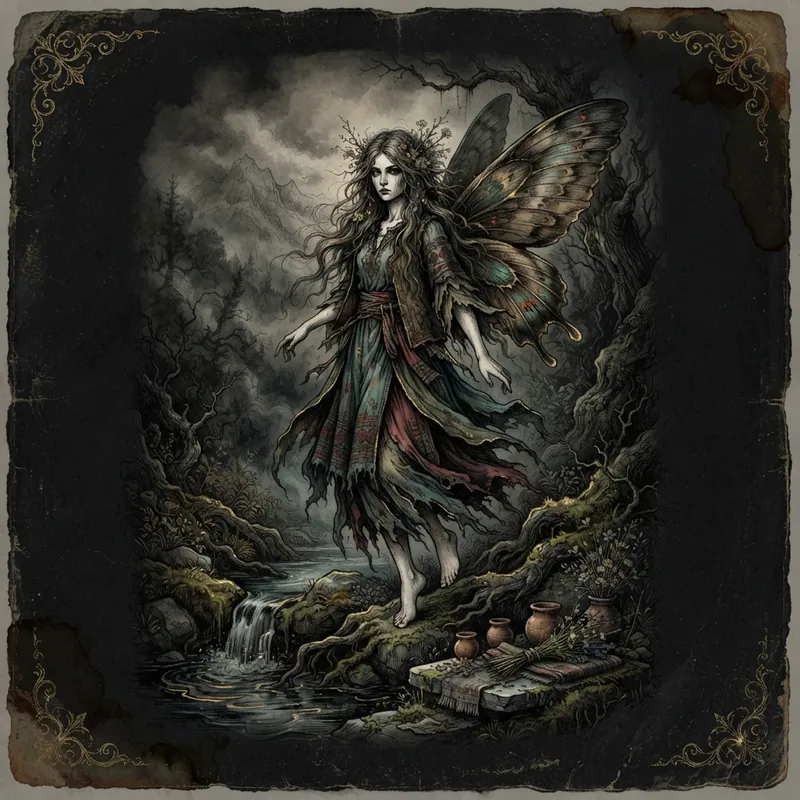
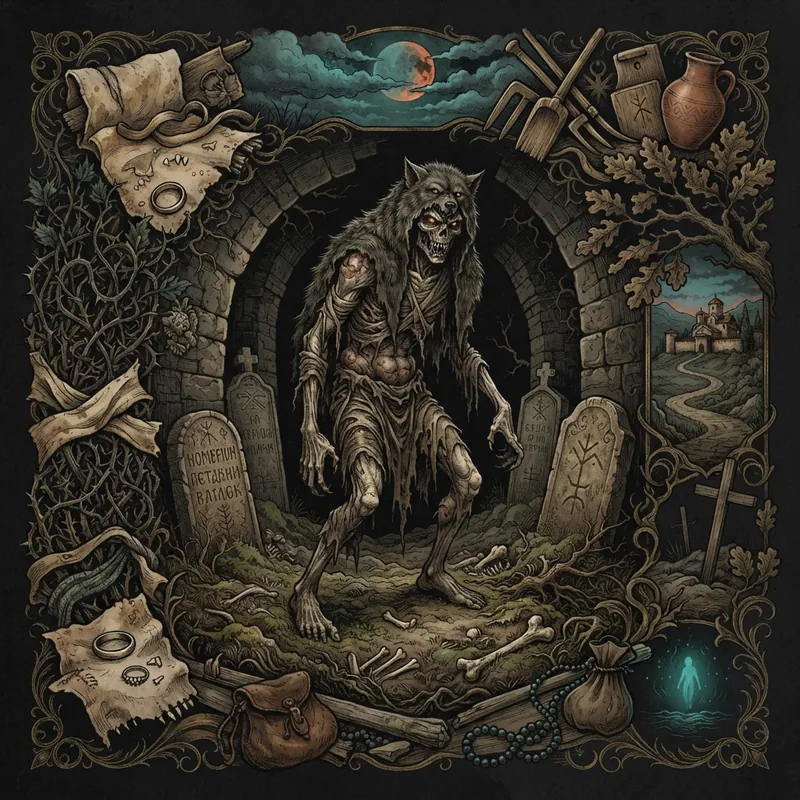
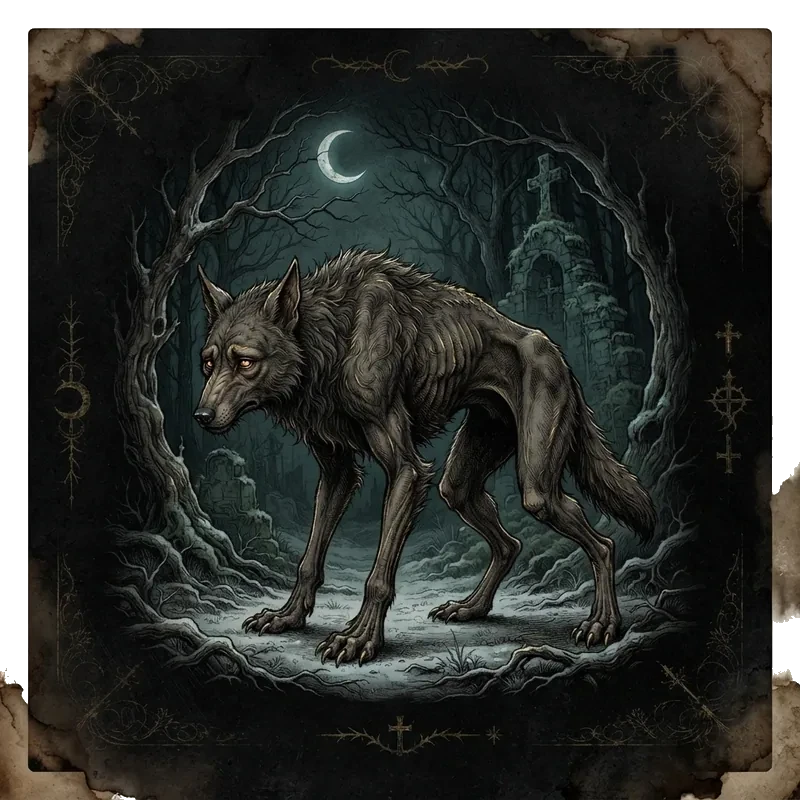
Baba YagaA formidable old woman of Slavic folktales whose hut stands on chicken legs. She can threaten, test, or aid a traveller; no single telling contains her.IeleFeminine night dancers of Romanian folklore, known by many polite names, whose hora in woods, meadows, and watersides can bless or ruin those who watch. Related to South Slavic vila, but not the same being.LeshyA forest being in Slavic tradition, variously imagined as guardian, trickster, or shapeshifter whose domain confuses the unwary.LikhoPersonified misfortune in East Slavic tradition, sometimes imagined as a one-eyed being that attaches itself to a household or traveller. Related to ideas of fate and doom rather than a single fixed monster.MavkaA forest spirit in Ukrainian tradition, often connected with young women who died before their time. Closely related in some tellings to rusalka lore, but rooted in woodland rather than only water.StrzygaIn Polish and related lore, a strzyga (or striga) is often a person born with two souls or two hearts who becomes a predatory undead after death. Folklore and later fiction should not be collapsed into one rule.VilaBeautiful, often winged mountain or cloud spirits in South Slavic lore (vila, samovila, samodiva), capable of aid or harm. Offerings at springs and trees belong to living memory of the cult in some communities.VukodlakA South Slavic wolf-skinned being whose name means wolf-hair. In Serbia, Bosnia, and neighbouring lands the word often names a revenant that drinks blood, not the literary werewolf of Western Europe.
 ♧
♧ ❋
❋ ♧
♧ ✧
✧ ♧
♧ ✦
✦ ♧
♧ ☽
☽Europe & the North · 10
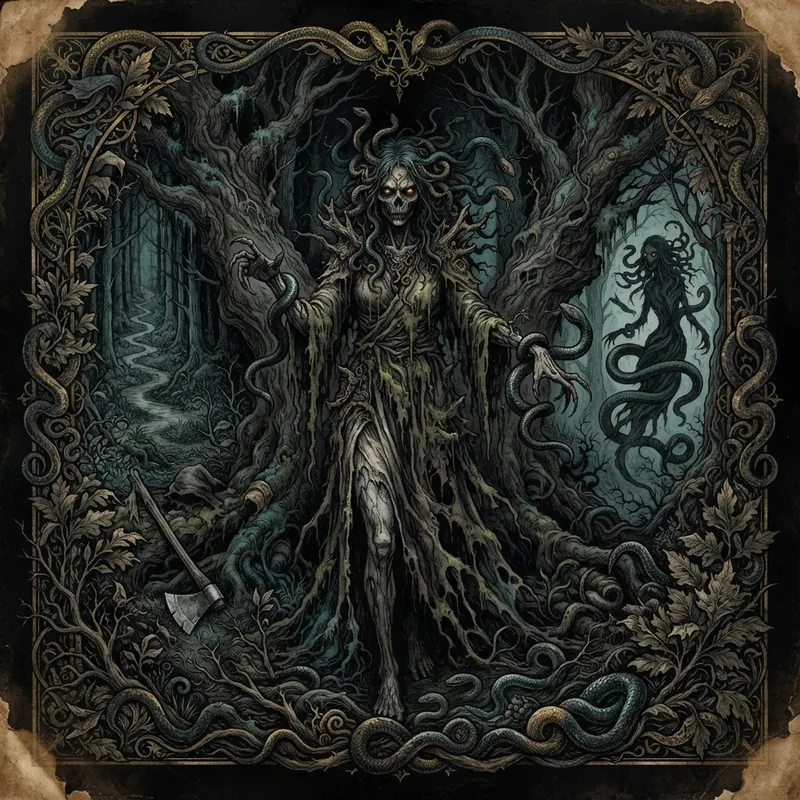
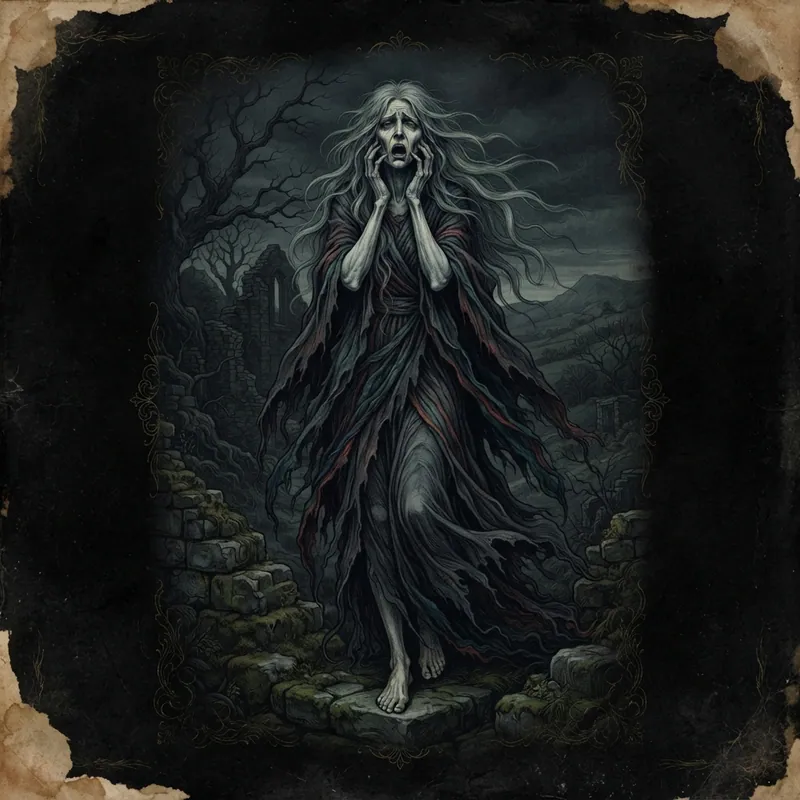
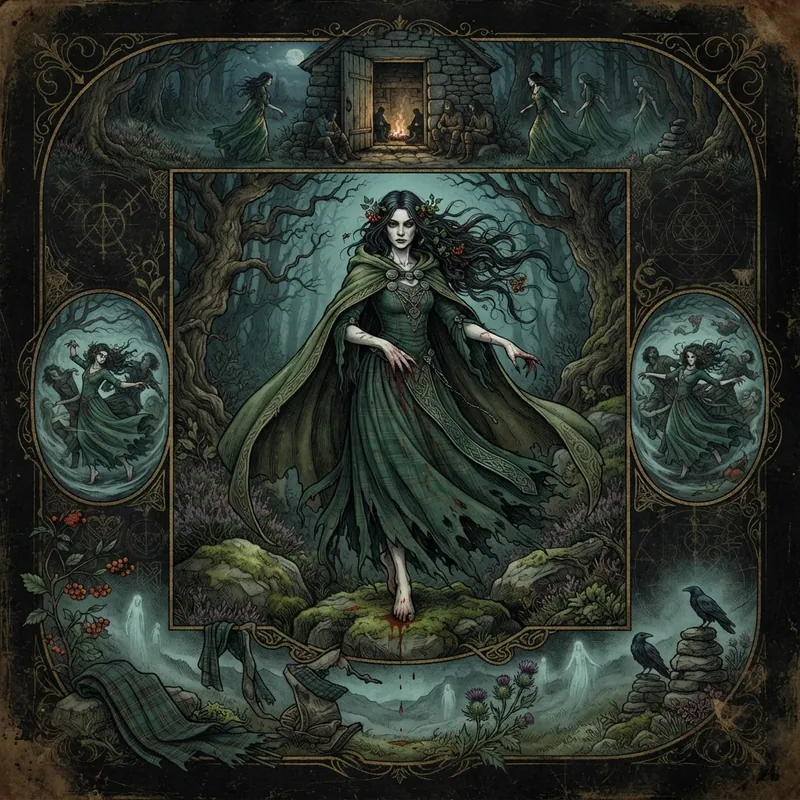
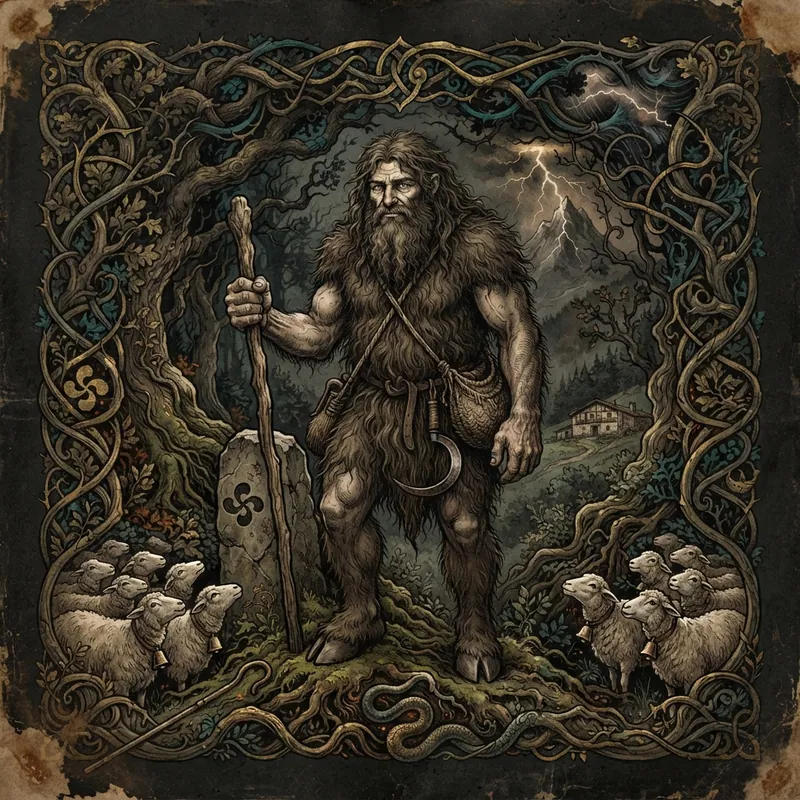
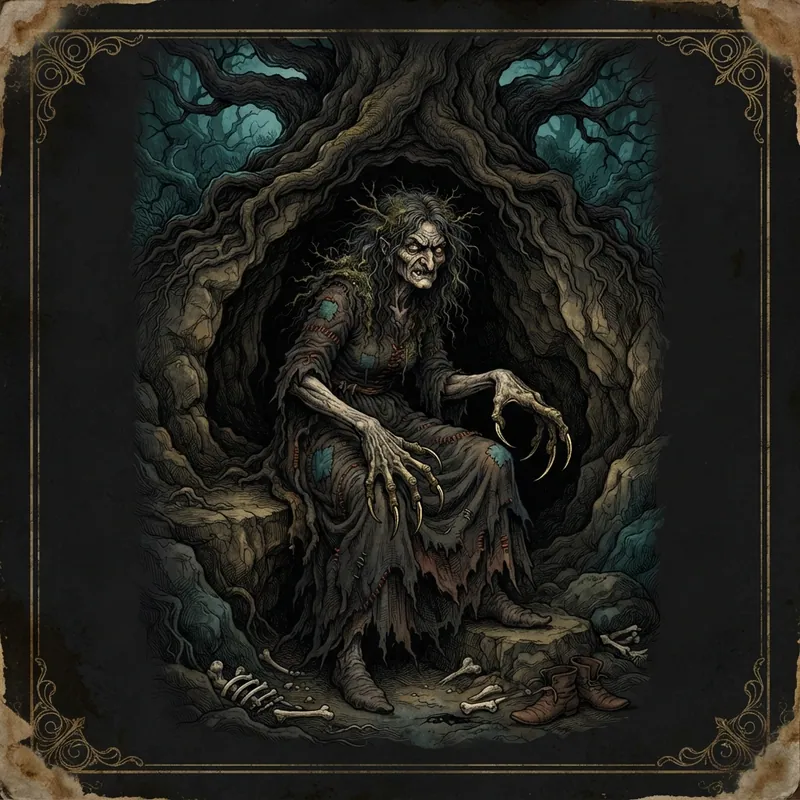
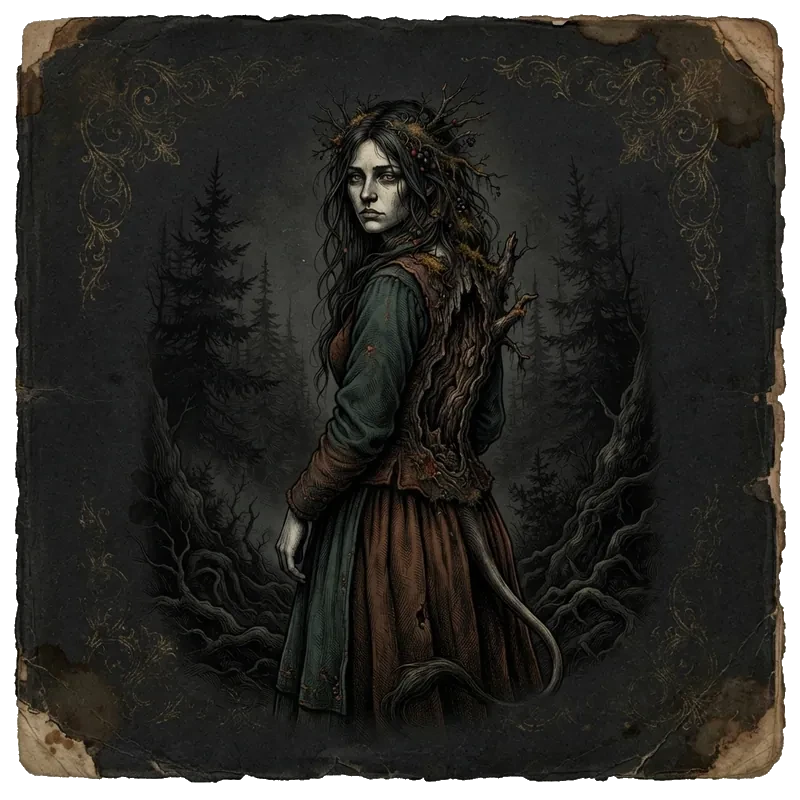
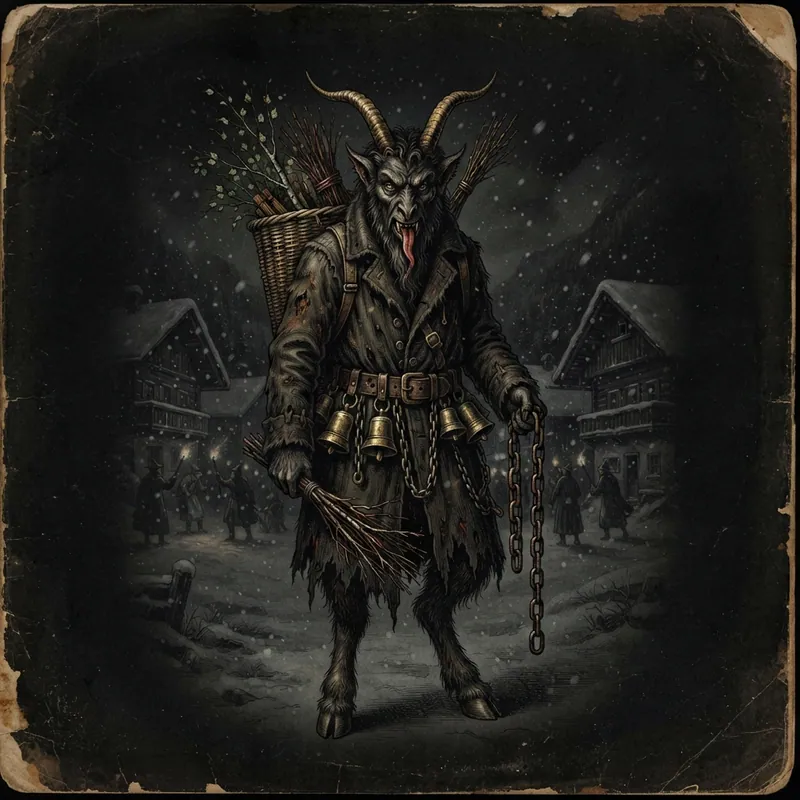
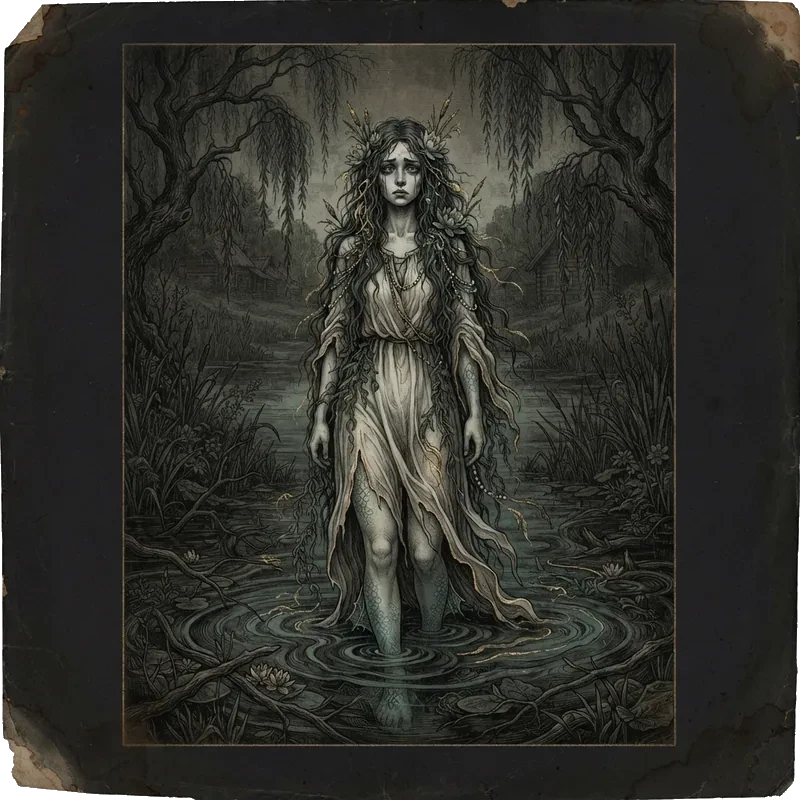
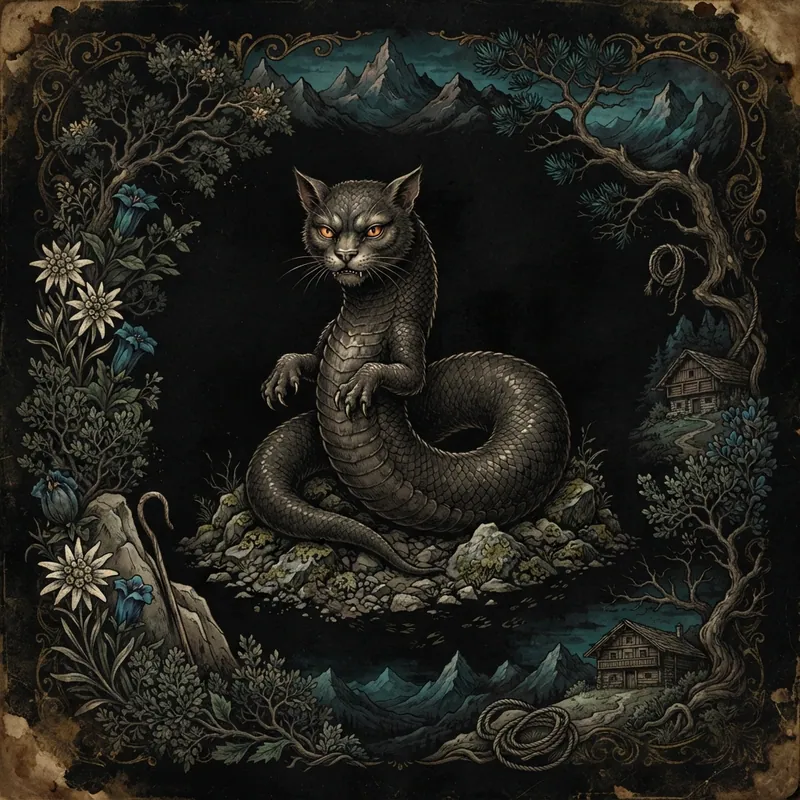
AjatarA Finnish female forest spirit, Ajattara in the older spelling, who leads woodsmen astray. Christfried Ganander recorded her in 1789 as a terrifying wraith of the trees, not as a Christian demon invented for a bestiary.BansheeA woman of the Irish and Scottish Otherworld whose mournful cry is said to foretell a death in certain families — a herald, not a killer.Baobhan SìthFemale Highland fairies who appear as beautiful dancers and drain the blood of hunters. They belong to Gaelic sìth tradition, not to the Irish banshee and not to literary vampires.BasajaunBasajaun, Lord of the Forest in Basque, is a great hairy woodland being who often guards flocks and once kept the secrets of sowing and smithing. A figure of living Basque culture, not a monster to be cleared from the hills.Black AnnisA cannibal hag of Leicestershire lore associated with a cave and a great oak, used in local warning stories about children wandering too far.HulderA seductive forest being of Scandinavian lore (huldra/hulder), sometimes helpful to charcoal burners, sometimes deadly. The hollow or bark-like back is a common recognition mark.KrampusA horned, frightening companion figure in Alpine seasonal customs and parades, whose modern image has travelled far beyond its local traditions.Loup-garouThe French werewolf tradition, including New World Francophone variants. Sometimes framed as punishment or unfulfilled penance rather than a bite-transmitted Hollywood curse.RusalkaA Slavic water spirit, in many tellings the restless soul of a young woman who drowned or died unwed, dwelling in rivers and lakes and drawing the living to the water.TatzelwurmAn Alpine lizard-dragon of Austrian, Bavarian, and Swiss lore: cat-faced, often two-legged, wingless, living in high rock. A regional cryptid of pastures and caves, not a generic mountain demon.
 ♧
♧ ✧
✧ ❋
❋ ♧
♧ ♧
♧ ♧
♧ ☾
☾ ◎
◎ ≈
≈ ◒
◒Oceania & the Pacific · 5
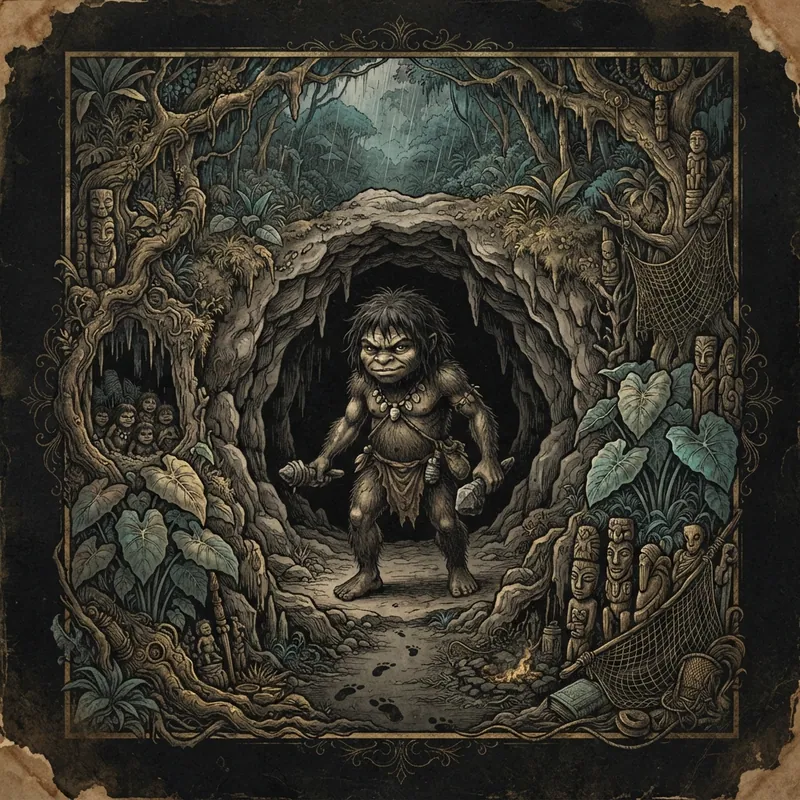
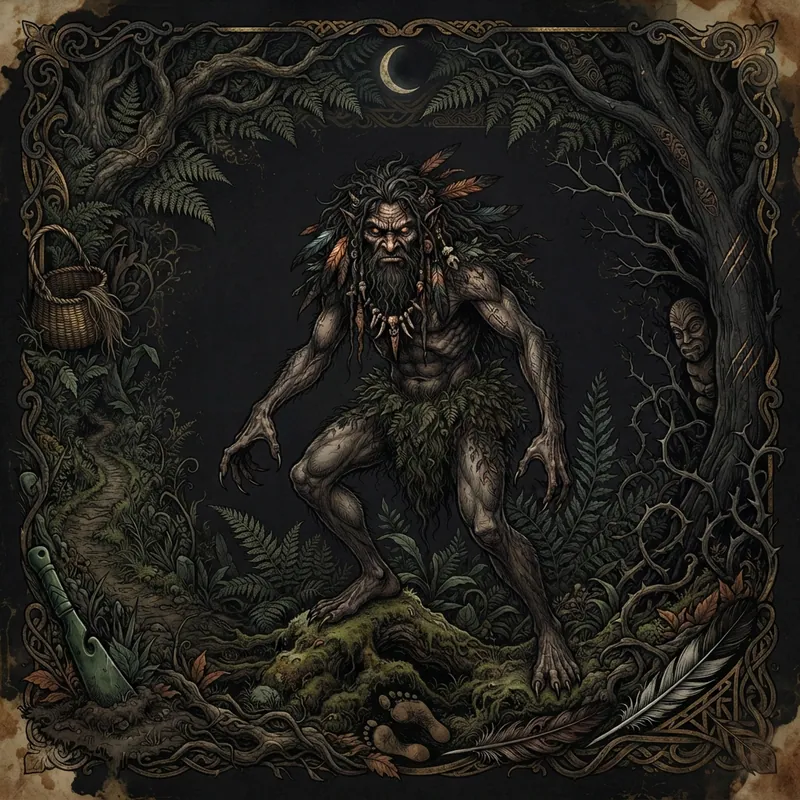
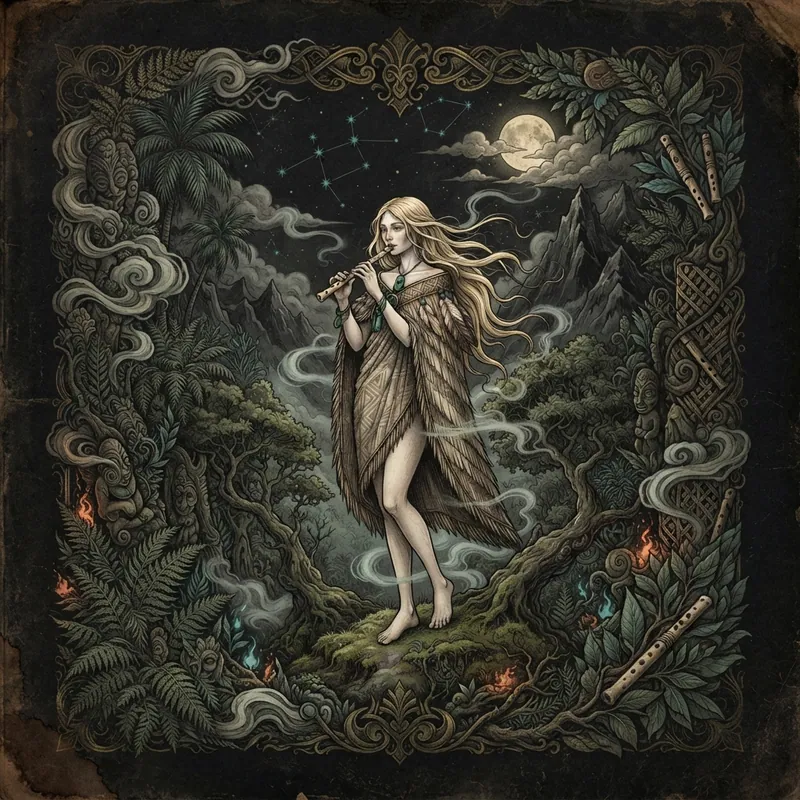
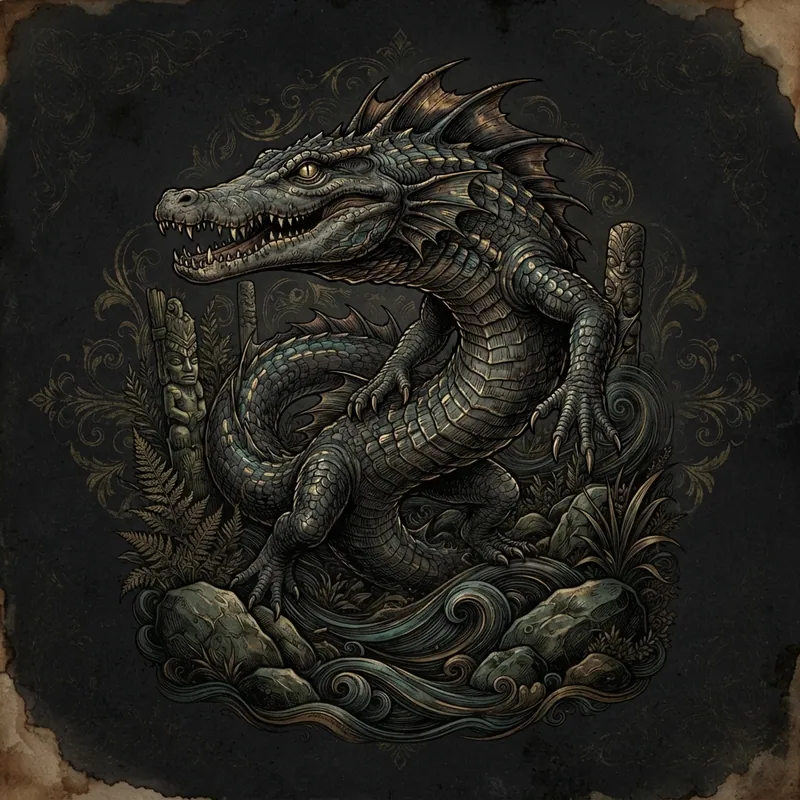
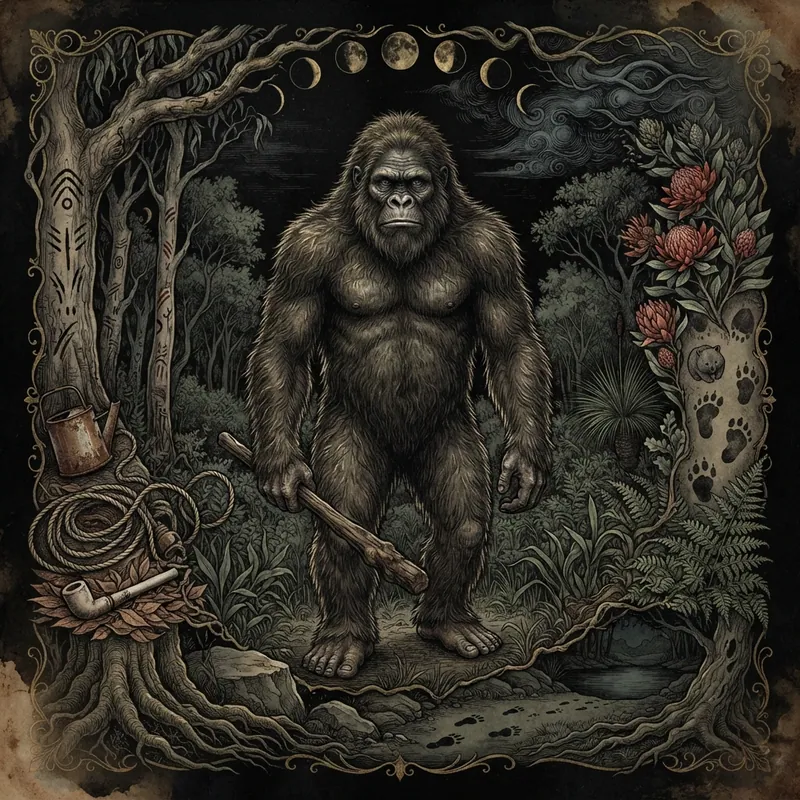
KakamoraIn Solomon Islands folklore, especially on Makira, kakamora are small, hairy, cave-dwelling people of the bush — original inhabitants in many tellings, mischievous, strong, and not to be cornered. This is local kastom, not a film pirate.MaeroIn Māori tradition, maero (North Island) and māeroero (South Island) are wild supernatural people of forest and mountain, feared in many kōrero as predators of travellers. Living tribal knowledge, not a trophy ogre.PatupaiareheIn Māori tradition, patupaiarehe are supernatural people of forest and misty peaks — he iwi atua — fair-skinned in many accounts, averse to cooked food, fire, and sun. A living knowledge, not a trophy fairy.TaniwhaTaniwha are powerful beings in Māori traditions, associated with specific places and whakapapa. They may protect, warn, or threaten depending on the story and relationship.YowieYowie is a modern Australian catch-name for bush hairy-man lore. It overlays older Aboriginal vocabularies — including, in some records, yowie as a dead person's spirit — and settler yahoo reports. Distinct from the bunyip; do not flatten sacred beings into one ape.
 ♧
♧ ♧
♧ ❋
❋ ≈
≈ ◒
◒South Asia · 4
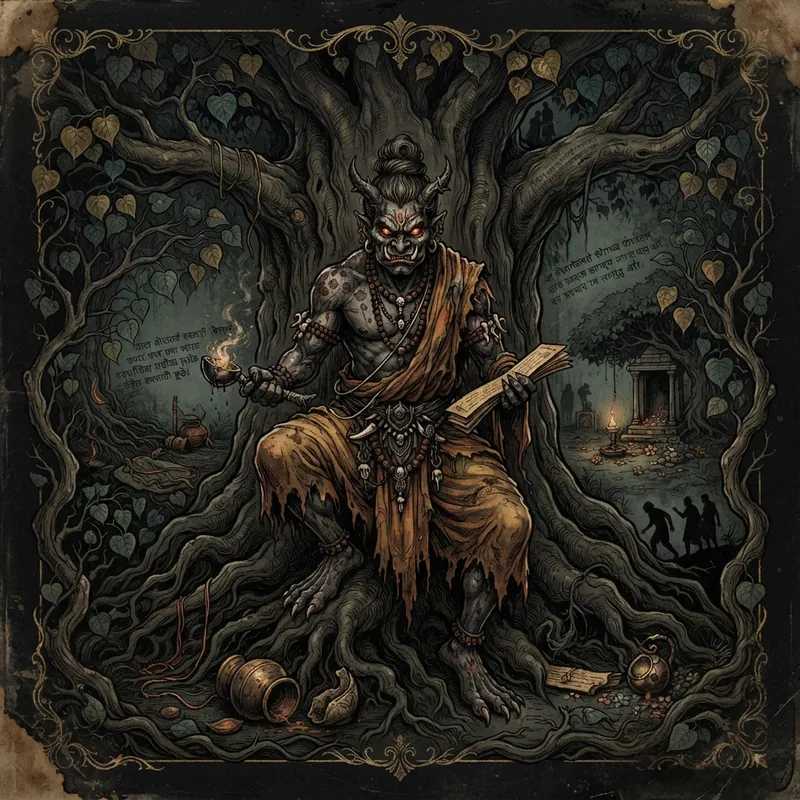
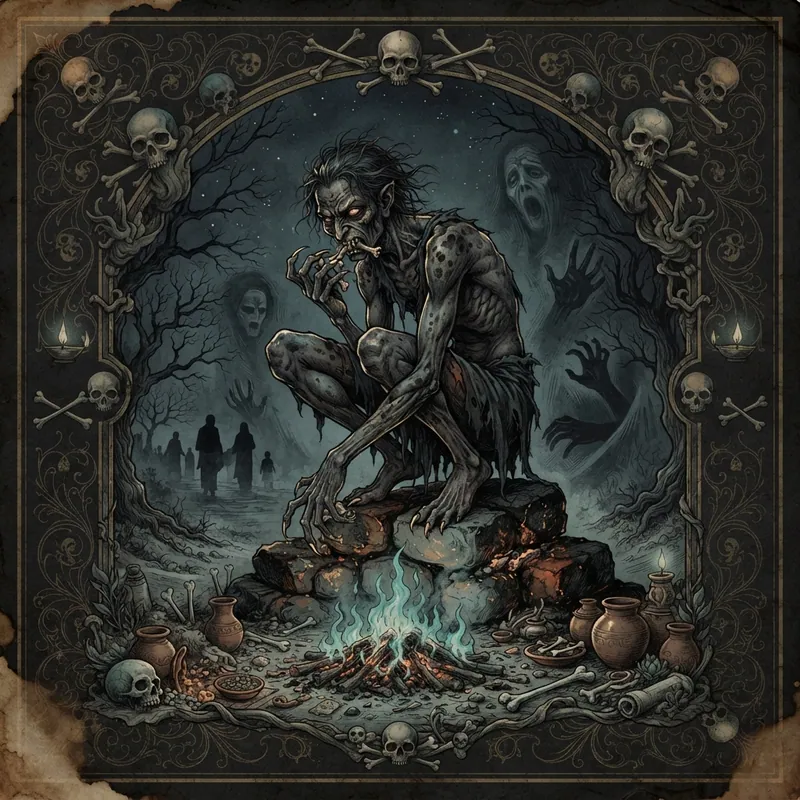
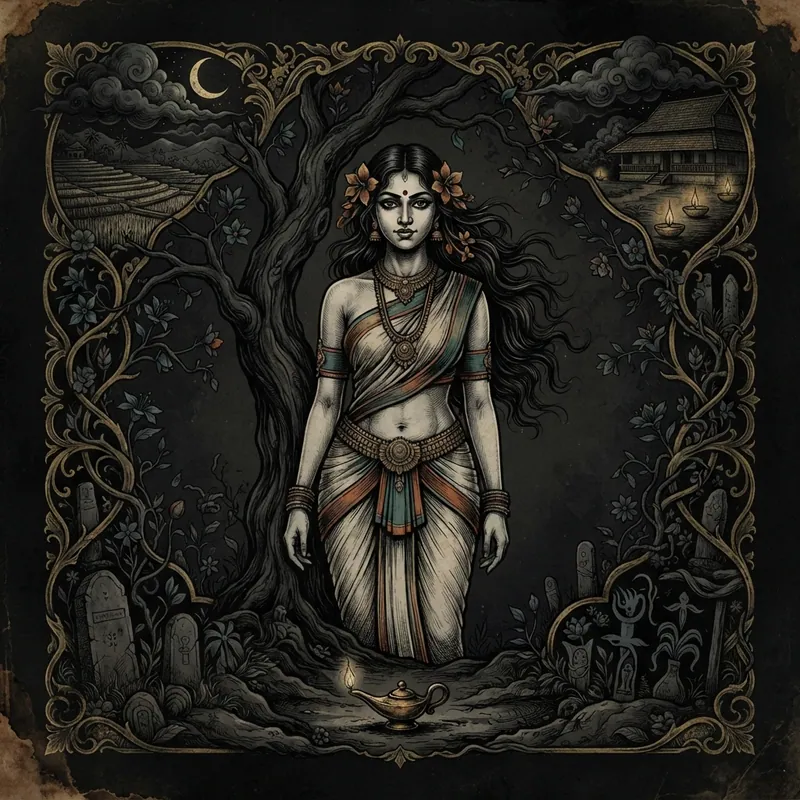
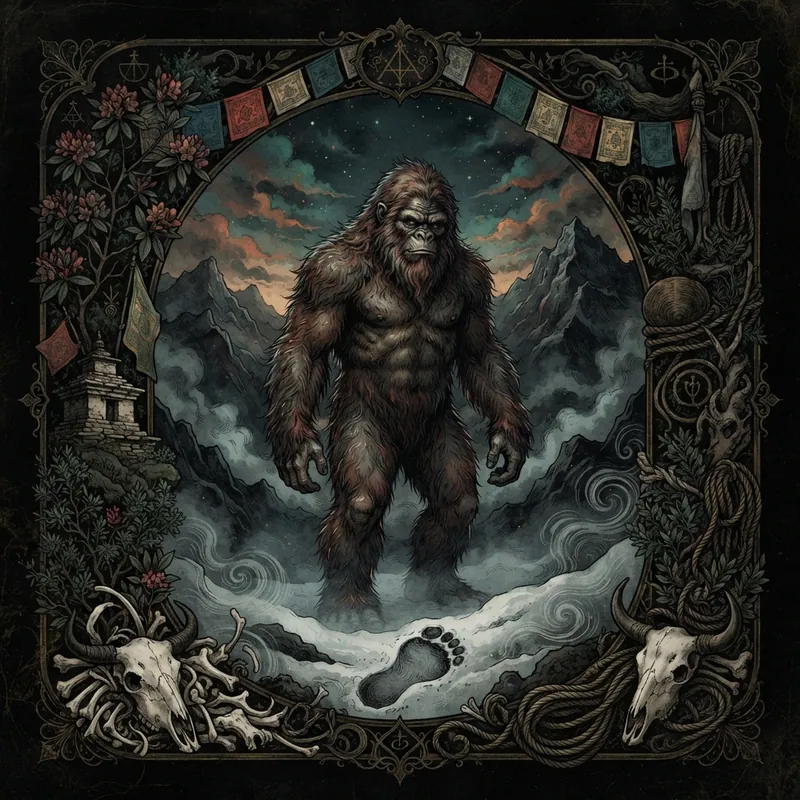
BrahmarākshasaIn Hindu folklore, the vengeful spirit of a Brahmin who lived unrighteously, retaining priestly learning in a rakshasa form. Often tied to peepal trees, disrupted rites, and the cost of knowledge without dharma.PiśāchaFlesh-eating night beings of Hindu and South Asian religious storytelling, associated with cremation grounds, violent death, shapeshifting, and possession that can unseat the mind.YakshiIn Kerala nocturnal folklore, a yakshi may appear as a beautiful woman of the night road who lures travellers; this is not the same figure as the auspicious yakṣī of temple sculpture, nor as yaksha beings more broadly.YetiA wild-man and mountain being of Himalayan folklore — Tibetan mi rgod, Sherpa and Nepali yeti — encountered first as local religious and herding knowledge, not as a Western cryptozoological prize.
 ⛧
⛧ ☾
☾ ◎
◎ ◒
◒The Americas · 16
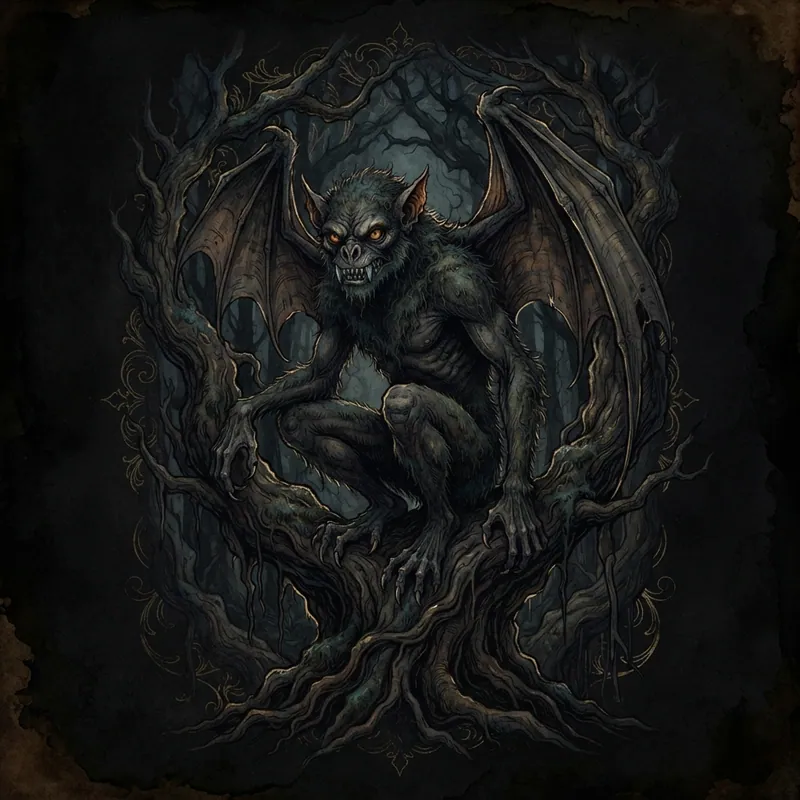
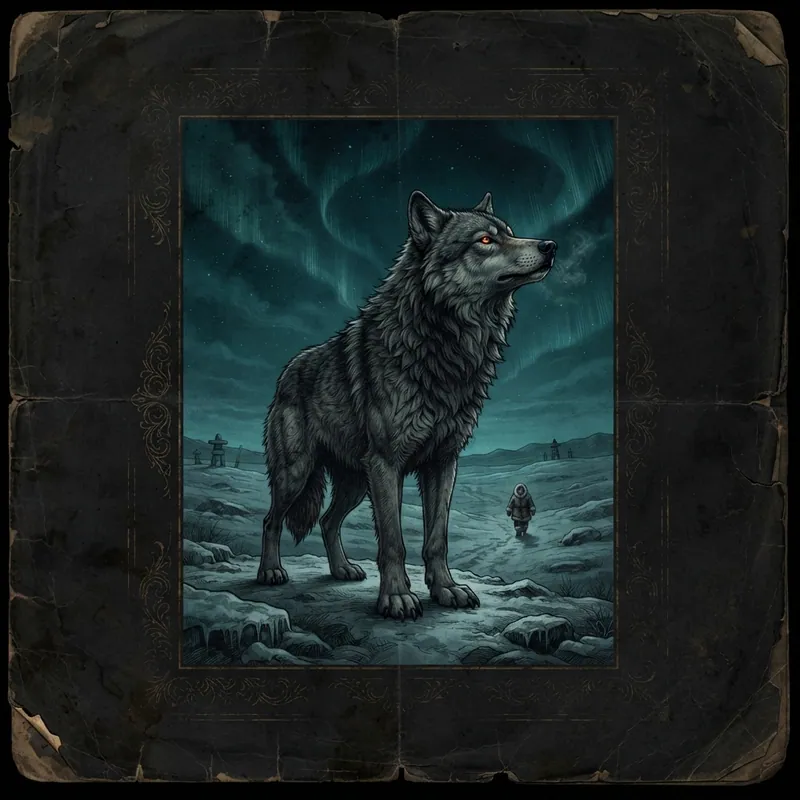
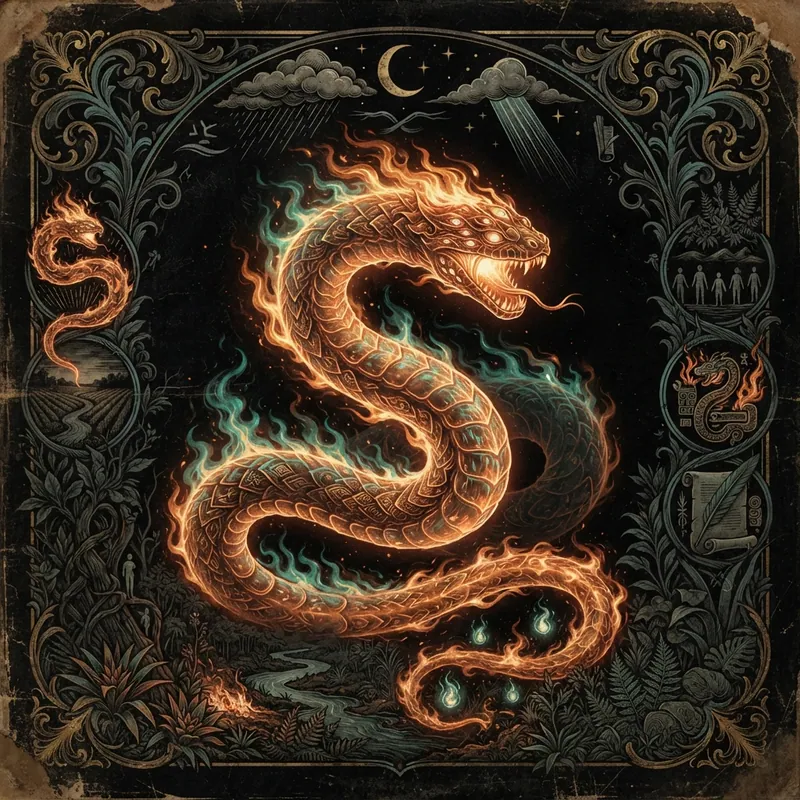
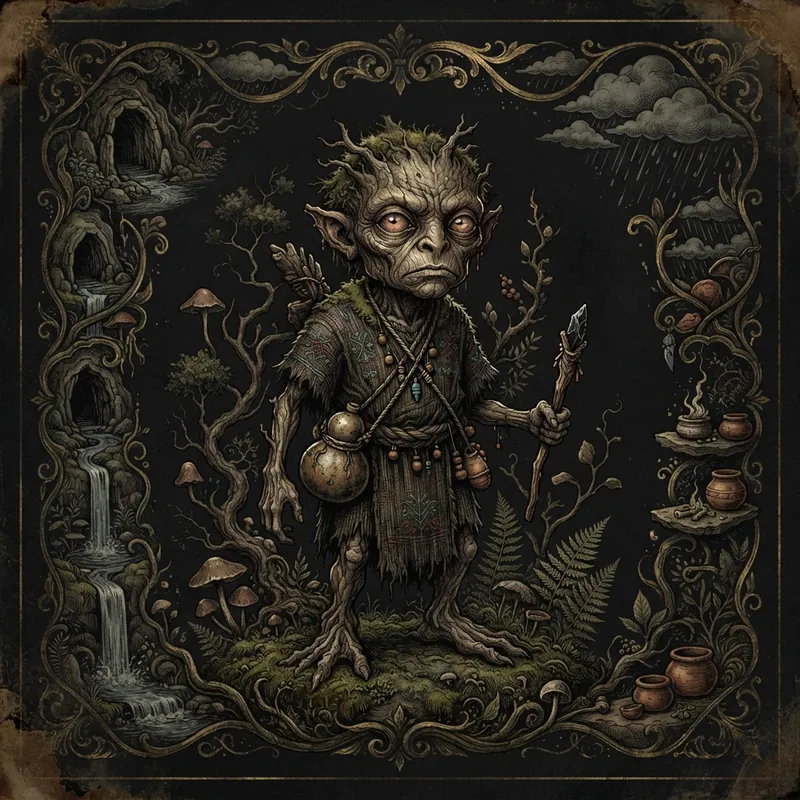
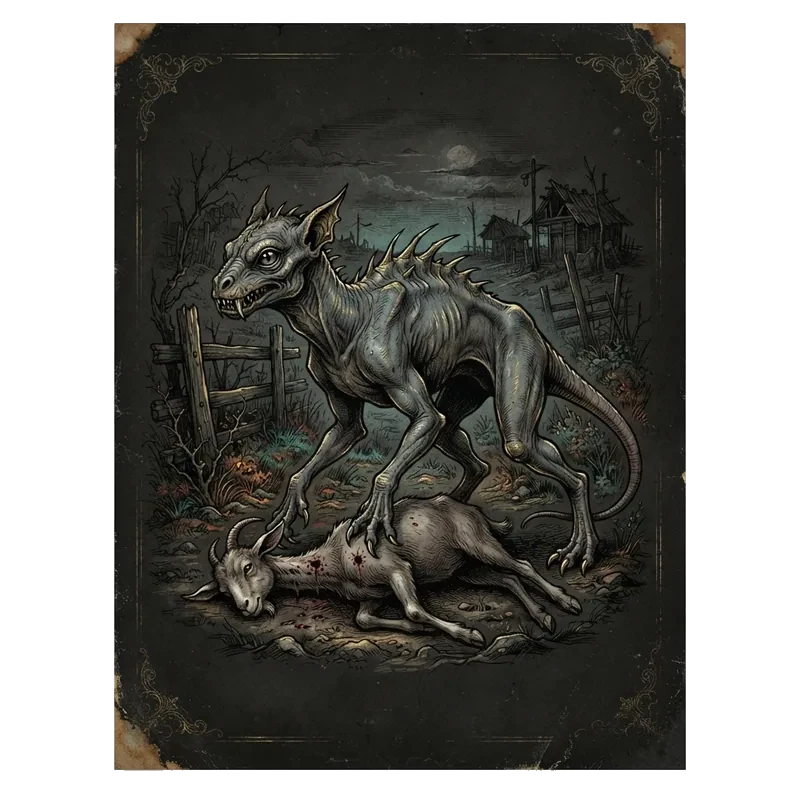
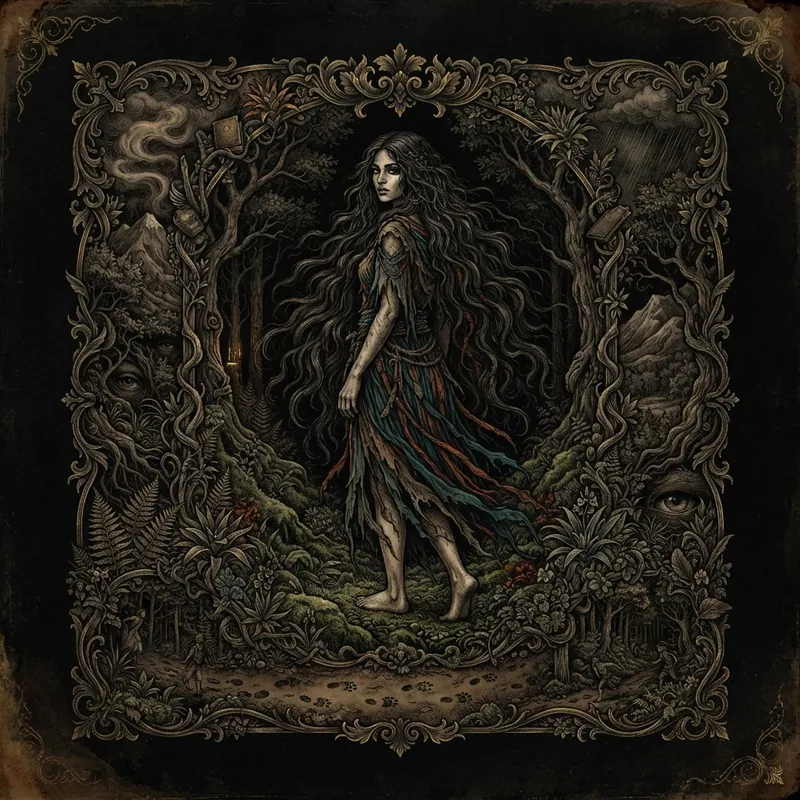
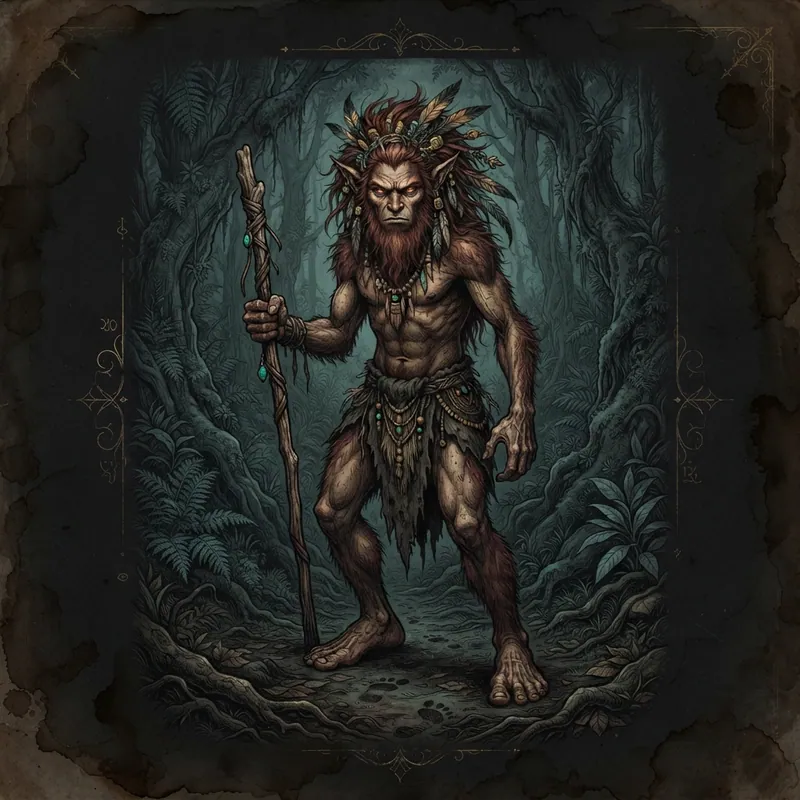
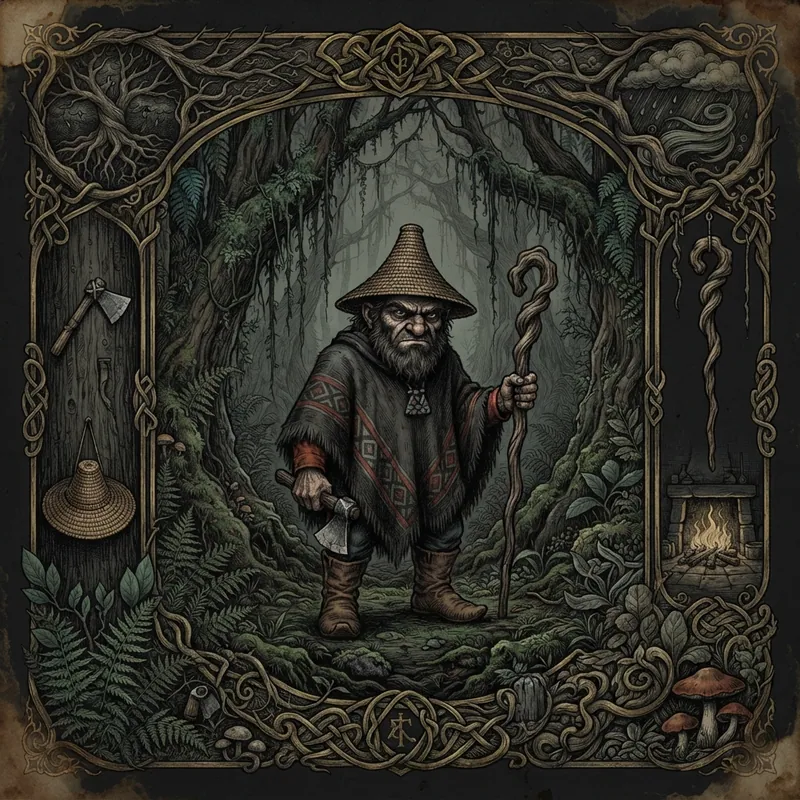
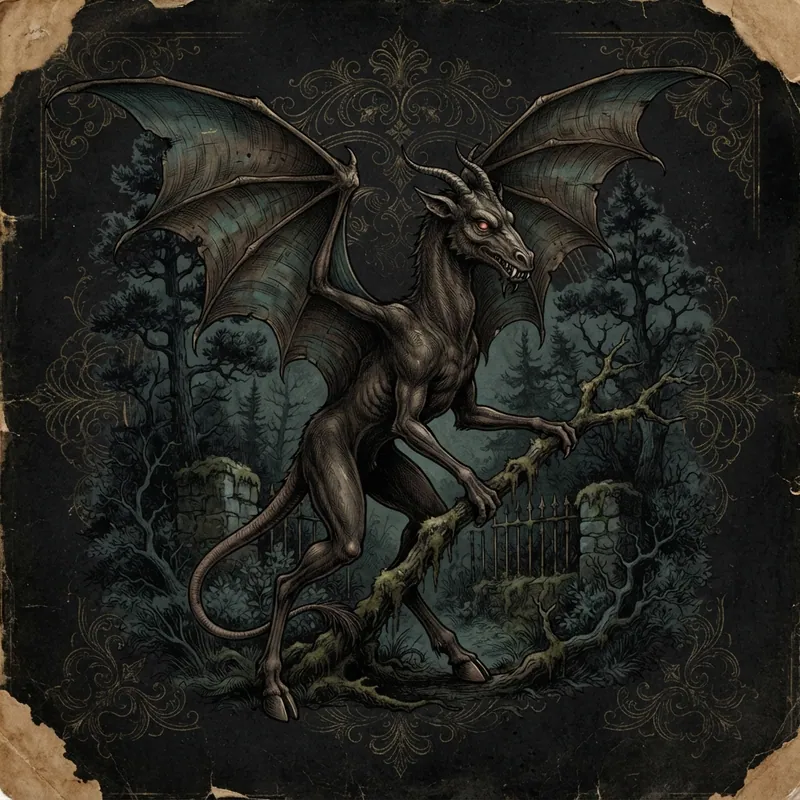
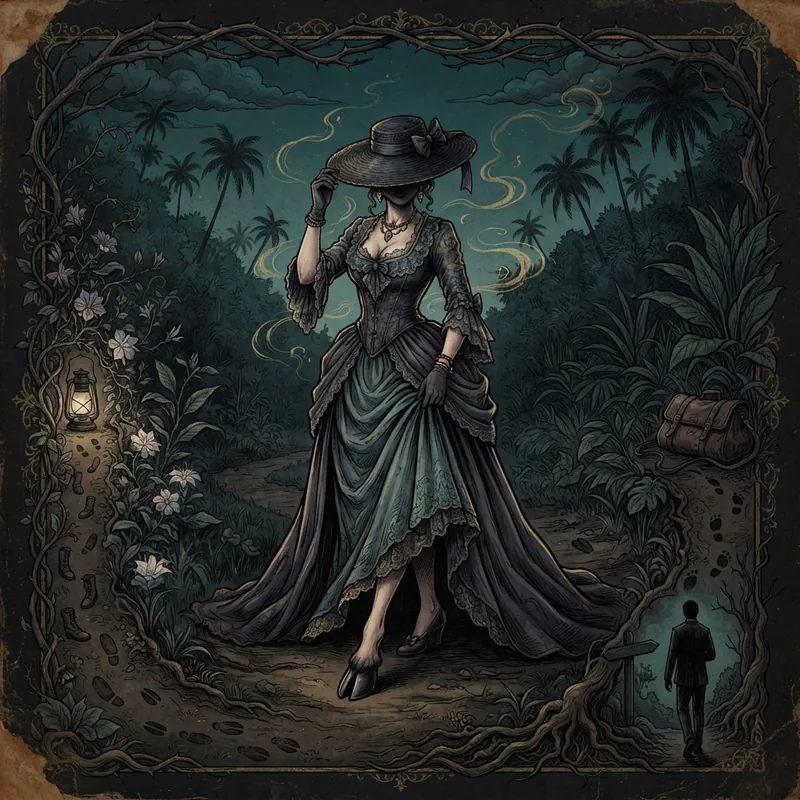
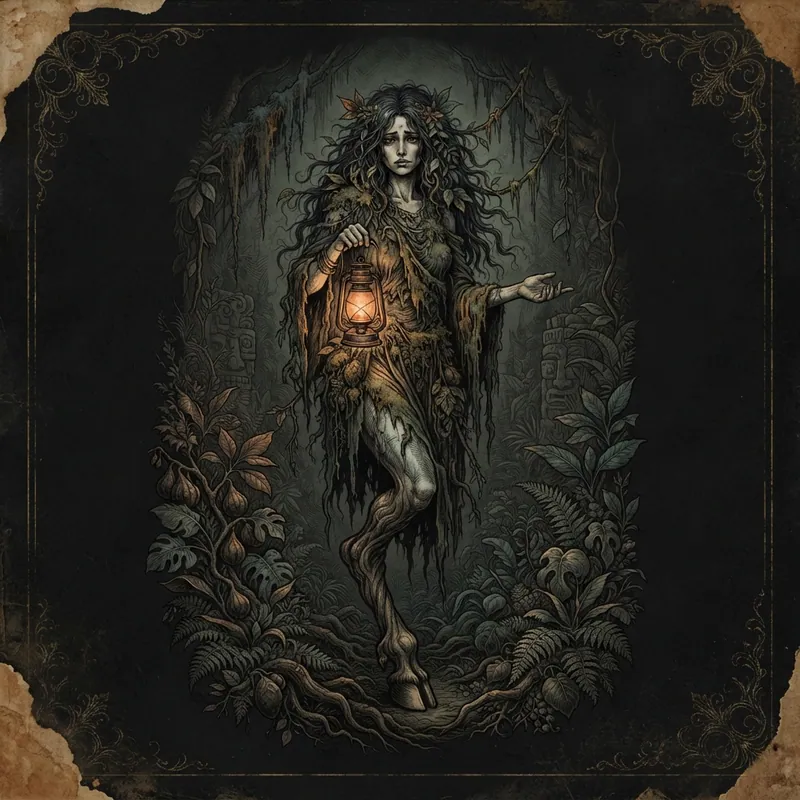
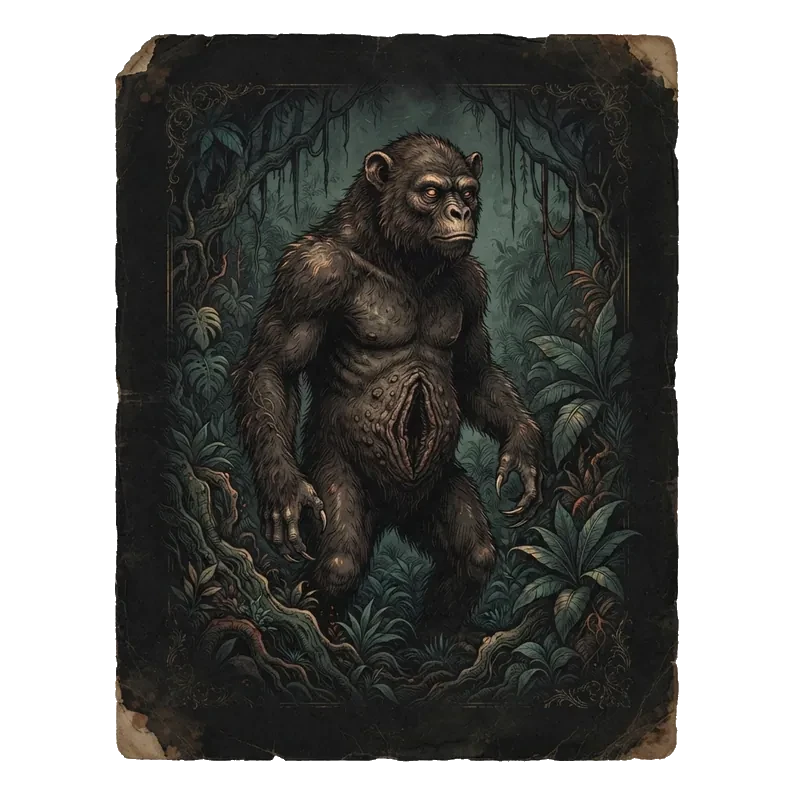
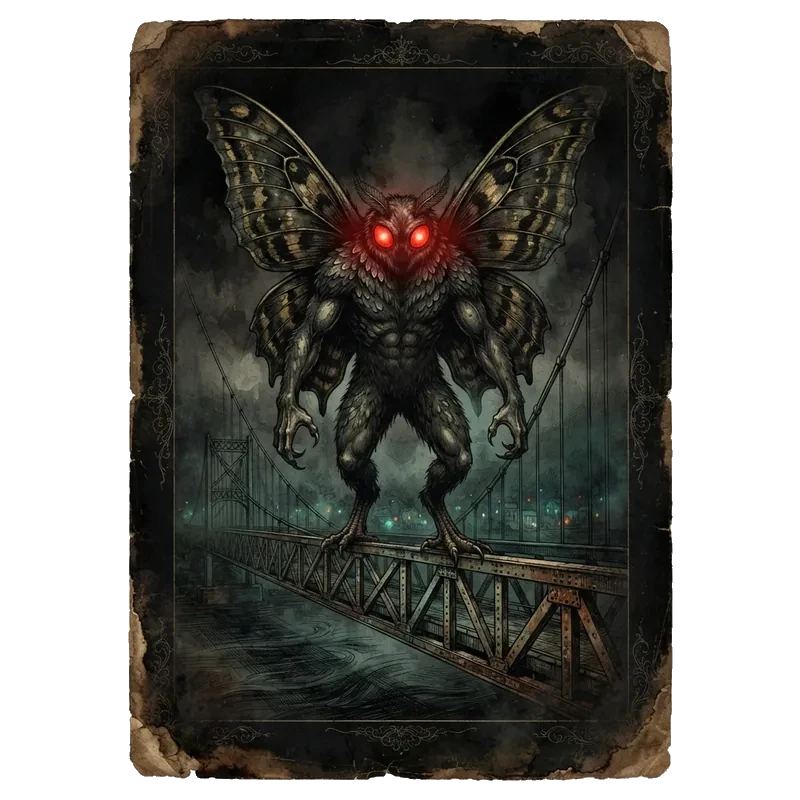
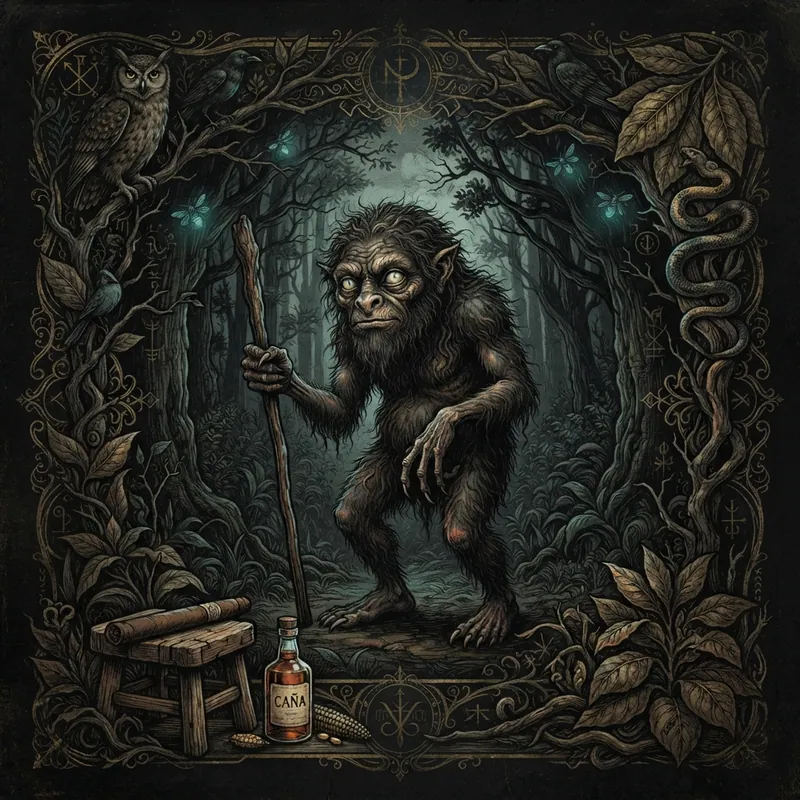
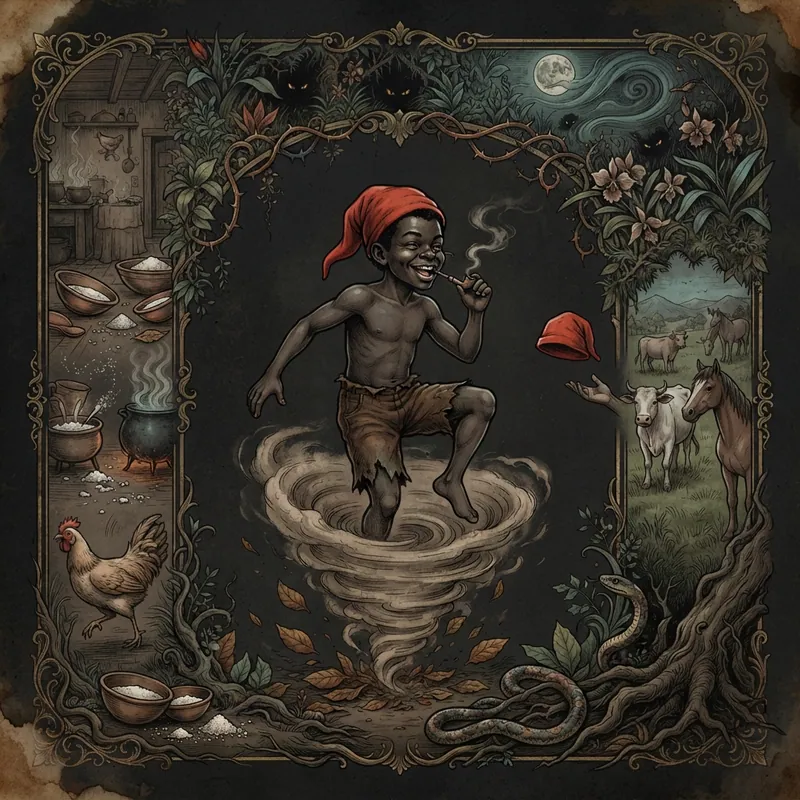
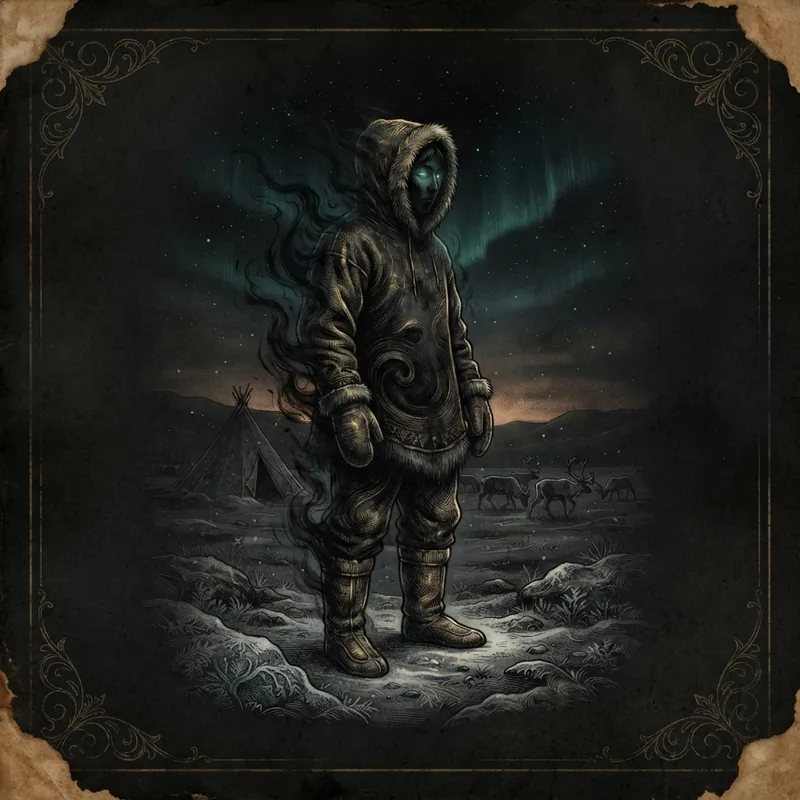
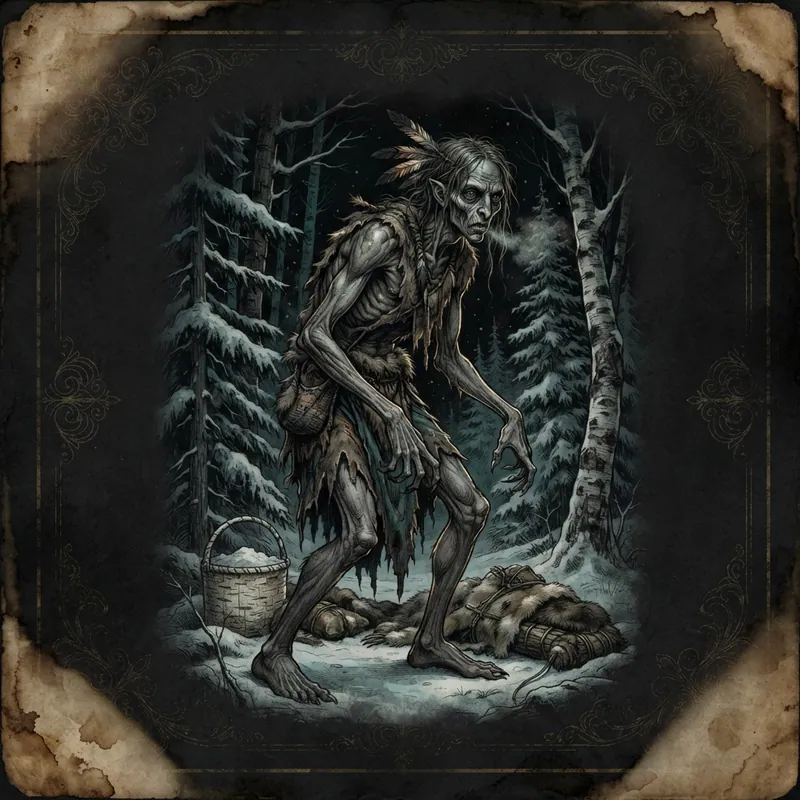
AmarokA giant wolf of Inuit folklore that hunts solitary travellers. Unlike pack wolves, the amarok is associated with the danger of going alone into the land.BoitatáA Brazilian fire-omen: Boitatá, from Tupi mbaê-tata, fiery thing, later heard as mbói-tatá, fire snake. Guardian of fields against arson, recorded by José de Anchieta in 1560 as baetatá. Regional forms include bull and will-o’-the-wisp.ChanequeNahua and Mexican forest householders — chanehqueh, owners of the place — small guardians of woods, water, and caves. Related in role to Maya aluxob but Mexican in language and cosmology. Living belief in several regions, not a vanished Aztec mascot.ChupacabraA late-twentieth-century cryptid first widely reported in Puerto Rico, later spreading across the Americas. Descriptions shift between spiny alien and hairless dog; media and rumour feed each other.CiguapaA Dominican mountain being, often a long-haired woman with backward-facing feet, whose tracks mislead pursuers. Tellings run from shy forest presence to dangerous lure; she is not simply La Llorona in another country.CurupiraA forest guardian of Brazilian folklore, often recognized by backward-facing feet that confuse hunters and protect the forest.El TraucoA small, deformed forest being of Chiloé who carries a stone axe and a twisted staff, the pahueldún. His gaze and breath are said to overwhelm women and injure men. Island lore, not a generic Latin American incubus.Jersey DevilA winged, hoofed cryptid of New Jersey’s Pine Barrens, mixing colonial curse stories, 1909 panic sightings, and later pop culture. Local identity and tall tale share the same shadow.La DiablesseA Creole temptress of Trinidad, Martinique, and neighbouring islands: poise and perfume from the front, one cow’s hoof under the long dress, a face the hat keeps back. She leads the unwary off the path. Not a generic succubus; keep the French-Creole and African-Caribbean setting.La PatasolaA one-legged forest seducer of Colombian lore who lures men into the wilderness. Often read as a warning about the jungle’s dangers and gendered violence in oral tradition.MapinguariA formidable creature from Amazonian stories and later cryptid retellings, linked to the dense forest and the boundaries of the known.MothmanA modern legend associated with Point Pleasant, West Virginia, and a cluster of 1960s sightings, rumours, and later retellings.PomberoA short, hairy, often invisible night being of Guaraní Paraguay and neighbouring Brazil: Karai Pyhare, lord of the night, also called Pomberito. Guardian of birds and forest, trickster of barns and paths. Keep the Guaraní names; he is not a generic Latin American duende.Saci-pererêBrazil’s one-legged trickster: a Black boy in a red cap, pipe in mouth, riding dust-devils, switching salt and sugar, freeing livestock. A syncretic Tupi, African, and Portuguese figure, not a single Indigenous demon and not a cute mascot only.TariaksuqShadow-people beings in some Inuit tellings, glimpsed sideways rather than confronted. Related in discussion to ijirait but not identical; elders’ knowledge should lead any serious reading.WendigoA gaunt, insatiable being of Algonquian tradition, associated with deep winter, starvation, and the dread of a hunger that consumes the self.
 ♧
♧ ✧
✧ ♧
♧ ◒
◒ ♧
♧ ♧
♧ ♧
♧ ◒
◒ ⛤
⛤ ♧
♧ ◒
◒ ◒
◒ ♧
♧ ☿
☿ ◎
◎ ♧
♧