THE CONCORDANCE
River & lake
Still and running water where things wait below.
Africa & the Middle East · 7
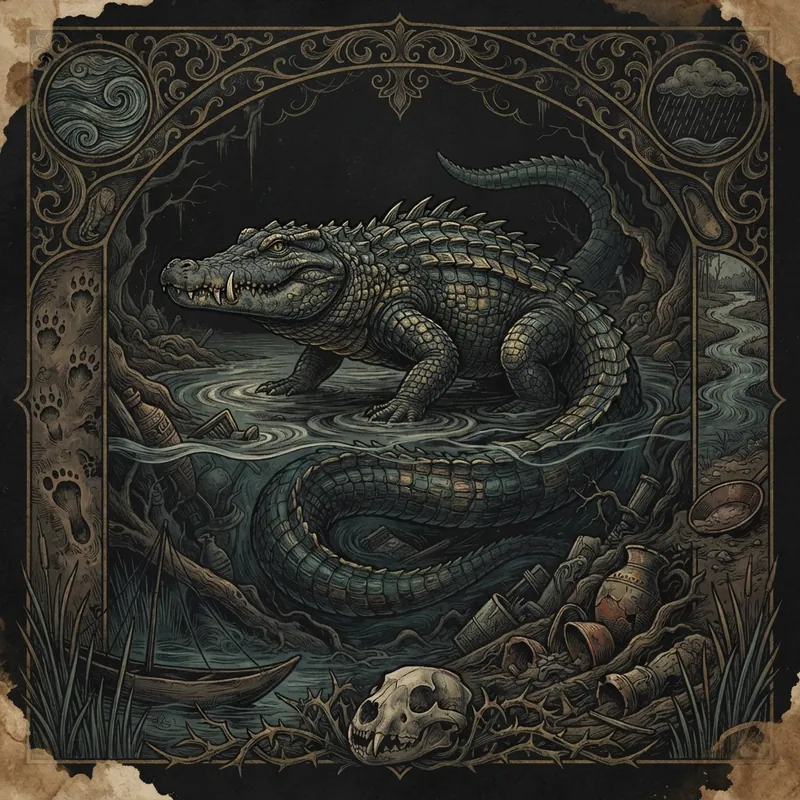
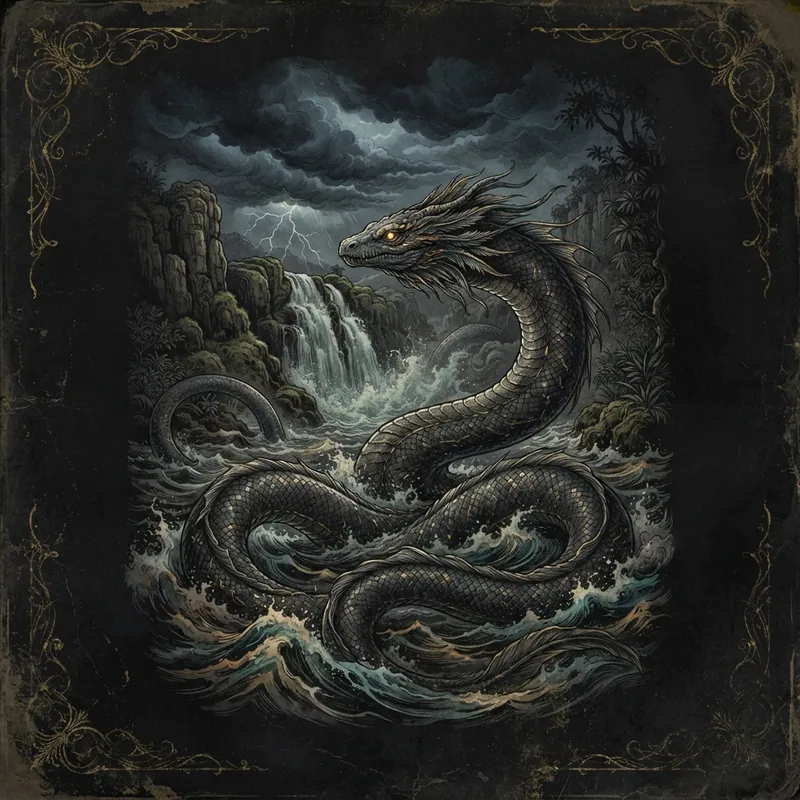
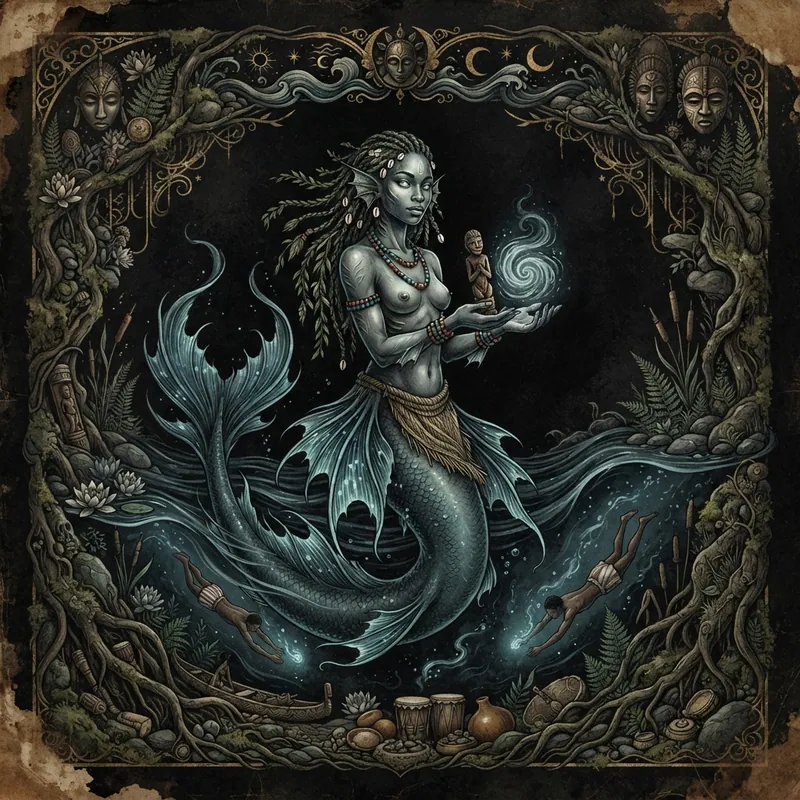
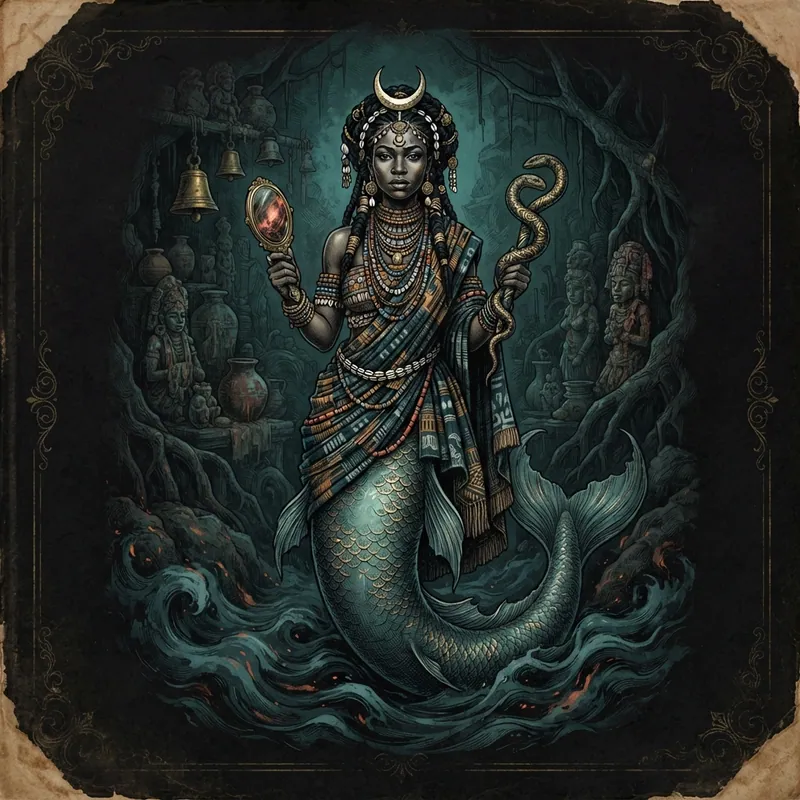
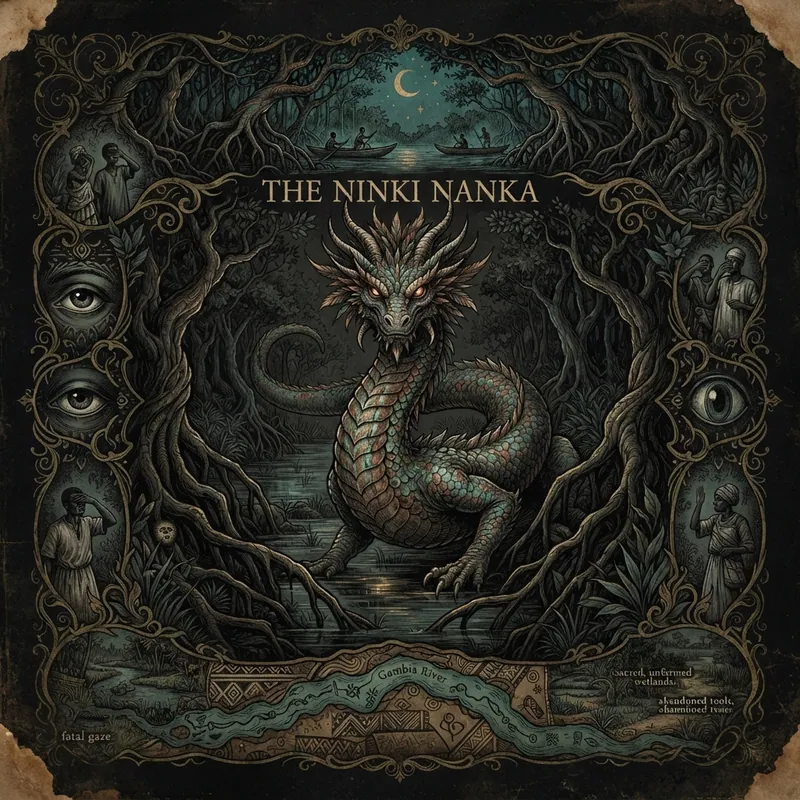
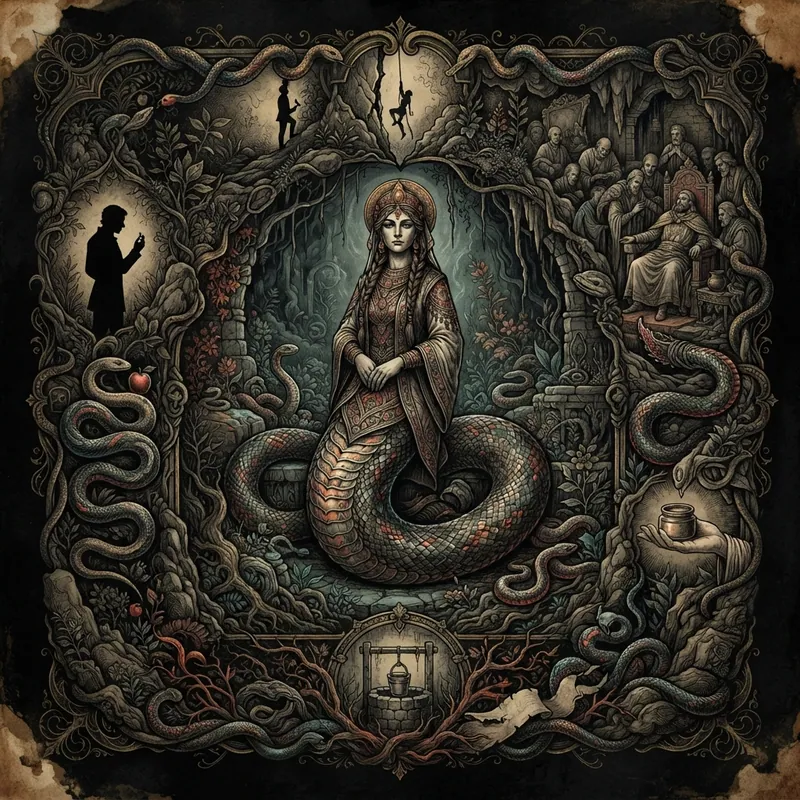
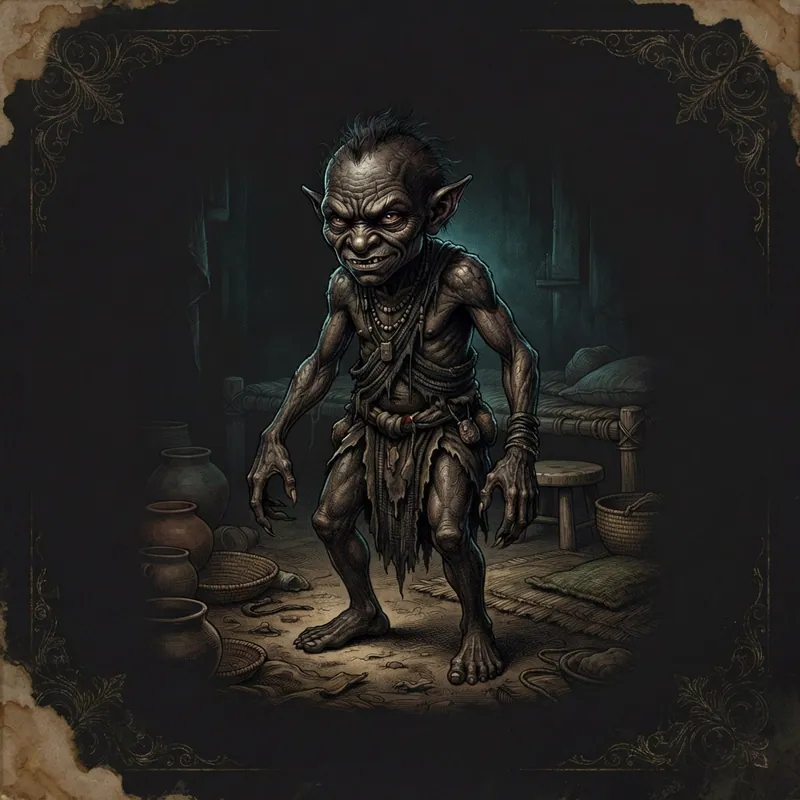
DingonekA scaled, fanged river being reported from western Kenya’s Maggori and Mara drainages into Lake Victoria. English print memory begins with John Alfred Jordan’s 1907 encounter, while C. W. Hobley set it beside older lakeside talk of the Lukwata.InkanyambaA large serpentine being associated especially with Howick Falls and summer storms in Zulu and related traditions. Weather, place, and being are bound together.JenguAmong the Sawa peoples of coastal Cameroon, a jengu (plural miengu; Bakweri liengu) is a water spirit of river, estuary, and sea. Living cults honour miengu as healers, fortune-bringers, and intermediaries with the ancestors, especially in the Duala Ngondo rites on the Wouri.Mami WataA powerful water spirit complex across West/Central Africa and the diaspora, associated with beauty, wealth, danger, and devotion. Not a single mermaid stereotype; practices and meanings are living and diverse.Ninki NankaA dragon-like swamp being of Mandinka, Fula, Wolof and other West African tellings, especially along the lower Gambia. Descriptions vary; what the traditions share is that seeing it, above all its eyes or crown, is an omen of death, and that some wetlands are left unfarmed for its sake.ShahmaranShahmaran (Şahmeran, Şamaran), “sovereign of the snakes,” is a woman-serpent of Persian, Kurdish, Arabic, and Anatolian story. She teaches medicine in an underground garden; a broken promise delivers her to a sick king. Images still hang in Tarsus and Mardin homes.TokolosheA figure appearing in several Southern African stories and contemporary cultural conversations, with meanings that vary across communities, languages, and tellers.
 ◒
◒ ≈
≈ ≈
≈ ≈
≈ ◒
◒ ≈
≈ ☾
☾Asia & the Isles · 6
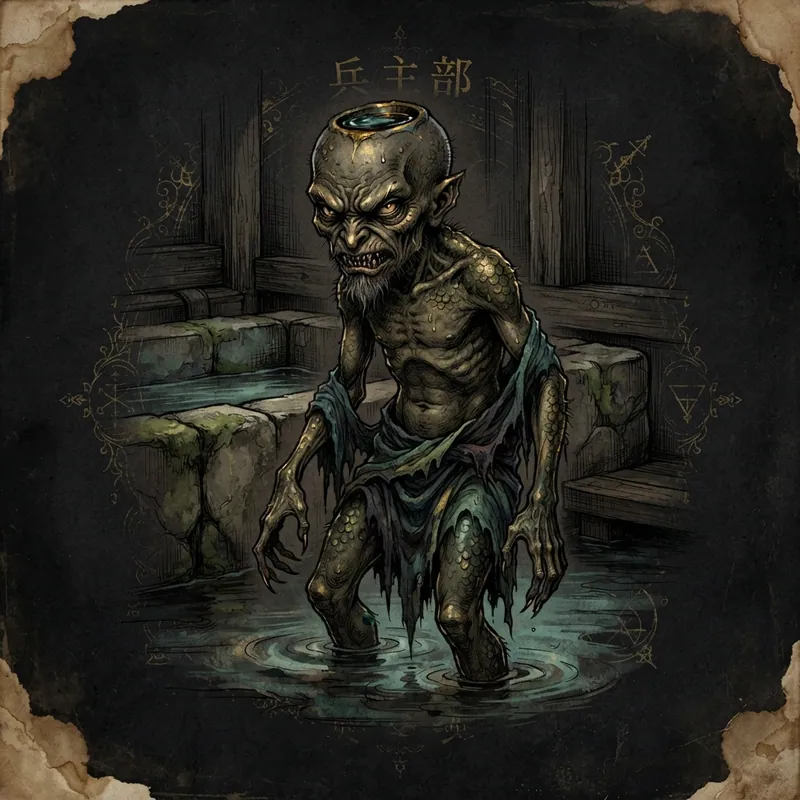
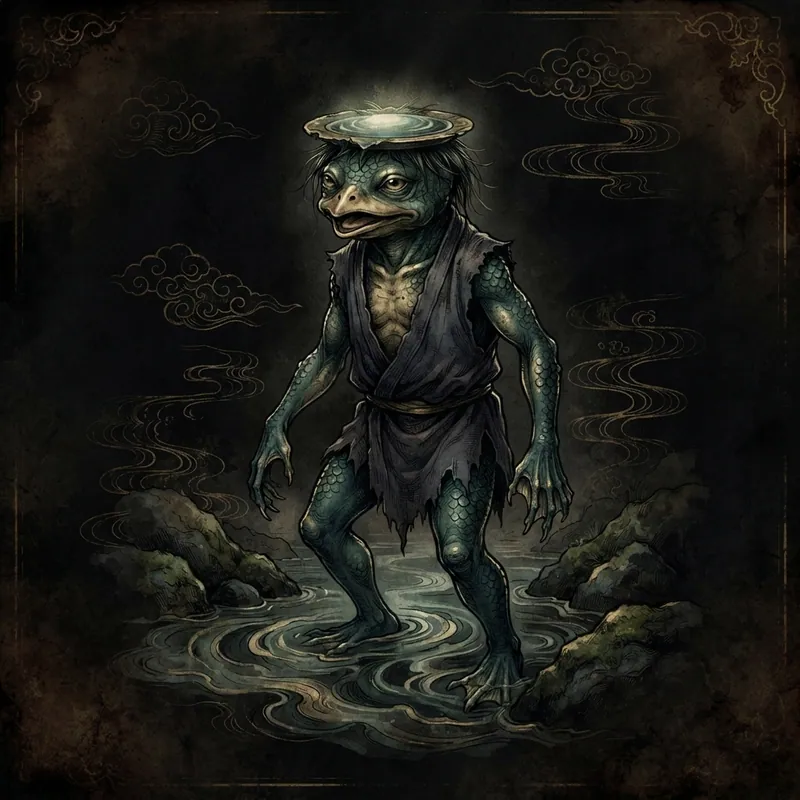
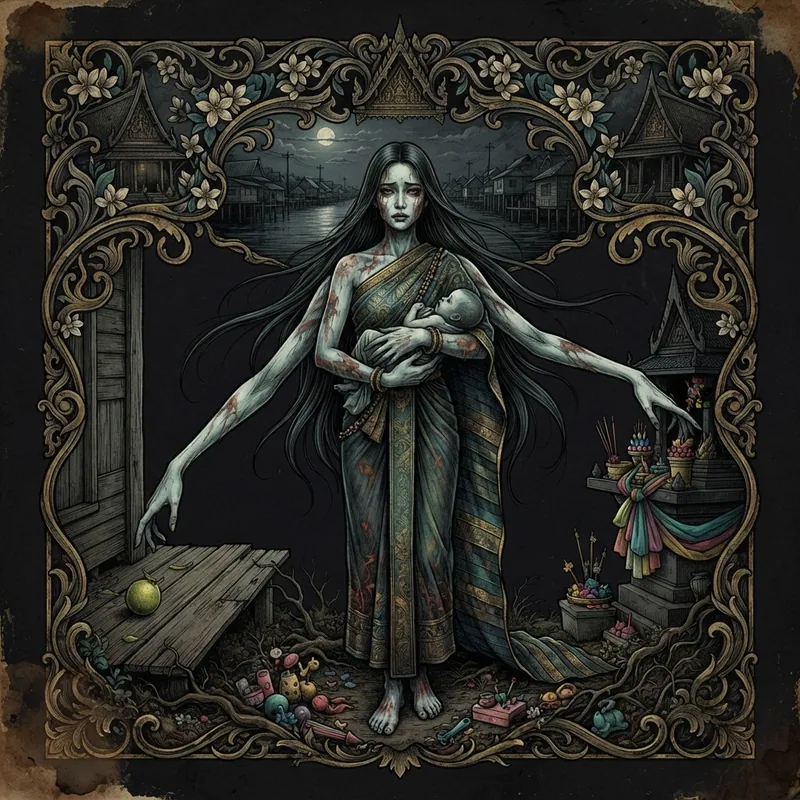
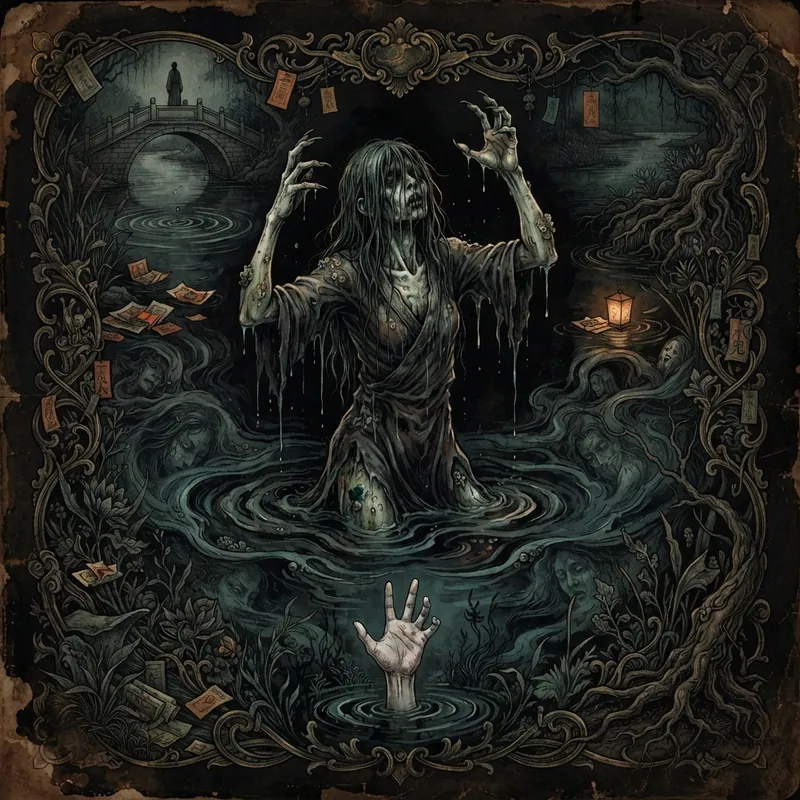
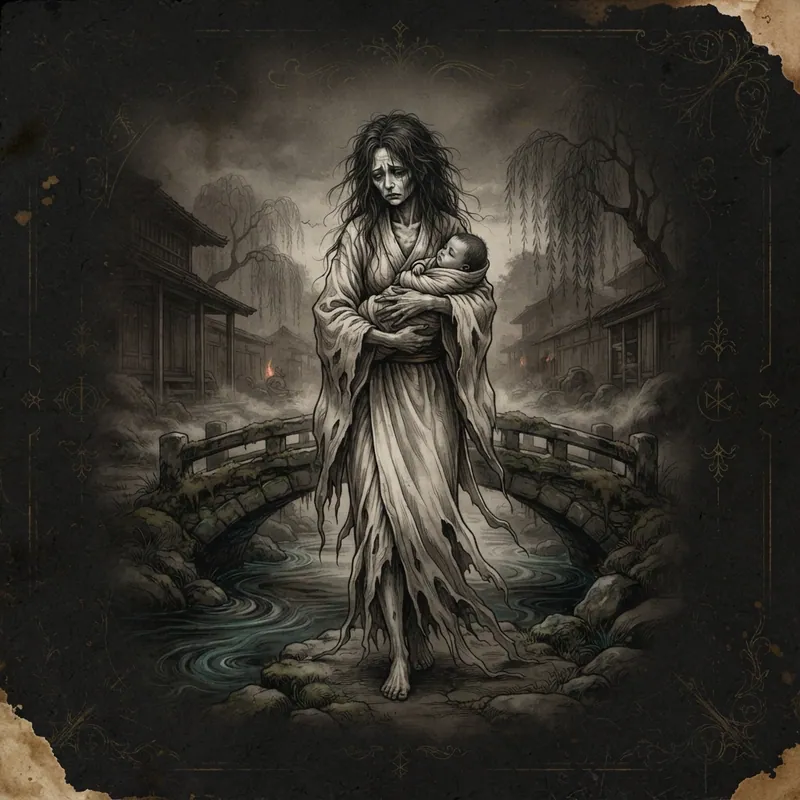
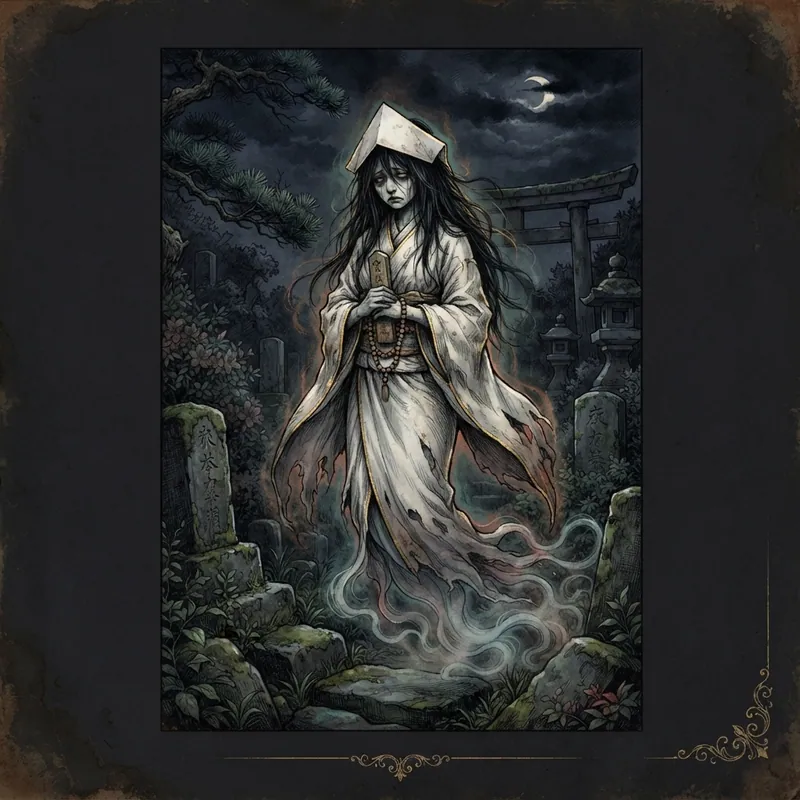
HyōsubeA kappa-like child of rivers and baths in Kyushu lore, known for invading bathhouses and leaving sickness or mischief behind. Local and kappa traditions overlap without being identical.KappaA water-dwelling yōkai in Japanese folklore, famous for mischief and for stories where manners, bargains, and rivers matter.Mae NakMae Nak of Phra Khanong: a specific Thai revenant of a woman who died in childbirth and waited for her husband. Her shrine at Wat Mahabut remains a place of living offerings.Shui GuiThe water ghost of Chinese folk belief: the spirit of someone who drowned, lingering at that place and, in many accounts, seeking a living substitute so it may leave the water.UbumeA spirit associated with women who died in childbirth in Japanese lore, often appearing near water or bridges and testing the living with a baby that becomes impossibly heavy.YūreiSpirits of the dead that linger for unresolved reasons — often bound to places, objects, or grudges — until the matter that holds them is finally settled.
 ≈
≈ ≈
≈ ✦
✦ ✦
✦ ✦
✦ ◌
◌Eastern Europe · 5
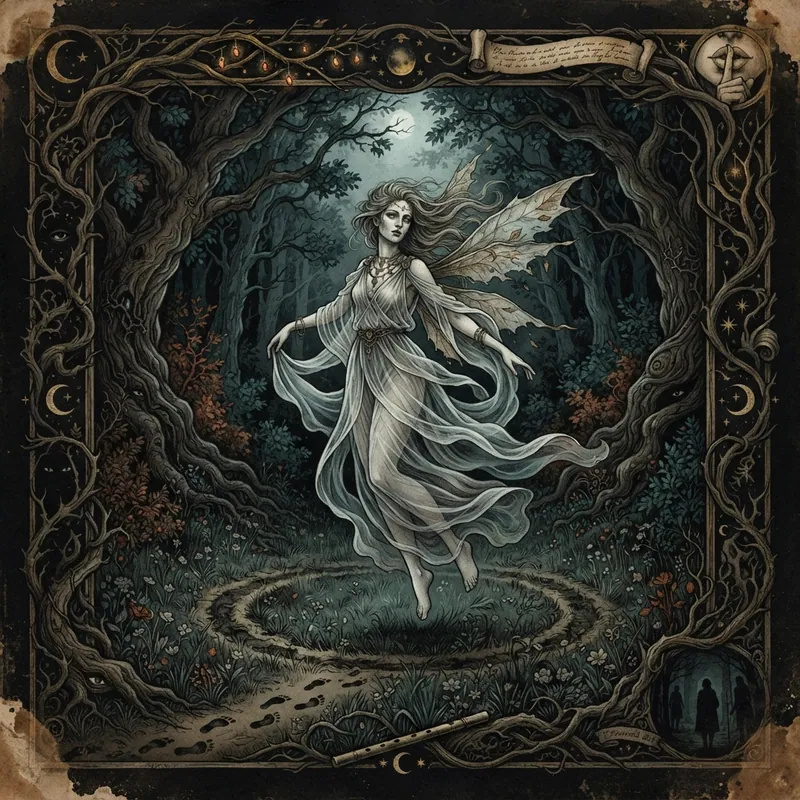
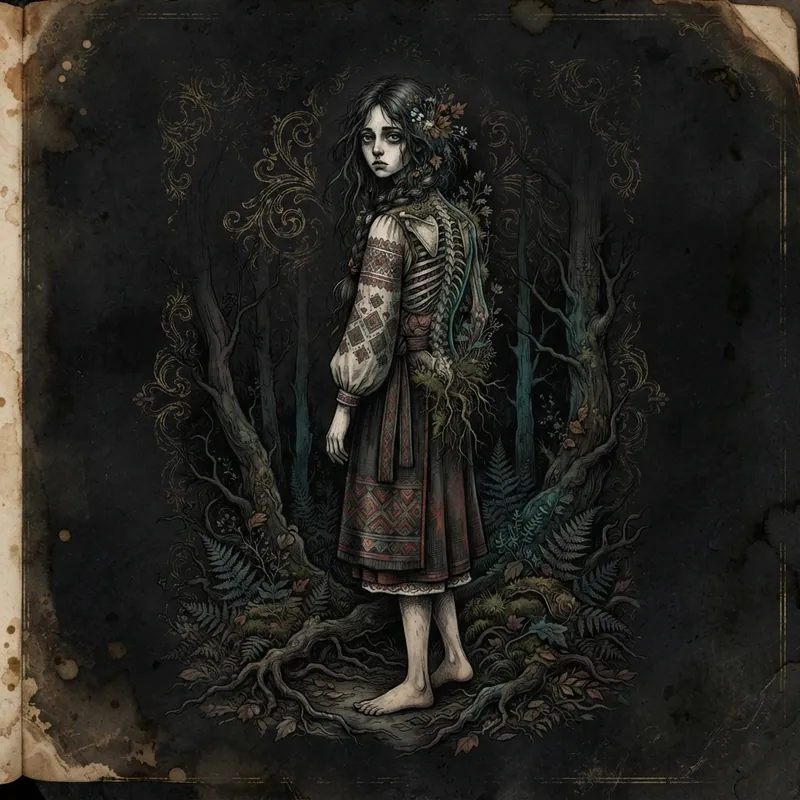
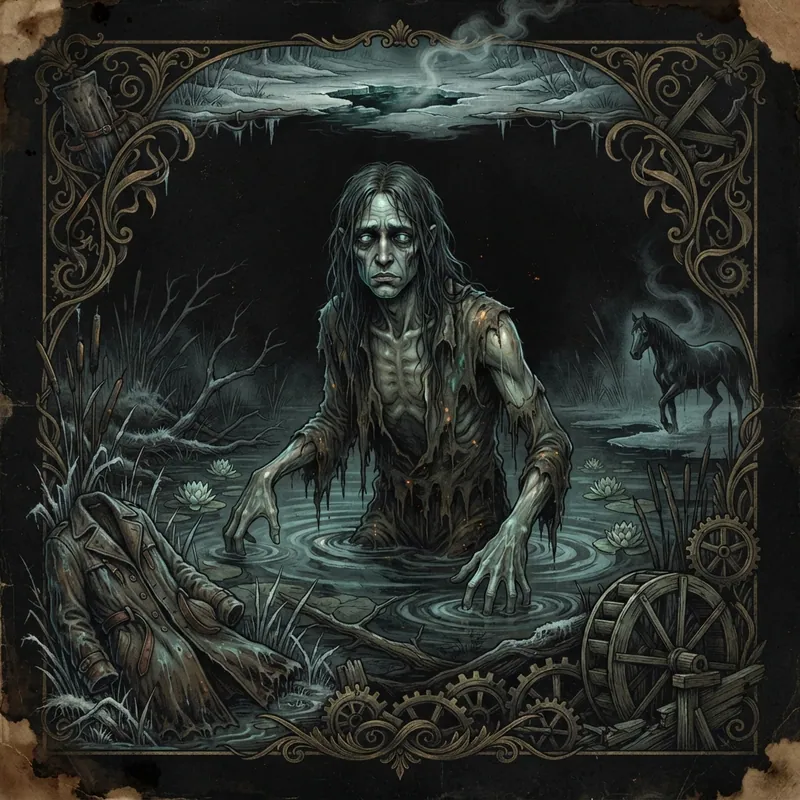
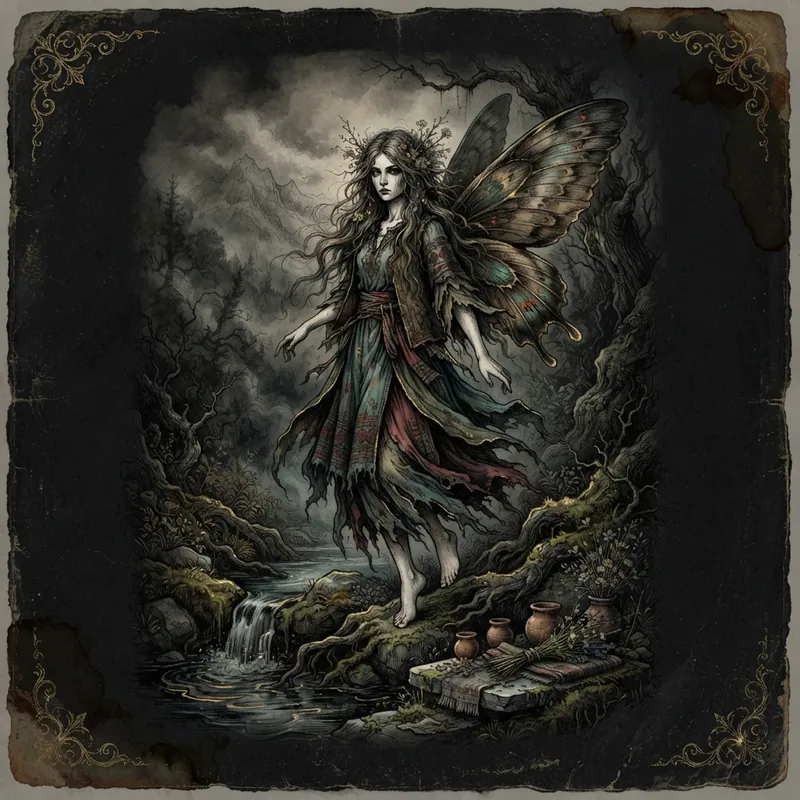
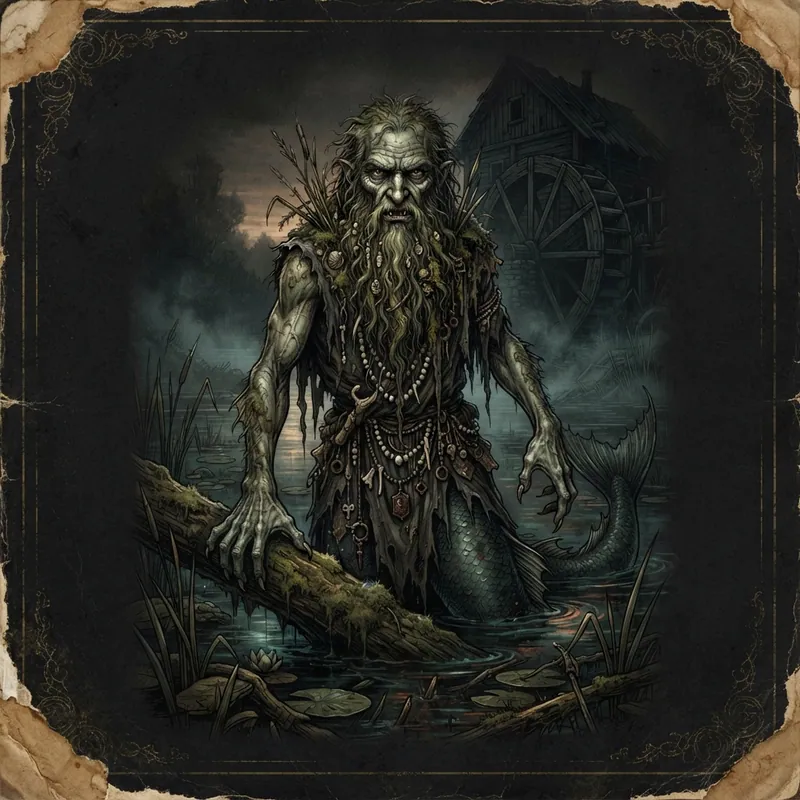
IeleFeminine night dancers of Romanian folklore, known by many polite names, whose hora in woods, meadows, and watersides can bless or ruin those who watch. Related to South Slavic vila, but not the same being.MavkaA forest spirit in Ukrainian tradition, often connected with young women who died before their time. Closely related in some tellings to rusalka lore, but rooted in woodland rather than only water.TopielecIn Polish folklore a topielec or utopiec is often the restless soul of someone who drowned, waiting in river, pond, or swamp to pull others under. Overlaps with wodnik, but is not identical to the rusalka of neighbouring lands.VilaBeautiful, often winged mountain or cloud spirits in South Slavic lore (vila, samovila, samodiva), capable of aid or harm. Offerings at springs and trees belong to living memory of the cult in some communities.VodyanoyA male water spirit of Slavic lore (vodník, wodnik, and related names elsewhere), often imagined as an old, slime-slick master of ponds and rivers who drowns the bold or bargains with millers.
 ❋
❋ ♧
♧ ✦
✦ ♧
♧ ≈
≈Europe & the North · 5
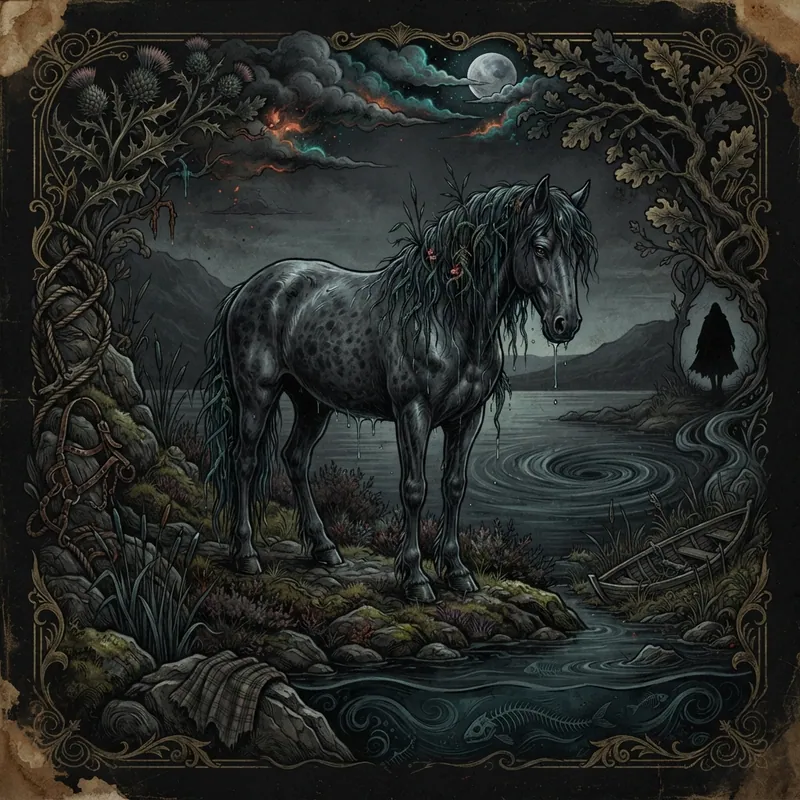
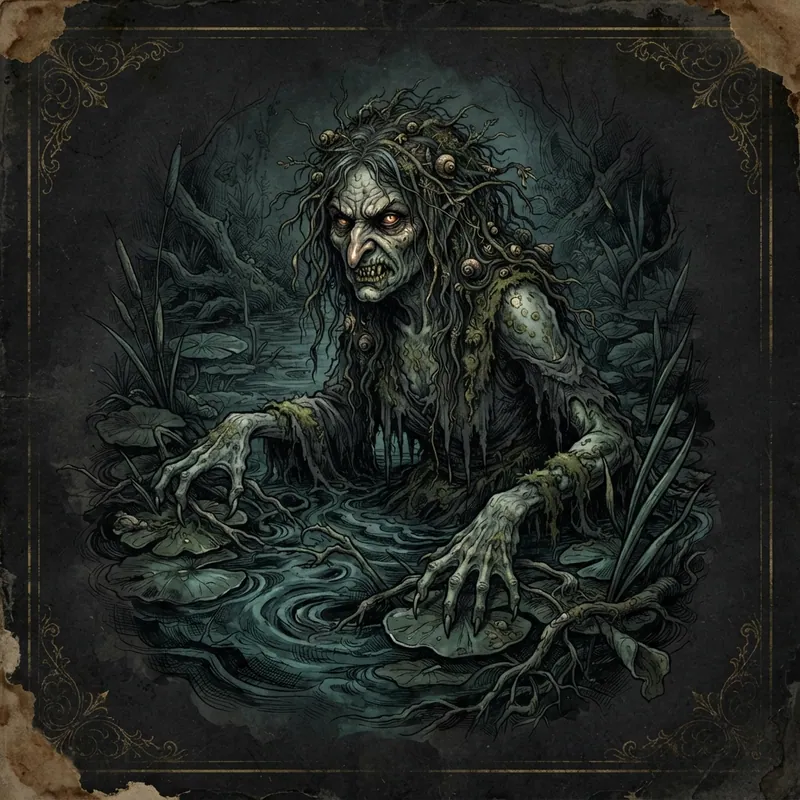
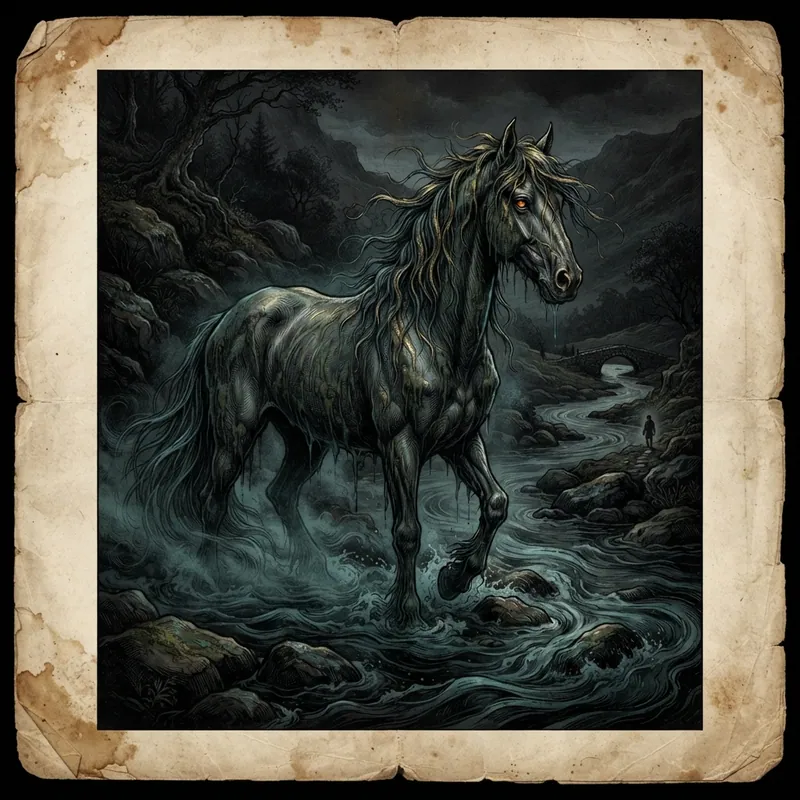
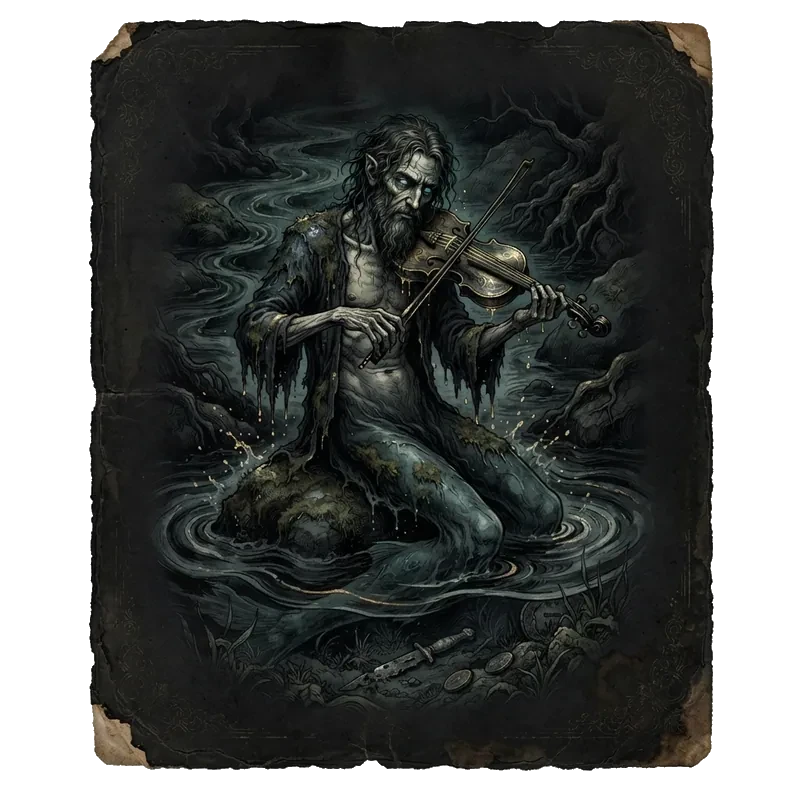
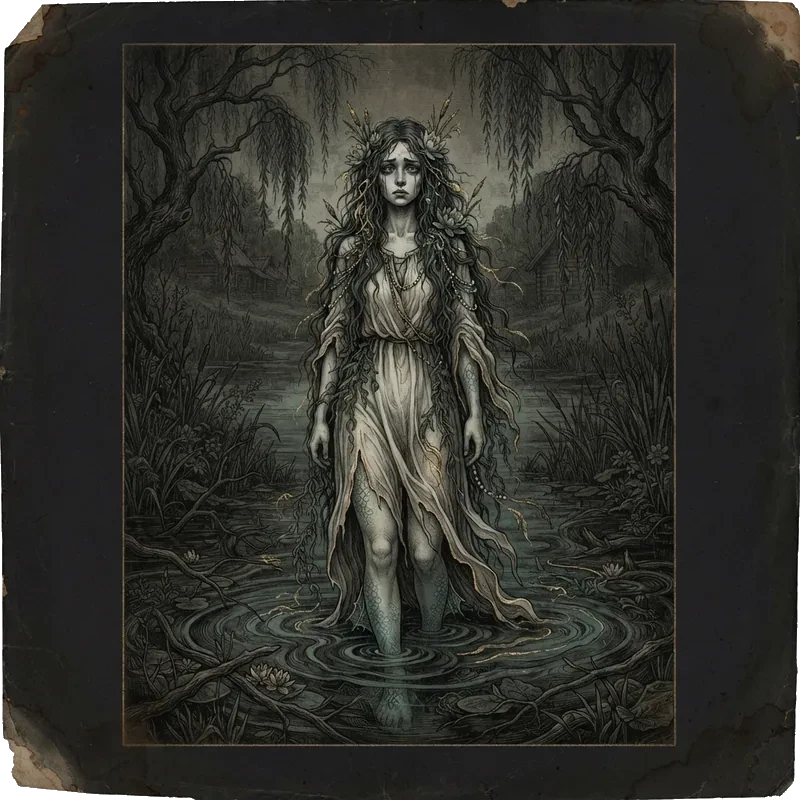
Each-uisgeThe Gaelic water-horse of Highland lochs, shape-changing and devouring. John Gregorson Campbell insisted it is not the kelpie of streams and torrents, though English retellings often merge the two.Jenny GreenteethA water hag of English regional lore, especially in the northwest, used to warn children away from weed-choked ponds and rivers. Related to grindylow and similar drowners.KelpieA shape-changing water spirit of Scottish folklore, often appearing as a horse and luring riders toward a fatal river or loch.NäckenA water spirit (näck, nøkk, nix) who plays enchanting music to lure listeners into deep water. Offerings and steel are among the traditional counters in some regions.RusalkaA Slavic water spirit, in many tellings the restless soul of a young woman who drowned or died unwed, dwelling in rivers and lakes and drawing the living to the water.
 ≈
≈ ≈
≈ ≈
≈ ≈
≈ ≈
≈Oceania & the Pacific · 6
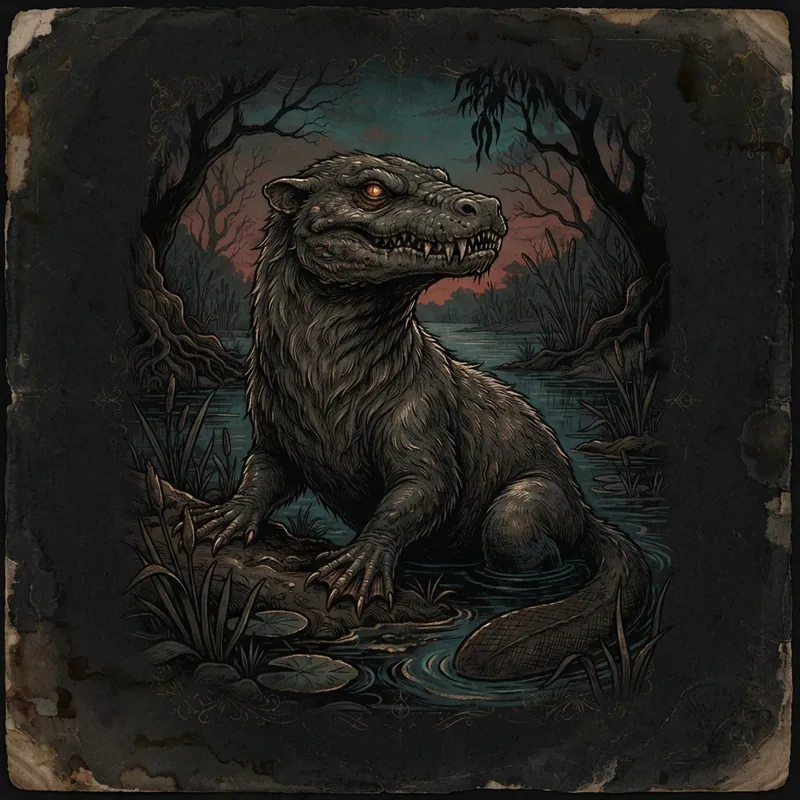
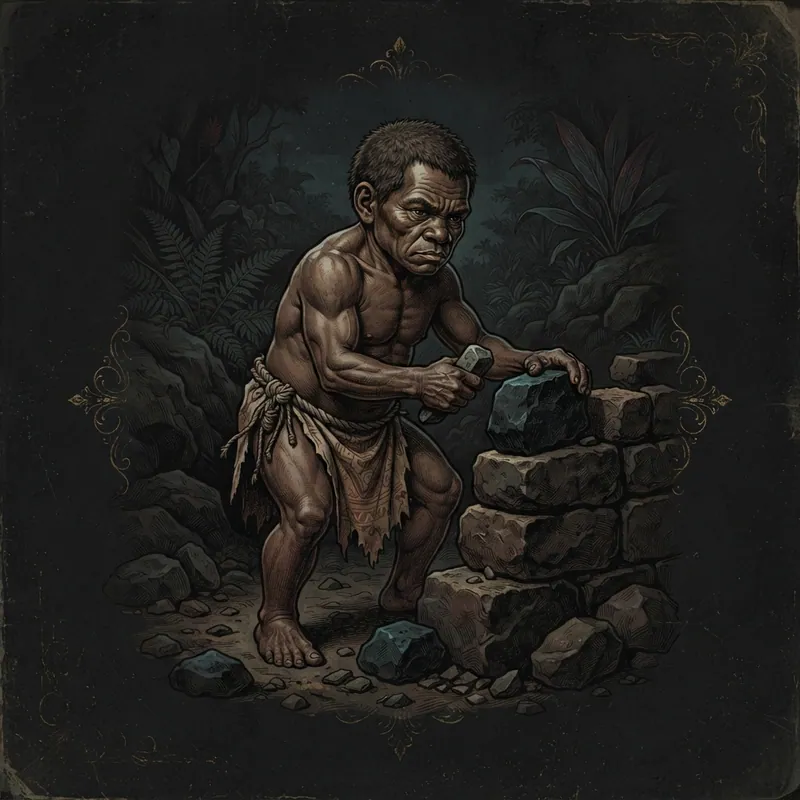
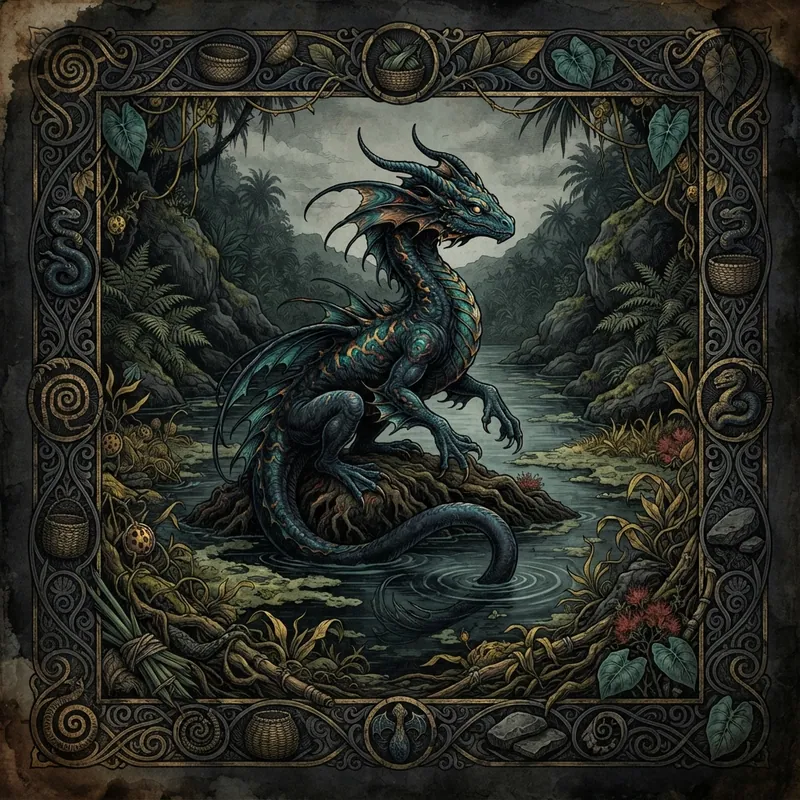
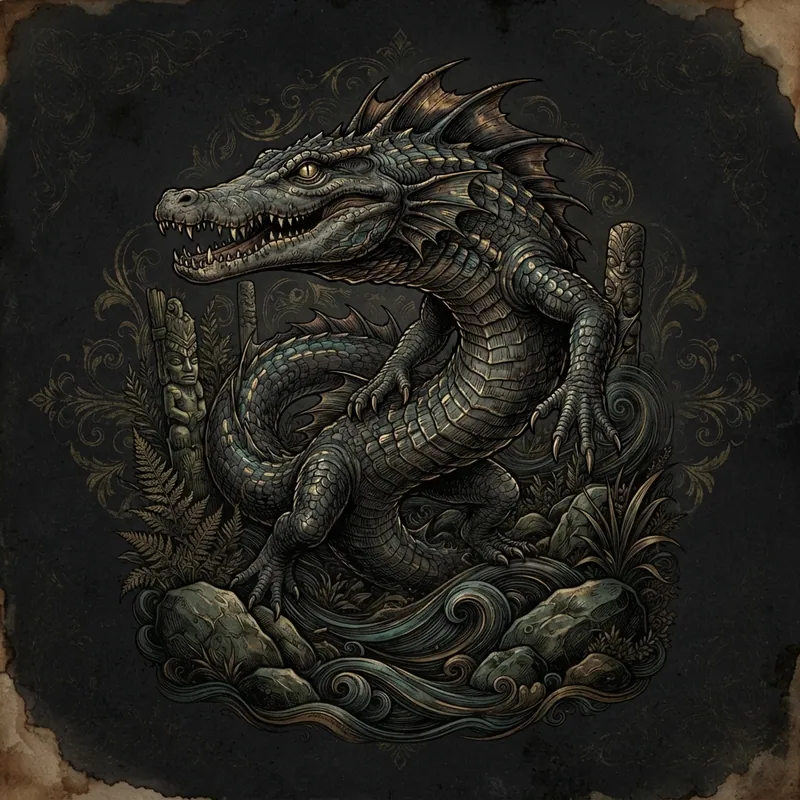
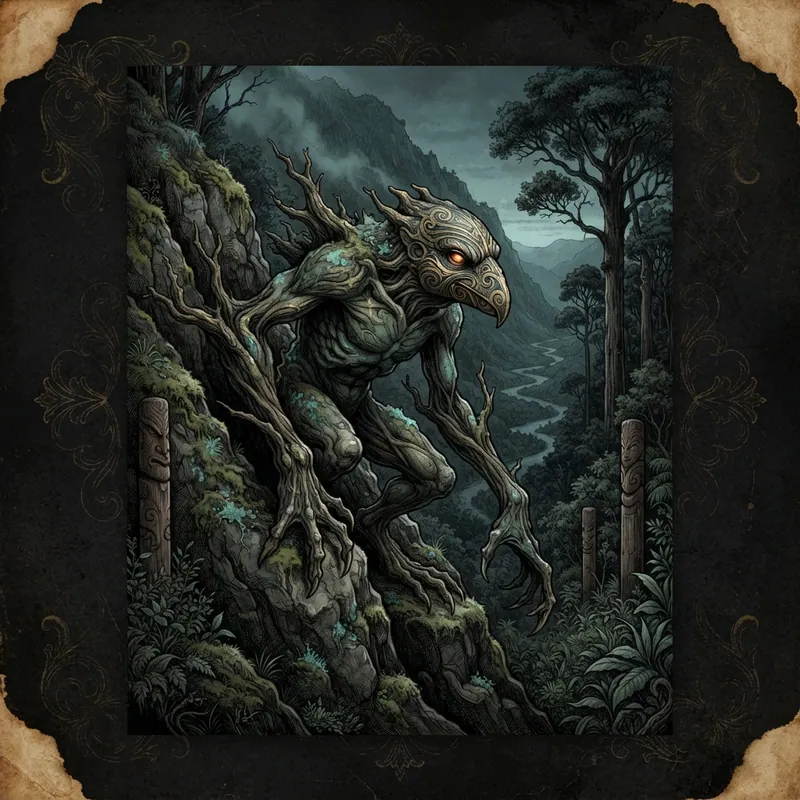
BunyipA being of Australian Aboriginal traditions and later settler retellings, associated with waterholes, swamps, and dangers at the water’s edge. Specific meanings belong to specific nations.MenehuneSmall night-working people in Hawaiian storytelling credited with prodigious stone construction. Interpretations range from legendary craftspeople to encodings of earlier populations—handle with cultural care.MoʻoHawaiian moʻo are shapeshifting freshwater guardian beings — akua and sometimes ʻaumākua — who embody the life-giving and death-dealing nature of water. Living tradition, not a reptile trophy.TaniwhaTaniwha are powerful beings in Māori traditions, associated with specific places and whakapapa. They may protect, warn, or threaten depending on the story and relationship.Taniwha (guardian note)Taniwha belong to Māori whakapapa, place names, and ongoing cultural life. Some accounts describe protectors and kaitiaki tied to rivers, harbours, and tribal identity. This archive points to respect and community authority rather than a flattened cryptid file.TipuaIn Māori tradition, tipua can be supernatural beings or uncanny animated objects and places. Meanings are specific to whakapapa and locale; treat as knowledge, not a catch-all cryptid.
 ≈
≈ ⌂
⌂ ≈
≈ ≈
≈ ≈
≈ ◎
◎South Asia · 2
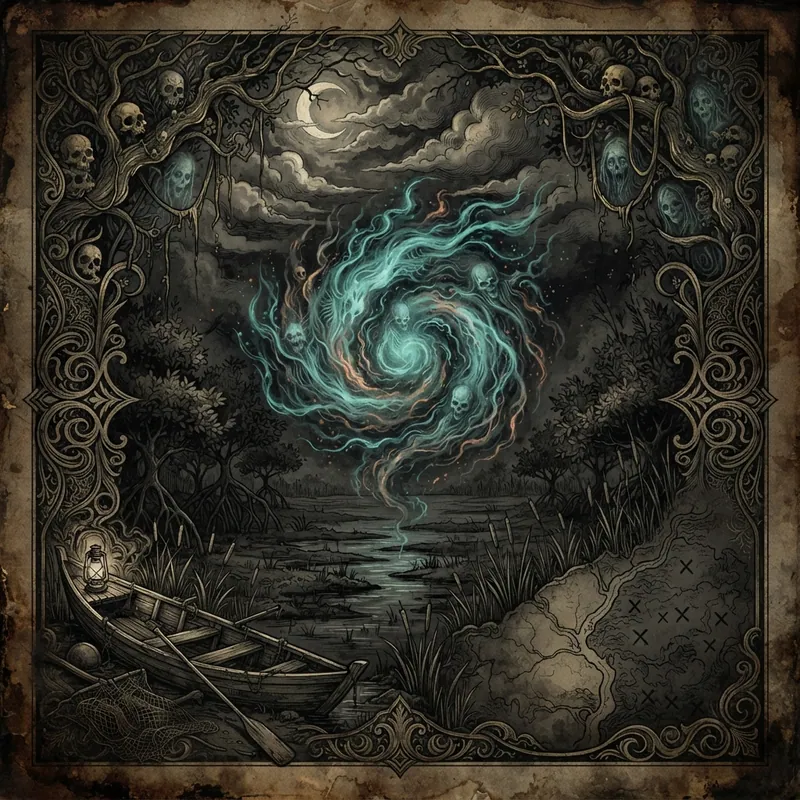
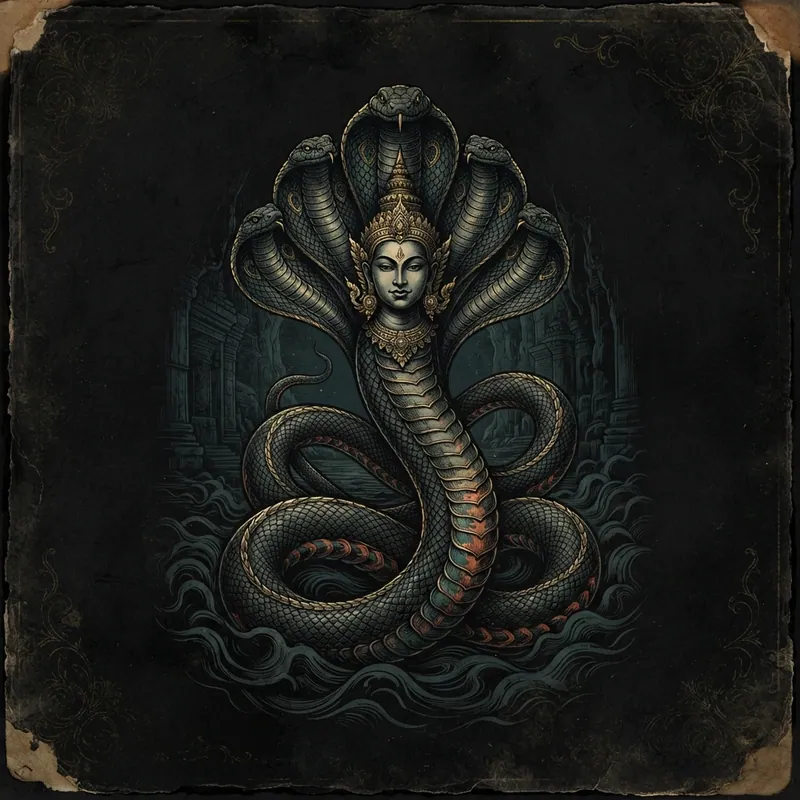
AleyaBengali marsh lights of the Sundarbans and wetland Bengal, often held to be the unquiet glow of drowned fishermen. An omen and a map of deadly water, akin to will-o'-the-wisp, not a beast.NāgaSerpent beings spanning South and Southeast Asian sacred storytelling—guardians, kings of underwater realms, and figures of both danger and blessing. Living religious meanings outrank fantasy rankings.
 ✧
✧ ≈
≈The Americas · 6
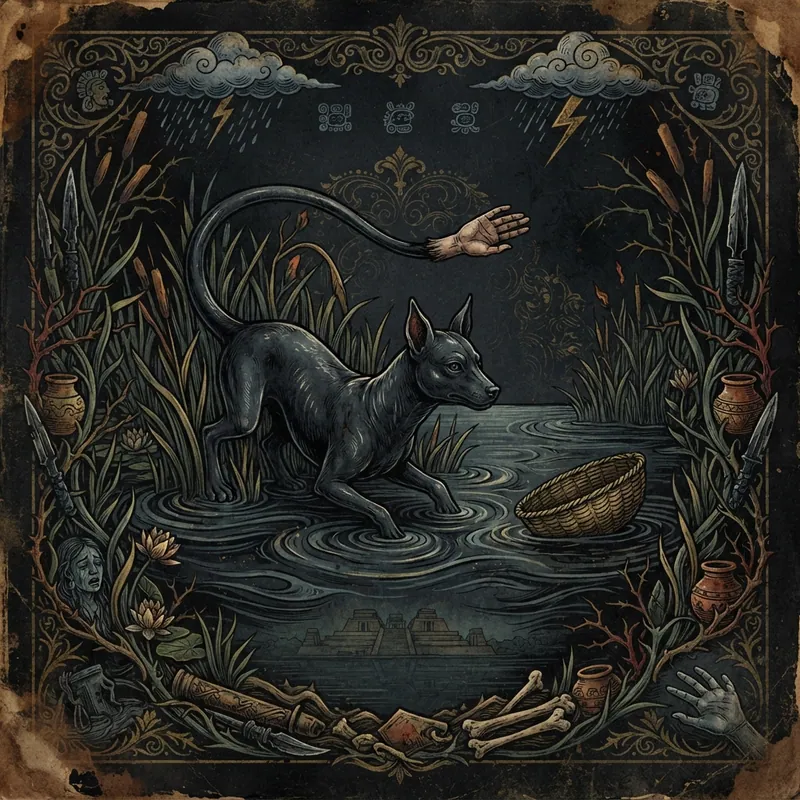
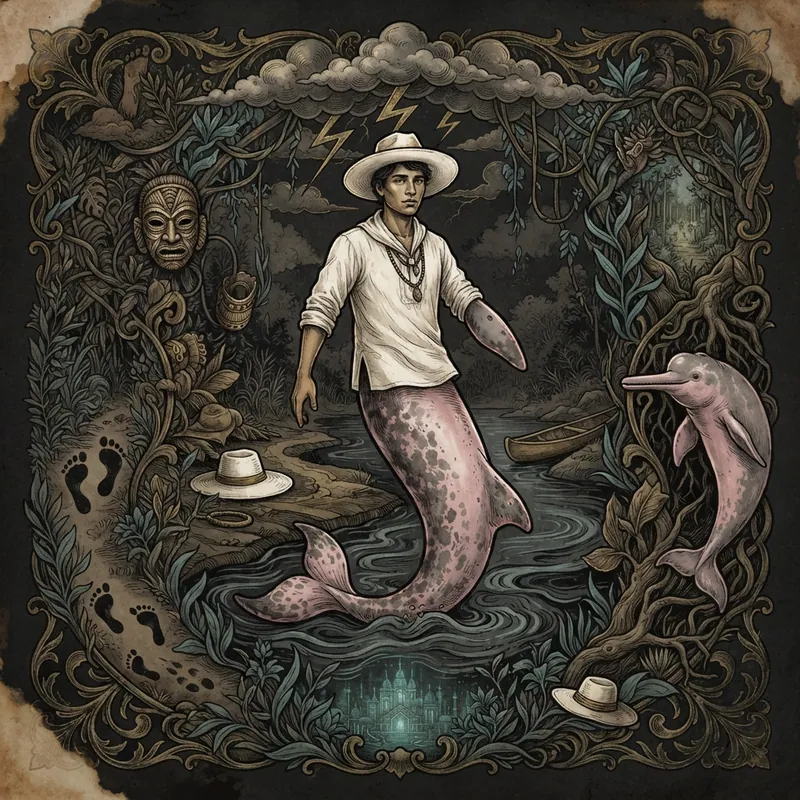
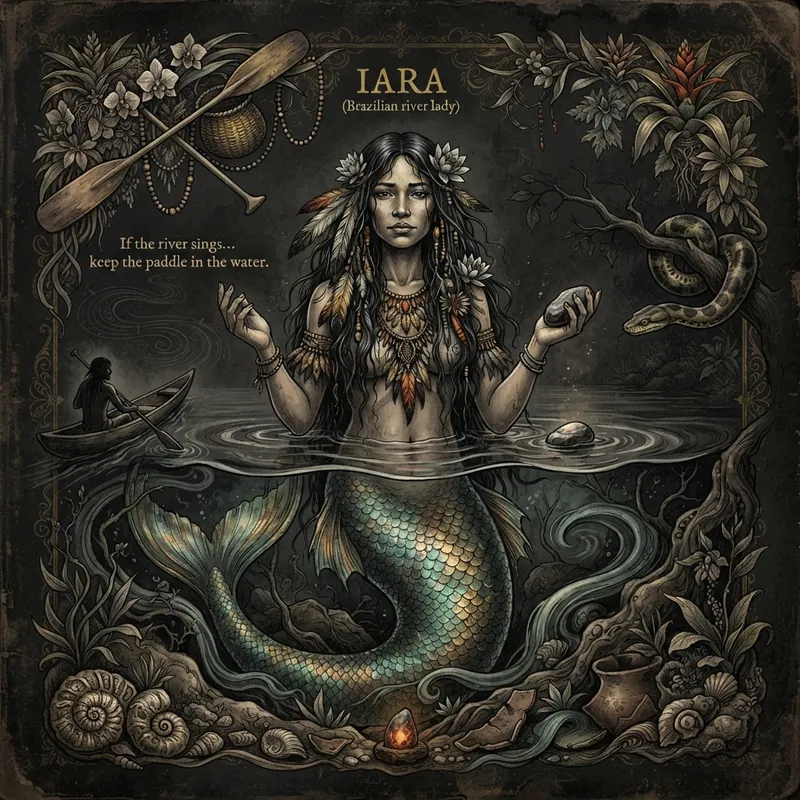
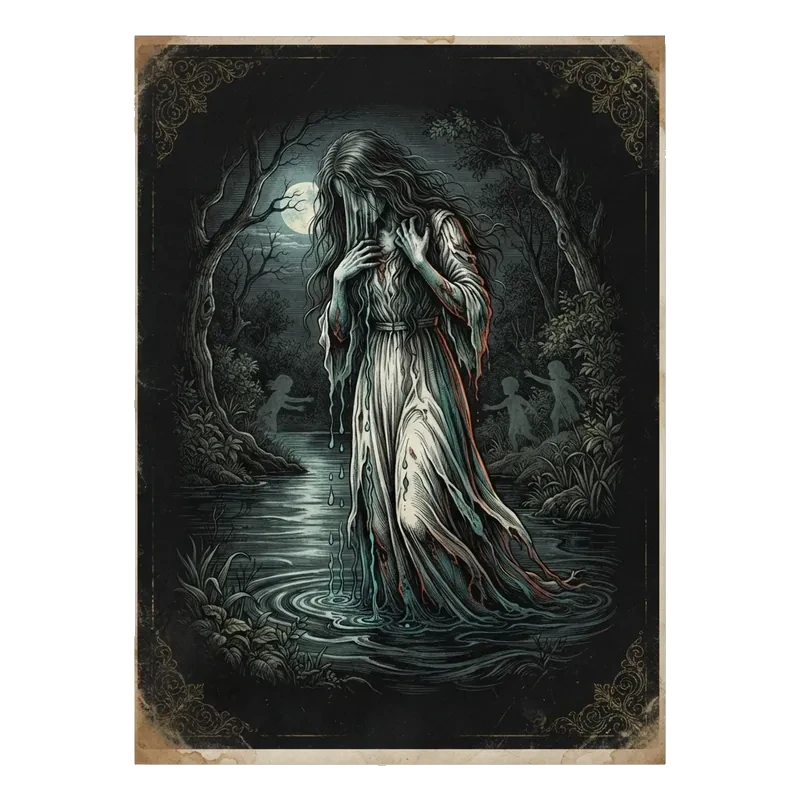
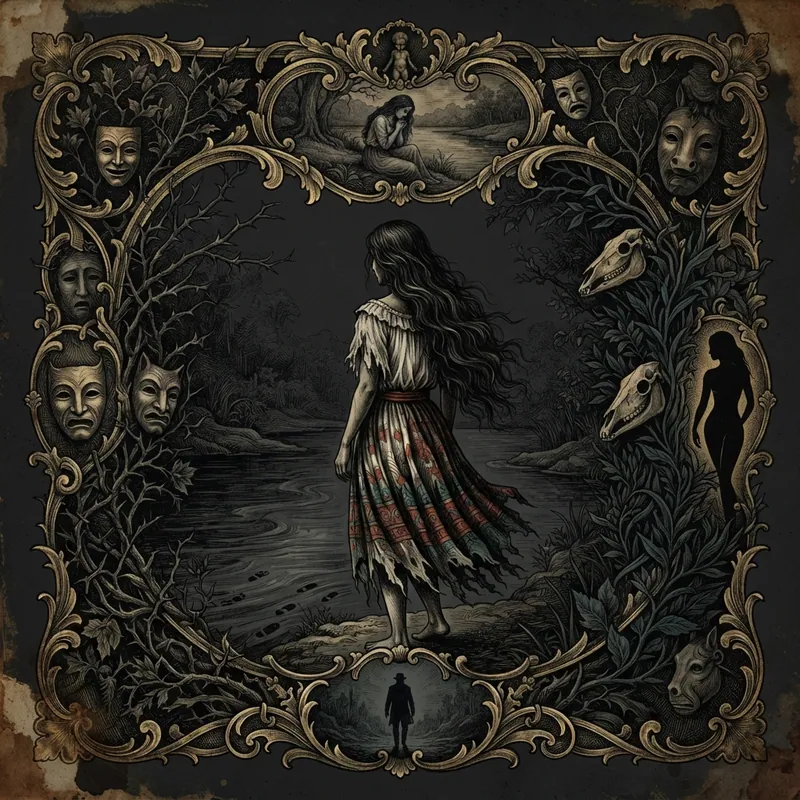
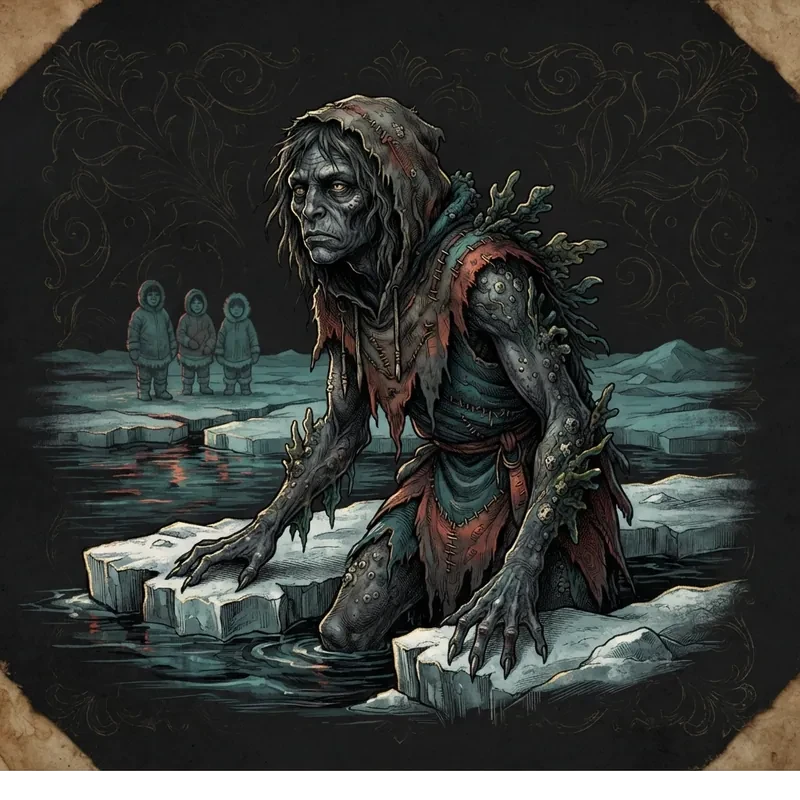
AhuizotlA Mexica water being of the Florentine Codex: dog-small, black and slippery, with a human hand at the tail’s tip, said to drown people at lakes and springs around Tenochtitlan. Historical-cultural, not a video-game beast.EncantadoAmazonian encantados: river dolphins, especially the pink boto, who take human form, dance at festivals, seduce, and carry people to the Encante, a city under the water. Living Amazon tradition of Brazil and neighbouring Peru, not a generic mermaid and not the same as Iara.IaraBrazil’s river lady: Iara or Uiara, from nheengatu y + iara, mistress of the waters. A nineteenth-century Amazonian synthesis of Indigenous water-owner, European mermaid, and later Iemanjá talk — not a colonial-era mermaid already sitting in every Tupi village.La LloronaA weeping figure whose story travels through Mexico, Latin America, and Spanish-speaking communities in the United States. Her appearance, origin, and meaning differ sharply from place to place.La SiguanabaA Central American spectre — Siguanaba, Sihuanaba, Cigua, Cegua — beautiful from behind, horse-faced or skull-faced up close. Related to La Llorona as a weeping or water woman in popular talk, but not the same being: she punishes lust and infidelity, and in Salvadoran cycles seeks her son Cipitío.QallupilluitHumanoid sea beings in Inuit storytelling that lurk near floe edges and may take children who wander too close to dangerous ice. Descriptions vary; the stories also teach survival at the land–sea boundary.
 ≈
≈ ◎
◎ ≈
≈ ✦
✦ ◌
◌ ≈
≈