THE CONCORDANCE
Hunted path
The road you should not have taken at night.
Africa & the Middle East · 10
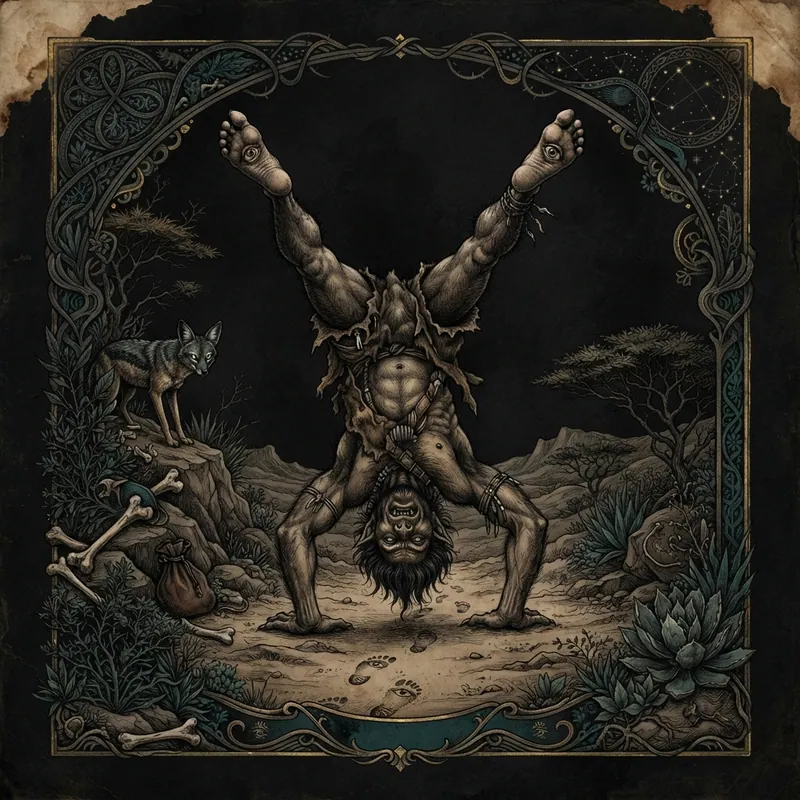
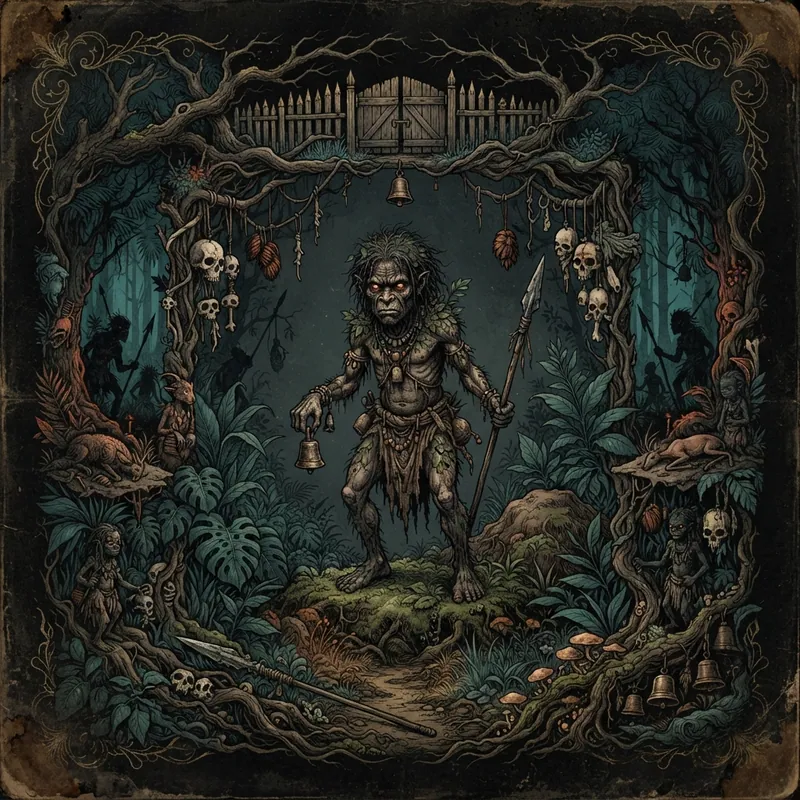
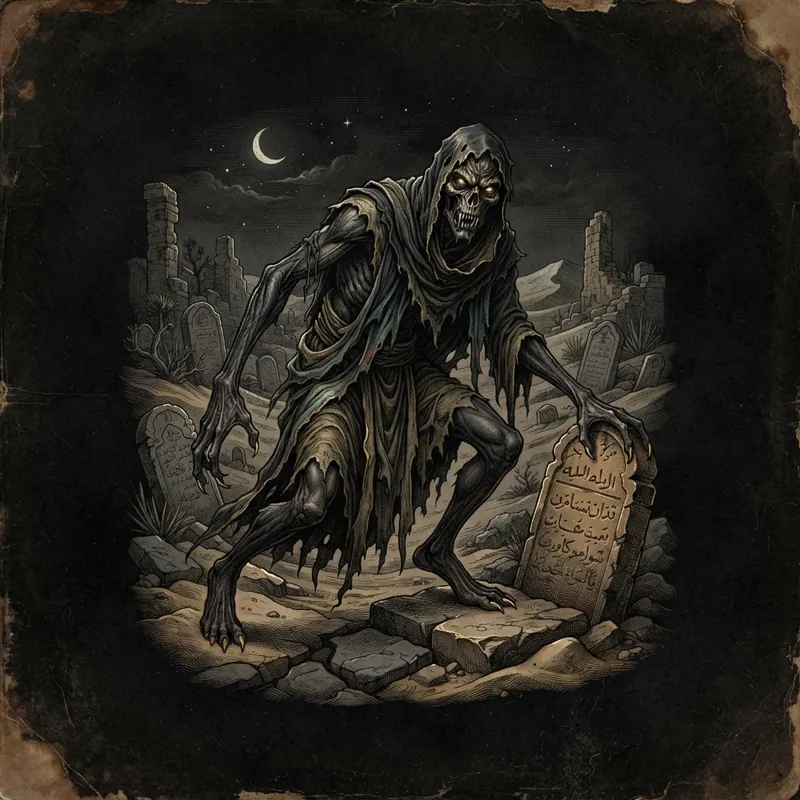
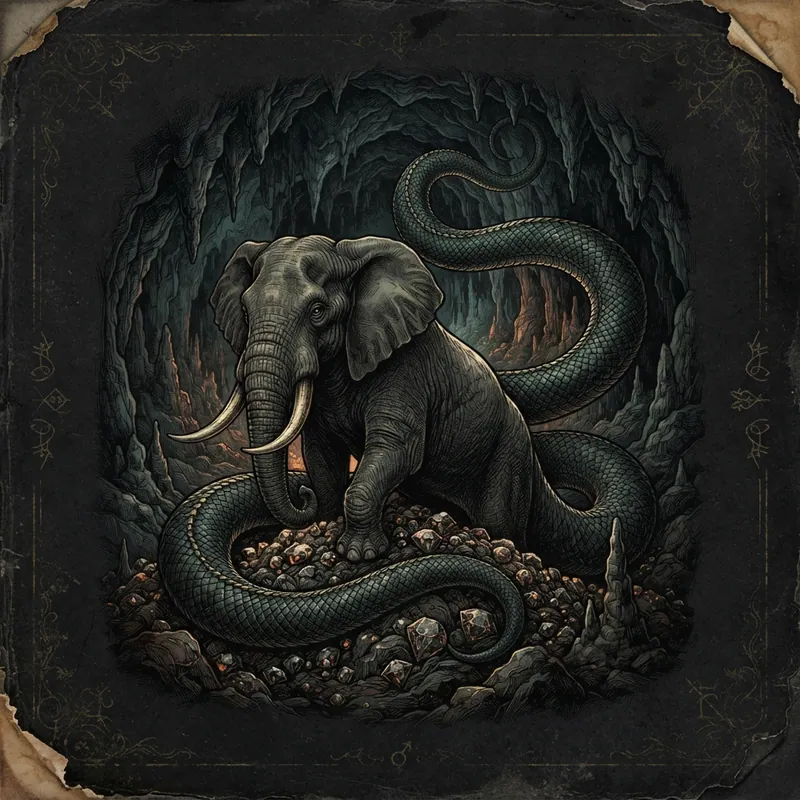
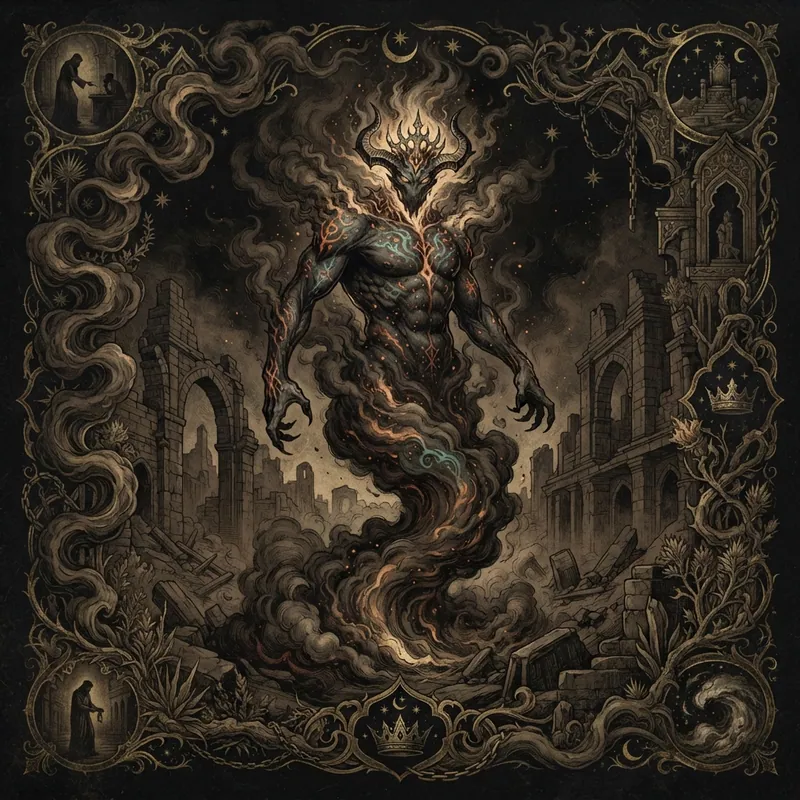
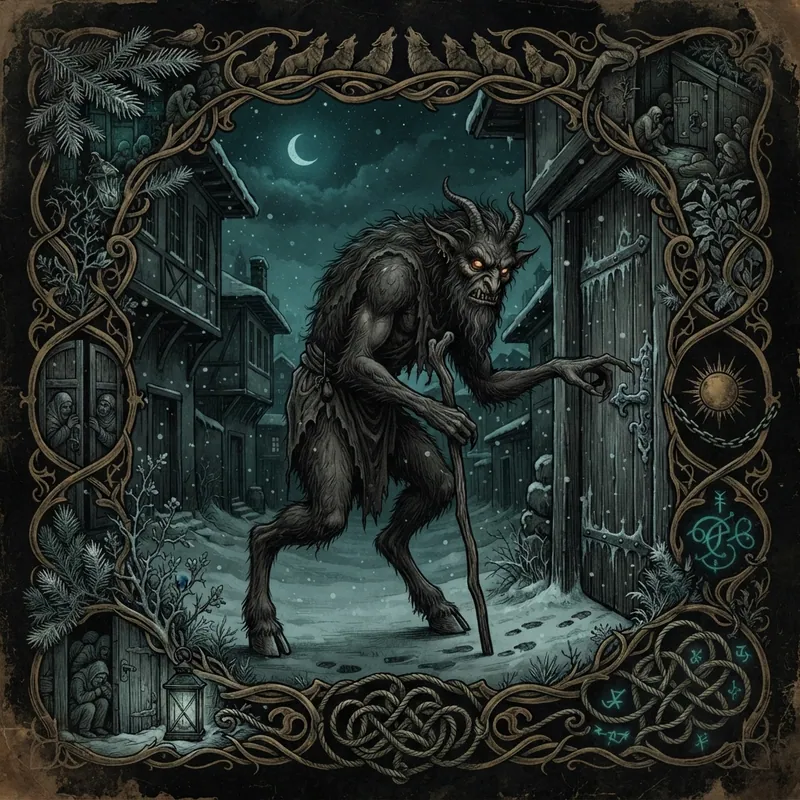
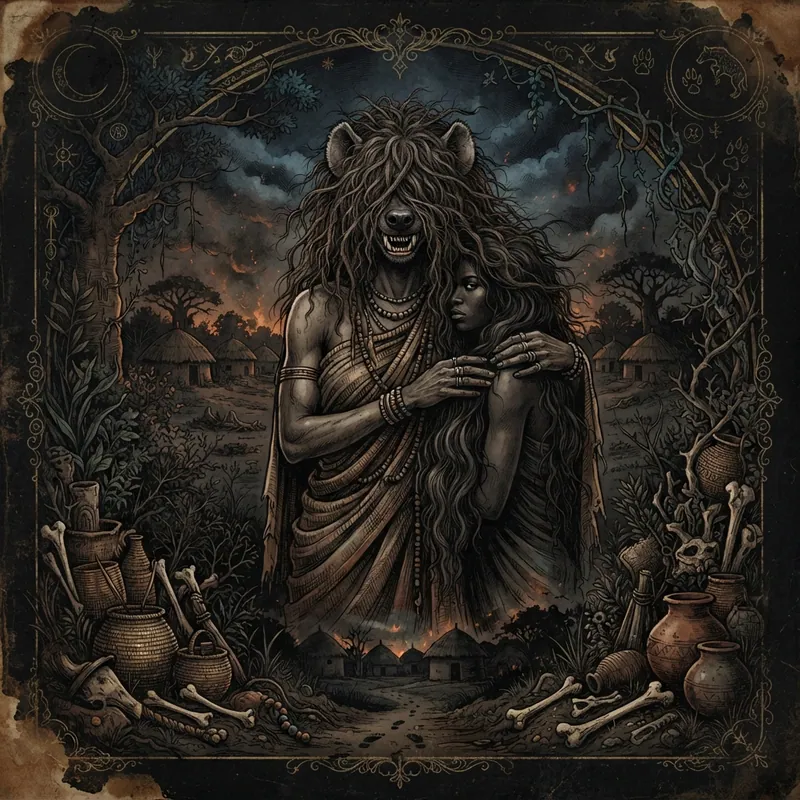
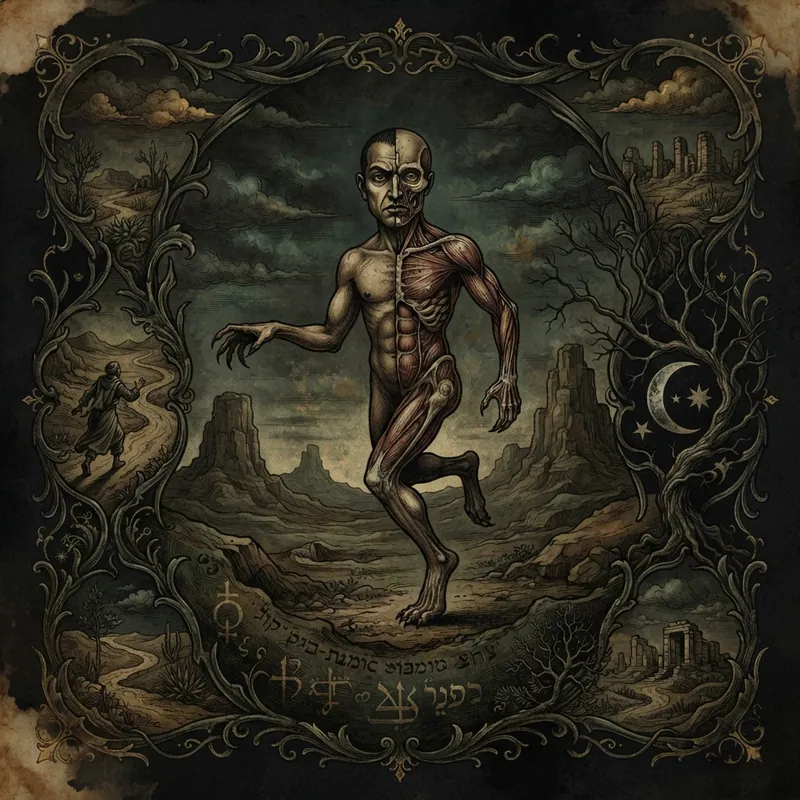
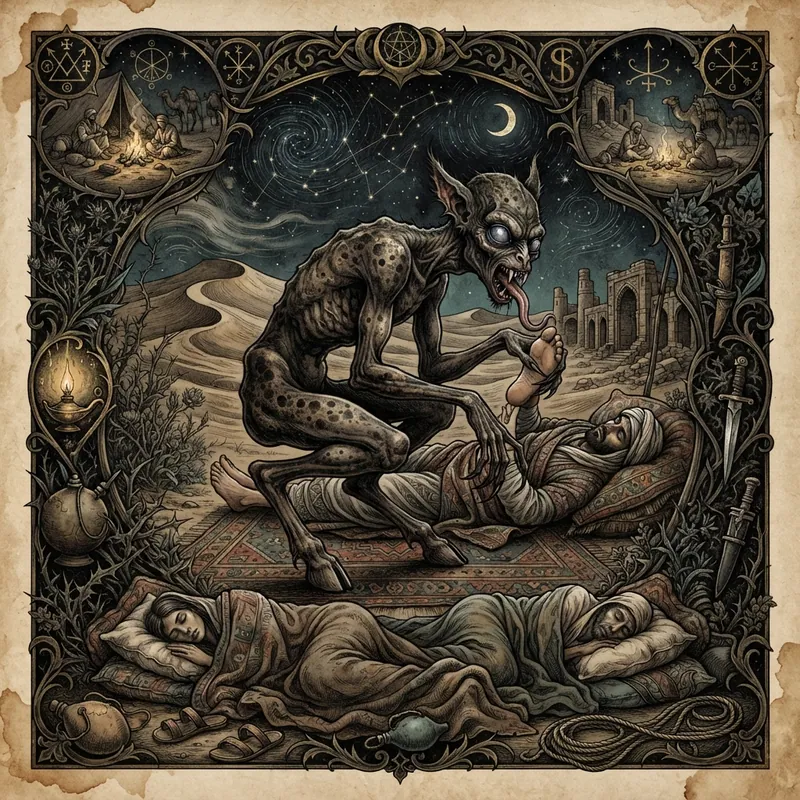
AigamuxaIn Khoekhoe (Khoikhoi) storytelling of Namibia and the northern Cape, the Aigamuxa or Aigamuchab is a man-eating ogre with eyes on the soles of its feet. To see prey it must invert itself; tales collected by Schultze-Jena pair it with the wily jackal.ElokoAmong the Mongo-Nkundo of the Congo basin, an eloko (plural biloko) is a small, fierce forest being, often spoken of as an ancestral spirit that guards game and fruit and hunts the living. Tales warn of a little bell that casts a spell on anyone who answers it.GhūlA shape-changing, dangerous figure of Arabic folklore, often associated in translated accounts with wilderness, graveyards, and deception.GrootslangA hybrid elephant-serpent of South African storytelling associated with deep caves and treasure. Blends indigenous landscape awe with later colonial adventure retellings.IfritIn Islamic scripture the word ʿifrīt appears once, as “an ifrit of the jinn,” an epithet of a powerful, rebellious being. Later folklore turned ifrit into a class of formidable jinn, often of smoke and ruin, morally capable of belief or unbelief. Distinct from the wider category already archived as Jinn.KarakoncolosKarakoncolos (Turkish kara concolos; Balkan karakondzho, karakondžula; Greek kallikantzaros) names a cluster of hairy winter spirits who walk during the coldest, liminal nights. They harass households, pose impossible questions, and vanish when the sun’s order returns.KishiIn Ambundu storytelling recorded in Ki-Mbundu, a kishi (plural makishi) is a man-eating being who courts, abducts, and feeds. Later popular retellings add a human face hiding a hyena’s jaws; Chatelain’s 1894 texts emphasise tangled hair, hunger, and dangerous intimacy.NasnasIn Arabic wonder-literature the nasnās is a monopod half-human: half a head, half a body, one arm, one leg, hopping with great agility. Lane recorded that portrait from Nights scholarship; Shia exegesis sometimes places nisānīs on earth before Adam. Not a generic jinn.PalisA desert predator of Persian travel literature and later folkloristic compilations, the palis or pā-līs (“foot-licker”) drains sleeping travellers by licking the soles of the feet. Sources do not agree on a body; they agree on the habit and on a famous muleteers’ trick.SasabonsamA forest being in Akan lore, often described with iron teeth and a taste for those who enter the deep woods carelessly. Part of a wider West African forest-warning tradition.
 ☾
☾ ♧
♧ ☾
☾ ◒
◒ ⛧
⛧ ☾
☾ ◎
◎ ⌬
⌬ ☾
☾ ♧
♧Asia & the Isles · 6
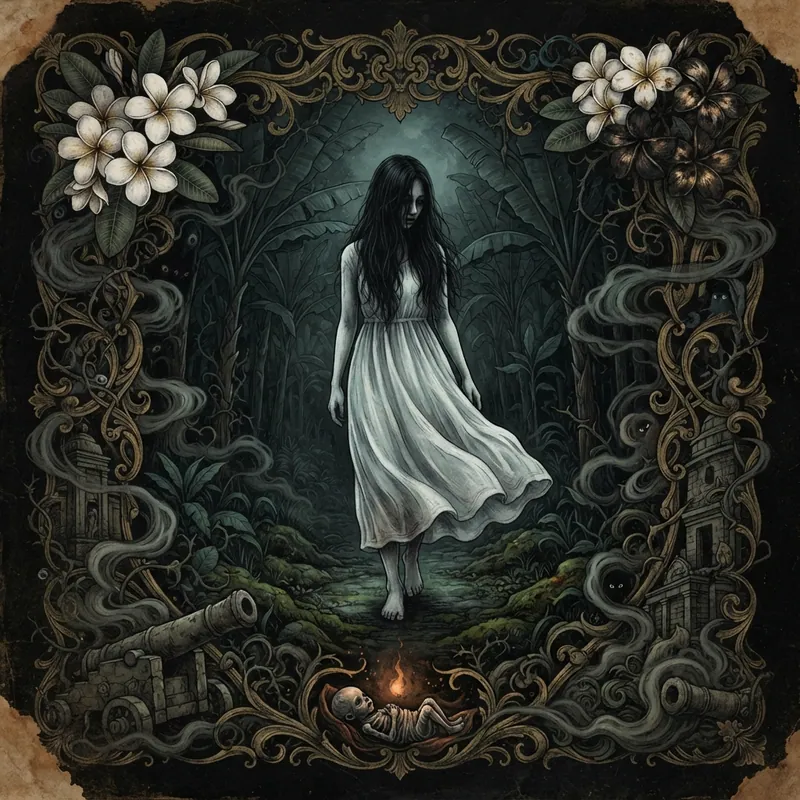
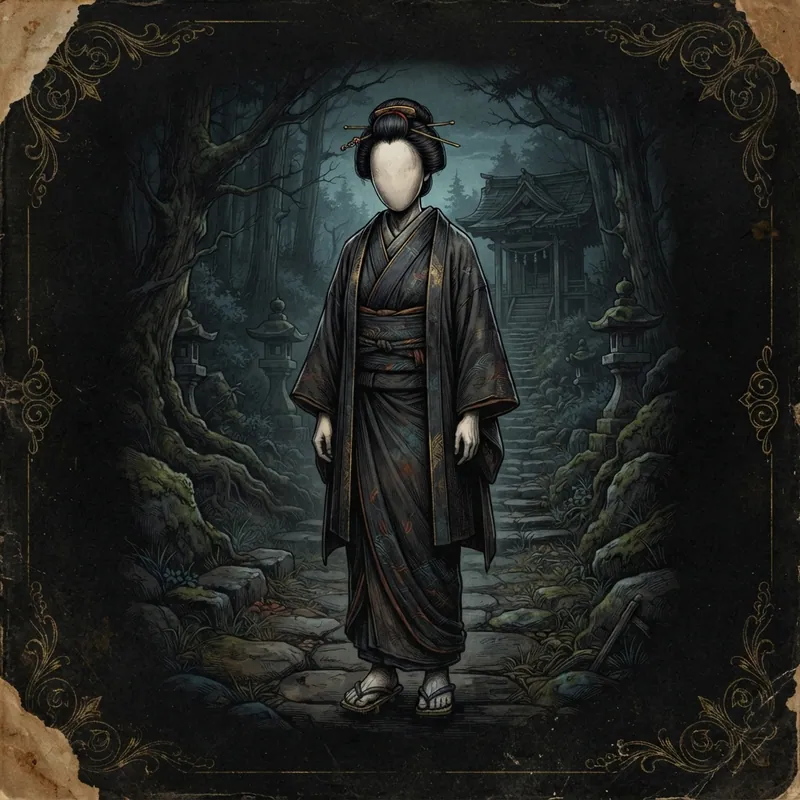
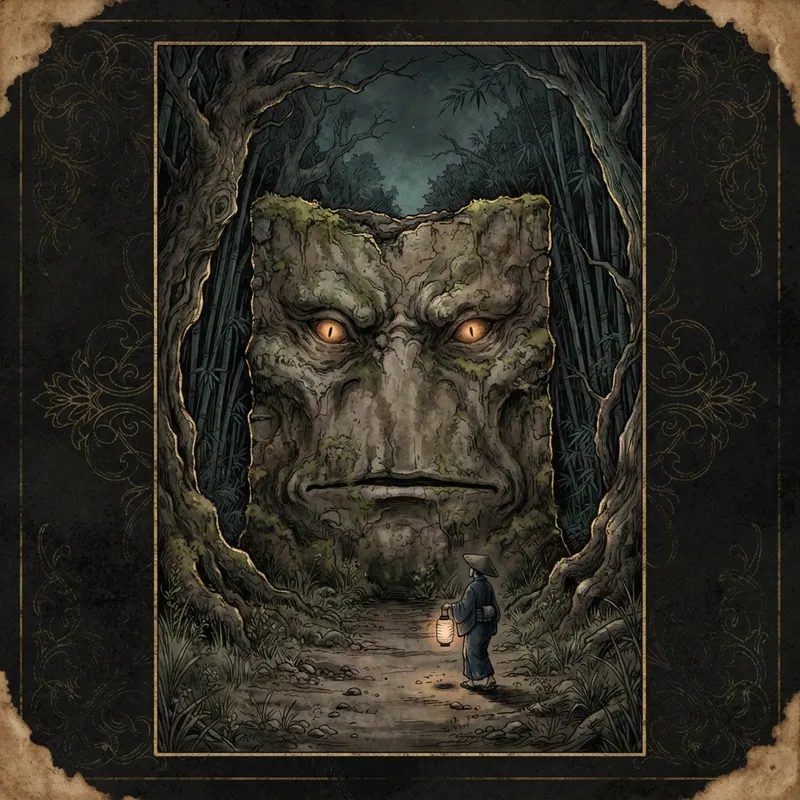
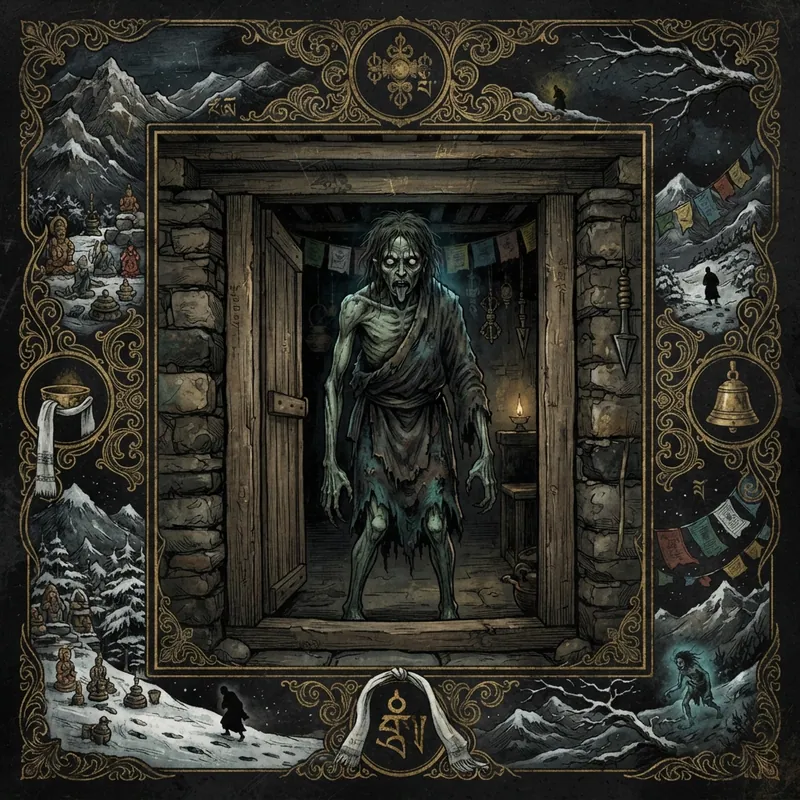
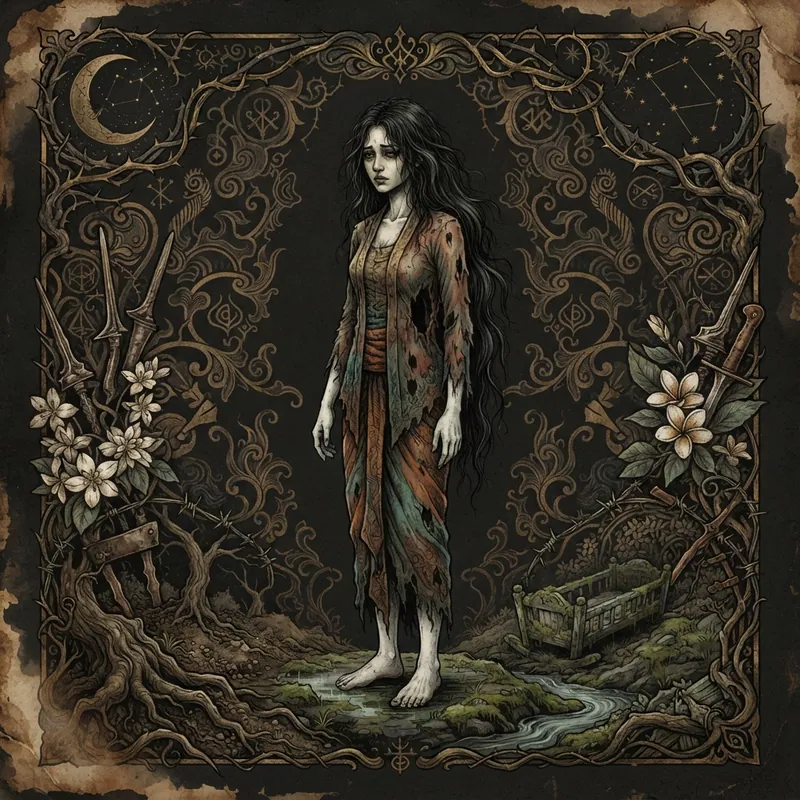
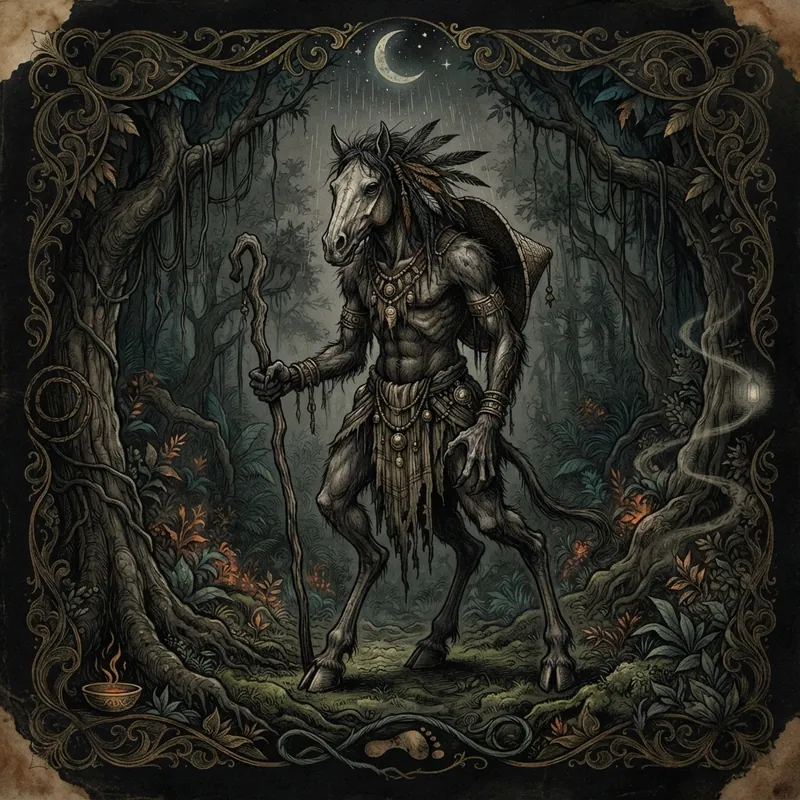
KuntilanakThe Indonesian cousin of the Malay pontianak: a female revenant of pregnancy or childbirth death. Names are often used interchangeably; tellings and the city of Pontianak’s founding legend keep them entangled rather than identical.Noppera-bōThe faceless ghost of Japanese urban and roadside lore, often appearing first as an ordinary person before revealing a smooth, featureless face—a jolt more than a long chase.NurikabeA yōkai that appears as an invisible or plaster-like wall, blocking travellers at night. Folklore remedies include tapping the base; the joke and the dread share the same obstacle.Ro-langsTibetan ro-langs, ‘risen corpse’: a revenant of folklore and Buddhist narrative, often tied to gdon spirits or illicit ritual. Stiff joints and low lintels belong to this world, not to generic zombie cinema.Sundel BolongA Javanese and Indonesian female revenant: a woman who died pregnant or in childbirth, often after sexual violence, leaving a hole in her back. Distinct from kuntilanak though films blur them.TikbalangA Philippine forest being, now usually pictured as a tall, bony horse-headed humanoid, that misleads travellers. Early Spanish records call it a mountain phantom; the werehorse face arrived after horses did.
 ✦
✦ ◎
◎ ☾
☾ ☠
☠ ✦
✦ ♧
♧Europe & the North · 10
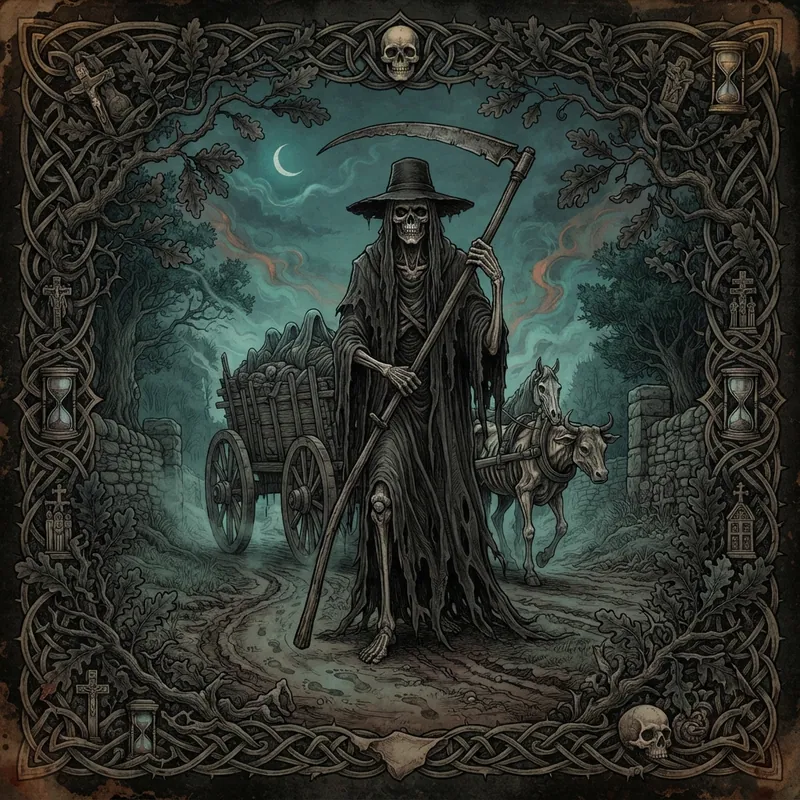
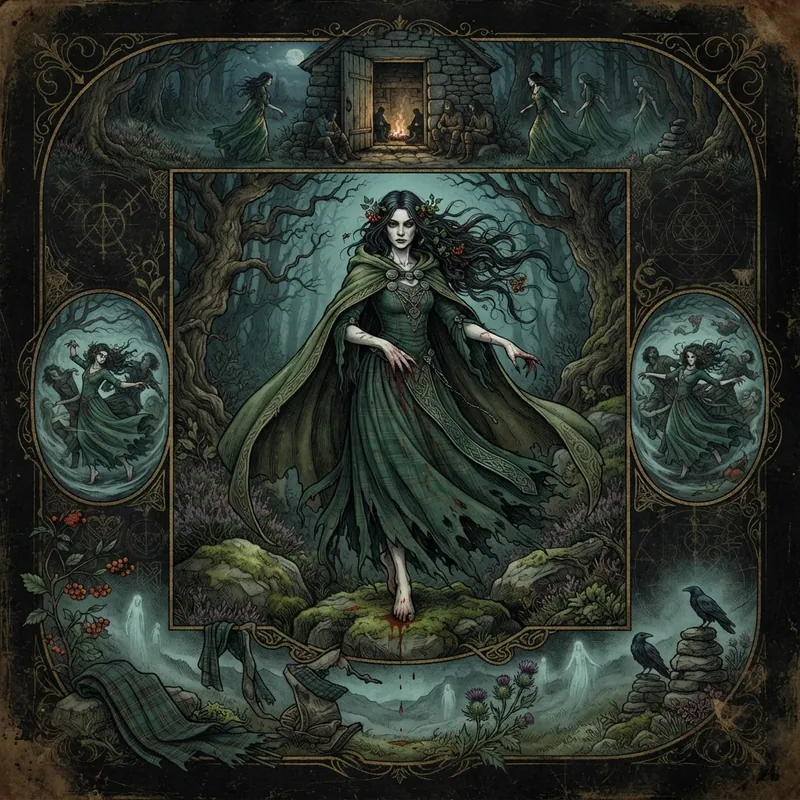
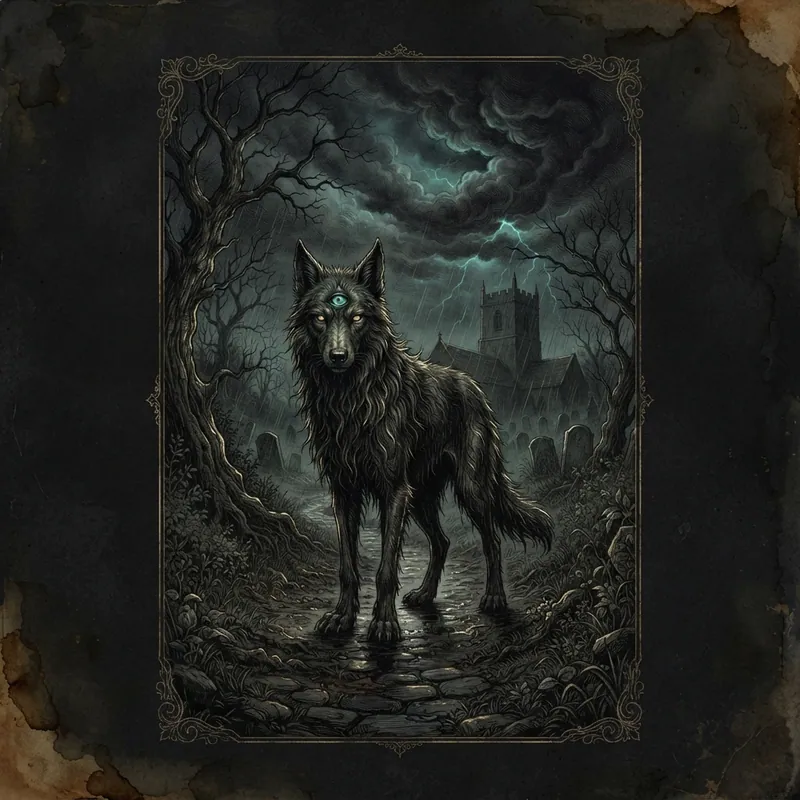
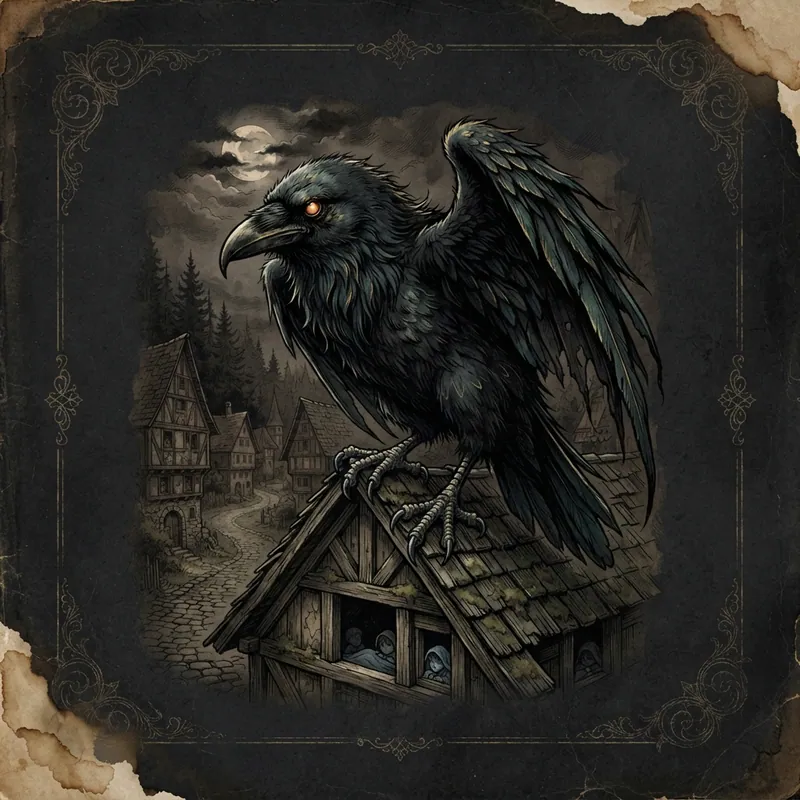
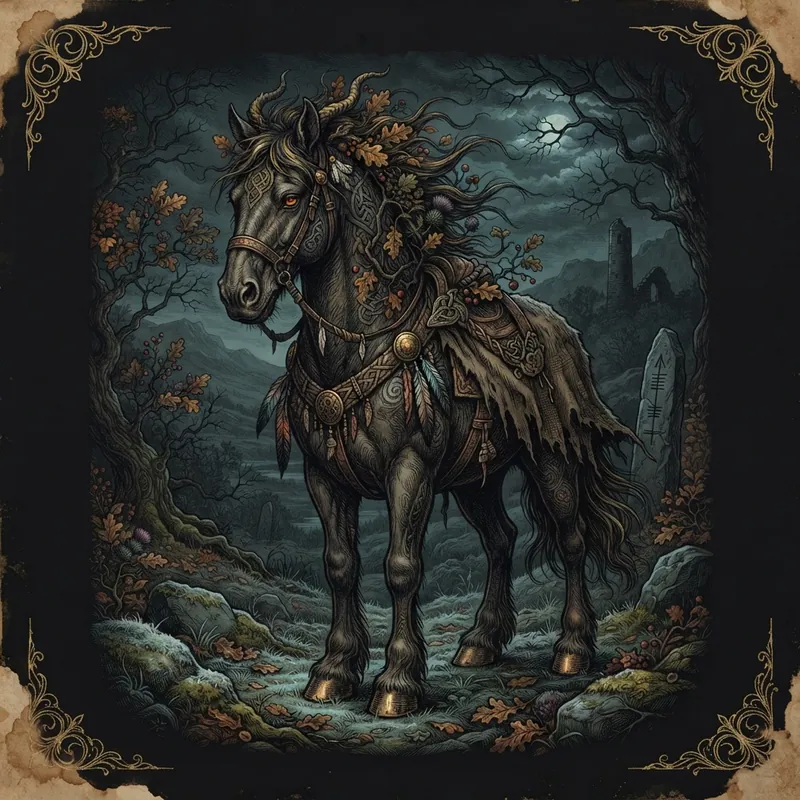
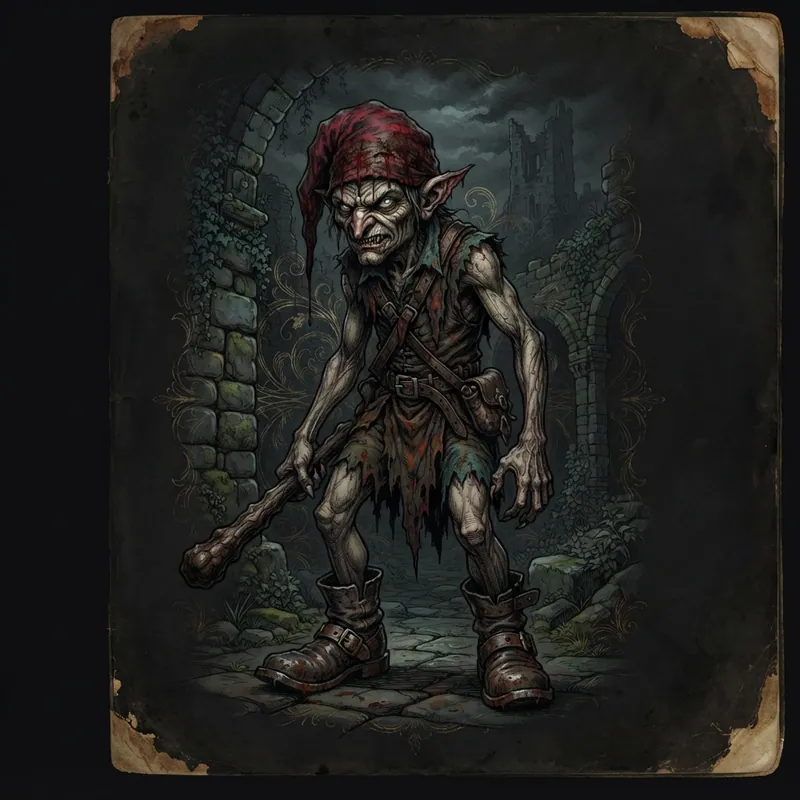
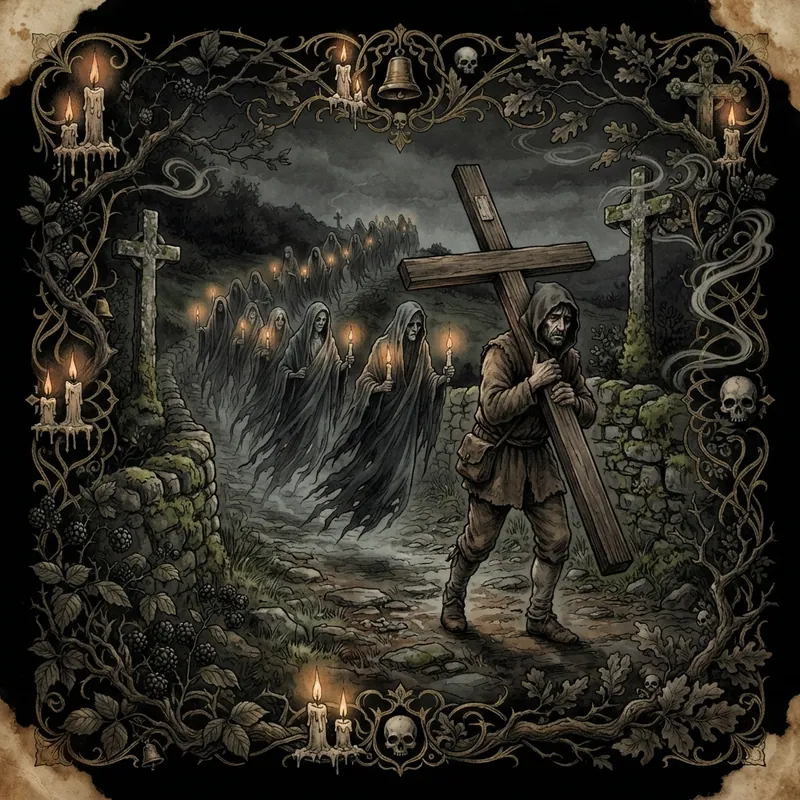
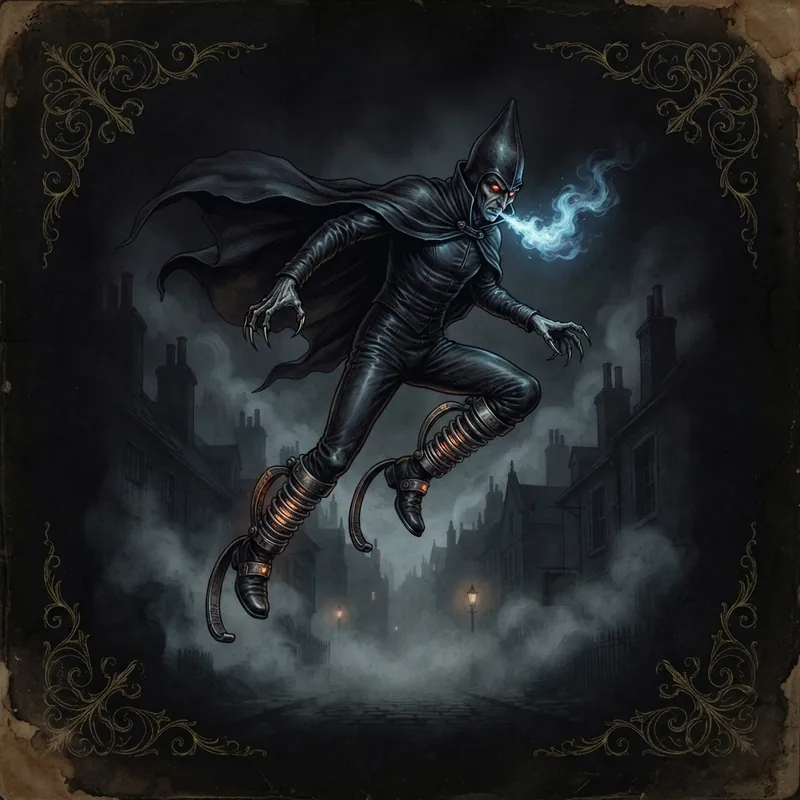
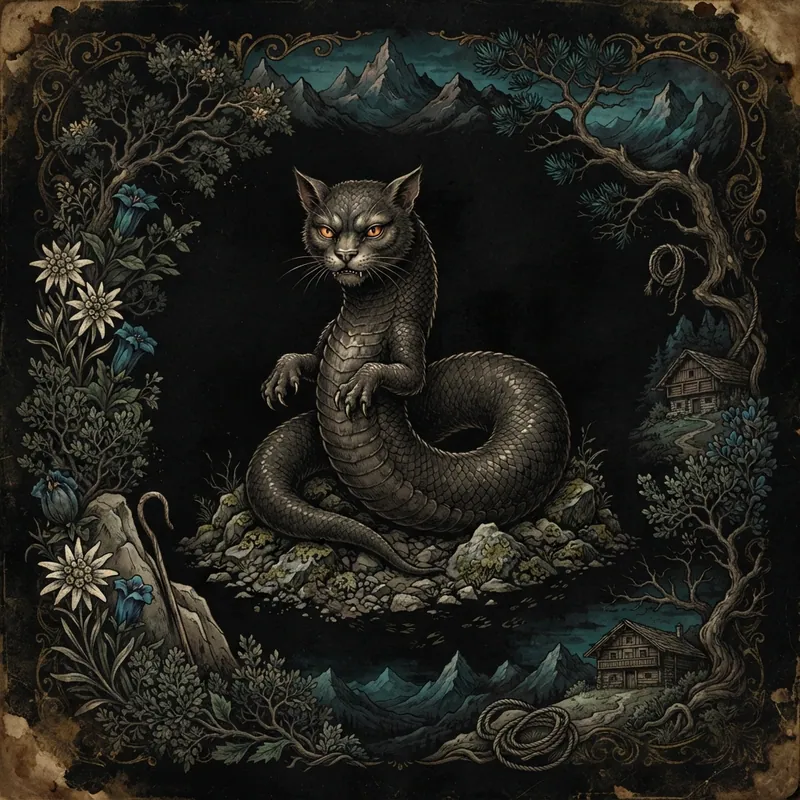
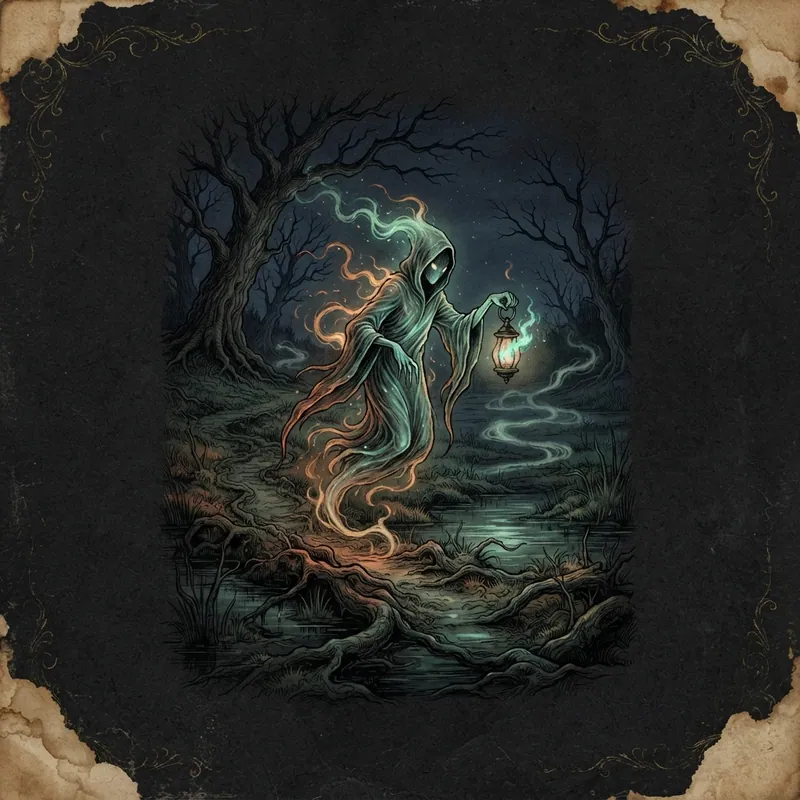
AnkouIn Breton tradition the Ankou is death's worker for a parish, often the last person who died that year, heard in a creaking cart. A herald and companion of the dead, not a murderer for sport.Baobhan SìthFemale Highland fairies who appear as beautiful dancers and drain the blood of hunters. They belong to Gaelic sìth tradition, not to the Irish banshee and not to literary vampires.Black ShuckA spectral black dog of East Anglian folklore, often linked in stories to storms, churchyards, and ominous encounters.NachtkrappA night-raven bogey of German-language folklore used to frighten children into staying in bed. Part of a wider European family of night-bird warnings.PúcaA mercurial shape-changing being in Irish folklore, sometimes frightening, sometimes helpful, and rarely reducible to a single moral.RedcapA murderous goblin of Anglo-Scottish border castles, said to dye his cap in blood. Associated with ruined strongholds and violent histories rather than gentle household brownie lore.Santa CompañaIn Galician tradition the Santa Compaña is a nocturnal procession of the dead along parish paths, often led by a living person with a cross or holy water. For some it remains a living folk belief, not a discarded ghost story.Spring-heeled JackA nineteenth-century English panic figure reported leaping extraordinary heights, clawing, and breathing blue flame in popular press accounts. Folklore, hoax, and urban fear braided together.TatzelwurmAn Alpine lizard-dragon of Austrian, Bavarian, and Swiss lore: cat-faced, often two-legged, wingless, living in high rock. A regional cryptid of pastures and caves, not a generic mountain demon.Will-o'-the-wispMysterious marsh lights explained in folklore as misleading spirits (jack-o'-lantern, foolish fire). Science later offered gas explanations; the story remains a map of dangerous ground.
 ✧
✧ ❋
❋ ✧
✧ ☾
☾ ◎
◎ ☾
☾ ✧
✧ ◒
◒ ◒
◒ ✧
✧Oceania & the Pacific · 3
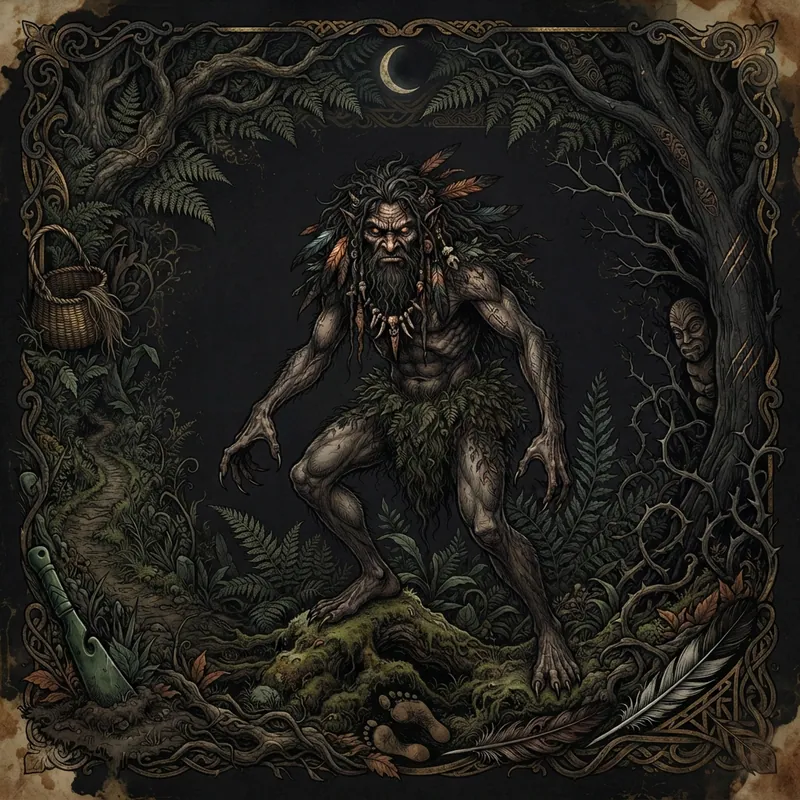
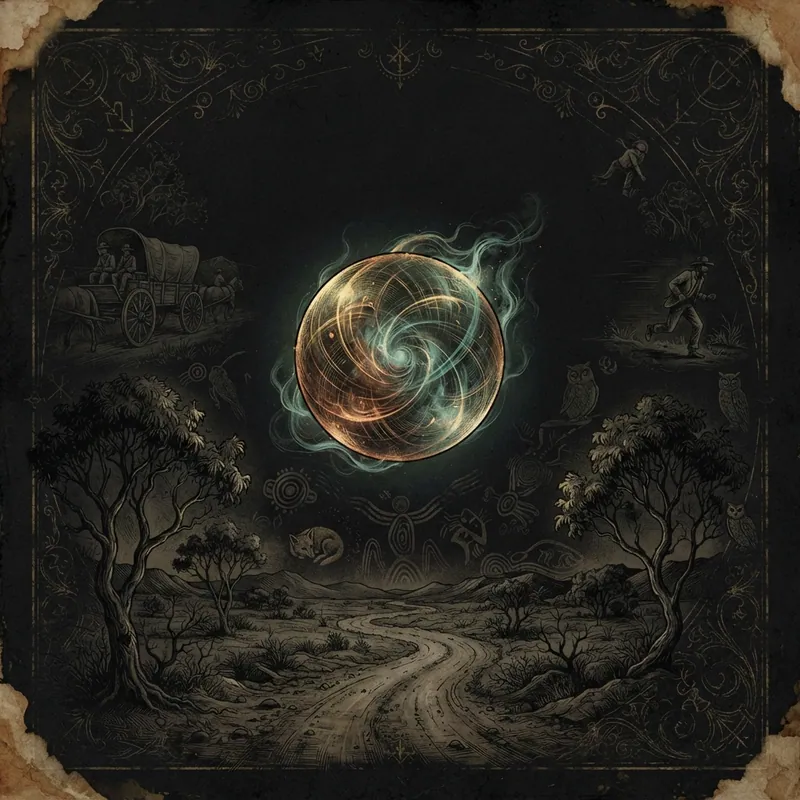
MaeroIn Māori tradition, maero (North Island) and māeroero (South Island) are wild supernatural people of forest and mountain, feared in many kōrero as predators of travellers. Living tribal knowledge, not a trophy ogre.Min Min lightsMysterious glowing orbs of the Australian outback, named in settler talk from Min Min in western Queensland. Indigenous stories of night lights as elders' spirits or warnings predate and outlast the tourist name.Night MarchersA supernatural procession in Hawaiian storytelling, often treated with serious respect. This entry points outward rather than pretending a living sacred tradition is simply a scare story.
 ♧
♧ ✧
✧ ☾
☾South Asia · 7
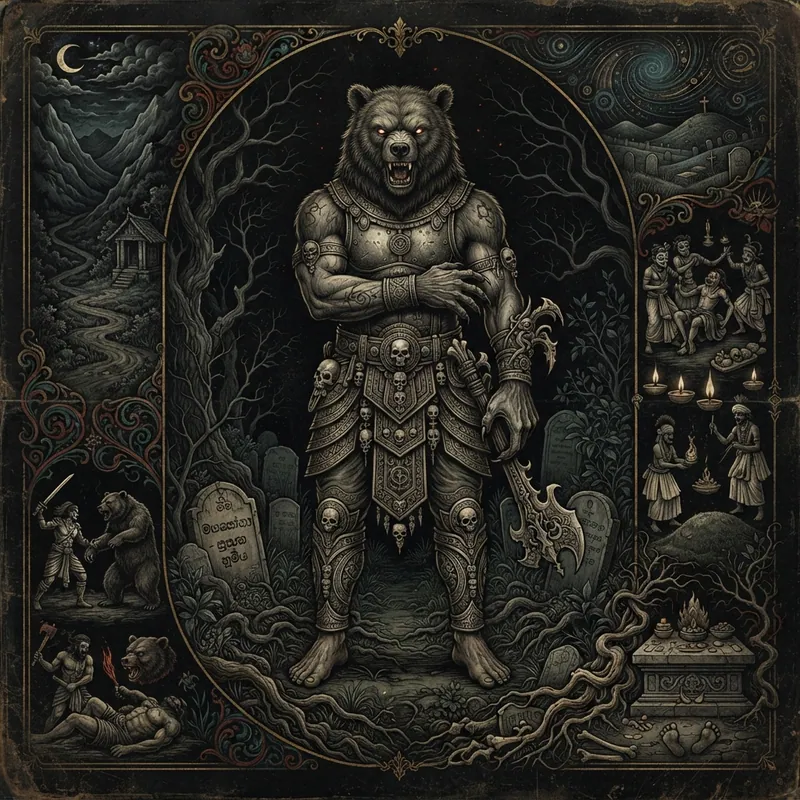
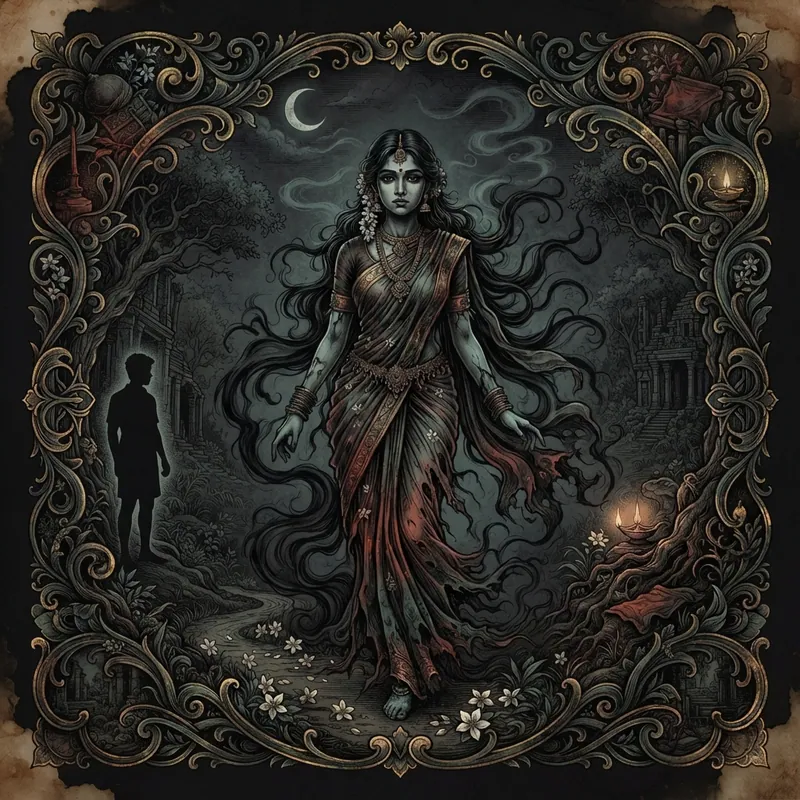
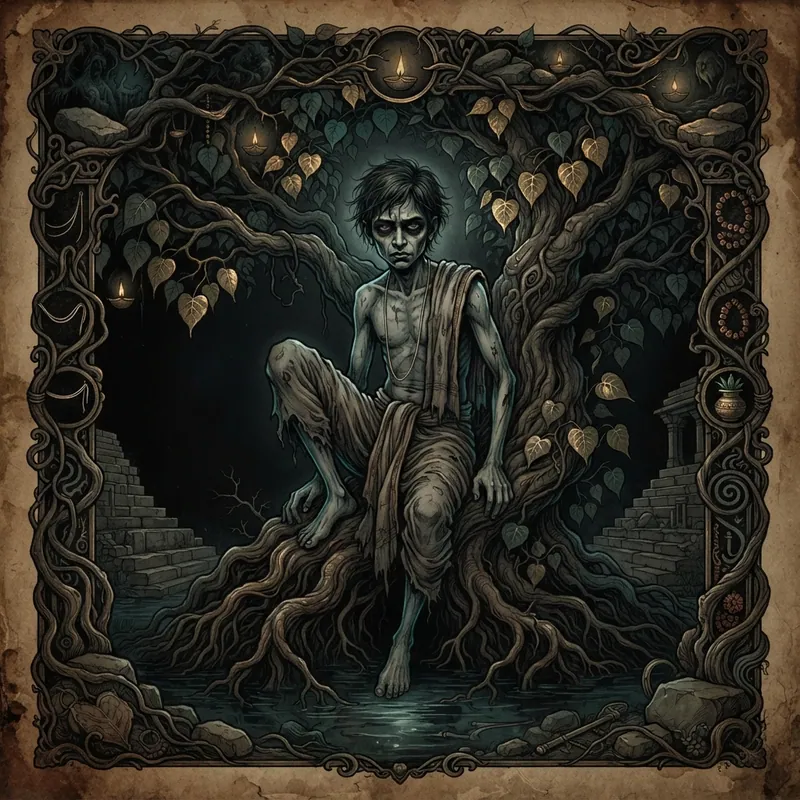
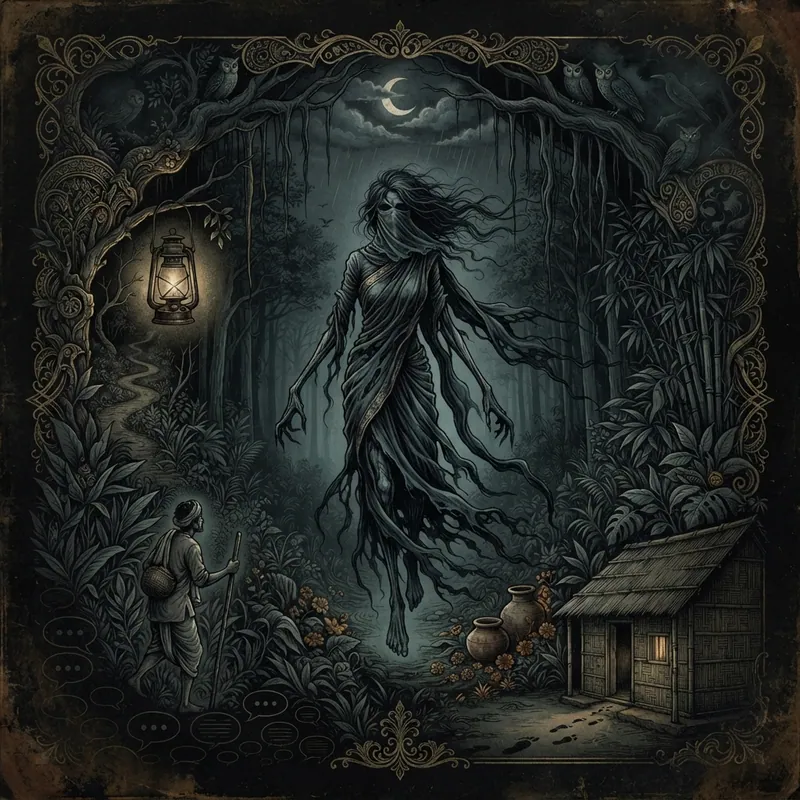
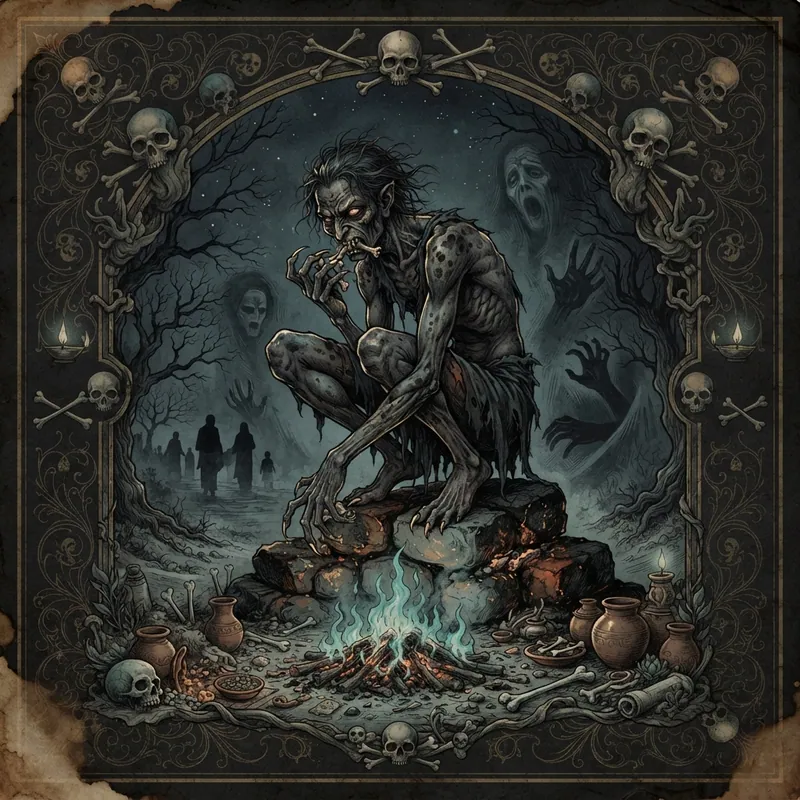
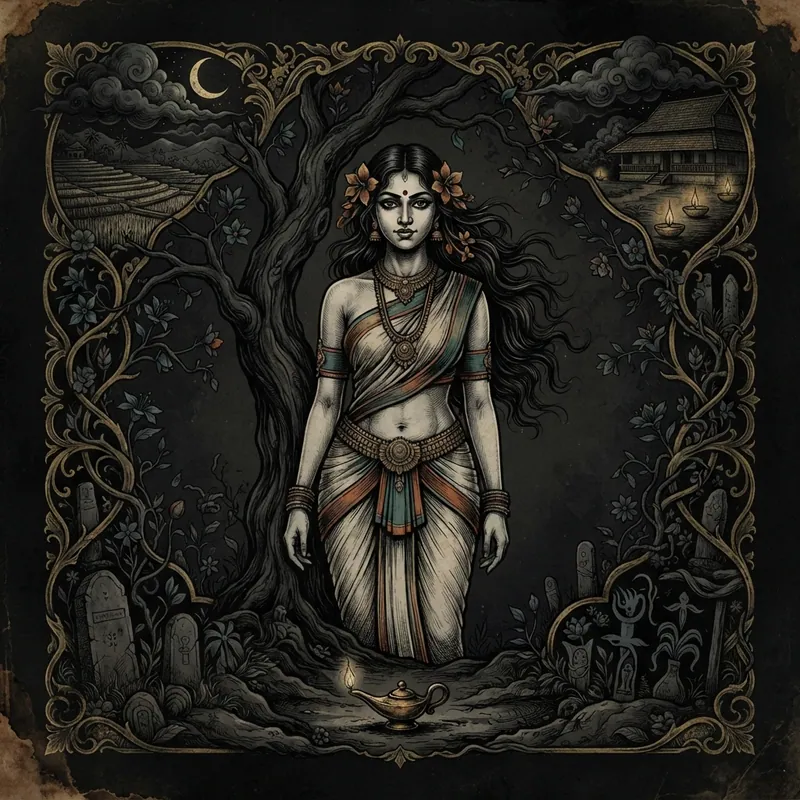
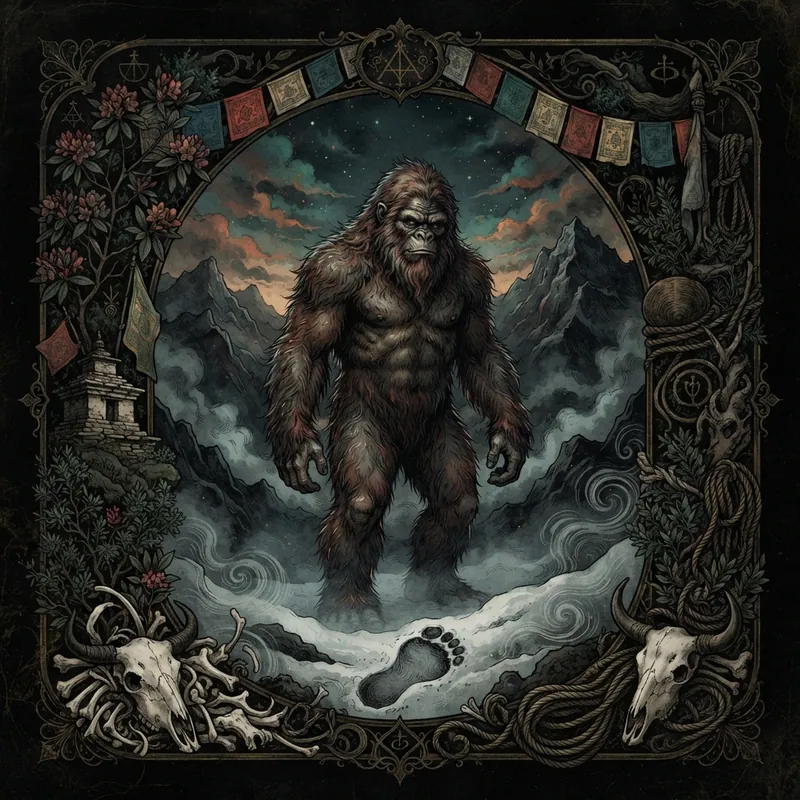
MahasonaThe great cemetery demon of Sinhalese folklore, Maha Sohona or Mahasona, a yakka of graveyard, hill, and crossroads, met in healing rites as well as in origin legends of a warrior given a bear's head.MohiniIn Tamil folklore, Mohini names a seductive pey who possesses young men. This is not the Hindu goddess Mohini, Vishnu's enchanting avatar; the shared name is a common noun of delusion applied to a restless female dead.MunjyaIn Maharashtrian and Konkan folklore, the restless spirit of a young Brahmin who dies after the munja (upanayana) but before sod-munja and marriage, often said to dwell in peepal trees or near wells.NishiA Bengali night-calling spirit that imitates a loved one's voice to lure the isolated outdoors. Tradition holds that Nishi calls only twice; a third call is safe to answer.PiśāchaFlesh-eating night beings of Hindu and South Asian religious storytelling, associated with cremation grounds, violent death, shapeshifting, and possession that can unseat the mind.YakshiIn Kerala nocturnal folklore, a yakshi may appear as a beautiful woman of the night road who lures travellers; this is not the same figure as the auspicious yakṣī of temple sculpture, nor as yaksha beings more broadly.YetiA wild-man and mountain being of Himalayan folklore — Tibetan mi rgod, Sherpa and Nepali yeti — encountered first as local religious and herding knowledge, not as a Western cryptozoological prize.
 ☾
☾ ◎
◎ ✦
✦ ◌
◌ ☾
☾ ◎
◎ ◒
◒The Americas · 12
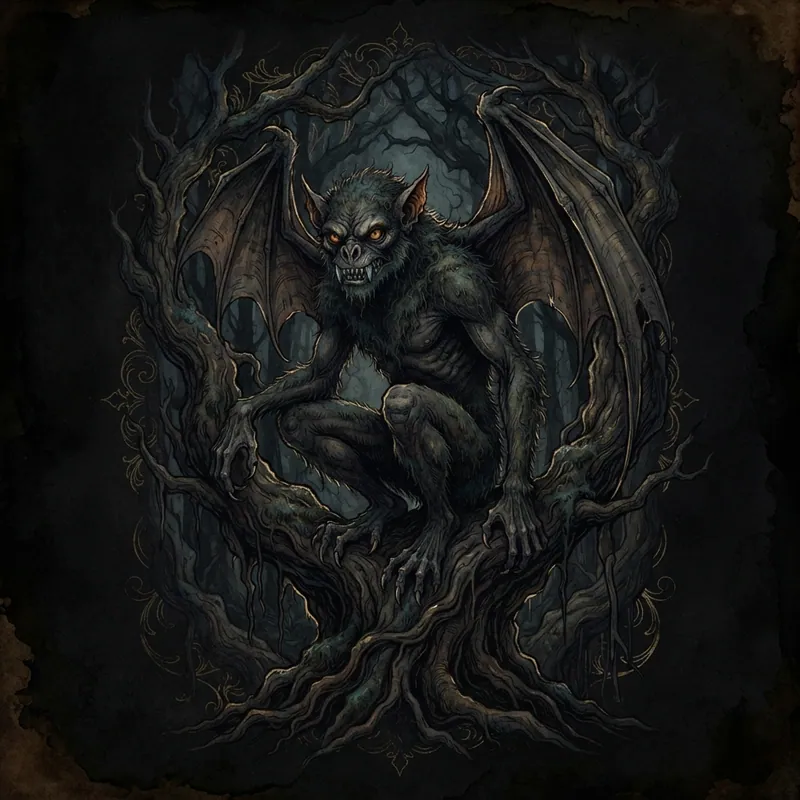
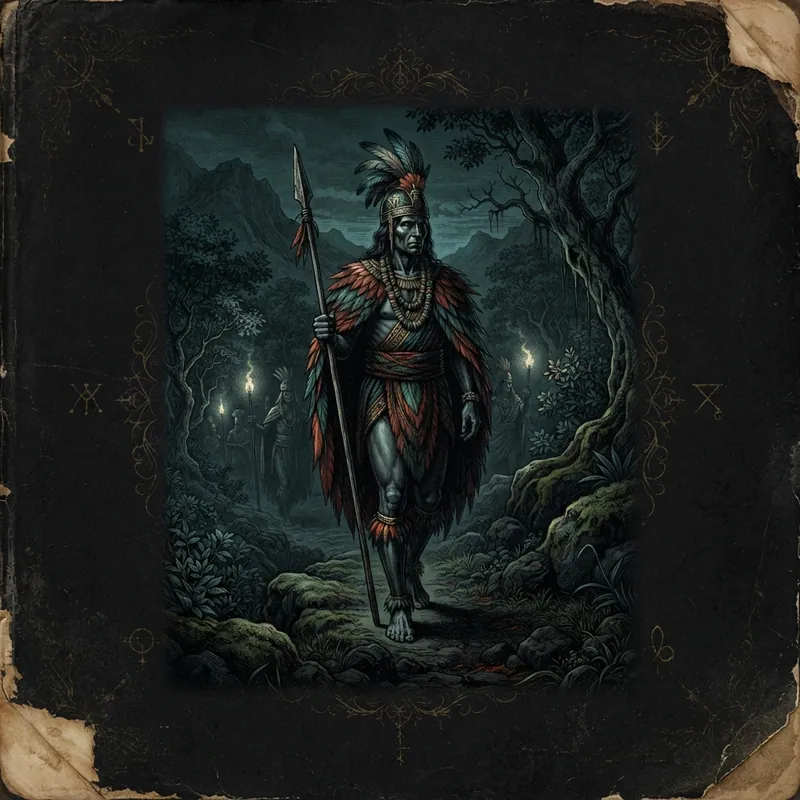
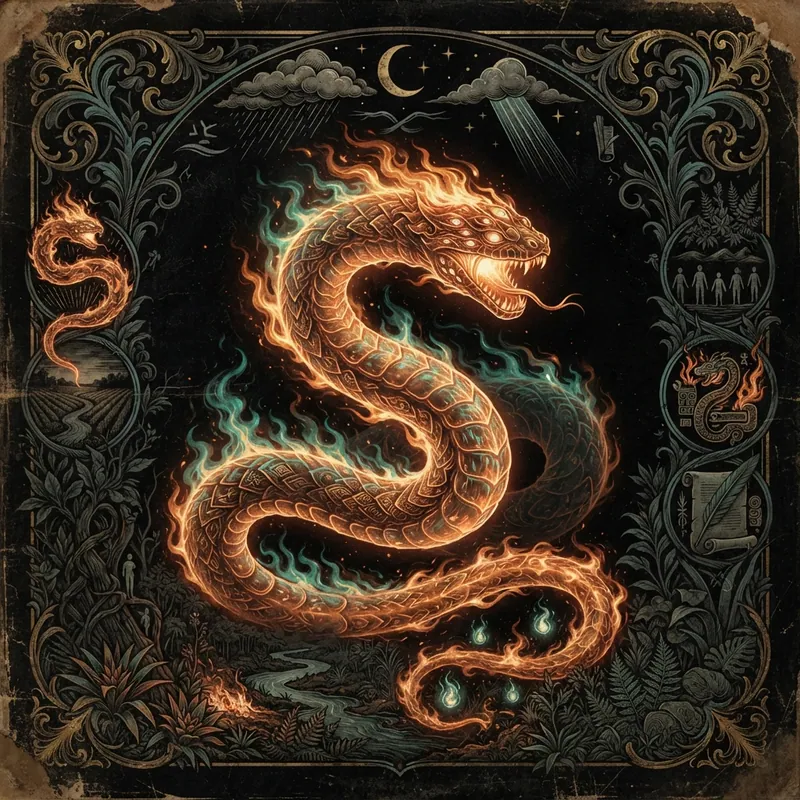
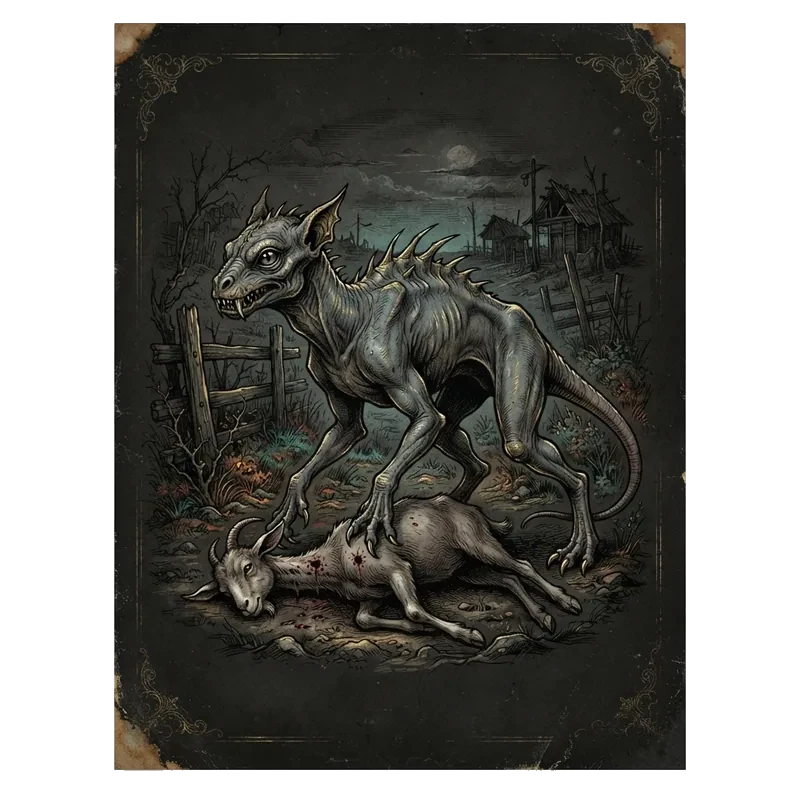
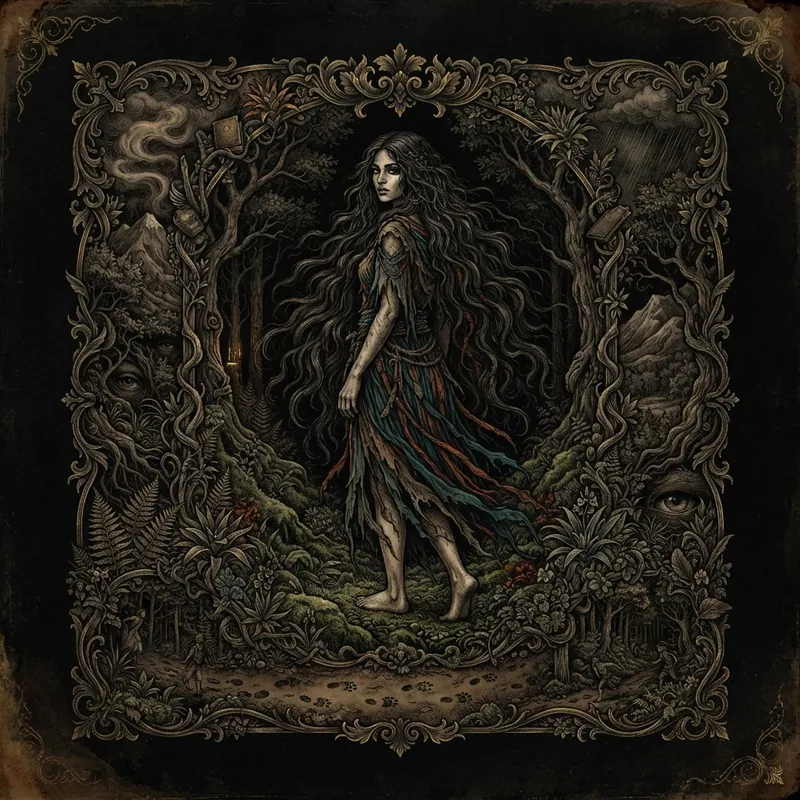
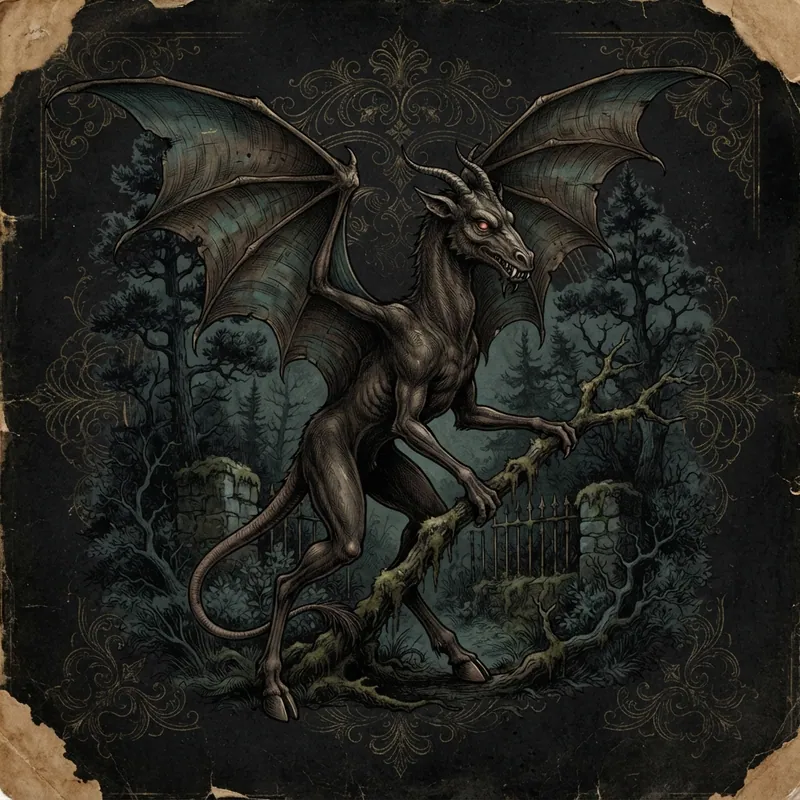
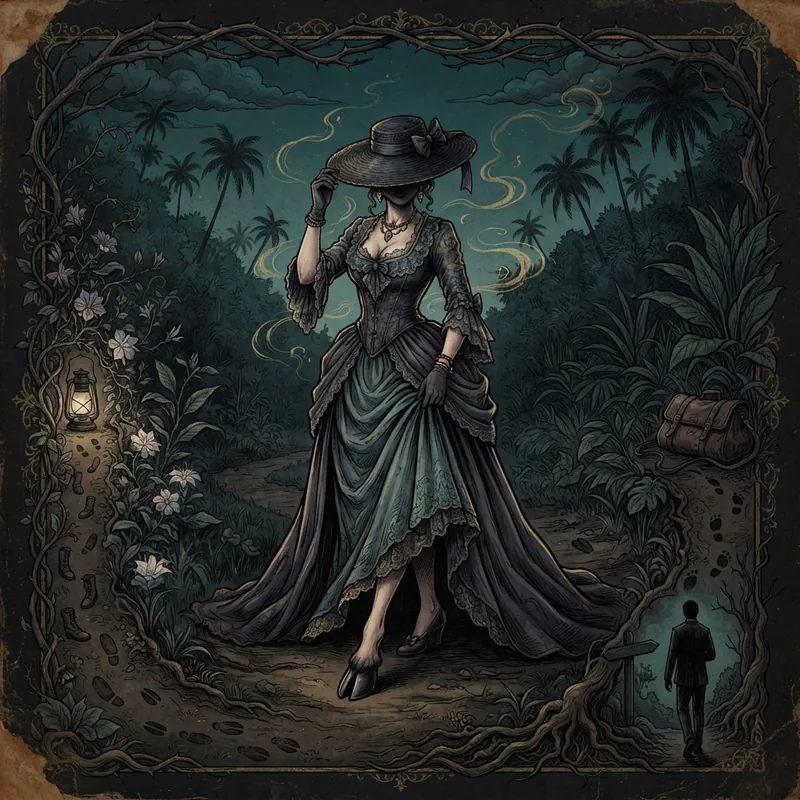
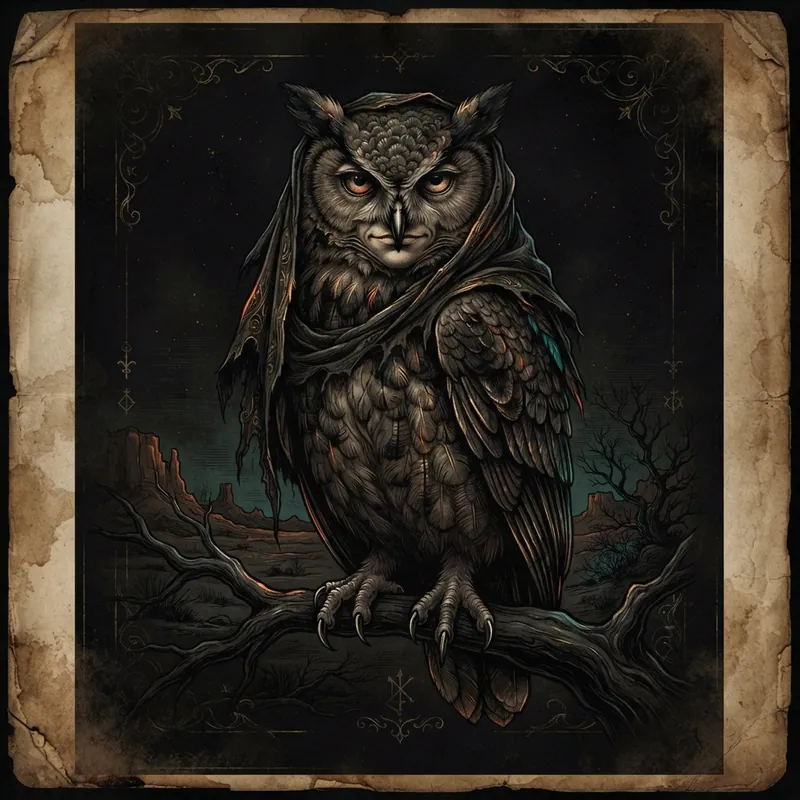
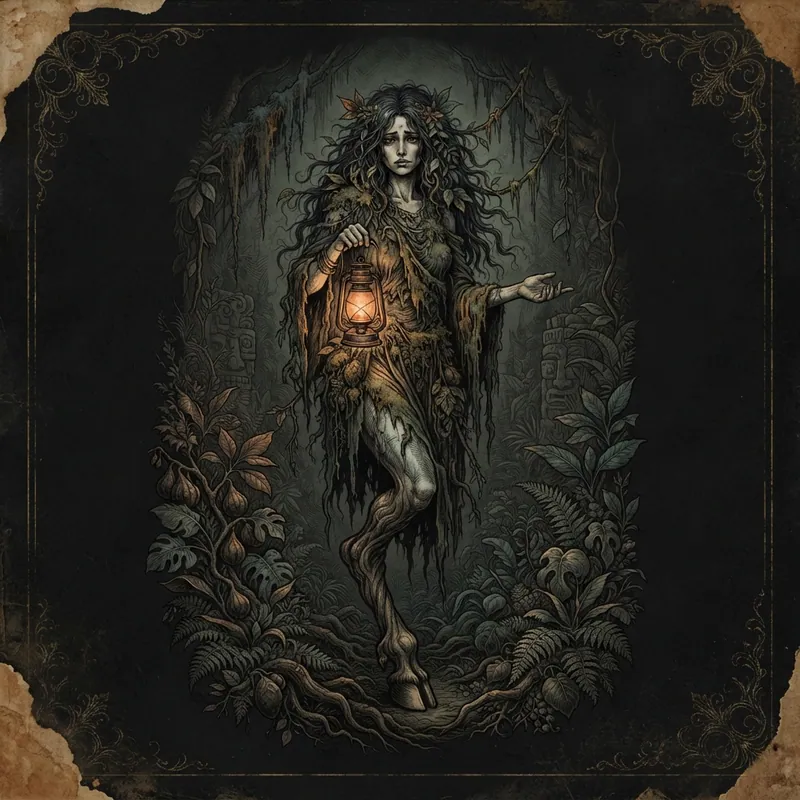
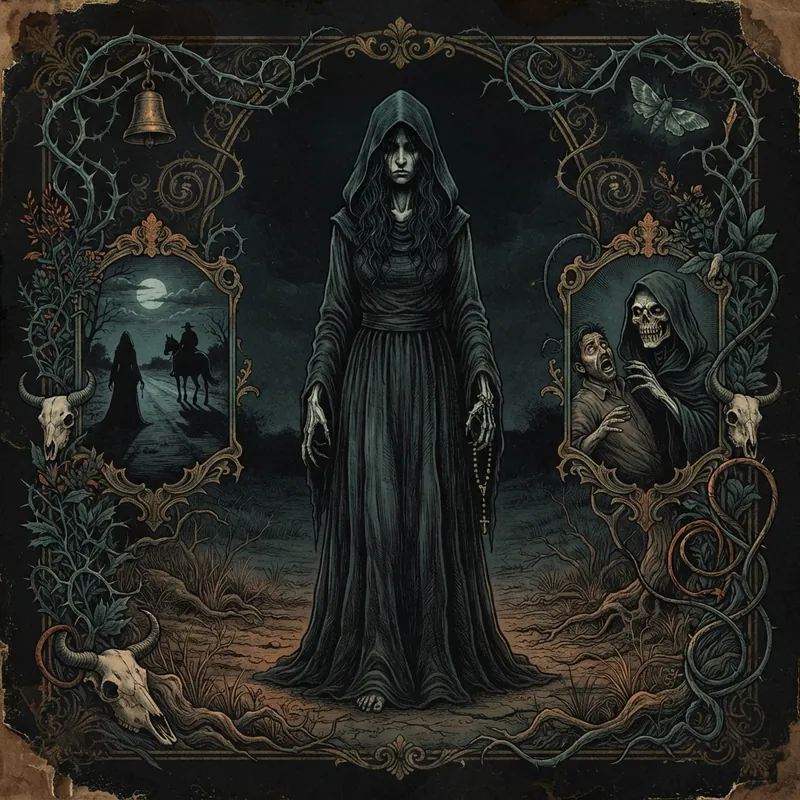
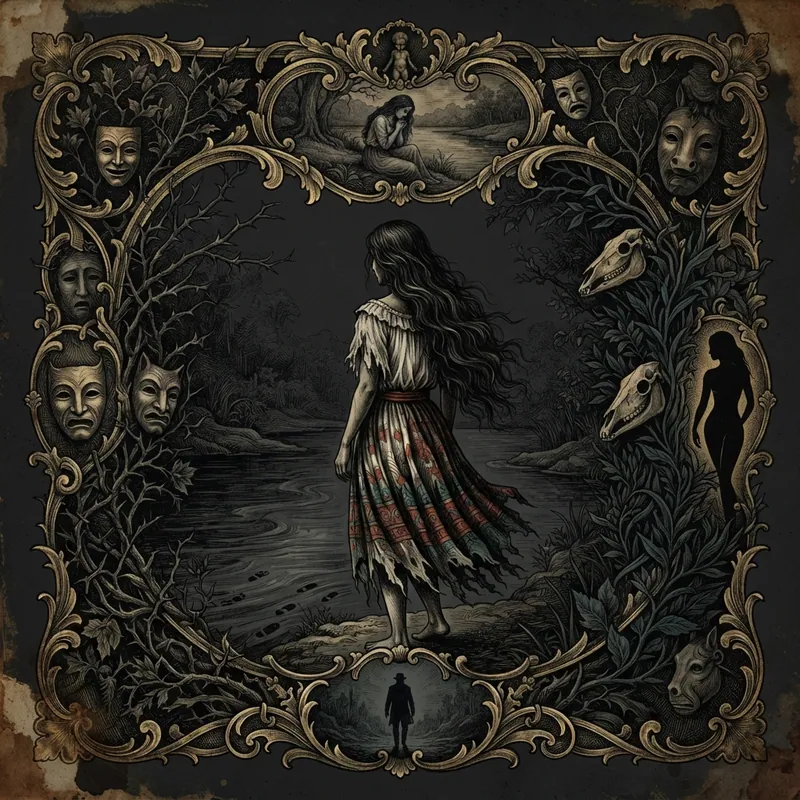
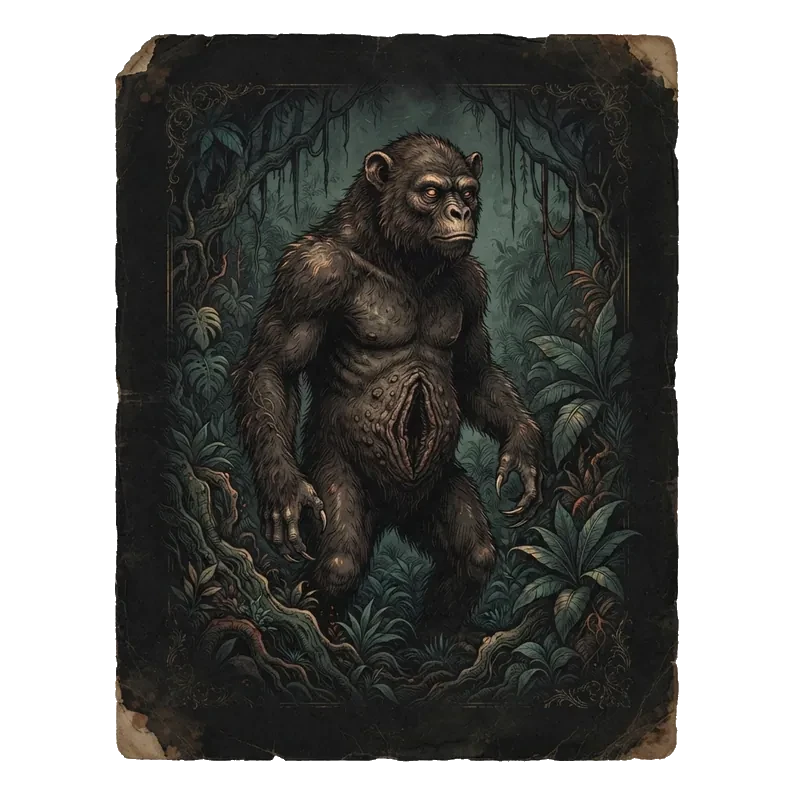
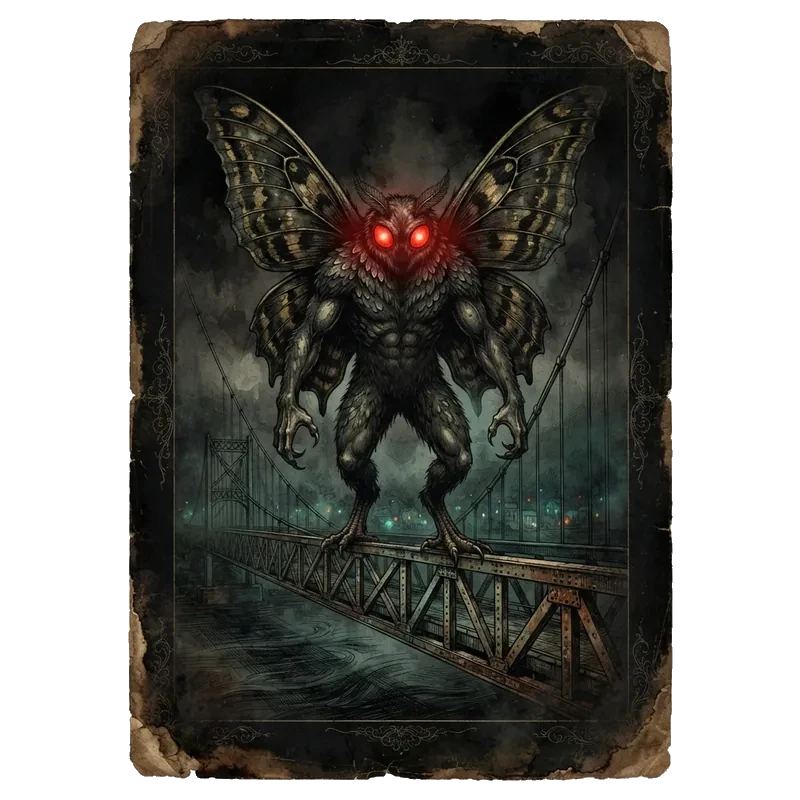
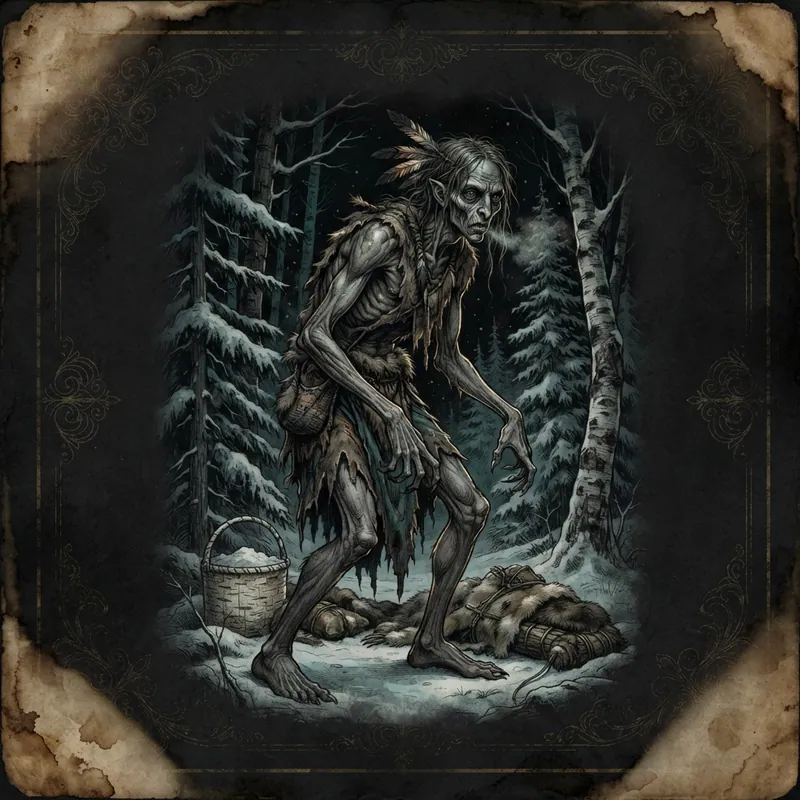
BoitatáA Brazilian fire-omen: Boitatá, from Tupi mbaê-tata, fiery thing, later heard as mbói-tatá, fire snake. Guardian of fields against arson, recorded by José de Anchieta in 1560 as baetatá. Regional forms include bull and will-o’-the-wisp.ChupacabraA late-twentieth-century cryptid first widely reported in Puerto Rico, later spreading across the Americas. Descriptions shift between spiny alien and hairless dog; media and rumour feed each other.CiguapaA Dominican mountain being, often a long-haired woman with backward-facing feet, whose tracks mislead pursuers. Tellings run from shy forest presence to dangerous lure; she is not simply La Llorona in another country.Jersey DevilA winged, hoofed cryptid of New Jersey’s Pine Barrens, mixing colonial curse stories, 1909 panic sightings, and later pop culture. Local identity and tall tale share the same shadow.La DiablesseA Creole temptress of Trinidad, Martinique, and neighbouring islands: poise and perfume from the front, one cow’s hoof under the long dress, a face the hat keeps back. She leads the unwary off the path. Not a generic succubus; keep the French-Creole and African-Caribbean setting.La LechuzaA witch-owl figure of Mexican and borderlands storytelling, often a shapeshifting woman who takes owl form to hunt or curse at night. Versions differ between family and region.La PatasolaA one-legged forest seducer of Colombian lore who lures men into the wilderness. Often read as a warning about the jungle’s dangers and gendered violence in oral tradition.La SayonaA vengeful revenant of the Venezuelan Llanos who hunts unfaithful and roving men. Named for the sayal, her long tunic, or from sayón, the punisher. Related in the plains to El Silbón; not La Llorona.La SiguanabaA Central American spectre — Siguanaba, Sihuanaba, Cigua, Cegua — beautiful from behind, horse-faced or skull-faced up close. Related to La Llorona as a weeping or water woman in popular talk, but not the same being: she punishes lust and infidelity, and in Salvadoran cycles seeks her son Cipitío.MapinguariA formidable creature from Amazonian stories and later cryptid retellings, linked to the dense forest and the boundaries of the known.MothmanA modern legend associated with Point Pleasant, West Virginia, and a cluster of 1960s sightings, rumours, and later retellings.WendigoA gaunt, insatiable being of Algonquian tradition, associated with deep winter, starvation, and the dread of a hunger that consumes the self.
 ✧
✧ ◒
◒ ♧
♧ ◒
◒ ⛤
⛤ ◎
◎ ♧
♧ ✦
✦ ◌
◌ ◒
◒ ◒
◒ ♧
♧