THE CONCORDANCE
Haunted architecture
Castles, cathedrals, shrines that remember.
Africa & the Middle East · 4
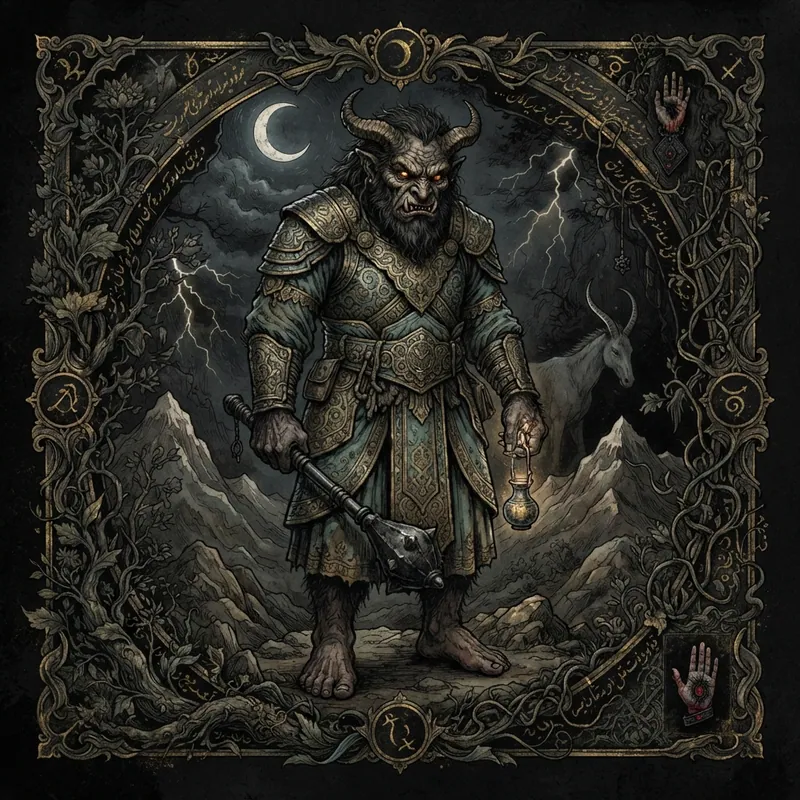
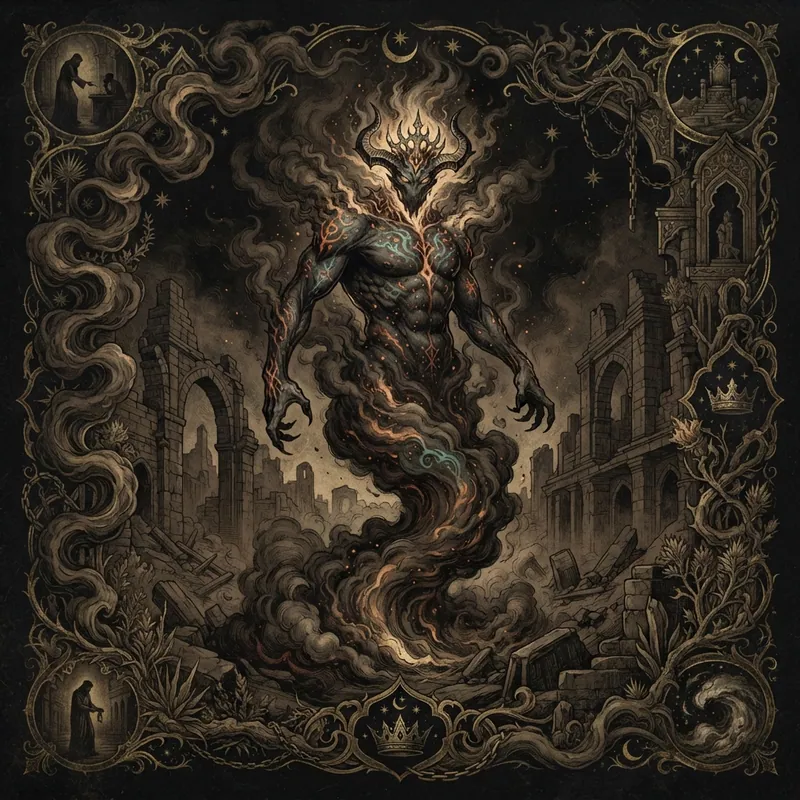
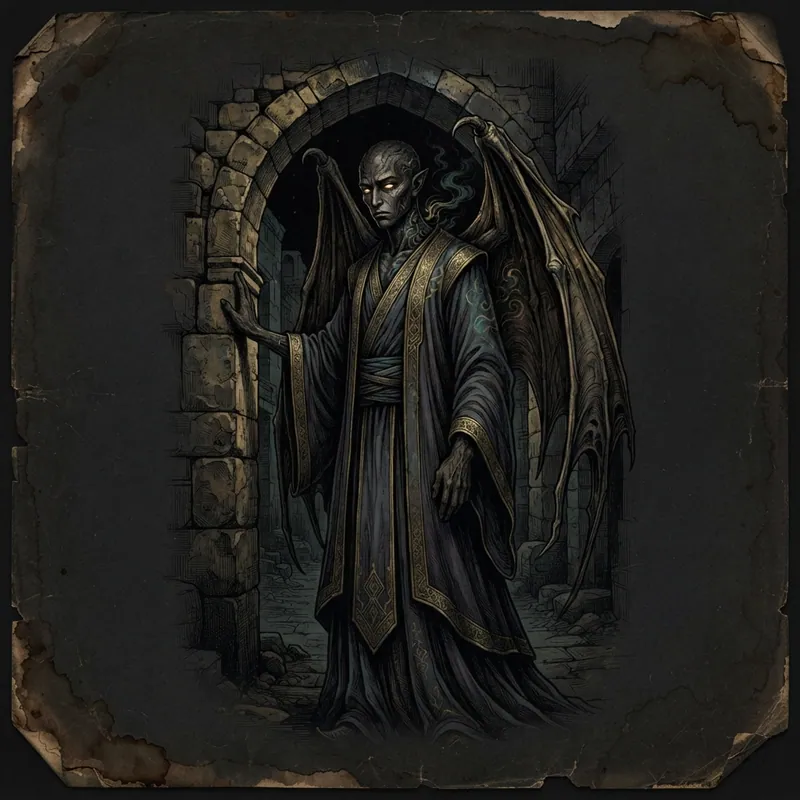
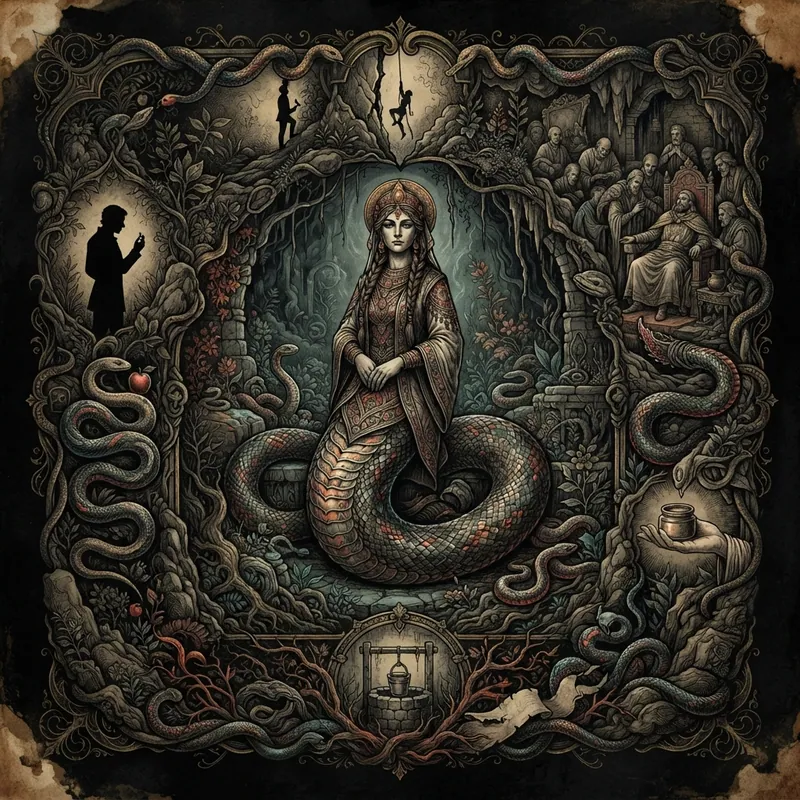
DīvThe Persian dīv (dev, dēw) is the demon, ogre, and fiend of Iranian epic and folktale, descended from Avestan daeva. In the Shahnameh they rule a mythical Mazandaran; in oral tales they sleep in sunlight, hide an external soul, and go mad the language itself—dīvānegī.IfritIn Islamic scripture the word ʿifrīt appears once, as “an ifrit of the jinn,” an epithet of a powerful, rebellious being. Later folklore turned ifrit into a class of formidable jinn, often of smoke and ruin, morally capable of belief or unbelief. Distinct from the wider category already archived as Jinn.JinnJinn are beings in Arabic and Islamic traditions with wide-ranging depictions, moral qualities, and religious meanings; this record avoids treating a living tradition as a generic monster catalogue.ShahmaranShahmaran (Şahmeran, Şamaran), “sovereign of the snakes,” is a woman-serpent of Persian, Kurdish, Arabic, and Anatolian story. She teaches medicine in an underground garden; a broken promise delivers her to a sick king. Images still hang in Tarsus and Mardin homes.
 ⛧
⛧ ⛧
⛧ ☾
☾ ≈
≈Asia & the Isles · 12
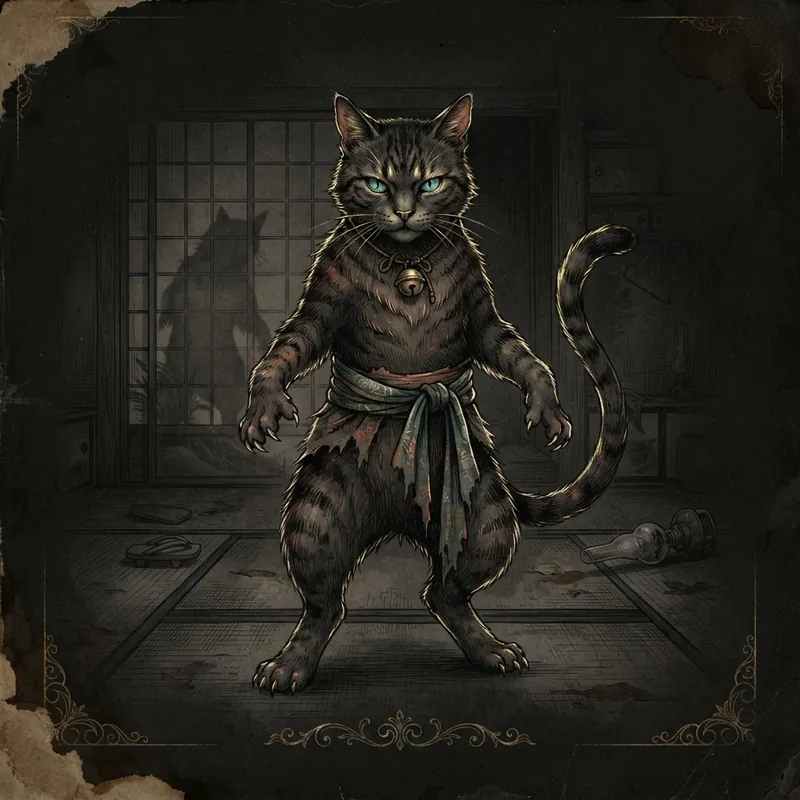
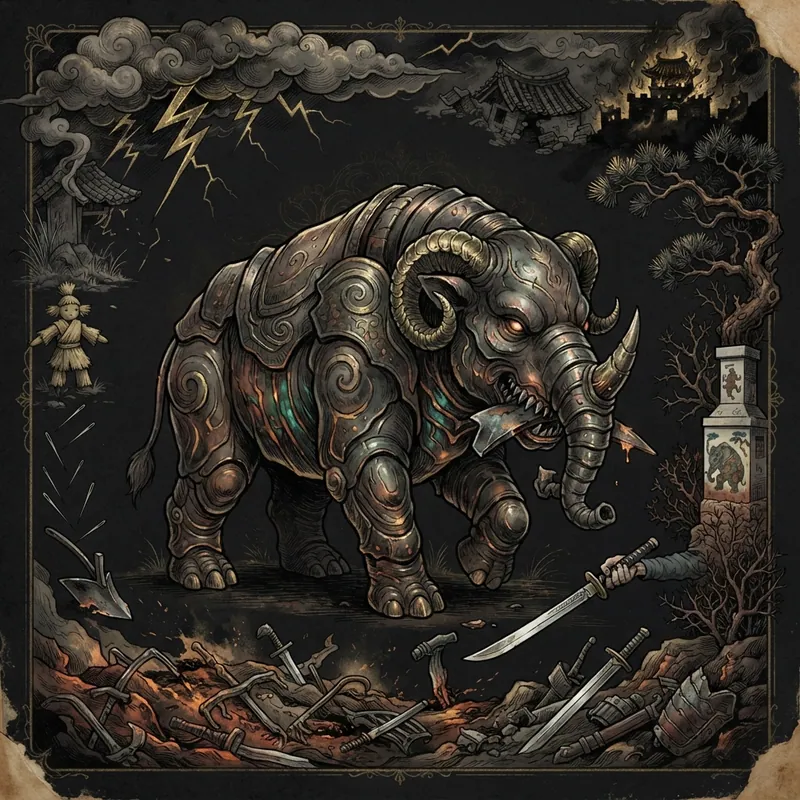
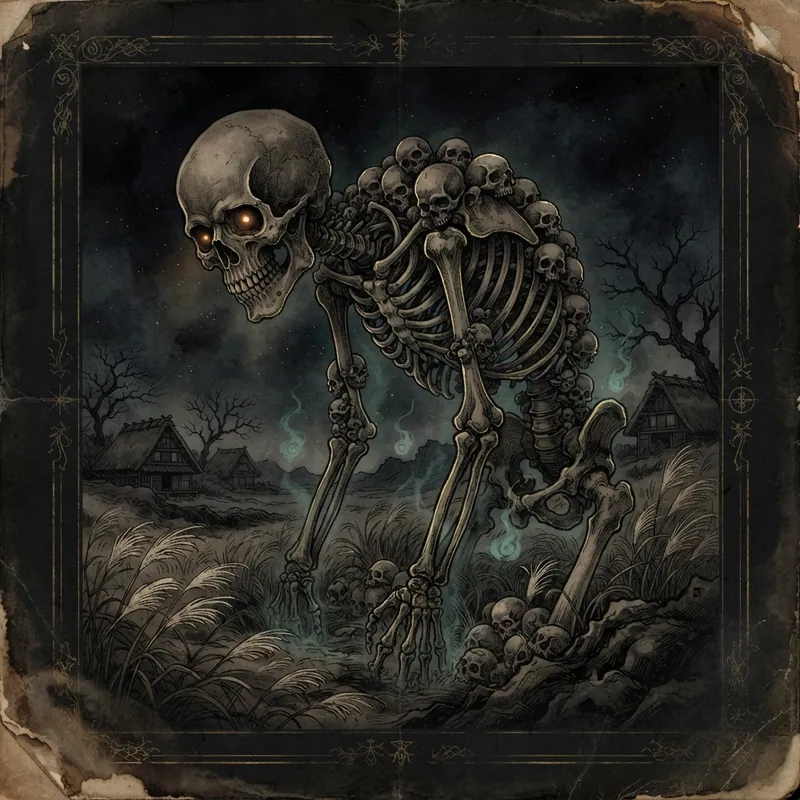
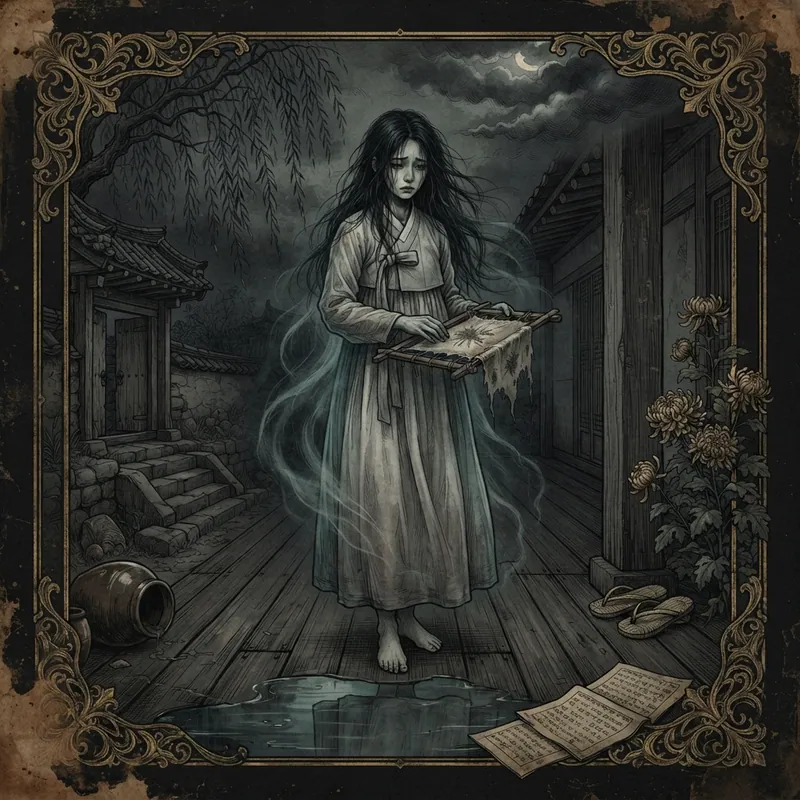
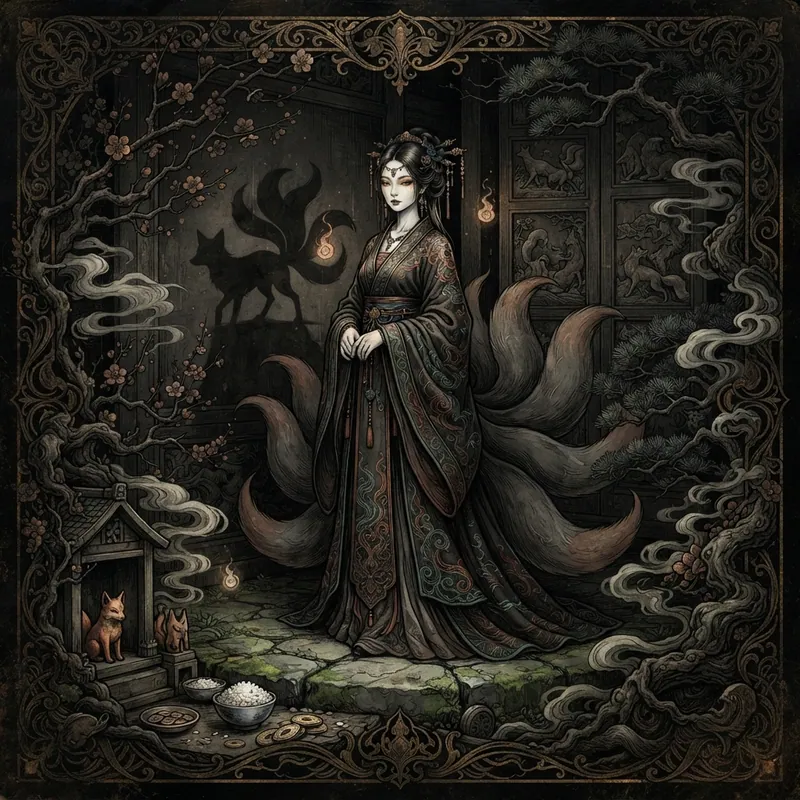
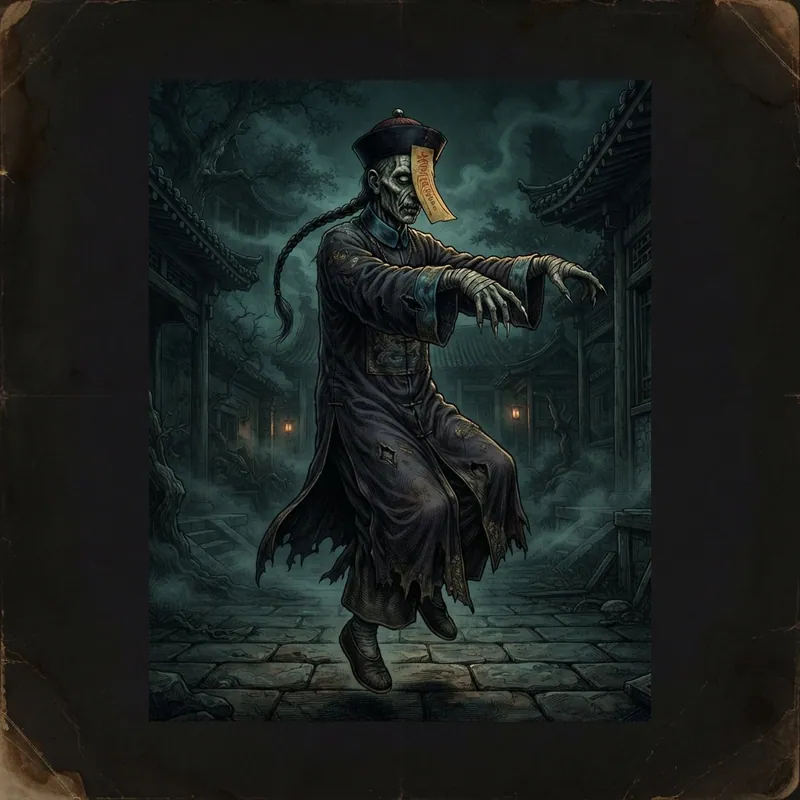
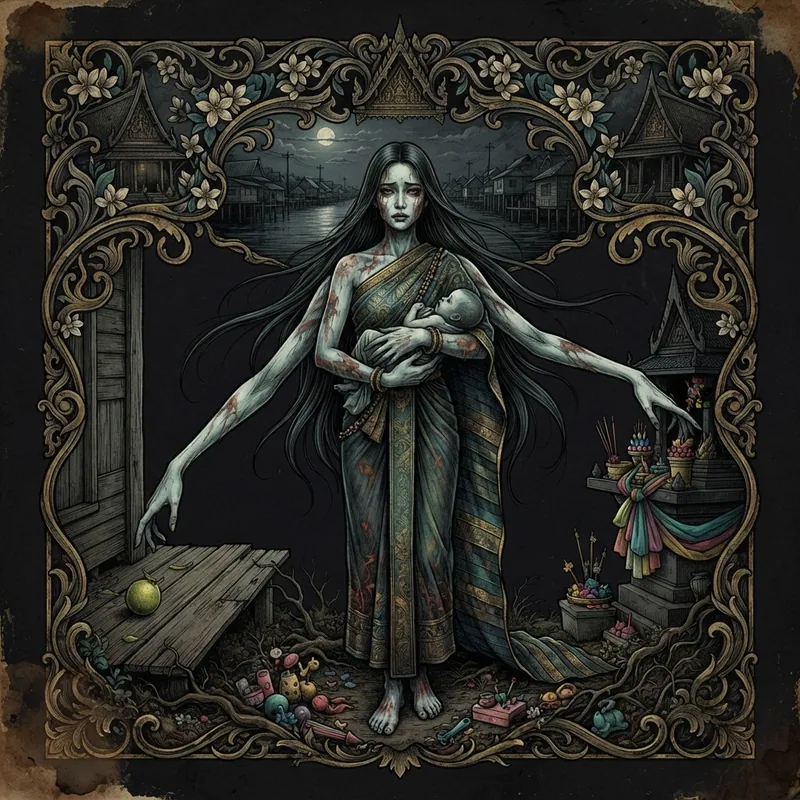
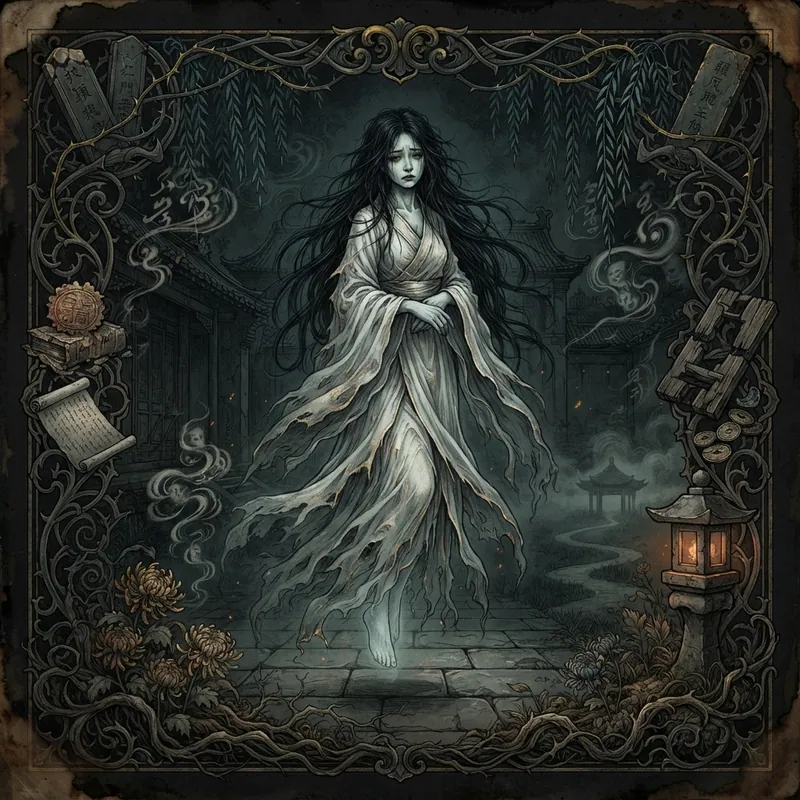
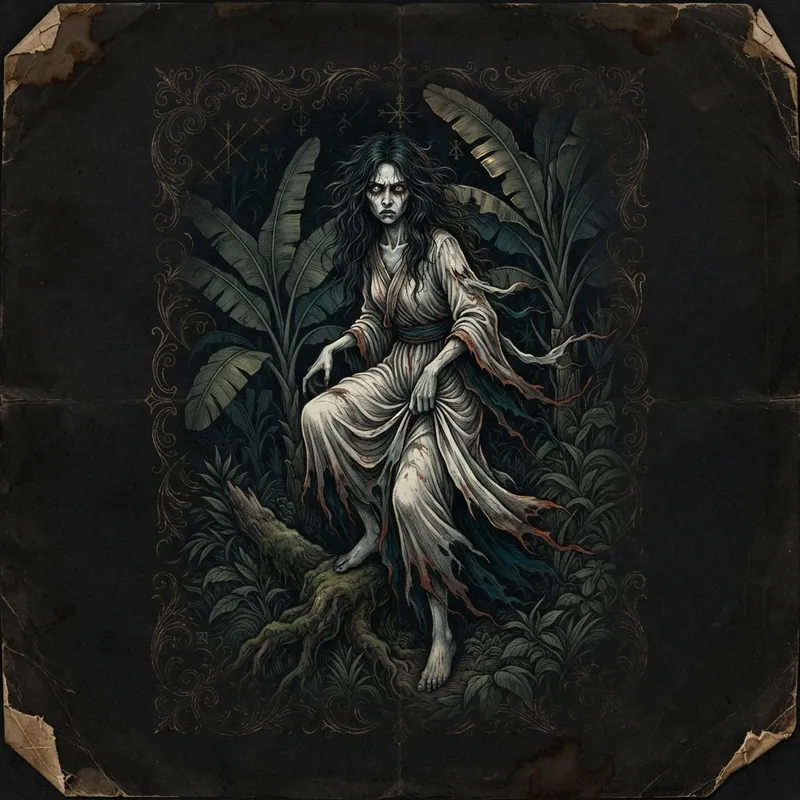
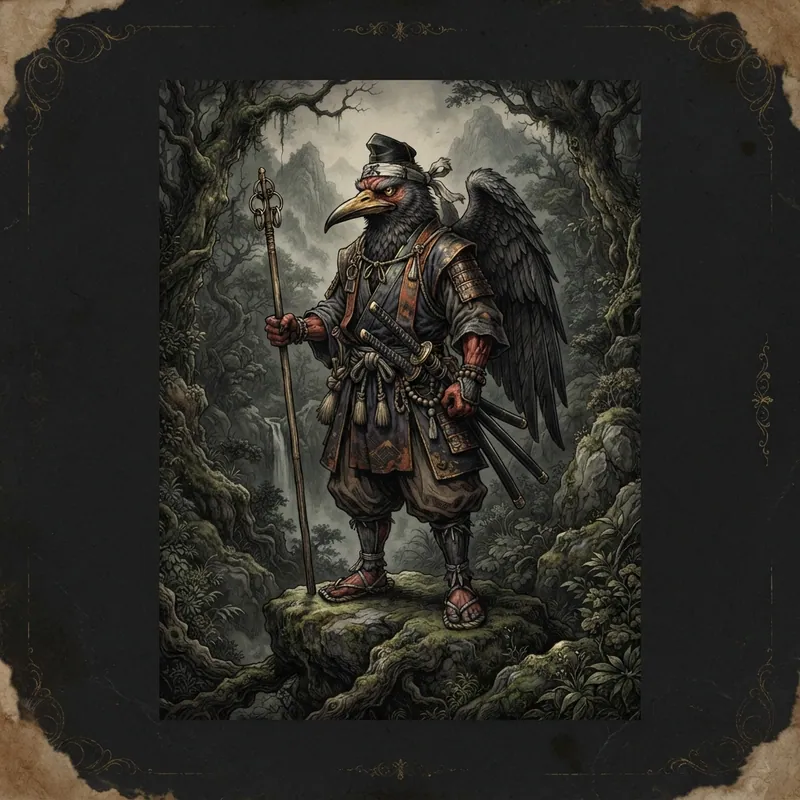
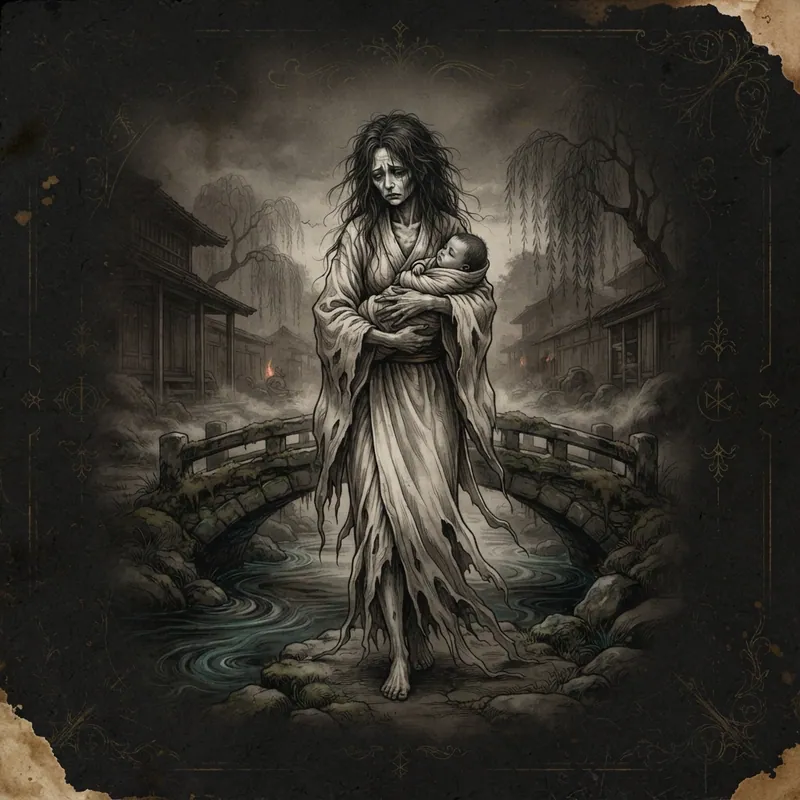
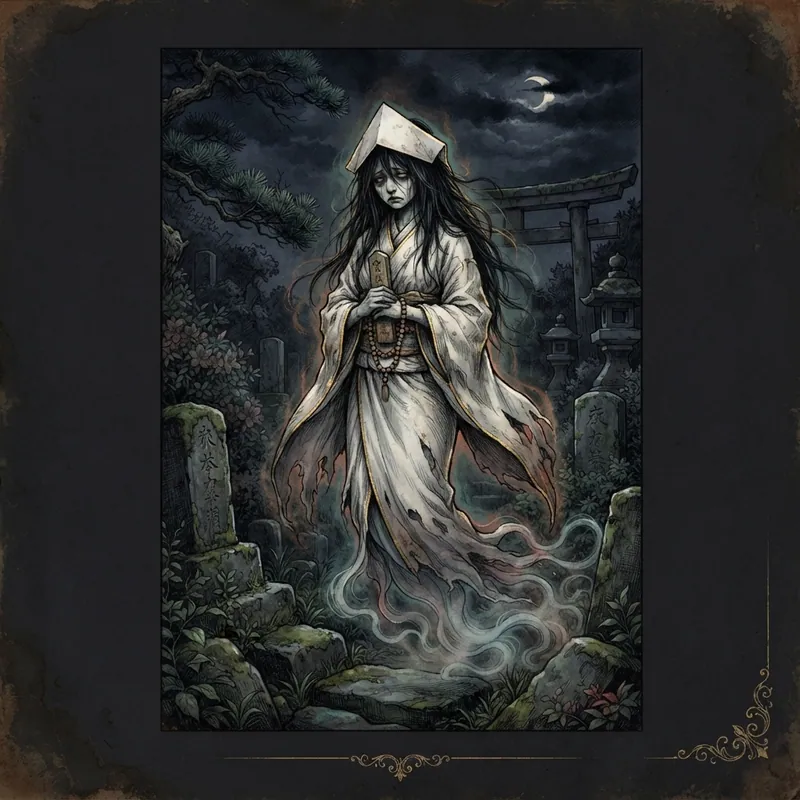
BakenekoA transformed cat of Japanese folklore, sometimes linked with age, mistreatment, or revenge. Related to, but not identical with, the split-tailed nekomata.BulgasariA Korean legendary iron-eater whose name means, in one reading, the one that cannot be killed. Folktales make it a catastrophe of late Goryeo; folk craft also paints it on chimneys as a ward against nightmare and fire.GashadokuroA gigantic skeletal yōkai said to form from the bones of people who died of starvation or in battle without proper rites. Its approach is announced by a rattling, grinding sound.GwisinA Korean term for ghost, spirit, or divinity. Unlike the dokkaebi, gwisin in folk usage are often the human dead who remain because of unfinished ties. Distinct from the kumiho, which is a fox, not a ghost.Huli JingA Chinese fox spirit that cultivates essence until it can take human form. Distinct from Japanese kitsune and Korean kumiho, though all three share an East Asian vulpine lineage.JiangshiA hopping revenant of Chinese folklore and later popular culture, usually tied to a body animated by disrupted death rites or vital force.Mae NakMae Nak of Phra Khanong: a specific Thai revenant of a woman who died in childbirth and waited for her husband. Her shrine at Wat Mahabut remains a place of living offerings.Nü GuiA Chinese category of female ghost, often the returning spirit of a woman who died under injustice. Not one named monster, but a recurring figure of grievance, mourning dress, and unfinished memory.PontianakA female ghost figure found in Malay-language folklore, with local versions and names that shift across the region.TenguMountain beings of Japanese folklore, once feared as demons of pride and disruption, later also imagined as martial teachers and protectors of sacred peaks. Crow and human-like forms both appear.UbumeA spirit associated with women who died in childbirth in Japanese lore, often appearing near water or bridges and testing the living with a baby that becomes impossibly heavy.YūreiSpirits of the dead that linger for unresolved reasons — often bound to places, objects, or grudges — until the matter that holds them is finally settled.
 ◎
◎ ⌬
⌬ ✦
✦ ◌
◌ ◎
◎ ✦
✦ ✦
✦ ◌
◌ ✦
✦ ♧
♧ ✦
✦ ◌
◌Eastern Europe · 4
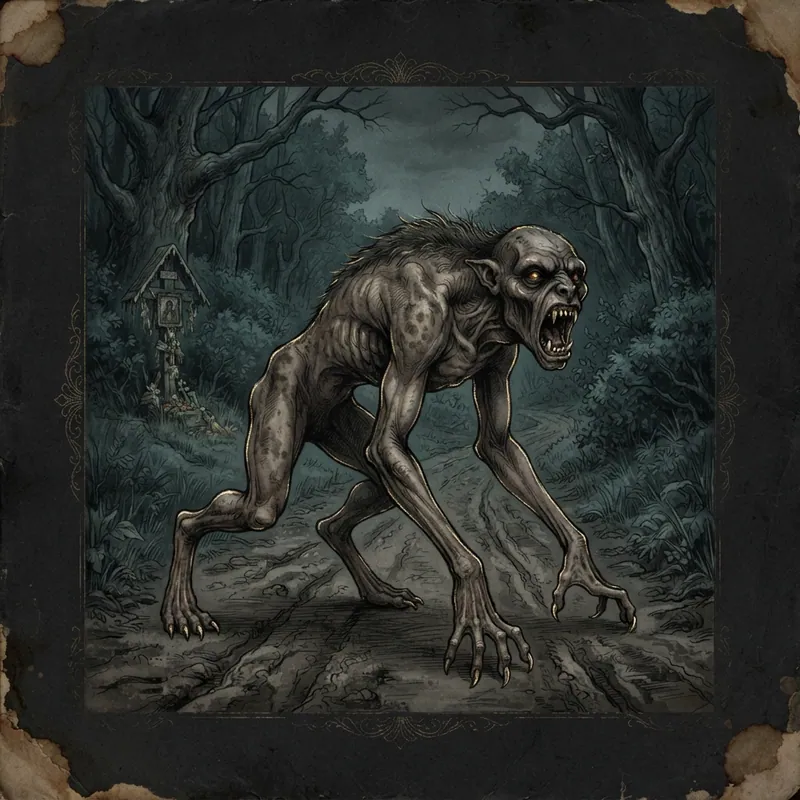
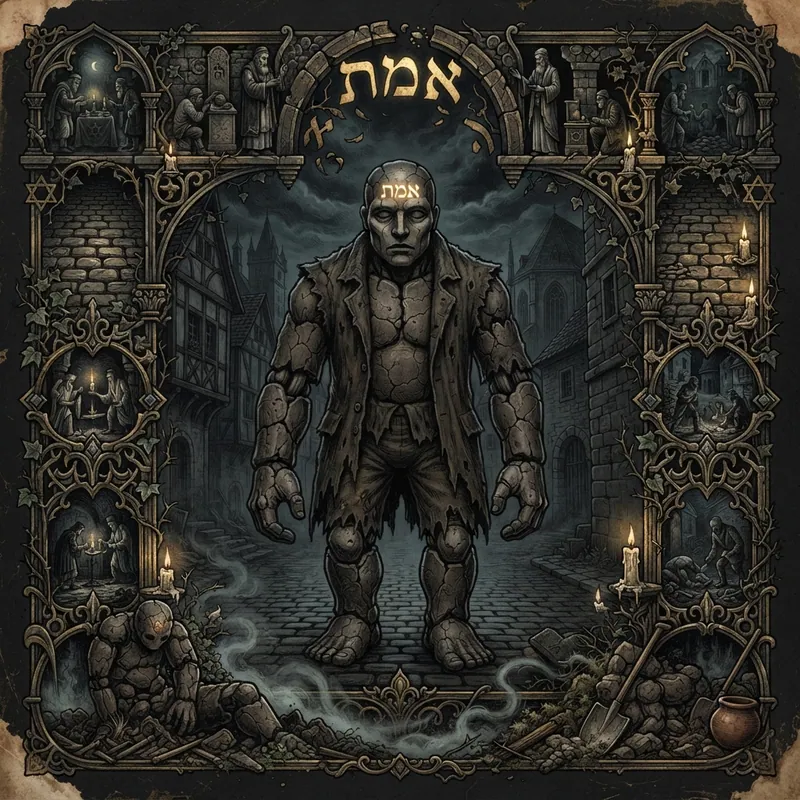
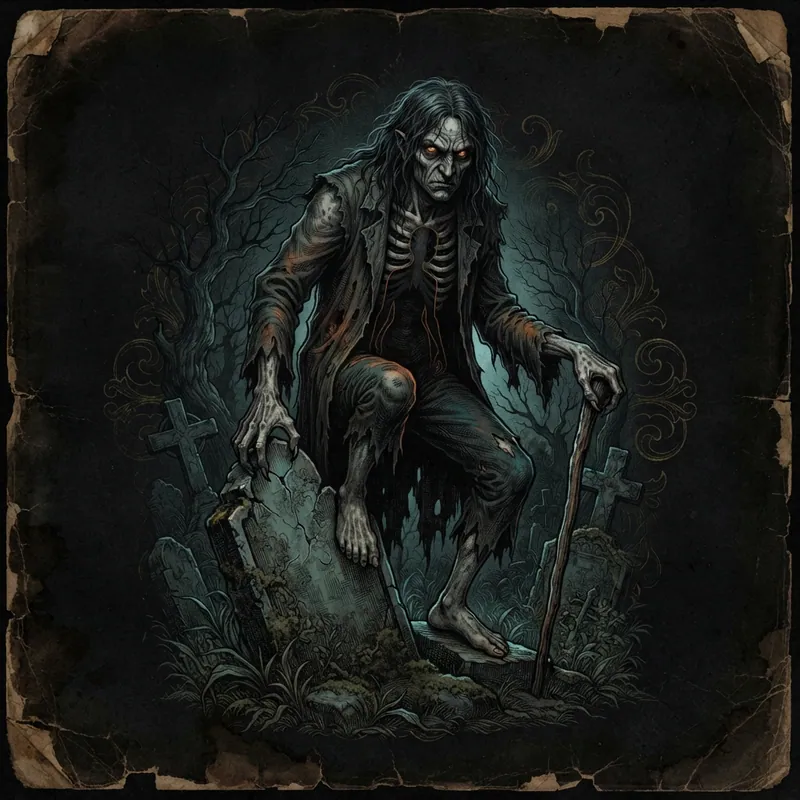
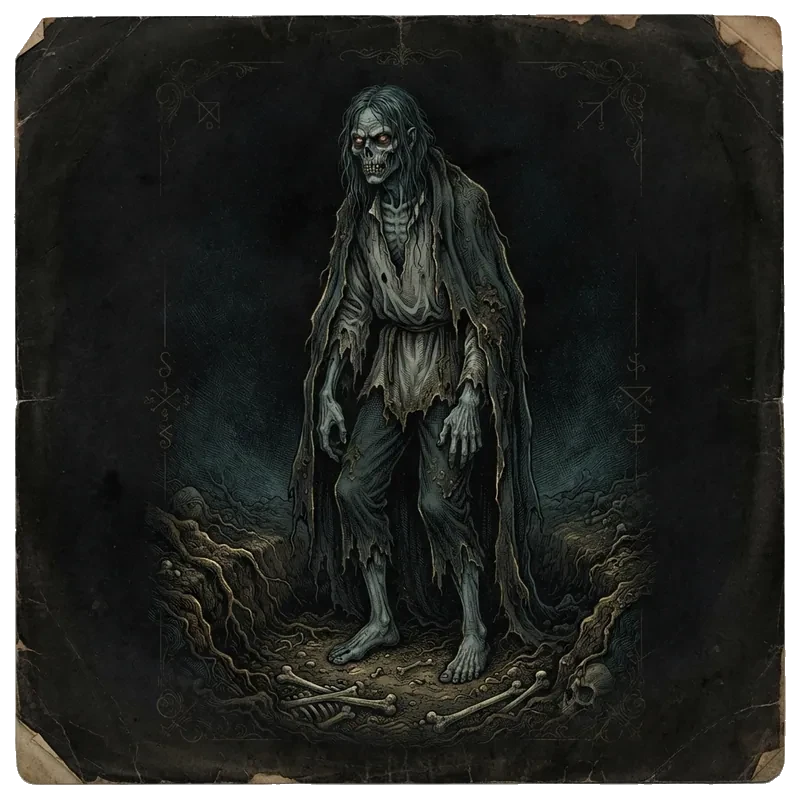
DrekavacA South Slavic night-being often linked with the souls of unbaptised or improperly buried dead. Its cry is the warning; descriptions of its body shift from village to village.GolemIn Jewish tradition a golem is unformed matter, later an artificial human animated by holy language. The famous Prague tale of the Maharal is a later legend attached to a historical rabbi, not a proven event.StrzygaIn Polish and related lore, a strzyga (or striga) is often a person born with two souls or two hearts who becomes a predatory undead after death. Folklore and later fiction should not be collapsed into one rule.UpyrA Slavic term for a dangerous returning dead figure, often associated with improper burial or an unclean death. Later vampire fiction borrows the word but should not overwrite older regional meanings.
 ✦
✦ ⌬
⌬ ✦
✦ ✦
✦Europe & the North · 4
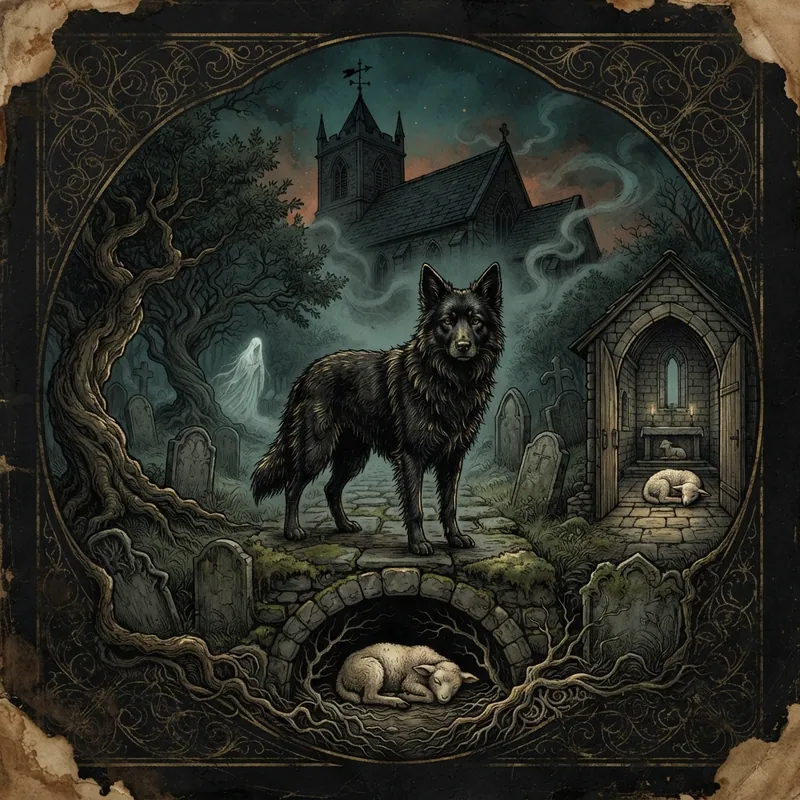
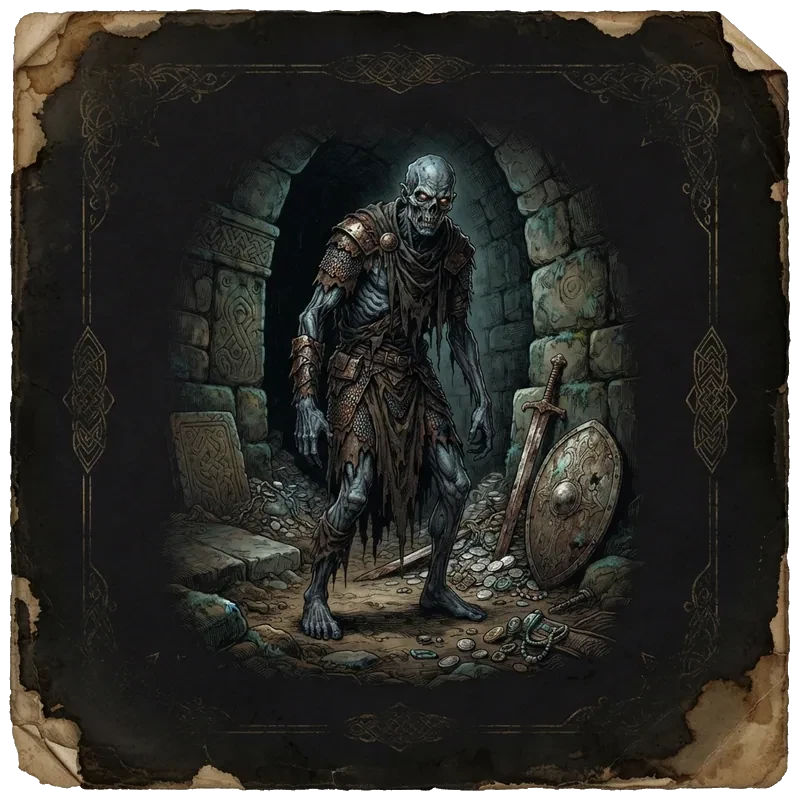
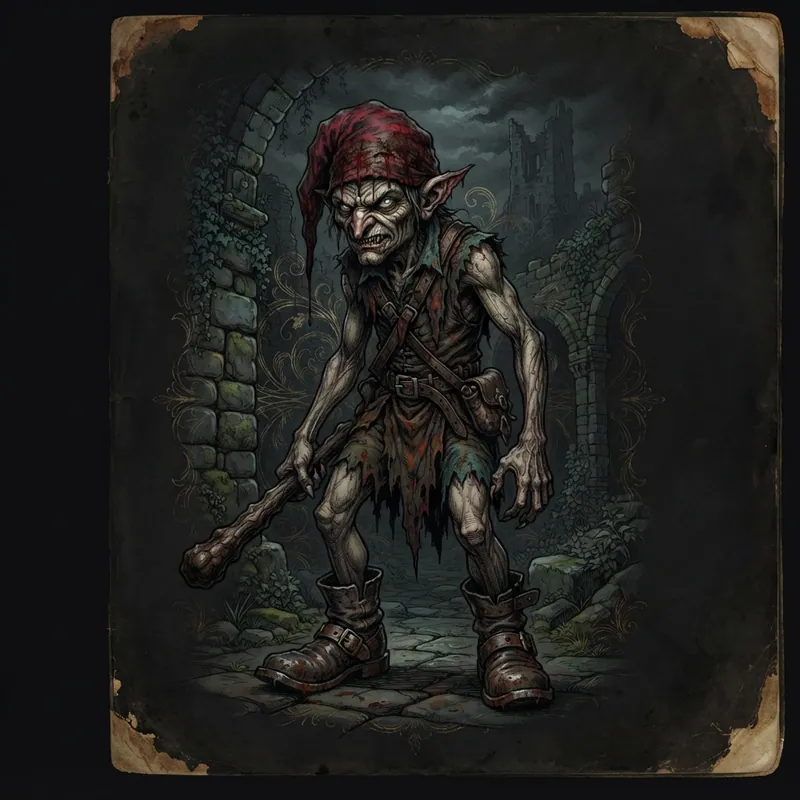
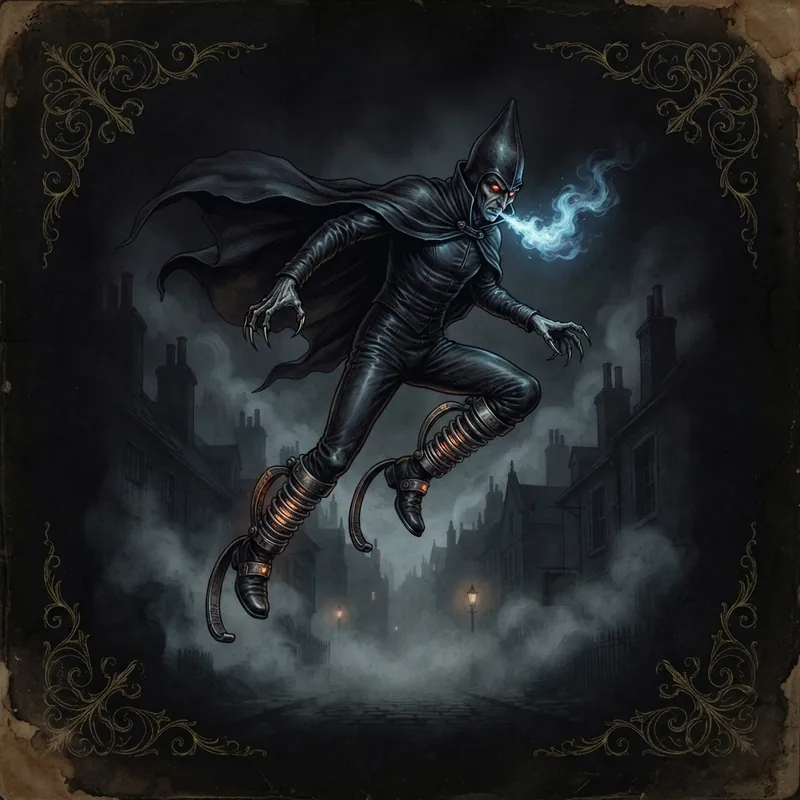
Church grimGuardian spirit of a church and churchyard in English and Scandinavian folklore, often a black dog, sometimes a church-lamb. Protector of consecrated ground, easily confused with omen-dogs such as Black Shuck.DraugrAn animated dead figure of Norse and Icelandic saga tradition, often guarding treasure in a mound and possessing terrible strength. Distinct from later generic zombie imagery.RedcapA murderous goblin of Anglo-Scottish border castles, said to dye his cap in blood. Associated with ruined strongholds and violent histories rather than gentle household brownie lore.Spring-heeled JackA nineteenth-century English panic figure reported leaping extraordinary heights, clawing, and breathing blue flame in popular press accounts. Folklore, hoax, and urban fear braided together.
 ⌂
⌂ ✦
✦ ☾
☾ ◒
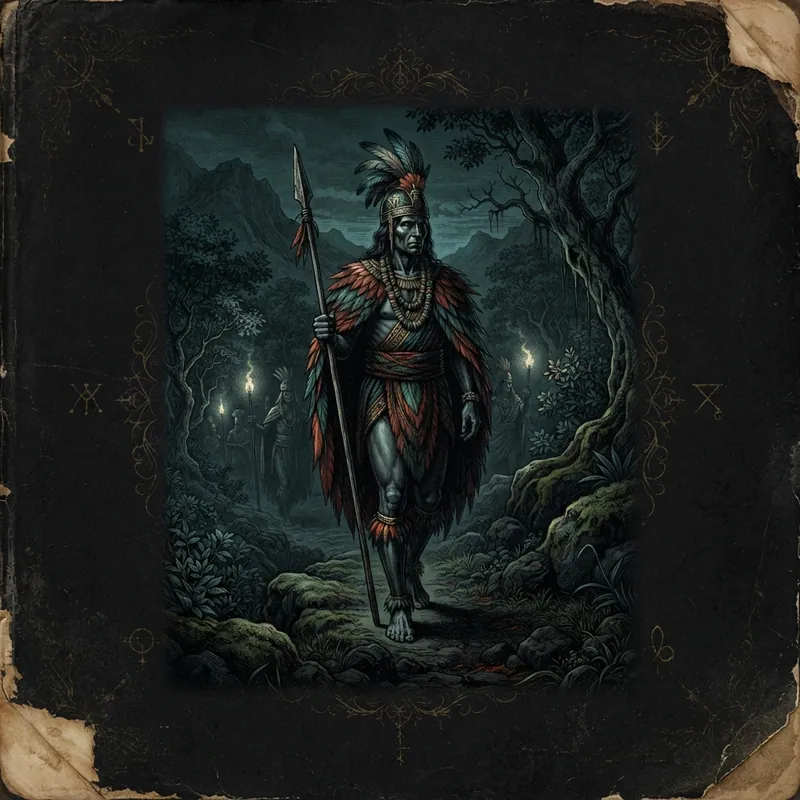
◒Oceania & the Pacific · 1
 ☾
☾South Asia · 6
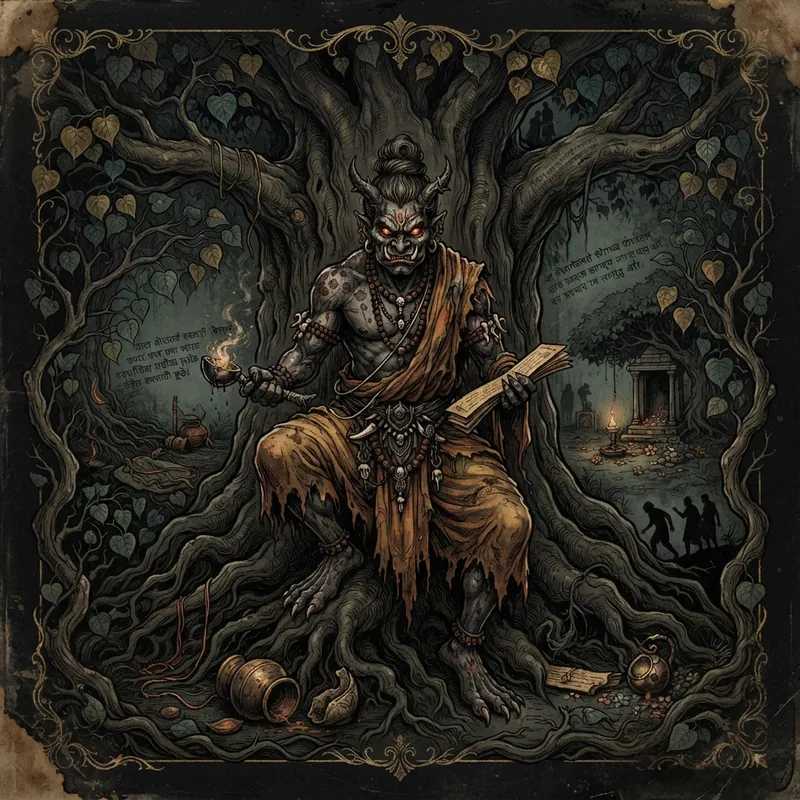
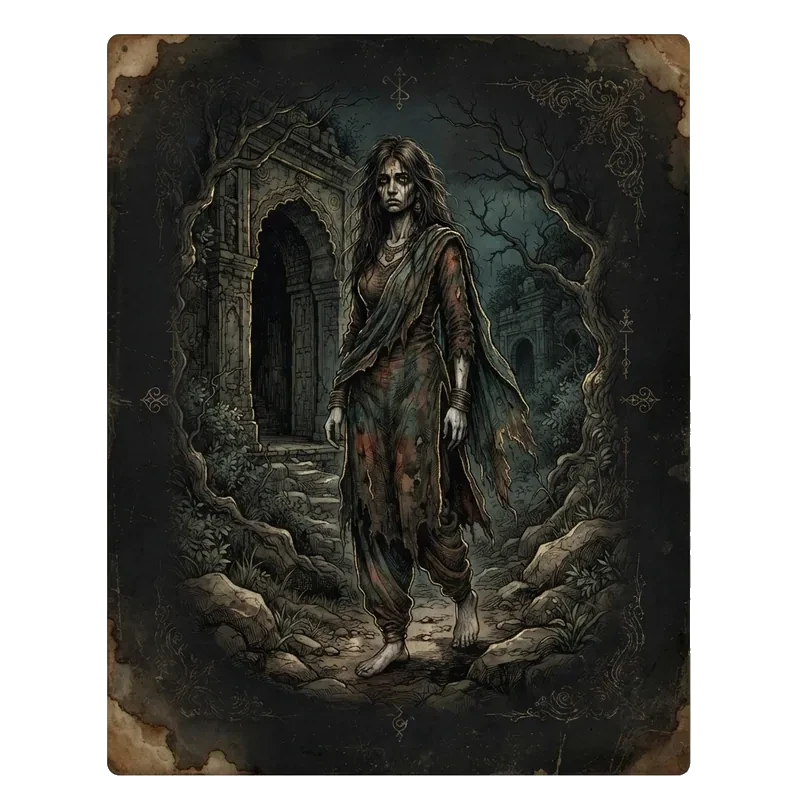
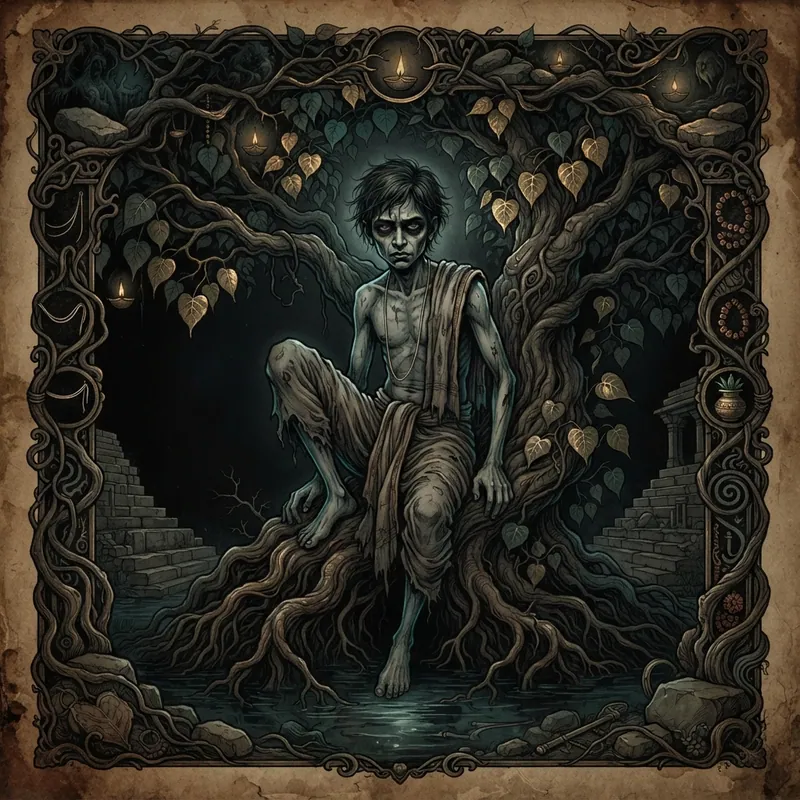
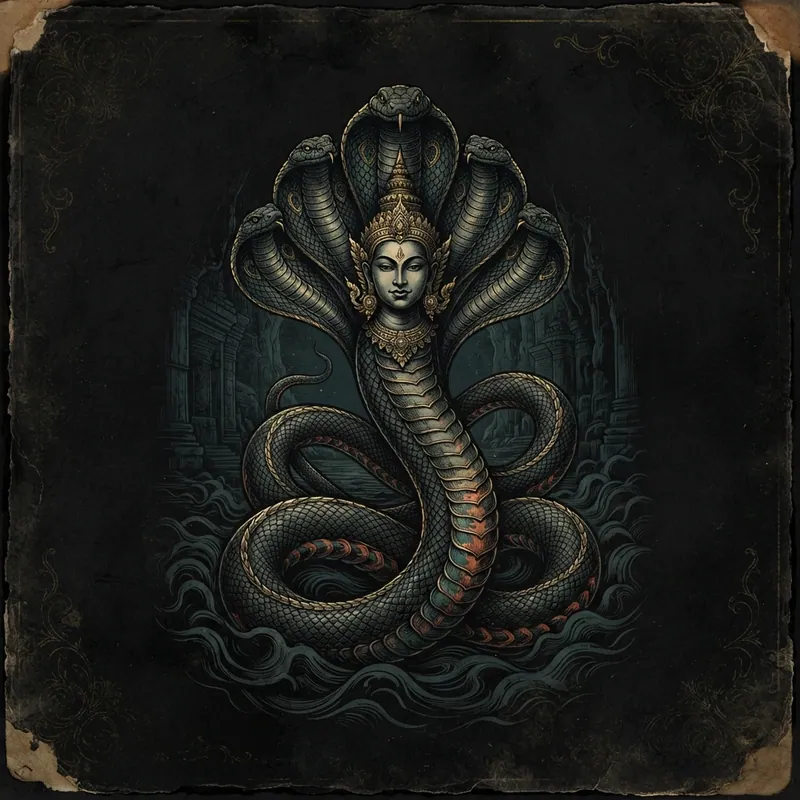
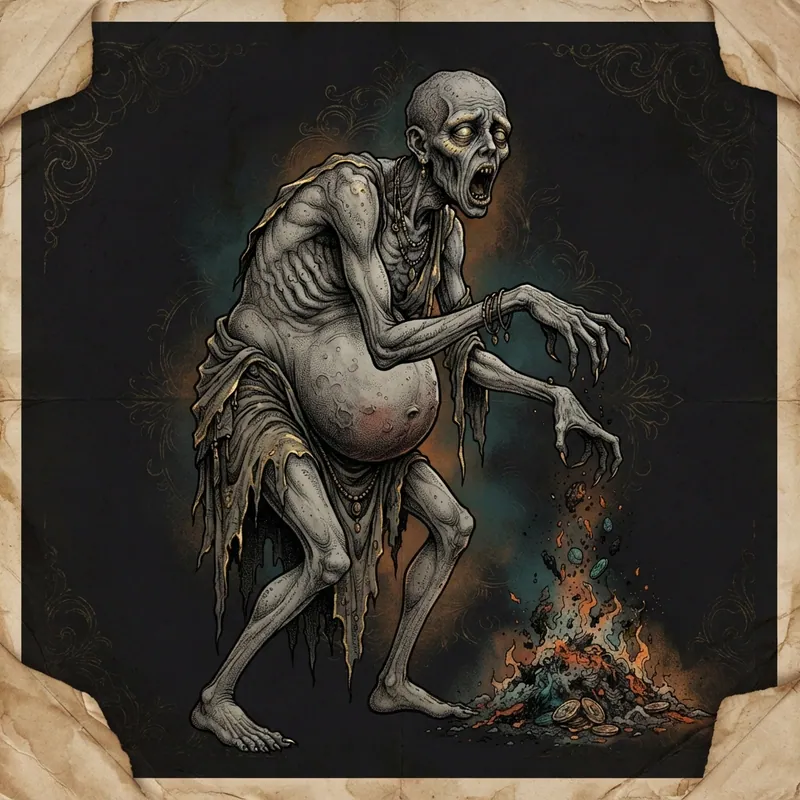
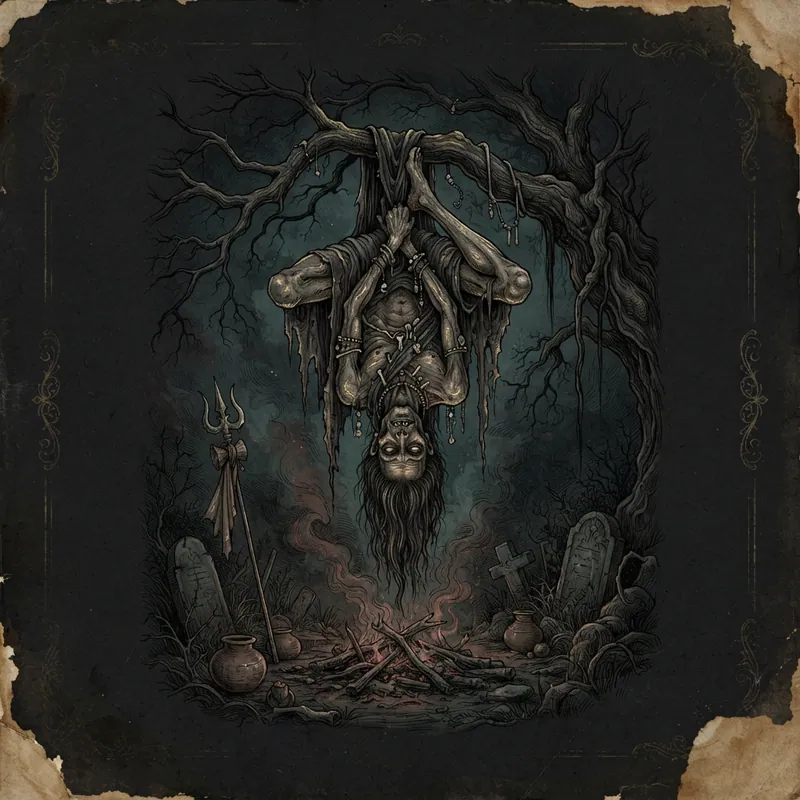
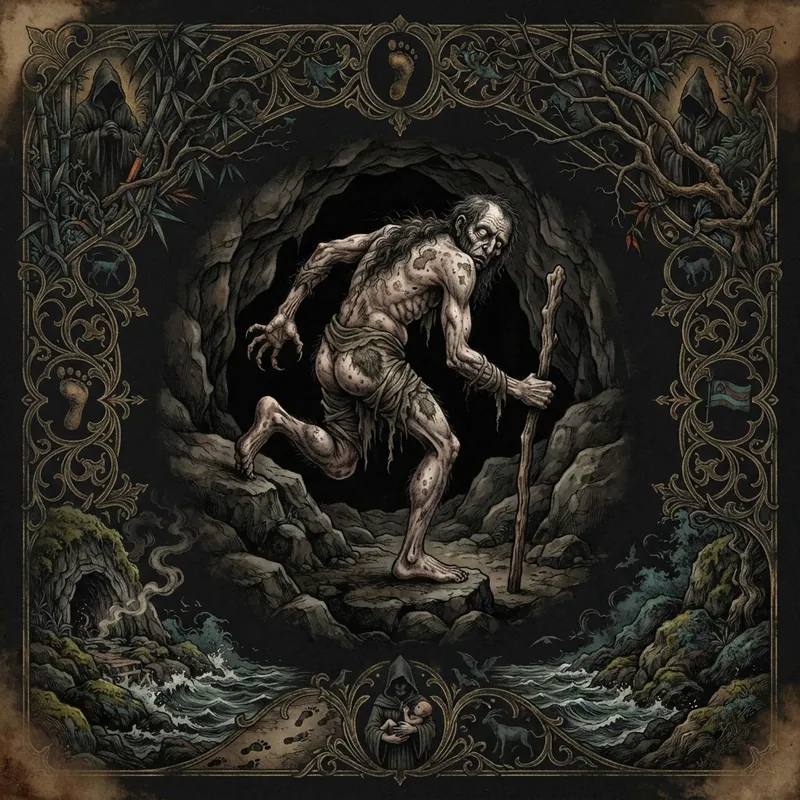
BrahmarākshasaIn Hindu folklore, the vengeful spirit of a Brahmin who lived unrighteously, retaining priestly learning in a rakshasa form. Often tied to peepal trees, disrupted rites, and the cost of knowledge without dharma.ChurelA female revenant figure in varied South Asian traditions, often linked in stories to injury, injustice, or a death outside the expected order.MunjyaIn Maharashtrian and Konkan folklore, the restless spirit of a young Brahmin who dies after the munja (upanayana) but before sod-munja and marriage, often said to dwell in peepal trees or near wells.NāgaSerpent beings spanning South and Southeast Asian sacred storytelling—guardians, kings of underwater realms, and figures of both danger and blessing. Living religious meanings outrank fantasy rankings.PretaHungry ghosts in South Asian religious cosmologies, beings of intense craving and thin satisfaction. Theological and ethical contexts matter more than horror costume.VetālaA spirit associated with corpses and cremation grounds in Sanskrit and regional storytelling traditions, notably in tales built around riddles and moral dilemmas.
 ⛧
⛧ ✦
✦ ✦
✦ ≈
≈ ✦
✦ ✦
✦ ❖
❖