THE CONCORDANCE
Ritual space
Circles, altars, consecrated ground.
Africa & the Middle East · 5
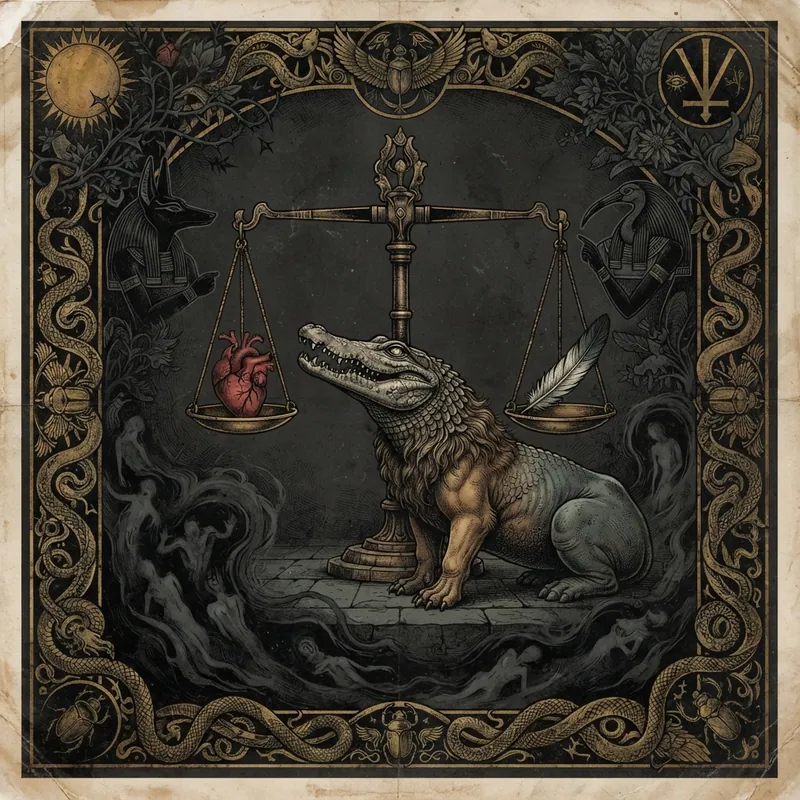
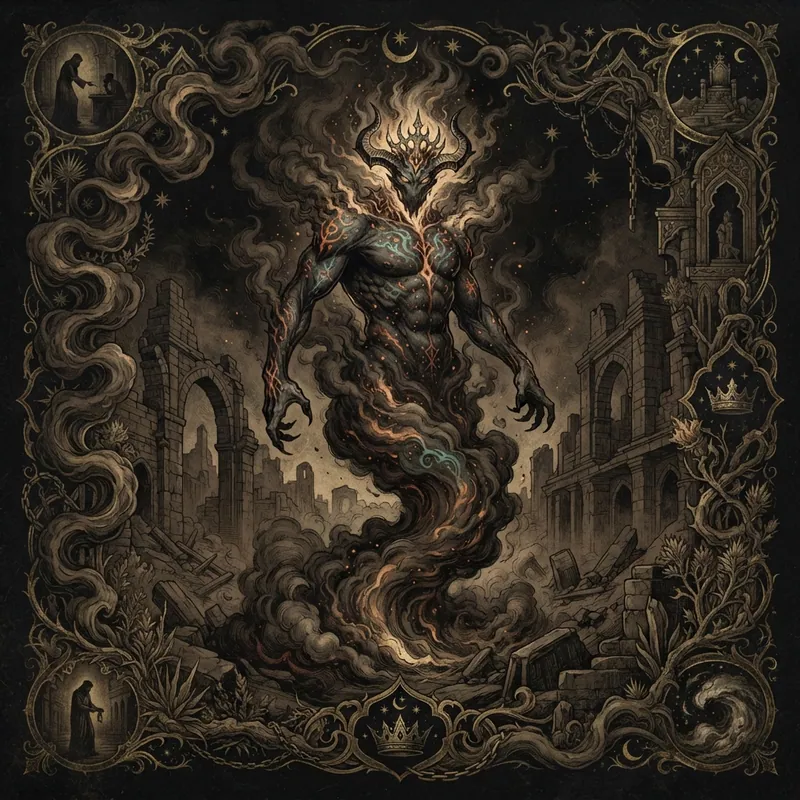
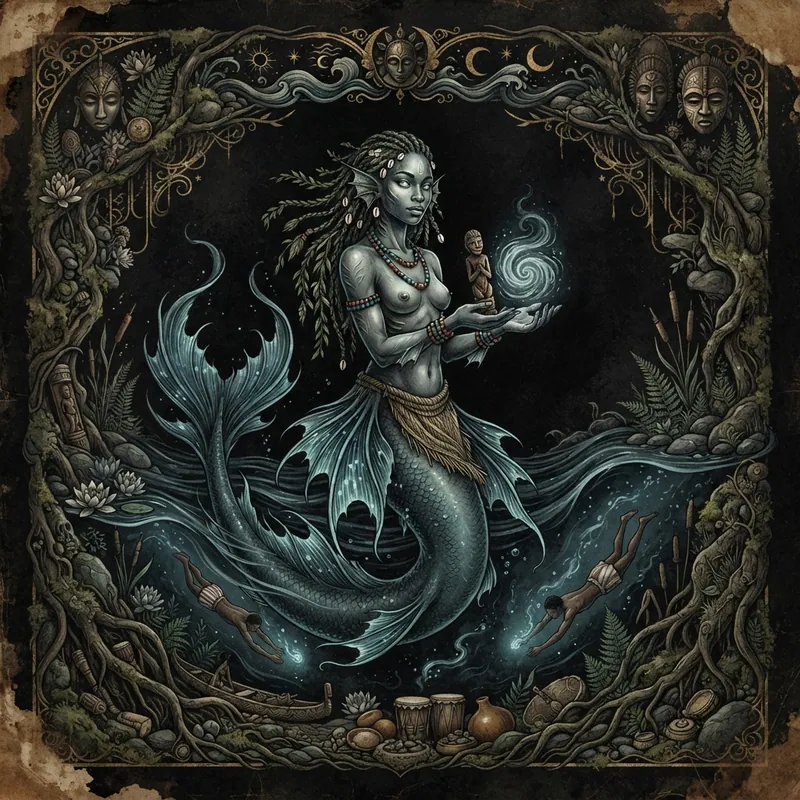
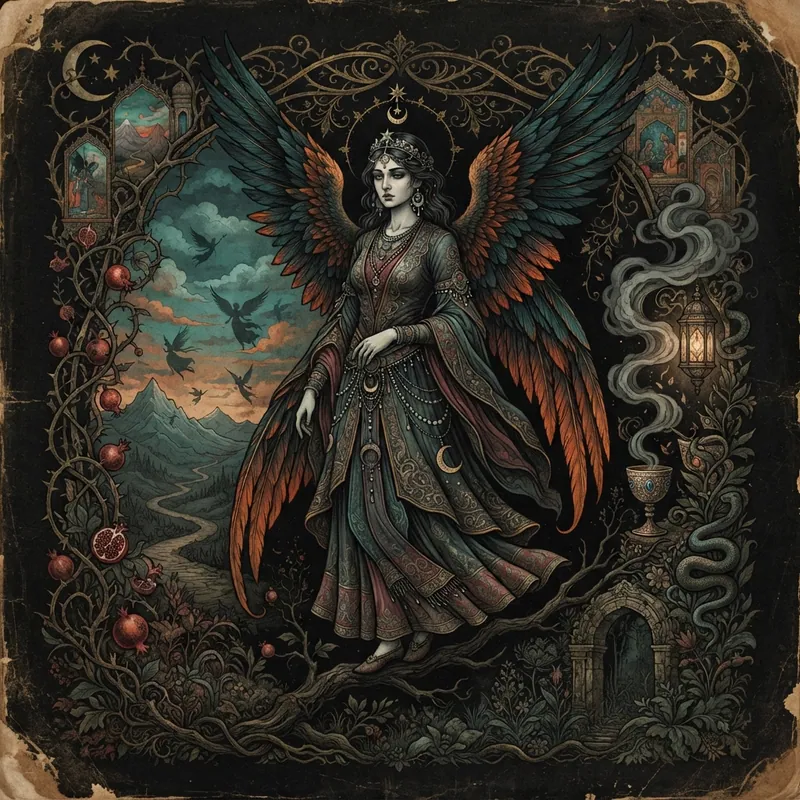
AmmitAmmit (Ammut), “devourer of the dead,” waits beside the scales in the ancient Egyptian judgement of the heart. Composite of crocodile, lion, and hippopotamus, she is not a temple goddess and not a roaming cryptid: she is the omen of oblivion for a life that failed Maat.IfritIn Islamic scripture the word ʿifrīt appears once, as “an ifrit of the jinn,” an epithet of a powerful, rebellious being. Later folklore turned ifrit into a class of formidable jinn, often of smoke and ruin, morally capable of belief or unbelief. Distinct from the wider category already archived as Jinn.JenguAmong the Sawa peoples of coastal Cameroon, a jengu (plural miengu; Bakweri liengu) is a water spirit of river, estuary, and sea. Living cults honour miengu as healers, fortune-bringers, and intermediaries with the ancestors, especially in the Duala Ngondo rites on the Wouri.PeriThe Persian parī (peri) descends from Avestan pairikā, female demonic beings of the old religion, and in later folklore becomes a winged, often beautiful people of tales—ambivalent, organised like humans, and not the same as jinn even when the words blur.QareenA qareen (qarīn) is, in Islamic tradition, the constant companion assigned to a human—often a jinn who whispers toward evil, though some authorities also name an angelic counterpart. Folklore sometimes makes it a jealous double. Distinct from the wider class archived as Jinn.
 ◉
◉ ⛧
⛧ ≈
≈ ❋
❋ ❖
❖Asia & the Isles · 4
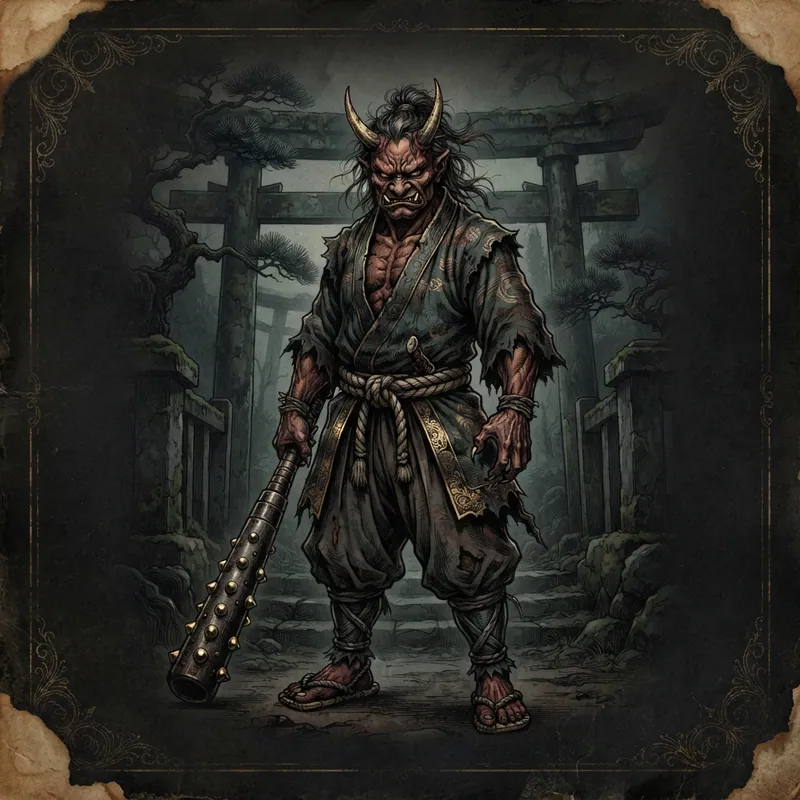
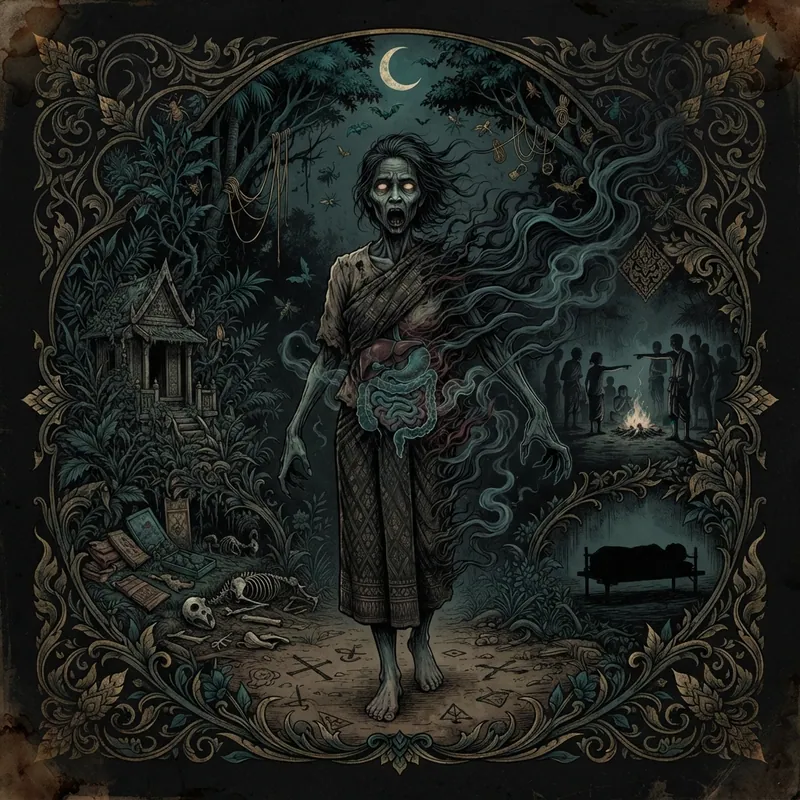
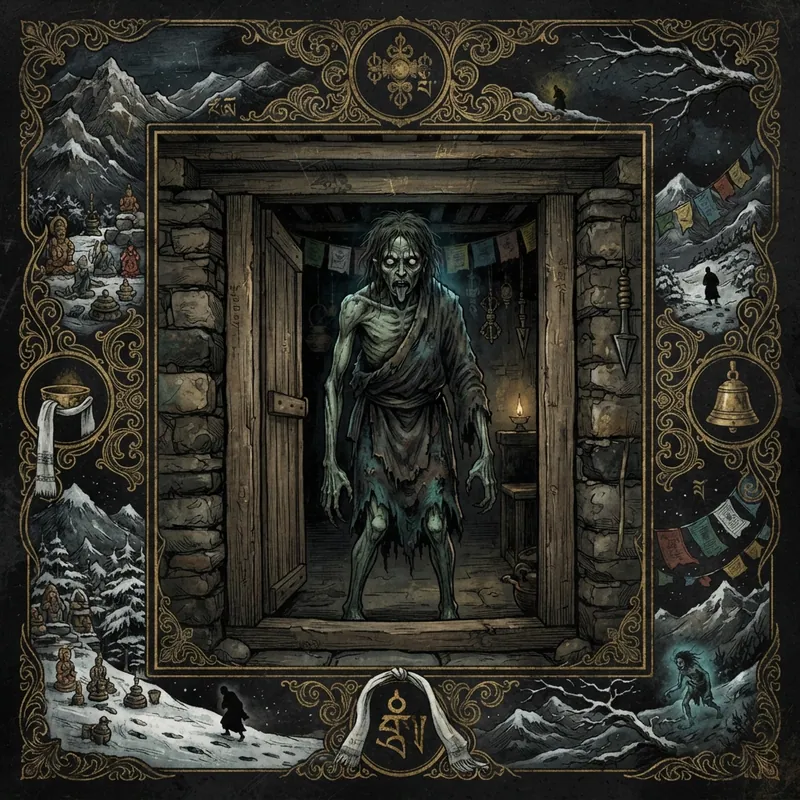
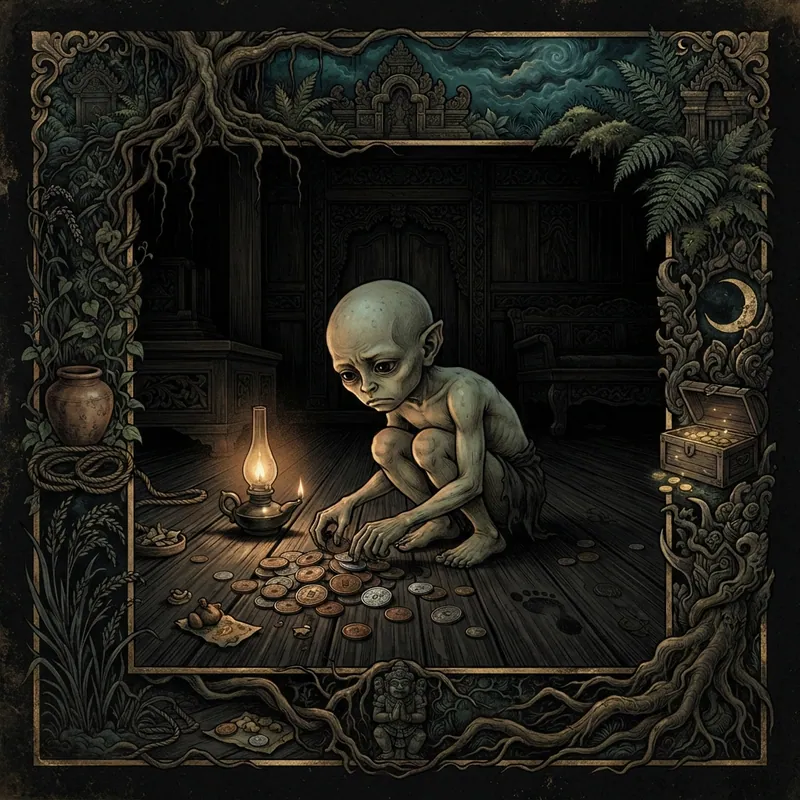
OniOgre-like beings in Japanese storytelling and festival imagery, associated with punishment, otherworldly strength, and the driving-out of misfortune (as in Setsubun). Many local and literary variants exist.Phi PopA ravenous possessing spirit of ethnic Lao belief in Laos, Isan, and nearby regions. It uses a human host to eat internal organs. Communities may exile the accused; some Lao villages specialise in receiving them.Ro-langsTibetan ro-langs, ‘risen corpse’: a revenant of folklore and Buddhist narrative, often tied to gdon spirits or illicit ritual. Stiff joints and low lintels belong to this world, not to generic zombie cinema.TuyulA child-shaped spirit of Indonesian and Malay folklore, spoken of as a familiar that steals wealth for a keeper. Often imagined in connection with the unsettled dead of infancy. This entry is a warning about greed, not a recipe.
 ☾
☾ ❖
❖ ☠
☠ ⌂
⌂Eastern Europe · 3
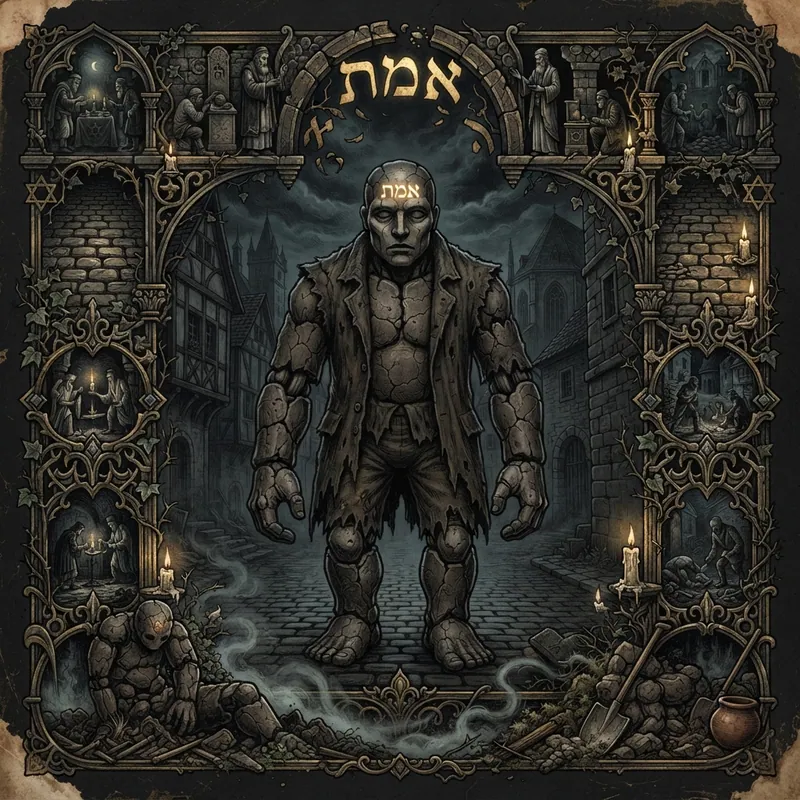
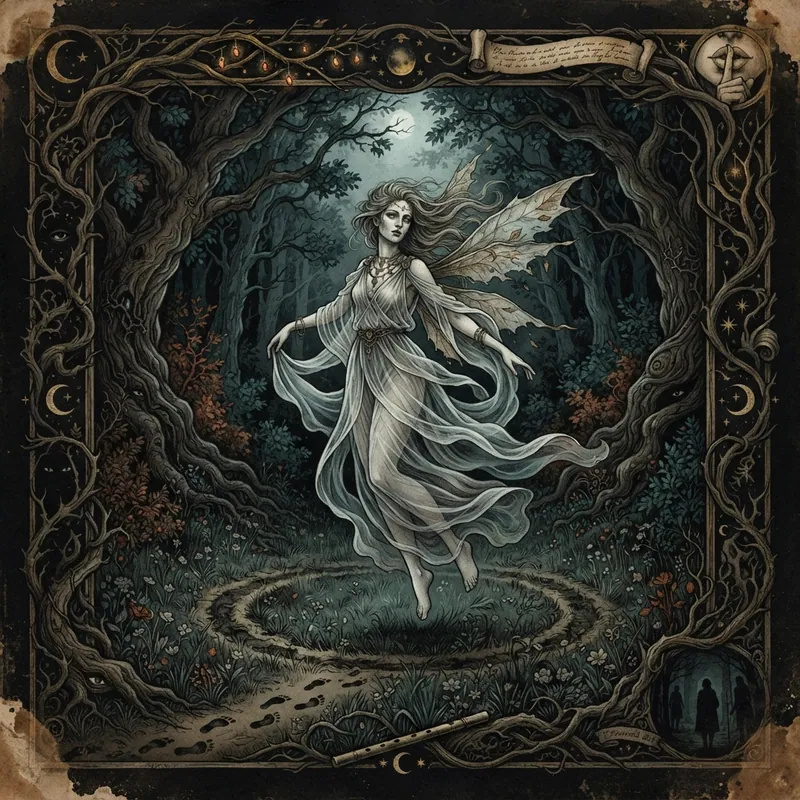
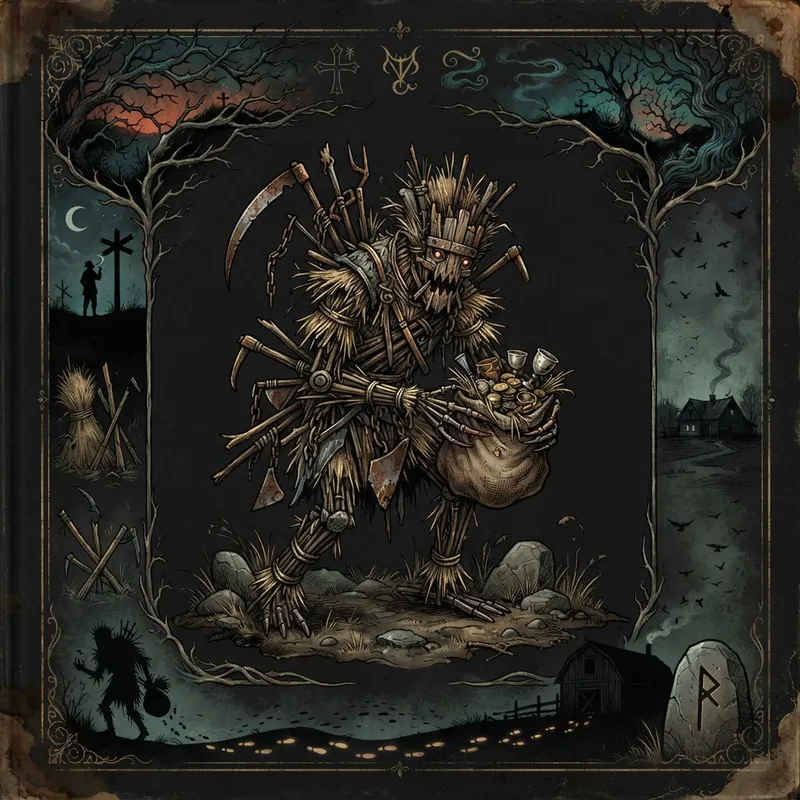
GolemIn Jewish tradition a golem is unformed matter, later an artificial human animated by holy language. The famous Prague tale of the Maharal is a later legend attached to a historical rabbi, not a proven event.IeleFeminine night dancers of Romanian folklore, known by many polite names, whose hora in woods, meadows, and watersides can bless or ruin those who watch. Related to South Slavic vila, but not the same being.KrattAn Estonian treasure-bearer assembled from hay or old farm implements and animated by a bargain with the Devil, usually three drops of the maker's blood. It steals for the farm until it is left without work.
 ⌬
⌬ ❋
❋ ⌂
⌂South Asia · 6
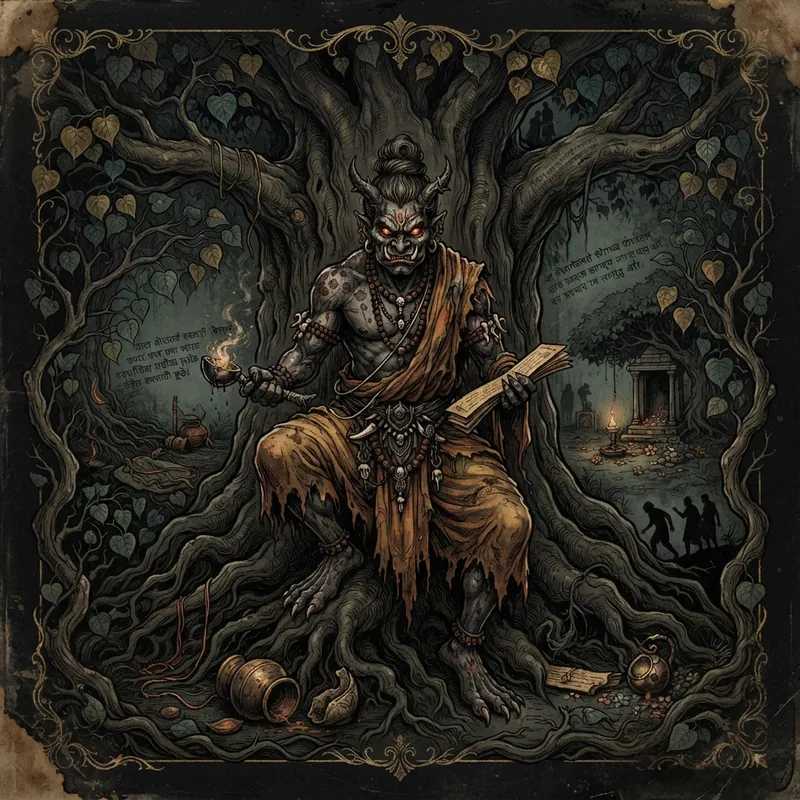
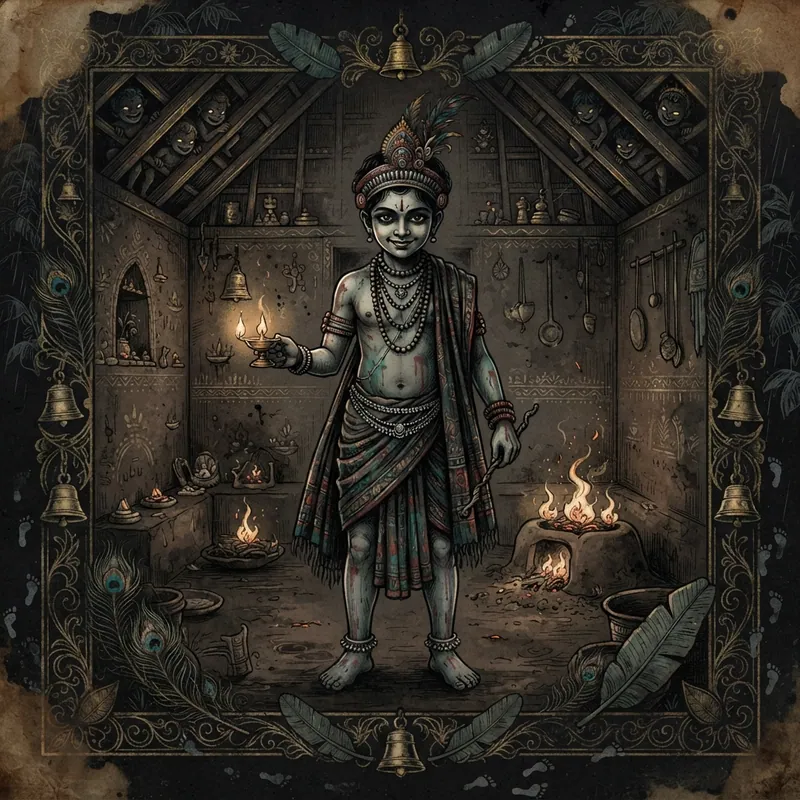
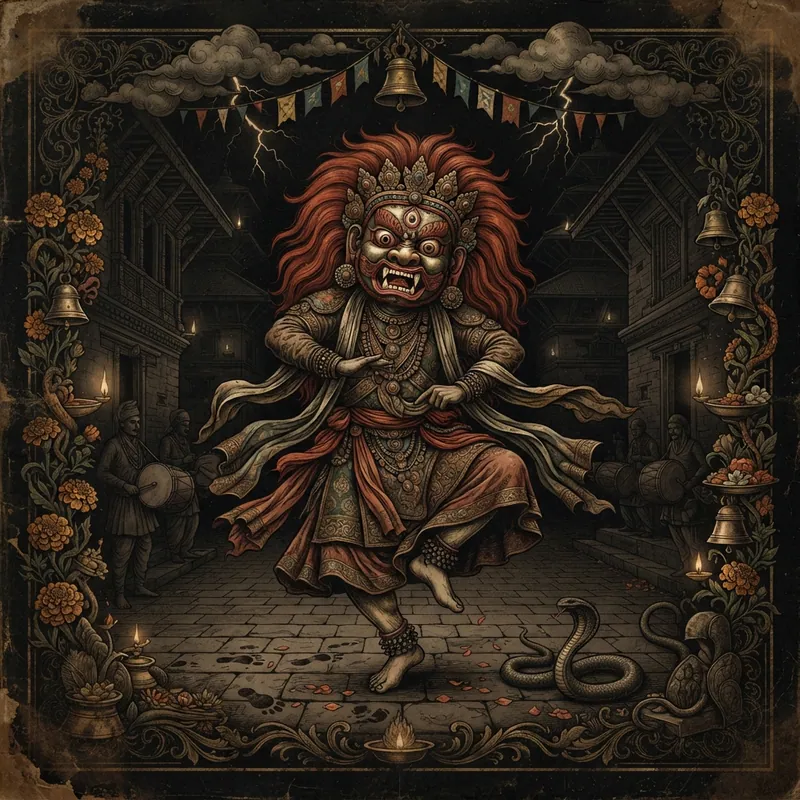
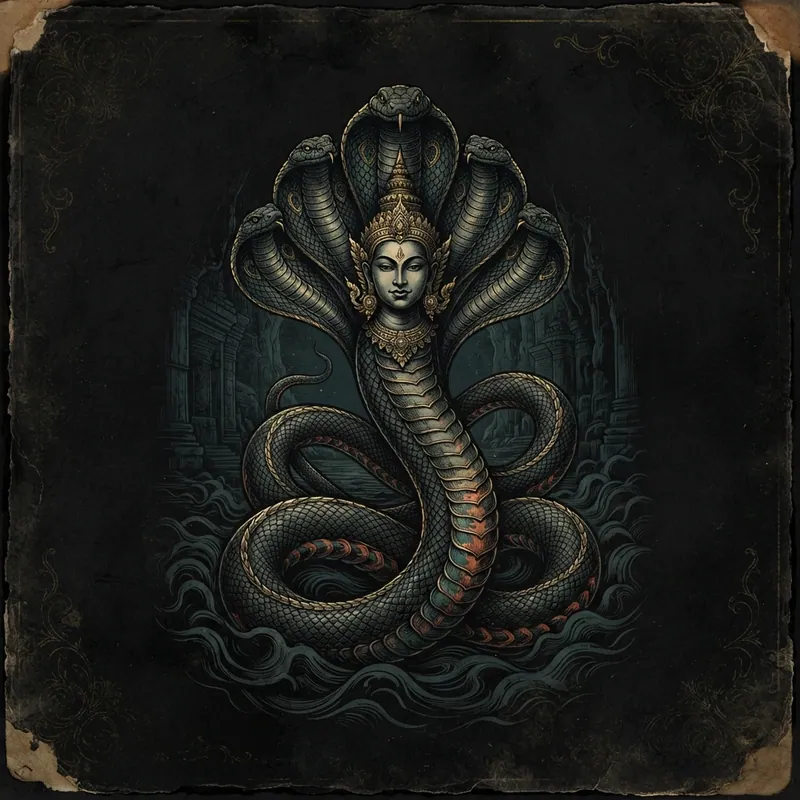
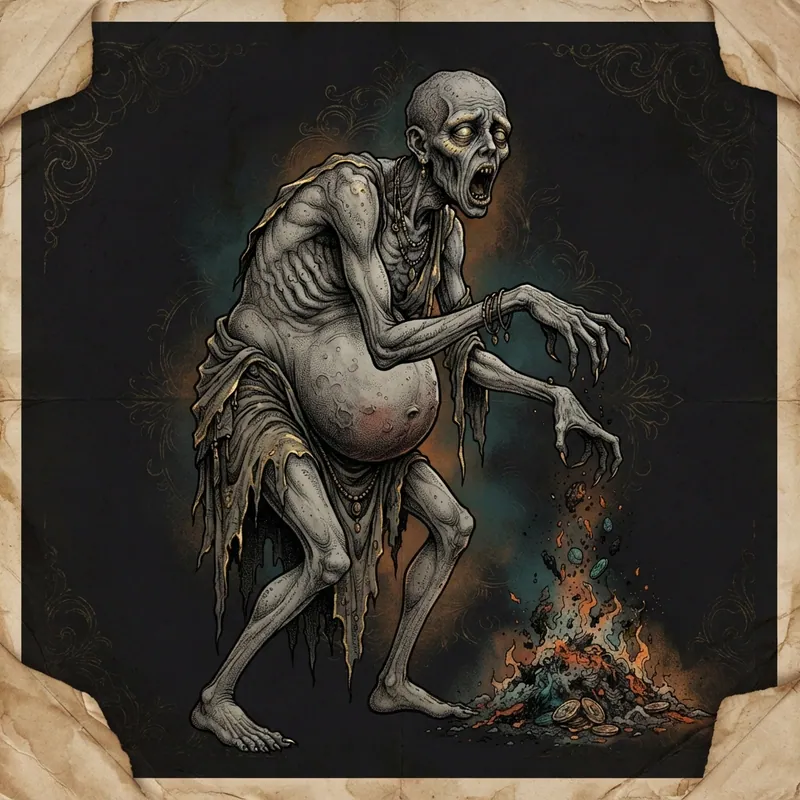
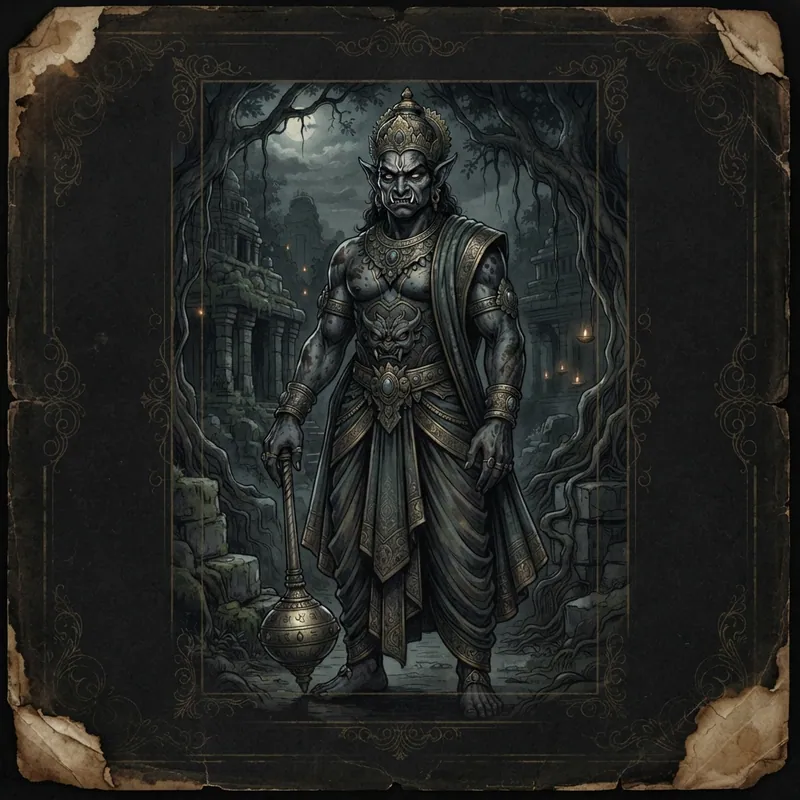
BrahmarākshasaIn Hindu folklore, the vengeful spirit of a Brahmin who lived unrighteously, retaining priestly learning in a rakshasa form. Often tied to peepal trees, disrupted rites, and the cost of knowledge without dharma.KuttichathanA guardian trickster of Malabar Hindu folklore, often shown as a boy — Kuttichathan or Sasthappan — honoured in Theyyam and in Vishnumaya worship. Maya, mischief, and protection travel together; he is not a cartoon imp.LakheyA ferocious being of Newar folklore in Nepal's Kathmandu Valley, known above all through living masked dance. Majipa Lakhey is worshipped as a protector during Indra Jatra; the mask tradition is not a generic demon dossier.NāgaSerpent beings spanning South and Southeast Asian sacred storytelling—guardians, kings of underwater realms, and figures of both danger and blessing. Living religious meanings outrank fantasy rankings.PretaHungry ghosts in South Asian religious cosmologies, beings of intense craving and thin satisfaction. Theological and ethical contexts matter more than horror costume.RakshasaPowerful beings of Hindu epic and storytelling—capable of illusion, night roaming, and both antagonism and complexity (not every rakshasa is simply ‘evil’). Read through the text tradition, not only monster lists.
 ⛧
⛧ ☿
☿ ♧
♧ ≈
≈ ✦
✦ ◎
◎The Americas · 2
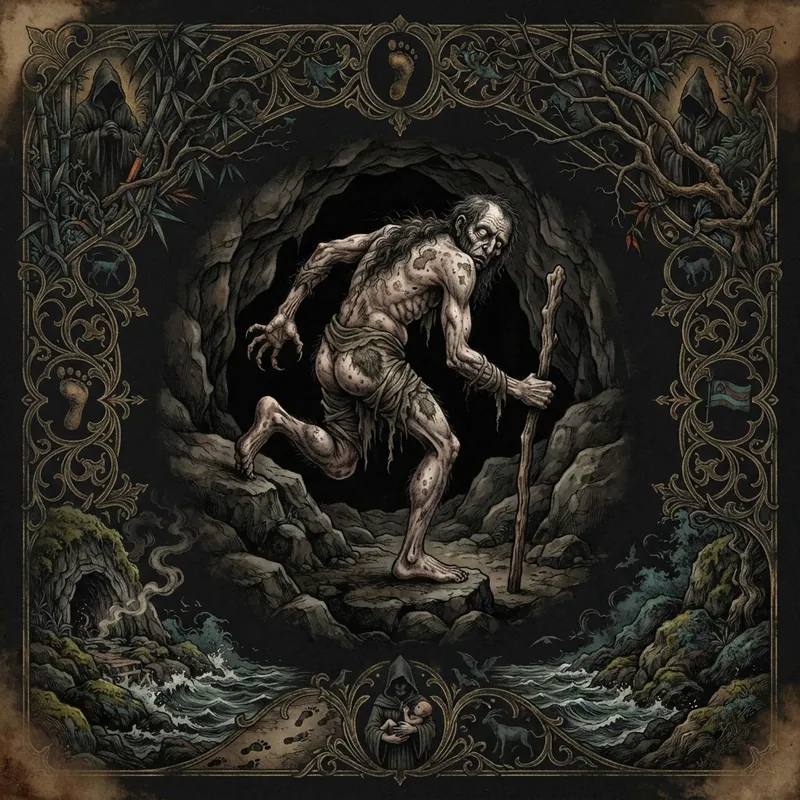
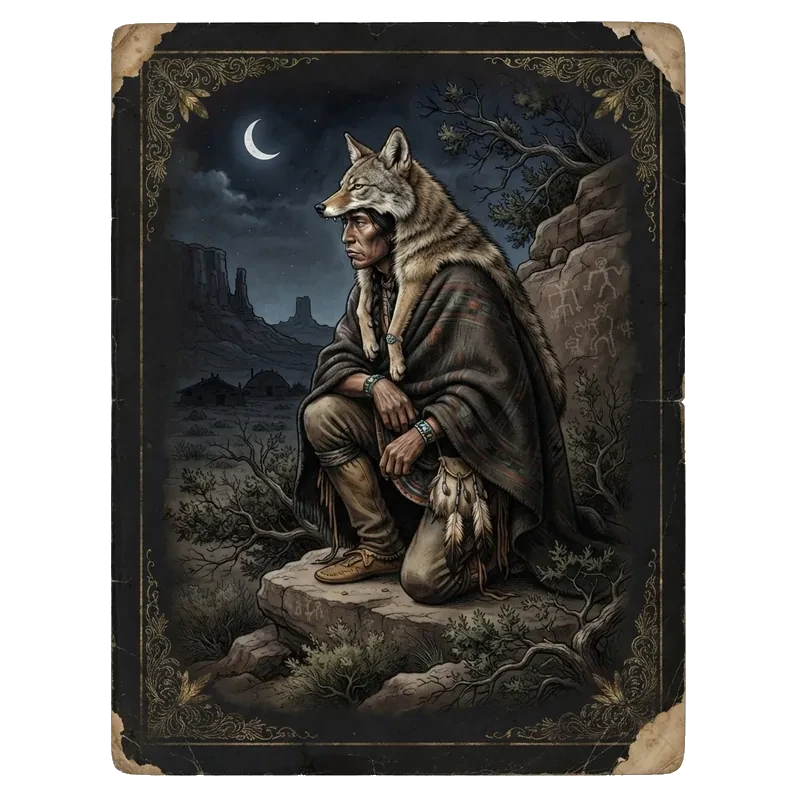
InvuncheIn Chiloé lore, the imbunche or invunche is a stolen or sold first-born, reshaped by island brujos into the mute, twisted porter of the witches’ cave. Distinctly Chilote — tied to the Recta Provincia and caves such as Quicaví — not a mainland ghost.Skin-walker (yee naaldlooshii)Among the Diné, stories of skin-walkers belong to a living, sensitive witchcraft complex. Outsiders’ horror media often appropriates and flattens them. This archive points to respect and community authority rather than a monster dossier.
 ❖
❖ ◎
◎