THE CONCORDANCE
temptation
The bargain that looks like a gift.
Africa & the Middle East · 9
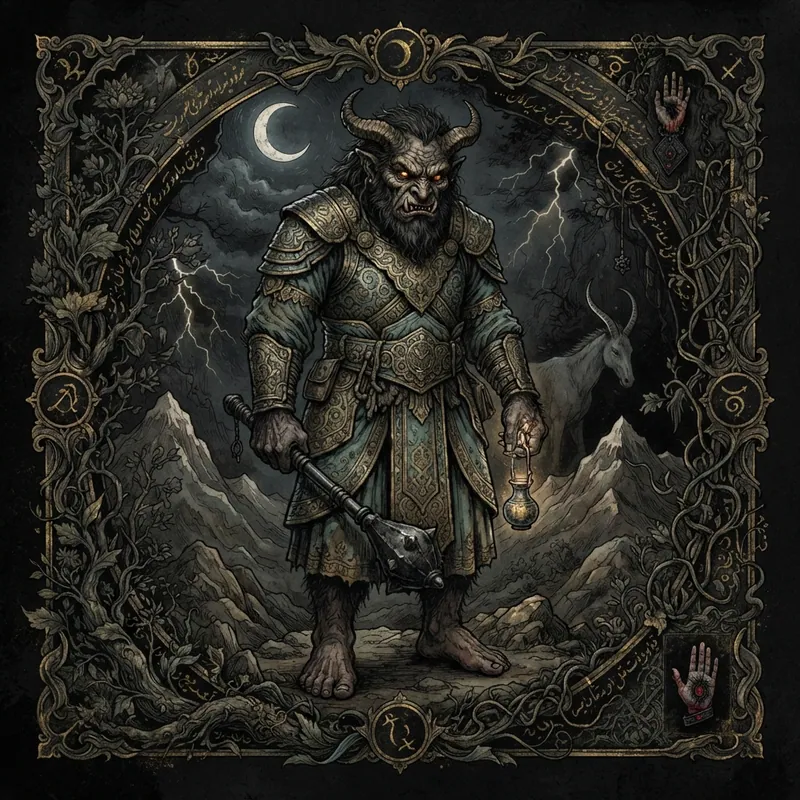
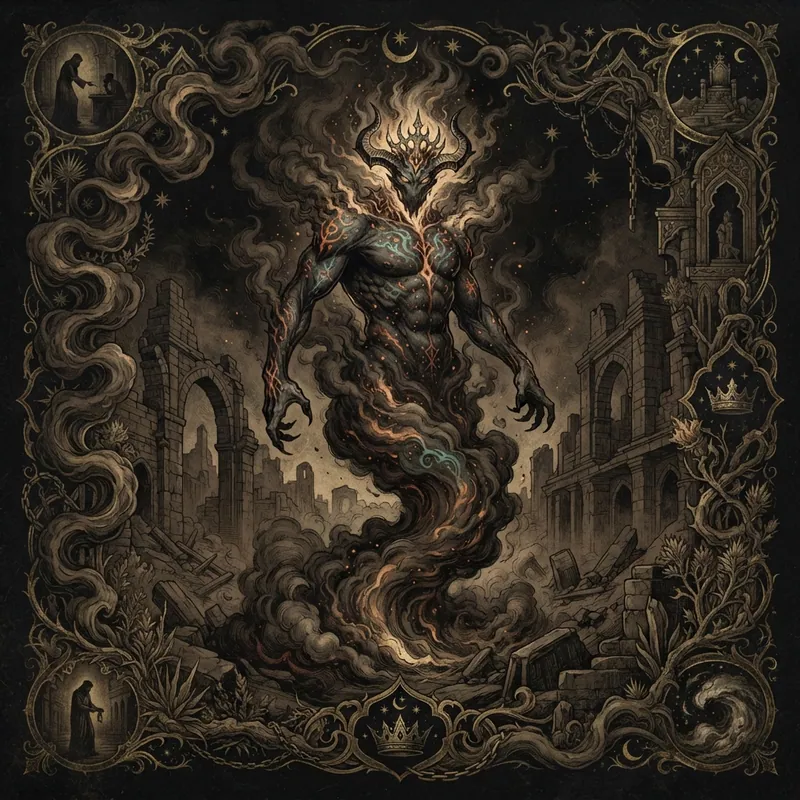
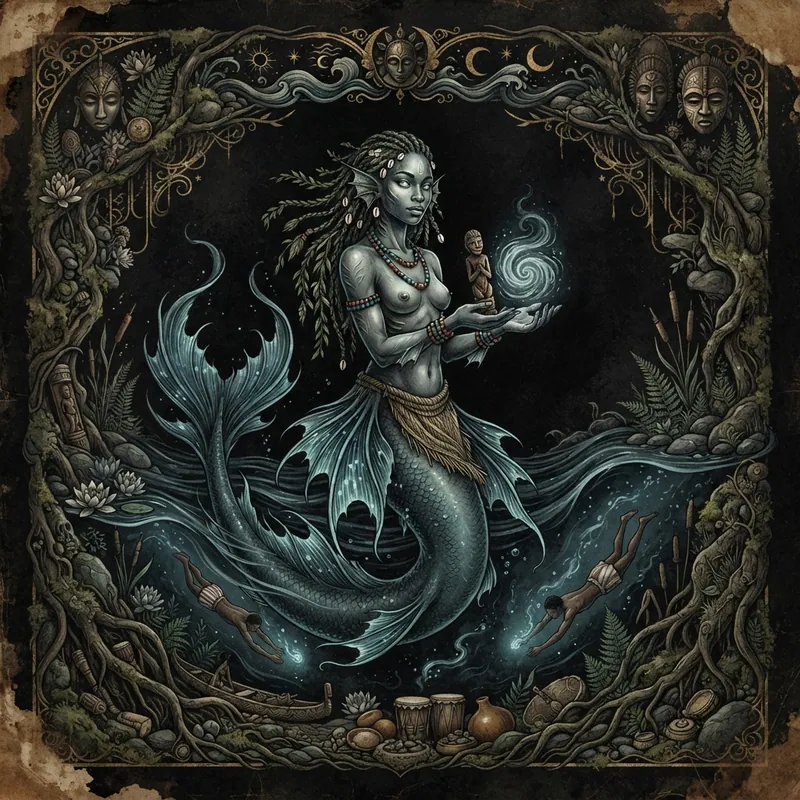
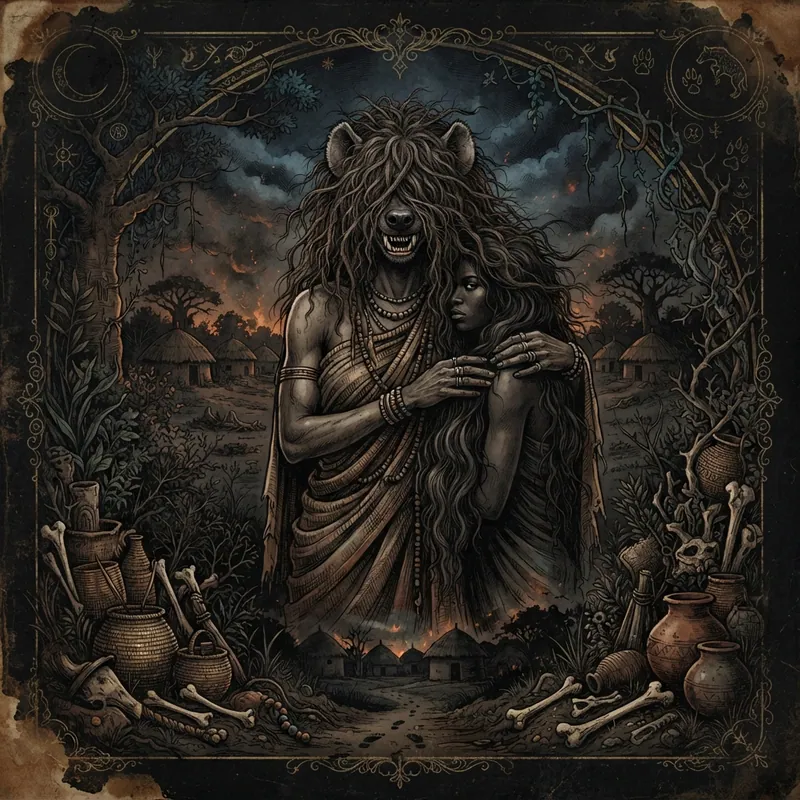
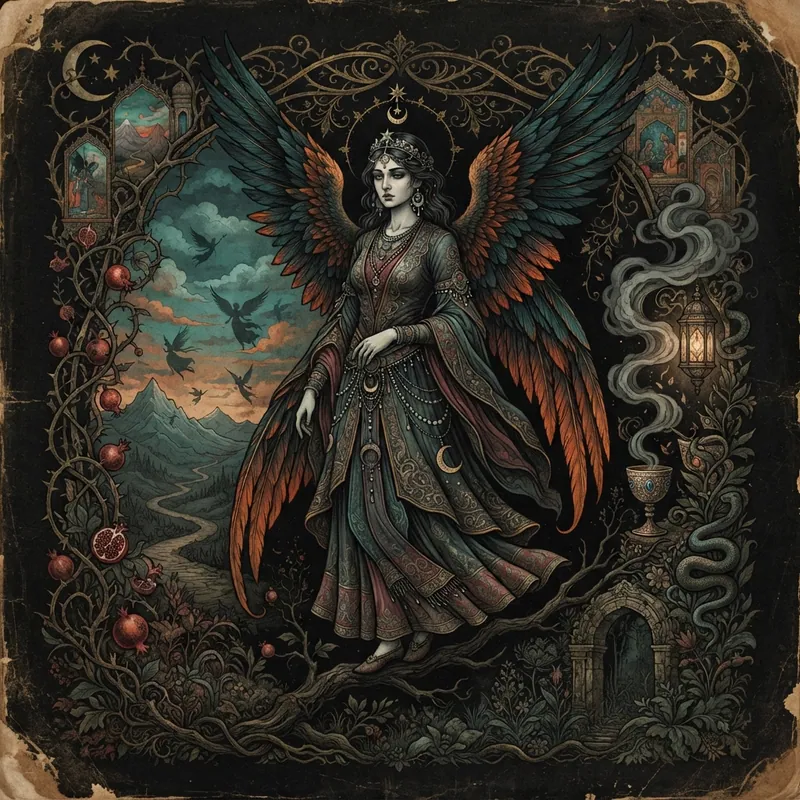
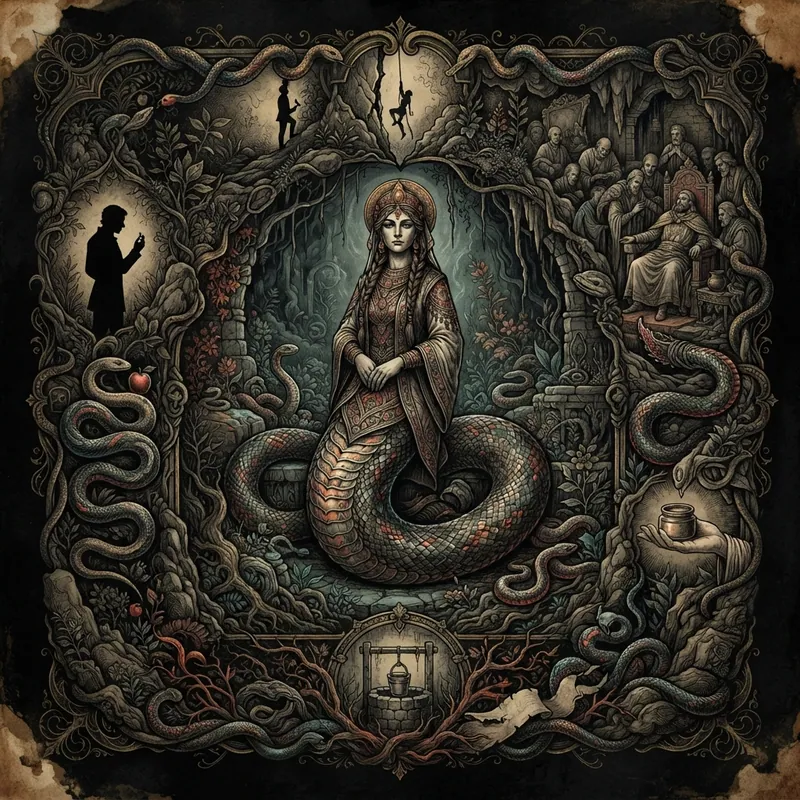
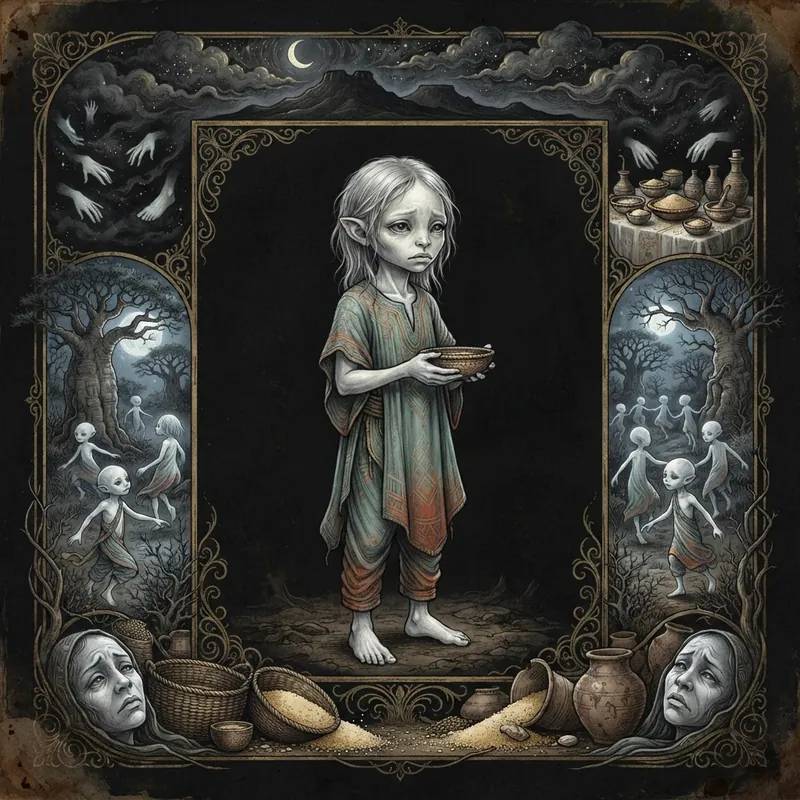
DīvThe Persian dīv (dev, dēw) is the demon, ogre, and fiend of Iranian epic and folktale, descended from Avestan daeva. In the Shahnameh they rule a mythical Mazandaran; in oral tales they sleep in sunlight, hide an external soul, and go mad the language itself—dīvānegī.IfritIn Islamic scripture the word ʿifrīt appears once, as “an ifrit of the jinn,” an epithet of a powerful, rebellious being. Later folklore turned ifrit into a class of formidable jinn, often of smoke and ruin, morally capable of belief or unbelief. Distinct from the wider category already archived as Jinn.JenguAmong the Sawa peoples of coastal Cameroon, a jengu (plural miengu; Bakweri liengu) is a water spirit of river, estuary, and sea. Living cults honour miengu as healers, fortune-bringers, and intermediaries with the ancestors, especially in the Duala Ngondo rites on the Wouri.JinnJinn are beings in Arabic and Islamic traditions with wide-ranging depictions, moral qualities, and religious meanings; this record avoids treating a living tradition as a generic monster catalogue.KishiIn Ambundu storytelling recorded in Ki-Mbundu, a kishi (plural makishi) is a man-eating being who courts, abducts, and feeds. Later popular retellings add a human face hiding a hyena’s jaws; Chatelain’s 1894 texts emphasise tangled hair, hunger, and dangerous intimacy.PeriThe Persian parī (peri) descends from Avestan pairikā, female demonic beings of the old religion, and in later folklore becomes a winged, often beautiful people of tales—ambivalent, organised like humans, and not the same as jinn even when the words blur.QareenA qareen (qarīn) is, in Islamic tradition, the constant companion assigned to a human—often a jinn who whispers toward evil, though some authorities also name an angelic counterpart. Folklore sometimes makes it a jealous double. Distinct from the wider class archived as Jinn.ShahmaranShahmaran (Şahmeran, Şamaran), “sovereign of the snakes,” is a woman-serpent of Persian, Kurdish, Arabic, and Anatolian story. She teaches medicine in an underground garden; a broken promise delivers her to a sick king. Images still hang in Tarsus and Mardin homes.YumboesYumboes, also called Bakhna Rakhna (“Good People”), are small pearly-white beings of Wolof and Lebou lore around Gorée. The principal written account is Thomas Keightley’s, taken from a woman who heard it from a Wolof maid: they feast under the Paps, steal couscous, and lament the families they attach themselves to.
 ⛧
⛧ ⛧
⛧ ≈
≈ ☾
☾ ◎
◎ ❋
❋ ❖
❖ ≈
≈ ❋
❋Asia & the Isles · 9
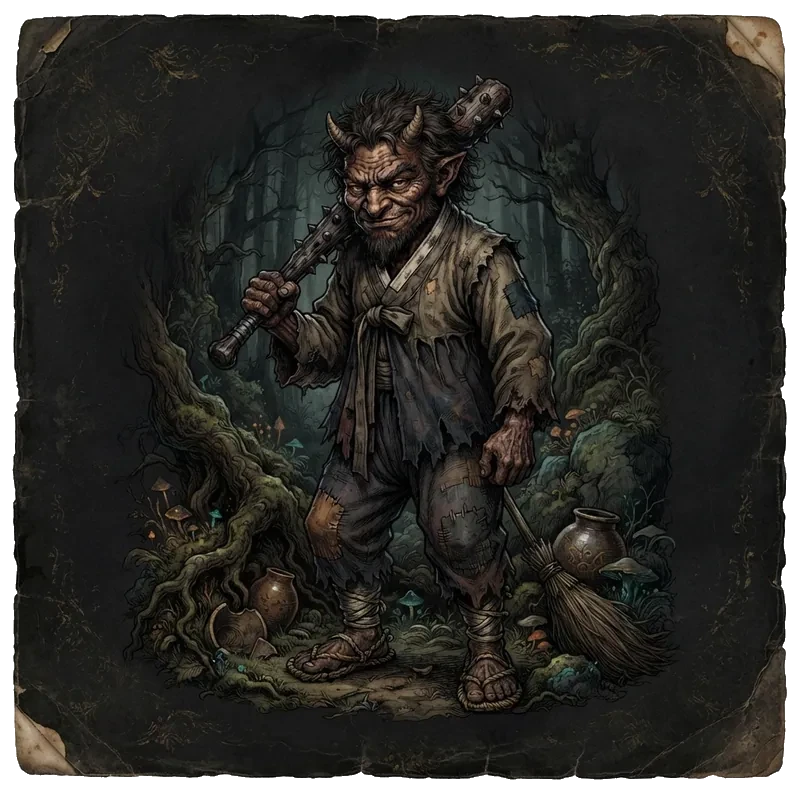
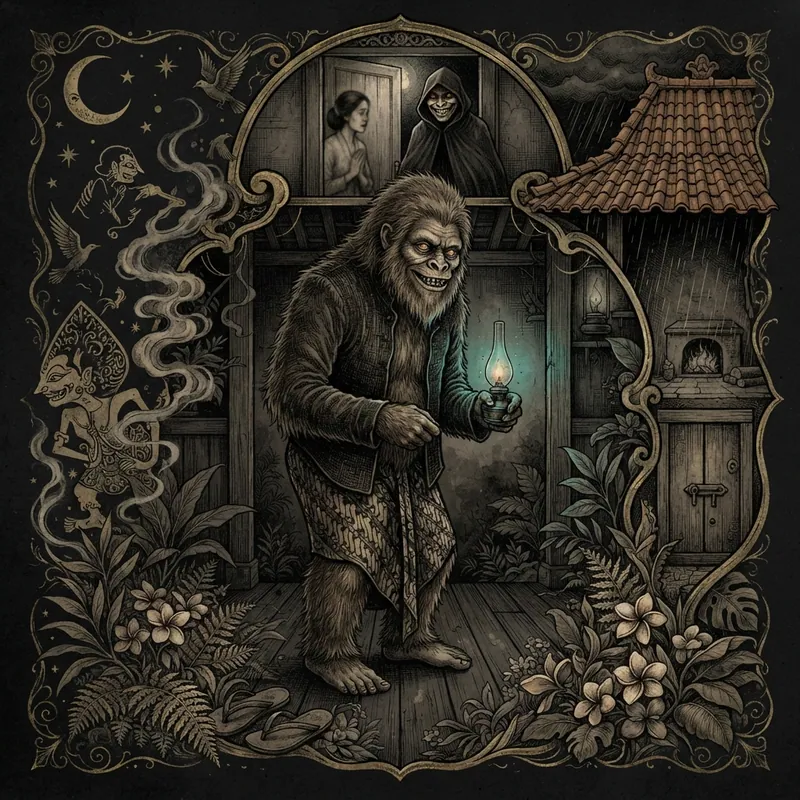
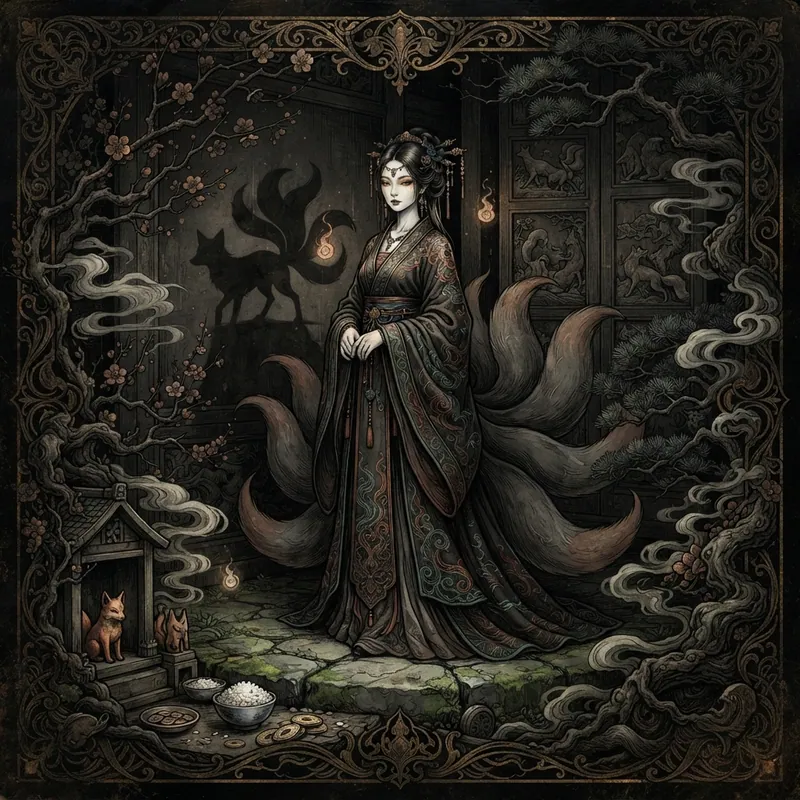
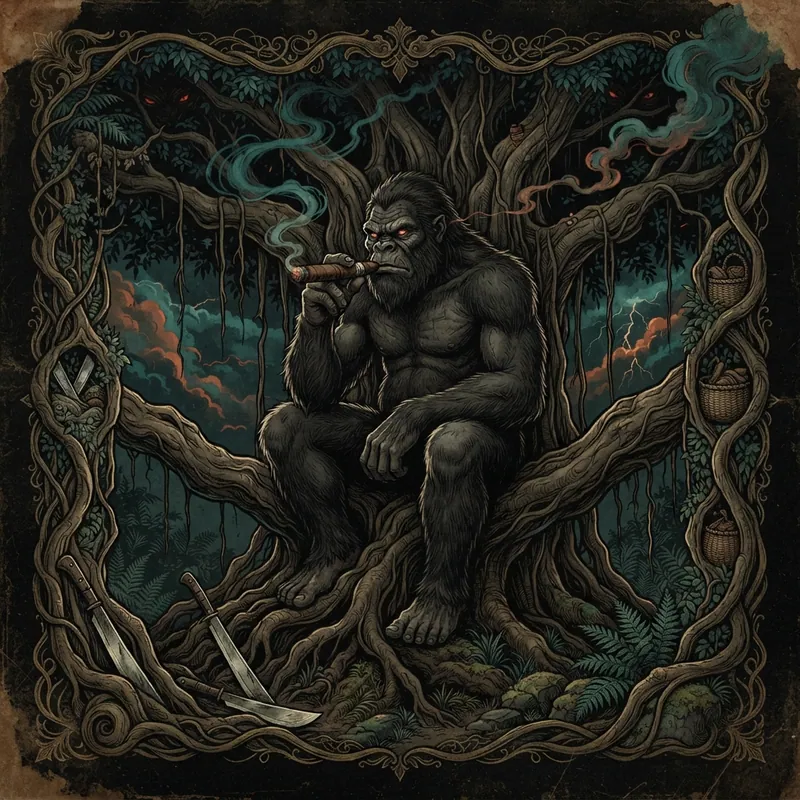
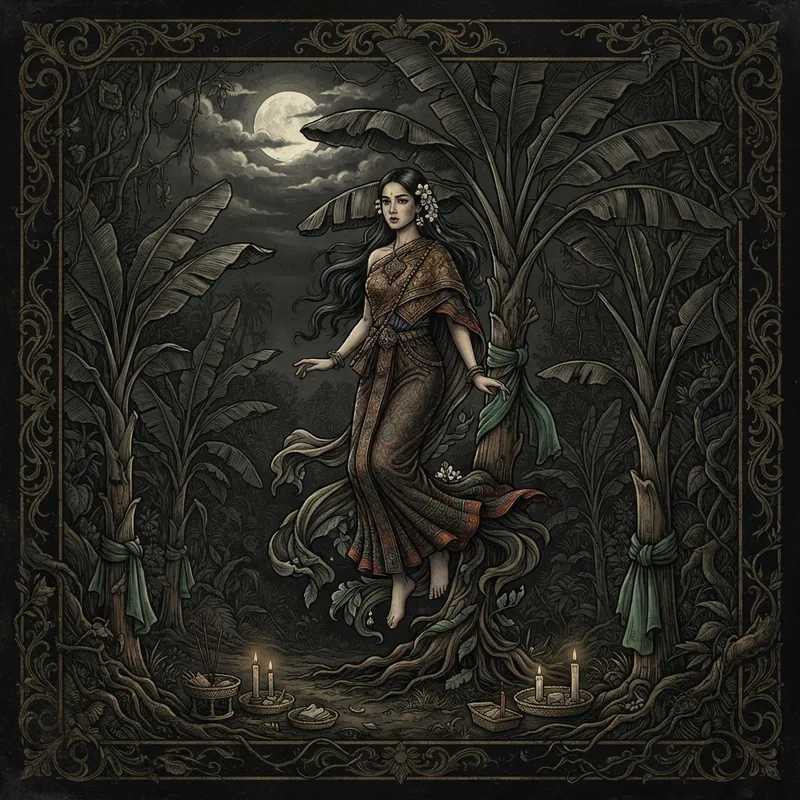
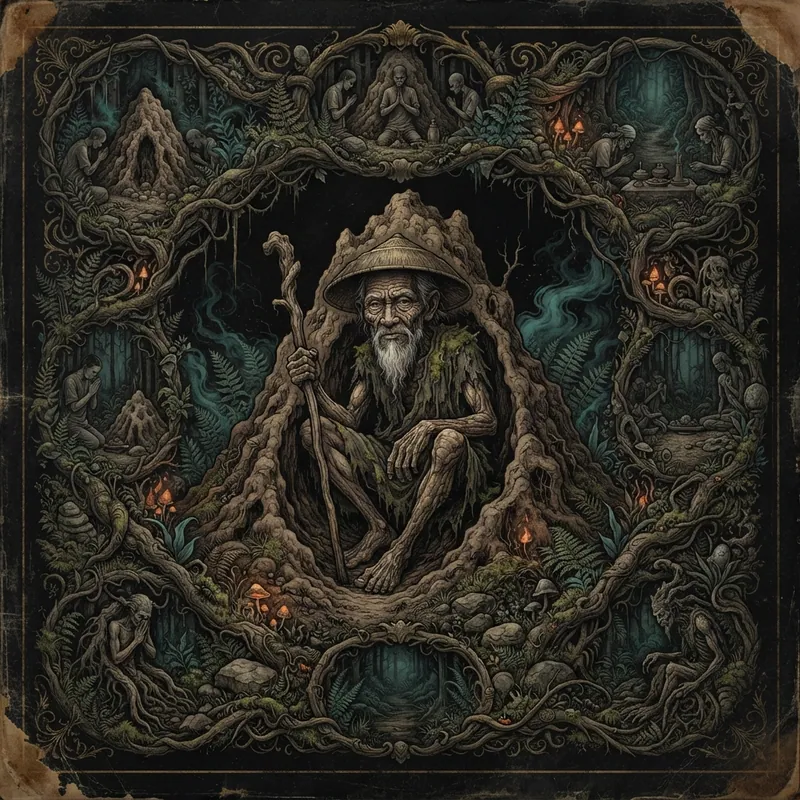
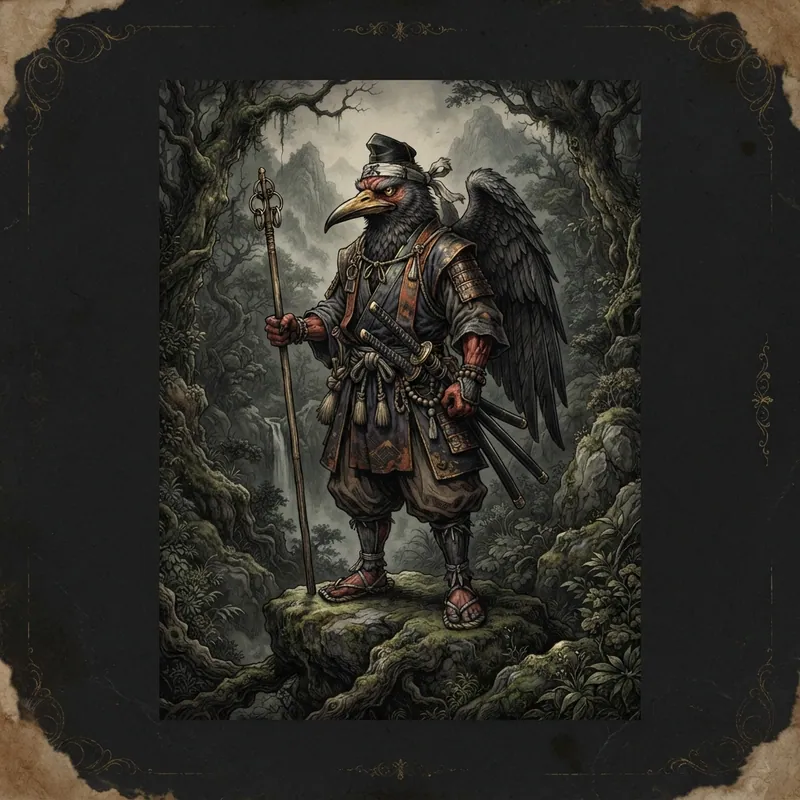
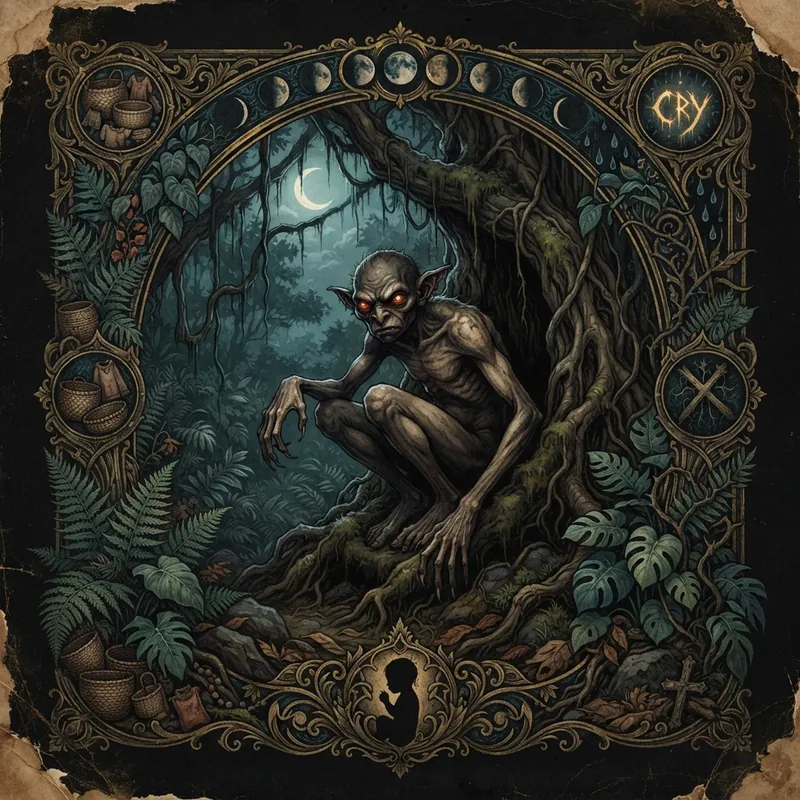
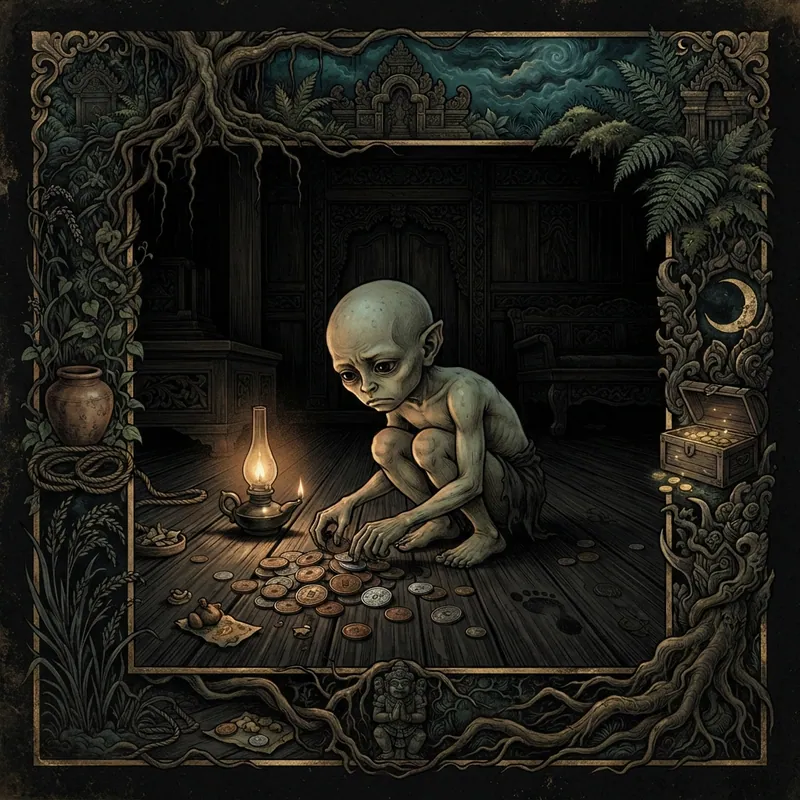
DokkaebiNature-spirits or goblin-like beings of Korean folklore formed from old stained objects or arising in the wild—tricksters who punish greed and reward cleverness, not simple demons.GenderuwoA Javanese hairy, ape-like spirit of the memedi class. Clifford Geertz recorded it as more prankster than murderer; other tellings warn it wears a loved face to tempt.Huli JingA Chinese fox spirit that cultivates essence until it can take human form. Distinct from Japanese kitsune and Korean kumiho, though all three share an East Asian vulpine lineage.KapreA tall, dark, hairy tree-dweller of Philippine folklore, often seen smoking in acacia, mango, bamboo, or balete. Mischief more than murder, unless the tree is cut.Nang TaniA Thai lady of the wood who inhabits clumps of wild kluai tani banana. Related to, but not the same as, Malay pontianak banana-grove motifs. Offerings and cloth on the trunk keep her favour.Nuno sa PunsoThe ‘old one of the mound’: a Philippine ancestral earth spirit dwelling in anthills and termite mounds. People ask leave before passing. Disturbance brings illness; respect keeps the ground quiet.TenguMountain beings of Japanese folklore, once feared as demons of pride and disruption, later also imagined as martial teachers and protectors of sacred peaks. Crow and human-like forms both appear.TiyanakA Philippine being that mimics an infant’s cry to lure passers-by. Related in name to Malay childbirth spirits, but here the child, not the mother, is the hunter. Origins and forms vary by ethnolinguistic group.TuyulA child-shaped spirit of Indonesian and Malay folklore, spoken of as a familiar that steals wealth for a keeper. Often imagined in connection with the unsettled dead of infancy. This entry is a warning about greed, not a recipe.
 ☾
☾ ☾
☾ ◎
◎ ♧
♧ ♧
♧ ⌂
⌂ ♧
♧ ☾
☾ ⌂
⌂Eastern Europe · 7
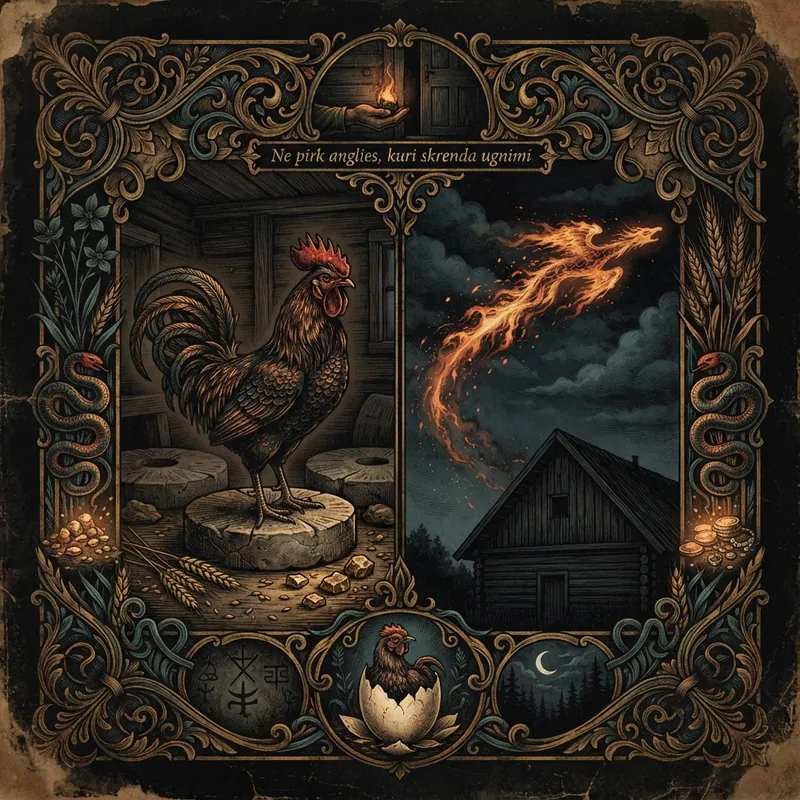
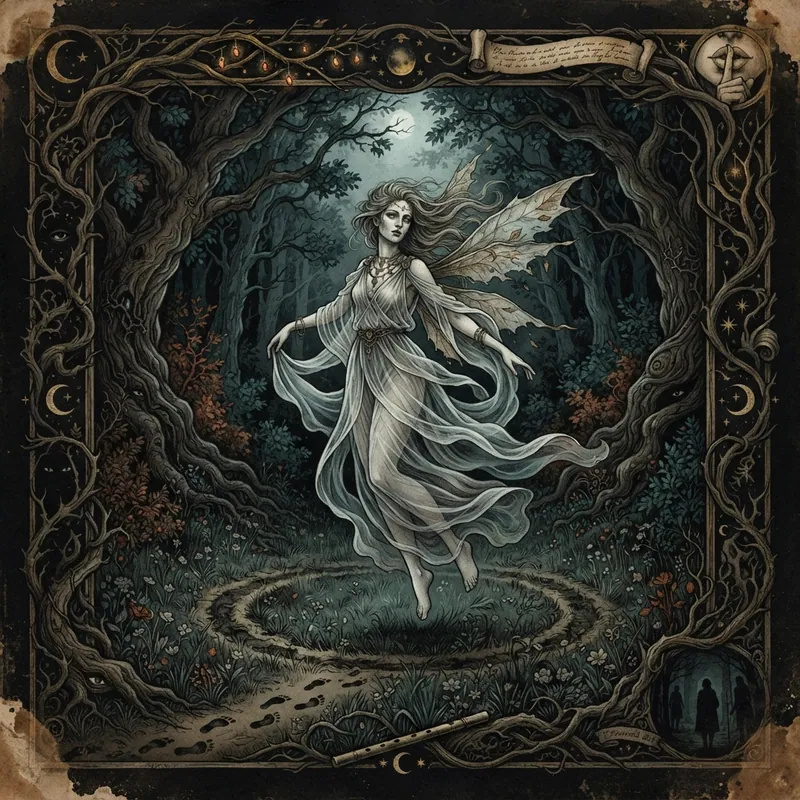
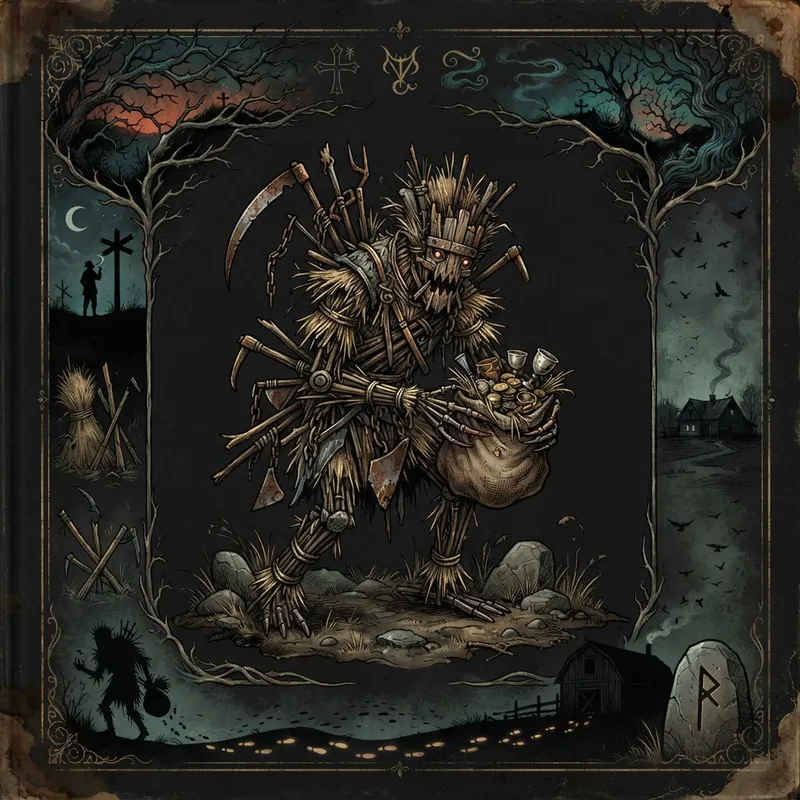
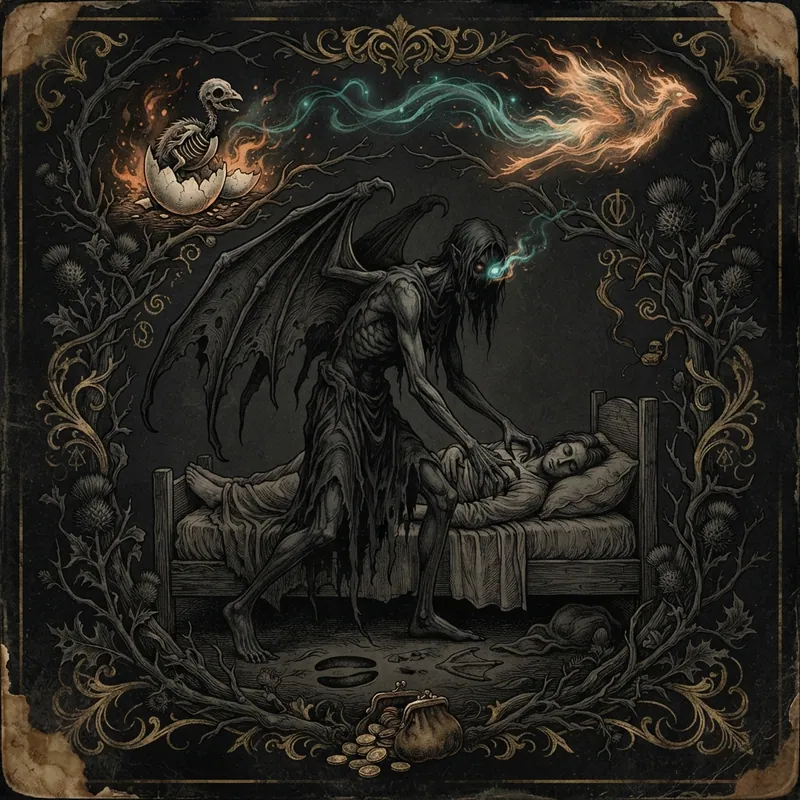
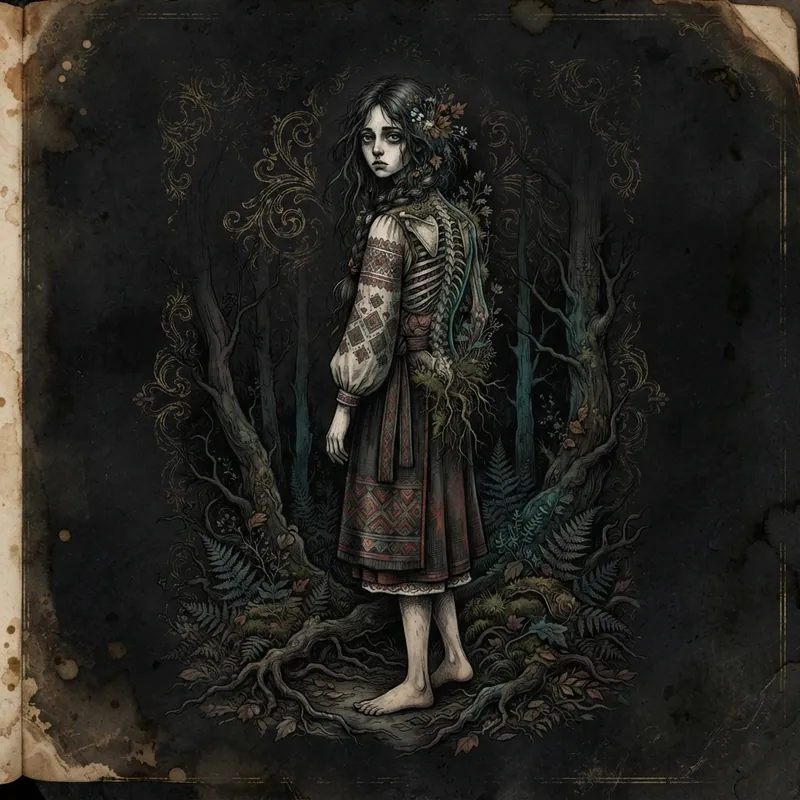
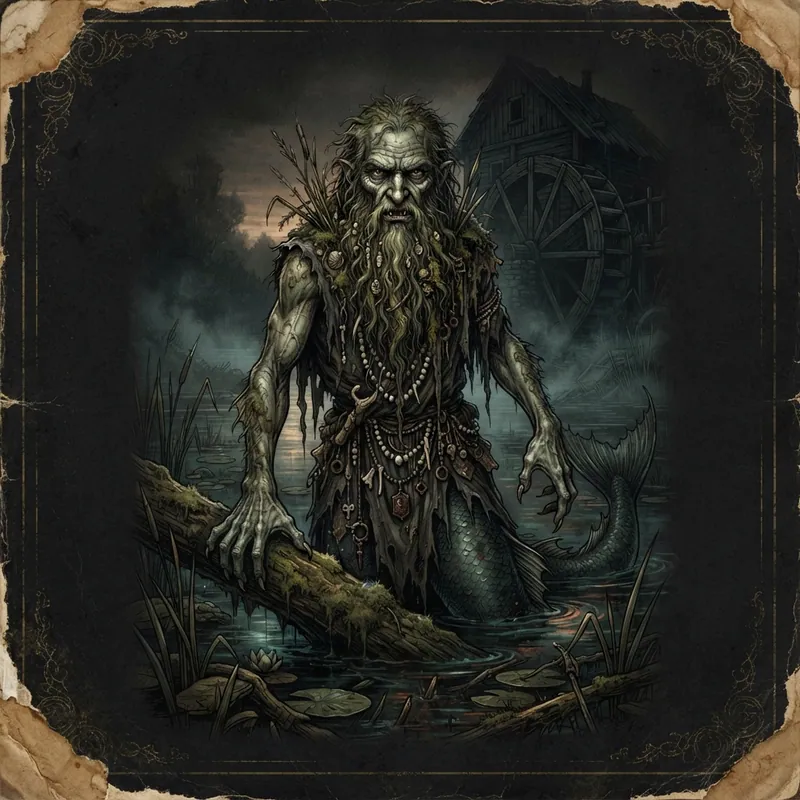
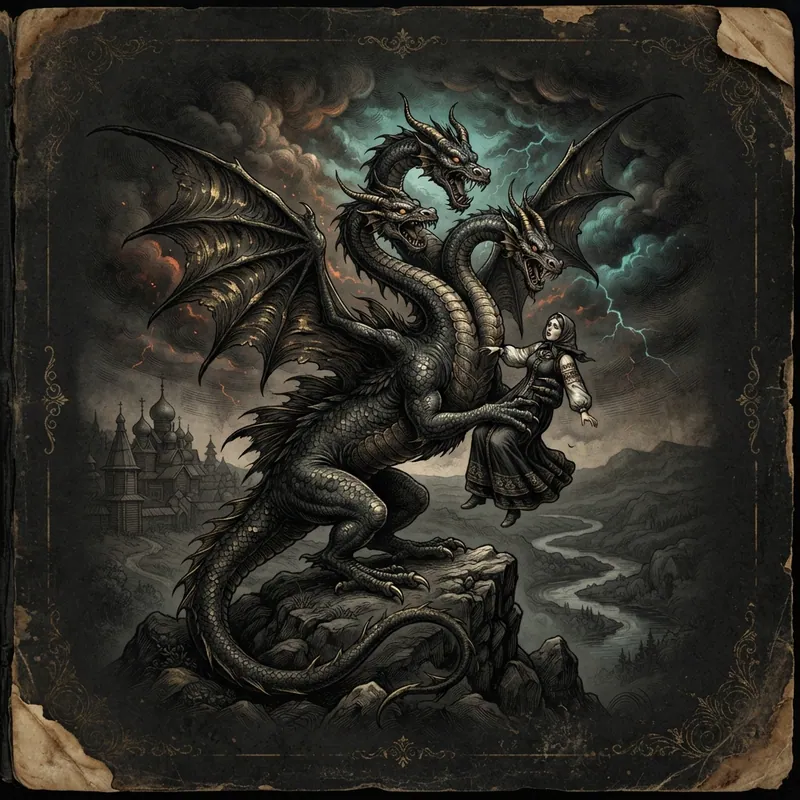
AitvarasA Lithuanian household spirit that appears as a rooster indoors and a flying fiery serpent outdoors, bringing grain and gold taken from neighbours. Kindred to the Estonian kratt, but hatched rather than built.IeleFeminine night dancers of Romanian folklore, known by many polite names, whose hora in woods, meadows, and watersides can bless or ruin those who watch. Related to South Slavic vila, but not the same being.KrattAn Estonian treasure-bearer assembled from hay or old farm implements and animated by a bargain with the Devil, usually three drops of the maker's blood. It steals for the farm until it is left without work.LidércA Hungarian night visitor that may be hatched as a miracle chicken, fly as a fiery light, or press the sleeper as an incubus. Wealth and longing arrive together; the keeper seldom keeps both life and gold.MavkaA forest spirit in Ukrainian tradition, often connected with young women who died before their time. Closely related in some tellings to rusalka lore, but rooted in woodland rather than only water.VodyanoyA male water spirit of Slavic lore (vodník, wodnik, and related names elsewhere), often imagined as an old, slime-slick master of ponds and rivers who drowns the bold or bargains with millers.ZmeyA dragon or serpent figure across Slavic storytelling (zmey, zmaj, smok), sometimes a storm-bringer, sometimes a shapeshifting abductor of maidens, sometimes a guardian. Local names and morals diverge widely.
 ⌂
⌂ ❋
❋ ⌂
⌂ ☾
☾ ♧
♧ ≈
≈ ◎
◎Europe & the North · 7
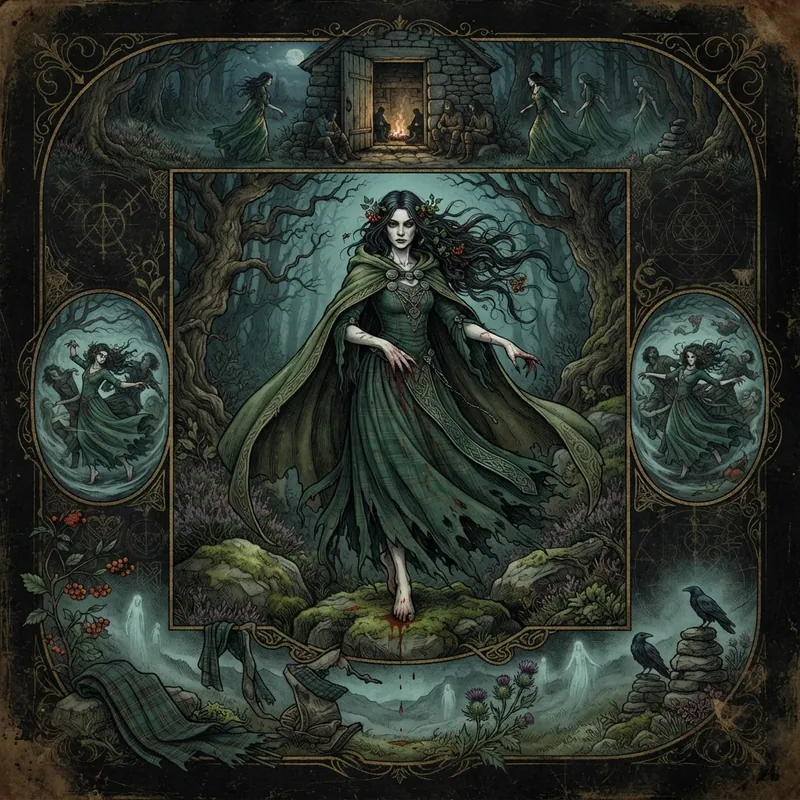
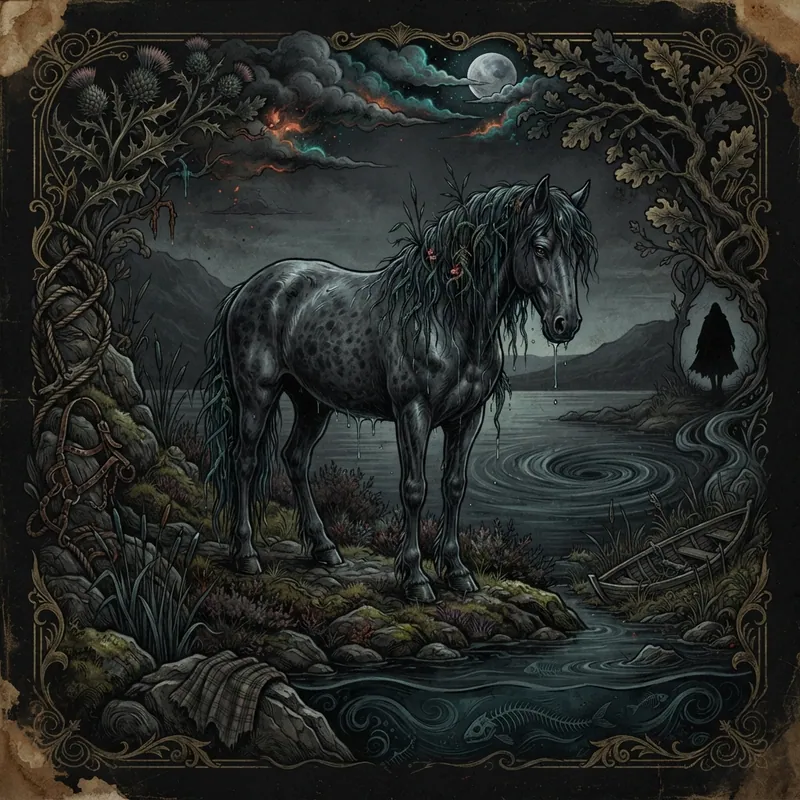
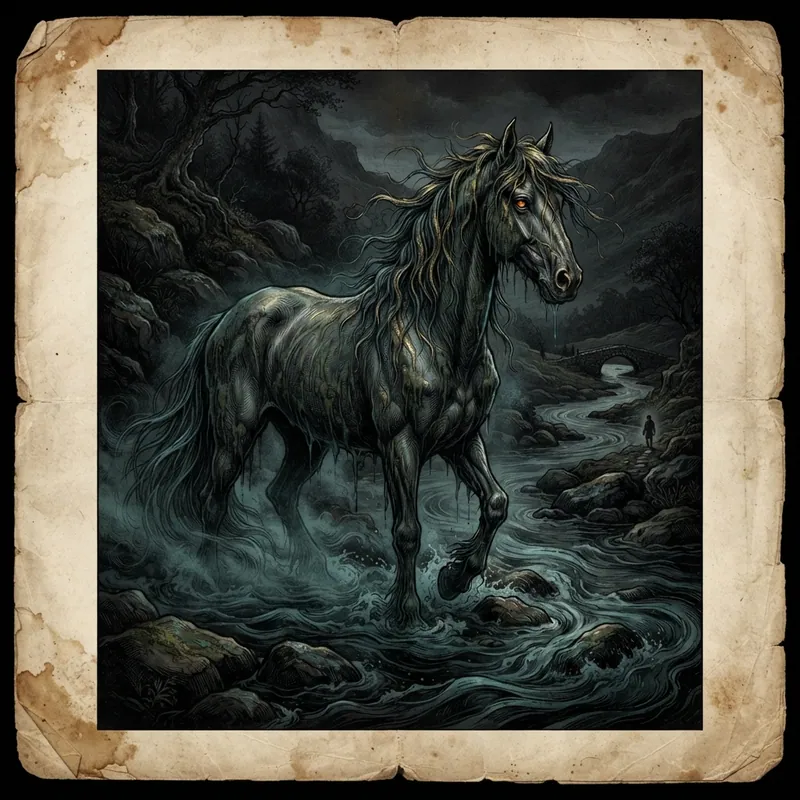
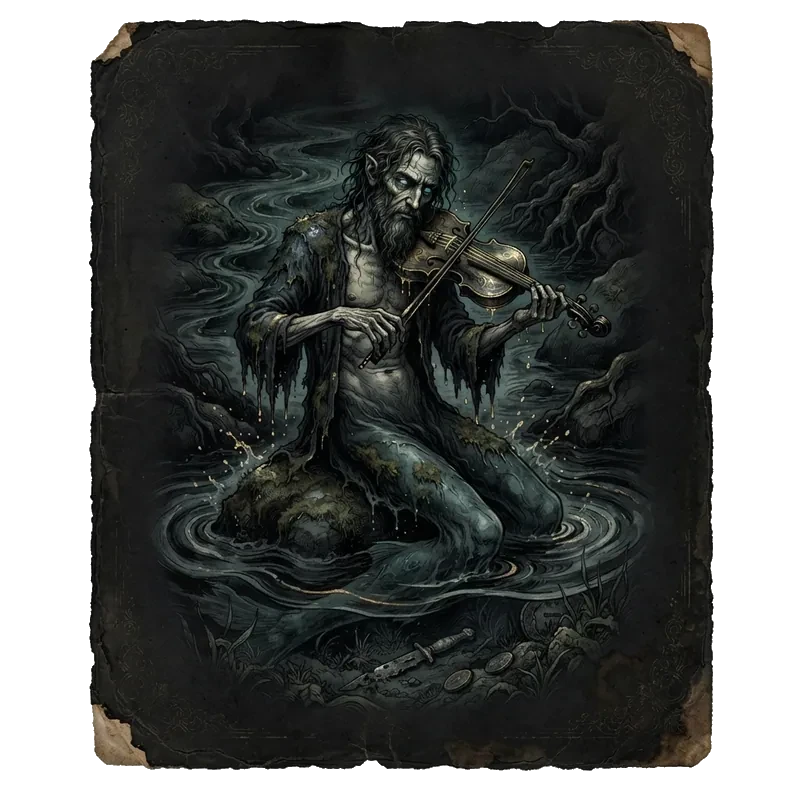
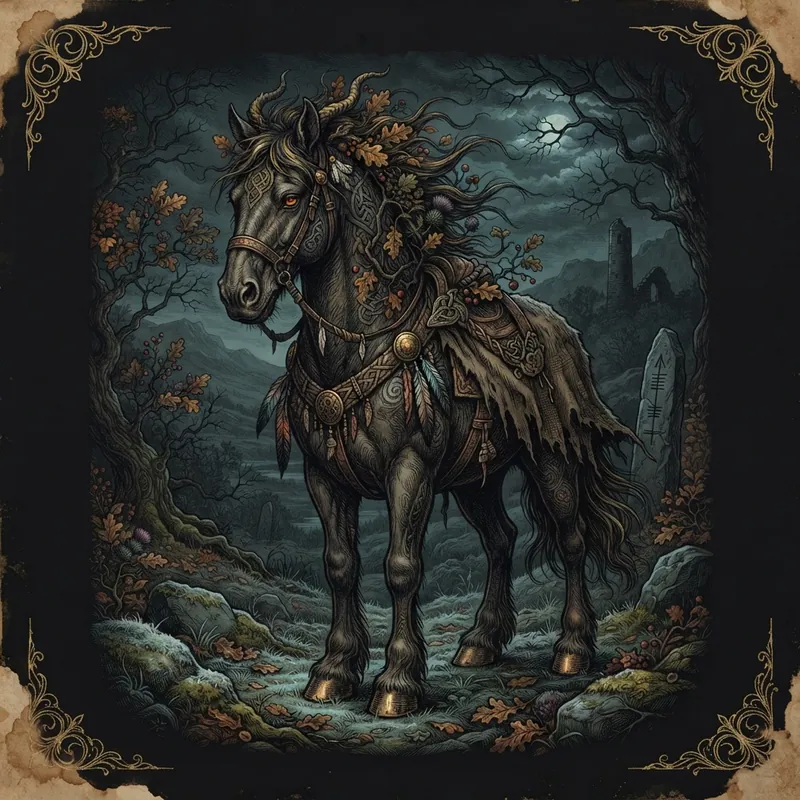
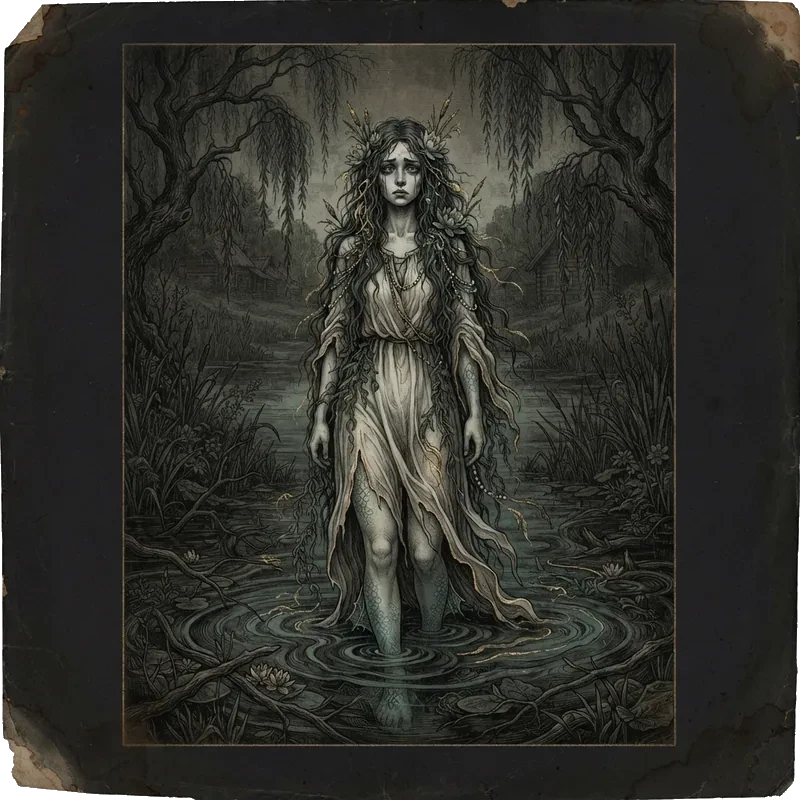
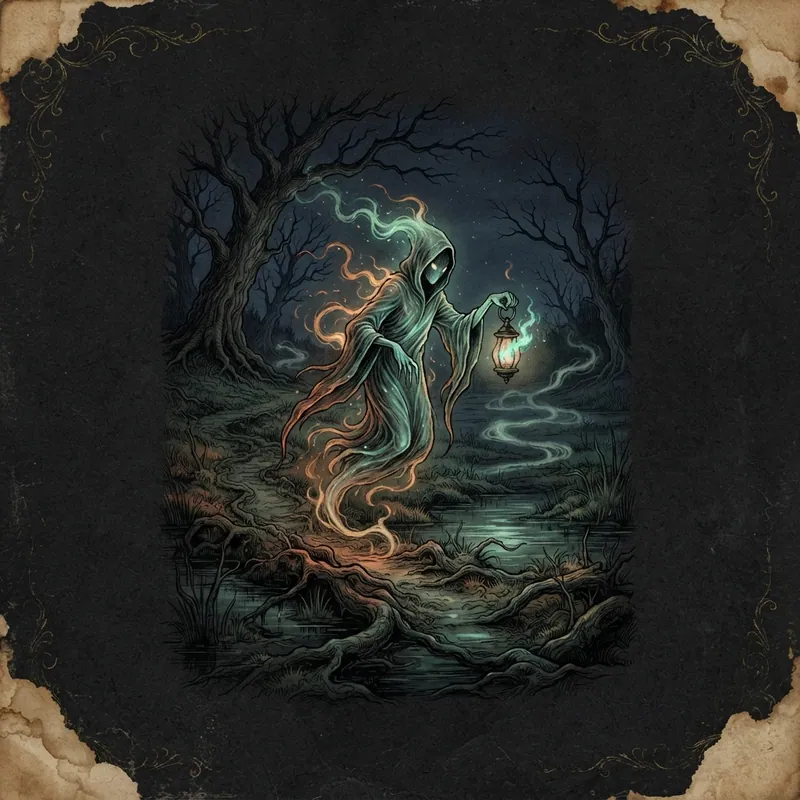
Baobhan SìthFemale Highland fairies who appear as beautiful dancers and drain the blood of hunters. They belong to Gaelic sìth tradition, not to the Irish banshee and not to literary vampires.Each-uisgeThe Gaelic water-horse of Highland lochs, shape-changing and devouring. John Gregorson Campbell insisted it is not the kelpie of streams and torrents, though English retellings often merge the two.KelpieA shape-changing water spirit of Scottish folklore, often appearing as a horse and luring riders toward a fatal river or loch.NäckenA water spirit (näck, nøkk, nix) who plays enchanting music to lure listeners into deep water. Offerings and steel are among the traditional counters in some regions.PúcaA mercurial shape-changing being in Irish folklore, sometimes frightening, sometimes helpful, and rarely reducible to a single moral.RusalkaA Slavic water spirit, in many tellings the restless soul of a young woman who drowned or died unwed, dwelling in rivers and lakes and drawing the living to the water.Will-o'-the-wispMysterious marsh lights explained in folklore as misleading spirits (jack-o'-lantern, foolish fire). Science later offered gas explanations; the story remains a map of dangerous ground.
 ❋
❋ ≈
≈ ≈
≈ ≈
≈ ◎
◎ ≈
≈ ✧
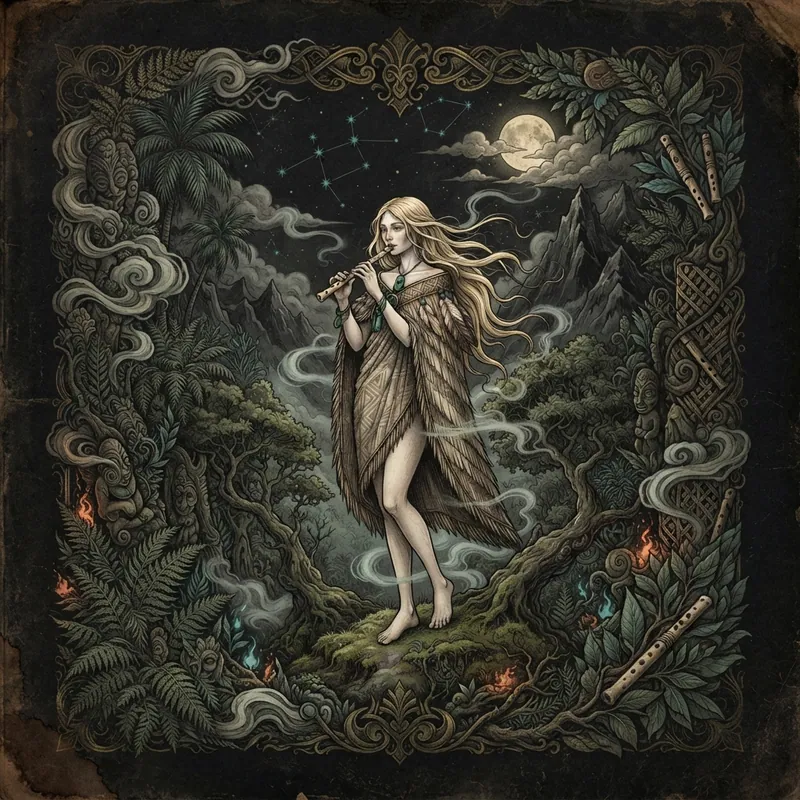
✧Oceania & the Pacific · 1
 ❋
❋South Asia · 5
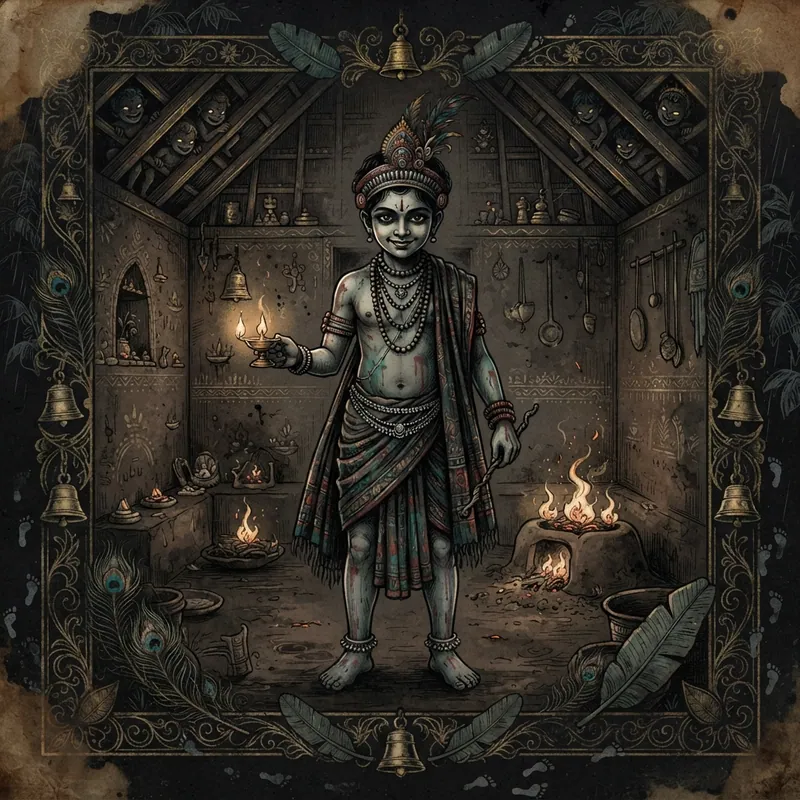
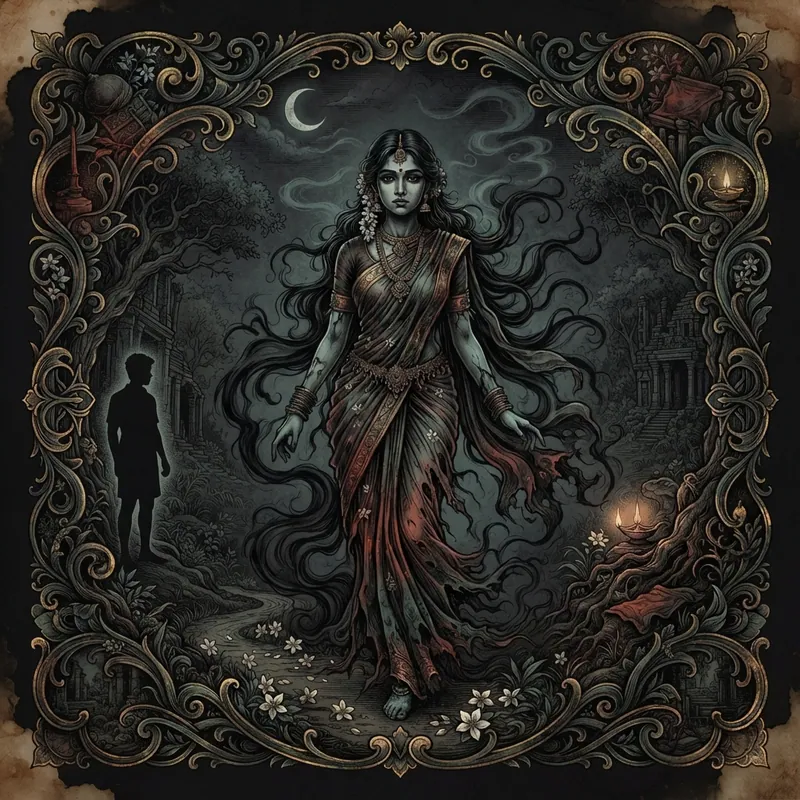
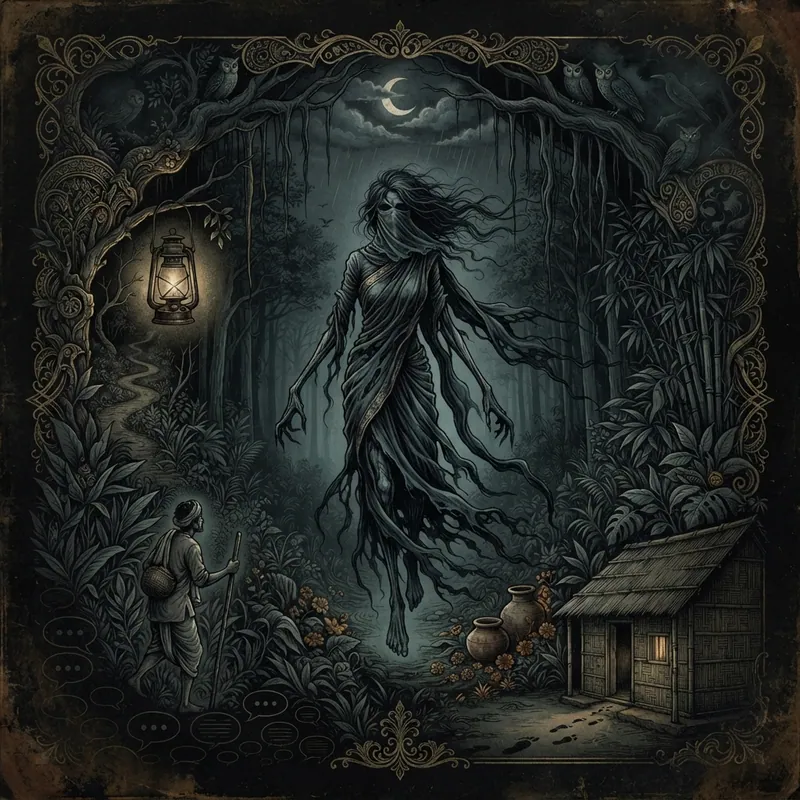
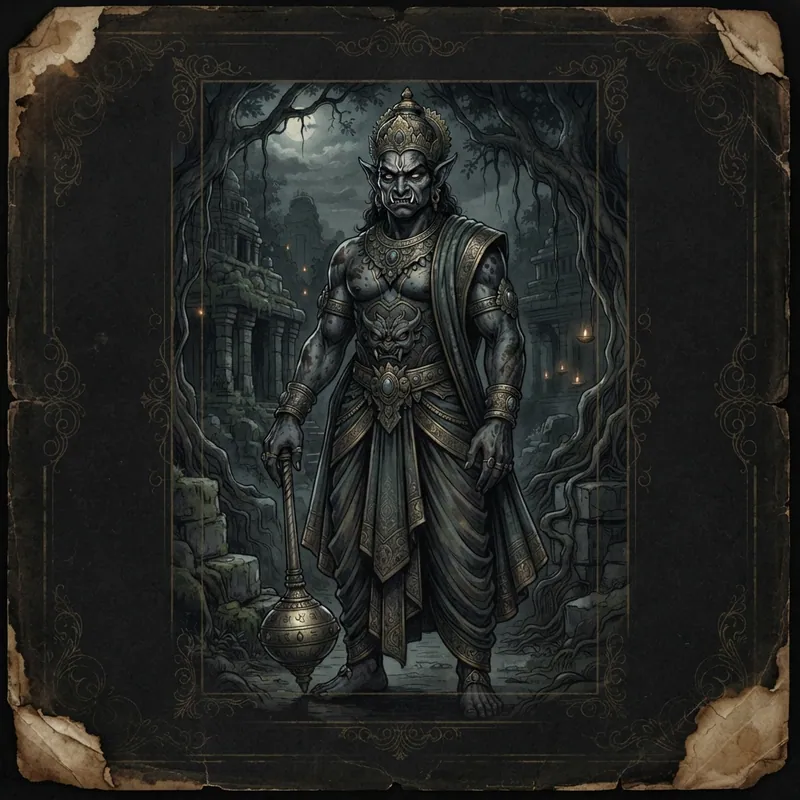
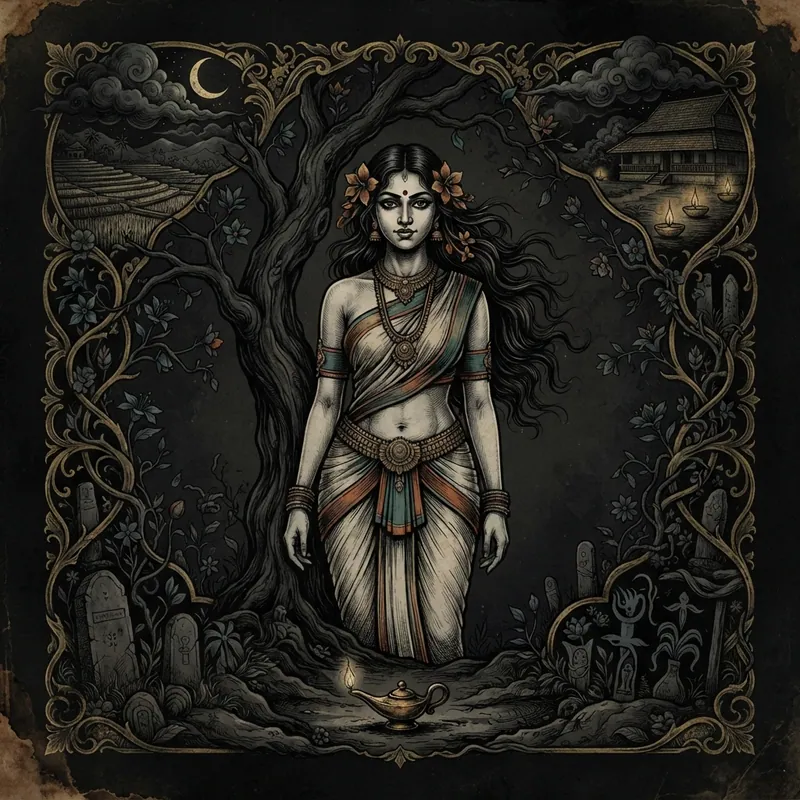
KuttichathanA guardian trickster of Malabar Hindu folklore, often shown as a boy — Kuttichathan or Sasthappan — honoured in Theyyam and in Vishnumaya worship. Maya, mischief, and protection travel together; he is not a cartoon imp.MohiniIn Tamil folklore, Mohini names a seductive pey who possesses young men. This is not the Hindu goddess Mohini, Vishnu's enchanting avatar; the shared name is a common noun of delusion applied to a restless female dead.NishiA Bengali night-calling spirit that imitates a loved one's voice to lure the isolated outdoors. Tradition holds that Nishi calls only twice; a third call is safe to answer.RakshasaPowerful beings of Hindu epic and storytelling—capable of illusion, night roaming, and both antagonism and complexity (not every rakshasa is simply ‘evil’). Read through the text tradition, not only monster lists.YakshiIn Kerala nocturnal folklore, a yakshi may appear as a beautiful woman of the night road who lures travellers; this is not the same figure as the auspicious yakṣī of temple sculpture, nor as yaksha beings more broadly.
 ☿
☿ ◎
◎ ◌
◌ ◎
◎ ◎
◎The Americas · 11
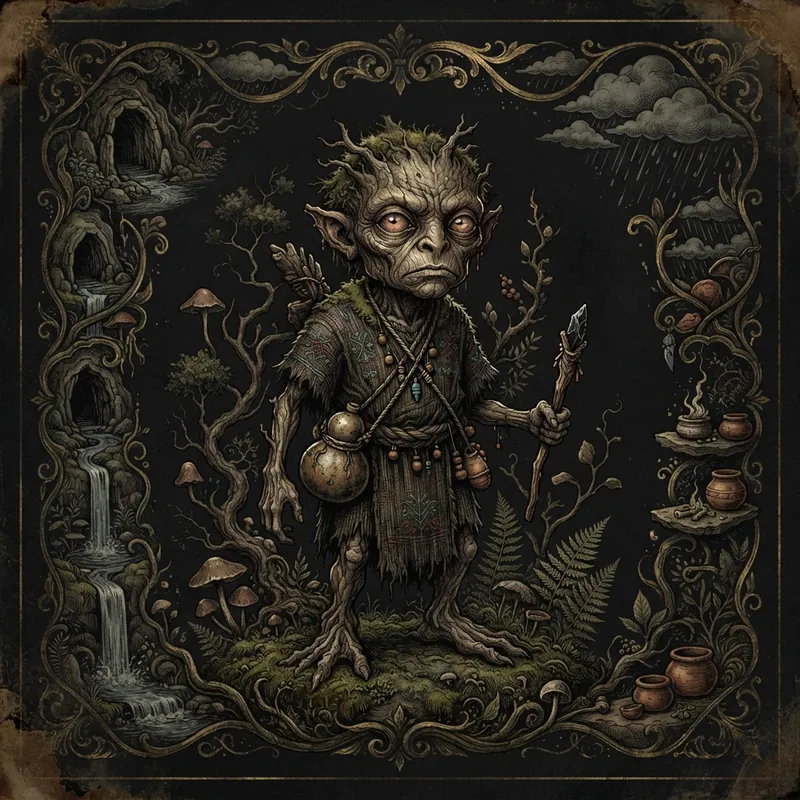
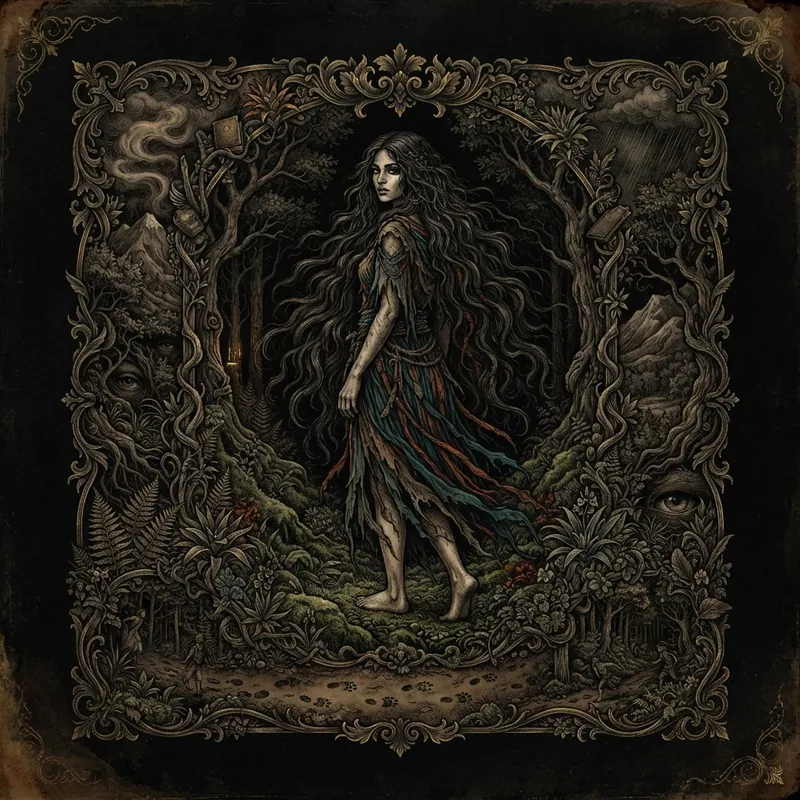
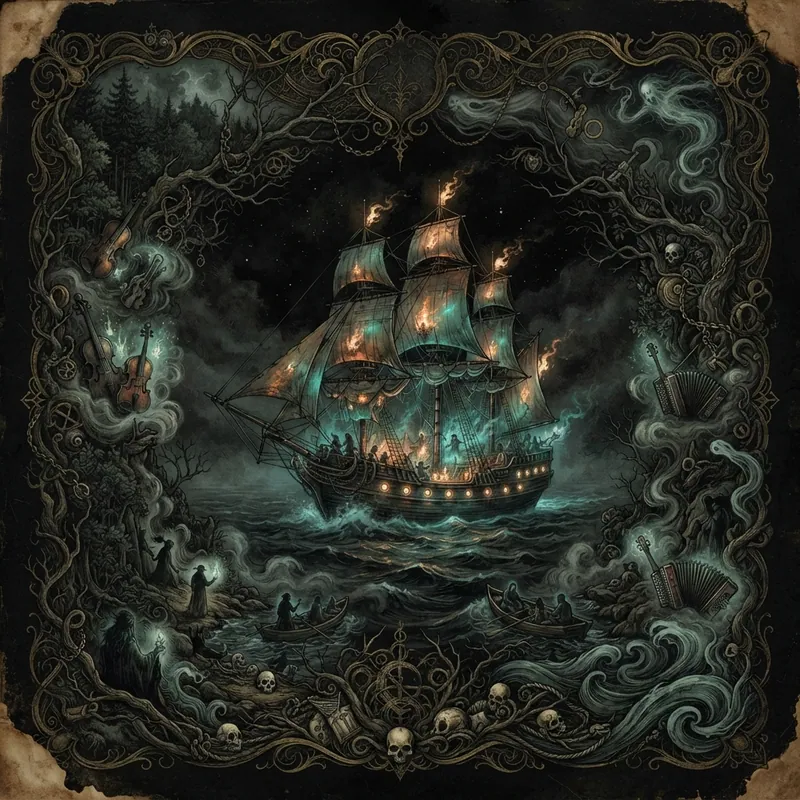
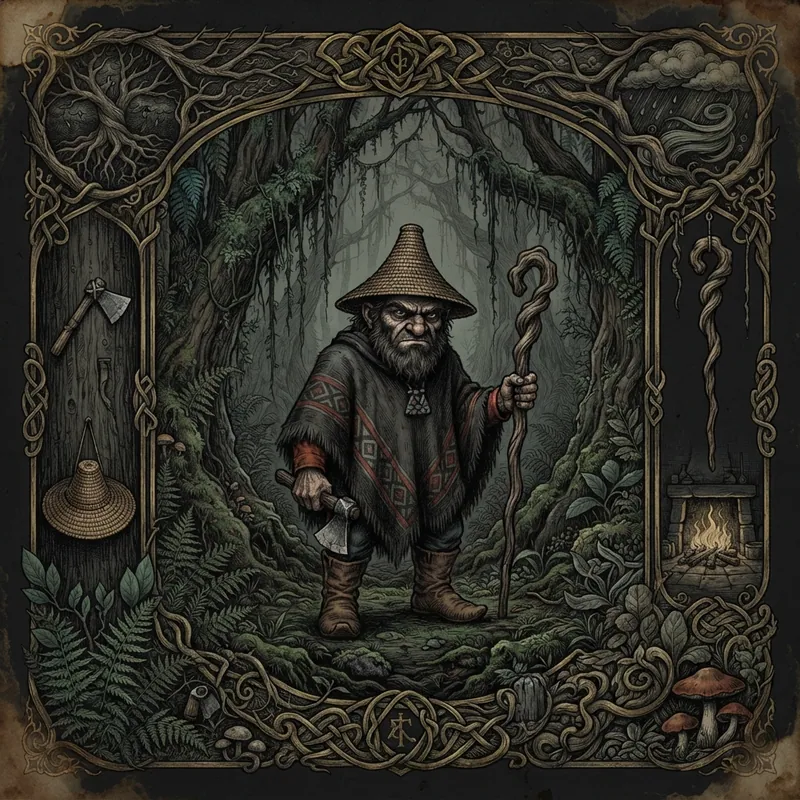
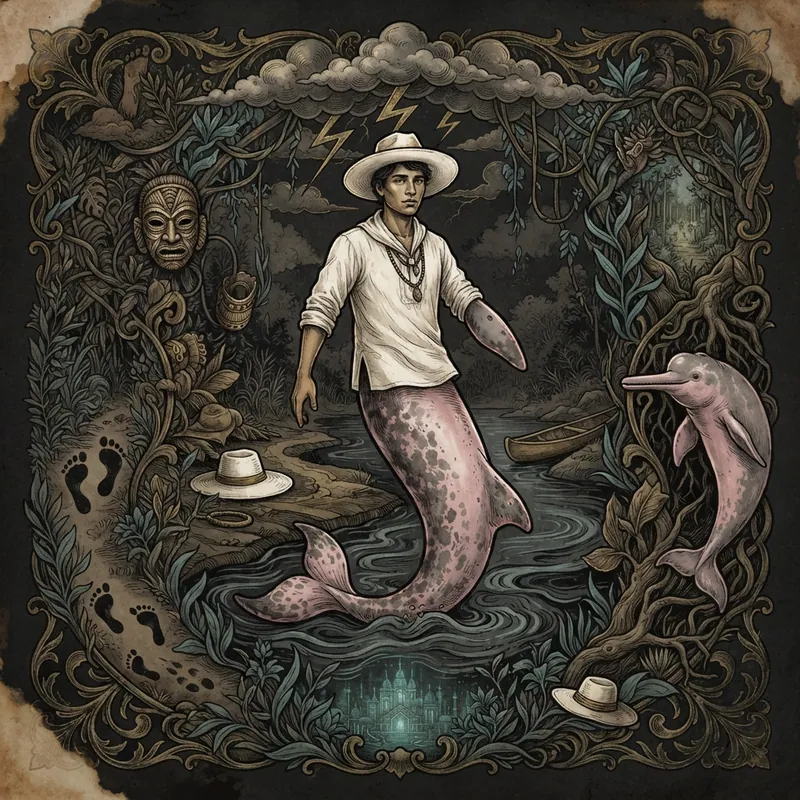
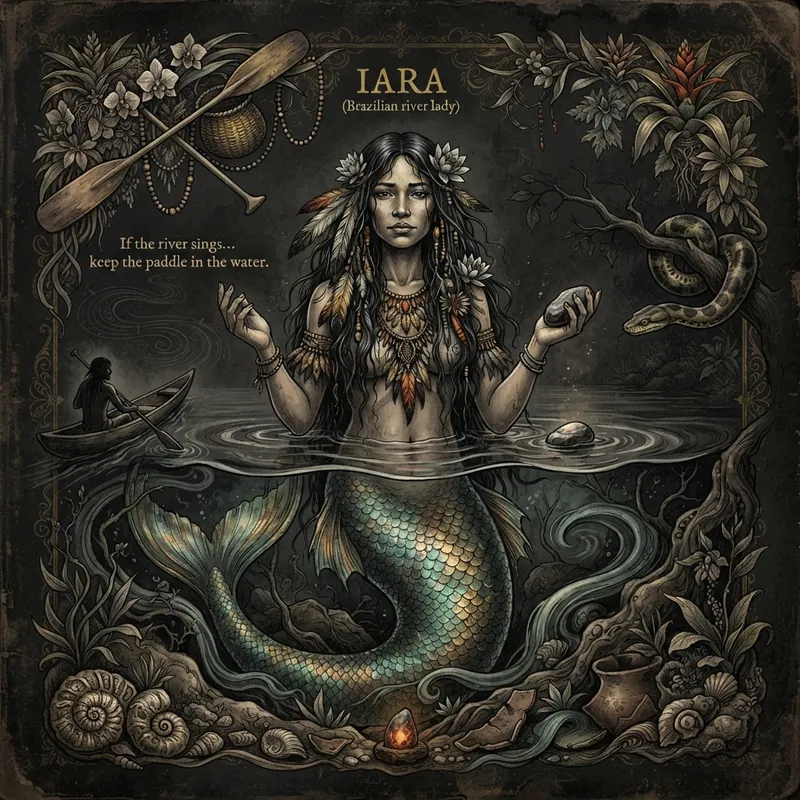
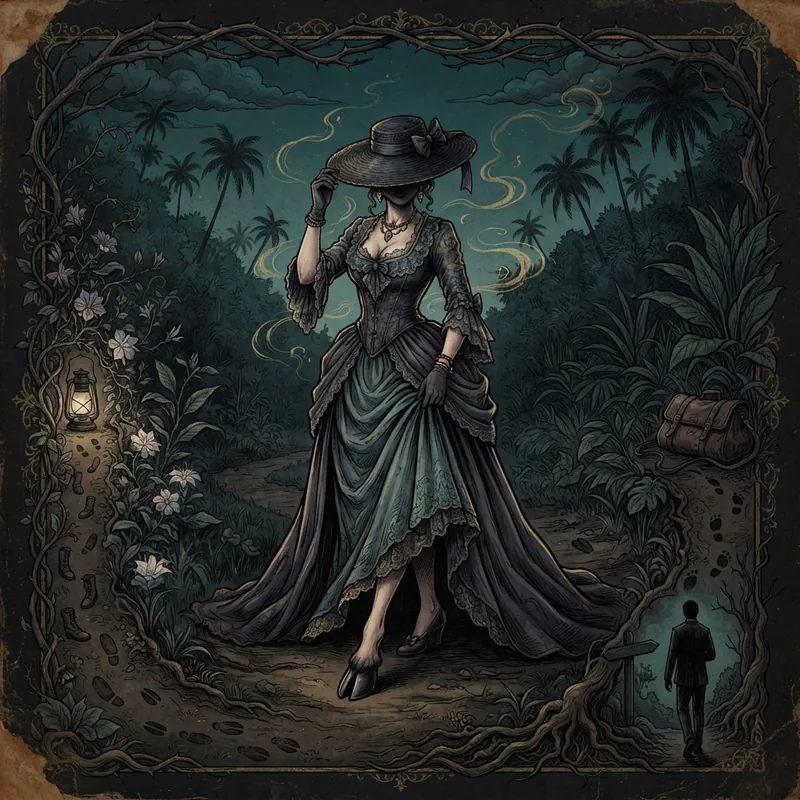
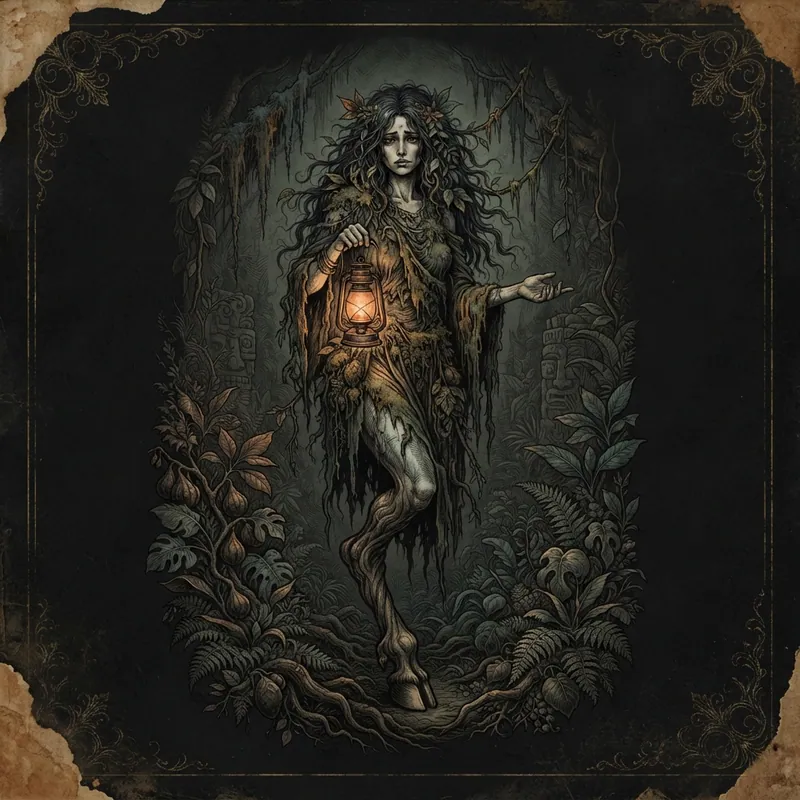
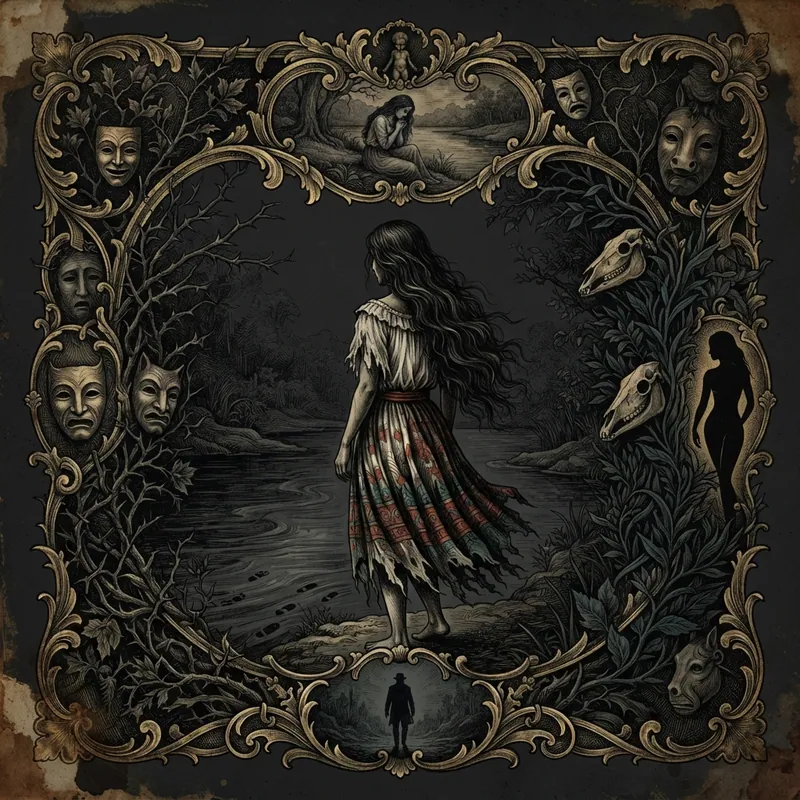
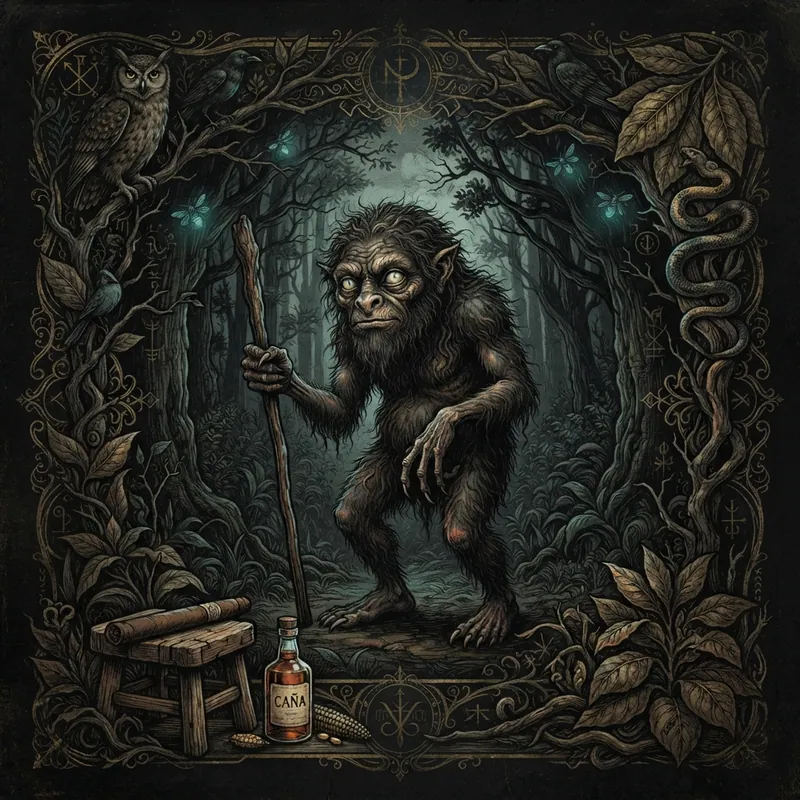
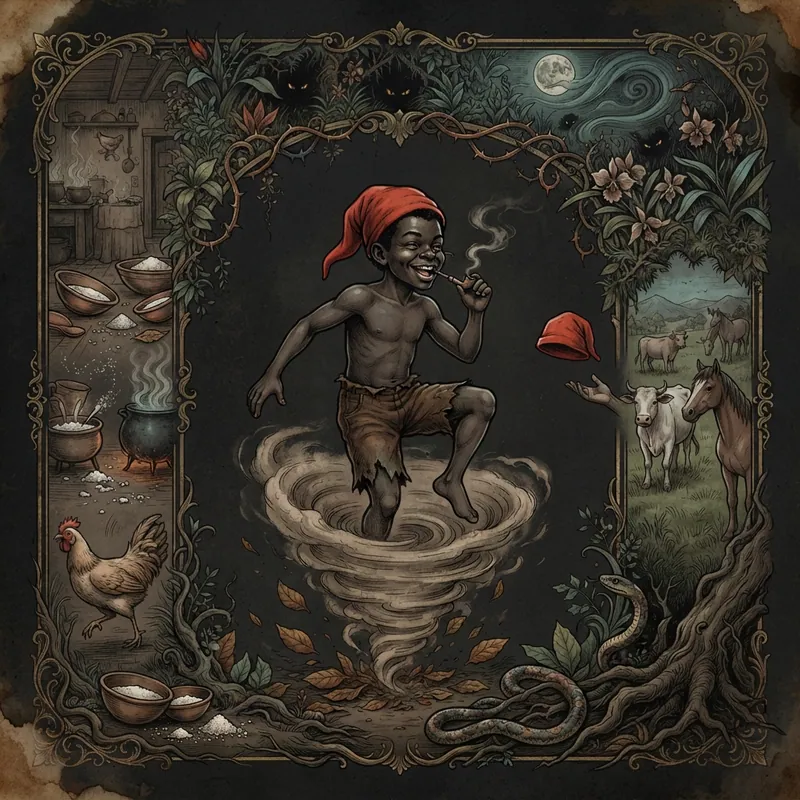
ChanequeNahua and Mexican forest householders — chanehqueh, owners of the place — small guardians of woods, water, and caves. Related in role to Maya aluxob but Mexican in language and cosmology. Living belief in several regions, not a vanished Aztec mascot.CiguapaA Dominican mountain being, often a long-haired woman with backward-facing feet, whose tracks mislead pursuers. Tellings run from shy forest presence to dangerous lure; she is not simply La Llorona in another country.El CaleucheThe ghost ship of Chiloé — Buque de Arte, Barcoiche, ship of fire — a night brig of lights and music that sails the channels, even underwater, carrying brujos and the drowned. Island lore, not a generic Flying Dutchman with Spanish names.El TraucoA small, deformed forest being of Chiloé who carries a stone axe and a twisted staff, the pahueldún. His gaze and breath are said to overwhelm women and injure men. Island lore, not a generic Latin American incubus.EncantadoAmazonian encantados: river dolphins, especially the pink boto, who take human form, dance at festivals, seduce, and carry people to the Encante, a city under the water. Living Amazon tradition of Brazil and neighbouring Peru, not a generic mermaid and not the same as Iara.IaraBrazil’s river lady: Iara or Uiara, from nheengatu y + iara, mistress of the waters. A nineteenth-century Amazonian synthesis of Indigenous water-owner, European mermaid, and later Iemanjá talk — not a colonial-era mermaid already sitting in every Tupi village.La DiablesseA Creole temptress of Trinidad, Martinique, and neighbouring islands: poise and perfume from the front, one cow’s hoof under the long dress, a face the hat keeps back. She leads the unwary off the path. Not a generic succubus; keep the French-Creole and African-Caribbean setting.La PatasolaA one-legged forest seducer of Colombian lore who lures men into the wilderness. Often read as a warning about the jungle’s dangers and gendered violence in oral tradition.La SiguanabaA Central American spectre — Siguanaba, Sihuanaba, Cigua, Cegua — beautiful from behind, horse-faced or skull-faced up close. Related to La Llorona as a weeping or water woman in popular talk, but not the same being: she punishes lust and infidelity, and in Salvadoran cycles seeks her son Cipitío.PomberoA short, hairy, often invisible night being of Guaraní Paraguay and neighbouring Brazil: Karai Pyhare, lord of the night, also called Pomberito. Guardian of birds and forest, trickster of barns and paths. Keep the Guaraní names; he is not a generic Latin American duende.Saci-pererêBrazil’s one-legged trickster: a Black boy in a red cap, pipe in mouth, riding dust-devils, switching salt and sugar, freeing livestock. A syncretic Tupi, African, and Portuguese figure, not a single Indigenous demon and not a cute mascot only.
 ♧
♧ ♧
♧ ≈
≈ ♧
♧ ◎
◎ ≈
≈ ⛤
⛤ ♧
♧ ◌
◌ ♧
♧ ☿
☿