THE ATLAS, BY REGION
Europe & the North
36 records held across 30 traditions.
Alpine folklore · 2
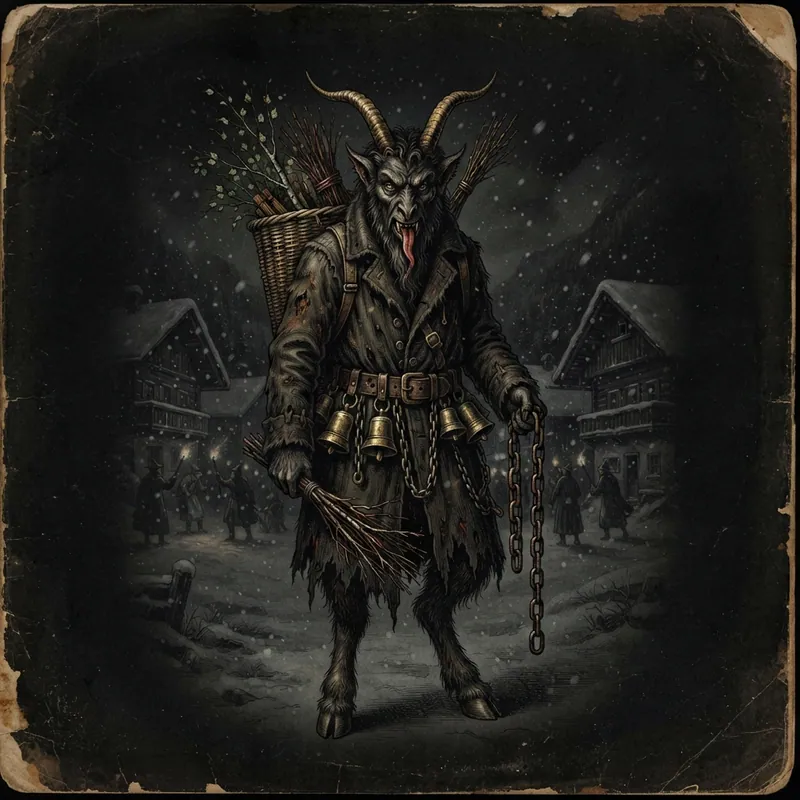
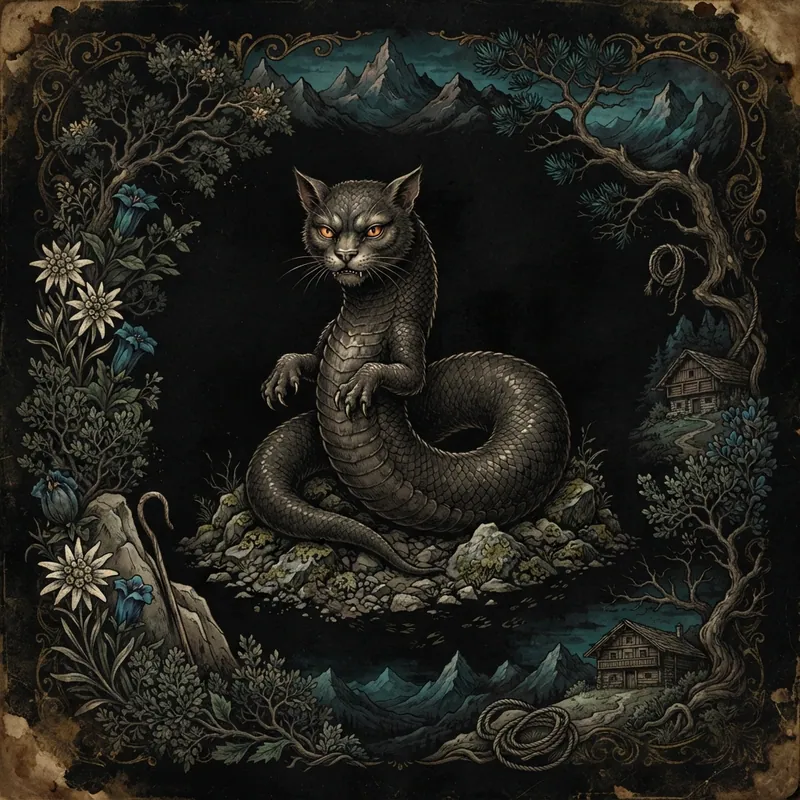
KrampusA horned, frightening companion figure in Alpine seasonal customs and parades, whose modern image has travelled far beyond its local traditions.TatzelwurmAn Alpine lizard-dragon of Austrian, Bavarian, and Swiss lore: cat-faced, often two-legged, wingless, living in high rock. A regional cryptid of pastures and caves, not a generic mountain demon.
 ☾
☾ ◒
◒Basque folklore · 1
 ♧
♧Border folklore · 1
 ☾
☾Breton folklore · 1
 ✧
✧Celtic folklore · 1
 ✧
✧Cornish and mining folklore · 1
 ⌂
⌂East Anglian folklore · 1
 ✧
✧English and Scandinavian folklore · 1
 ⌂
⌂English folklore · 1
 ≈
≈European folk belief · 1
 ✧
✧Finnish folklore · 1
 ♧
♧French and Francophone folklore · 1
 ◎
◎Galician folklore · 1
 ✧
✧German and Austrian folklore · 1
 ☾
☾German folklore · 1
 ☾
☾Greek folklore · 2
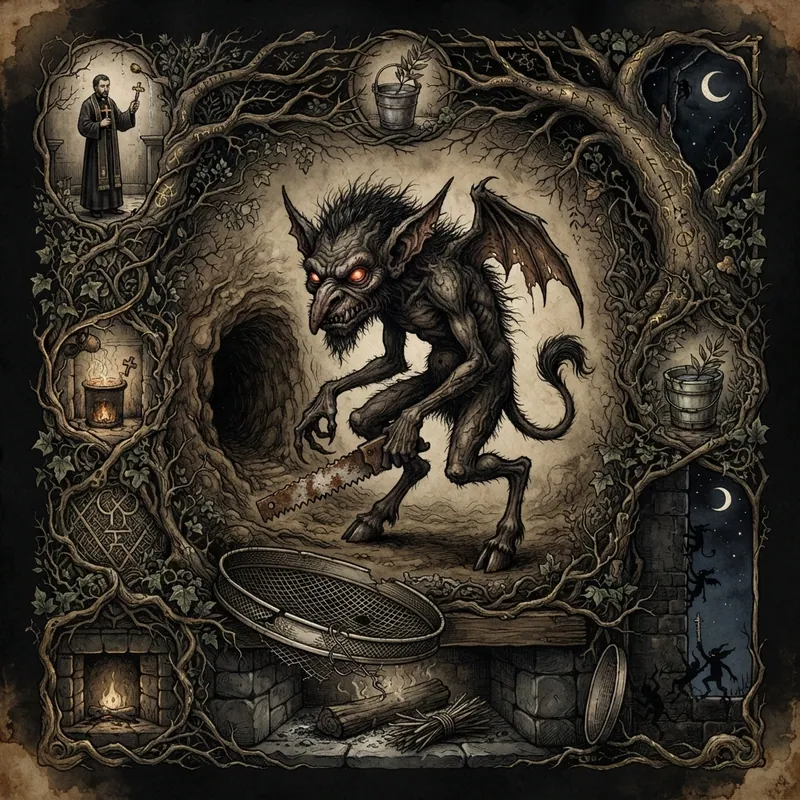
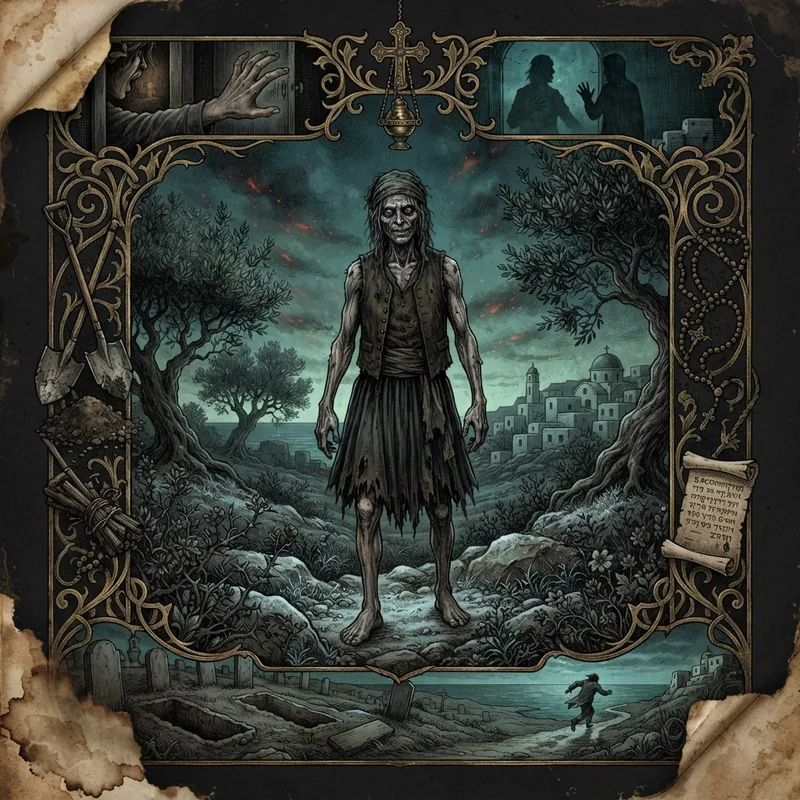
KallikantzarosGreek and Anatolian Christmas goblins who spend the year sawing the world-tree underground and climb out only for the Twelve Days. Epiphany water and a kept fire send them home.VrykolakasA Greek Orthodox revenant: a corpse that remains whole and walks because of sin, excommunication, or broken funeral order. The word is Slavic in origin; the being is not Dracula and not a Slavic vampire copy.
 ☾
☾ ☠
☠Irish and Scottish Gaelic folklore · 1
 ☾
☾Irish folklore · 3
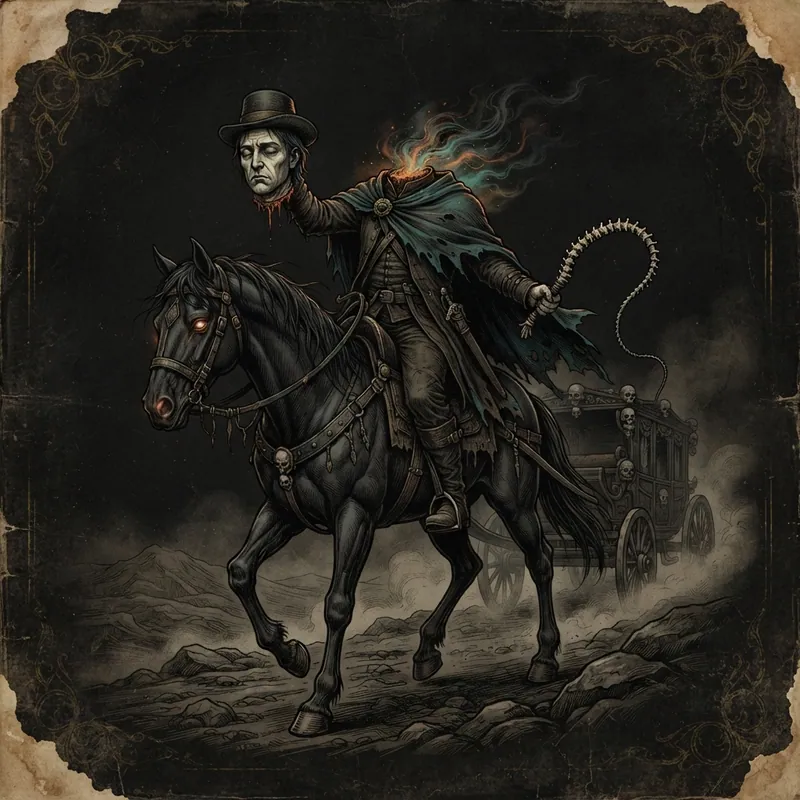
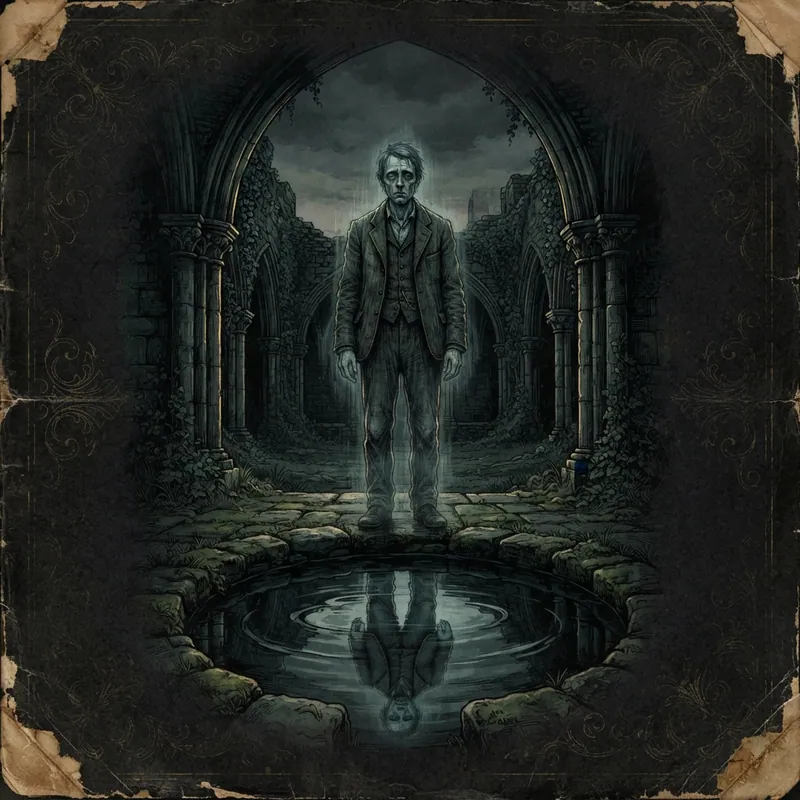
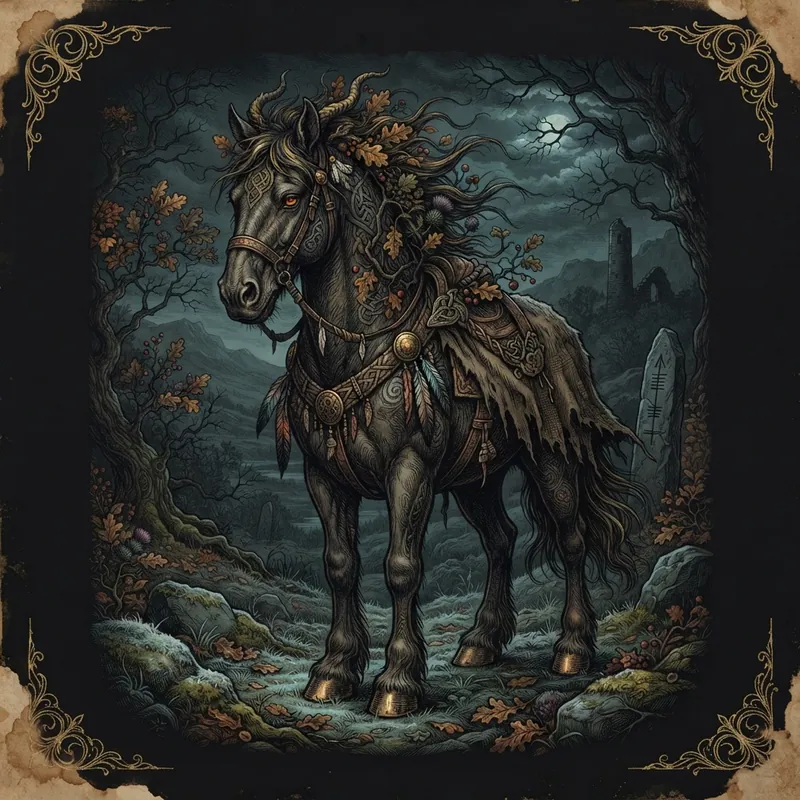
DullahanA headless harbinger in Irish folklore, often riding a black horse or driving a death-coach. Where he stops, a death is said to follow; gold may force him away in some tellings.FetchA spectral double in Irish tradition whose appearance can foretell death or crisis. Related to wider European doppelgänger lore but rooted in Irish naming and omen practice.PúcaA mercurial shape-changing being in Irish folklore, sometimes frightening, sometimes helpful, and rarely reducible to a single moral.
 ✧
✧ ✧
✧ ◎
◎Jewish folklore · 1
 ❖
❖Leicestershire folklore · 1
 ♧
♧Nordic folklore · 1
 ⌂
⌂Norse and Icelandic tradition · 1
 ✦
✦Orcadian, Shetland, and Scottish folklore · 1
 ◎
◎Orkney folklore · 1
 ☾
☾Scandinavian and Germanic folklore · 1
 ≈
≈Scandinavian folklore · 1
 ♧
♧Scottish folklore · 1
 ≈
≈Scottish Gaelic folklore · 3
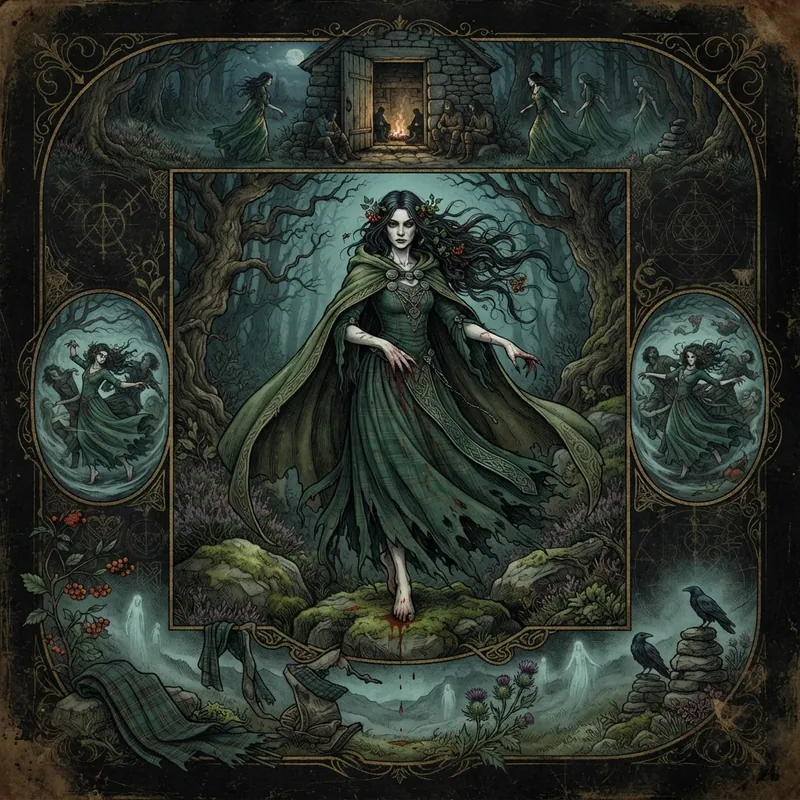
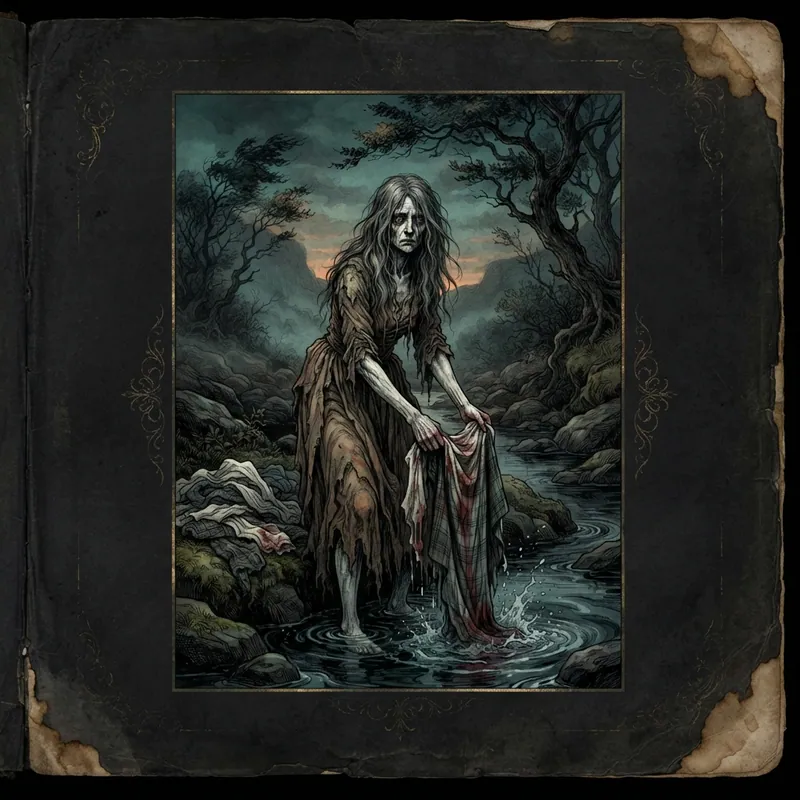
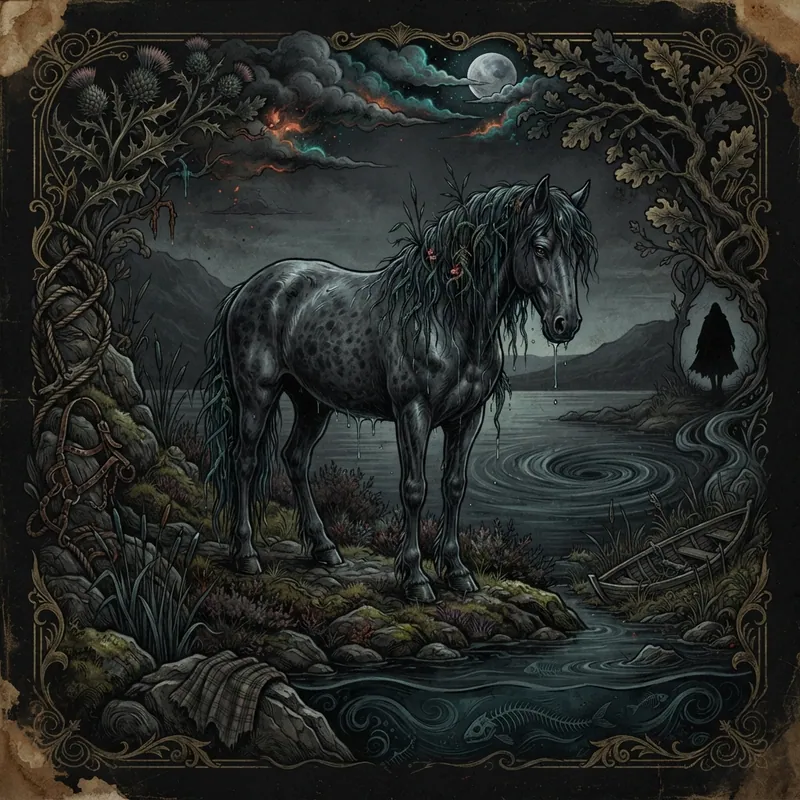
Baobhan SìthFemale Highland fairies who appear as beautiful dancers and drain the blood of hunters. They belong to Gaelic sìth tradition, not to the Irish banshee and not to literary vampires.Bean NigheThe washing woman of Scottish Gaelic tradition, a type of death messenger related to the banshee complex, seen laundering the clothes of those about to die.Each-uisgeThe Gaelic water-horse of Highland lochs, shape-changing and devouring. John Gregorson Campbell insisted it is not the kelpie of streams and torrents, though English retellings often merge the two.
 ❋
❋ ✧
✧ ≈
≈ ≈
≈ ◒
◒