BY TRADITION
Slavic folklore
8 records of Slavic folklore — the beings, warnings and stories the tradition keeps, with sources.
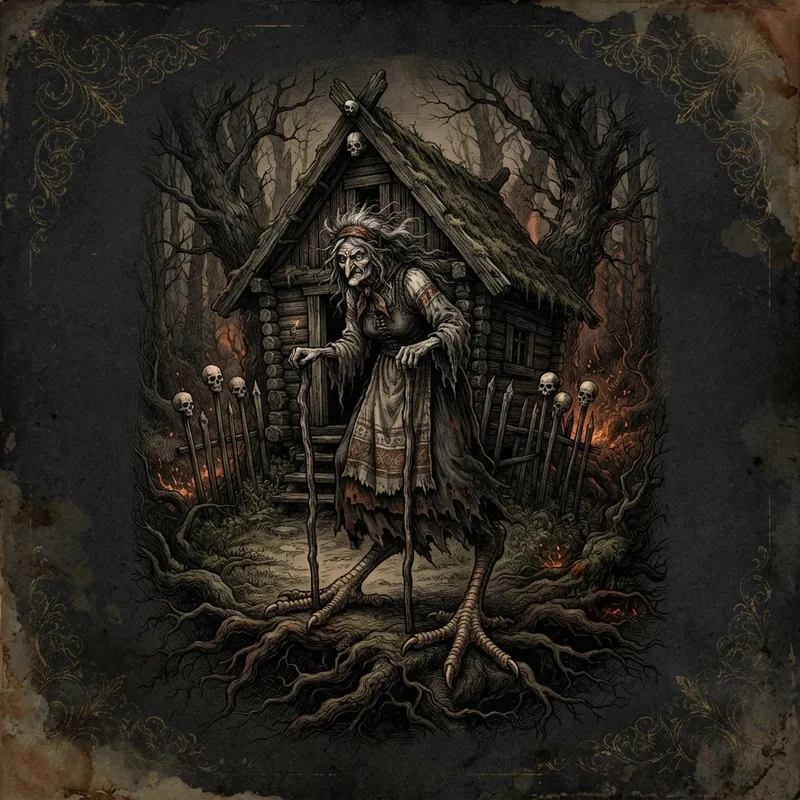
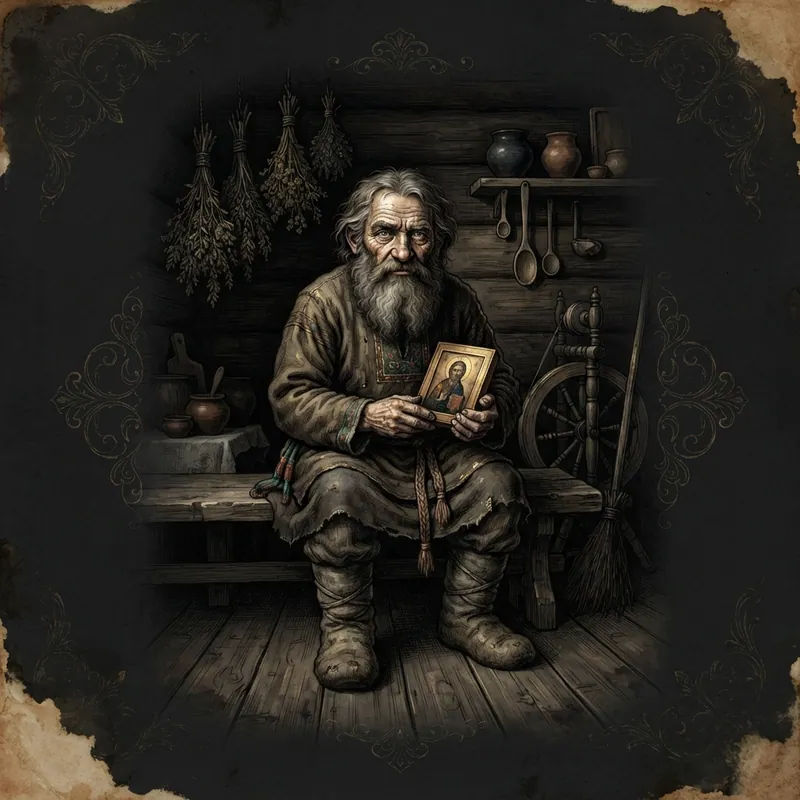
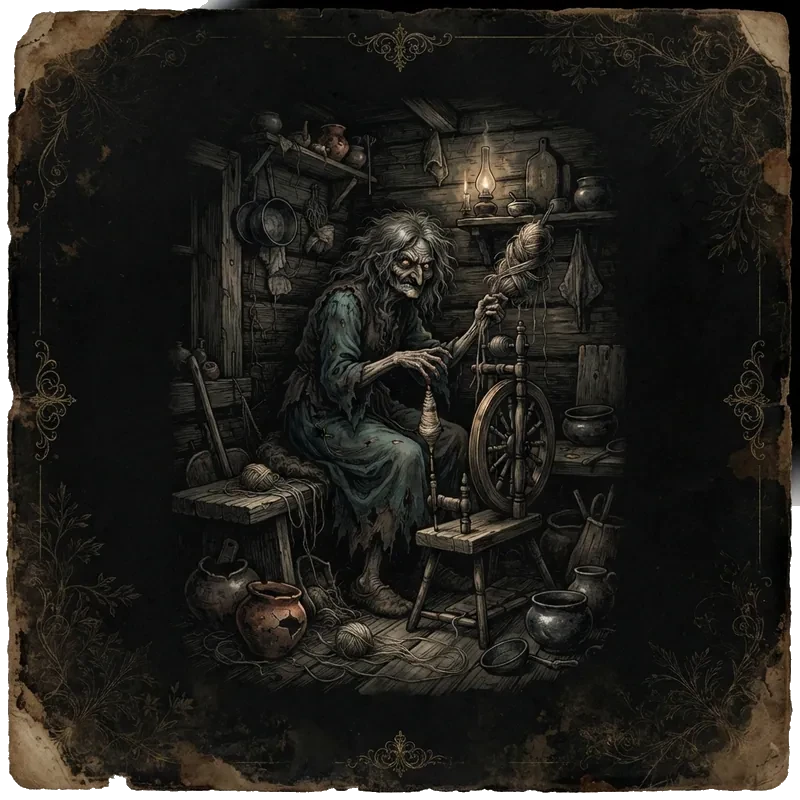
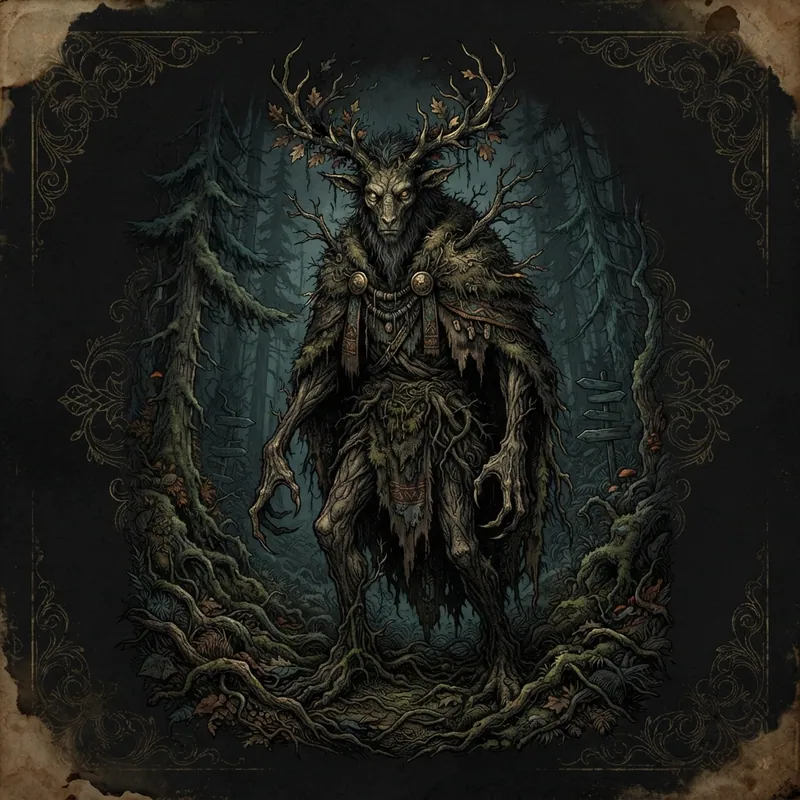
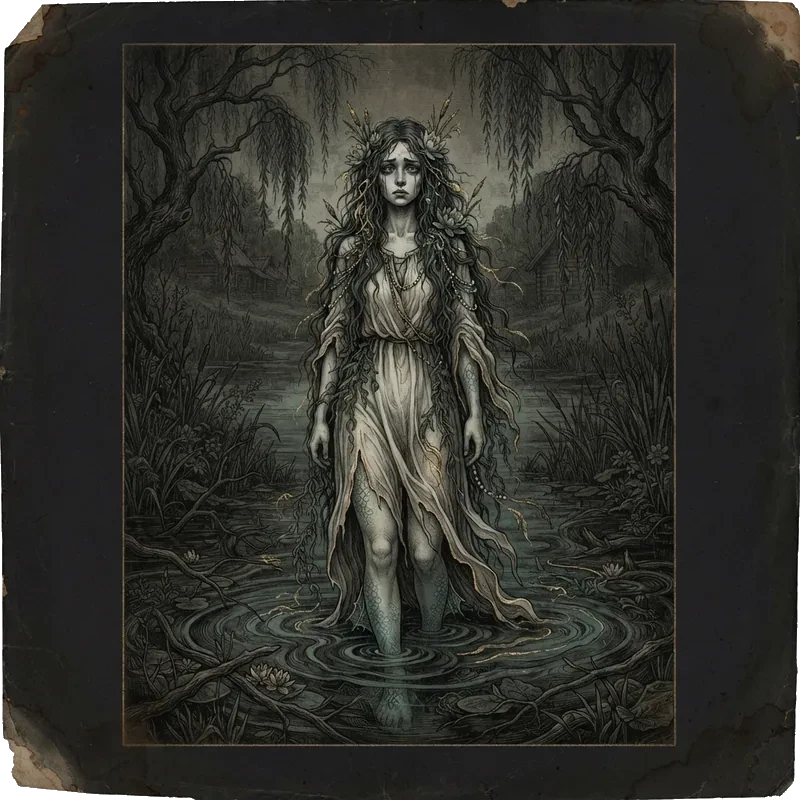
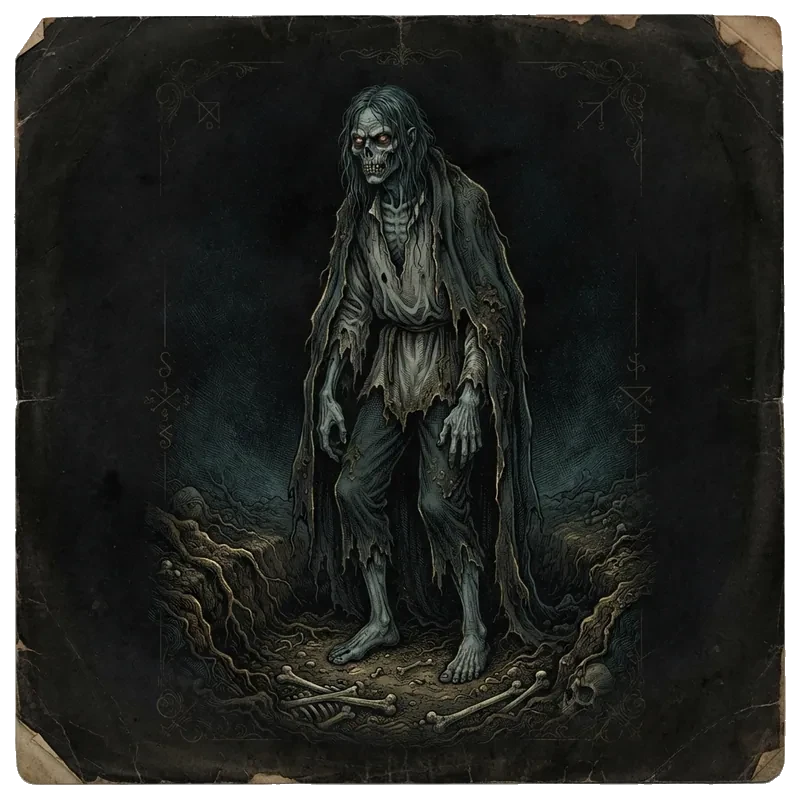
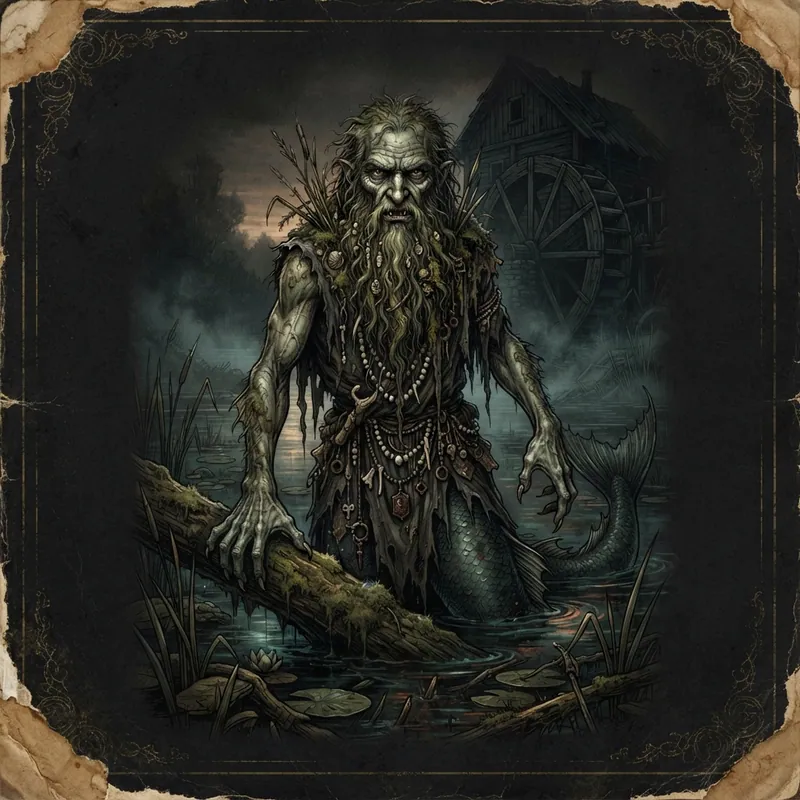
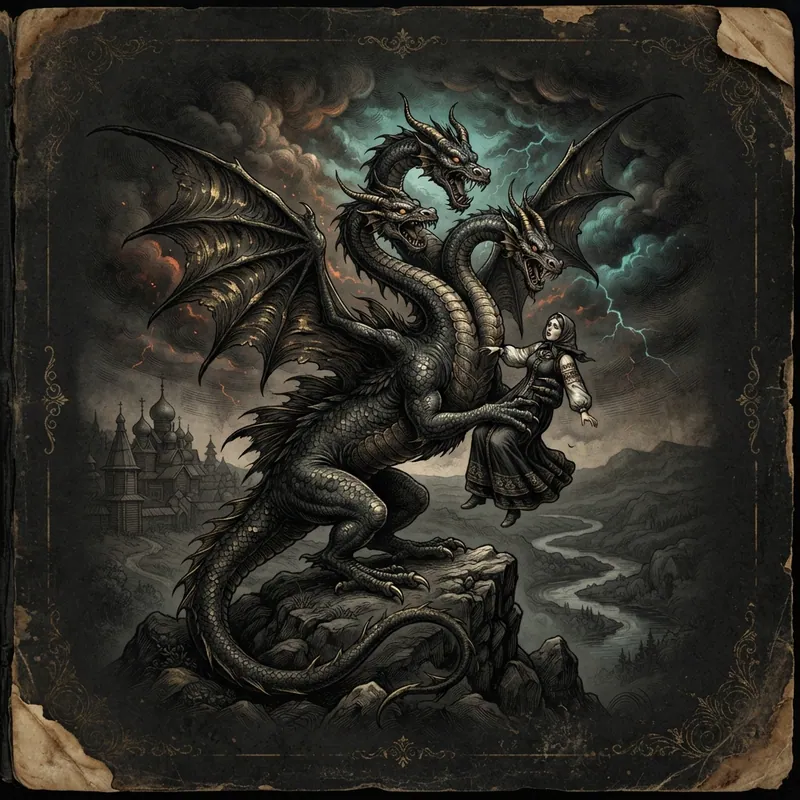
Baba YagaA formidable old woman of Slavic folktales whose hut stands on chicken legs. She can threaten, test, or aid a traveller; no single telling contains her.DomovoiA household spirit in Slavic folklore, connected with the wellbeing of the home and the obligations of those who live there.KikimoraA domestic spirit in Slavic folklore, sometimes linked with unfinished household work, night noises, and unease inside the home. Tellings differ on whether she is merely mischievous or actively harmful.LeshyA forest being in Slavic tradition, variously imagined as guardian, trickster, or shapeshifter whose domain confuses the unwary.RusalkaA Slavic water spirit, in many tellings the restless soul of a young woman who drowned or died unwed, dwelling in rivers and lakes and drawing the living to the water.UpyrA Slavic term for a dangerous returning dead figure, often associated with improper burial or an unclean death. Later vampire fiction borrows the word but should not overwrite older regional meanings.VodyanoyA male water spirit of Slavic lore (vodník, wodnik, and related names elsewhere), often imagined as an old, slime-slick master of ponds and rivers who drowns the bold or bargains with millers.ZmeyA dragon or serpent figure across Slavic storytelling (zmey, zmaj, smok), sometimes a storm-bringer, sometimes a shapeshifting abductor of maidens, sometimes a guardian. Local names and morals diverge widely.
 ♧
♧ ⌂
⌂ ⌂
⌂ ♧
♧ ≈
≈ ✦
✦ ≈
≈ ◎
◎