THE ATLAS, BY REGION
The Americas
34 records held across 25 traditions.
Algonquian folklore · 1
 ♧
♧Amazonian folklore · 1
 ◎
◎Amazonian lore · 1
 ◒
◒Brazilian folklore · 4
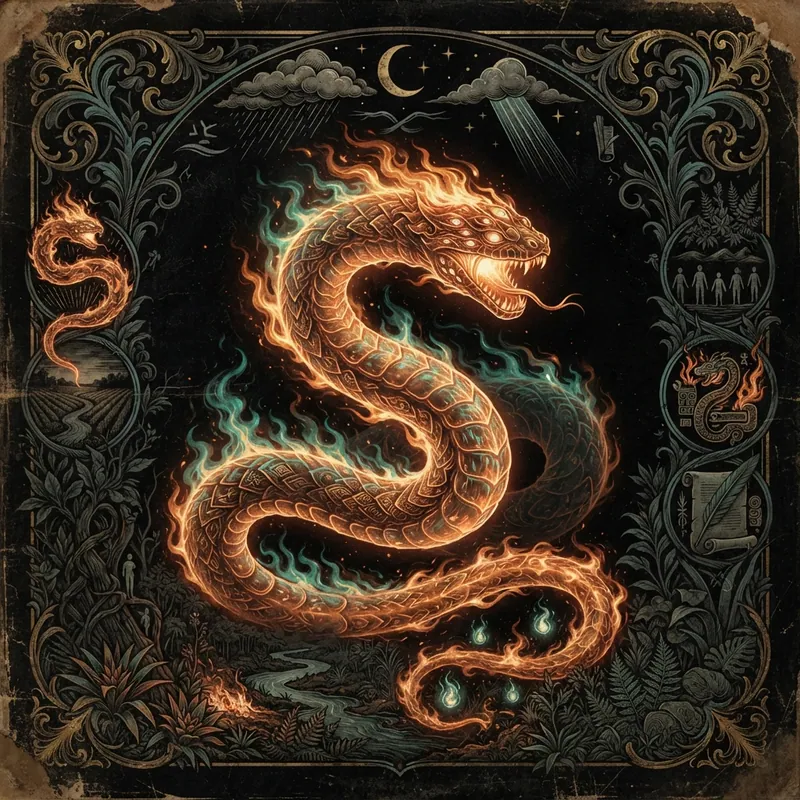
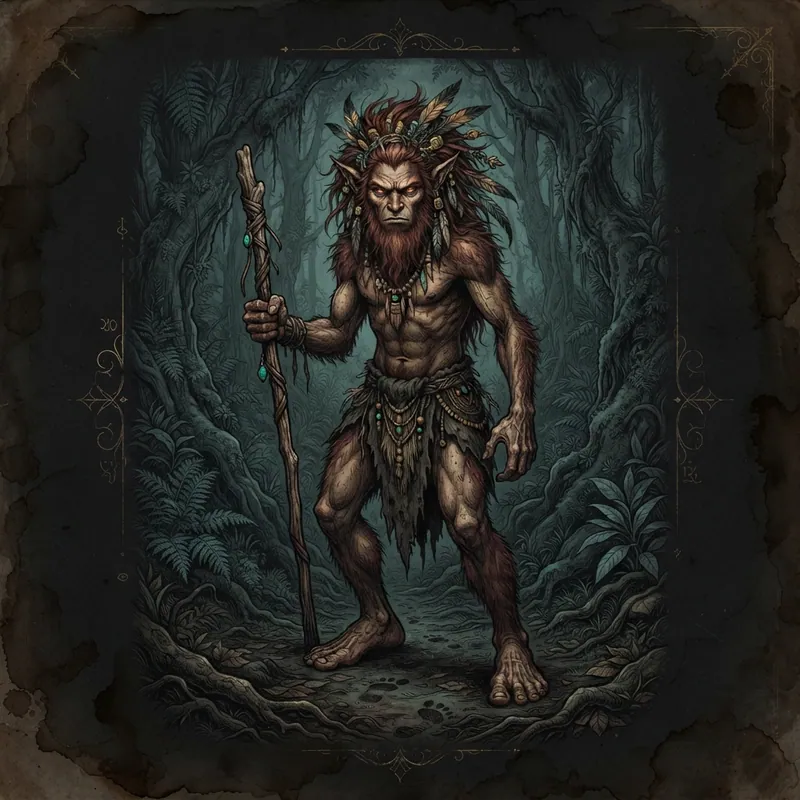
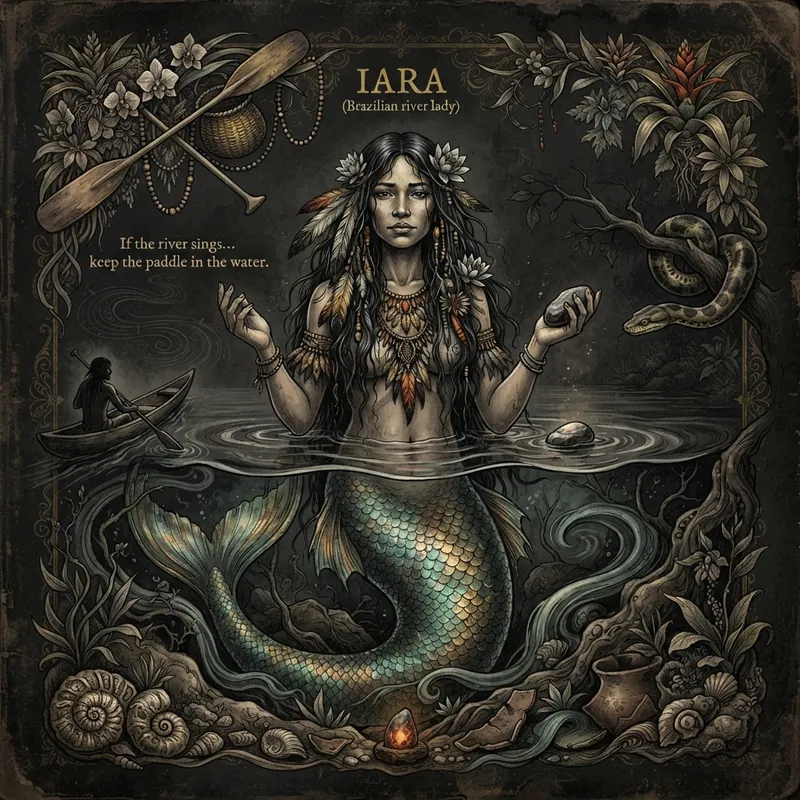
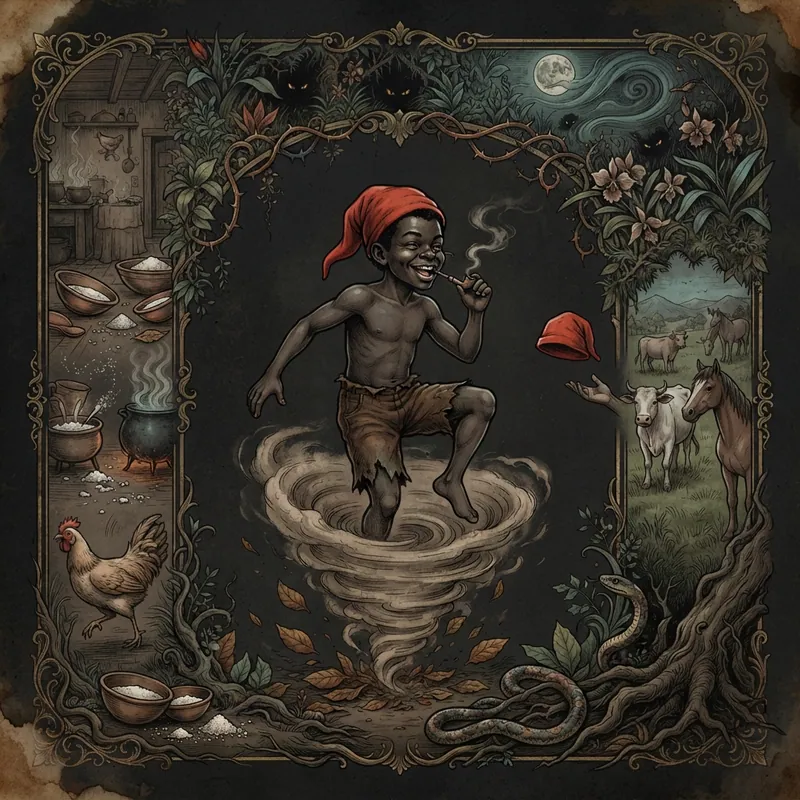
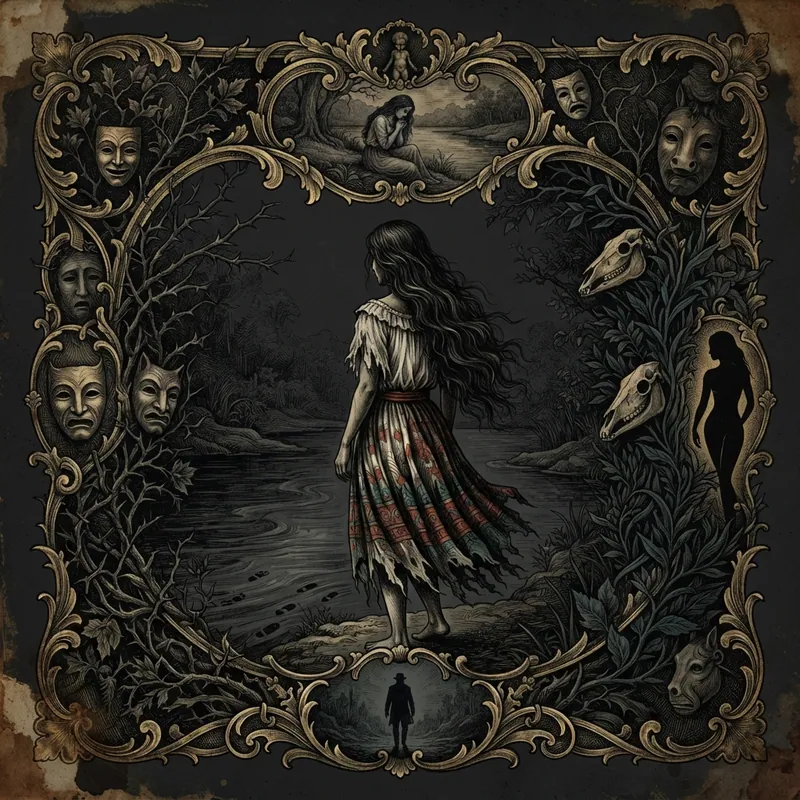
BoitatáA Brazilian fire-omen: Boitatá, from Tupi mbaê-tata, fiery thing, later heard as mbói-tatá, fire snake. Guardian of fields against arson, recorded by José de Anchieta in 1560 as baetatá. Regional forms include bull and will-o’-the-wisp.CurupiraA forest guardian of Brazilian folklore, often recognized by backward-facing feet that confuse hunters and protect the forest.IaraBrazil’s river lady: Iara or Uiara, from nheengatu y + iara, mistress of the waters. A nineteenth-century Amazonian synthesis of Indigenous water-owner, European mermaid, and later Iemanjá talk — not a colonial-era mermaid already sitting in every Tupi village.Saci-pererêBrazil’s one-legged trickster: a Black boy in a red cap, pipe in mouth, riding dust-devils, switching salt and sugar, freeing livestock. A syncretic Tupi, African, and Portuguese figure, not a single Indigenous demon and not a cute mascot only.
 ✧
✧ ♧
♧ ≈
≈ ☿
☿Central American folklore · 1
 ✧
✧Chiloé folklore · 3
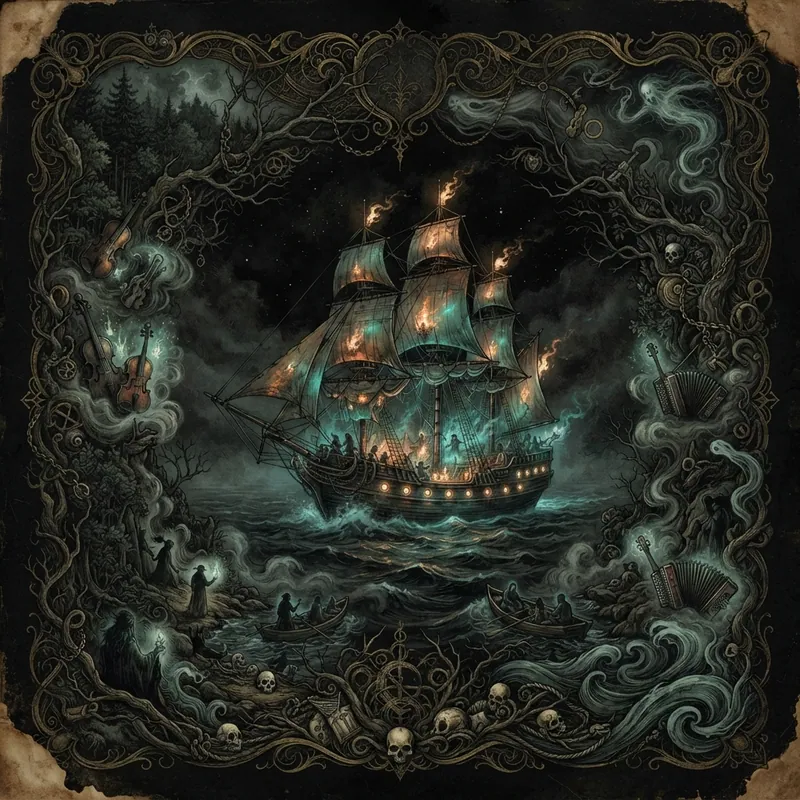
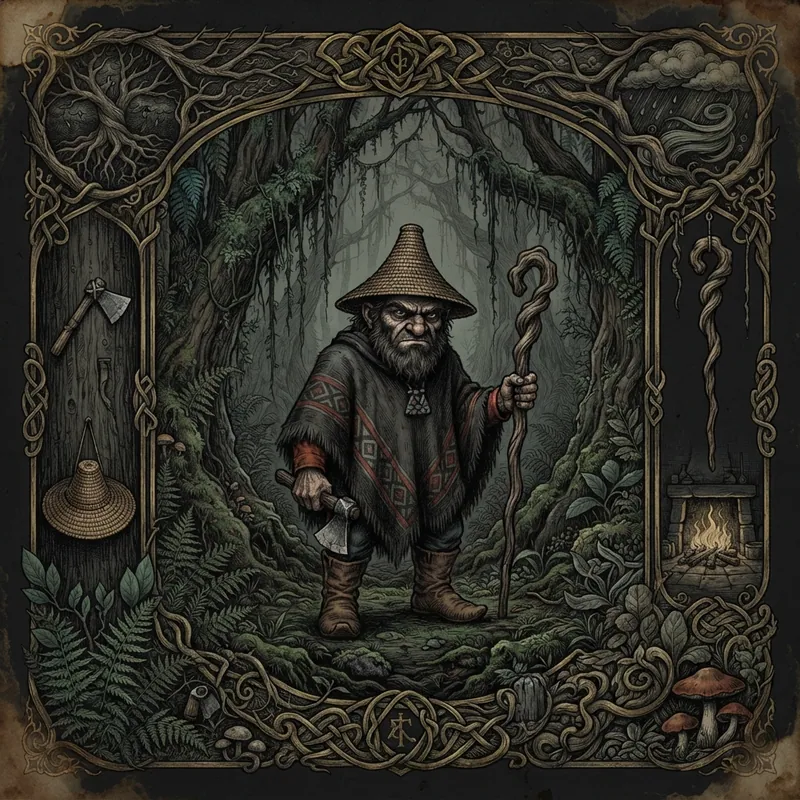
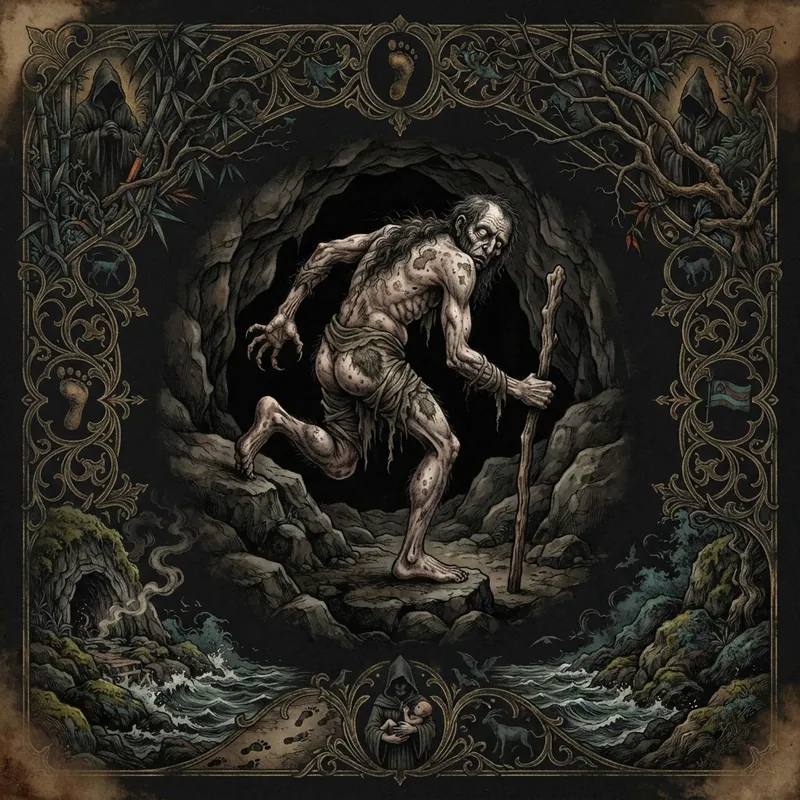
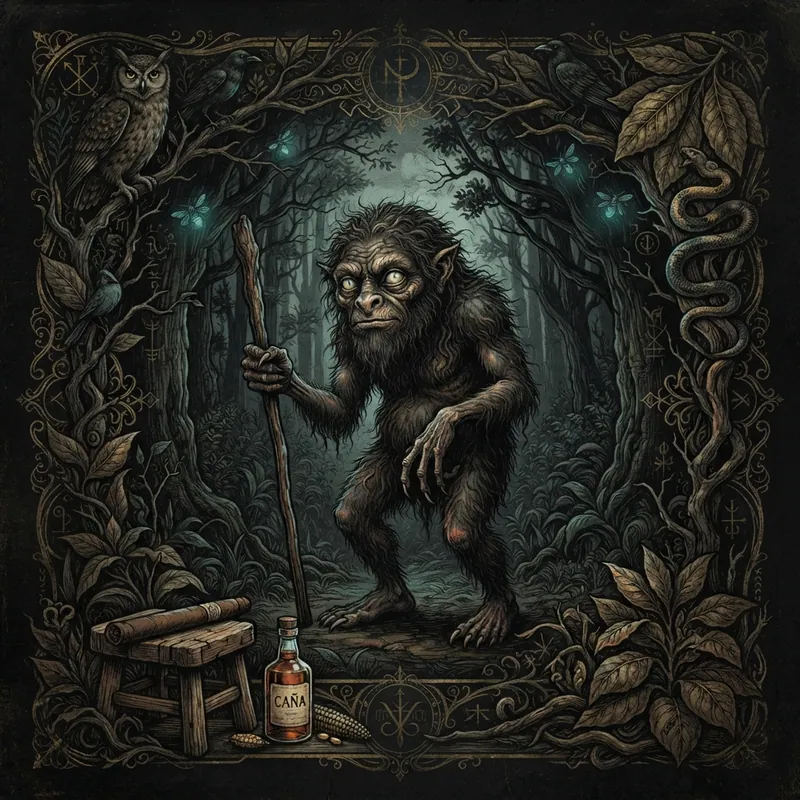
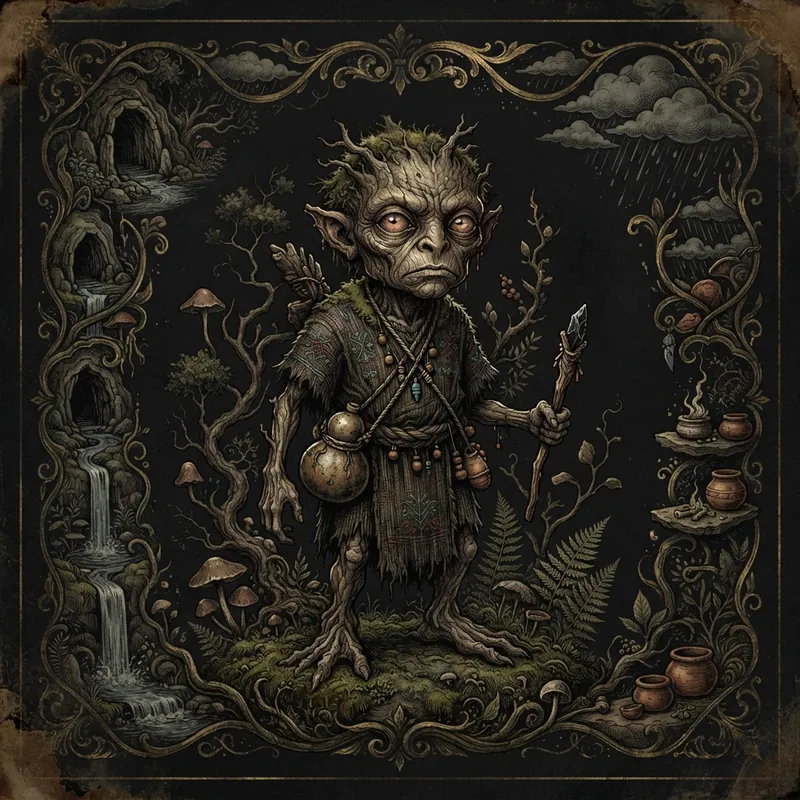
El CaleucheThe ghost ship of Chiloé — Buque de Arte, Barcoiche, ship of fire — a night brig of lights and music that sails the channels, even underwater, carrying brujos and the drowned. Island lore, not a generic Flying Dutchman with Spanish names.El TraucoA small, deformed forest being of Chiloé who carries a stone axe and a twisted staff, the pahueldún. His gaze and breath are said to overwhelm women and injure men. Island lore, not a generic Latin American incubus.InvuncheIn Chiloé lore, the imbunche or invunche is a stolen or sold first-born, reshaped by island brujos into the mute, twisted porter of the witches’ cave. Distinctly Chilote — tied to the Recta Provincia and caves such as Quicaví — not a mainland ghost.
 ≈
≈ ♧
♧ ❖
❖Colombian and Andean folklore · 1
 ♧
♧Contemporary Latin American legend · 1
 ◒
◒Contemporary local legend · 1
 ◒
◒Diné (Navajo) living tradition · 1
 ◎
◎Dominican folklore · 1
 ♧
♧Guaraní folklore · 1
 ♧
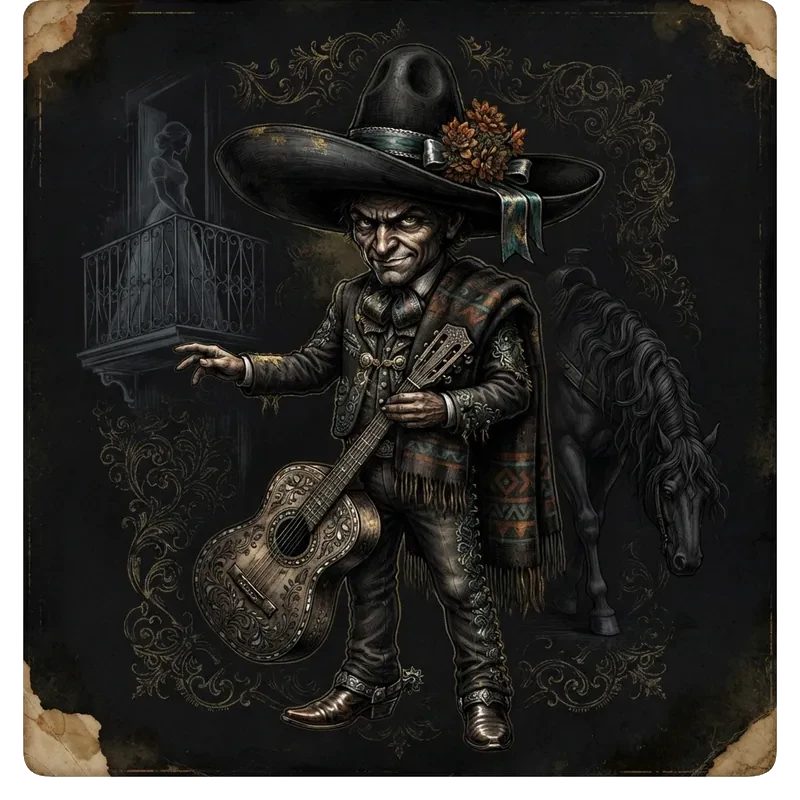
♧Guatemalan folklore · 1
 ☾
☾Inuit folklore · 5
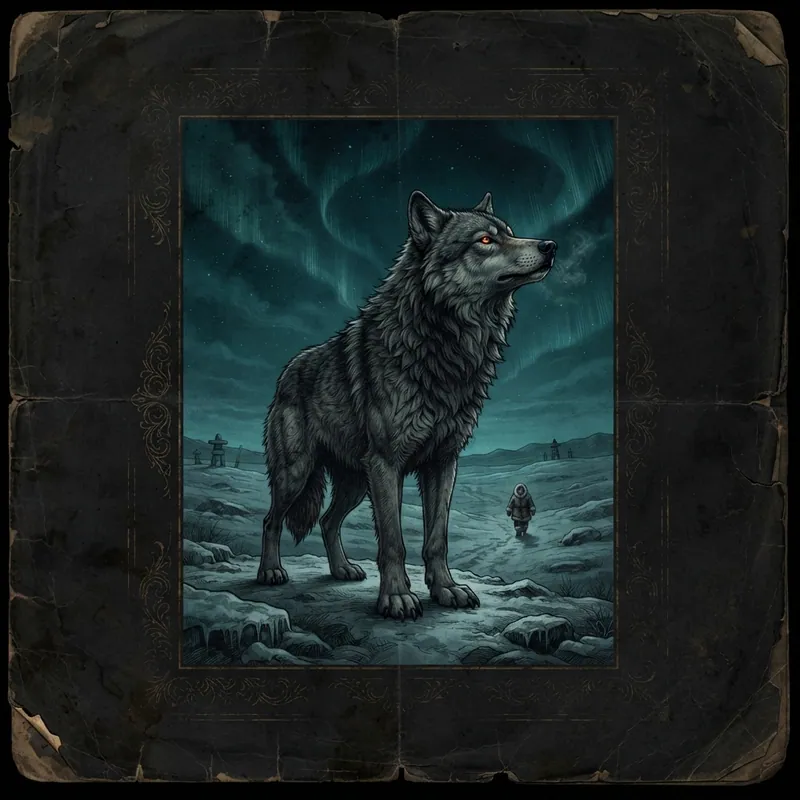
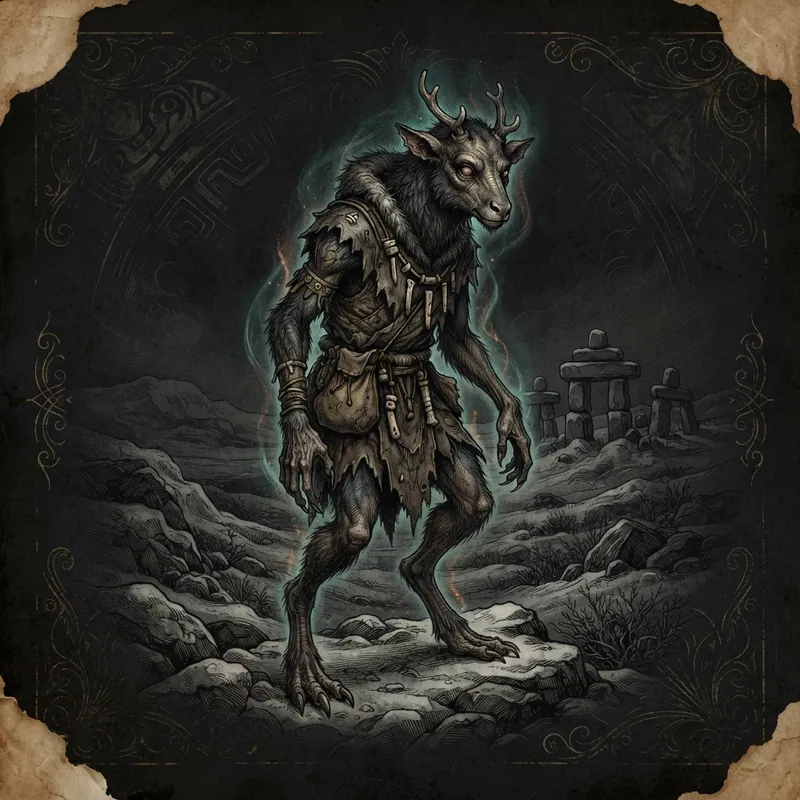
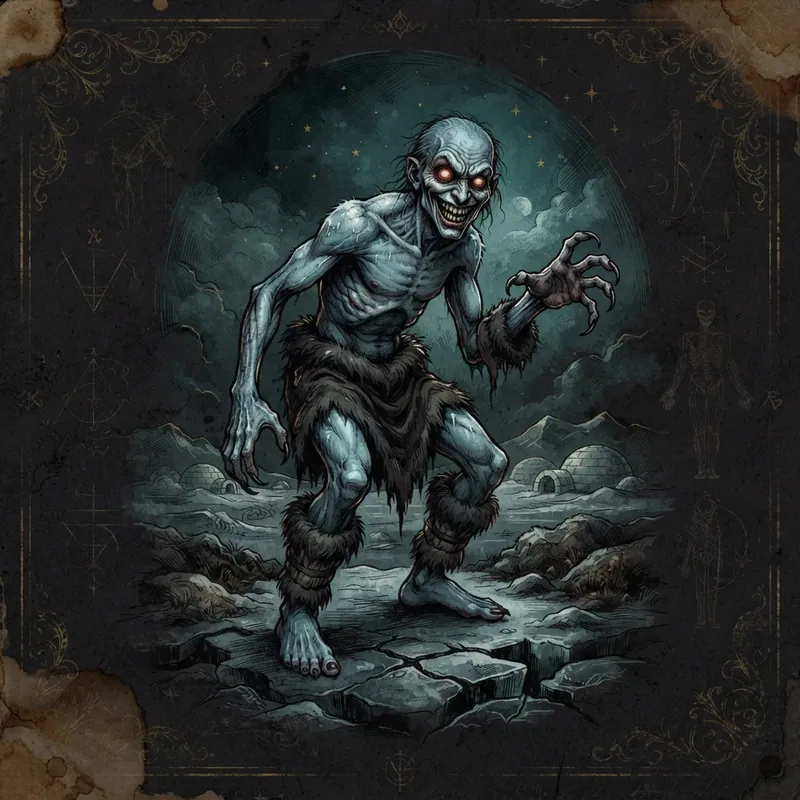
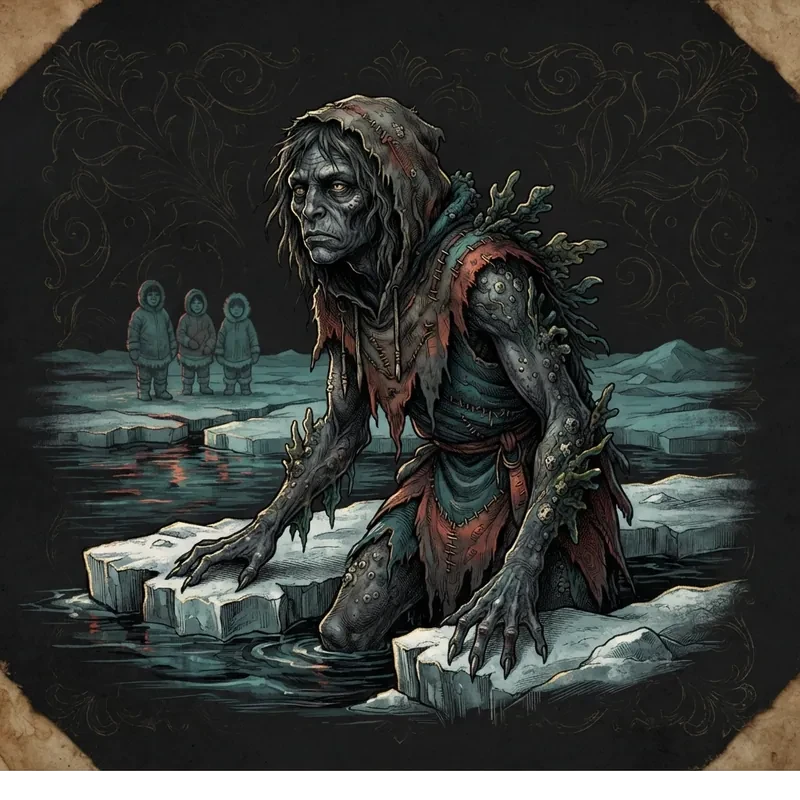
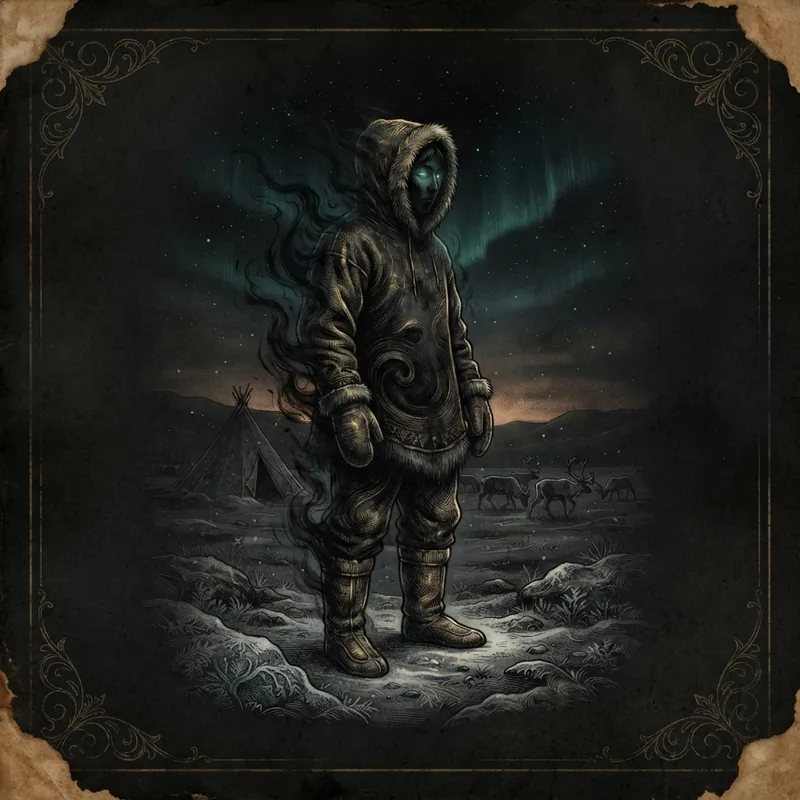
AmarokA giant wolf of Inuit folklore that hunts solitary travellers. Unlike pack wolves, the amarok is associated with the danger of going alone into the land.IjiraqShapeshifting beings in Inuit lore (especially North Baffin dialects) associated with leading travellers astray or hiding children. Inuksuit may help the lost find a way home. Treat as living cultural knowledge, not a game enemy.MahahaA cold-weather being in Inuit art and story, often barefoot and long-nailed, said to tickle victims to death while grinning. Also known in some tellings as qungalukkakkiit.QallupilluitHumanoid sea beings in Inuit storytelling that lurk near floe edges and may take children who wander too close to dangerous ice. Descriptions vary; the stories also teach survival at the land–sea boundary.TariaksuqShadow-people beings in some Inuit tellings, glimpsed sideways rather than confronted. Related in discussion to ijirait but not identical; elders’ knowledge should lead any serious reading.
 ♧
♧ ◎
◎ ☾
☾ ≈
≈ ◎
◎ ≈
≈ ◎
◎ ✦
✦ ♧
♧ ◒
◒ ◌
◌ ◎
◎ ◎
◎ ⛤
⛤ ✧
✧ ✦
✦